





Time:2025-12-20 Views:1
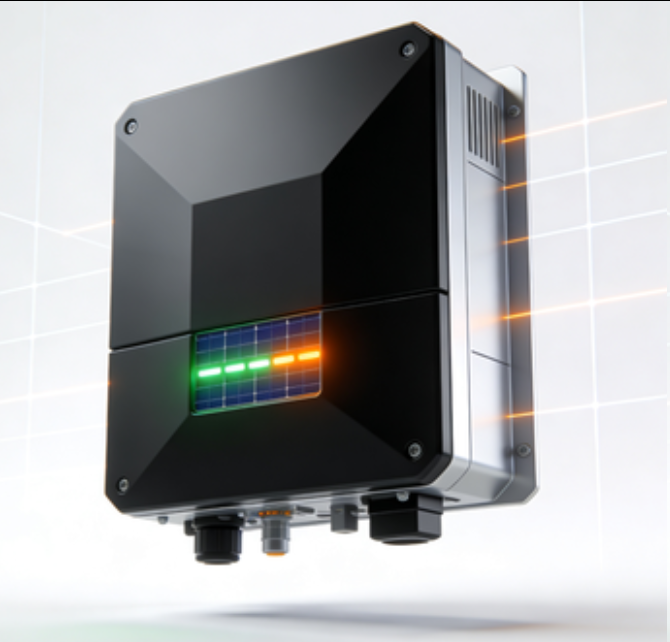
Inverters for solar panels are essential components that convert DC electricity generated by solar panels into usable AC power, and their selection directly impacts the efficiency and reliability of the entire PV system. They are mainly classified into four types based on application scenarios and system scale. String inverters, with power ratings from 30kW to 225kW, are widely used in commercial and utility - scale projects. They connect 10 - 20 panels in a string, offering good shade tolerance and easy maintenance, holding a 72% market share in 2024.
Microinverters, rated at 200 - 600W, are installed on individual panels. Each microinverter performs independent MPPT tracking, maximizing energy output even when panels are shaded or have different orientations, making them ideal for complex residential rooftops and growing at a 28% annual rate. Centralized inverters, with high power from 500kW to 2MW, are designed for large - scale solar farms (10MW+), providing low per - kW costs but less flexibility in shaded conditions. Distributed inverters combine the advantages of string and centralized types, using DC optimizers per string and a central inverter to balance efficiency and cost.
Key performance indicators include conversion efficiency (typically over 98% for high - end models), MPPT tracking accuracy, and reliability (with a design life of 20 years). Compatibility with solar panel specifications (voltage, current) and compliance with grid codes (such as voltage/frequency ride - through) are also crucial. Properly matched inverters ensure optimal energy harvest and long - term stable operation of the PV system.




 59911926@qq.com/sales@goldenfuturehk.com
 13316809242 / 15816897019
 Inquiry
 Home >