






Time:2025-12-08 Views:1
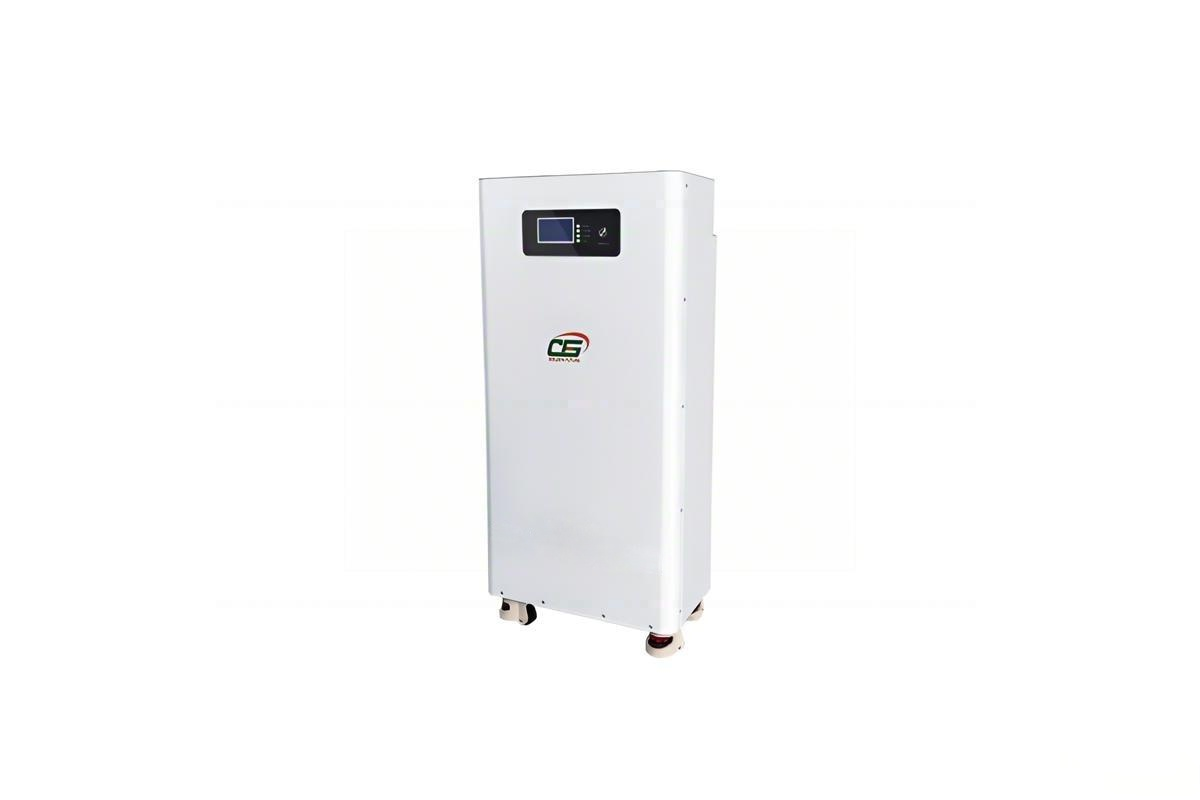
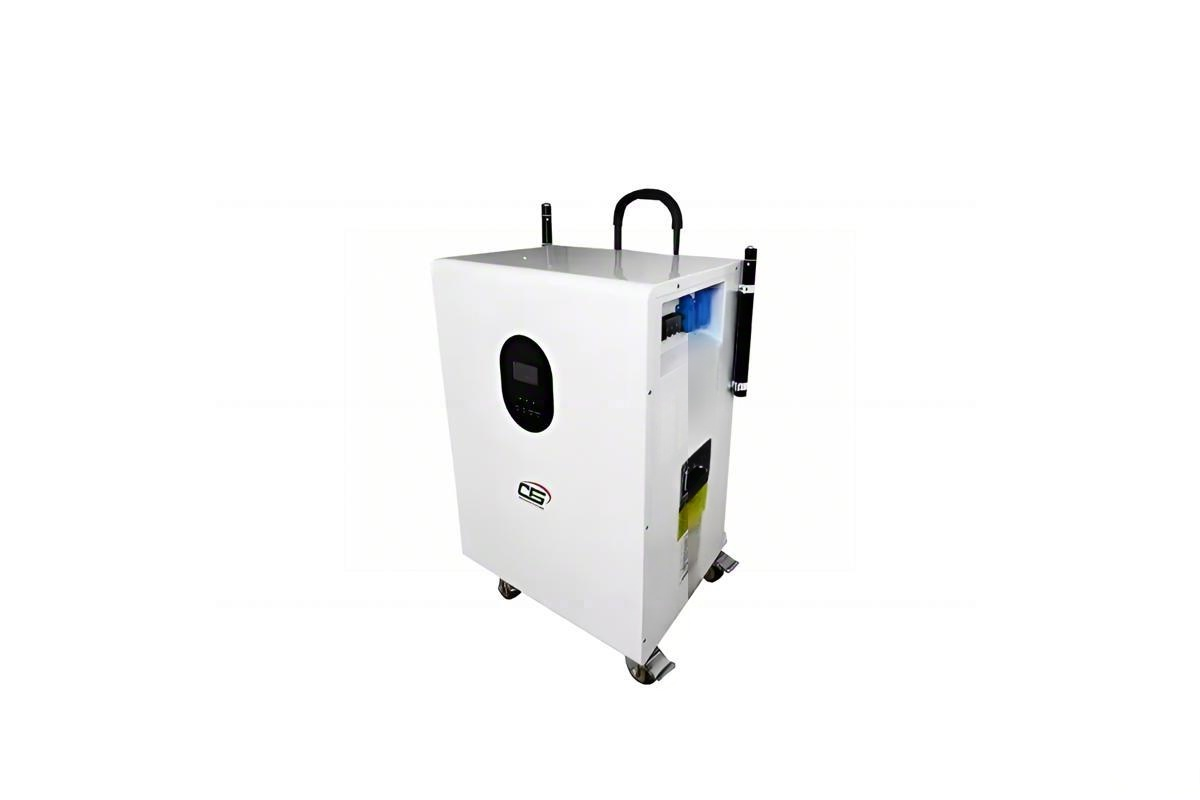
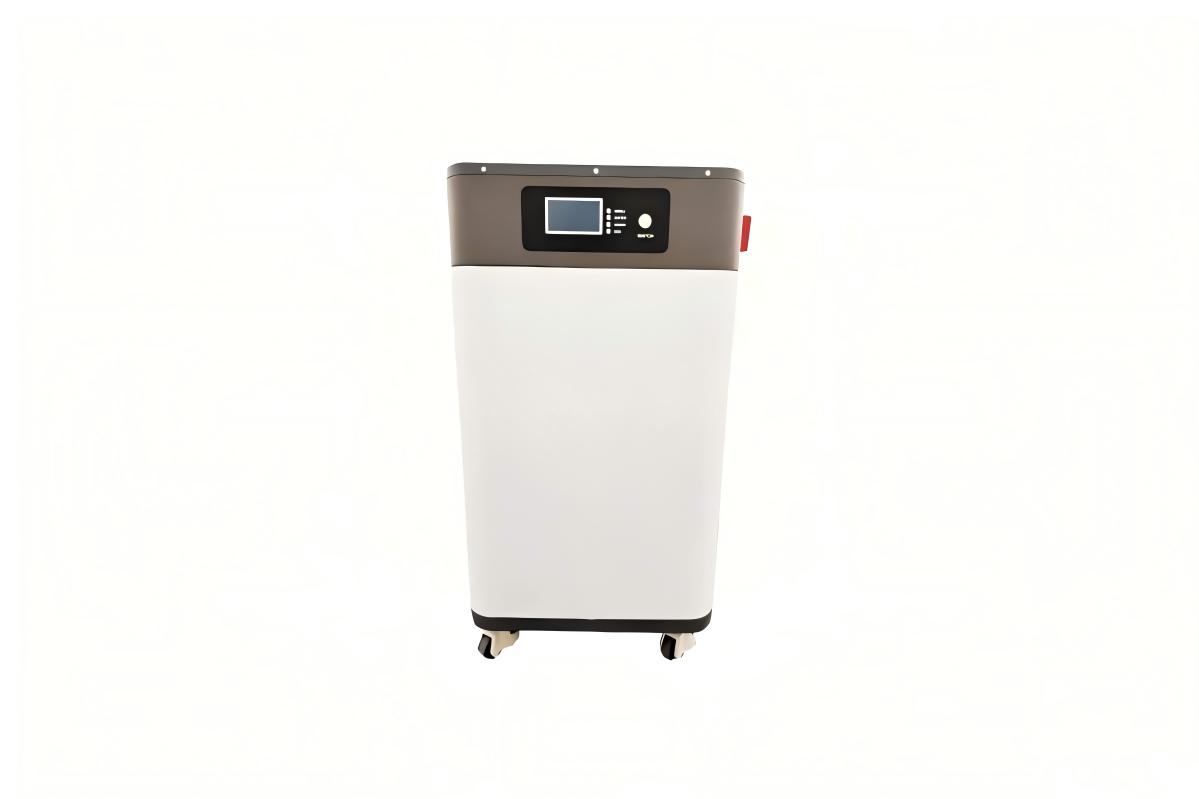
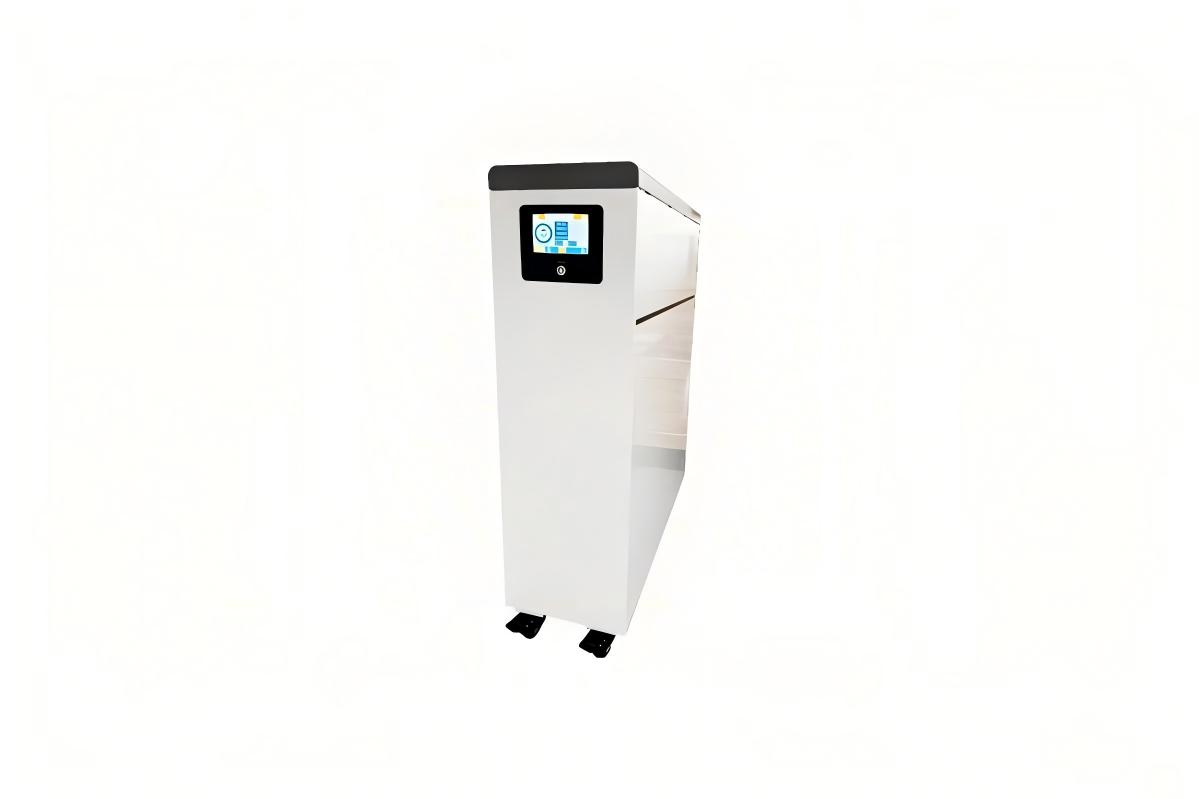
Home Energy Storage Battery Life Testing is a crucial discipline that assesses the long-term performance, degradation rate, and overall longevity of a battery system, providing vital data for manufacturers and ensuring consumer confidence. The life of a modern lithium-ion (Li-ion) battery, particularly LiFePO4 chemistry used in HESS, is primarily defined by two metrics: Cycle Life and Calendar Life.
Cycle Life Testing simulates real-world usage by repeatedly charging and discharging the battery. A standard test involves cycling the battery at its rated power within a specific Depth of Discharge (DOD) (e.g., 90% or 100%) under controlled ambient temperatures. The battery's usable capacity is measured at regular intervals until it reaches a defined End-of-Life (EOL) capacity, typically 70% or 80% of its original nameplate capacity. Manufacturers often guarantee a certain number of cycles (e.g., 6,000 cycles) or years (e.g., 10 years). Calendar Life Testing evaluates the battery's degradation over time, even when not being actively cycled. It involves storing the battery at various States of Charge (SOC) and temperatures, as high temperatures accelerate internal chemical breakdown. A robust Battery Management System (BMS) plays a vital role in real-world performance, employing sophisticated algorithms to minimize degradation by managing temperature, balancing cell voltages, and limiting charging/discharging rates. Thorough life testing is essential for accurate warranty provisioning and for calculating the true long-term economic value of the HESS investment.




 59911926@qq.com/sales@goldenfuturehk.com
 13316809242 / 15816897019
 Inquiry
 Home >