






Time:2026-07-15 Views:375
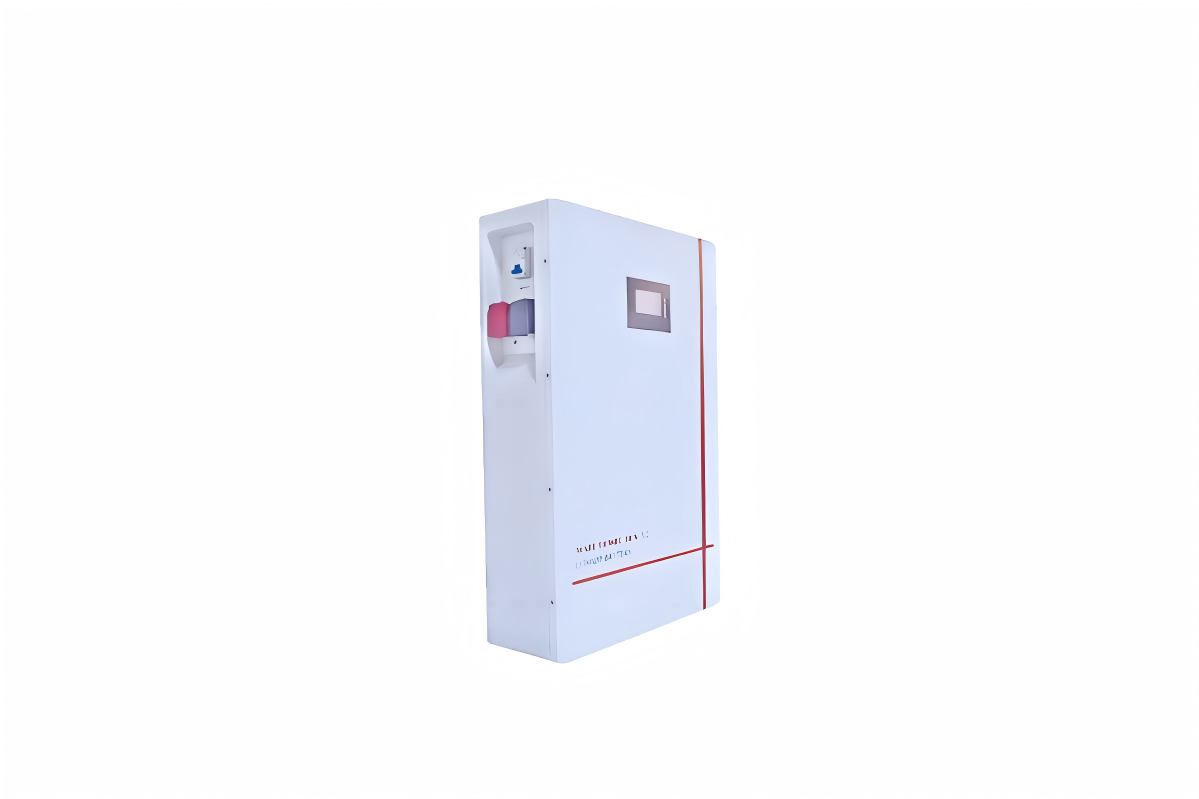
With the popularization of smart homes and distributed photovoltaics, the wall mounted home energy storage system has become a core device for households to cut peak power consumption, absorb clean energy and provide emergency power backup, thanks to its advantages of lightweight installation, intelligent adaptation and stable safety performance. The operating quality, service life, safety stability and energy efficiency of the entire energy storage system fundamentally depend on the core electrical parameters of internal cells. Among them, cell voltage and current are the two key indicators that determine the operating state of the energy storage system. Different from industrial energy storage equipment with standardized and constant working conditions, the wall mounted home energy storage system adapts to dynamically fluctuating household power loads for a long time, with voltage and current changing constantly. Abnormal parameters, mismatched balance and excessive fluctuations will directly cause cell attenuation, reduced energy efficiency, equipment faults and even potential safety hazards. Therefore, an in-depth analysis of the working principles, dynamic characteristics, abnormal risks and regulation logic of cell voltage and current is the key to understanding the operation mechanism of wall mounted home energy storage system and realizing its long-term safe and efficient operation.
Cell voltage is the basic electrical benchmark of the wall mounted home energy storage system, determining the energy storage capacity, charge-discharge state and system adaptation capability of the battery. At present, mainstream wall-mounted household energy storage systems are equipped with lithium iron phosphate cells, with a nominal single-cell voltage of 3.2V, a stable voltage working platform, a charging cut-off voltage of 3.65V and a discharging cut-off voltage of 2.5V. This standard voltage range is the core threshold to ensure the normal operation of cells. The cell voltage is not a fixed value, but changes dynamically with the state of charge (SOC), ambient temperature and service time, forming a unique voltage characteristic curve. During the charging process, the cell voltage rises gradually with the forward migration of lithium ions, increases steadily in the early stage, and slows down when approaching full power, maintaining a stable voltage platform to avoid cell damage caused by sudden voltage surge. During the discharging process, the voltage drops slowly and decreases rapidly at low power levels, reminding users of insufficient power.
For wall-mounted energy storage systems, multiple cells are combined into battery modules through series and parallel connections, and the consistency of single-cell voltage directly determines the balance of the entire system. Deviations in single-cell voltage will cause overcharging of partial cells and undercharging of others, resulting in the inability to fully release the overall energy storage capacity and a significant reduction in the available system capacity. In daily use, high temperature will slightly increase the no-load voltage of cells, while low temperature will lead to voltage attenuation and accelerated voltage drop, which is the core reason for reduced battery endurance and slow charging speed of household energy storage equipment in winter. Accurate voltage monitoring and control can lock the cell working benchmark, ensure the wall mounted home energy storage system always operates under standard working conditions, guarantee accurate energy storage capacity and stable output voltage, and adapt to the rated power demand of household electrical appliances.
Cell current is the core carrier of power output of the wall mounted home energy storage system, directly determining the system's charge-discharge efficiency, load adaptation capability and cell loss rate. If voltage is the "pressure benchmark" of the energy storage system, current is the "flow rate" of energy transmission. The essence of battery charge and discharge is the electrochemical process of directional current flow driven by lithium ion migration. Charging current determines the energy storage and replenishment speed. Higher current means more power stored per unit time and higher charging efficiency, but excessive charging current will accelerate lithium ion embedding and disembedding loss, causing cell heating and increased internal resistance. Long-term high-current fast charging will trigger cell aging and capacity attenuation. Discharging current determines the load capacity of the equipment. High-power household appliances such as air conditioners, water heaters and induction cookers will generate peak current at the moment of startup, and the cells need to output instantaneous high current to adapt to the load. Insufficient discharging current will lead to unstable power supply and abnormal startup and shutdown of electrical appliances.
The wall-mounted household energy storage system optimizes the current regulation logic according to household power consumption characteristics, distinguishing between steady-state current and instantaneous peak current. In low-load scenarios such as daily lighting, mobile phone charging and router operation, the system maintains stable low-current discharge with extremely low cell loss and long endurance. During the startup of high-power electrical appliances and peak household power consumption, the system adaptively increases discharge current to meet instantaneous high-power power supply demand. Meanwhile, constant low-current charging under standard working conditions can realize stable embedding of lithium ions, reduce cell polarization reaction, maximize the protection of cell activity, and extend the battery cycle life. It can be said that the dynamic regulation accuracy of cell current directly determines the energy efficiency performance and service life of the wall mounted home energy storage system.
The coordinated matching of cell voltage and current is the core logic for the efficient and safe operation of wall mounted home energy storage systems, where the two restrict and correlate with each other to jointly form the electrical operation core of the energy storage system. Under normal operating conditions, voltage and current are dynamically adapted: during charging, the voltage rises steadily while the current decreases dynamically from high to low, and the current approaches zero at full power to avoid cell damage from overcharging; during discharging, the voltage drops slowly while the current adjusts adaptively according to load power to ensure stable power supply. The imbalance of voltage and current parameters is the most common cause of faults in household energy storage systems. Discharging with high current under low voltage will aggravate deep cell power loss and cause irreversible capacity damage; continuous high-current charging under excessive voltage will easily lead to cell overheating and electrolyte decomposition, bringing hidden dangers of thermal runaway.
The intelligent BMS battery management system serves as the core hub for regulating cell voltage and current, as well as the key safety guarantee for wall mounted home energy storage systems. Equipped with high-precision acquisition chips, the BMS system can collect real-time voltage and charge-discharge current data of each cell at the millisecond level, accurately capture subtle parameter fluctuations, and realize full-time intelligent regulation and safety protection. In terms of voltage management, the system monitors the real-time voltage of each single cell. Once the voltage exceeds the overcharge threshold of 3.65V or drops below the overdischarge threshold of 2.5V, it immediately triggers a protection mechanism to cut off the charge-discharge circuit. Meanwhile, it corrects voltage deviation through cell balancing function to ensure the voltage consistency of the entire cell module and solve problems such as reduced module capacity and unstable power supply.
In terms of current management, the BMS system integrates multiple protection mechanisms including overcurrent, short circuit and overload protection, with preset standard household current thresholds. When the household load is too large and the discharge current exceeds the standard, the system automatically limits current and reduces operating power to prevent cells from working under overload conditions. When instantaneous current surges caused by circuit short circuit occur, the system cuts off power at the millisecond level to prevent safety accidents such as electric arcs, overheating and fire. In addition, the system can dynamically correct voltage and current parameters according to ambient temperature, reduce charging current and raise voltage thresholds in low-temperature environments to prevent cell lithium precipitation damage, and limit peak current and stabilize voltage ranges in high-temperature environments to reduce heat accumulation, fully adapting to complex household working conditions.
Recessive loss caused by abnormal voltage and current parameters is the main reason for the service life attenuation of wall mounted home energy storage systems. Many users ignore the importance of parameter matching and adopt long-term high-power fast charging and frequent overload operation, leading to long-term abnormal working conditions of unstable voltage and overcurrent in cells. Long-term high-current charging aggravates cell polarization, resulting in insufficient lithium ion disembedding, false high voltage and untrue capacity. Although the battery shows full power, the actual available power is greatly reduced. Long-term high-current discharge causes severe cell heating, continuous increase of internal resistance and intensified voltage drop, which not only reduces power efficiency, but also accelerates cell aging and shortens equipment service life. In addition, inconsistent cell voltage and uneven current distribution lead to differentiated loss of cells in the module, and the weak cells continuously drag down the overall performance, eventually causing the premature scrapping of the entire energy storage system.
Mastering the operation and maintenance logic of cell voltage and current can effectively extend the service life of wall mounted home energy storage systems and improve their cost performance and stability. In daily use, it is necessary to follow the standard parameter working conditions of the equipment, avoid long-term extreme fast charging and overload power consumption, and keep the cells working under standard voltage and stable current. Regularly check the cell voltage balance and charge-discharge current curve through the equipment background to detect hidden problems such as single-cell voltage deviation and abnormal current fluctuation in a timely manner. Adapt working conditions seasonally, reduce instantaneous high-current discharge in low-temperature winter and avoid continuous high-current charging in high-temperature summer to prevent cell damage caused by the superposition of temperature and parameters. At the same time, choose originally adapted charging modules and inverters to ensure accurate and stable output of voltage and current, and avoid system disorder caused by mismatched external equipment parameters.
With the continuous upgrading of household energy storage technology, the voltage and current regulation technology of wall mounted home energy storage systems keeps iterating, upgrading from basic parameter protection to full-domain intelligent refined regulation. Relying on AI intelligent algorithms, the new generation of wall-mounted energy storage systems can adaptively optimize voltage thresholds and current output strategies according to household power consumption habits, photovoltaic power generation and ambient temperature, maximizing energy efficiency and minimizing loss. Accurate cell voltage and current management not only solves the pain points of low energy efficiency, fast attenuation and poor stability of traditional household energy storage, but also improves the equipment safety level fundamentally, making wall-mounted energy storage systems better adapt to the refined, intelligent and safe energy consumption needs of modern families. In the future, technological upgrading centered on the optimization of cell electrical parameters will continuously promote the high-quality development of the household energy storage industry, and make wall mounted home energy storage system an essential device for green energy conservation and safe and stable power consumption of thousands of families.




 59911926@qq.com/sales@goldenfuturehk.com
 13316809242 / 15816897019
 Inquiry
 Home >