





Time:2026-07-17 Views:554
Against the backdrop of large-scale new energy application and the construction of new power systems, solar battery storage systems, as the core carrier for the utilization of distributed new energy, effectively solve the inherent intermittency, fluctuation and randomness of photovoltaic energy through the integrated architecture of photovoltaic power generation coupled with battery energy storage. They realize multiple functions including clean energy self-generation and self-use, surplus power storage, peak-valley arbitrage and emergency power backup. Different from single photovoltaic power generation equipment, complete solar battery storage systems rely on standardized, modular and intelligent complete technical solutions, integrating five major technical modules: power generation, energy storage, power conversion, management and control, and protection. They can adapt to various scenarios such as household distributed energy storage, industrial and commercial energy conservation and consumption reduction, off-grid microgrid power supply, and grid auxiliary peak shaving. A mature and improved set of technical solutions is a core prerequisite to ensure efficient operation, safety and stability, long-term service life and economic benefits of energy storage systems. This paper comprehensively analyzes the complete technical system and landing advantages of solar battery storage systems from five dimensions: system architecture scheme, core hardware technology, intelligent management and control scheme, safety protection technology and scenario customization scheme.
The system topological architecture is the fundamental core of the solar battery storage systems technical solution. At present, three standardized architectures dominate the industry: DC coupling, AC coupling and hybrid AC-DC coupling, which can be accurately selected and adapted according to scenario requirements. The DC coupling architecture is mostly applied in small household and off-grid energy storage scenarios. Photovoltaic modules directly charge lithium batteries through MPPT controllers, eliminating multiple power conversion links, greatly reducing conversion losses, featuring higher overall system energy efficiency, simplified structure, convenient installation and low operation and maintenance costs, and suitable for household small-capacity energy storage and power supply in remote off-grid areas. The AC coupling architecture is mainly used for industrial and commercial grid-connected renovation scenarios. The energy storage converter is independently connected to the AC bus without modifying the original photovoltaic system, featuring strong compatibility with new and old equipment and excellent scalability, ideal for existing power station upgrading and large-capacity industrial and commercial energy storage projects. The hybrid AC-DC coupling architecture integrates the advantages of the above two, balancing high-efficiency power generation and energy storage with flexible expansion capabilities, and enabling seamless switching between grid-connected and off-grid modes. It serves as the preferred technical architecture for medium and large-scale photovoltaic energy storage integration projects, adapting to multi-mode operation requirements under complex working conditions. All three standardized architectures adopt a modular design that supports flexible series-parallel expansion, allowing free matching of energy storage capacity and power generation according to electrical load and site conditions.
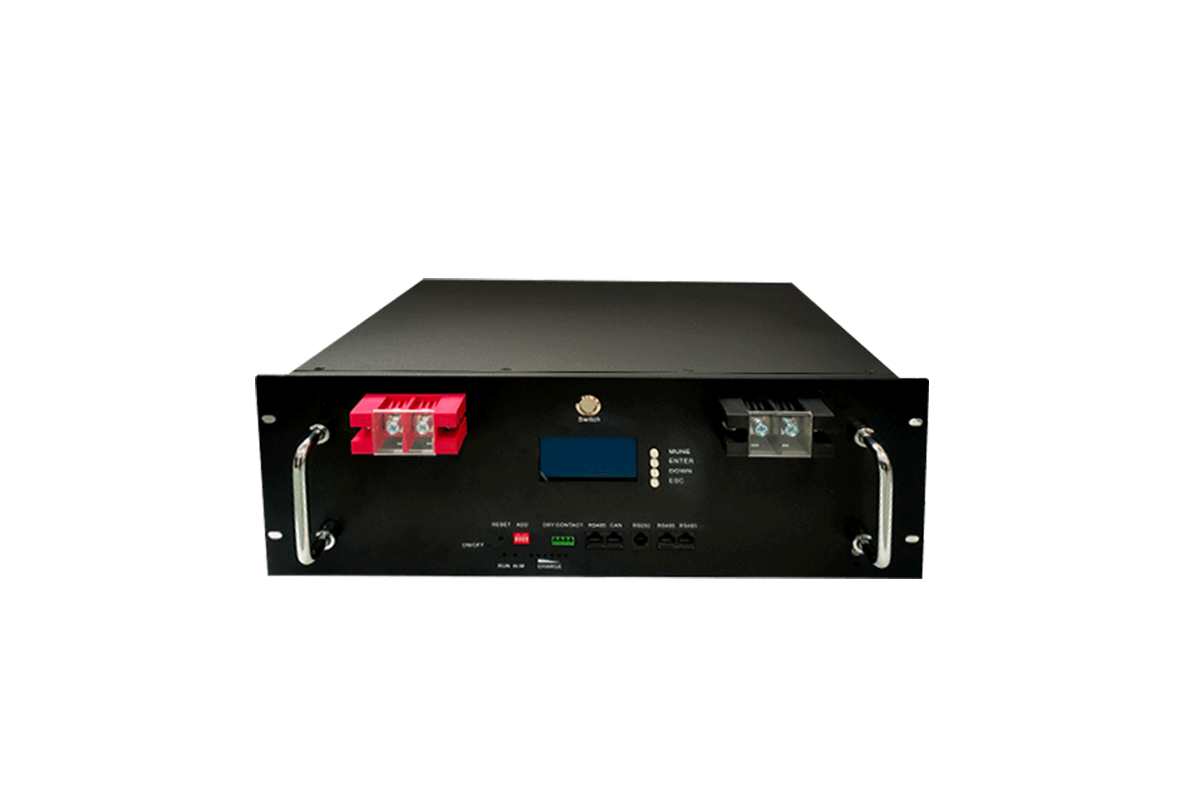
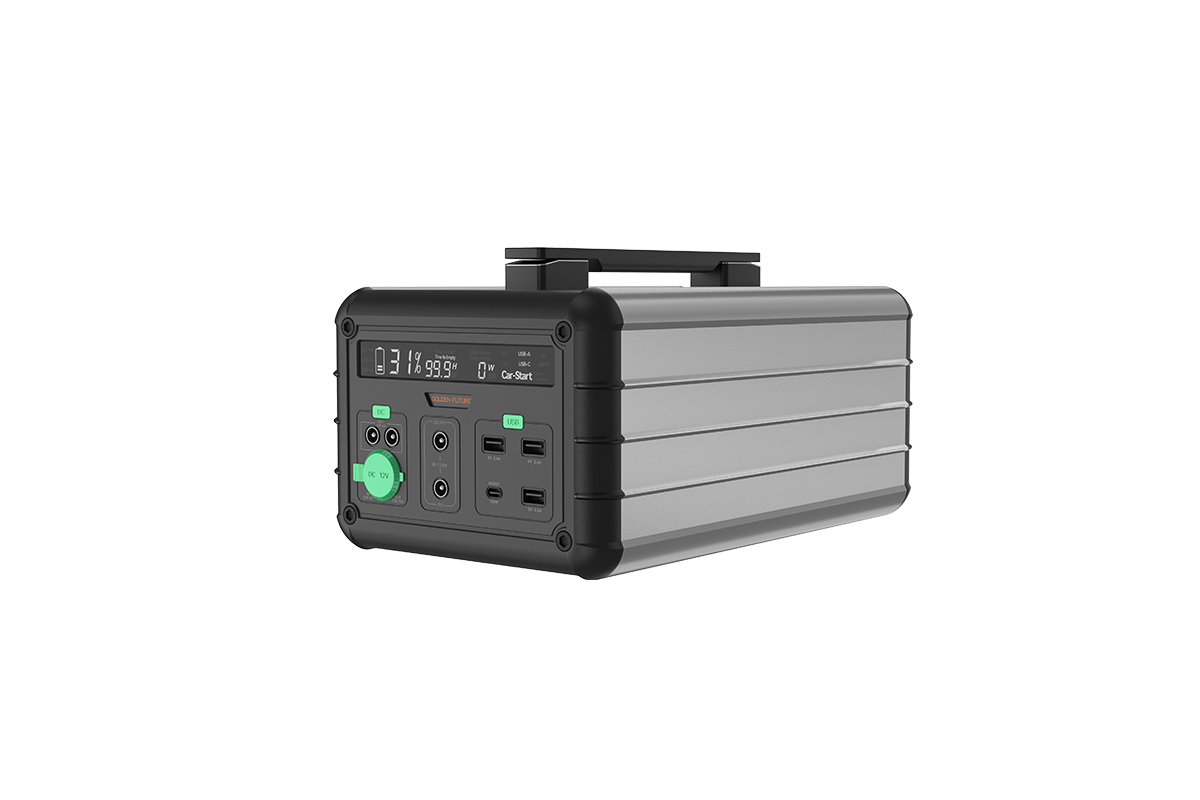
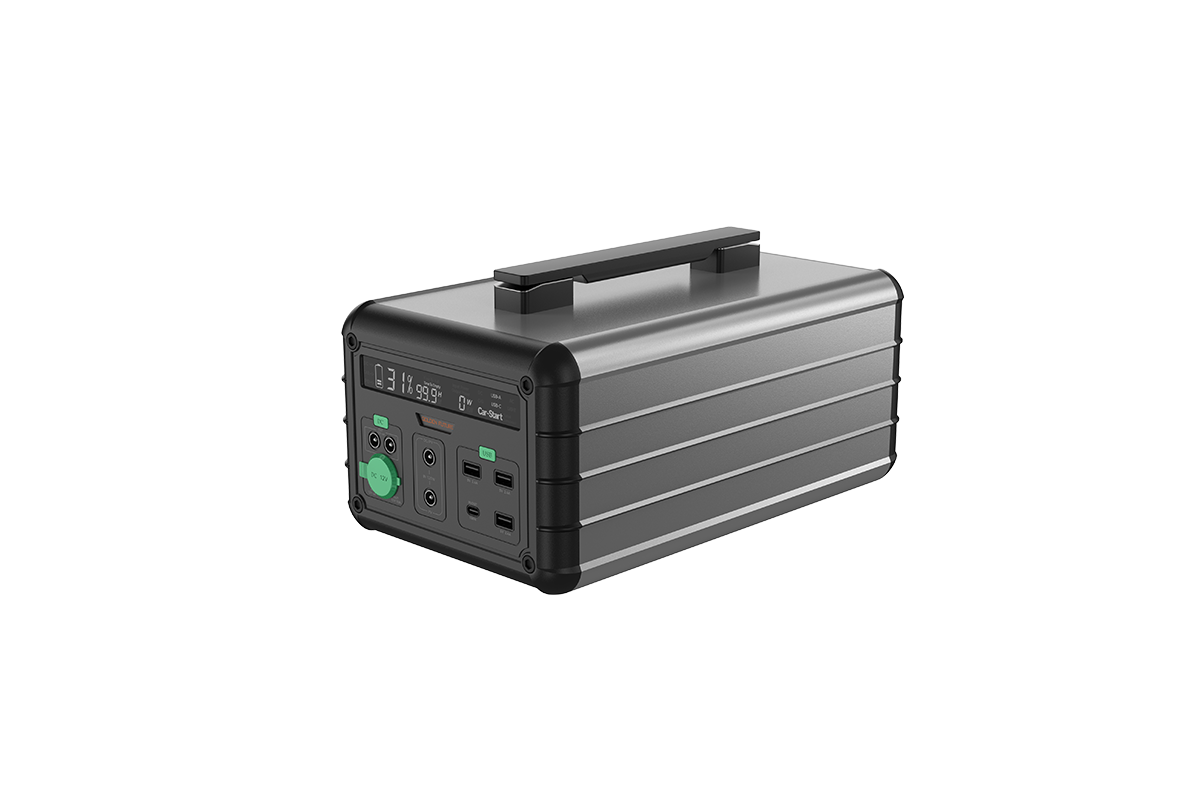
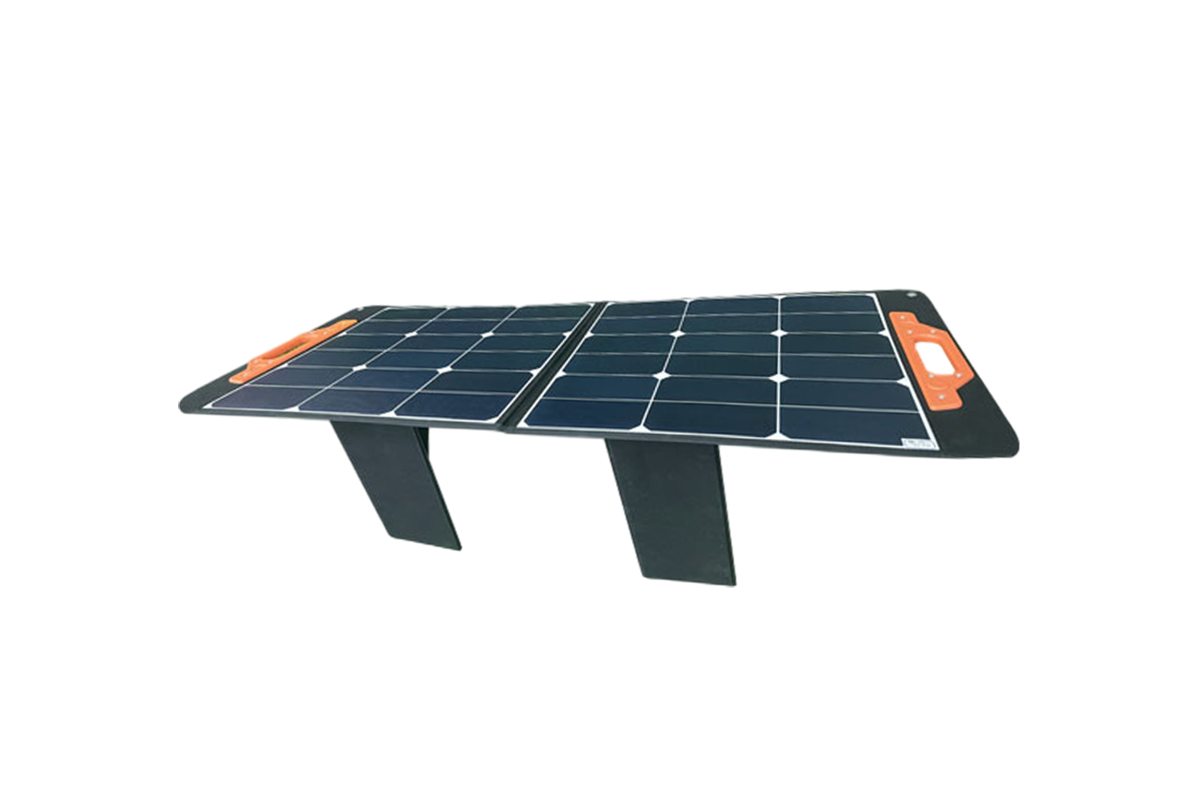
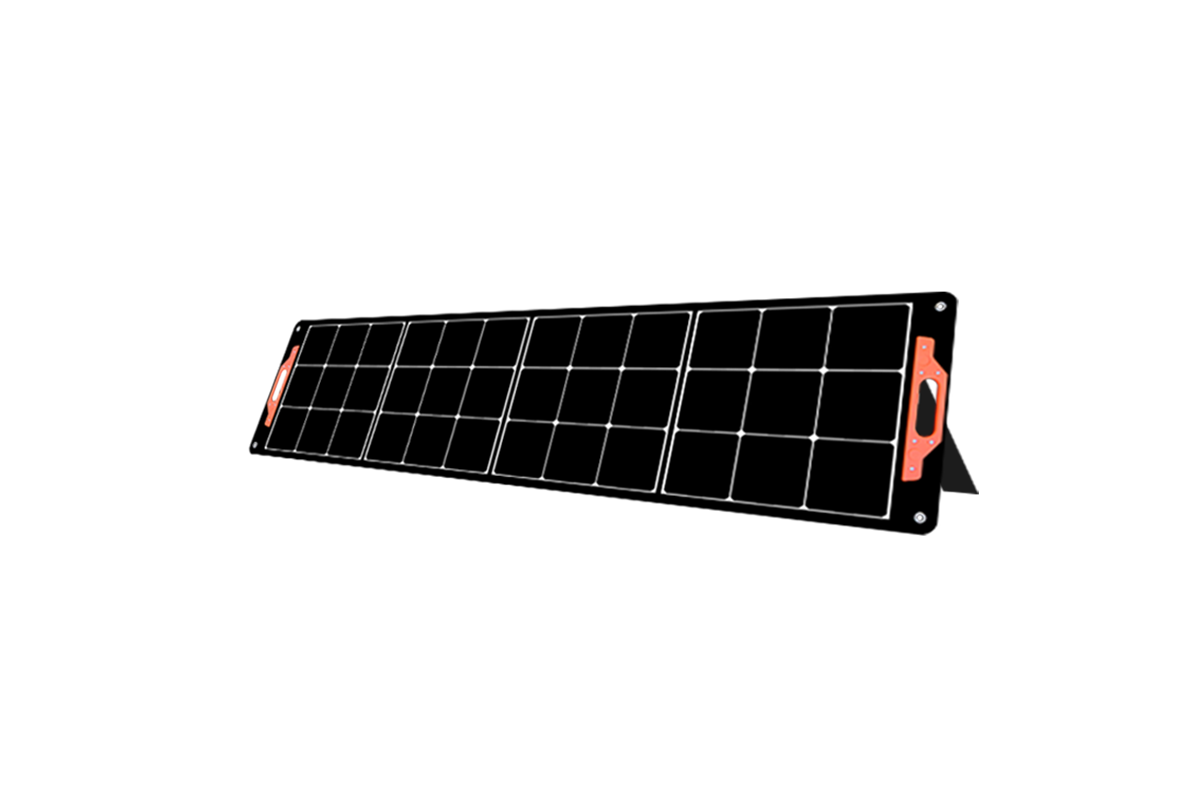
The core hardware complete set of technical solutions determines the operating quality and service life of solar battery storage systems. The complete system consists of five core modules: photovoltaic power generation unit, lithium battery energy storage unit, energy storage PCS converter, battery management system (BMS) and energy management system (EMS), which cooperate and coordinate with each other. The photovoltaic unit adopts high-efficiency monocrystalline photovoltaic modules equipped with maximum power point tracking technology to capture light resources in real time and maximize the utilization rate of photovoltaic power generation for stable power generation under different light conditions. The energy storage unit mainly adopts high-safety lithium iron phosphate battery modules with long cycle life, low attenuation, high temperature resistance and thermal runaway prevention. It supports modular stacking and expansion to meet energy storage demands of different capacities. Meanwhile, cell grading screening technology is adopted to ensure the consistency of battery packs and avoid overall performance attenuation caused by individual differences. As the core of energy conversion, the PCS converter undertakes bidirectional AC and DC power conversion, accurately matching the demands of photovoltaic power generation, battery charge-discharge and load power consumption, and ensuring stable output waveform and compliant voltage and frequency. The dual-layer management and control hardware of BMS and EMS realizes full coverage from individual battery status monitoring to overall system scheduling, building a solid hardware foundation for system operation.
The intelligent energy management and control technical solution is the core soft power for solar battery storage systems to achieve high efficiency, energy saving and intelligent scheduling, completely abandoning the extensive operation mode of traditional energy storage systems. Centered on the EMS energy management system, the complete management and control solution is equipped with intelligent scheduling algorithms, load prediction models and adaptive power regulation technology. It collects multi-dimensional data such as real-time photovoltaic power generation, load power consumption, battery SOC status and grid electricity prices to automatically generate optimal operation strategies. During daytime periods with sufficient light, photovoltaic power is preferentially supplied to loads for direct use, and surplus power is automatically stored in batteries to realize local consumption of clean energy. In the evening, night peak electricity price periods or periods with insufficient photovoltaic output, batteries automatically discharge to replace high-cost grid power, realizing peak-valley arbitrage and reducing power consumption costs. For grid-connected scenarios, the system adopts anti-reflux technology to accurately control the flow of surplus power and avoid assessment penalties caused by non-compliant grid connection. For off-grid scenarios, it intelligently reserves emergency power and dynamically adjusts charge-discharge power according to load changes to ensure microgrid power balance and eliminate power outage and voltage fluctuation problems, comprehensively improving the intelligent operation level of the system.
The full-dimensional safety protection technical solution is a key guarantee for the long-term stable operation of solar battery storage systems. A multi-level protection system is built against risks such as battery thermal runaway, electrical faults, environmental interference and grid fluctuations. At the battery end, the BMS system realizes millisecond-level monitoring of individual cell voltage, temperature and current, with six basic protection functions including overcharge, overdischarge, overcurrent, overvoltage, short circuit and over temperature. Equipped with active balancing technology, it corrects individual cell voltage differences to avoid local overheating and performance imbalance, effectively delaying battery attenuation. At the electrical equipment end, hierarchical circuit breakers, lightning protection grounding and insulation monitoring technologies are adopted to resist fault risks such as lightning strikes, electric leakage and grid surges, ensuring the safe operation of the electrical system. At the environmental adaptation end, an intelligent temperature control and ventilation heat dissipation scheme combining liquid cooling and air cooling is applied to precisely control the operating temperature of battery modules and keep the temperature difference within a safe range, adapting to complex working conditions of high temperature, low temperature, high humidity and heavy dust. Meanwhile, the system supports intelligent fault self-diagnosis, early warning and automatic power-off protection, which can predict equipment abnormalities in advance, push early warning information, realize advance intervention and rapid disposal of faults, avoid safety accidents from the source, and greatly improve the operation safety and stability of the system.
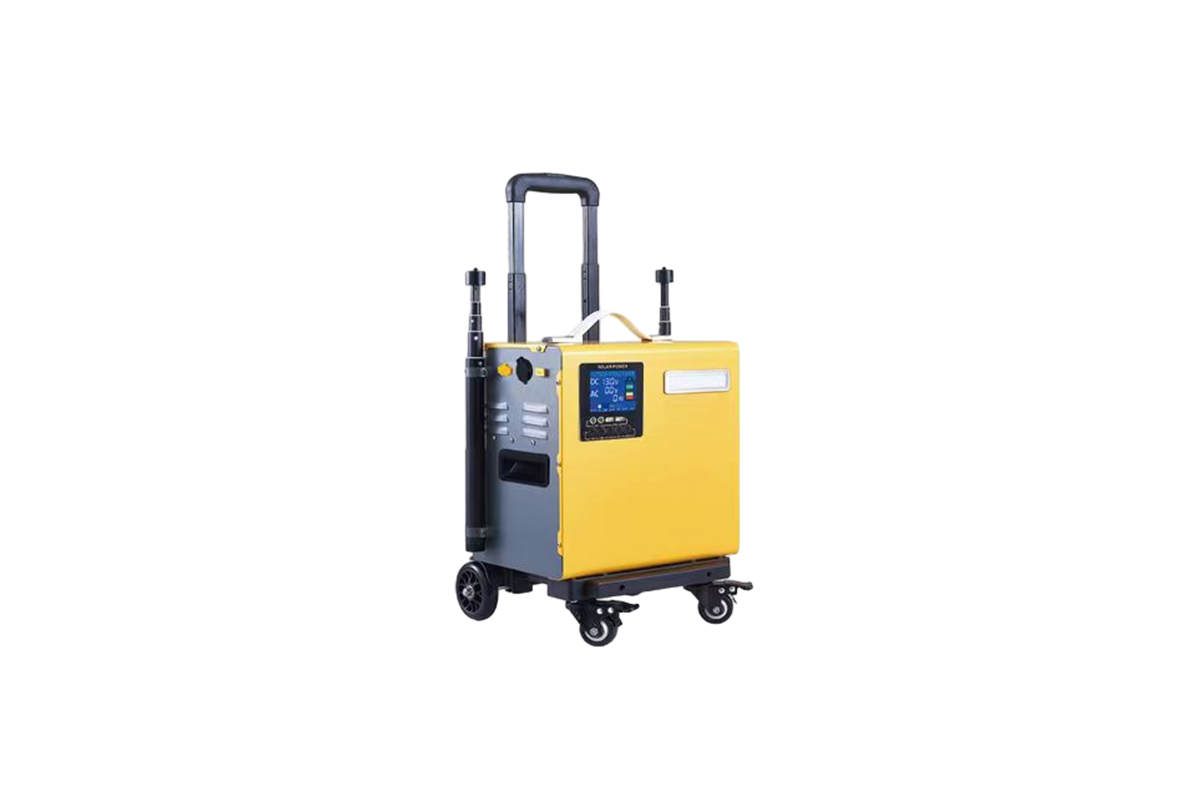
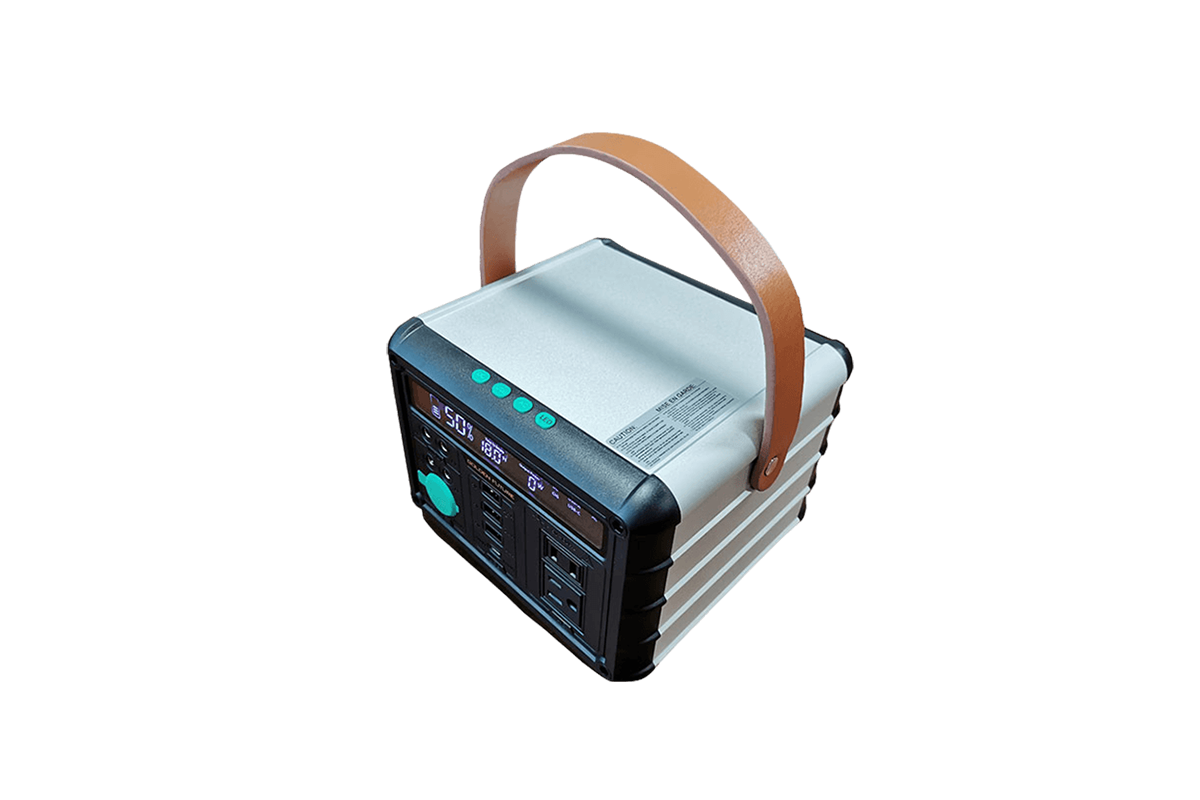
The scenario-based customized landing technical solution enables solar battery storage systems to break the adaptation limitations of standardized equipment and achieve accurate landing in full-industry scenarios. The household energy storage solution features miniaturization, mute design and simplicity, adapting to home decoration environments. It supports intelligent linkage with whole-house equipment, focusing on energy saving and emergency power backup to meet daily household power consumption and power failure guarantee needs. The industrial and commercial energy storage solution adopts a large-capacity modular architecture, adapting to high-energy-consumption scenarios such as factories, office buildings and shopping malls. It focuses on peak-valley arbitrage, demand control and energy conservation and consumption reduction, effectively reducing enterprise power costs and adapting to high-power, high-load and long-term continuous operation working conditions. The off-grid microgrid solution strengthens power balance and independent power supply capabilities, adapting to off-grid scenarios such as remote villages, communication base stations and outdoor projects to ensure all-weather stable power supply. The grid-connected energy storage solution optimizes grid adaptation and anti-reflux technology, compliant with distributed grid-connected projects to assist grid peak shaving and valley filling and new energy consumption. The multi-scenario customized technical solution can be personally adjusted according to users’ site conditions, electrical load, operation demands and compliance standards, realizing a high degree of matching between technical solutions and application scenarios.
In conclusion, solar battery storage systems are comprehensive new energy energy storage technical solutions integrating architectural design, hardware integration, intelligent management and control, safety protection and scenario customization. From the scientific layout of underlying topological architecture and precise adaptation of core hardware to the refined management and control of intelligent scheduling and safety protection, they comprehensively solve the shortcomings of traditional photovoltaic energy storage systems such as low energy efficiency, poor safety, weak adaptability and cumbersome operation and maintenance. With a mature and stable complete technical system, the system can flexibly adapt to various scenarios including household, industrial and commercial, off-grid and grid-connected applications, balancing energy-saving benefits, power supply stability, long-term safety and low operation and maintenance costs. It serves as a core technical solution for the popularization of distributed new energy, the implementation of dual-carbon goals and user energy conservation and cost reduction, with extremely high market application value and industry promotion prospects.




 59911926@qq.com/sales@goldenfuturehk.com
 13316809242 / 15816897019
 Inquiry
 Home >