






Time:2026-07-07 Views:247
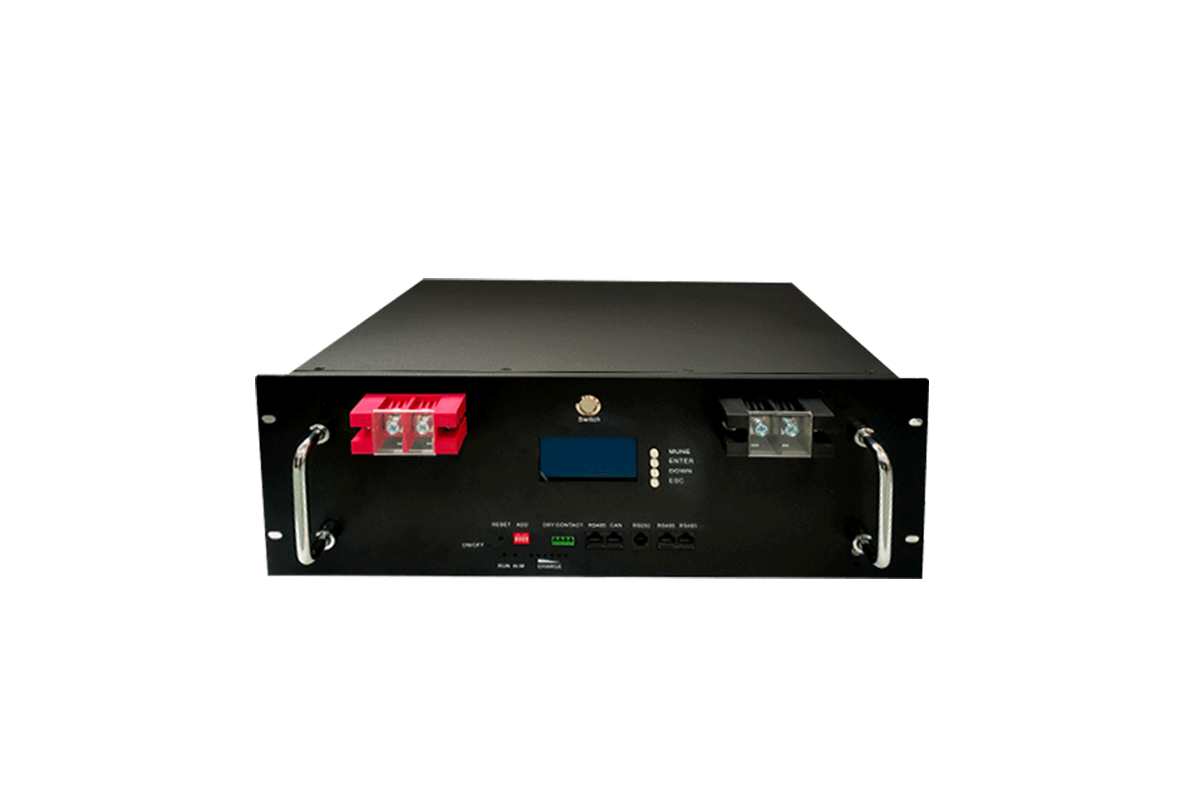
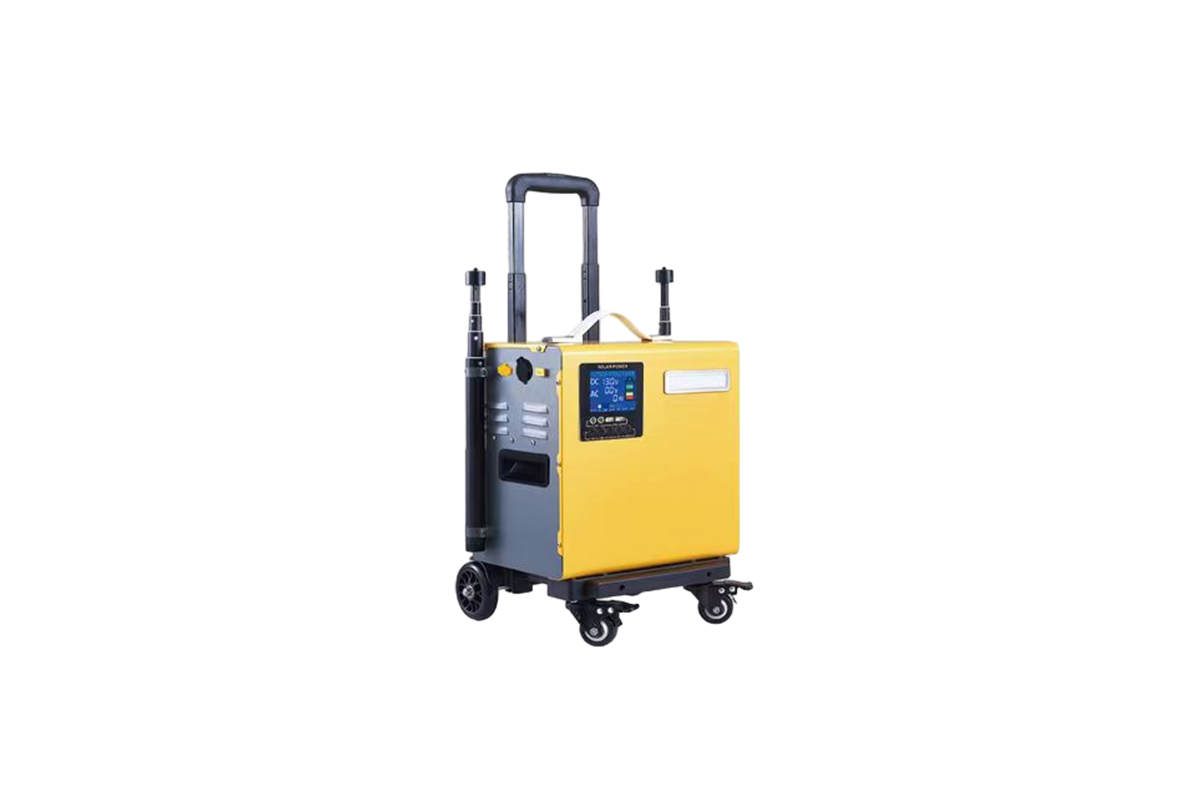
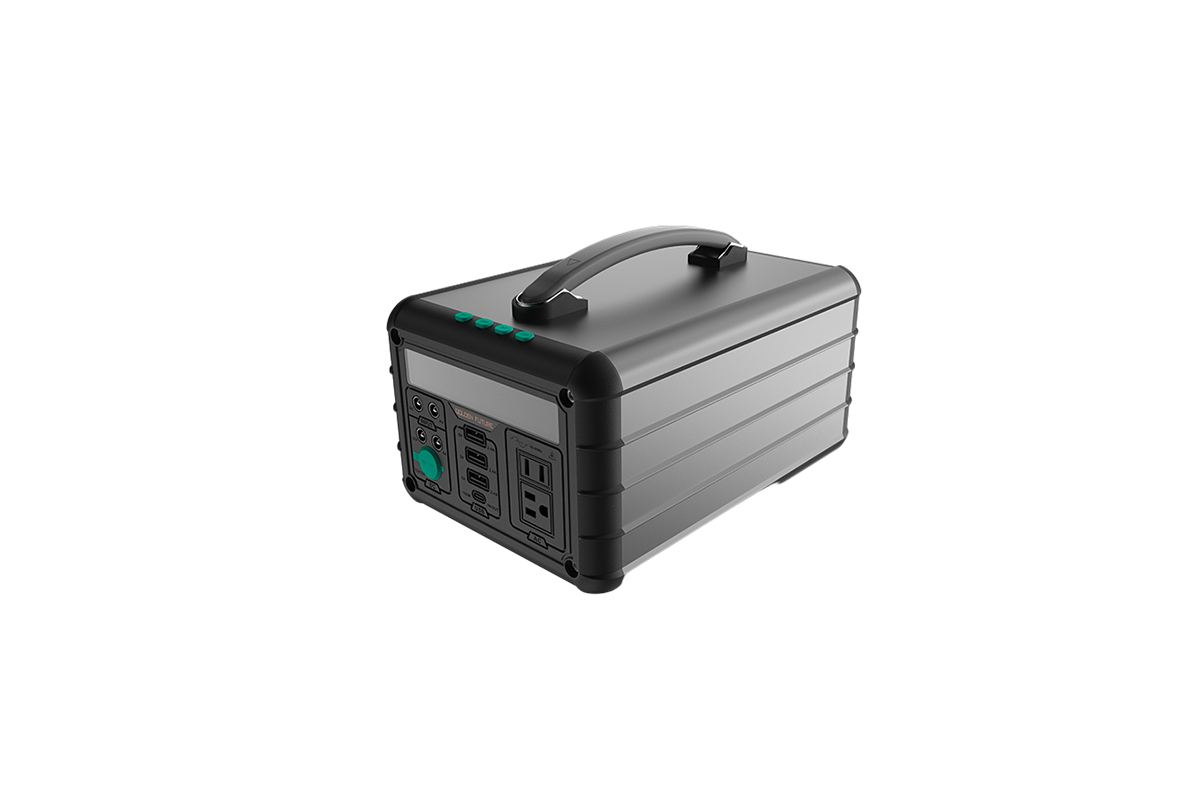
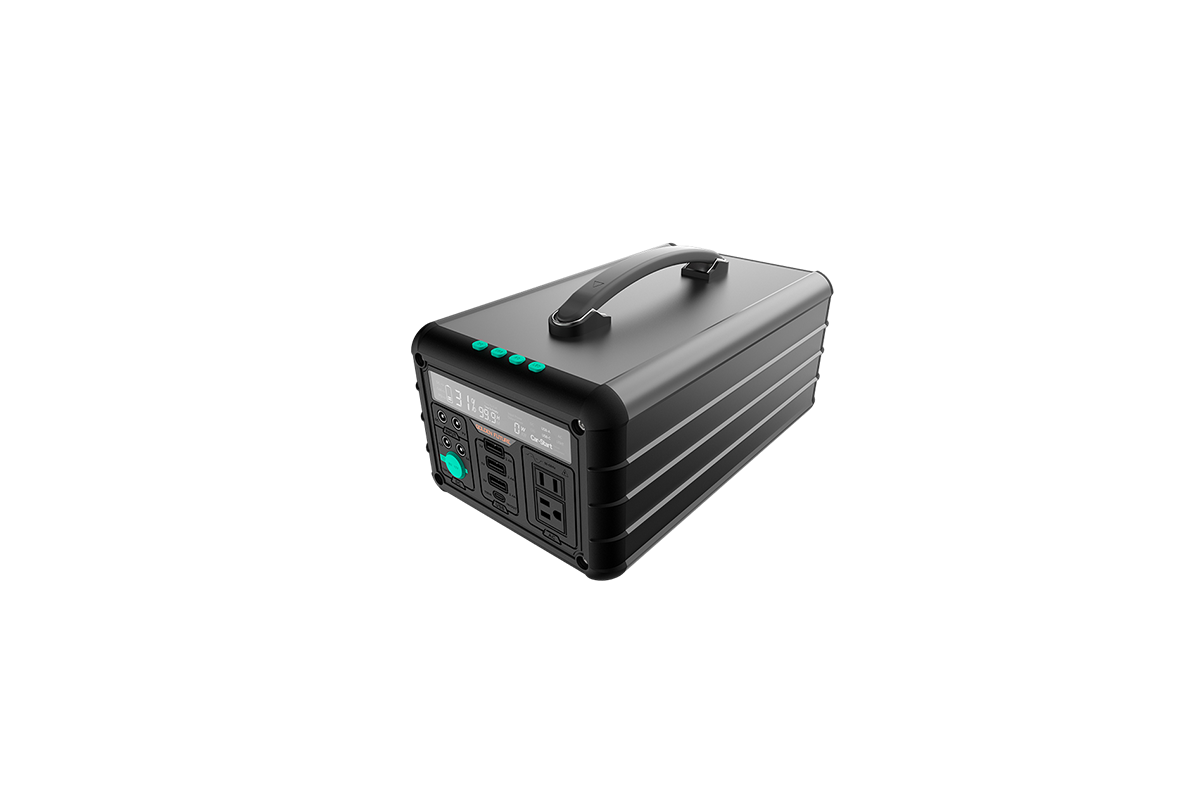
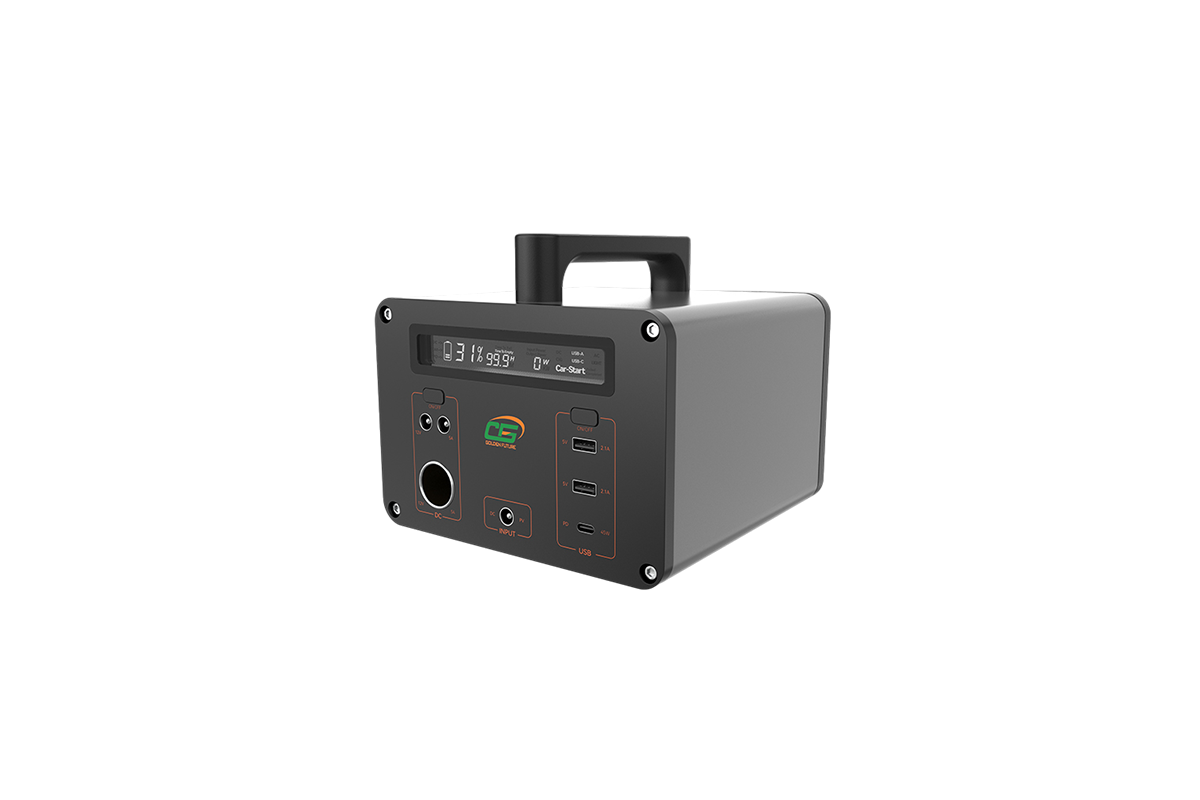
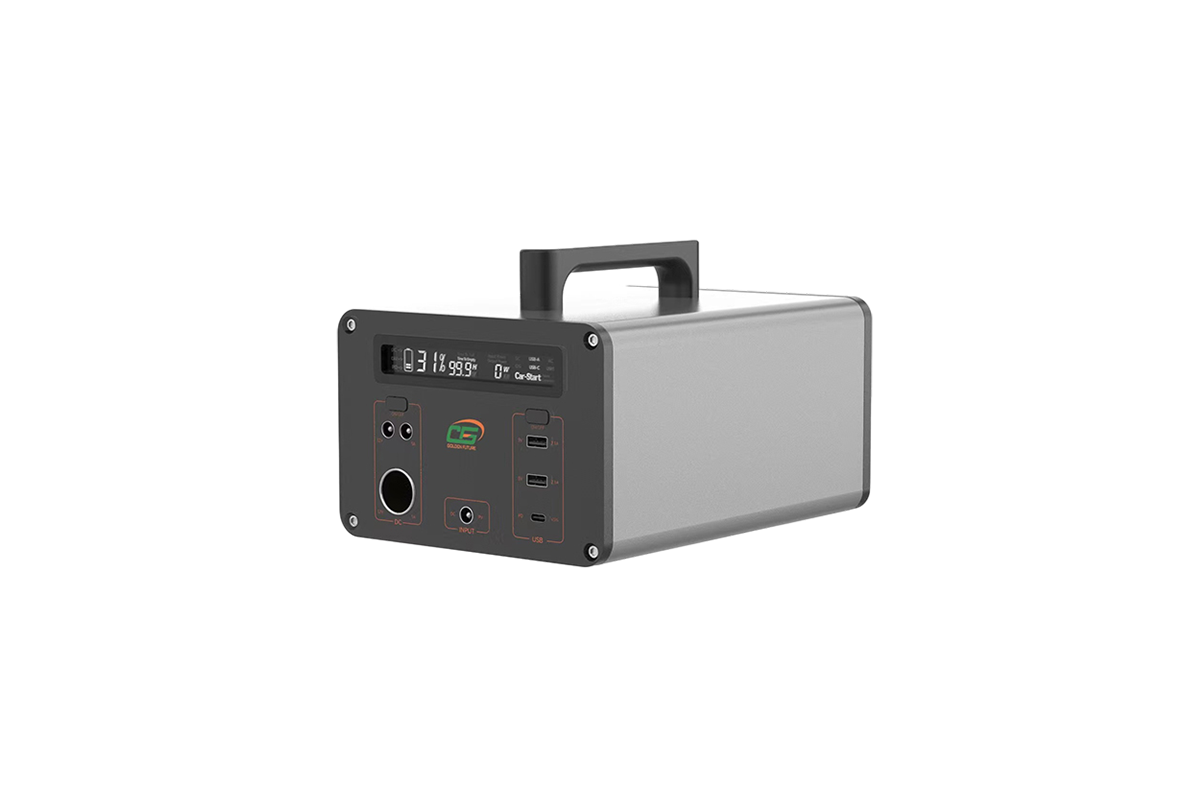
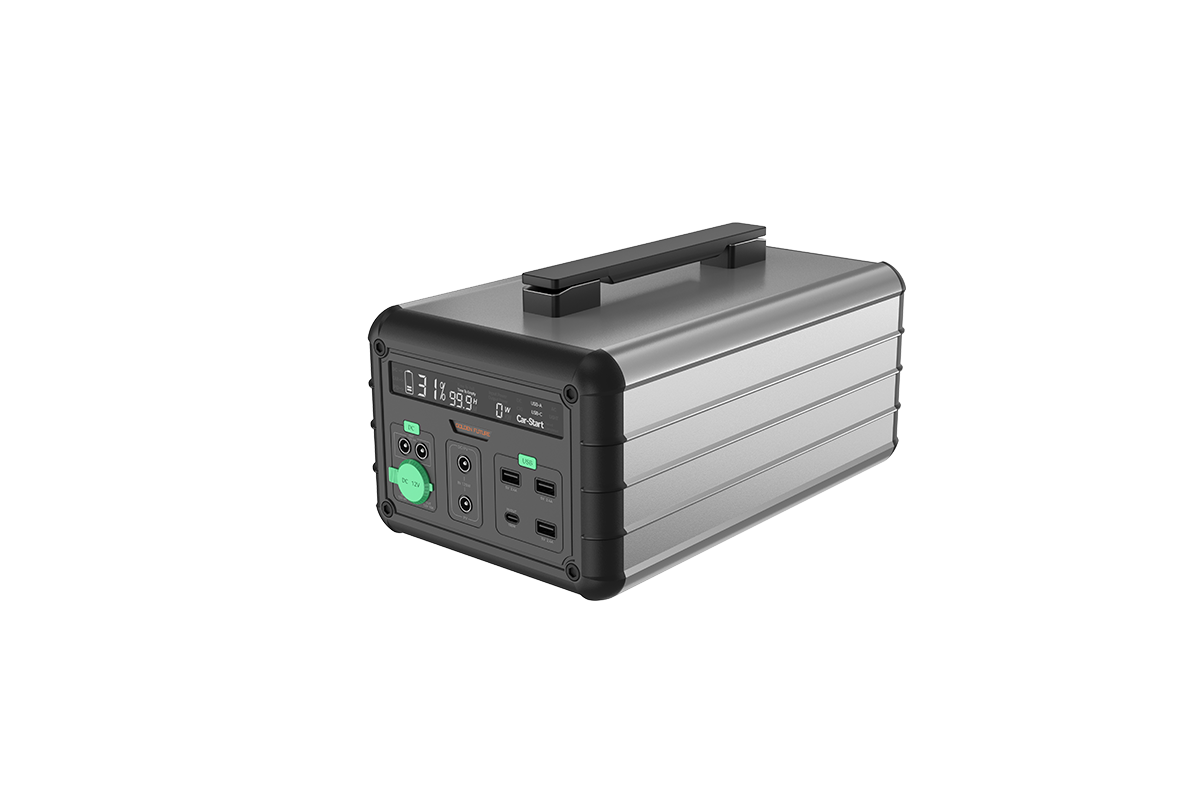
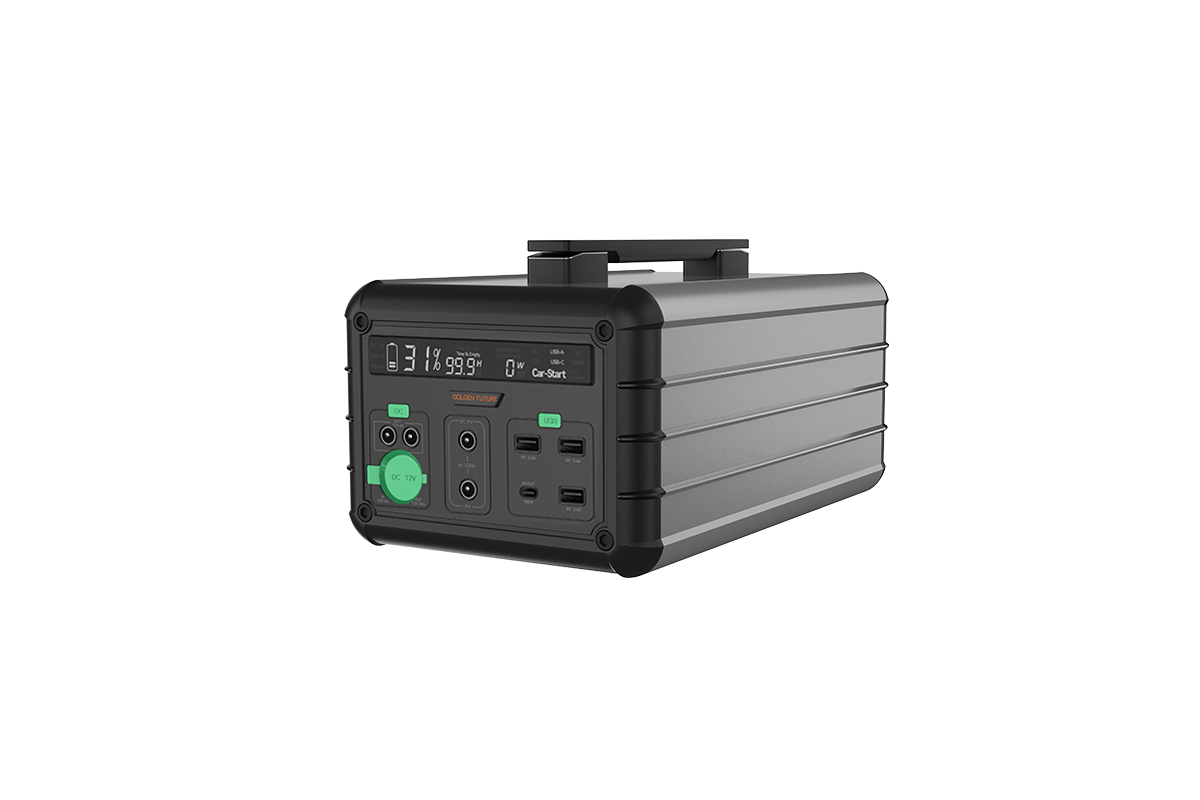
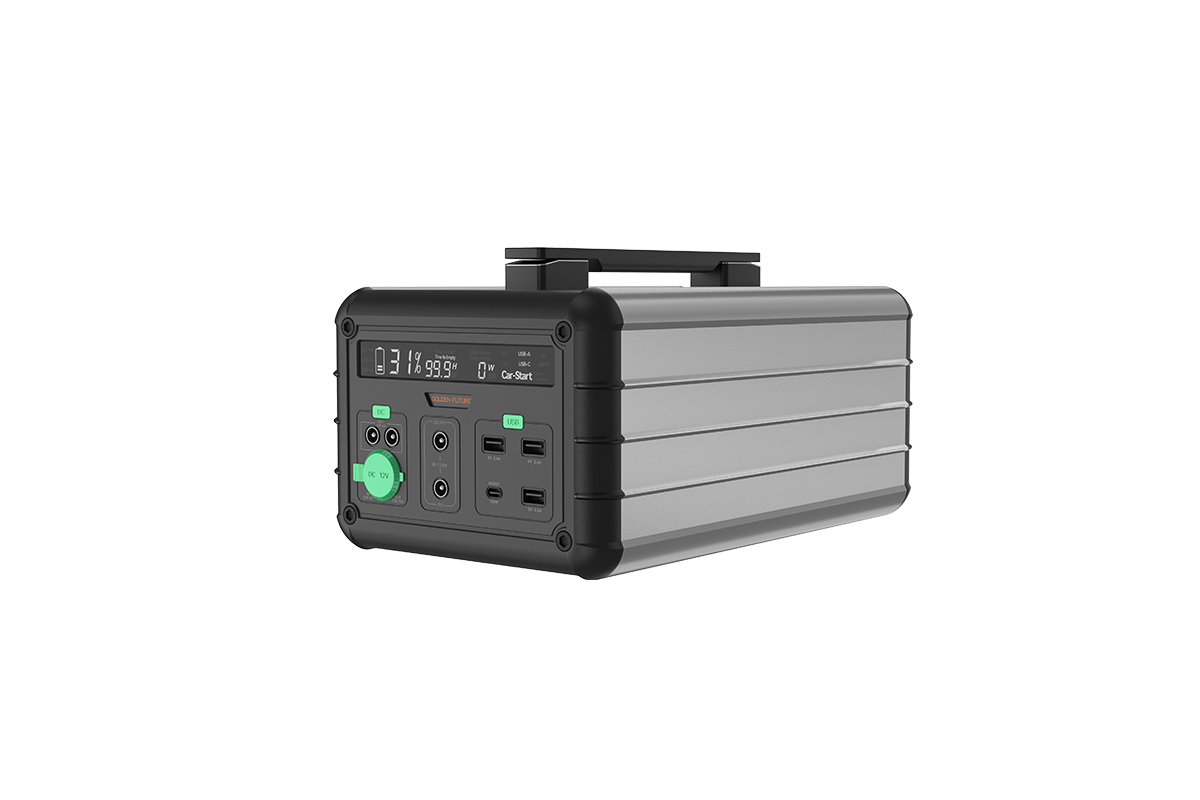
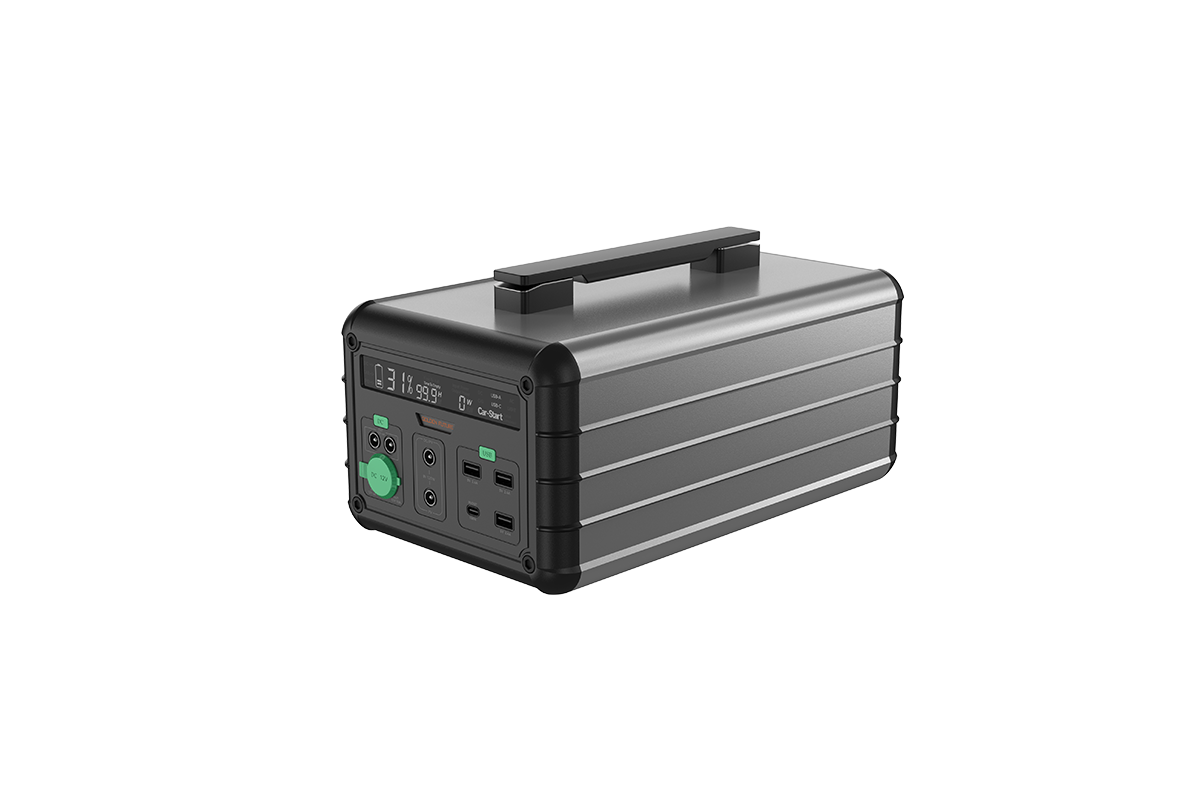
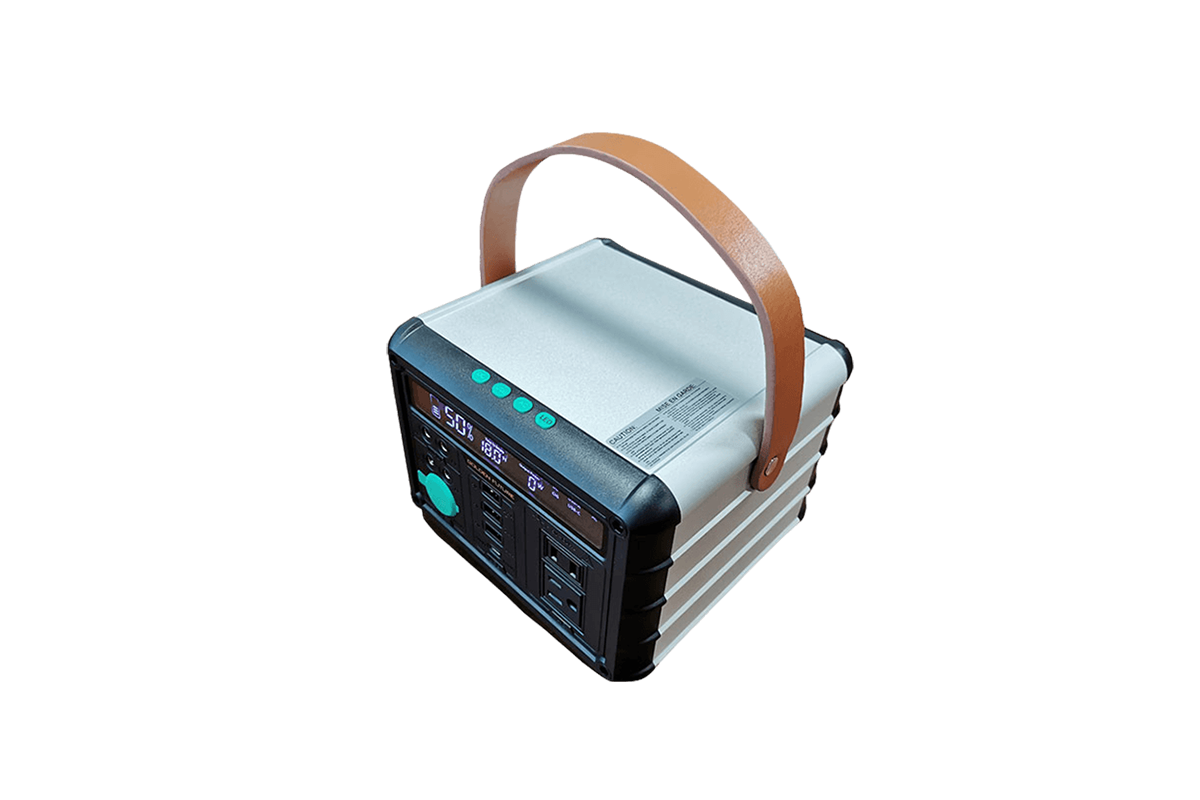
With the continuous growth of demand for outdoor travel, household emergency response and field operation power consumption, the portable rechargeable power station has become a commonly used power supply device in daily life and commercial scenarios due to its advantages of large capacity, high portability and multi-device compatibility. Compared with traditional small power banks, this high-power energy storage device features higher cell capacity and stronger discharge power with better power supply stability, but it also comes with more prominent potential safety risks. At present, product quality in the market is uneven. In addition, most users lack professional operation knowledge, and irregular use, purchase of inferior products, improper storage and maintenance frequently occur, which can easily cause safety accidents such as overheating, short circuit, fire and even explosion. From the perspective of safety hazards, this paper comprehensively analyzes the potential risks of portable rechargeable power stations in the whole process of selection, use, charging, storage and maintenance, explores the causes of hidden dangers, and puts forward scientific and practical avoidance schemes, helping users apply portable rechargeable power stations safely, compliantly and durably.
Most current safety accidents stem from users’ purchase of unqualified and low-quality generic portable rechargeable power stations, which have structural safety defects and constitute source-level hidden dangers. Formal energy storage power stations are equipped with qualified lithium battery cells, professional Battery Management System (BMS) and multiple protective circuits, pass mandatory national safety certifications, and have six basic protection functions including overcharge, overdischarge, overload, short circuit, overheating and overvoltage protection. In contrast, some low-cost generic products adopt waste disassembled cells, inferior circuit boards and simple protective structures to cut costs, with rough internal insulation technology and disorderly arranged cells, lacking perfect temperature control and power-off protection mechanisms. Such products have inherent safety flaws after leaving the factory. They are prone to thermal runaway of cells, circuit overload and internal short circuit during normal use. Meanwhile, their shells are made of flammable inferior plastic with poor high temperature resistance and impact resistance. Once internal combustion occurs, the shell cannot resist burning, which accelerates the spread of fire and greatly increases the harmfulness of accidents, making them the biggest safety hazard in household and outdoor scenarios.
Irregular daily charging operation is the most frequent safety hazard in the use of portable rechargeable power stations and the main cause of fire accidents. Many users have bad habits such as overnight charging, long-term full-charge floating charging, and mixed use of non-original chargers and data cables, which seriously violate the safety operation specifications of energy storage devices. With a much larger capacity than ordinary power banks, portable rechargeable power stations will keep batteries in a high-pressure saturated state for a long time after continuous charging, accelerating the decomposition of internal battery electrolyte, producing a large amount of flammable gas, causing battery bulging, increased internal resistance and sudden temperature rise, and finally triggering thermal runaway and fire. Non-original and non-3C certified charging accessories output unstable current and voltage that cannot match the rated parameters of the equipment, easily causing poor contact, current overload and circuit heating during use, and frequently inducing circuit short-circuit faults. In addition, some users charge the equipment under direct sunlight exposure, in closed and narrow spaces, or covered with sundries and bedding, which blocks heat dissipation. The accumulated heat cannot be released, superimposed with the heat generated by charging itself, easily exceeding the safe temperature threshold of batteries and causing safety accidents.
Improper scenario application and overloaded operation will further amplify the safety risks of portable rechargeable power stations, resulting in equipment overload damage and potential safety hazards. Every portable rechargeable power station has a rated output power, and the load power must be strictly controlled within the rated range. Forcibly driving high-power electrical appliances and over-standard load equipment will cause continuous overload of the equipment circuit, overwork of the circuit board, sharp temperature rise, breakdown of internal circuit components, and further trigger short circuit and fire faults. In outdoor scenarios, many users operate the equipment in rainy, humid, dusty and snowy environments. Moisture and dust can easily invade the equipment interfaces and fuselage, corrode circuit contacts, cause electric leakage and short circuit, and greatly reduce the insulation performance of the equipment. In addition, the dual working condition of high-power discharging while charging will make the equipment run under continuous high load, with heat generation rate far exceeding heat dissipation rate. Long-term operation in this state will accelerate cell aging and failure of protection systems, bury long-term safety hazards, shorten equipment service life and greatly increase the probability of accidents.
Improper storage, maintenance and external force damage are easily ignored hidden safety hazards, which may induce sudden safety accidents after long-term accumulation. The interior of a portable rechargeable power station consists of multi-layer lithium battery cells isolated by precision insulating diaphragms. Severe impact, extrusion, bending and falling from heights will damage the internal insulating diaphragms, cause direct contact between positive and negative electrodes of cells, trigger internal short circuit, generate instant high temperature and heat, and further lead to fire and explosion. In daily storage, most users store the equipment together with hard objects such as keys, coins and metal hair clips in backpacks and pockets, which easily causes short circuit of interfaces and fuselage wear and damage. Meanwhile, long-term high-temperature storage, long-term full-power idle storage and use in extreme low-temperature environments will damage battery activity, resulting in cell aging and bulging, capacity attenuation and failure of protection functions. Many users ignore regular equipment inspection and continue to use faulty equipment with shell damage, loose interfaces, fuselage bulging, abnormal charging, overheating and peculiar smell, making faulty equipment work with hidden dangers and triggering safety accidents at any time.
To address all types of safety hazards of portable rechargeable power stations, it is necessary to establish a full-dimensional protection system covering selection, use, charging, storage and maintenance to avoid safety risks from the source. In the selection stage, users must prioritize formal brand products with complete qualifications, 3C certification and perfect after-sales service, reject unqualified generic products, focus on verifying cell quality, BMS intelligent protection system and flame-retardant shell materials, and confirm that the products are equipped with complete multiple safety protection mechanisms. During use and charging, strictly adopt original compliant charging accessories, put an end to overnight floating charging and high-power discharging while charging, place the equipment in a ventilated and open area without flammable and explosive items during charging, avoid high-temperature exposure, humid and closed environments, and cut off the power supply in time after full charging. During use, strictly match the rated load, do not drive over-standard high-power equipment, protect the equipment in rainy, snowy and dusty weather, and prevent water vapor and dust from invading the fuselage.
In terms of daily storage and maintenance, avoid impact, extrusion and falling of the equipment, store the equipment separately, keep it away from hard metal objects and flammable and explosive articles to prevent exposed short circuit of interfaces. During long-term idle storage, maintain a moderate battery level of about 50% to avoid full-power or zero-power static placement, and keep the storage environment dry, ventilated and at appropriate temperature. Meanwhile, develop the habit of regular inspection. Once the equipment has bulging, damage, abnormal heating, charging faults, peculiar smell and other problems, stop using it immediately, keep it away from fire sources and crowds, place it statically for safe disposal, and never continue charging or connecting loads. Aging, faulty and overdue equipment shall be scrapped in compliance with regulations in a timely manner to avoid use with hidden dangers. Only by facing up to various safety hazards of portable rechargeable power stations and following scientific and standardized use and maintenance rules can we completely avoid safety risks, give full play to the portable power supply value of the equipment, and enable new energy storage equipment to serve life and production scenarios safely.




 59911926@qq.com/sales@goldenfuturehk.com
 13316809242 / 15816897019
 Inquiry
 Home >