






Time:2025-10-24 Views:1
I. RV-Adaptable Appearance and Portability
1. Compatibility of the Host with RV Storage
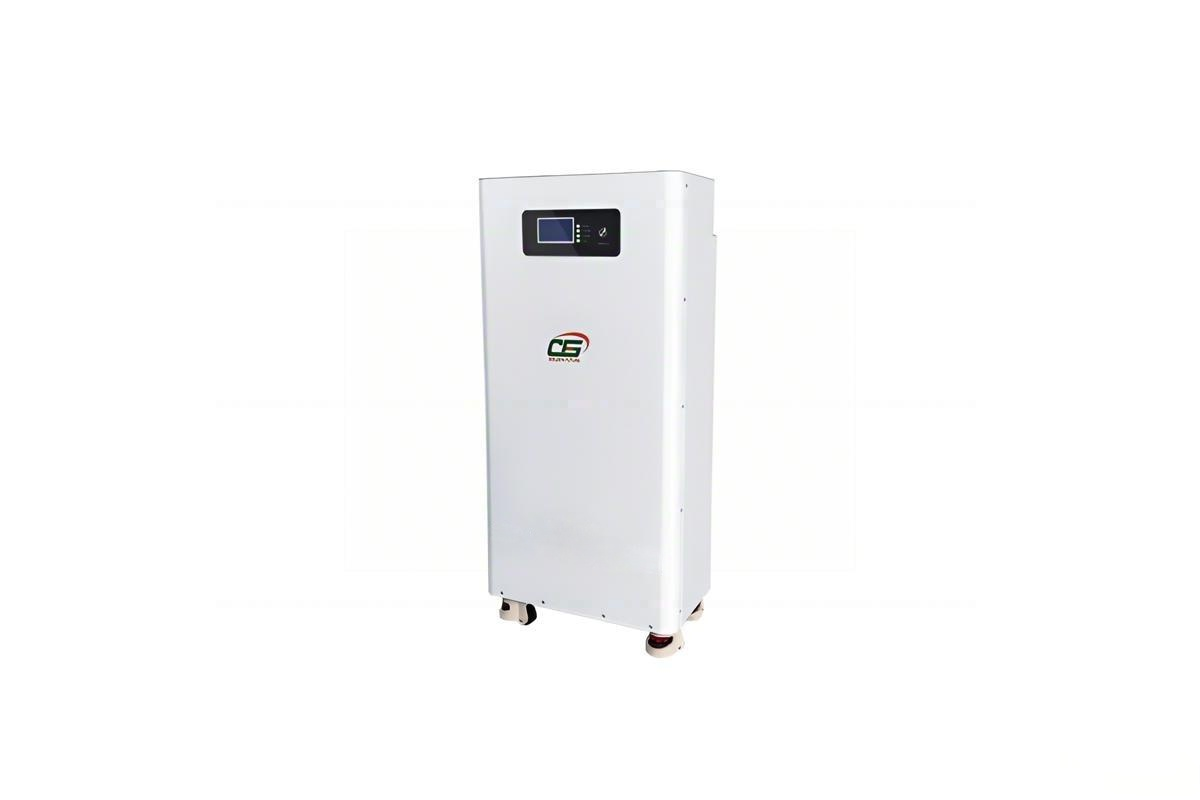
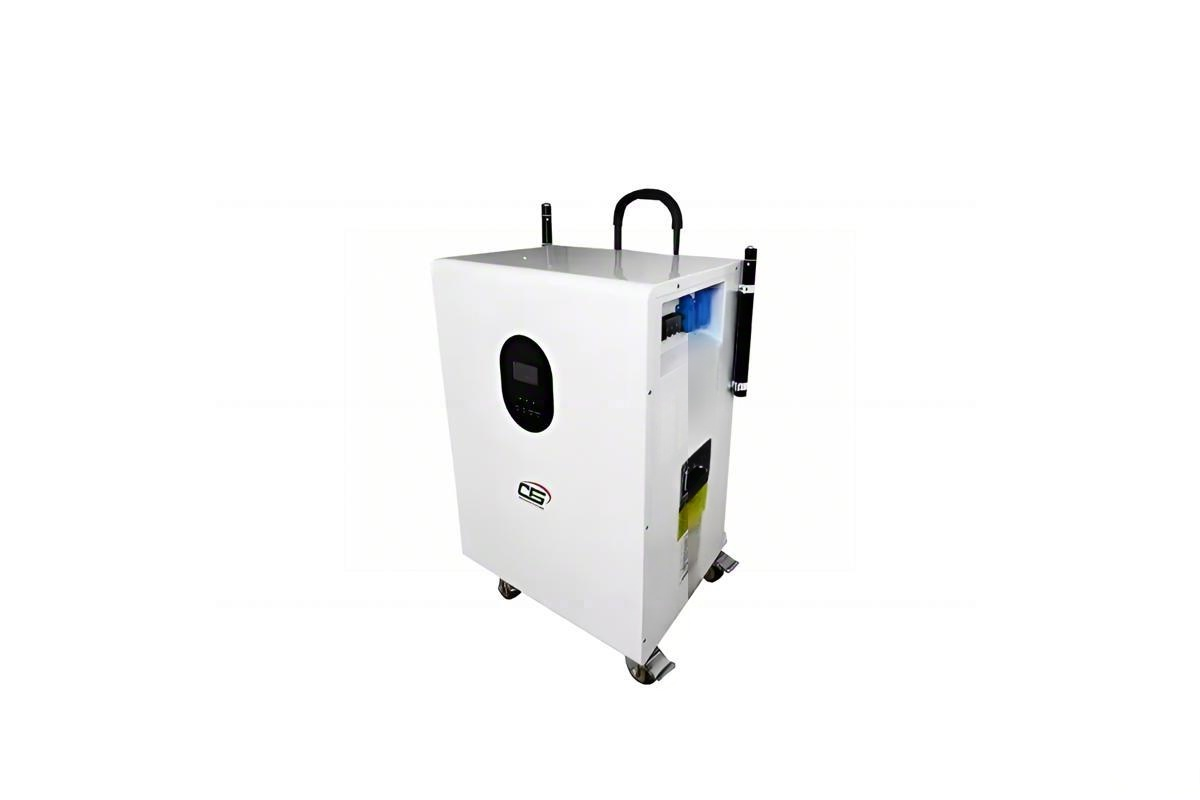
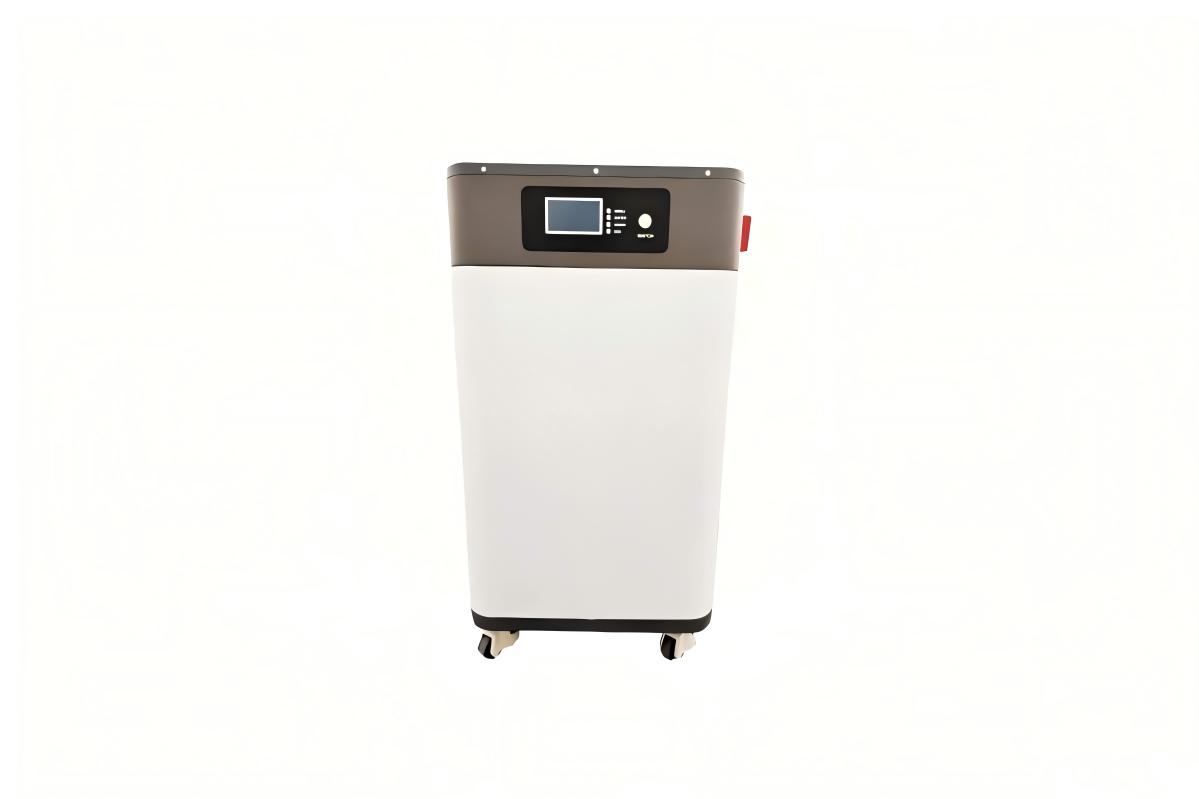
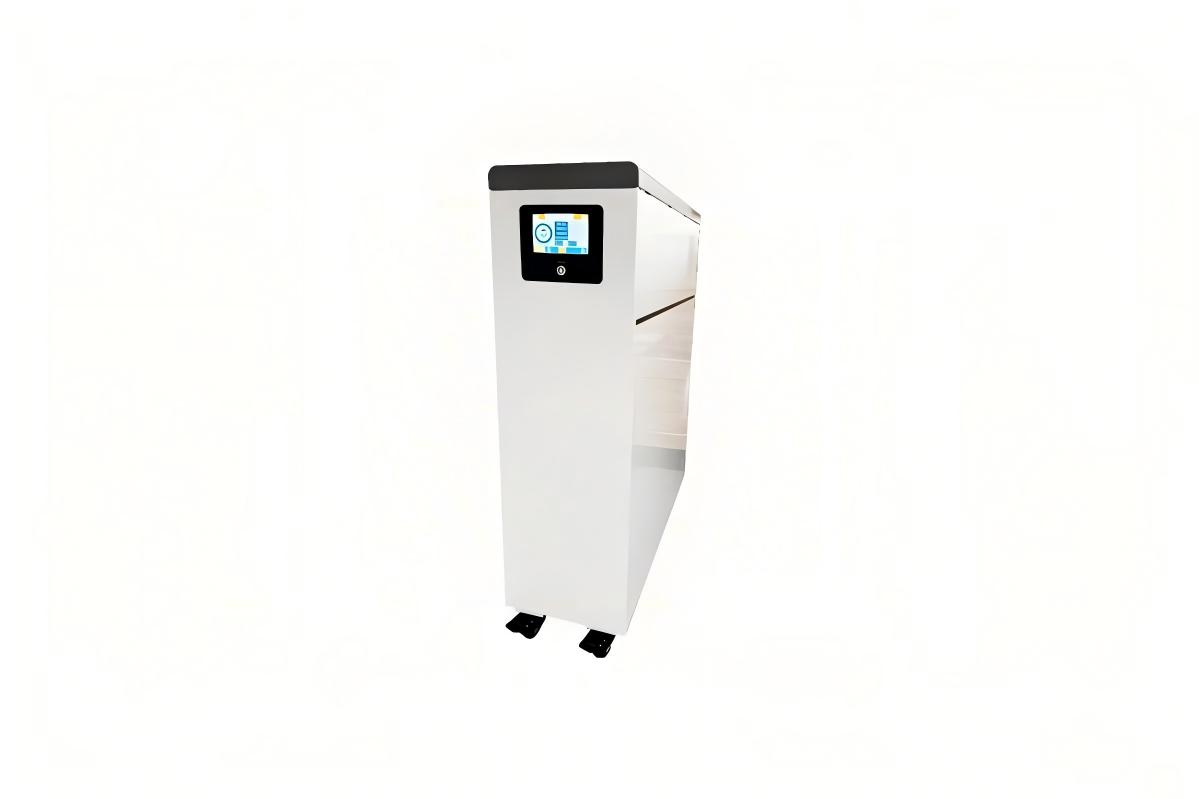
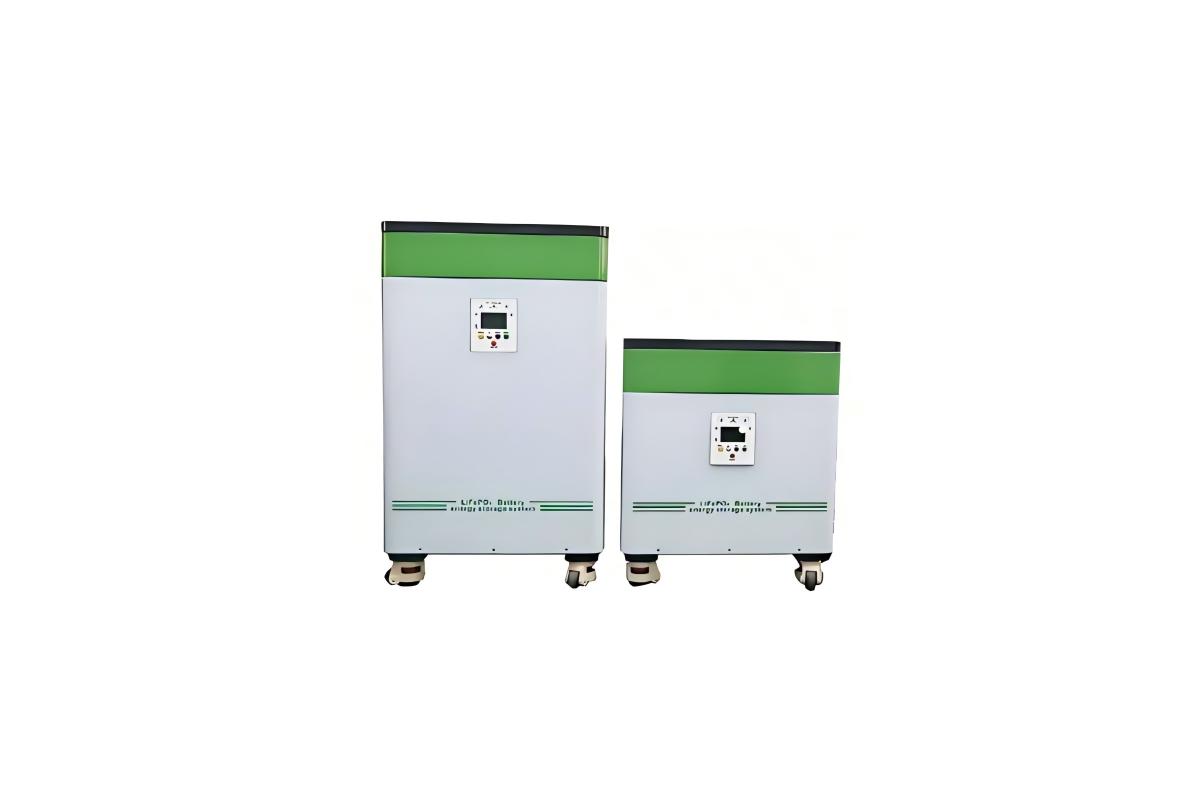
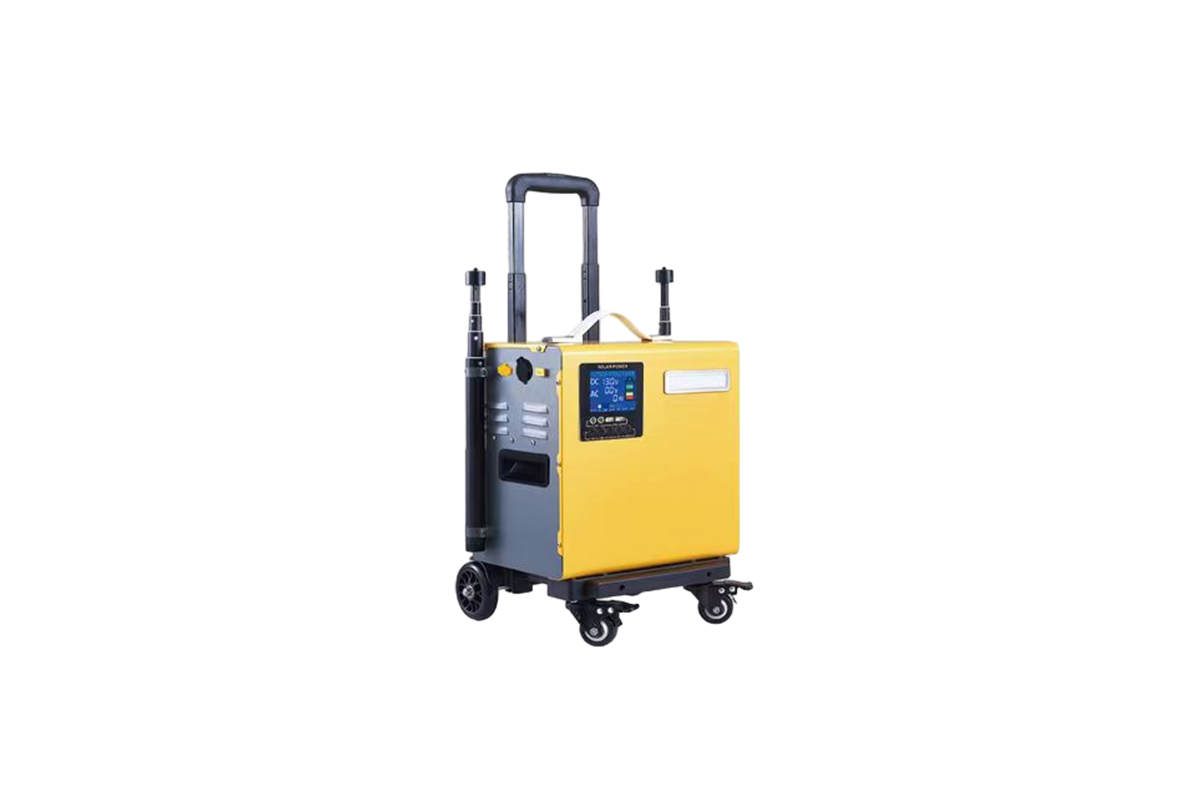
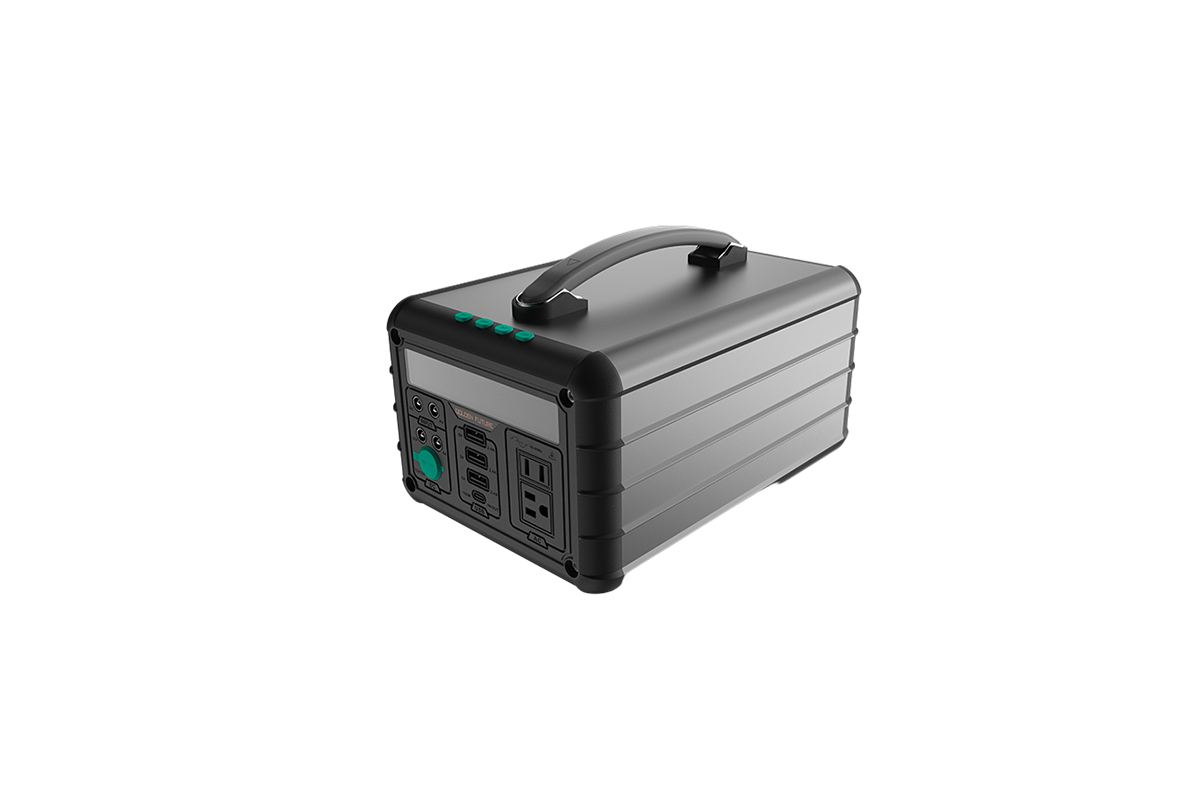
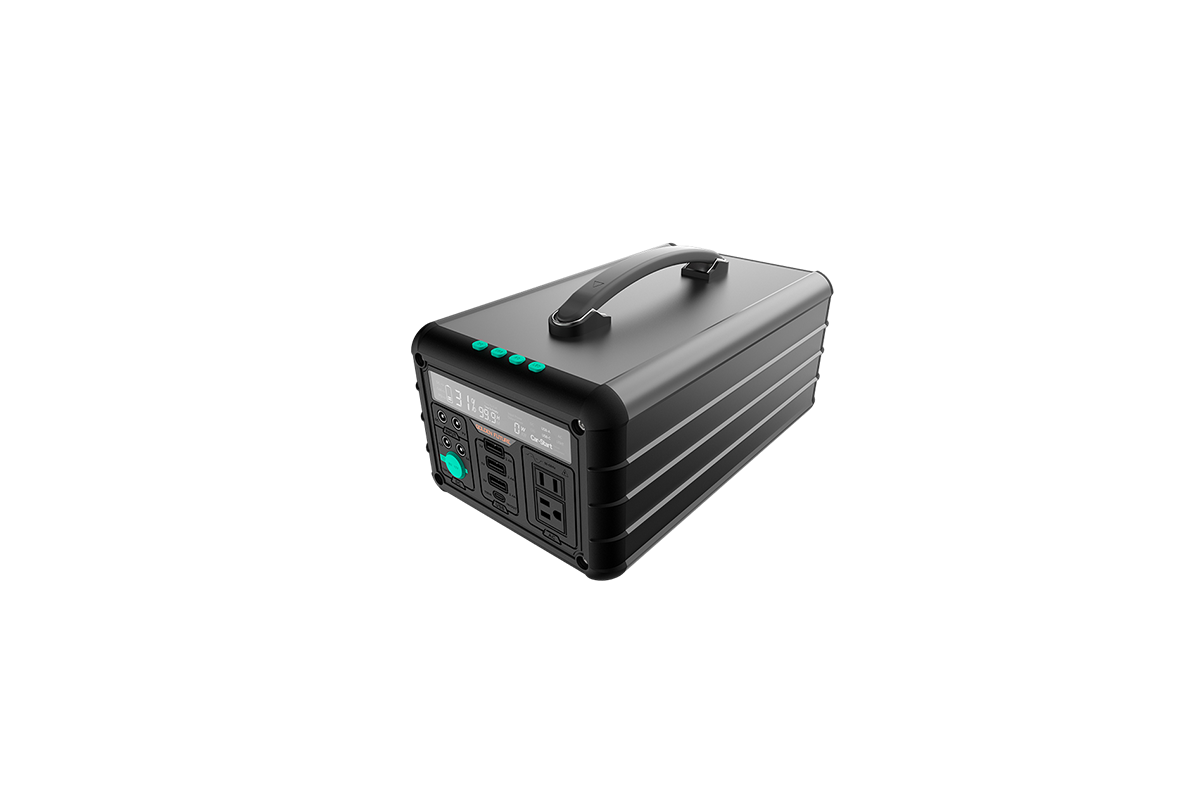
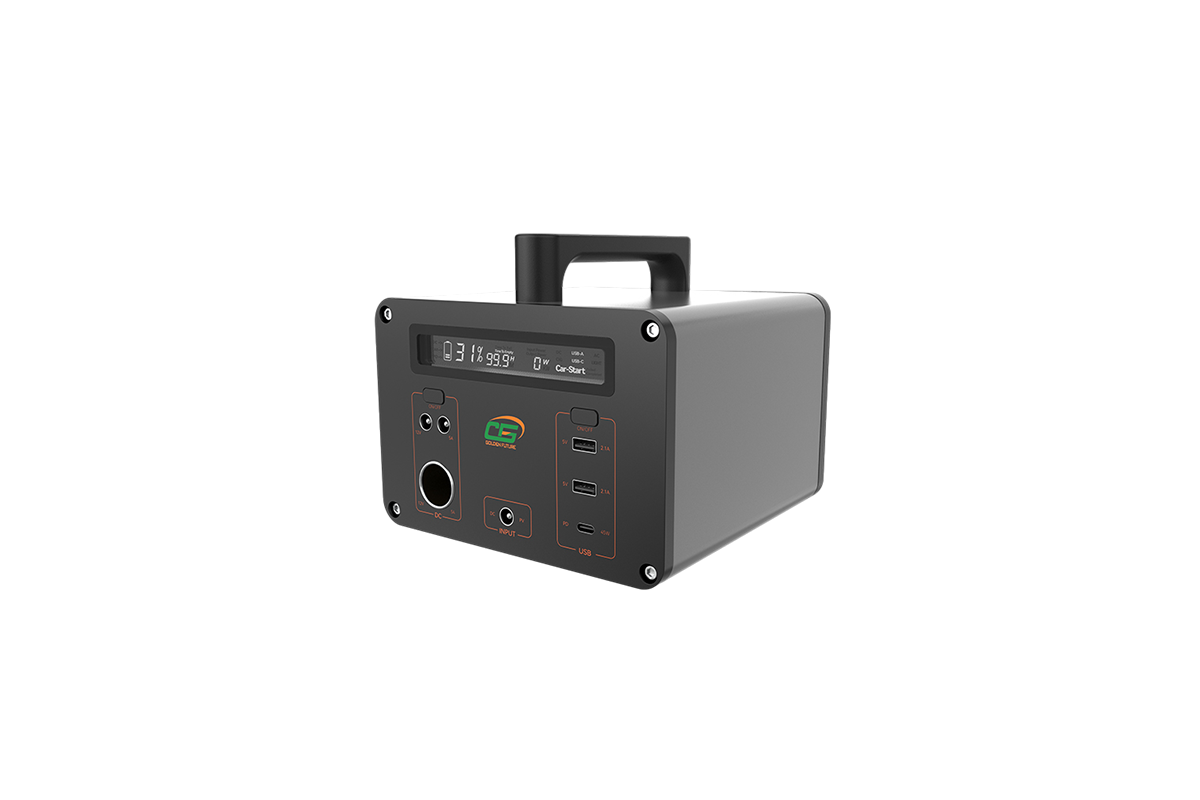
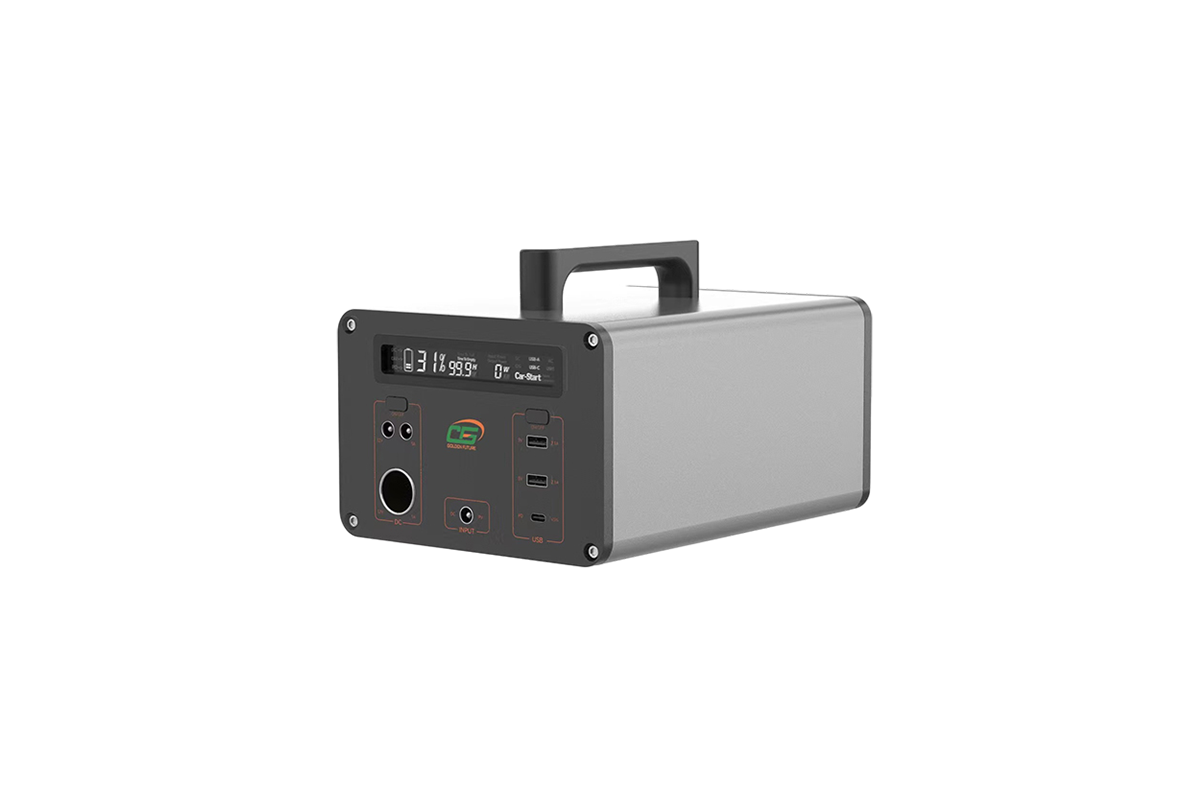
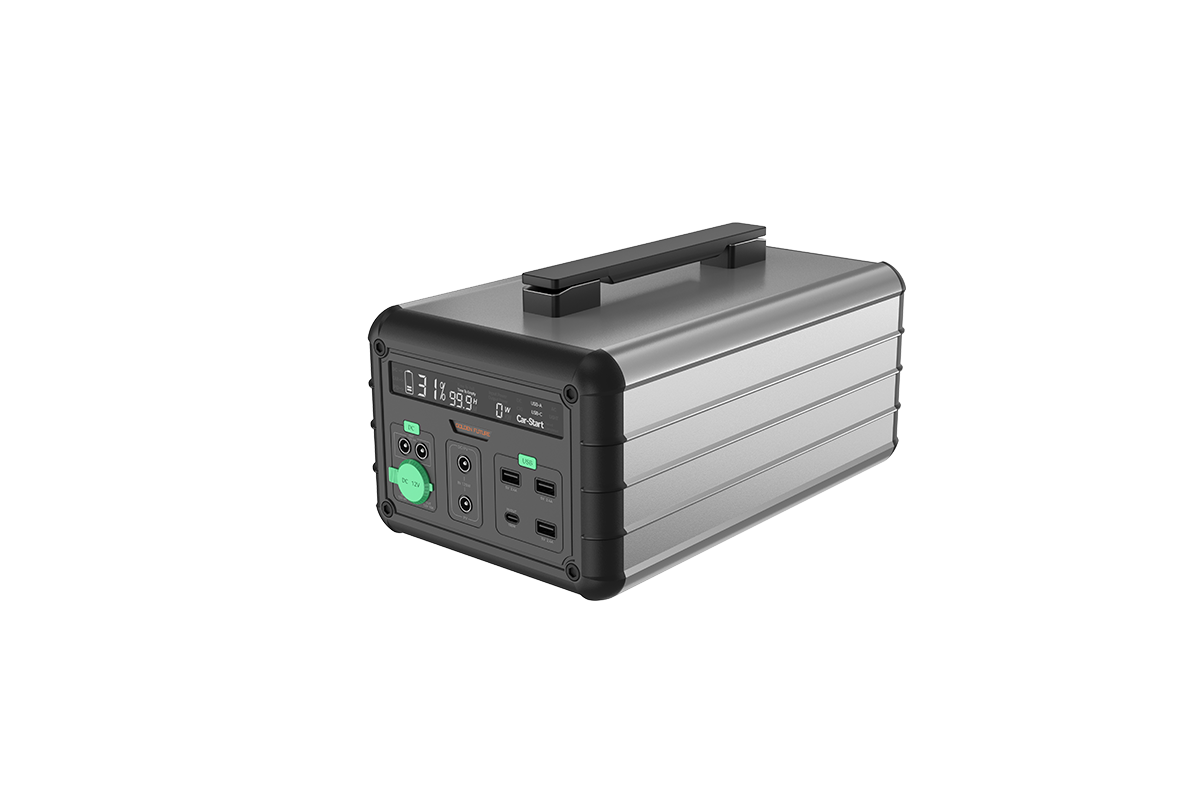
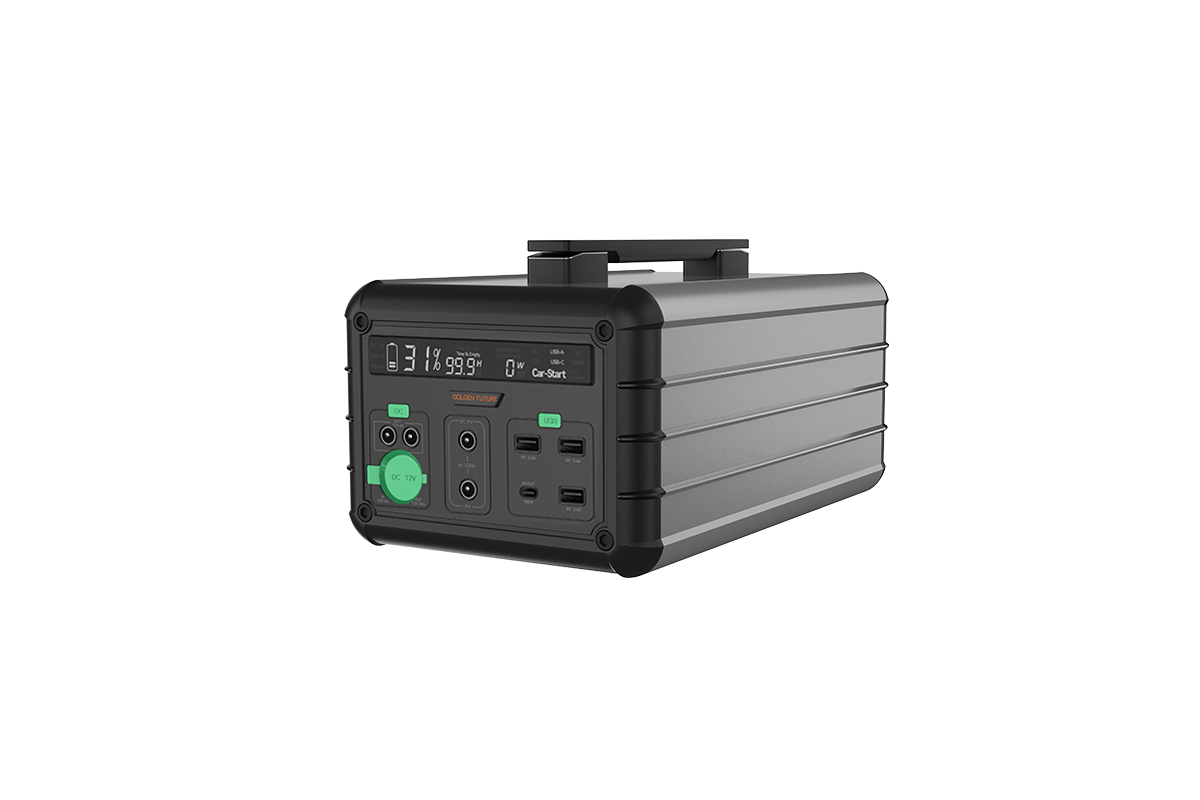
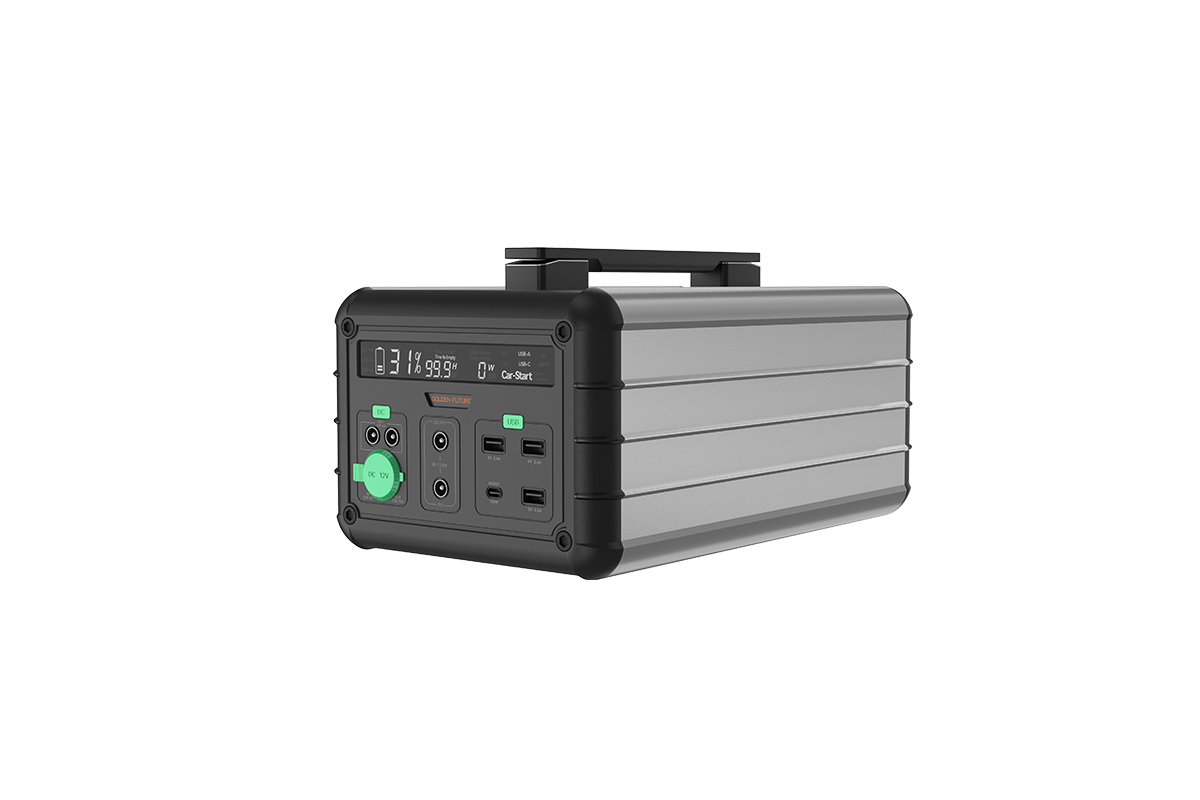
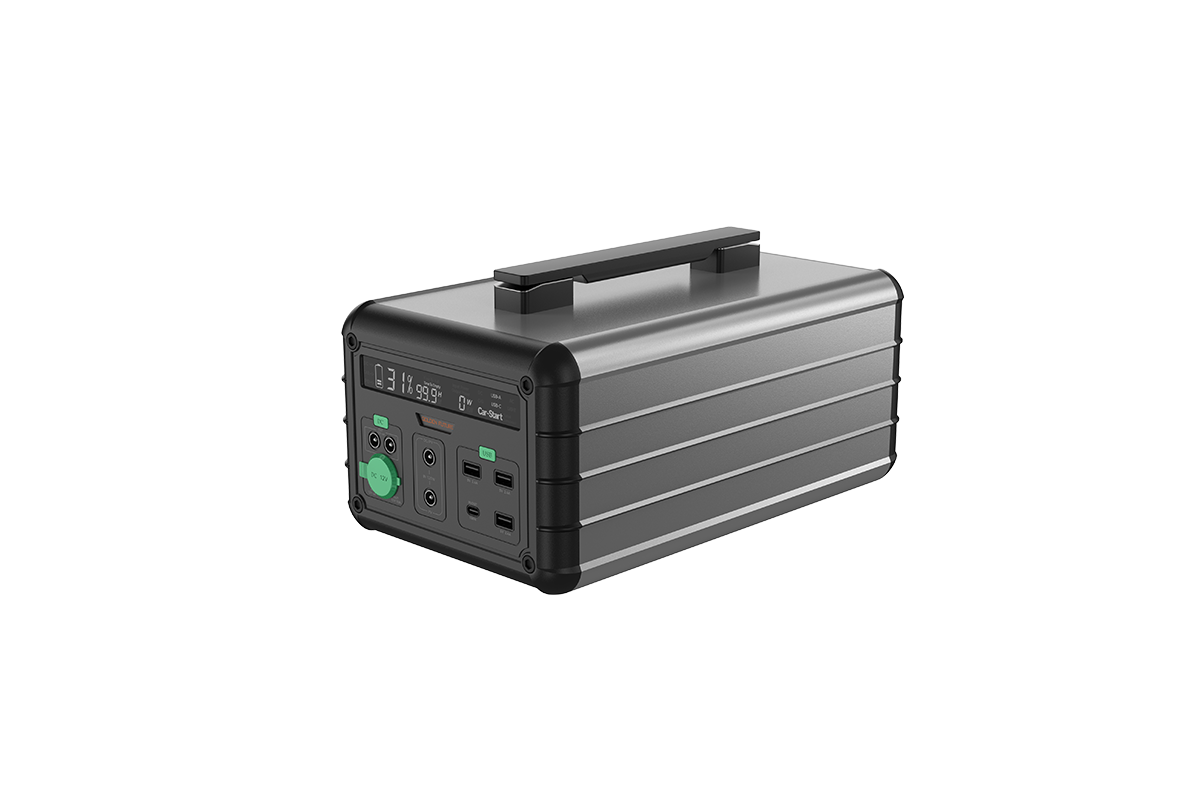
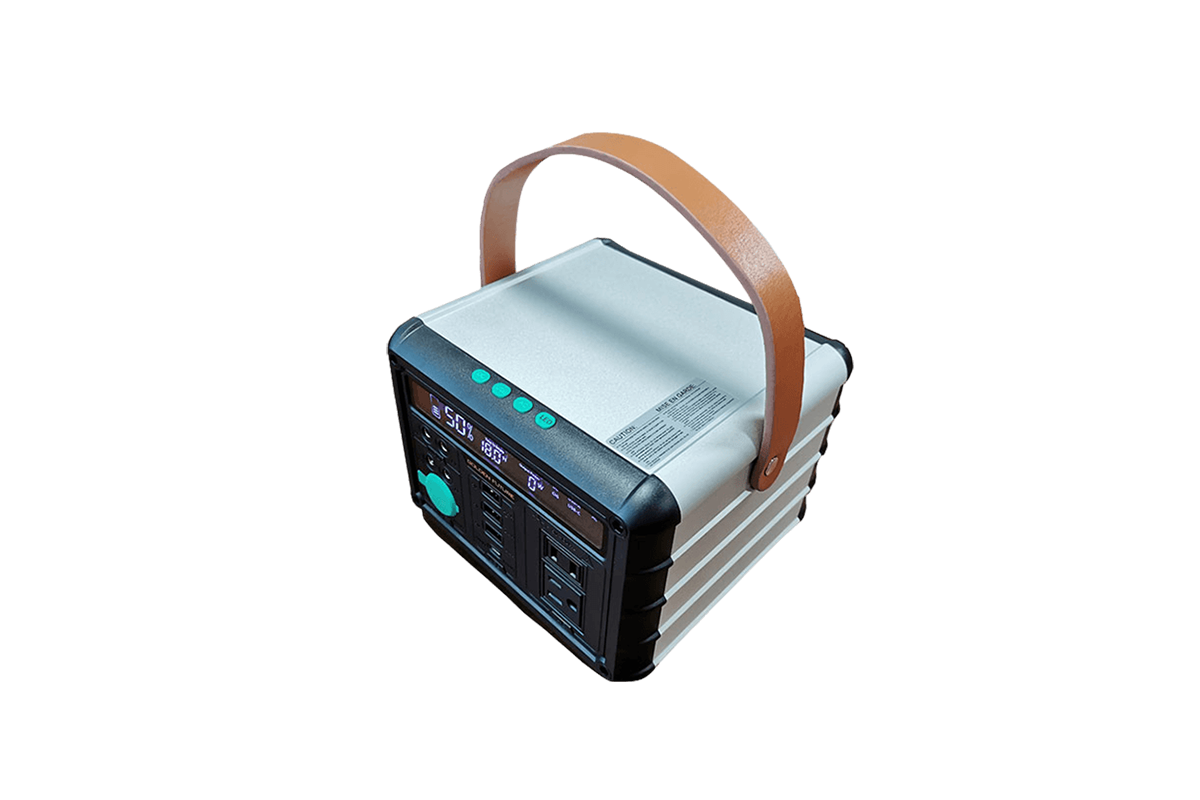
Body Structure: The device features a rectangular modular design, measuring approximately 450 × 280 × 260 mm and weighing approximately 23 kg. It features a thick, retractable top handle (200 mm grip distance, load capacity ≥ 50 kg), and integrated silent, universal wheels (70 mm diameter with brake locks) on the sides, allowing a single person to maneuver it through RV aisles, perfect for the limited storage space required in RVs. The housing is constructed of a flame-retardant ABS+PC composite material (compliant with UL94-V0 standards), and the matte, scratch-resistant surface demonstrates no visible scratches after RV jolts.
Operation and Mounting Details: A high-definition color screen embedded on the front displays the remaining battery life (with 0.5% accuracy), power levels of each port, solar charging efficiency, and battery temperature. Luminous indicators on the keypad allow for blind operation in the dimly lit RV environment. The bottom of the unit features four non-slip rubber pads and two sets of metal strap holes. RV-specific fixing straps allow for secure attachment to the storage compartment, with displacement of ≤2mm during sudden braking.
2. Solar Panel Compatibility for RV Installation
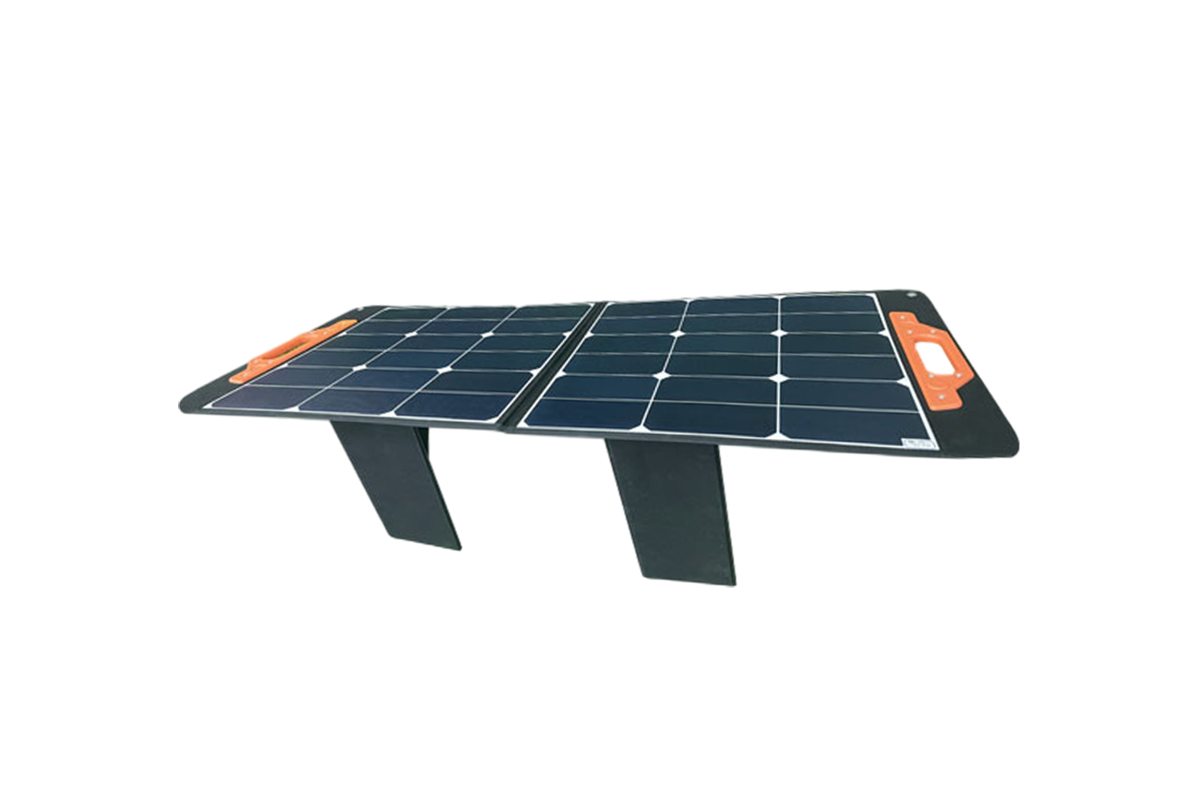
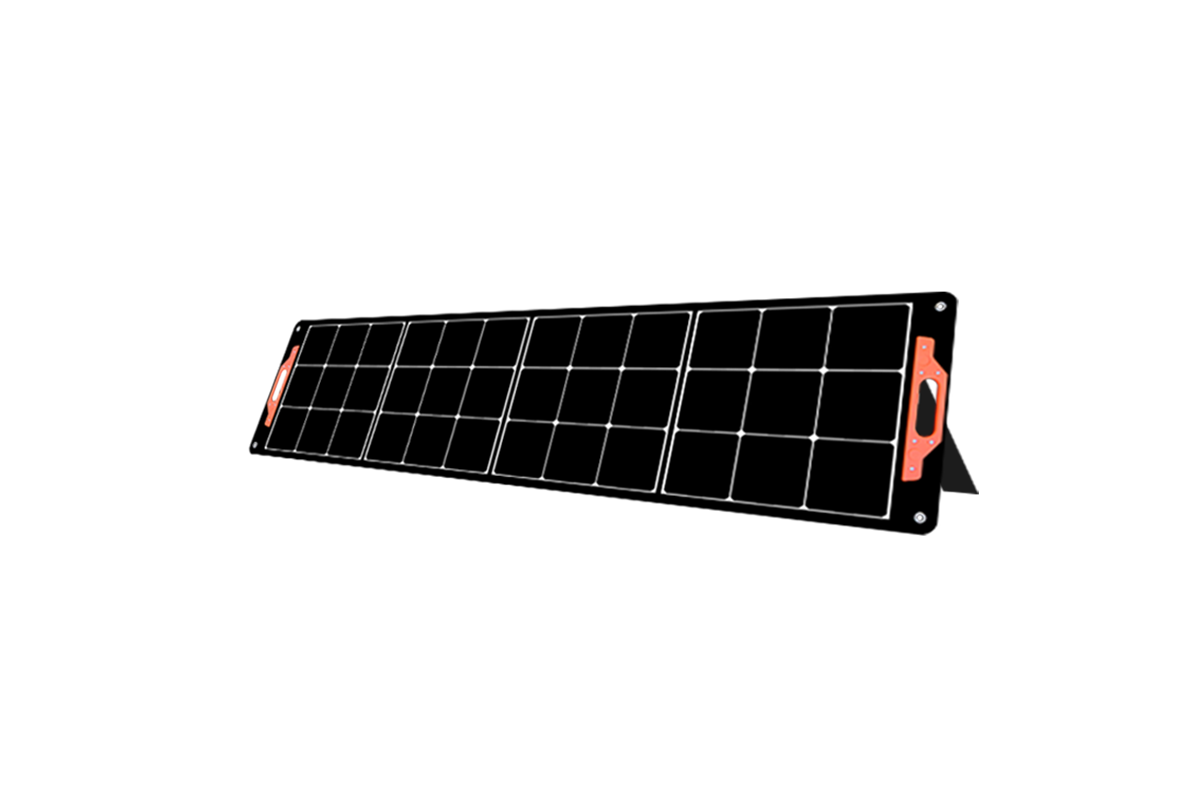
Dual-Mode Solar Panel Configuration: Standard 800W monocrystalline silicon rigid panels (23%-24% efficiency) are constructed using four 200W panels spliced together. Each panel measures 1650×990×35mm and weighs 18kg/㎡. They are secured to the RV roof using 3M VHB adhesive and stainless steel strips. A 5cm heat dissipation channel is provided between panels to prevent thermal degradation. Optional 400W flexible panels (3.5kg/㎡) can be bent to conform to curved roofs and are designed to prevent detachment at speeds up to 80km/h.
Optimized Installation and Wiring: The rigid panel features a built-in 30°-40° fixed tilt angle (adapted to China's latitudes), while the flexible panel allows for manual tracking via an adjustable bracket (increasing winter efficiency by 15%). The connecting cables use 10mm² weather-resistant cable, the roof cable holes are sealed with waterproof adhesive and stainless steel sheathing, and the MC4 connectors are coated with silicone grease to prevent oxidation. The wiring is hidden inside the RV's luggage rack, ensuring a clean and neat appearance.
II. Core Performance and RV Power Compatibility
1. High-Power Power Supply Stability
Output Capacity: Equipped with a pure sine wave inverter, it delivers a continuous output power of 3000W and a peak power of 6000W, capable of stably driving appliances such as a 1.5-horsepower RV air conditioner (1200W), an induction cooktop (2000W), and a 12V RV refrigerator (80W). When connected to an 1800W electric oven, the output voltage fluctuation was ≤3V, with no device errors or power outages. It is fully compatible with RV precision appliances.
Battery life: Built-in 2000Wh lithium iron phosphate battery (512,000mAh), with 95% charge and discharge efficiency and a cycle life of ≥2,000 cycles. Powering a 12V RV refrigerator alone, it can run continuously for 50 hours. When operating the air conditioner, refrigerator, and LED lighting simultaneously, the battery life reaches 8-10 hours, meeting the RV's basic nighttime power needs. The color screen displays the remaining runtime in real time, with an accuracy of ≤15 minutes.
Low noise and heat dissipation control: The fan utilizes an intelligent temperature-controlled start-stop design, achieving silent operation (≤35dB) when the power supply is <500W, and ≤50dB at full load, lower than the noise level of an RV air conditioner. Honeycomb-shaped cooling vents on the side of the unit provide convection airflow, aligning with the RV's storage compartment vents. Even at 45°C, the battery temperature remained stable below 65°C for four hours without triggering the overheating protection.
2. Solar Energy Recharge Efficiency and Adaptability
Fast Charging Capability: When the solar panel's sunlight intensity is ≥800W/m², the charging power of an 800W solar panel remains stable at 720-760W. When paired with an MPPT controller (95%-99% efficiency), a 20% to full charge takes only 2.5-3 hours. In cloudy weather, the power remains at 240-320W, replenishing 1440-1920Wh of energy in 6 hours, meeting the daily power requirements.
Intelligent Adaptive Features: The MPPT controller automatically matches lead-acid and lithium battery modes. Lithium batteries can be set to stop charging at 90% to extend their lifespan. When cloud cover causes sudden changes in sunlight, the charging current is smoothly reduced from 70A to 20A, with a battery voltage fluctuation of ≤0.3V, preventing any damage. Hybrid solar and mains fast charging is supported, with a charge of 80% in 45 minutes and a full charge in 75 minutes.
Connection Reliability: The solar panel and host utilize a quick-plug MC4 connector with a plug-in/unplug force of 10-15N. The connector is equipped with a waterproof and dustproof cap (IP67 rating). After being exposed to rain for 20 minutes, no water ingress was observed inside the connector, and charging efficiency remained unchanged. A 10-meter extension cable is included as standard to accommodate the wiring distance between the RV roof and the storage compartment.
3. RV-Grade Safety Design
Intelligent Battery Protection: Equipped with the BWS intelligent battery management system, it provides six levels of protection against overcharge, over-discharge, short circuit, overcurrent, overtemperature, and leakage. In the event of an unexpected short circuit in the RV circuit, power is automatically cut off within 0.05 seconds, and a fault code appears on the color screen. Resolving the problem and restarting the device will restore the battery. The battery supports low-temperature charging protection, automatically preheating at -10°C, and maintaining a capacity retention rate of ≥85%.
RV Environment Compatibility: The chassis boasts an IP54 protection rating, offering dust and water resistance to withstand the dust and rain experienced in RV camping. The inverter is sealed with glue to effectively resist morning condensation and prevent short-circuit risks. Its built-in shock-resistant structure has been tested on bumpy roads (60 km/h) in an RV, with no internal cell displacement and no solder joints falling off.
III. RV Camping Performance in Multiple Scenarios
1. Basic Power Usage (Daily Camping)
Powering Core Devices: After 48 hours of continuous operation, a 12V RV refrigerator (80W) had 32% remaining charge. Simultaneously charging two mobile phones (20W), a laptop (65W), and an LED camping lantern (10W) for a total power of 175W, the battery life can reach 11 hours, meeting basic power needs throughout the day.
Solar Charging Cycle: On sunny days between 10:00 AM and 4:00 PM, the 800W solar panel charges at an average power of 700W, charging 4200Wh in 6 hours, equivalent to 2.1 times the battery capacity. This enables a self-sustaining cycle of "daytime charging and nighttime power supply," eliminating the need for external mains power.
2. Advanced Power Usage Scenario (Family RV Travel)
High-Power Device Integration: Simultaneously powering an induction cooker (2000W) for hot pot cooking for 1 hour and a 1.5-horsepower air conditioner (1200W) for 2 hours consumes a total of 4400Wh. Combined with daytime charging from the 800W solar panel, this battery can support two days of continuous use. The USB-C port (140W) allows for fast charging of drone batteries, fully charging two batteries in 30 minutes, meeting the needs of outdoor aerial photography in an RV.
RV Circuit Interconnection: Connected in parallel with the RV's original battery via a DC 12V port, with a charging threshold set at 90%, it automatically recharges when the original battery's charge falls below 70%, preventing the RV's starting battery from running low. This makes it ideal for long-distance camping.
3. Practical Performance in Extreme Environments
High-Temperature Protection: When the RV roof temperature reaches 60°C in summer, the solar panel efficiency drops by 12% (still maintaining 624W charging power). The power supply is ventilated through the RV's storage compartment via heat dissipation vents, ensuring the body surface temperature is ≤58°C, without triggering overheat protection.
Rainy and Dust-Resistant: When used outdoors in the rain, the interface area shows no signs of water ingress after the waterproof cover is closed. Rainwater washing the solar panel surface maintains no light transmittance degradation, and charging power remains at 70% of that on sunny days. After dusty weather, the dust screens on the heat dissipation vents intercept 92% of particulate matter, and cooling efficiency is fully restored after removal and cleaning.
IV. RV Maintenance and Lifespan Assurance
1. Core Performance Verification
Battery Life and Charging Test: Connected to a 12V refrigerator (80W) and a 10W LED light in an RV, the system automatically shuts down after 52 hours of full operation, with a ≤3% error from the theoretical battery life. An 800W solar panel charges 4320Wh under 6 hours of sunlight (800W/m²), achieving a charging efficiency of 90%, meeting system design standards.
Safety Limit Test: Simulating an instantaneous power outage caused by a short circuit in an RV circuit, with no sparks generated. Full-load operation at 45°C for 6 hours resulted in a battery temperature of 68°C, with no over-temperature protection triggered. After a 1.5-meter drop test, the housing exhibited slight deformation, but the internal circuitry remained functional.
2. RV Maintenance Tips
Battery Maintenance: It is recommended to charge lithium iron phosphate batteries to 90% (adjustable on the MPPT controller). If the RV is parked for an extended period, recharge the battery every three months to maintain a charge between 20% and 80%. The annual degradation rate should be ≤3%, resulting in a service life of 5-8 years.
Cleaning and Installation Maintenance: Wipe the solar panel surface monthly with a neutral detergent to remove bird droppings and dust (to prevent obstruction and reduced efficiency). Inspect the roof mounting strips every six months and reapply waterproof adhesive to prevent them from falling off during driving.




 59911926@qq.com/sales@goldenfuturehk.com
 13316809242 / 15816897019
 Inquiry
 Home >