





Time:2026-07-11 Views:516
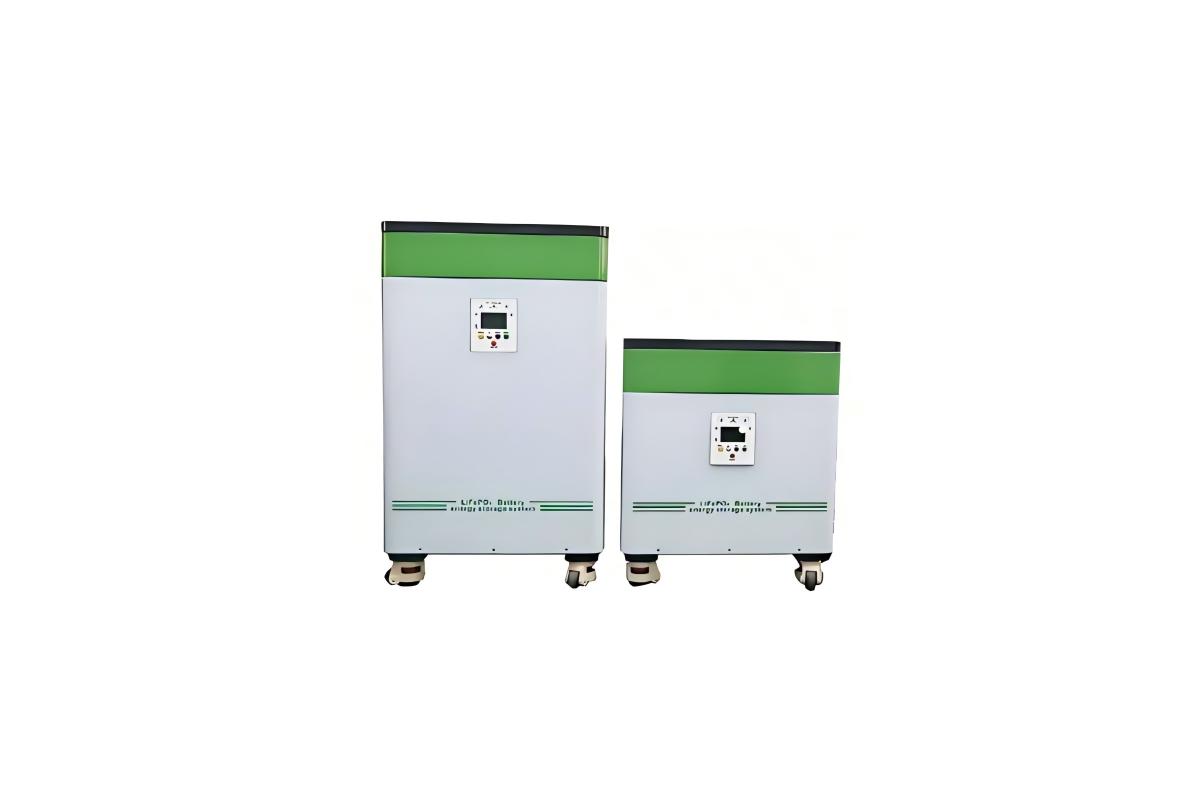
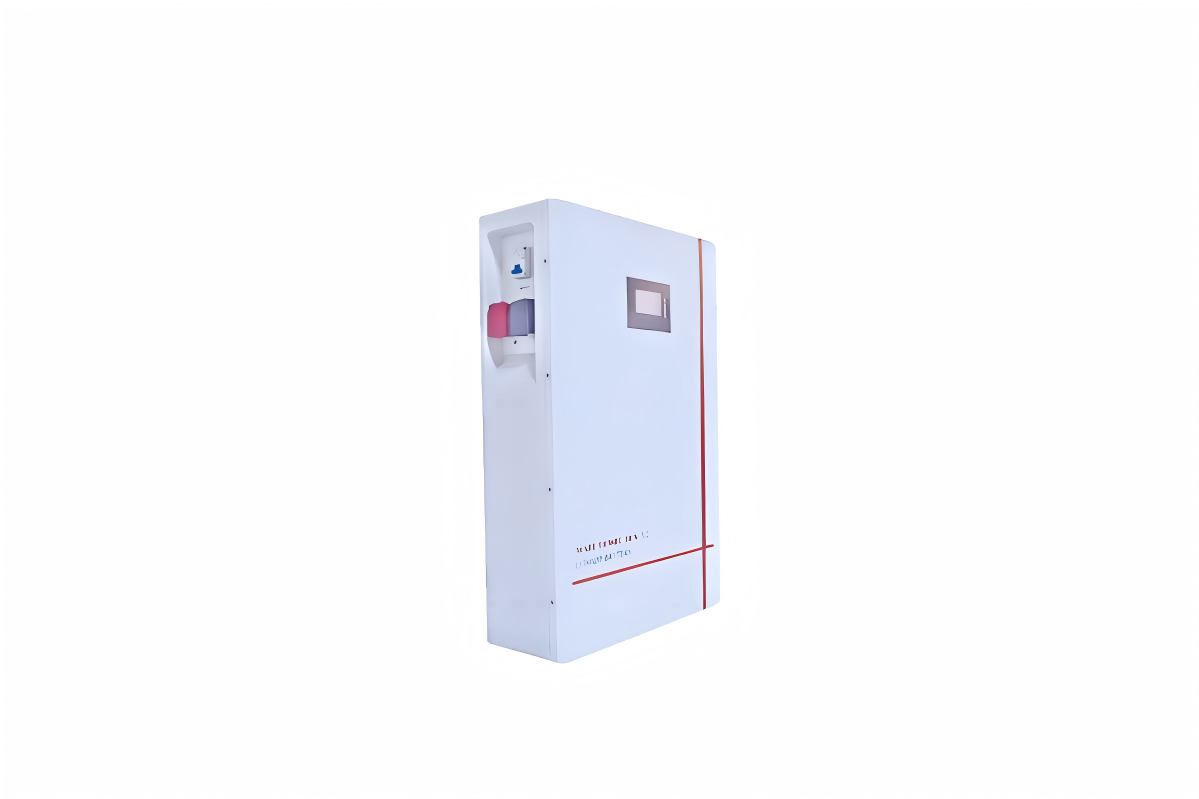
A portable power supply station is an integrated energy storage device that integrates energy storage, power conversion, intelligent power control and multi-interface output. With the advantages of lightweight portability, wide scenario adaptation and stable power supply, it has become the core power supply equipment for outdoor camping, self-driving travel, field operations, home power outage emergency, outdoor live broadcasts and other scenarios. Compared with traditional mobile power banks, portable power supply stations have higher power, stronger battery life and higher safety performance. Their stable performance, safe operation and long-term durability rely on scientific and reasonable overall structural design. Most users only pay attention to surface parameters such as power, capacity and fast charging speed when purchasing equipment, ignoring the structural differences of core components including internal and external frame structure, heat dissipation structure, circuit protection structure and interface layout. This often leads to the purchase of inferior models with unreasonable structure, poor heat dissipation, frequent failures and insufficient safety. From a professional structural design perspective, this paper comprehensively analyzes the external portable structure, internal core module structure, heat dissipation protection structure and circuit control structure of portable power supply stations, discusses the advantages, disadvantages, operating logic and applicable scenarios of different structural designs, and provides professional structural selection references for personal purchase and industrial bulk procurement.
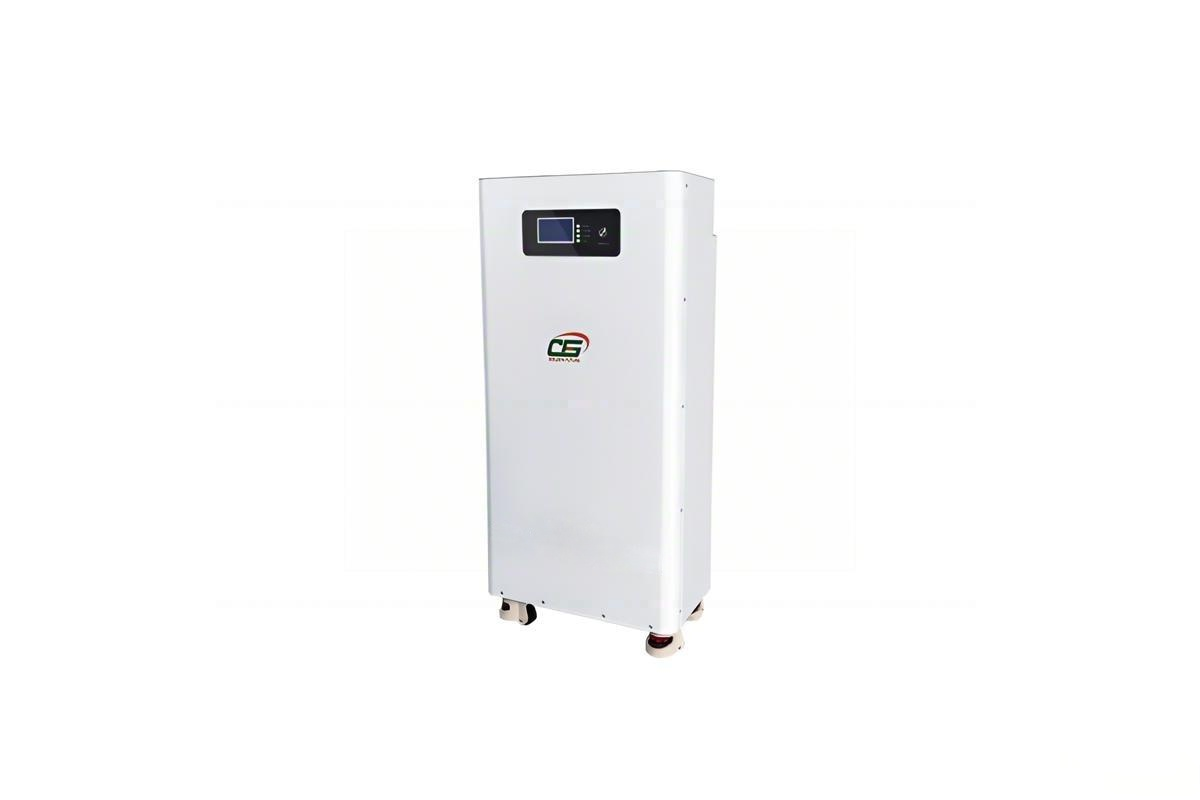
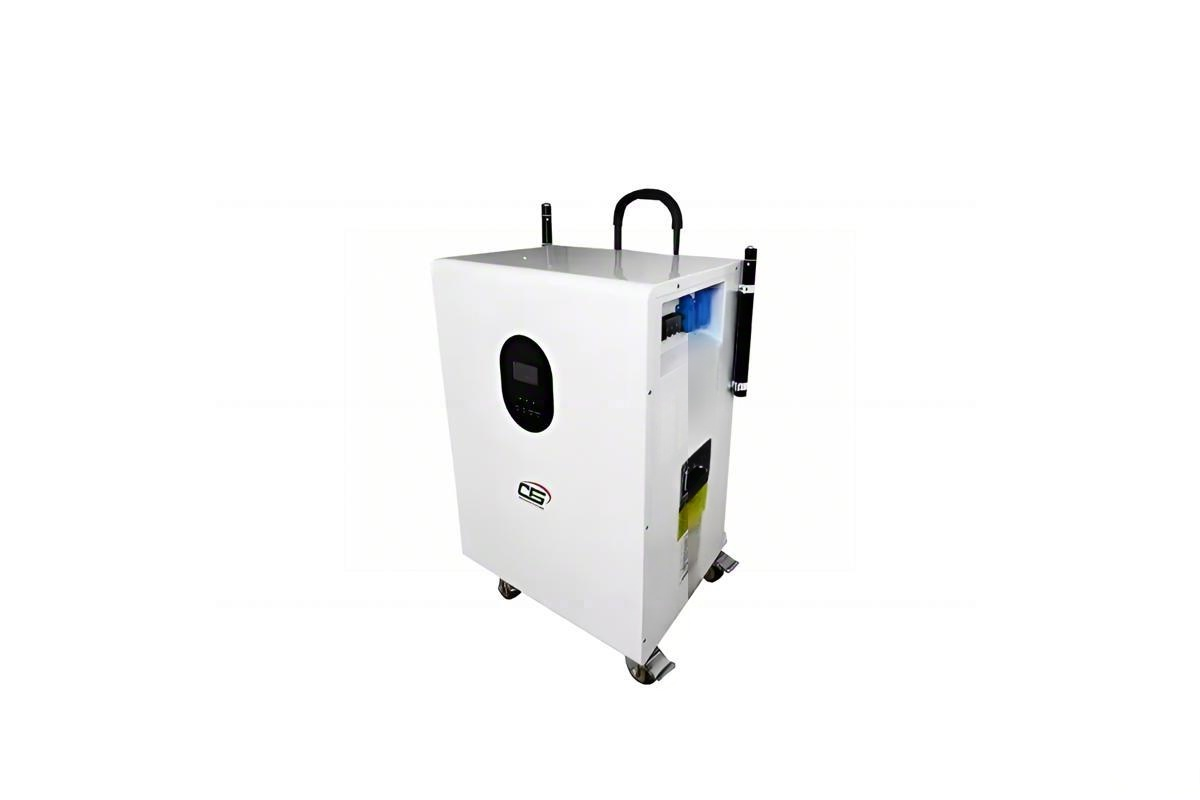
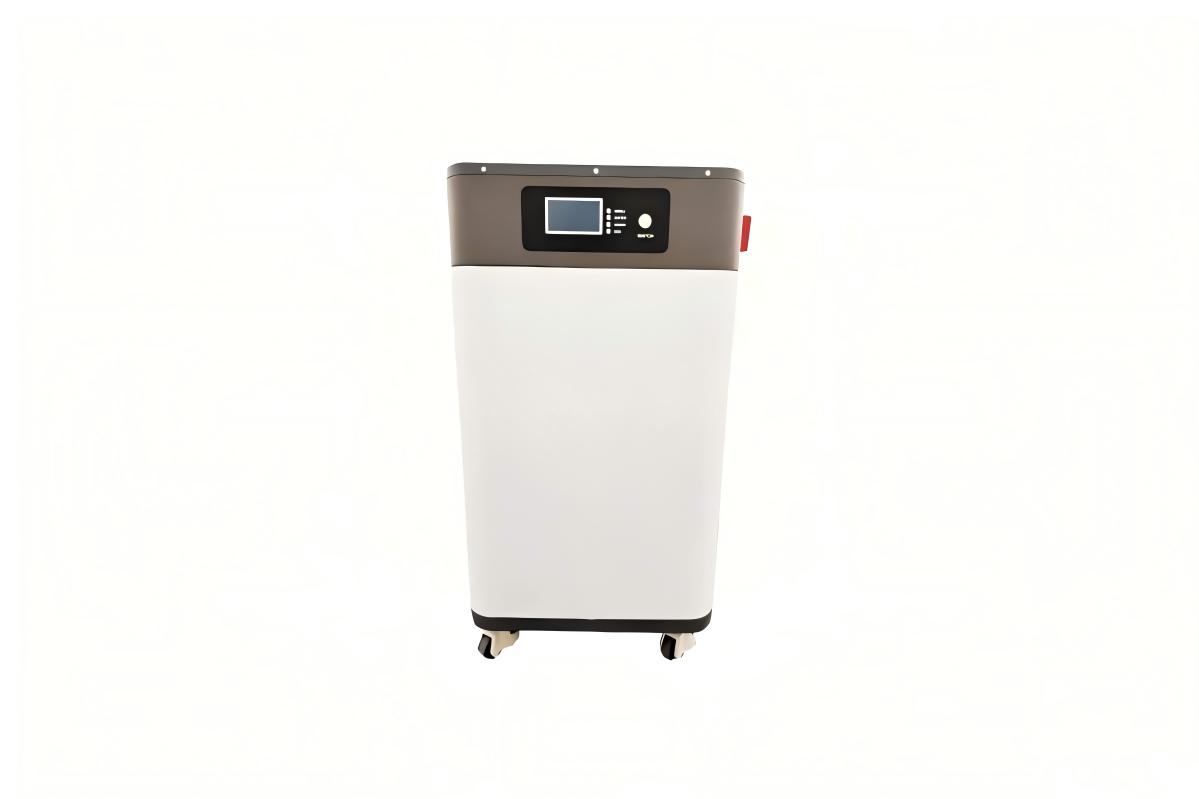
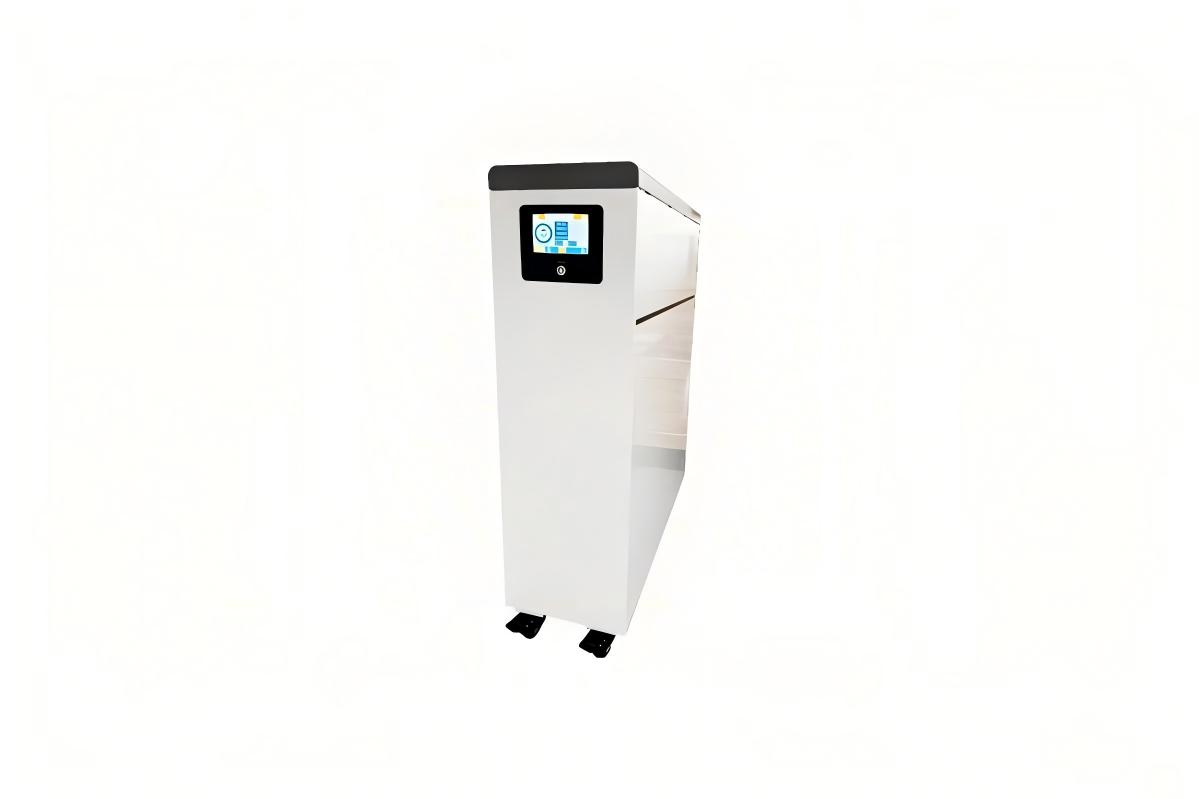
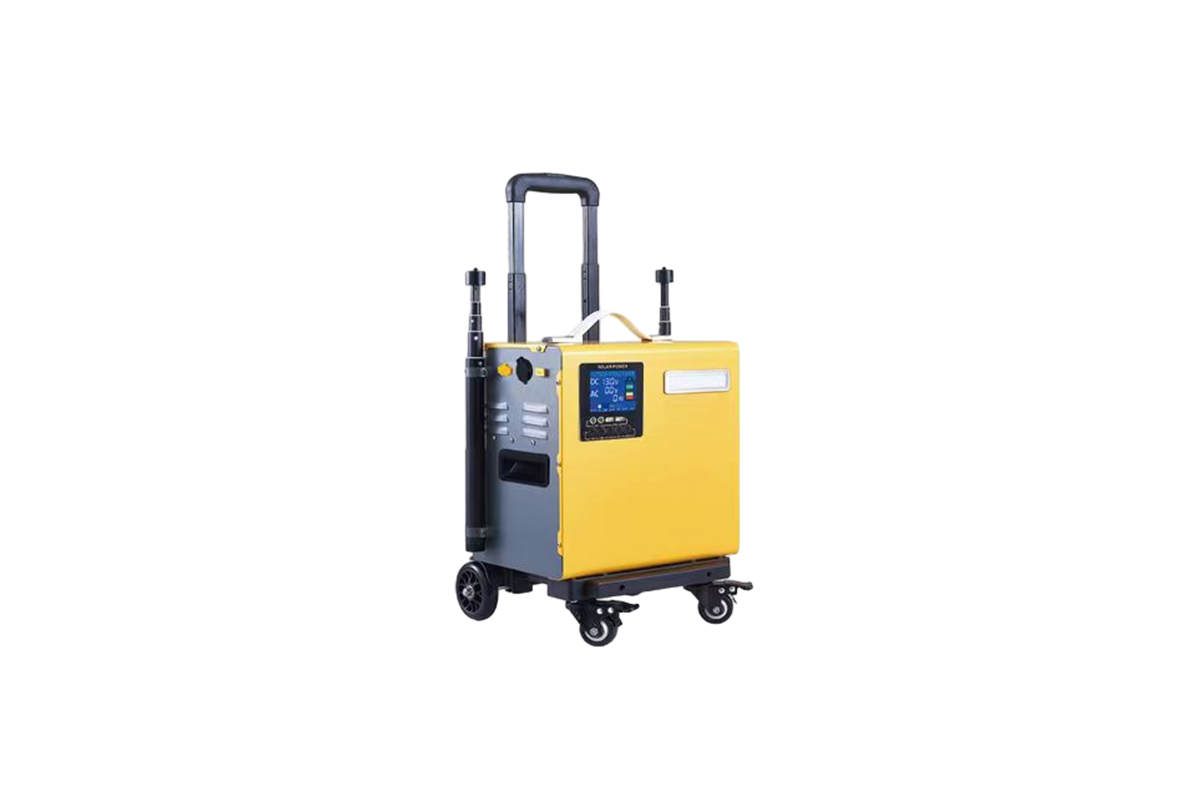
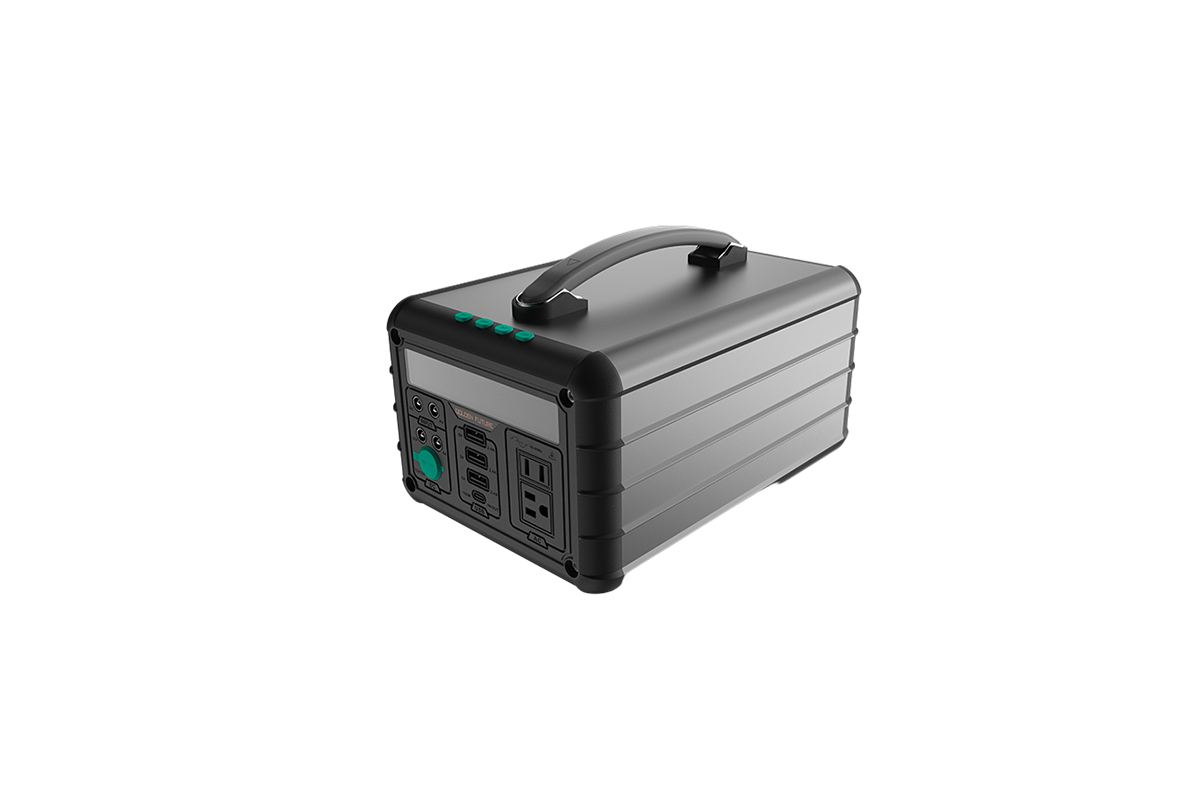
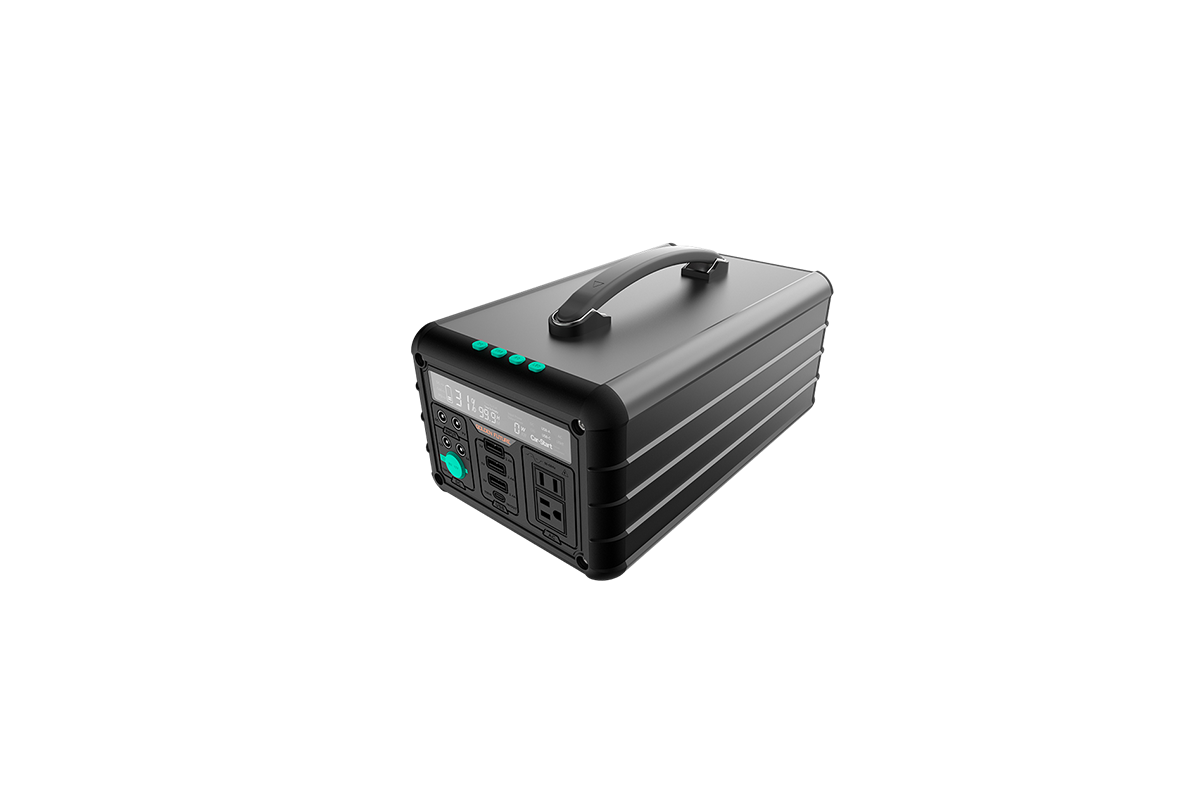
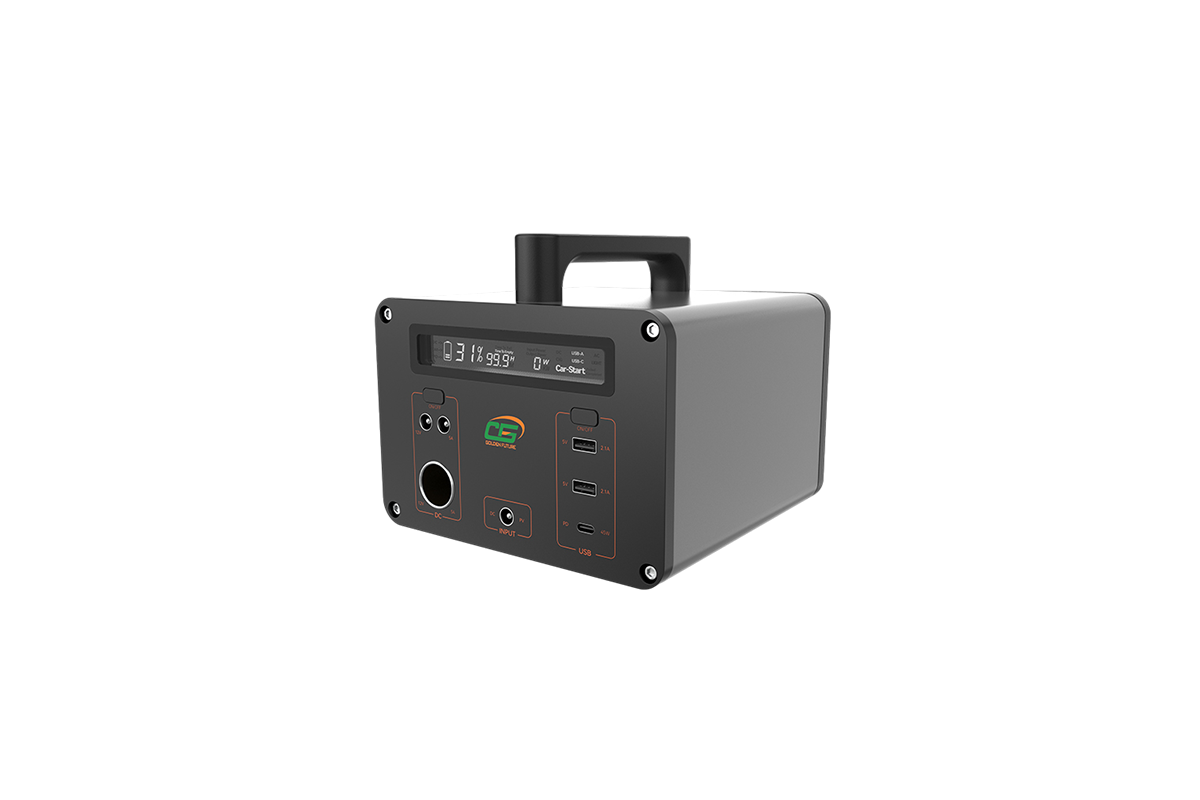
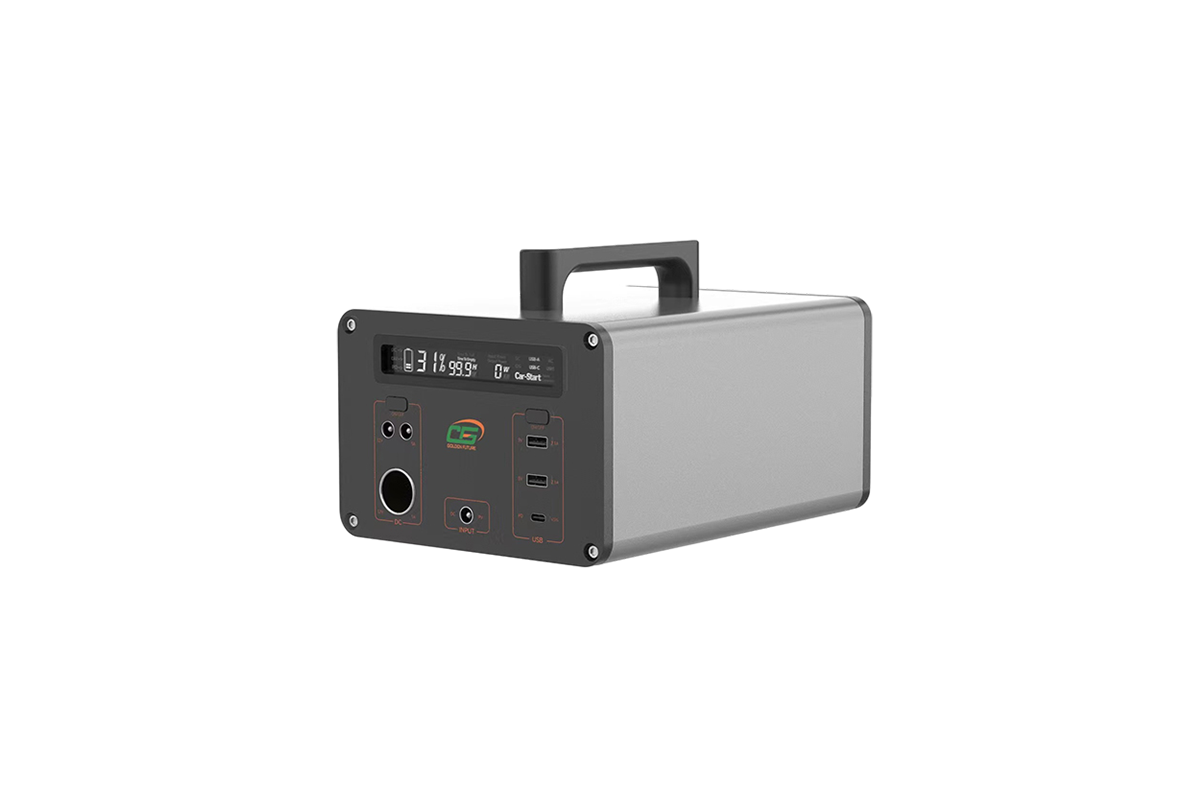
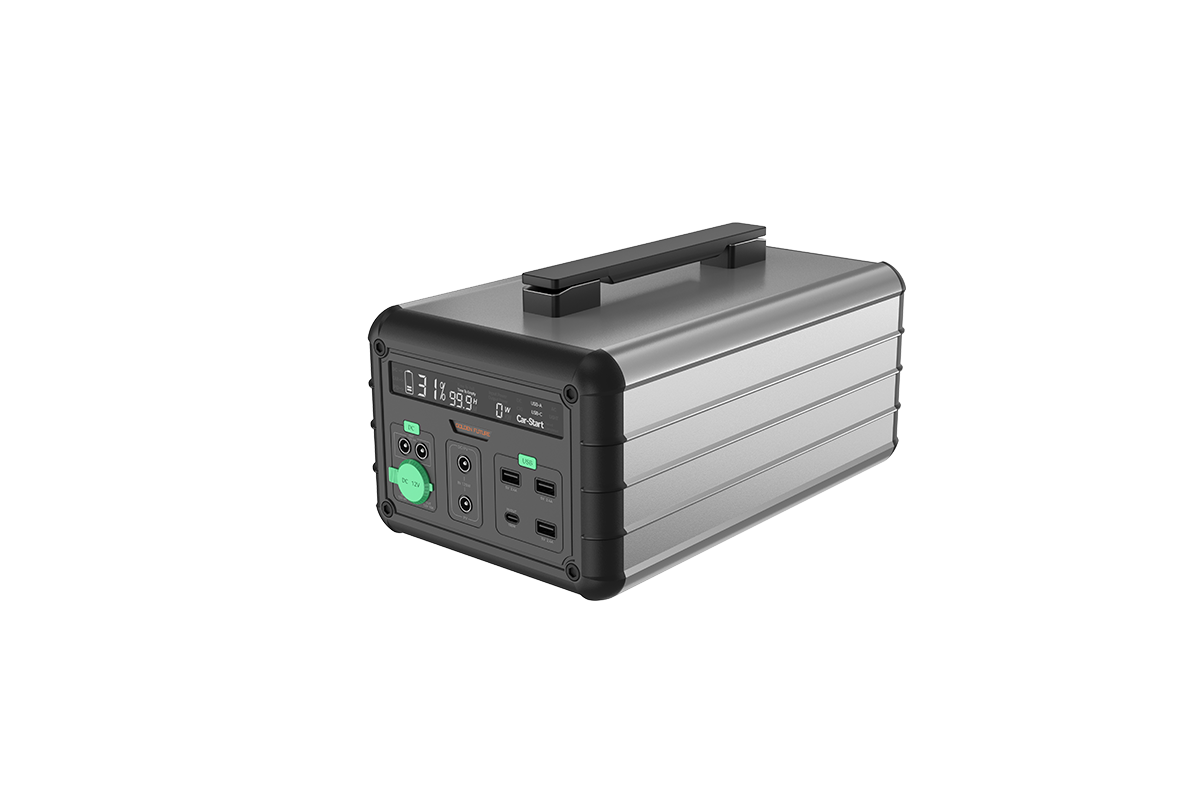
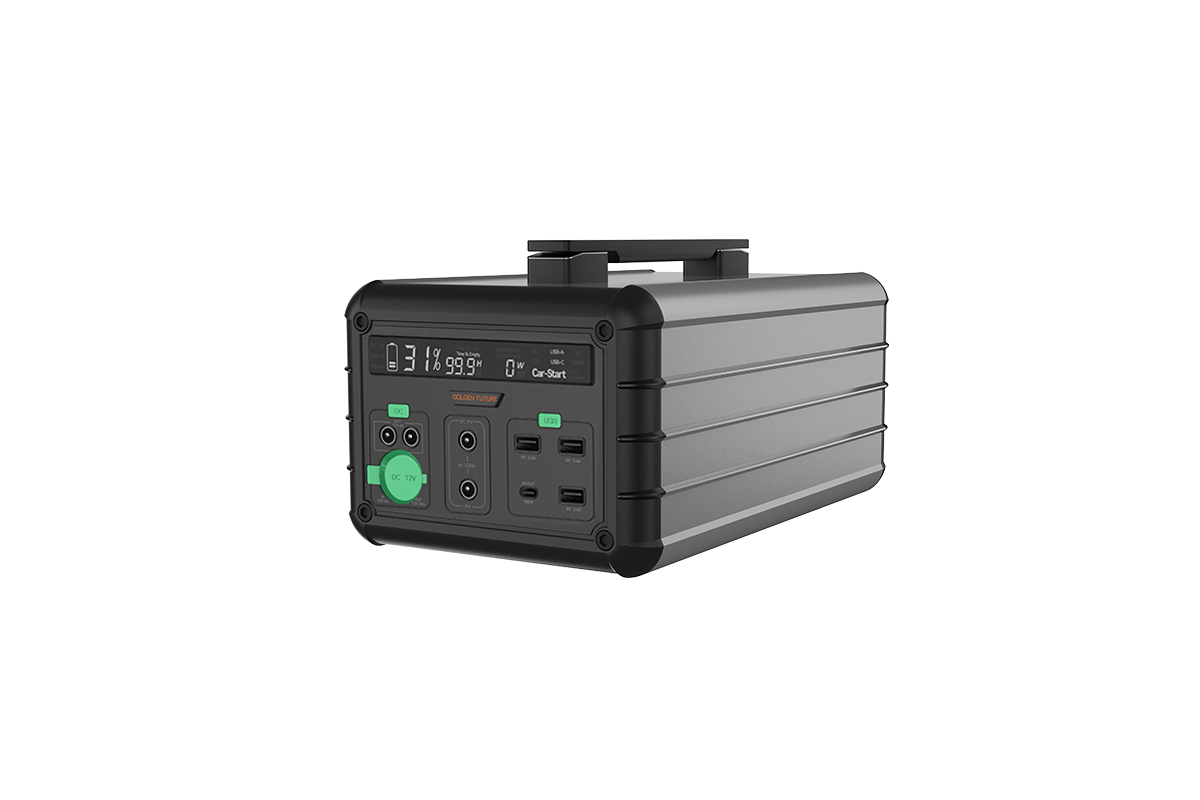
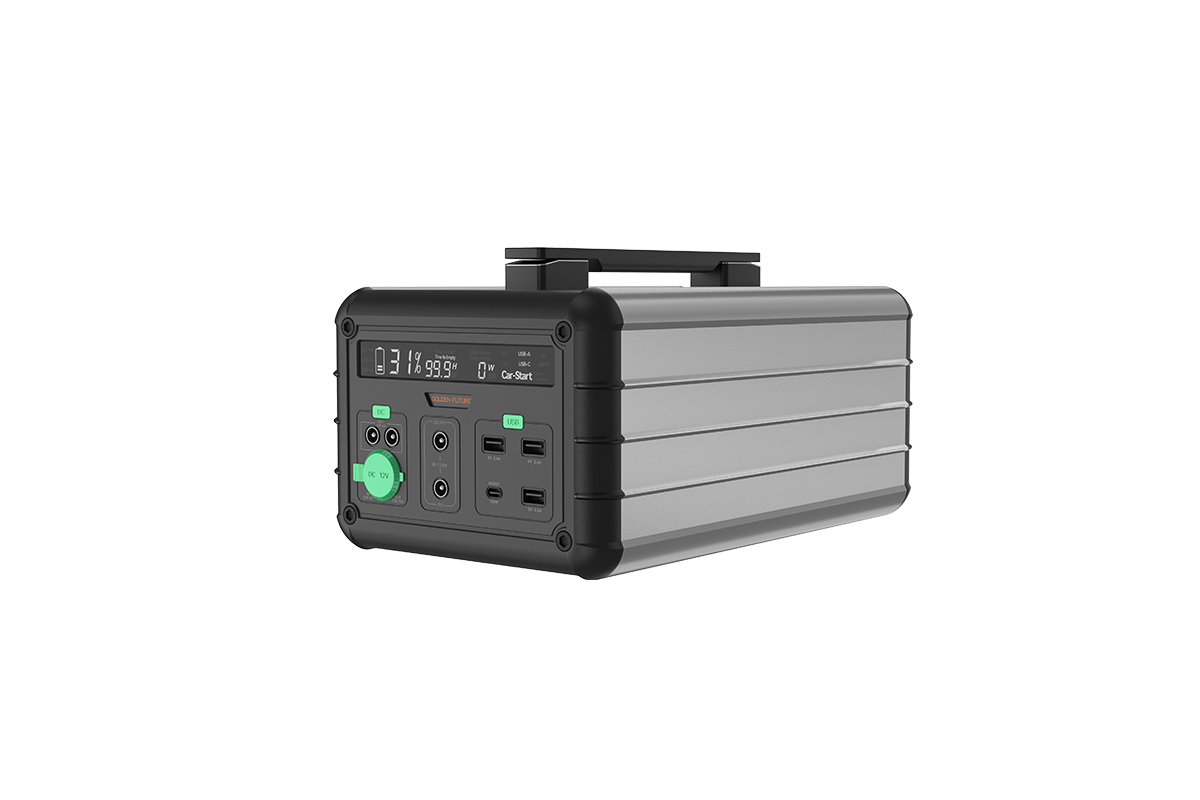
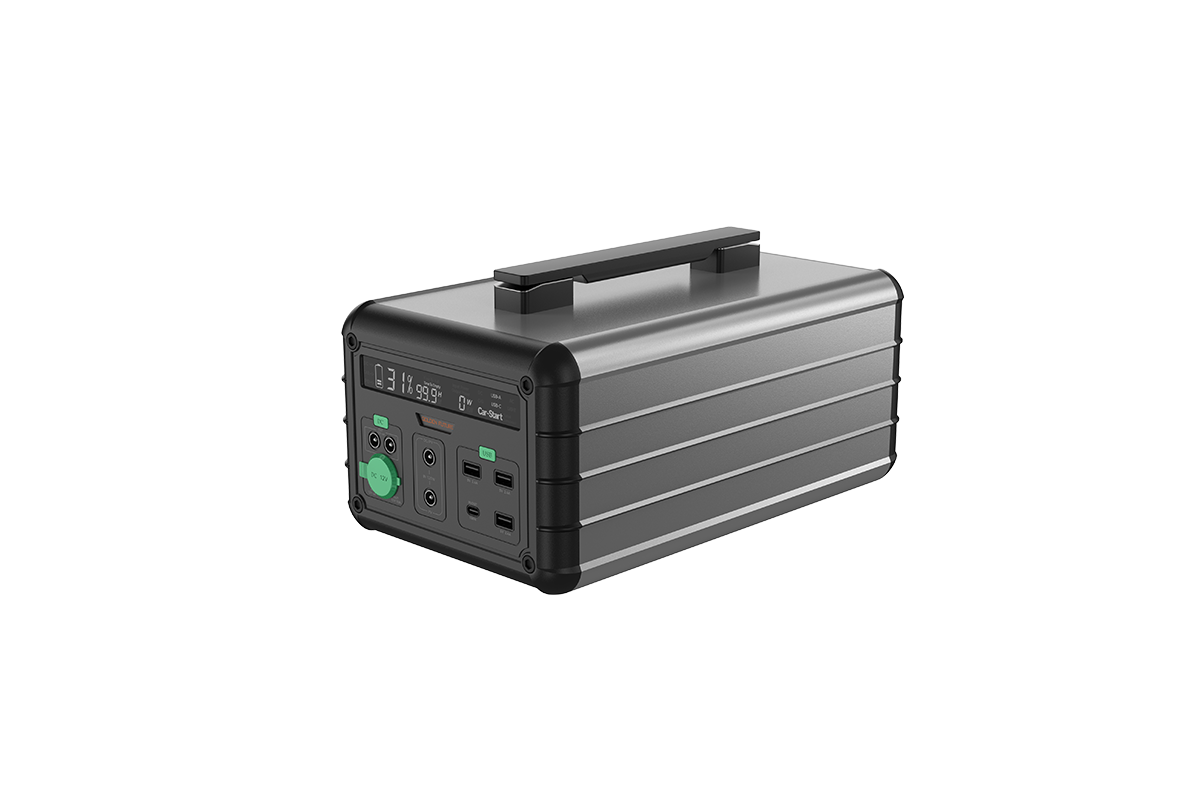
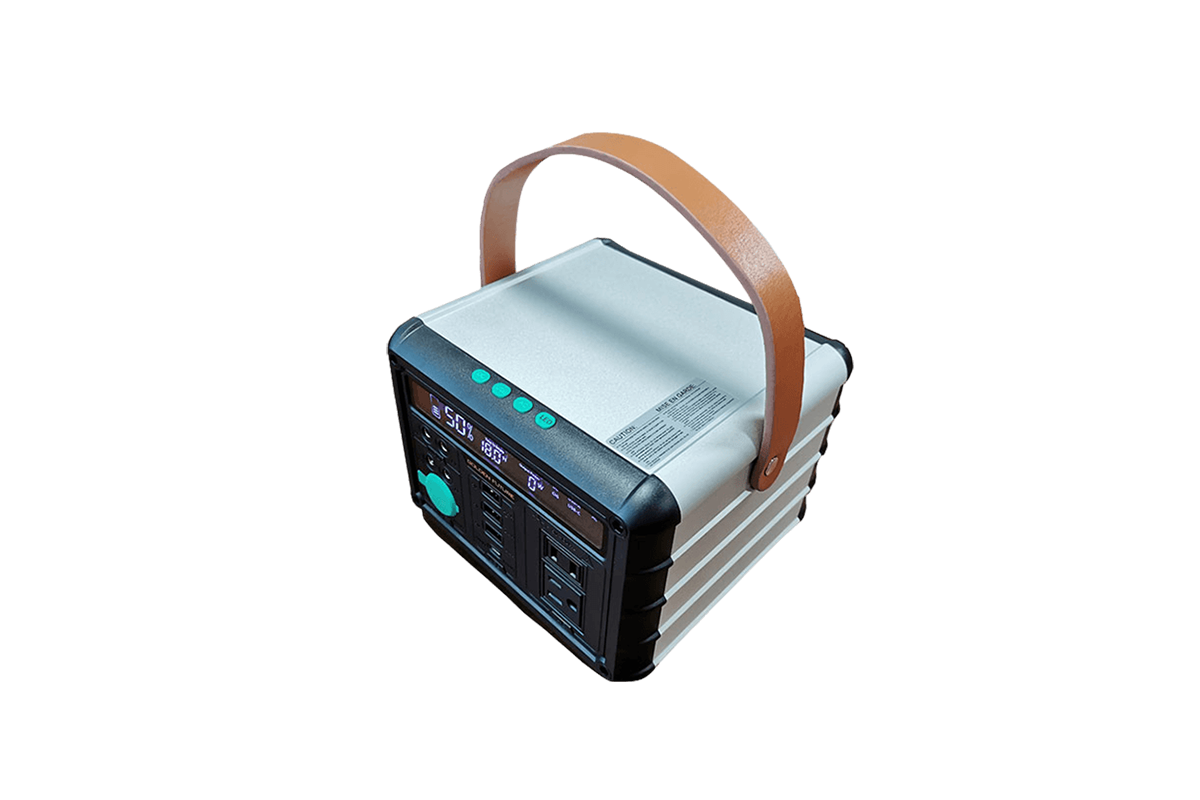
The external overall bearing structure is the basic frame of a portable power supply station, determining the equipment’s portability, damage resistance and practical appearance. High-end high-quality models adopt an integral die-cast one-piece molding process with no redundant splicing gaps on the body. The overall frame has strong integrity, excellent compression resistance, drop resistance, dustproof and waterproof performance, which can resist complex working conditions such as outdoor bumps, extrusion and rain splashes. The body is not easy to deform or loose, ensuring high stability in long-term use. Entry-level low-cost models mostly adopt multi-component splicing structure assembled by screws and buckles. With simple production technology and low cost, they have numerous body gaps, poor sealing performance, easy invasion of dust and water vapor, and weak extrusion resistance. The body is prone to cracking and component loosening under heavy pressure or dropping. Meanwhile, the structural differences of portable auxiliary components directly affect the user experience. High-quality models are equipped with ergonomic hidden handles and anti-slip support foot pads, saving effort in holding and stable placement. Some high-end models are added with retractable wire clamping slots and body anti-slip textures to balance portability and practicality, while inferior models have thin handles and poor anti-slip foot pads, which are easy to wear and fall off after long-term use.
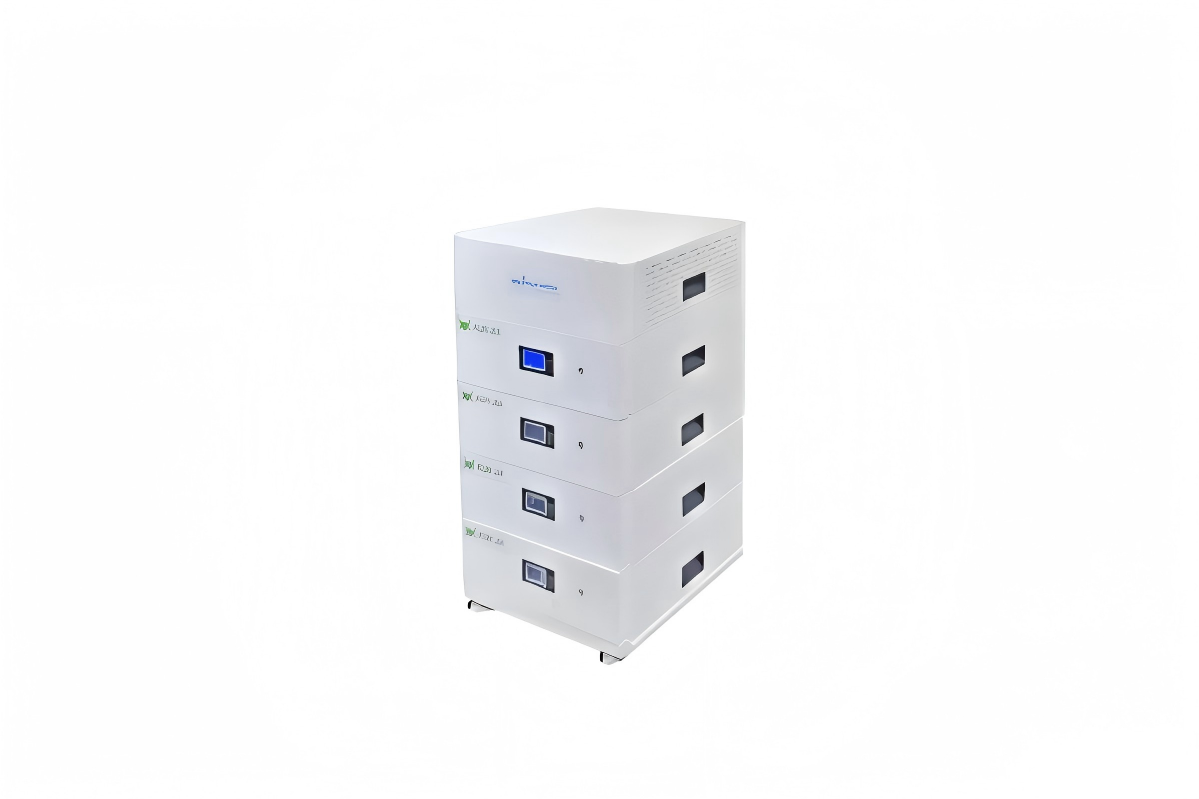
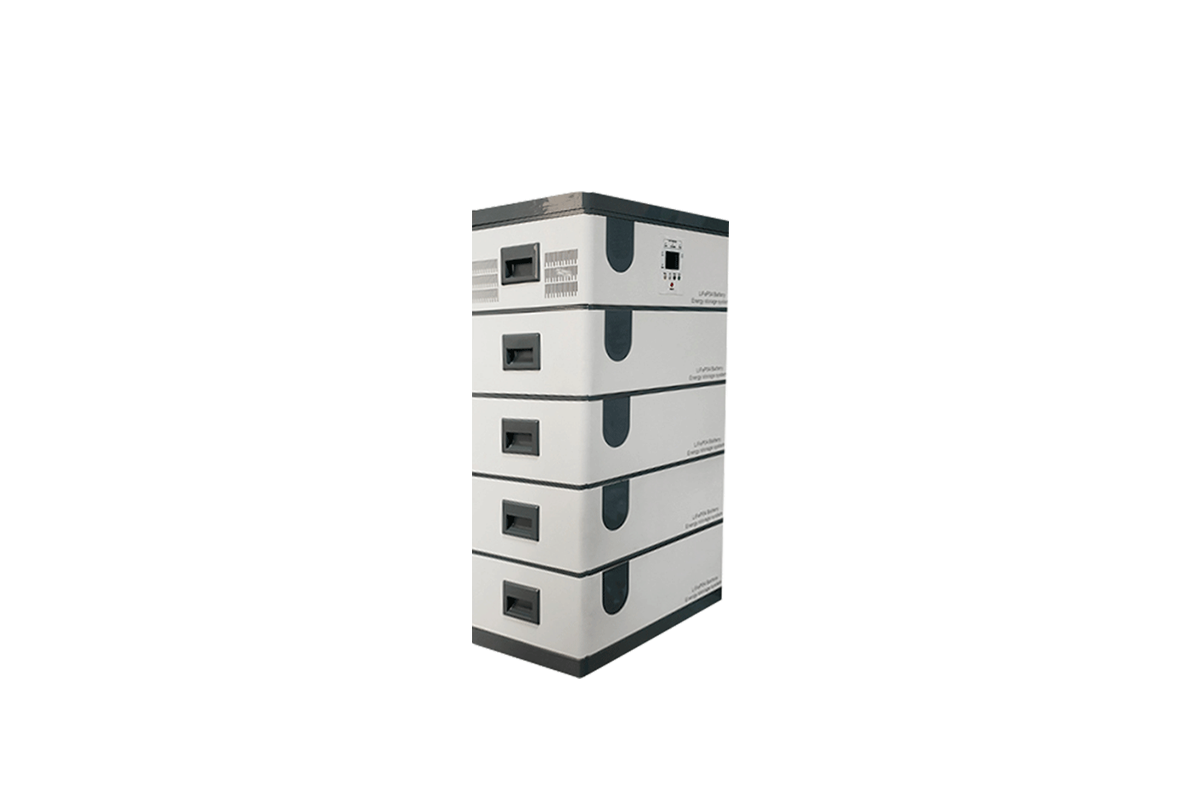
The internal energy storage module structure is the core energy carrier of the portable power supply station, directly determining the power supply stability, service life and safety factor of the equipment. Formal high-quality equipment adopts a layered modular battery arrangement structure with regularly spaced and evenly arranged cells, matched with special fixed brackets and insulating isolation layers. Each group of cells is independently fixed without mutual extrusion, which can effectively avoid cell displacement, friction and wear, and eliminate potential safety hazards such as short circuits and bulging. In addition, the layered structure reserves reasonable heat dissipation gaps to ensure uniform heat dissipation during cell charging and discharging and prevent local heat accumulation. Inferior cost-reduced models on the market adopt a compact stacked disorderly arrangement, with densely stacked cells, no fixed brackets and no insulation isolation, simply fixed by adhesive tape. The loose structure leads to easy cell displacement and friction during equipment movement and vibration, which not only accelerates cell aging and battery life attenuation, but also easily triggers safety problems such as short circuits and overheating. Furthermore, high-end models are equipped with a cell balancing structure to balance the charging and discharging voltage of each cell, avoid overcharging and over-discharging of single cells, and greatly extend the overall cycle service life, serving as the core structural difference to distinguish high and low-end models.
The power conversion and circuit main control structure acts as the core hub of the portable power supply station to realize stabilized power supply, intelligent power control and multi-device adaptation. It is mainly composed of an inverter module, BMS battery management system, voltage regulation module and mainboard circuit. High-quality models adopt an independent partitioned modular layout, with each functional module isolated and working independently without mutual interference. The inverter module converts direct current into household 220V alternating current. The pure sine wave inverter structure matched with a voltage stabilizing circuit delivers stable output voltage and smooth current waveform, which is compatible with precision electrical equipment such as projectors and laptops without voltage fluctuation and current clutter. As the brain of the equipment, the BMS intelligent management system integrates six major protection structures including overvoltage, undervoltage, overcurrent, short circuit, overheating and overload protection. It can monitor cell status in real time, adjust charging and discharging rates, and automatically power off in abnormal conditions to eliminate potential safety hazards from the circuit level. In contrast, low-end models adopt an integrated hybrid circuit structure with mixed modules and no partition isolation. Mutual circuit interference occurs during high-power operation, easily causing unstable voltage, power supply strobing and automatic power failure, with simple protection structure and extremely low safety tolerance.
The heat dissipation and ventilation structure is a hidden core structure that ensures long-term full-load operation and delays equipment aging. Its structural design rationality directly determines the equipment failure rate and service life. Mainstream high-quality models adopt a duct-type active heat dissipation structure, forming a complete heat dissipation system with front and rear through convection ducts, intelligent temperature-controlled fans and multi-layer heat dissipation and insulation structures. The body is reserved with precise ventilation holes with scientific duct routes, which can quickly export heat generated by cells, mainboards and inverter modules. The intelligent fan automatically adjusts the speed according to the equipment load power, running quietly under low load and dissipating heat at full speed under high load, balancing heat dissipation efficiency and quiet use experience. Meanwhile, internal insulation baffles isolate heat-generating modules from cells to prevent high-temperature conduction damage to energy storage cells. On the contrary, inferior models have extremely simplified heat dissipation structures with no regular air ducts or insulation design, relying only on ordinary fans for passive heat dissipation. Accumulated heat cannot be discharged in time, easily causing high body temperature, accelerated component aging and overheating protection shutdown during long-term high-power operation, and even triggering faults such as circuit burnout and cell damage in severe cases.
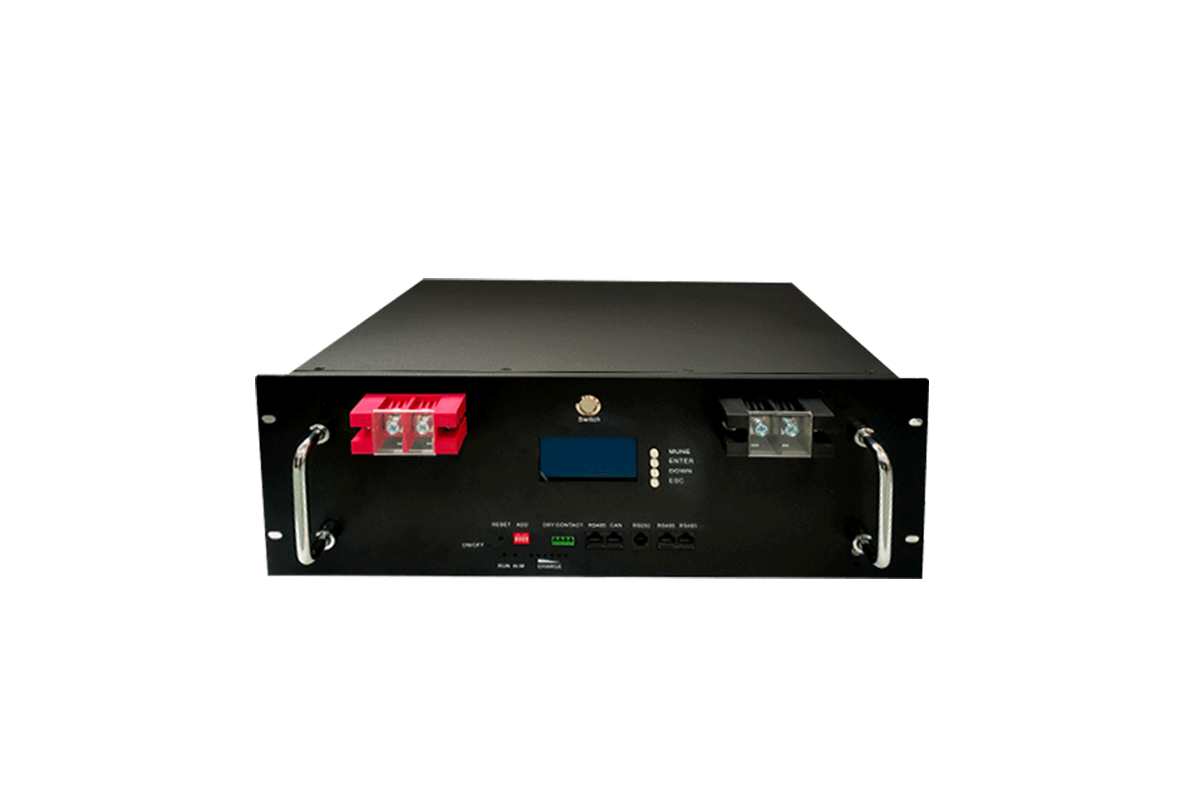
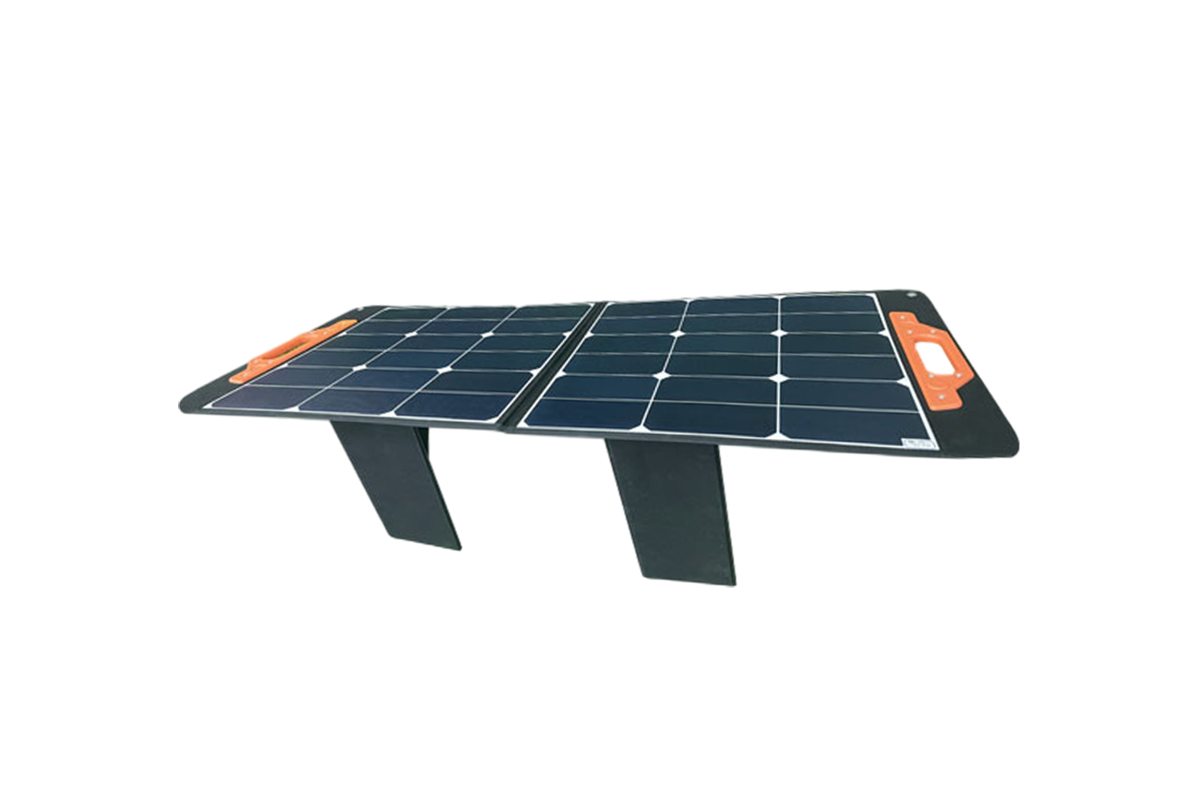
The interface layout and functional expansion structure determine the practicality, multi-device adaptation capability and operational convenience of the equipment, serving as a key module that affects end-user experience in structural design. High-quality portable power supply stations adopt a partitioned interface layout structure, with AC interfaces, DC interfaces, USB fast charging interfaces, Type-C bidirectional fast charging interfaces and solar charging interfaces arranged in zones. The reasonable interface spacing allows simultaneous power supply for multiple devices without mutual interference and wire extrusion. All interfaces adopt embedded reinforced structures, with internal terminals firmly fixed on the mainboard, avoiding loosening and falling off after long-term repeated plugging and unplugging, and achieving higher durability. Meanwhile, high-end models are equipped with independent button control structures and embedded high-definition display screen structures, with sensitive buttons and stable screens, which can realistically display power, power consumption and remaining battery life data for intuitive and convenient operation. Entry-level models adopt centralized and messy interface layout with narrow spacing, causing mutual interference when multiple devices are used simultaneously. In addition, the interfaces lack reinforcement design and are prone to loose contact after long-term plugging, seriously affecting power supply stability and equipment service life.
From the perspective of comprehensive structural design, high-quality portable power supply stations follow the structural design logic of stable external frame, optimized internal configuration, partitioned layout, scientific heat dissipation and comprehensive safety protection. The integrated body frame, modular internal modules, convection heat dissipation system and intelligent circuit protection structure complement each other, achieving a perfect balance of portability, stability, safety and durability. In contrast, inferior models generally have problems such as simplified structure, chaotic layout, insufficient protection and inefficient heat dissipation. Although they seem cost-effective in short-term use, they suffer from frequent failures and prominent potential safety hazards in long-term operation. When purchasing a portable power supply station, users should not only focus on parameter configuration, but also pay key attention to the overall body structure, internal module layout, heat dissipation duct structure, circuit protection structure and interface reinforcement structure. Priority should be given to models with modular partition design, complete sealing protection and mature heat dissipation system, avoiding structurally reduced-configuration products to ensure long-term stable and safe operation of the equipment and adapt to full-scenario power supply demands.




 59911926@qq.com/sales@goldenfuturehk.com
 13316809242 / 15816897019
 Inquiry
 Home >