





Time:2026-07-28 Views:395
Against the backdrop of booming diversified power demand including outdoor camping, mobile operation, emergency disaster relief, stall economy, outdoor live streaming and off-grid operation scenarios, the Portable Power Bank Station has gradually replaced traditional fixed energy storage equipment with the core advantages of no wiring, no infrastructure, high flexibility and mobility. It has become the key equipment for temporary mobile power supply, long-term outdoor power supply and emergency standby power supply. Unlike large fixed energy storage power stations that require cumbersome civil construction, complex wiring layout and professional power distribution renovation, the biggest advantage of portable power bank stations lies in their lightweight, simple and non-destructive installation and deployment mode. Most users and engineering teams ignore the installation specifications of portable energy storage stations. Random placement, disorder wiring and unprotected deployment easily cause hidden troubles such as poor heat dissipation, circuit short circuit, electric leakage, unstable power supply and accelerated service life attenuation. In fact, although portable power bank stations require no complex infrastructure, they feature a complete set of standardized specifications for placement layout, scenario adaptation, protective deployment and power-on commissioning. Standardized installation not only ensures continuous and stable equipment output, but also avoids potential electrical safety hazards under complex outdoor working conditions and greatly extends the cycle service life of equipment, providing reliable support for full-scenario mobile power supply.
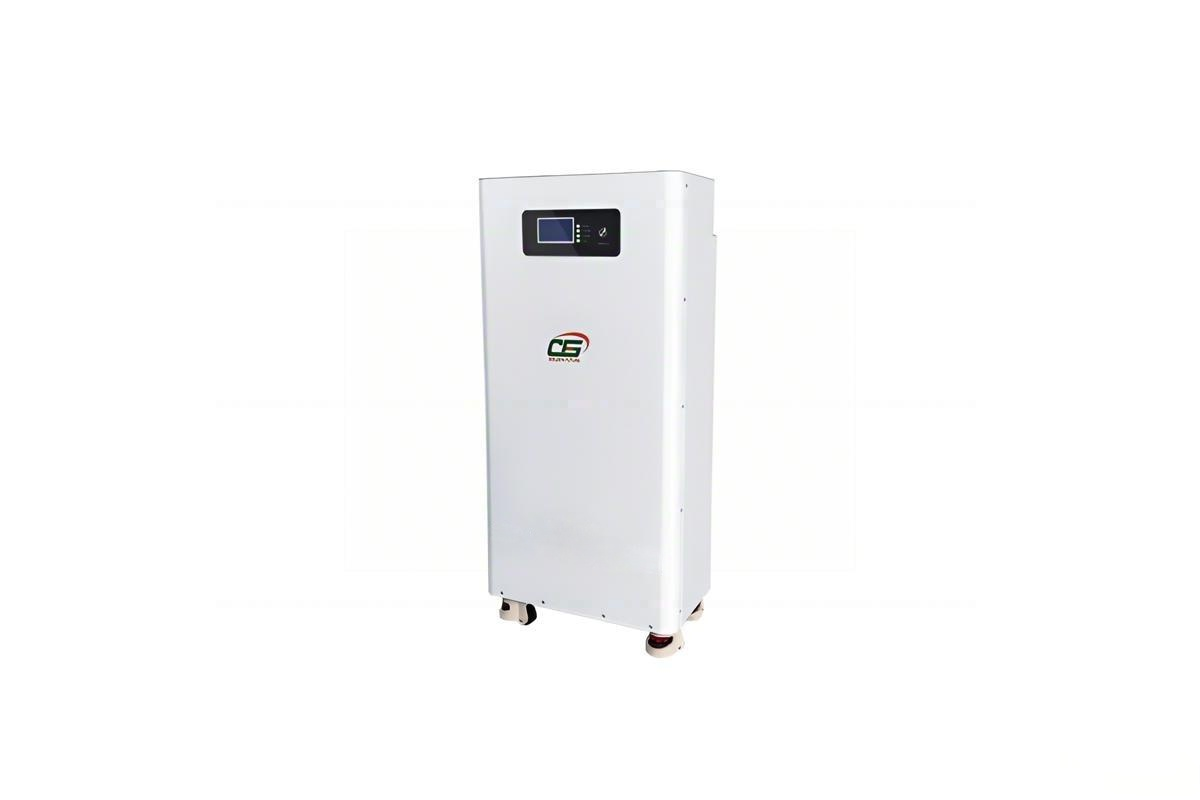
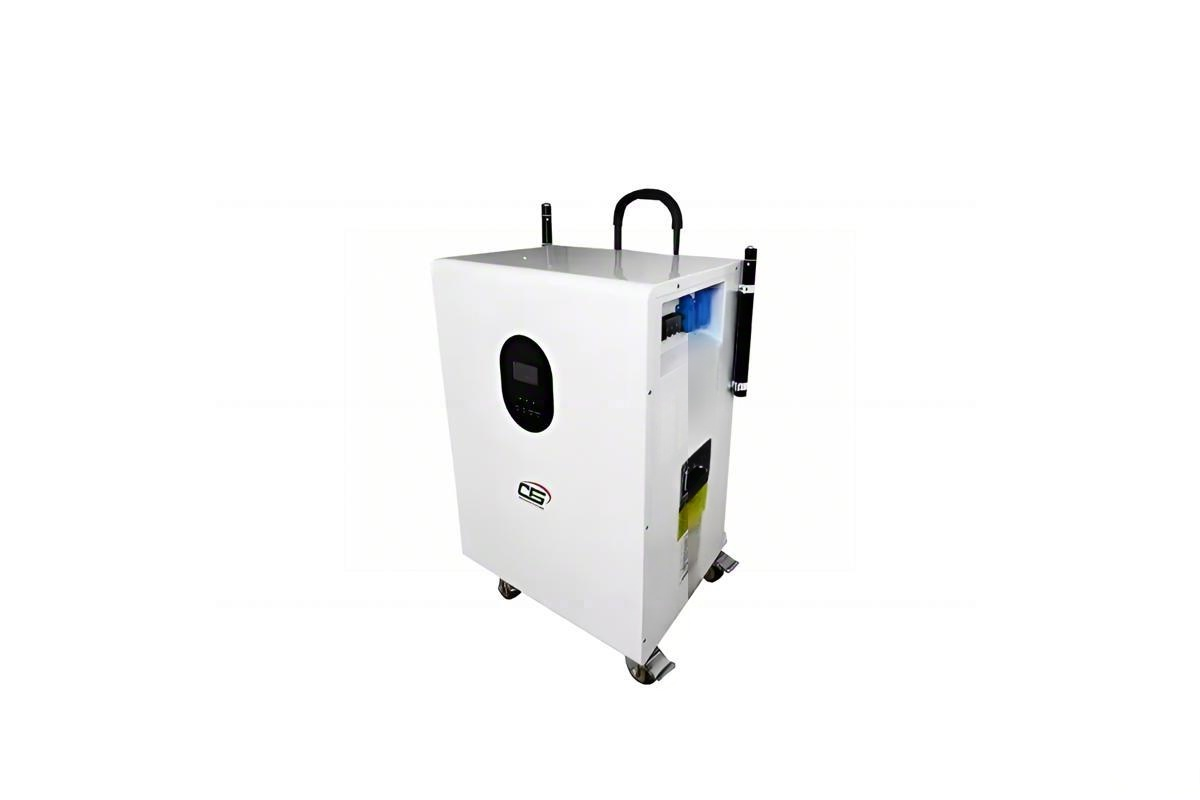
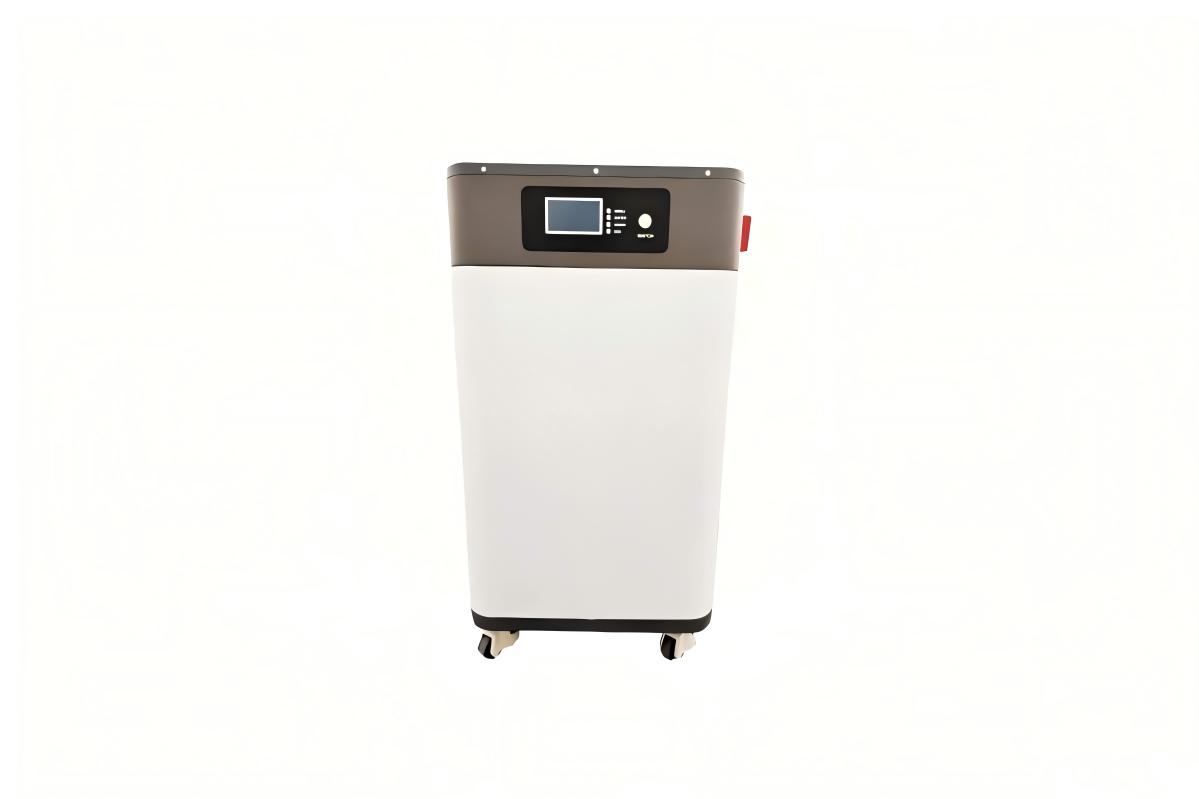
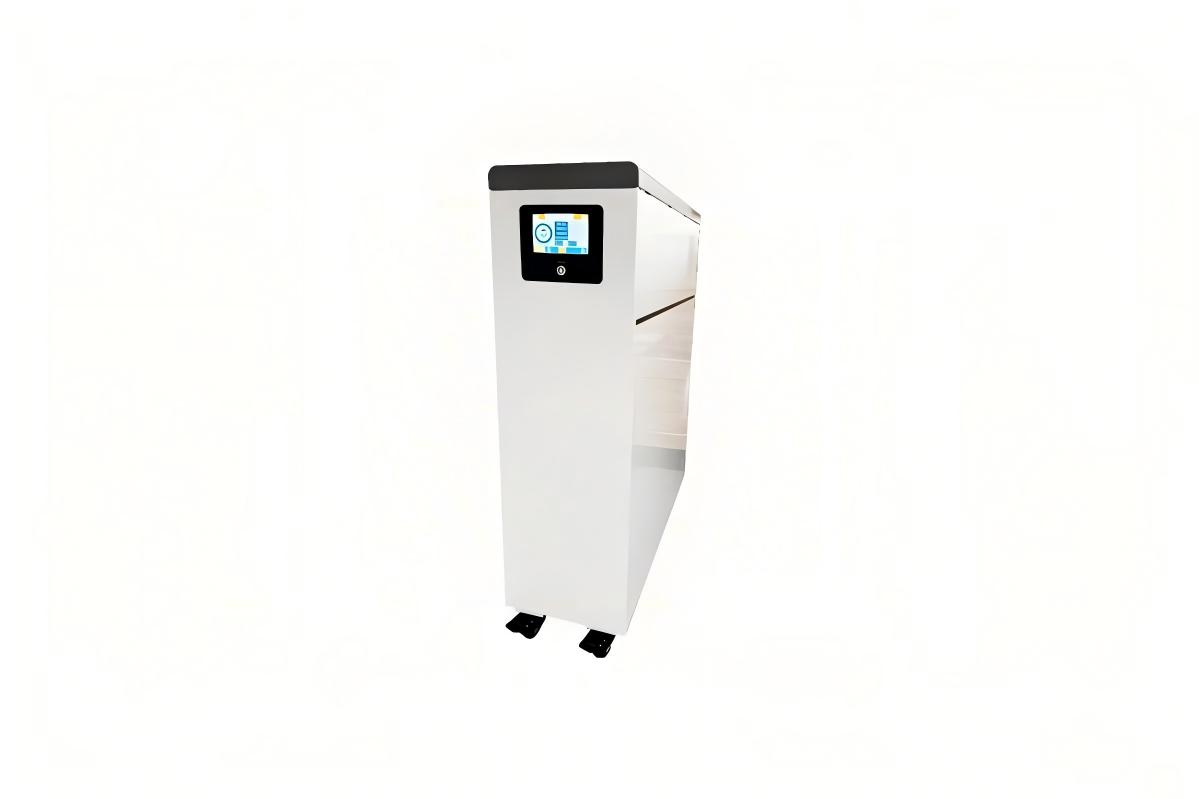
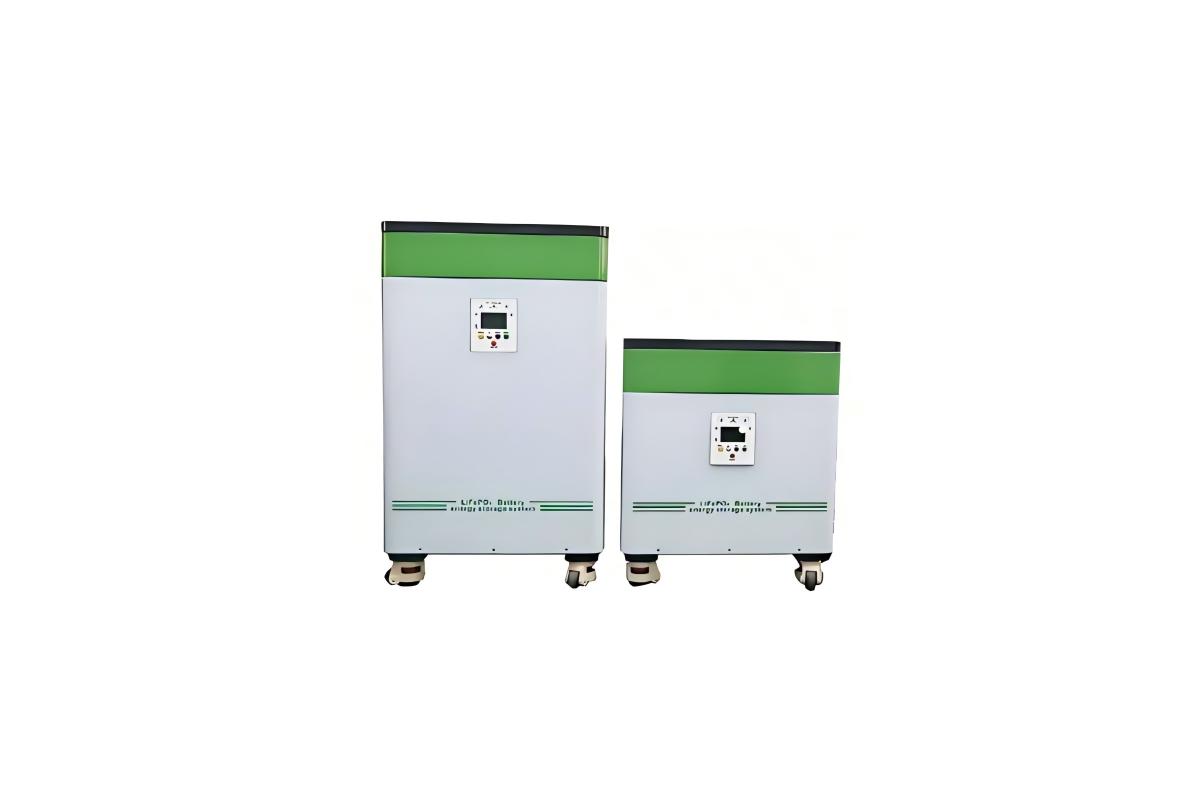
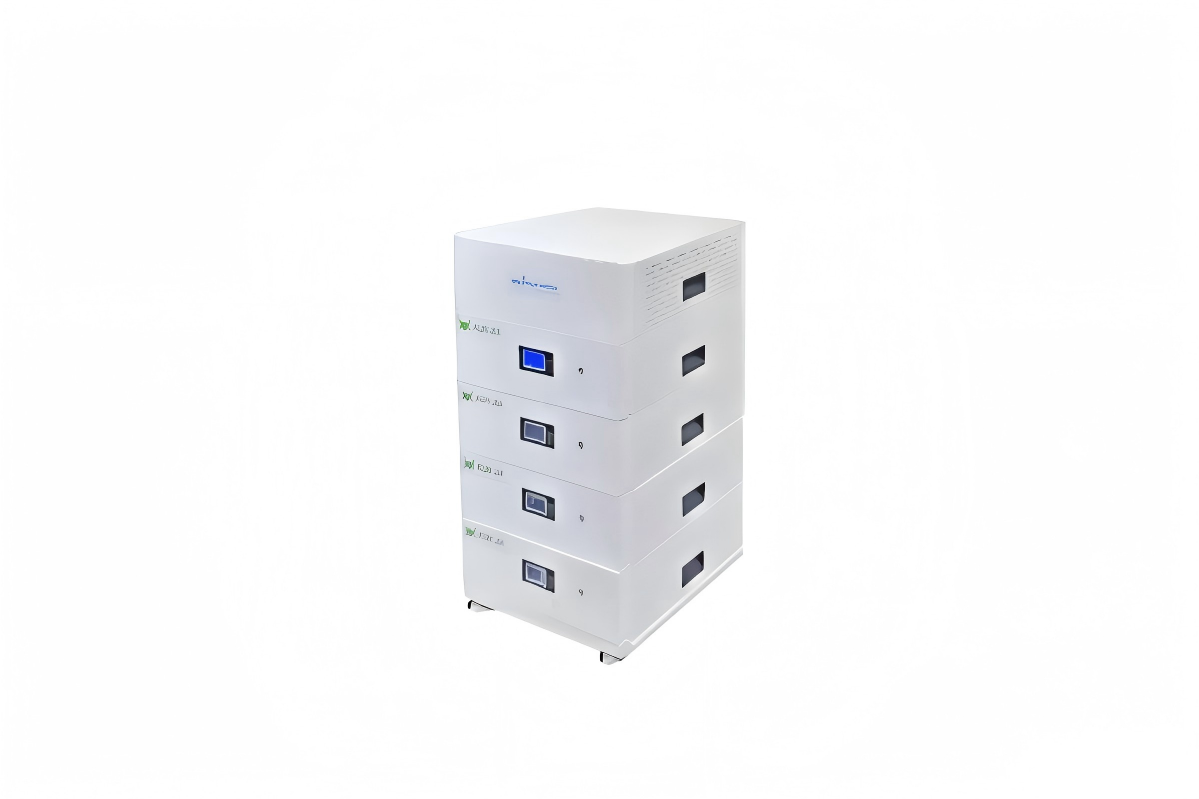
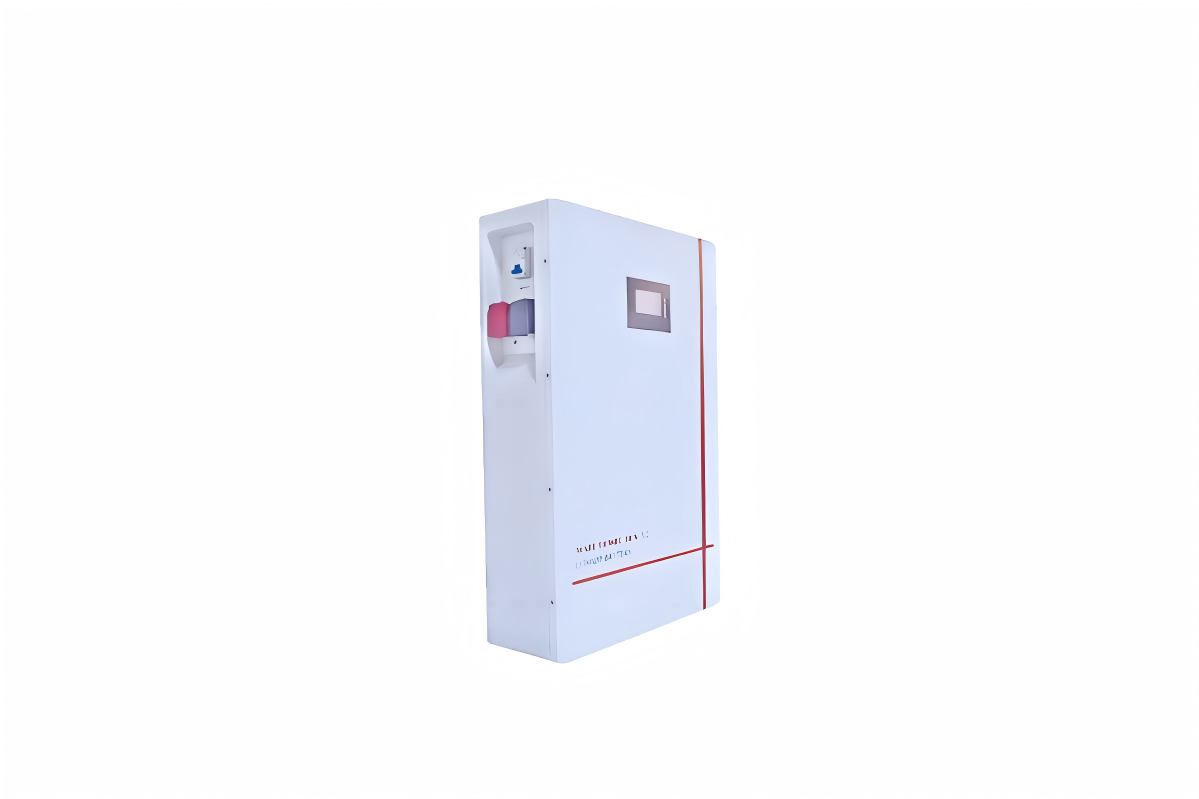
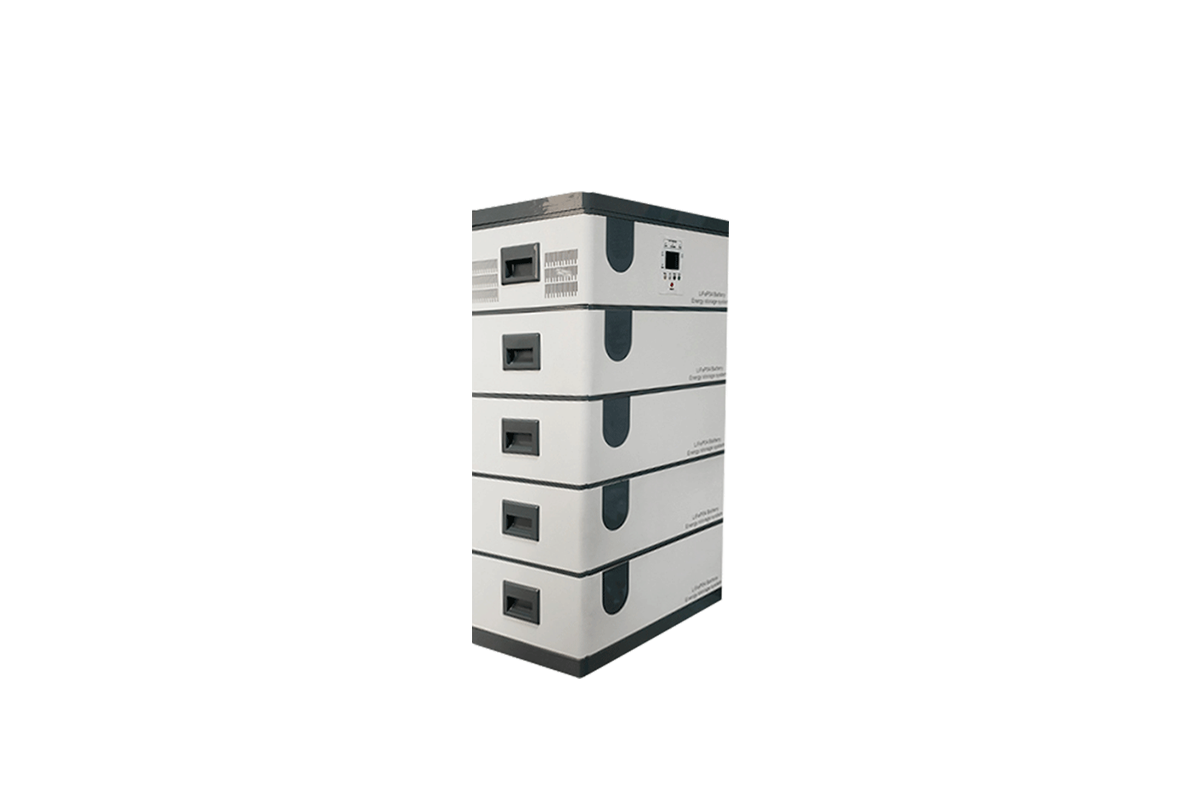
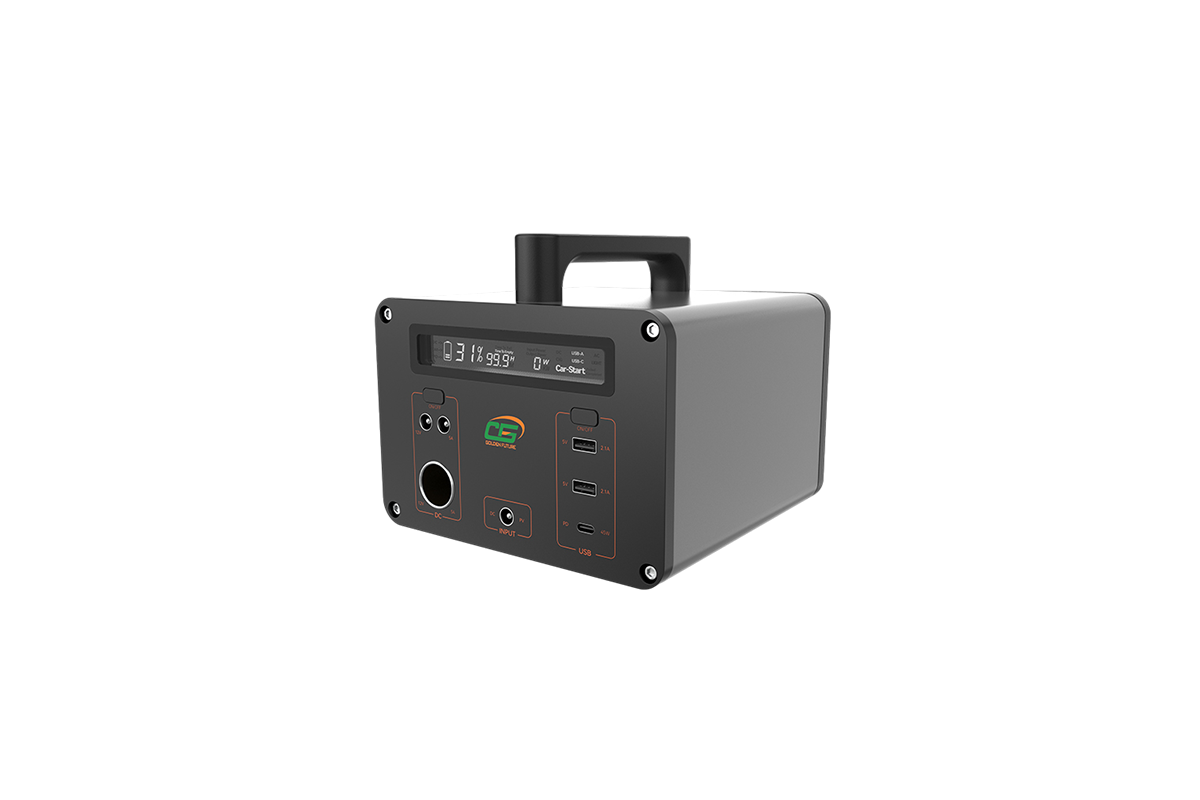
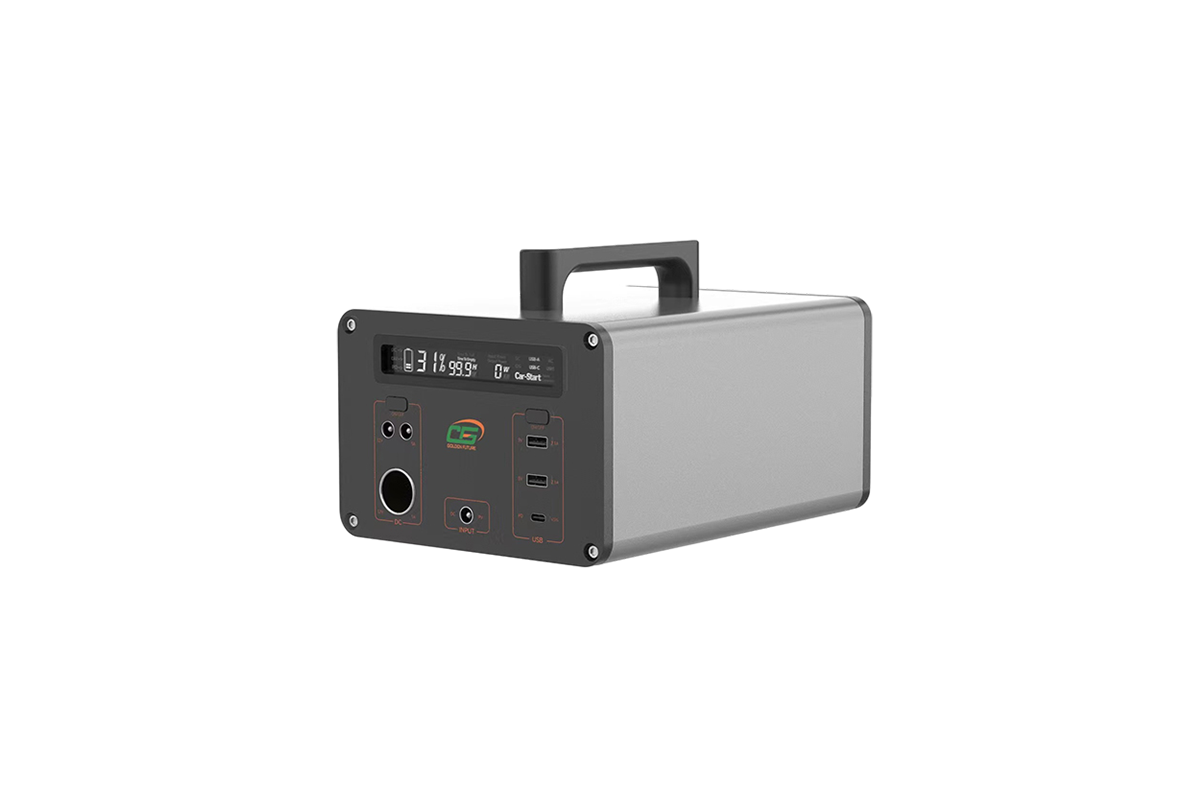
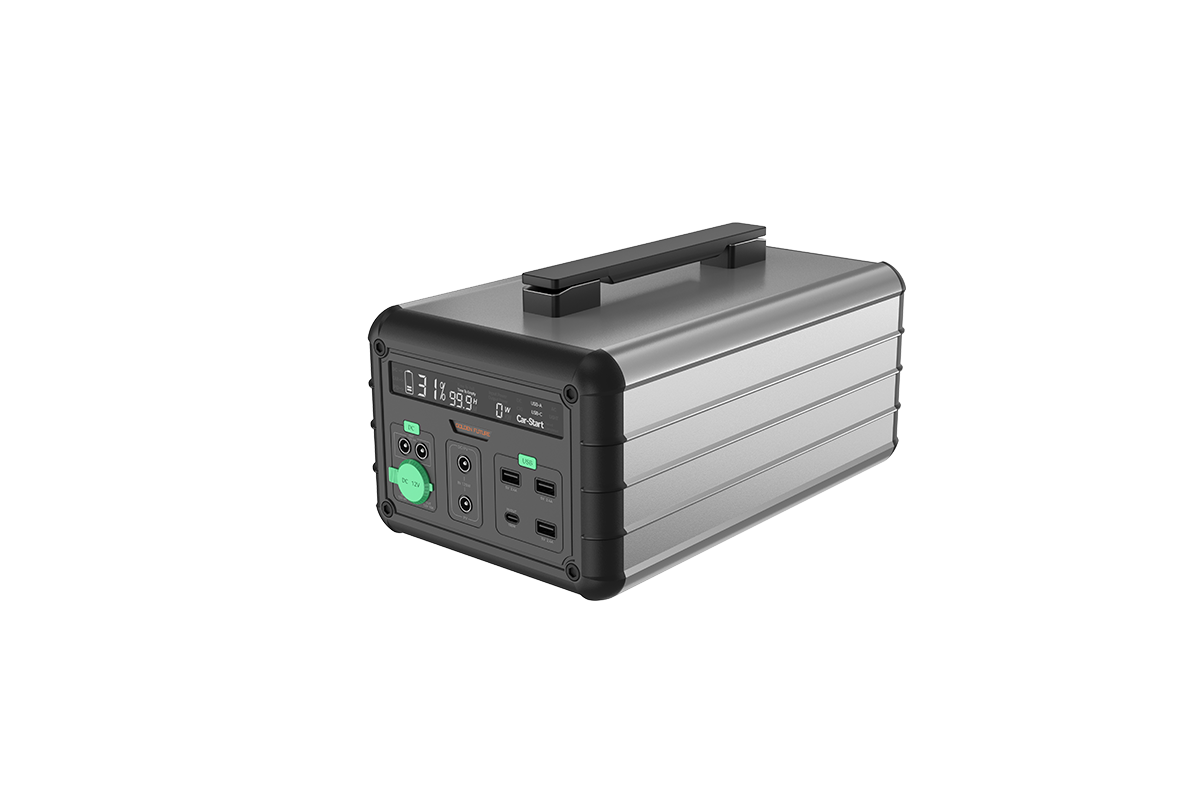
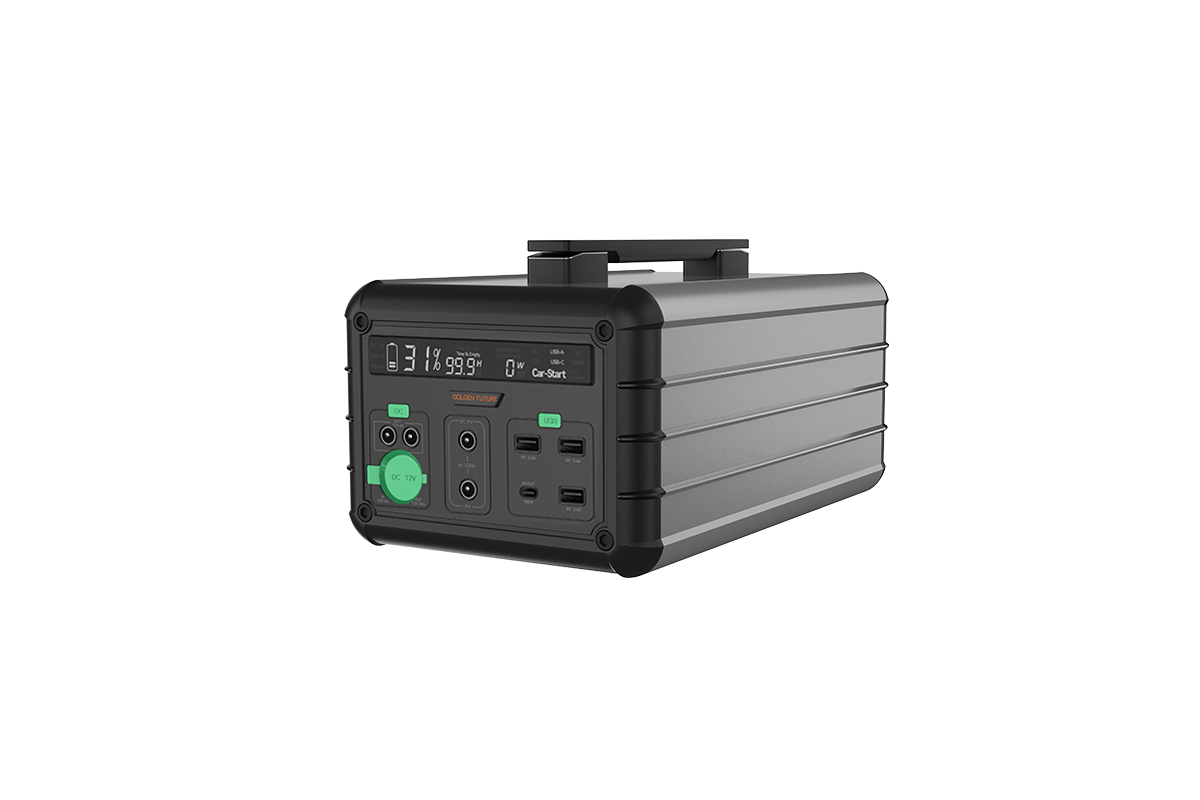
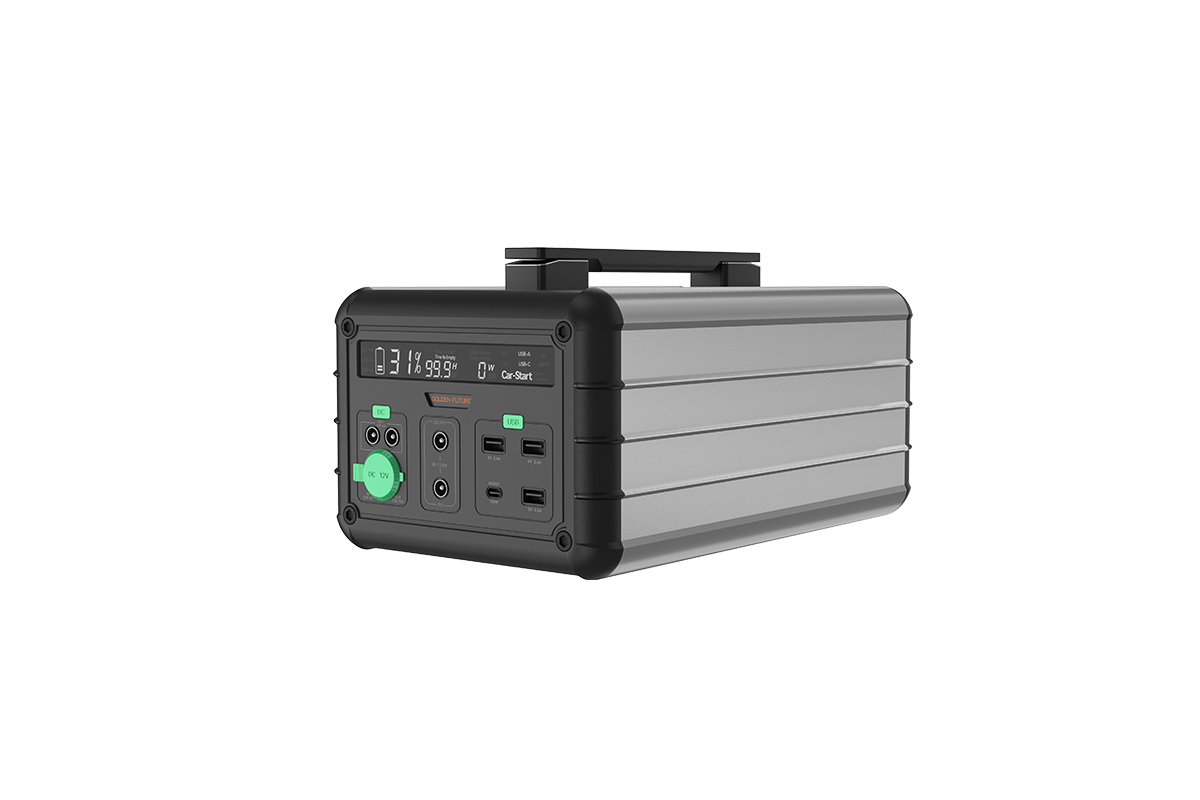
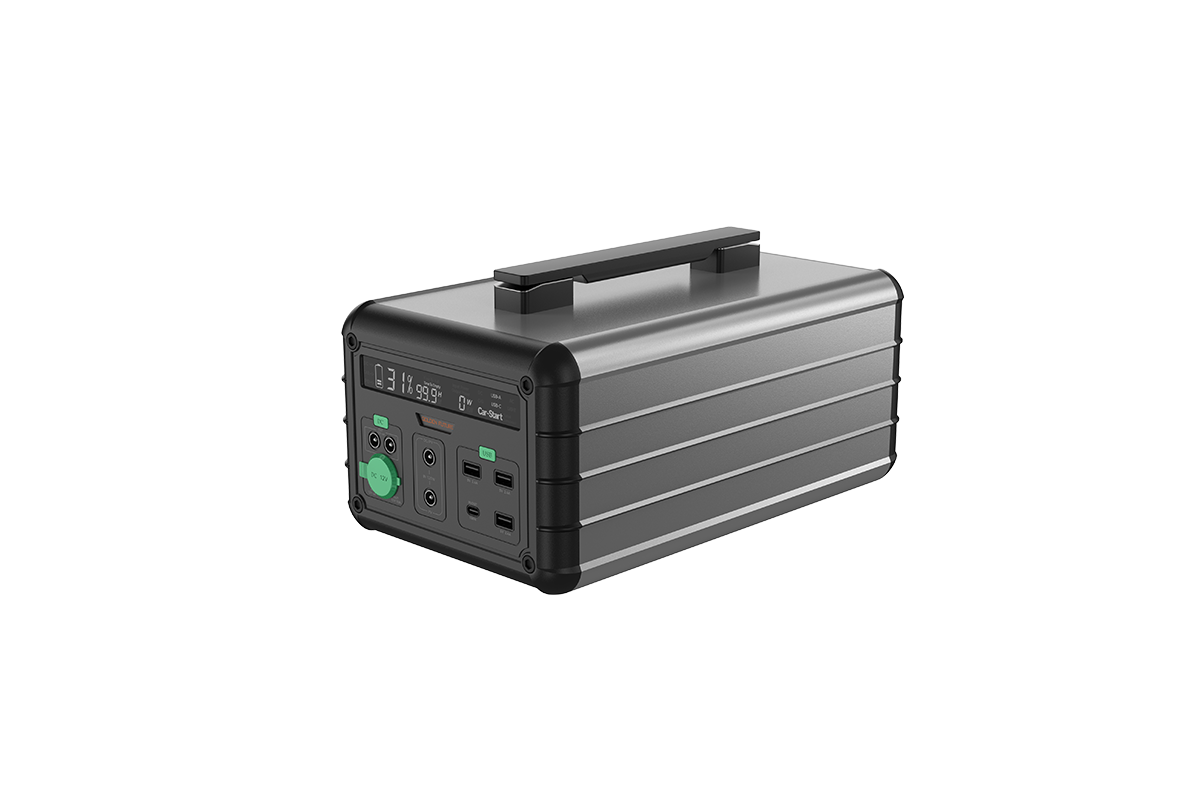
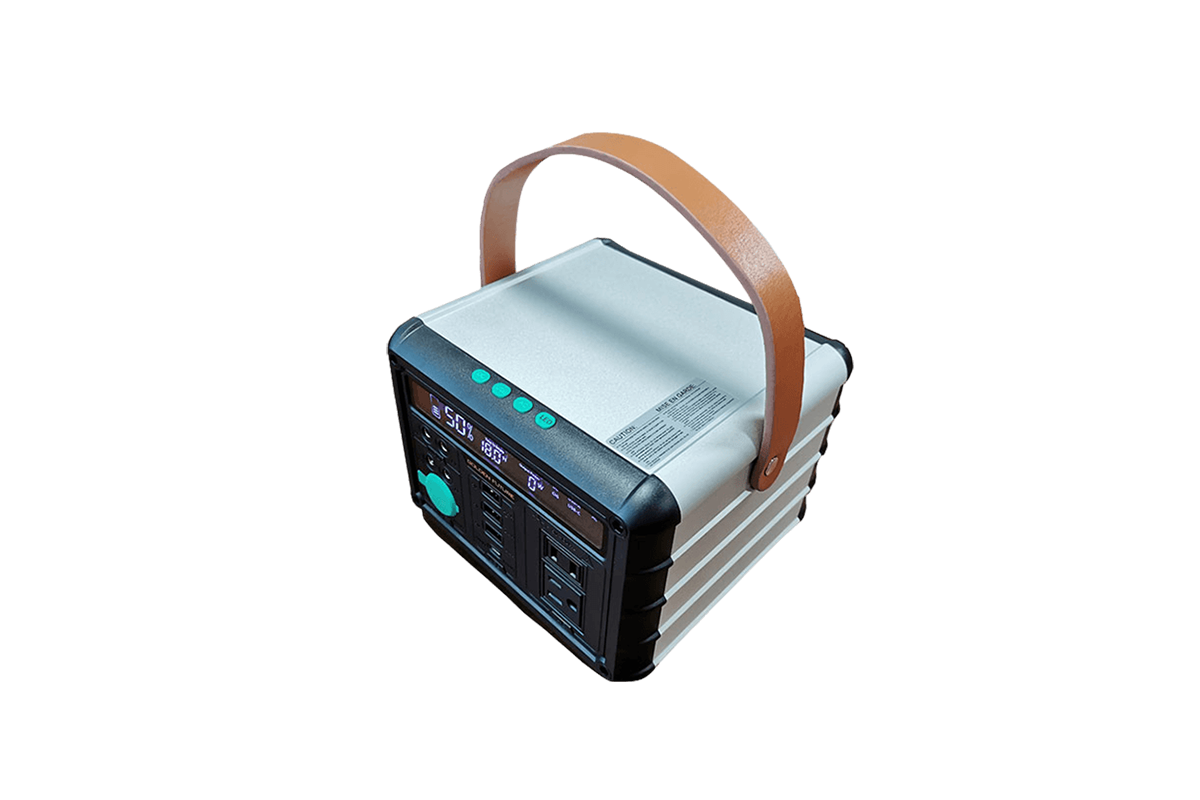
The lightweight and infrastructure-free installation design breaks the construction limitations of traditional energy storage equipment and realizes rapid plug-and-play deployment. Traditional large-scale energy storage stations and charging piles require complicated construction procedures such as civil foundation construction, wall fixing, pipeline embedding, power capacity expansion and professional power distribution renovation. They feature long construction cycles, large site damage and poor mobility, and cannot be flexibly moved after installation, which greatly limits the application in mobile power supply scenarios. Adopting an integrated modular body structure, the Portable Power Bank Station integrates energy storage cells, inverter systems, heat dissipation systems, protection systems and output interfaces. It completely abandons the infrastructure installation requirements of traditional energy storage equipment and creates an ultra-simple installation mode of no drilling, no wiring, no civil engineering and no site renovation. The equipment requires no fixed installation, no on-site circuit transformation and no professional construction team. The whole installation process can be completed by simply placing the equipment after unpacking, and single-person rapid deployment is available, which greatly reduces construction cost, labor cost and time cost. It can be instantly deployed and powered on in various scenarios without fixed power facilities such as outdoor lawns, wilderness open spaces, temporary construction sites, outdoor stalls, emergency disaster relief sites, RV camps and rooftop terraces. It thoroughly solves the industry problems of traditional energy storage equipment such as immobility, inability of temporary deployment and limited scenario adaptation, serving as the optimal installation solution for mobile power supply scenarios.
Scenario-based standardized placement and installation specifications adapt to full working conditions and ensure stable equipment operation. Although portable power bank stations do not require rigid fixed installation, the placement specifications, installation posture and spacing in different scenarios directly determine the heat dissipation efficiency, operational stability and safety of the equipment. Standardized placement is the core of the portable energy storage installation system. For outdoor open-air installation and placement, priority shall be given to flat, dry and stable ground areas, avoiding low-lying waterlogged, muddy soft and uneven terrain to prevent equipment tilting, dumping and bottom moisture ingress. Meanwhile, keep the equipment away from flammable and explosive materials, high-temperature heat sources and corrosive substances, and reserve all-round ventilation space to avoid equipment overload protection and power drop caused by internal heat accumulation. For installation in confined spaces such as indoors, tents and RVs, strictly follow ventilation installation specifications, keep the distance between the equipment and walls or shelters no less than 30 centimeters to ensure unobstructed heat dissipation air ducts and prevent high-temperature capacity reduction and shutdown protection caused by heat accumulation. For installation in dusty and vibration-intensive working conditions such as construction sites, place the equipment horizontally to avoid uneven stress on internal cells caused by excessive tilting, and keep it away from high-frequency vibration equipment to prevent loosening of internal precision components and ensure long-term stable operation. Standardized placement enables the equipment to maintain the optimal operating state under various working conditions and eliminate potential faults caused by irregular placement.
Standardized external circuit installation ensures low loss, hazard prevention and safe and stable power transmission. The core installation work of portable power bank stations includes not only body placement but also standardized layout of external load circuits. Irregular wiring is the main cause of equipment faults and potential electrical safety hazards. In the process of external circuit installation, strictly follow the principles of power matching, compliant wire selection and standardized wiring layout. Select pure copper flame-retardant cables with appropriate wire diameter according to the rated output power of the equipment and load power, so as to avoid circuit overheating, accelerated insulation aging, short circuit and fire risks caused by small wires carrying high-power loads. All external terminals shall be firmly and closely inserted without looseness or virtual connection. Check the sealing and tightness of interfaces after wiring to prevent oxidation, electric leakage and poor contact caused by outdoor moisture and dust ingress. For outdoor wiring, avoid pedestrian passages, vehicle rolling areas and sharp friction positions, implement overhead layout and full cable protection to prevent cable bending damage, skin wear and external force pulling, and avoid water immersion and sunlight aging of lines. For multi-equipment parallel connection and multi-load simultaneous access, operate in strict accordance with official installation specifications, arrange wiring in zones in order to prevent tangled lines and overload, balance the power load of each circuit, ensure stable power supply during simultaneous operation of multiple devices, and eliminate voltage fluctuation, power attenuation and instantaneous power failure.
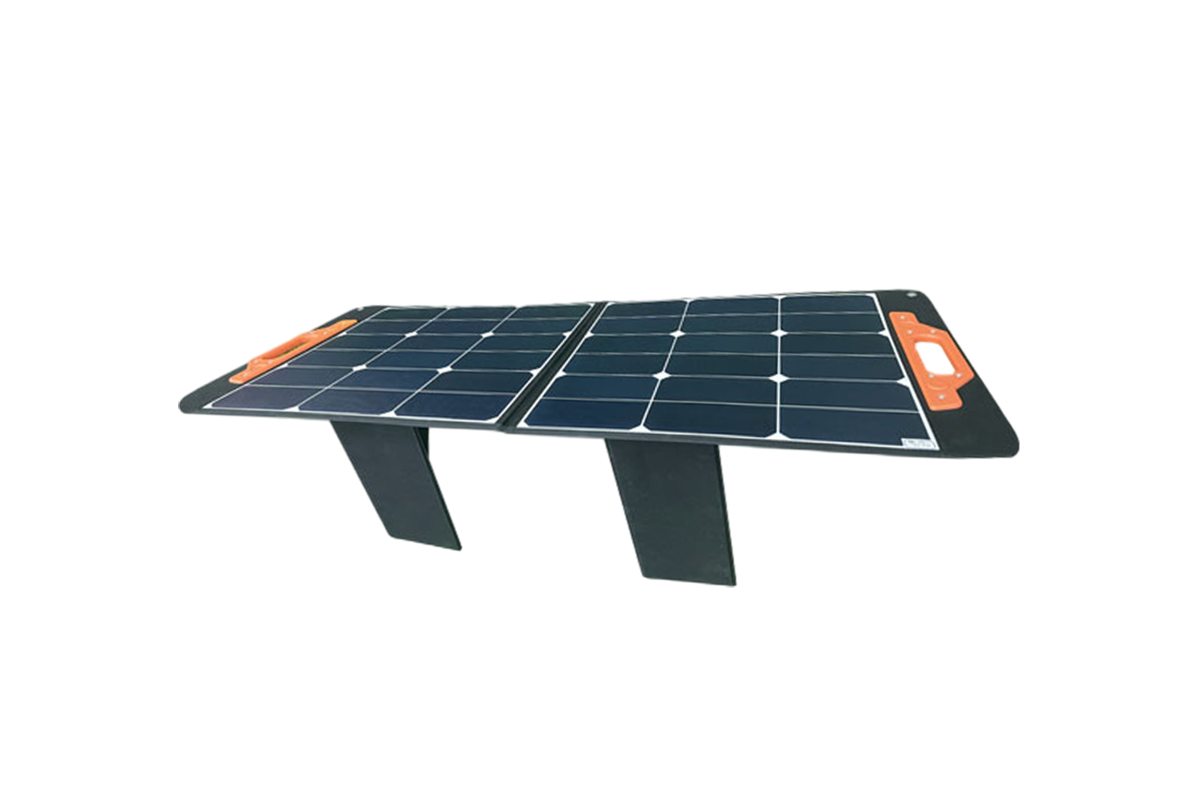
Environment-adaptive protective installation technology realizes all-weather protection layout and extends equipment service life. Targeting complex and variable outdoor working conditions, the Portable Power Bank Station adopts scenario-based protective installation technology. Without additional infrastructure renovation, it achieves all-round protection including dustproof, waterproof, sun-proof, moisture-proof and anti-aging effects through supporting protective accessories and standardized layout. For installation under strong outdoor sunlight, equip with dedicated sunshade accessories to avoid shell aging, interface oxidation and internal component high-temperature attenuation caused by long-term ultraviolet radiation, maintain constant body temperature operation and ensure full-power output in high-temperature environments. For installation in rainy and humid conditions, adopt the equipment’s original high-level IP protection structure combined with elevated placement to isolate ground water and moisture erosion, realizing safe and stable power supply in rainy days without complex rainproof infrastructure. For dusty, sandy and construction site working conditions, adopt a ventilated and dustproof installation layout to ensure unobstructed heat dissipation while reducing dust accumulation, avoiding poor heat dissipation and performance degradation caused by blocked heat dissipation holes. Meanwhile, avoid installing the equipment in extreme low temperature, high temperature and strong corrosion environments. Adopt auxiliary heat preservation and cooling protection layout in harsh environments. Refined protective installation greatly reduces equipment loss, effectively extends the service life of cells and the whole machine, and enables the equipment to adapt to all-weather, all-region and full-working-condition mobile power supply needs.
The standardized power-on commissioning and safety acceptance process realizes closed-loop management and ensures fault-free operation. Different from the complex acceptance process of fixed equipment, portable power bank stations adopt a lightweight and efficient commissioning and acceptance system. After equipment placement and circuit layout, standardized power-on commissioning can be carried out immediately. Firstly, conduct overall appearance and structural inspection to verify no body damage and abnormal interfaces with stable and regular placement. Then carry out no-load power-on detection to check the normal operation of startup, system self-inspection, power display and voltage stabilization output functions. Further conduct graded load testing, gradually connect loads from low power to high power, and test the output stability, voltage and current smoothness and overload protection sensitivity under different power levels to ensure qualified load capacity and sensitive and effective protection mechanisms. Focus on testing safety functions such as short circuit protection, over-temperature protection, over-current protection and low-voltage protection to ensure accurate and effective triggering of all protection mechanisms. Sort out external circuits and standardize layout after commissioning to complete final acceptance. The whole installation and commissioning process is simple and efficient without professional qualifications and large-scale equipment, and can be quickly completed by ordinary operators. The equipment can be migrated and reinstalled at any time according to usage demands to adapt to flexible switching of multiple scenarios.
Supported by the ultra-simple, standardized and fully protected lightweight installation system, the Portable Power Bank Station thoroughly solves the pain points of traditional energy storage equipment such as cumbersome installation, fixed scenarios, difficult migration and high renovation cost. It requires no civil construction, no circuit transformation and no professional operation and maintenance. Adhering to the plug-and-play ultra-simple installation mode, it balances flexibility, safety and stability, perfectly adapting to full-scenario mobile power demands including outdoor camping, construction site operation, emergency rescue, outdoor live streaming, commercial stalls, household emergency power backup and RV travel. Standardized scenario installation, standardized circuit layout and refined protection commissioning eliminate potential faults and reduce operation and maintenance costs from the installation source, making it the mainstream preferred equipment for current mobile energy storage power supply scenarios.




 59911926@qq.com/sales@goldenfuturehk.com
 13316809242 / 15816897019
 Inquiry
 Home >