





Time:2026-07-08 Views:541
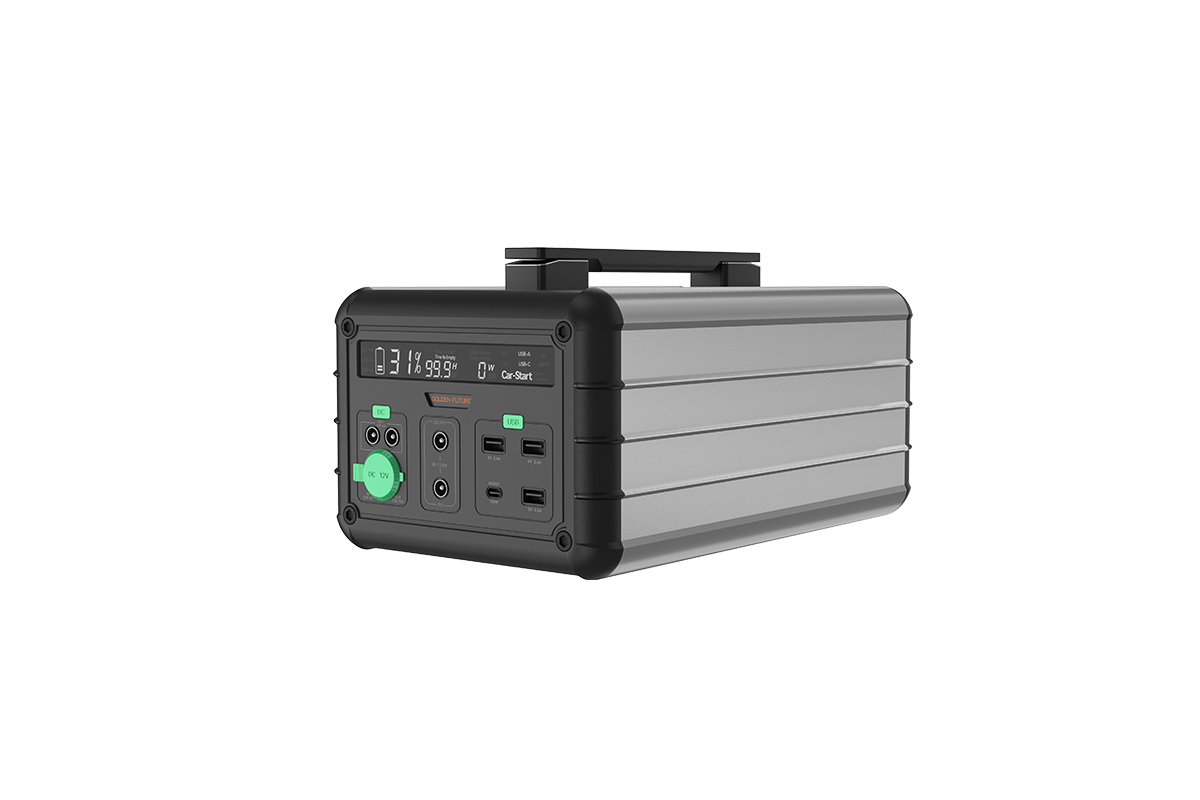
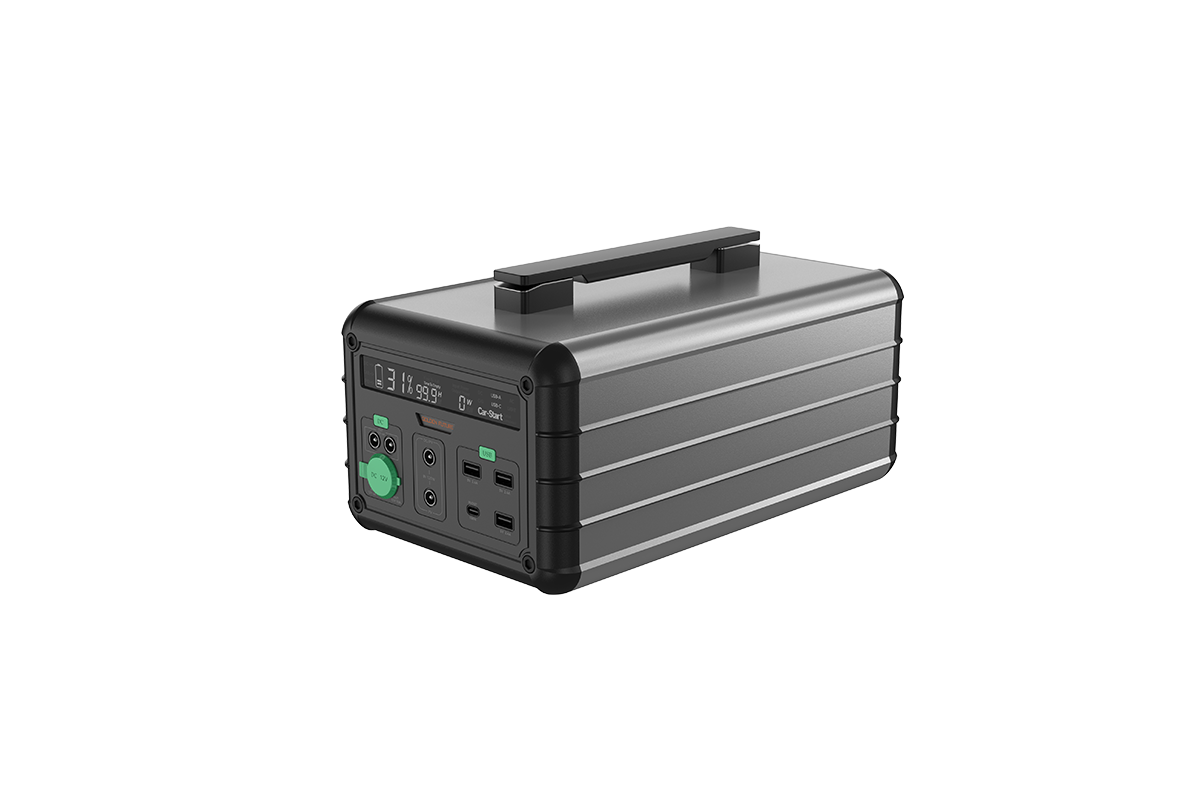
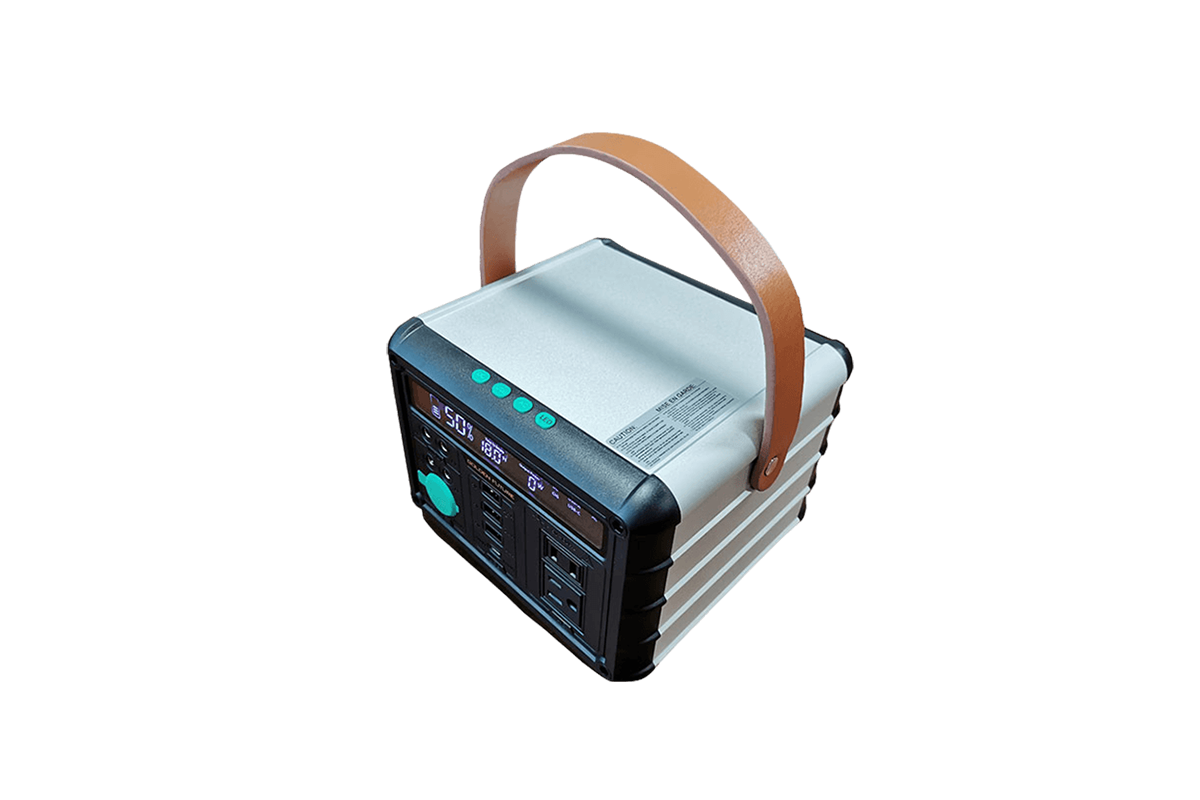
With the normalization of outdoor exploration, refinement of disaster emergency support and popularization of power outage backup demands, portable emergency power supply has iterated from traditional small backup charging equipment into a core emergency energy storage device integrating energy storage, voltage stabilization, multi-port output and multi-scenario adaptation. It is widely used in diverse scenarios such as outdoor camping, field operation, disaster rescue, household power outage backup and vehicle emergency power supply. The rapid expansion of the market has also highlighted industry problems including product homogenization, insufficient safety performance, exaggerated battery life and poor working condition adaptation. The fundamental solution to industry pain points and construction of core product competitiveness lies in systematic, refined and scenario-based R&D system support. From the perspective of R&D, the product quality, safety performance, battery life durability, portability and scenario adaptability of portable emergency power supplies are determined by five core R&D dimensions: cell selection, circuit topology, intelligent management and control, structural heat dissipation and adaptive expansion. Continuous technological iteration and R&D innovation serve as the core driving force for the high-quality development of the portable emergency power supply industry.
Compared with ordinary mobile power supplies, portable emergency power supplies have higher R&D standards for stability, safety, battery life durability and extreme working condition adaptability. Their R&D design is no longer simple assembly of cells and circuits, but a comprehensive technical system covering electrochemical energy storage, power electronic conversion, intelligent algorithm control, structural industrial design and environmental adaptation optimization. At present, low-end emergency power products in the market generally suffer from insufficient R&D investment, solidified technical schemes and extensive parameter adjustment. Most adopt universal public mold schemes and ordinary lithium battery cells, leading to defects such as high-temperature bulging, low-temperature power loss, disordered output waveforms, failed overload protection and bulky body, which cannot adapt to complex emergency scenarios such as rainstorm, low temperature, high temperature and voltage fluctuation. Professional R&D teams for portable emergency power supplies abandon universal design thinking, focus on the core emergency usage demands, and build a full-process R&D iteration system centered on five major R&D goals: safety priority, long-term energy storage, high-efficiency conversion, portable adaptation and intelligent protection, fundamentally solving the performance shortcomings and potential safety hazards of traditional products.
The refined R&D of cell energy storage systems is the core foundation for portable emergency power supplies to realize long-term battery life and ultimate safety, as well as a core track for product differentiated competition. As the energy core of emergency power supplies, the material system, structural design and grouping technology of cells directly determine the energy storage density, cycle life, temperature resistance and safety threshold of equipment. Low-end industry products mostly adopt ordinary ternary lithium cells or disassembled cells, which have low thermal runaway temperature, few cycle times and poor stability, prone to potential safety hazards in emergency scenarios. In contrast, high-end portable emergency power supplies prefer lithium iron phosphate cell solutions in the R&D stage. Relying on the stable characteristics of its olivine crystal structure, the thermal runaway temperature exceeds 500℃, featuring high temperature resistance, fire prevention and low attenuation, which perfectly meets the strict safety requirements of emergency scenarios. In terms of grouping R&D design, multi-series and multi-parallel balanced grouping technology is adopted, matched with self-developed cell balance matching algorithms to accurately control the internal resistance and voltage consistency of each cell, avoiding sudden battery life drop and equipment failure caused by excessive attenuation of single cells. Meanwhile, energy storage density optimization R&D is carried out to improve capacity utilization on the premise of lightweight body design, solving the industry pain point of traditional products with large capacity, large volume and heavy weight, and balancing portability and energy storage capacity. The equipment cycle service life can reach more than 2000 times, far exceeding the 800-cycle standard of ordinary lithium battery products.
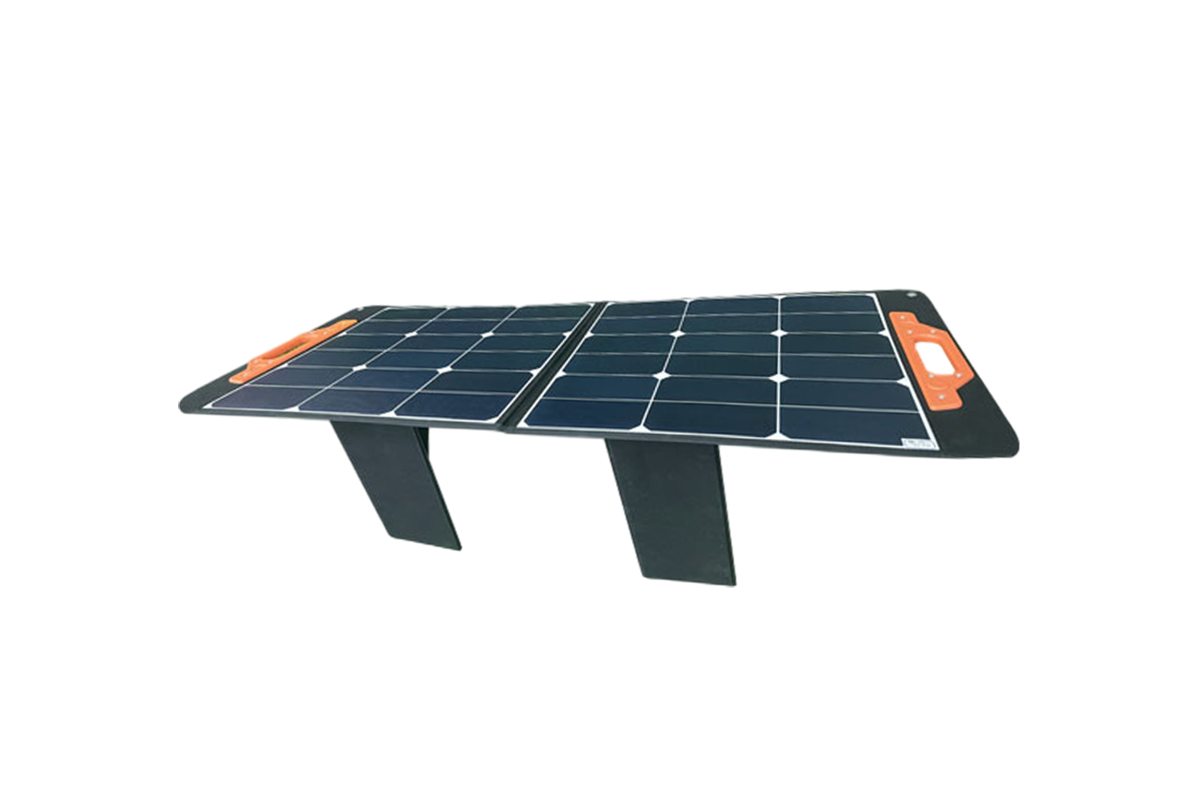
The R&D of power electronic conversion topology is the key technology to improve the energy efficiency and output stability of portable emergency power supplies. Electrical equipment in emergency scenarios covers digital products, small household appliances, outdoor tools and medical emergency equipment, which put forward extremely high requirements for power output waveform, voltage accuracy and conversion efficiency. Traditional products adopt simple single-stage circuit topology with conversion efficiency lower than 85% and mostly modified sine wave output, causing problems such as waveform distortion, unstable voltage and high harmonic wave, which are easy to damage precision electrical equipment. Based on upgraded R&D innovation, the new generation of portable emergency power supplies adopts a two-stage high-efficiency circuit architecture. The front stage is equipped with LLC resonant soft-switching DC-DC boost topology, and the rear stage adopts full-bridge DC-AC inverter structure. Cooperated with GaN gallium nitride power devices, the overall energy conversion efficiency is increased to more than 97.5%, greatly reducing energy loss and improving battery life utilization. In terms of output waveform R&D, the inverter algorithm is optimized to realize pure sine wave output with total harmonic distortion (THD) less than 1.5%, which is perfectly compatible with various AC and DC electrical equipment and avoids equipment damage caused by voltage fluctuation and waveform disorder. At the same time, adaptive voltage regulation technology is developed for high and low voltage input scenarios, supporting wide-range voltage input and multiple charging methods such as municipal power, photovoltaic, vehicle-mounted and small wind power. The maximum power point tracking (MPPT) algorithm efficiency reaches 98%, significantly improving the utilization rate of outdoor renewable energy charging.
The R&D of intelligent BMS management system is the core soft power for portable emergency power supplies to realize full-dimensional safety protection and long-term stable operation. Emergency power supplies are mostly used in high-risk scenarios such as unattended operation, sudden disasters and complex outdoor environments, where hidden risks such as overload, short circuit, over temperature, overcharge and overdischarge, and voltage fluctuation occur frequently. The single protection mechanism of traditional products cannot meet the needs of full-scenario protection. Professional R&D teams independently iterate intelligent battery management systems, equipped with high-precision AFE analog front-end chips and 32-bit high-speed processing chips to build an all-round intelligent protection system. The system can monitor the voltage, current, temperature and internal resistance data of each cell at the millisecond level in real time, and accurately predict the remaining power and health status of the battery through self-developed SOC state of charge estimation algorithm, eliminating the problem of exaggerated power display. Meanwhile, it is built-in with multiple intelligent protection logic, covering eight major protection functions including overcharge, overdischarge, overcurrent, short circuit, over temperature, low temperature, overload and voltage stabilization, which can realize millisecond-level power-off protection in case of faults to avoid safety accidents. Aiming at the long-term static emergency standby scenario, intelligent sleep and self-balancing technology is developed to minimize the standby loss of equipment, maintain no power loss during long-term storage, and automatically balance cell voltage difference to prevent cell aging and failure caused by long-term static placement, which perfectly adapts to the standby attribute of emergency equipment. Some high-end models integrate cloud data monitoring R&D to realize battery health prediction, fault early warning and remote parameter debugging, greatly improving equipment intelligence and reliability.
The R&D of heat dissipation and structural industrial design is an important support to optimize the working condition adaptability and extend the service life of portable emergency power supplies. Portable emergency power supplies need to balance lightweight portability and high-strength working condition stability, and structural and heat dissipation R&D must break the industry contradiction of "insufficient heat dissipation caused by volume compression". In terms of structural R&D, lightweight and high-strength aluminum alloy and flame-retardant ABS composite materials are adopted. Through topology optimization structural design, the body weight and volume are reduced while improving the equipment's drop resistance, compression resistance, water and dust resistance, meeting the needs of complex outdoor working conditions such as bumping, rain infiltration and extrusion. The body interface layout is optimized through hundreds of scenario simulation R&D, reasonably dividing fast charging interfaces, slow charging interfaces, AC output interfaces and photovoltaic input interfaces to avoid line interference and concentrated heat generation, and matching dustproof and waterproof interface protection structures to improve environmental adaptability. In terms of heat dissipation R&D, targeting the heat generation pain points of high-power output working conditions, a self-developed three-dimensional full-domain heat dissipation system is adopted, combining passive heat dissipation fins and intelligent temperature-controlled heat dissipation fans to accurately match the heat generation needs of different equipment powers. It realizes silent heat dissipation under low load and high-power heat dissipation under high load, quickly conducts heat from circuits and cells, stably controls the equipment operating temperature within a safe range, and avoids high-temperature frequency reduction, overheating shutdown and accelerated cell aging, ensuring all-weather stable operation of equipment.
Scenario-based adaptive R&D is the core upgrading direction for portable emergency power supplies to get rid of homogenization and improve the adaptability of segmented scenarios. Different emergency scenarios have great differences in power consumption, ambient temperature, power supply duration and charging methods, and universal products cannot meet the exclusive needs of segmented scenarios. Based on massive field test data, the R&D team carries out targeted differentiated technological R&D: household emergency scenarios optimize voltage stabilization, battery life and mute design to adapt to the continuous power supply of household equipment such as refrigerators, lighting and routers; outdoor camping scenarios strengthen photovoltaic fast charging, low-temperature adaptation and lightweight design to adapt to off-grid outdoor environments; disaster rescue scenarios upgrade waterproof and dustproof, vibration resistance and continuous high-power output capabilities to adapt to extreme harsh environments; industrial field operation scenarios optimize overload protection, voltage stabilization accuracy and long-term battery life performance to adapt to the long-term power consumption of high-power tools. At the same time, relying on bidirectional charge and discharge technology R&D, the vehicle-to-load (V2L) external discharge function is expanded to adapt to emergency power supply for new energy vehicles and energy supplement for small microgrids, further expanding the emergency application boundary of equipment. Through scenario-based parameter adjustment and customized functional R&D, products are upgraded from "universal standby power supplies" to "scenario-exclusive emergency energy storage solutions", greatly improving product practicality and market competitiveness.
Reliability and extreme working condition test R&D are the final R&D checkpoint to ensure product quality implementation and avoid emergency failures of portable emergency power supplies. The core value of emergency equipment lies in stable availability in critical moments, so extreme testing in the R&D stage is particularly important. The R&D team builds a complete reliability test system, conducting tens of thousands of simulation tests on extreme working conditions such as high and low temperature cycles, voltage fluctuation, continuous full-load operation, frequent charge and discharge, drop vibration and rain spray to fully investigate hidden equipment faults and performance shortcomings. Through continuous testing, iteration and optimization, circuit parameters are revised, protection logic is improved and structural strength is upgraded to ensure that the equipment can maintain stable output under extreme conditions such as wide temperature environment of -20℃ to 60℃, large voltage fluctuation and 24-hour continuous full-load operation, completely solving the industry pain point of failure and fault of ordinary emergency power supplies under extreme working conditions, and comprehensively improving the emergency reliability of products.
From the perspective of industrial R&D development trends, portable emergency power supplies are continuously iterating towards five major directions: high-density energy storage, intelligent management and control, extreme environment adaptation, multi-functional integration and lightweight portability. Future R&D of portable emergency power supplies will focus on cutting-edge technologies such as solid-state battery application, AI intelligent energy scheduling, high-efficiency photovoltaic compatibility and bidirectional energy storage interaction, to further improve energy storage density, conversion efficiency and safety performance, and continuously break the technical bottlenecks of equipment volume, weight and battery life. Relying on refined, scenario-based and intelligent full-dimensional R&D innovation, portable emergency power supplies will fully cover the full-scenario emergency power supply demands of civil, commercial, industrial and rescue fields, continuously improve the emergency energy storage technology system, promote the in-depth upgrading of the entire portable emergency energy storage industry towards high quality, high reliability and high technical barriers, and provide safer, more efficient and stable power guarantee for outdoor life, disaster emergency and field operation.




 59911926@qq.com/sales@goldenfuturehk.com
 13316809242 / 15816897019
 Inquiry
 Home >