





Time:2026-07-10 Views:520
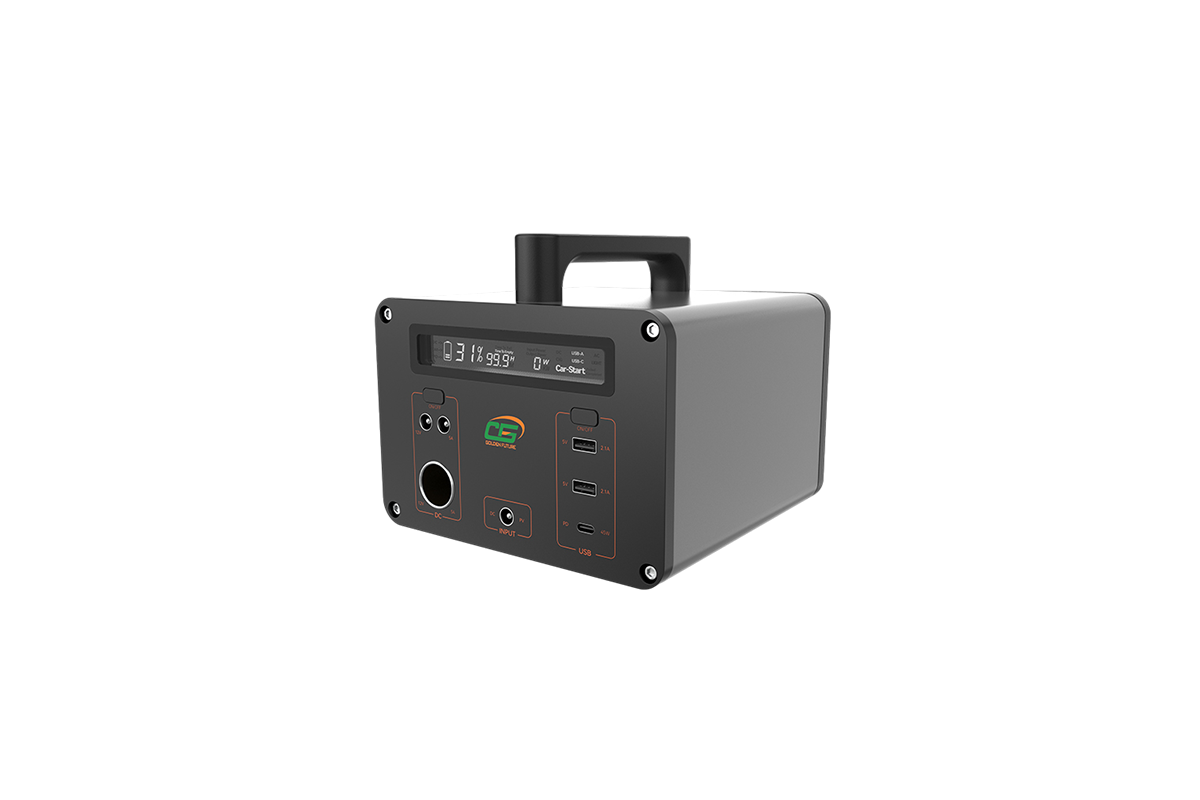
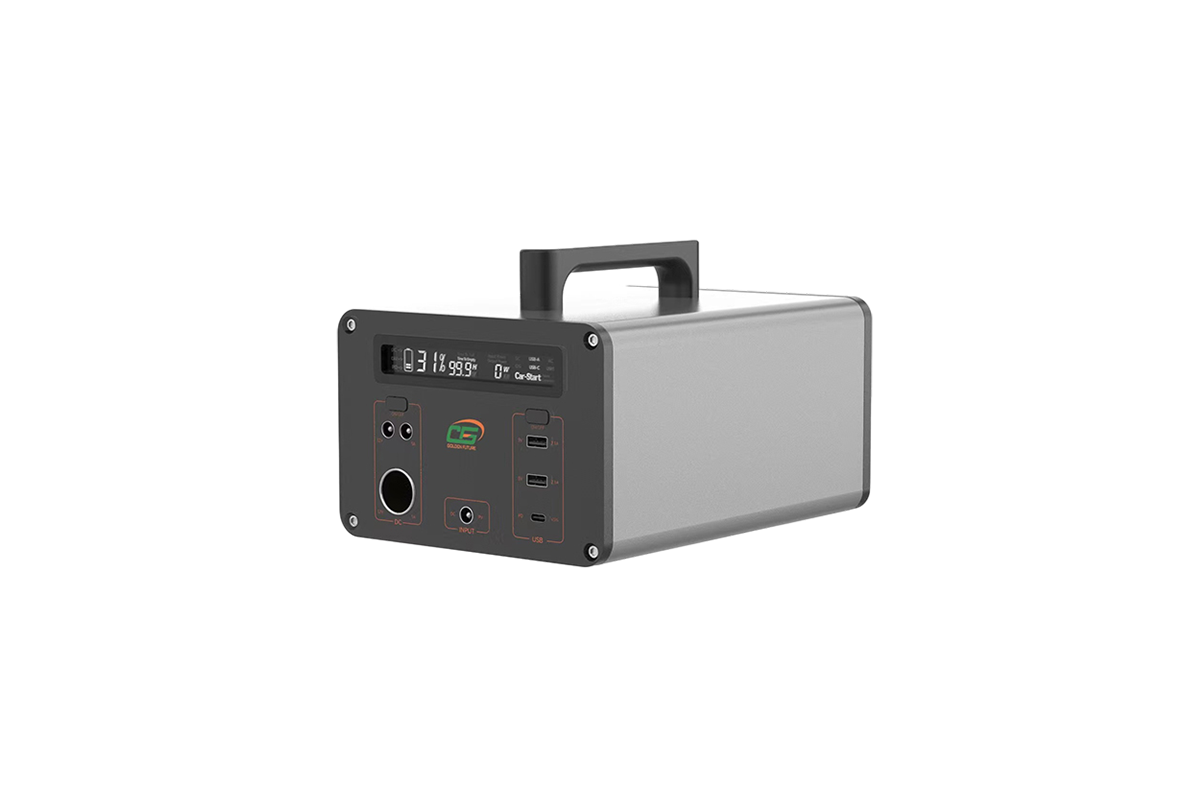
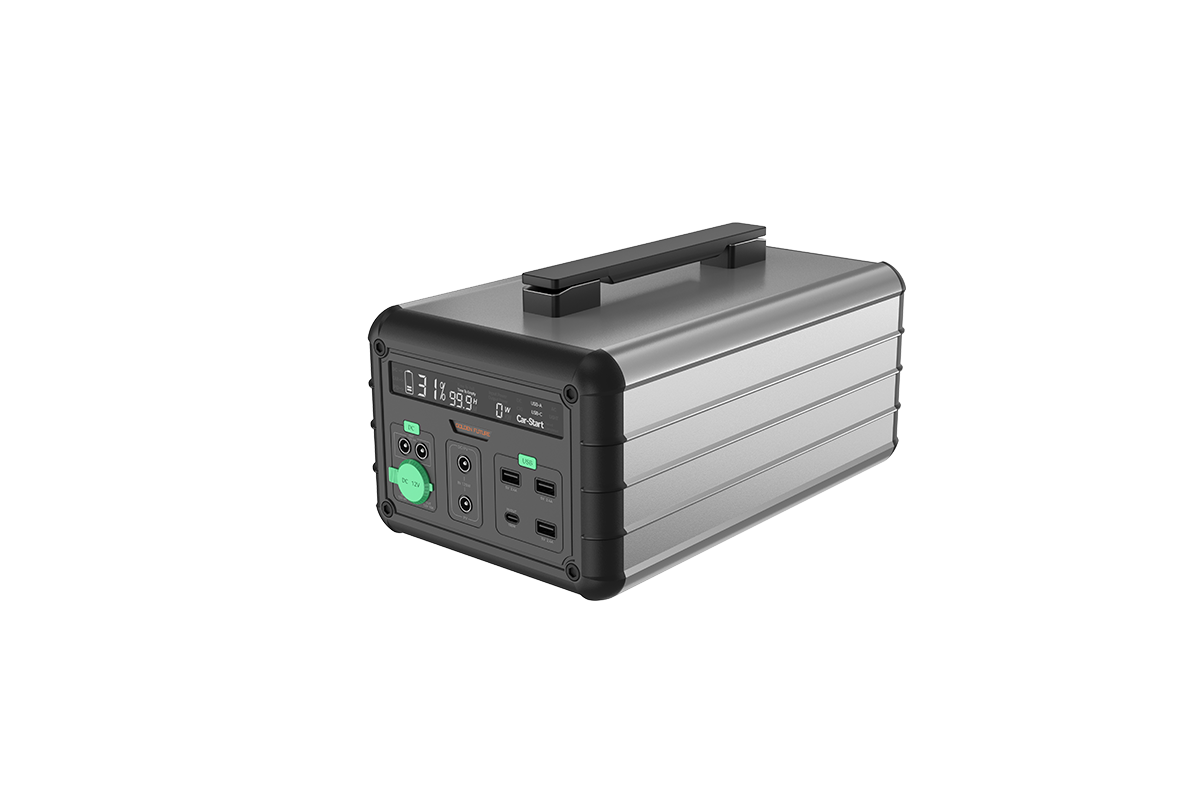
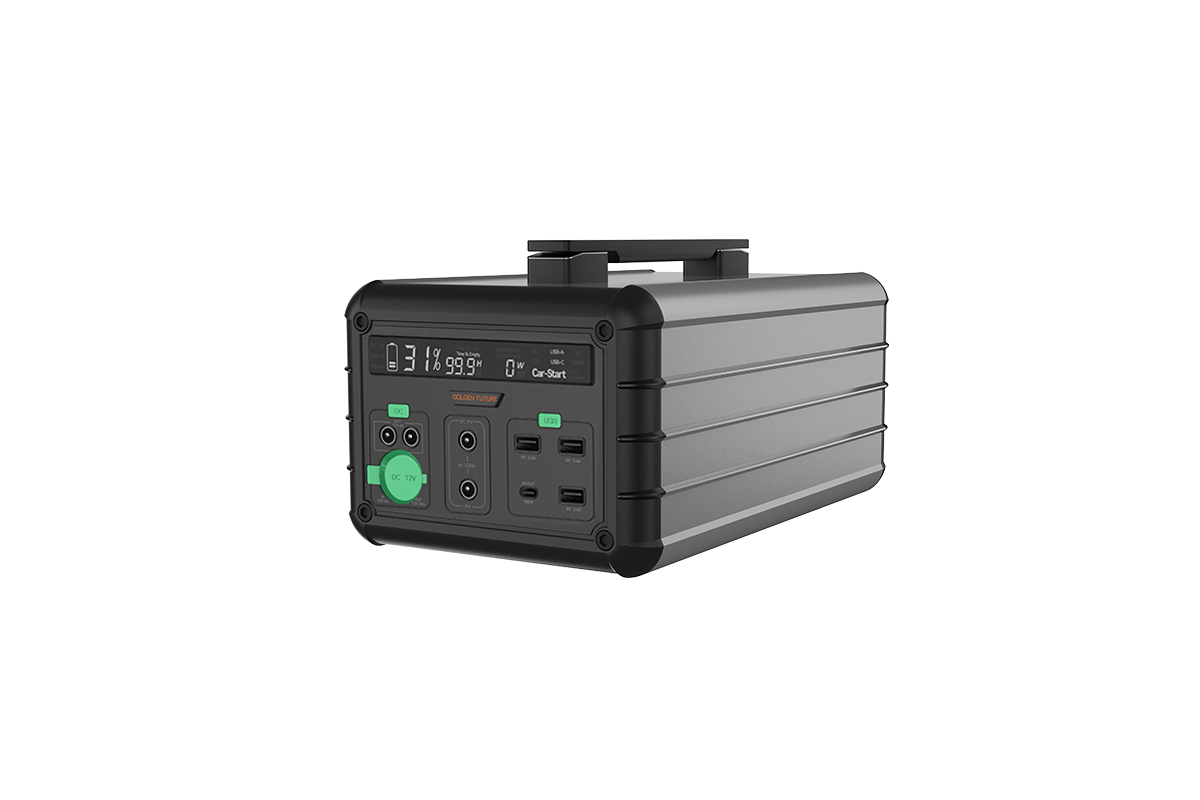
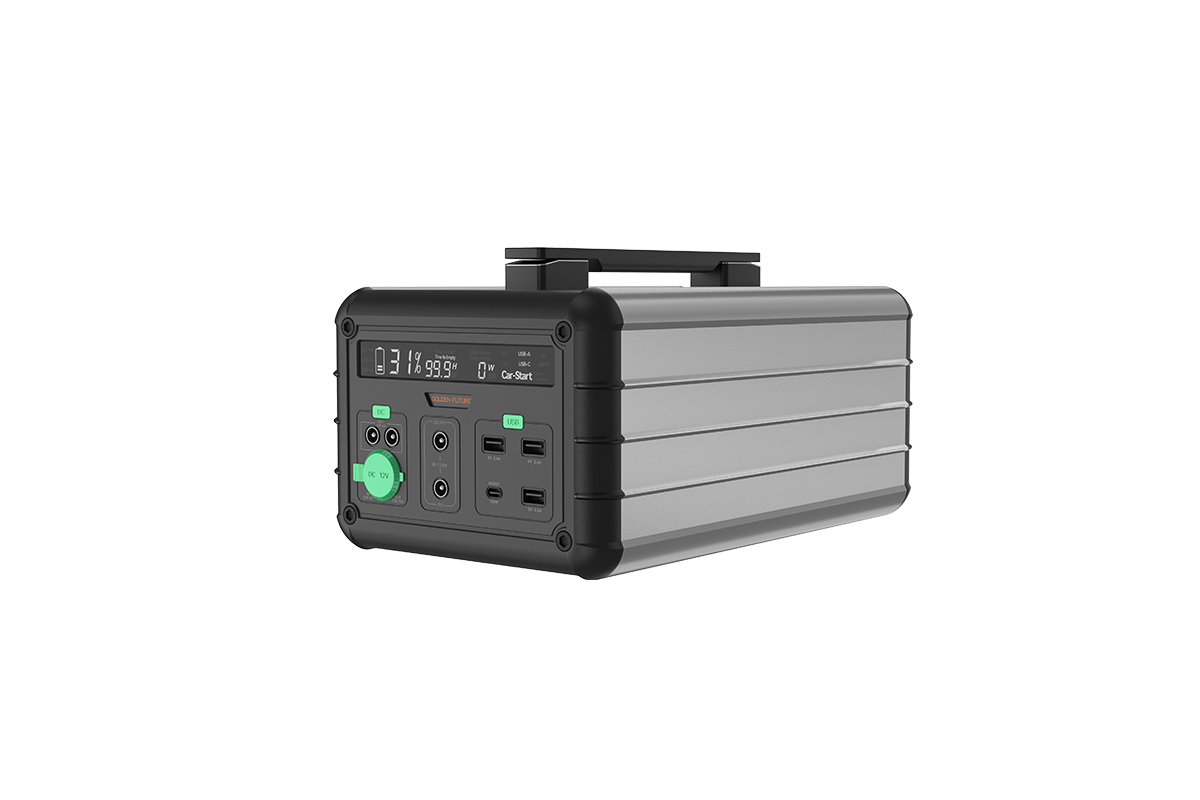
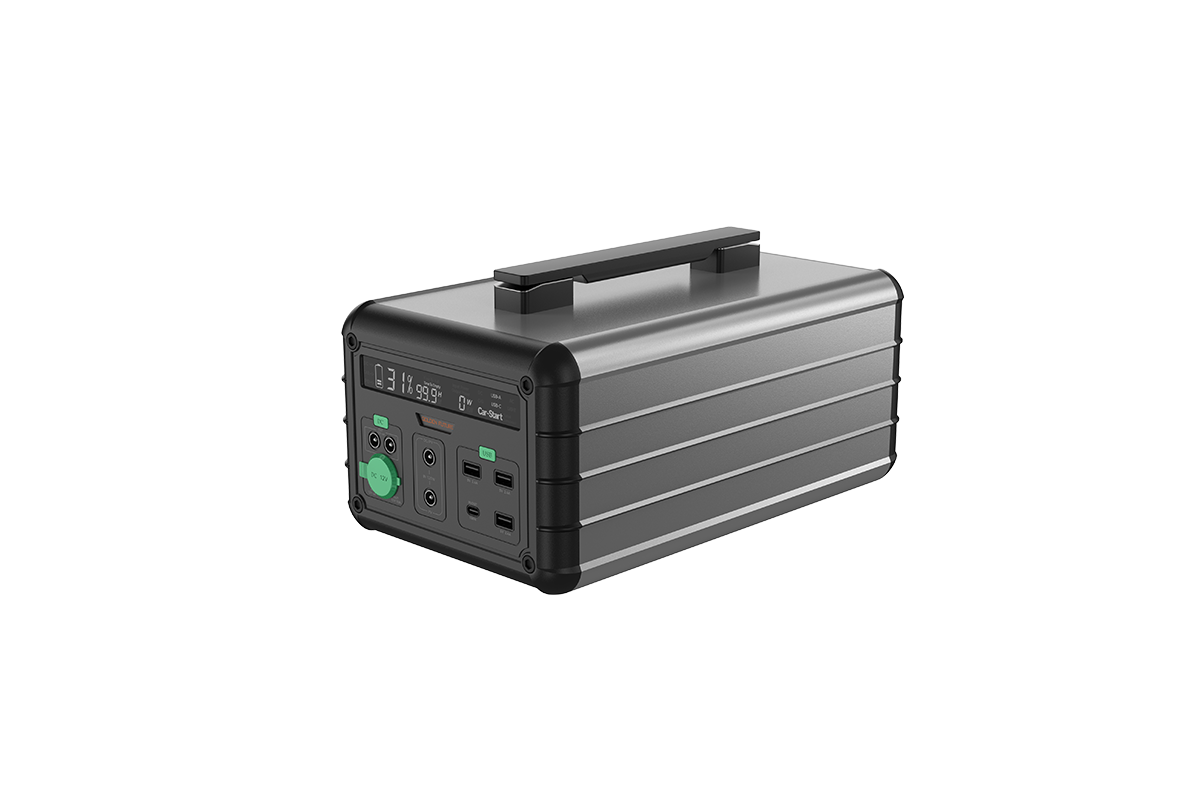
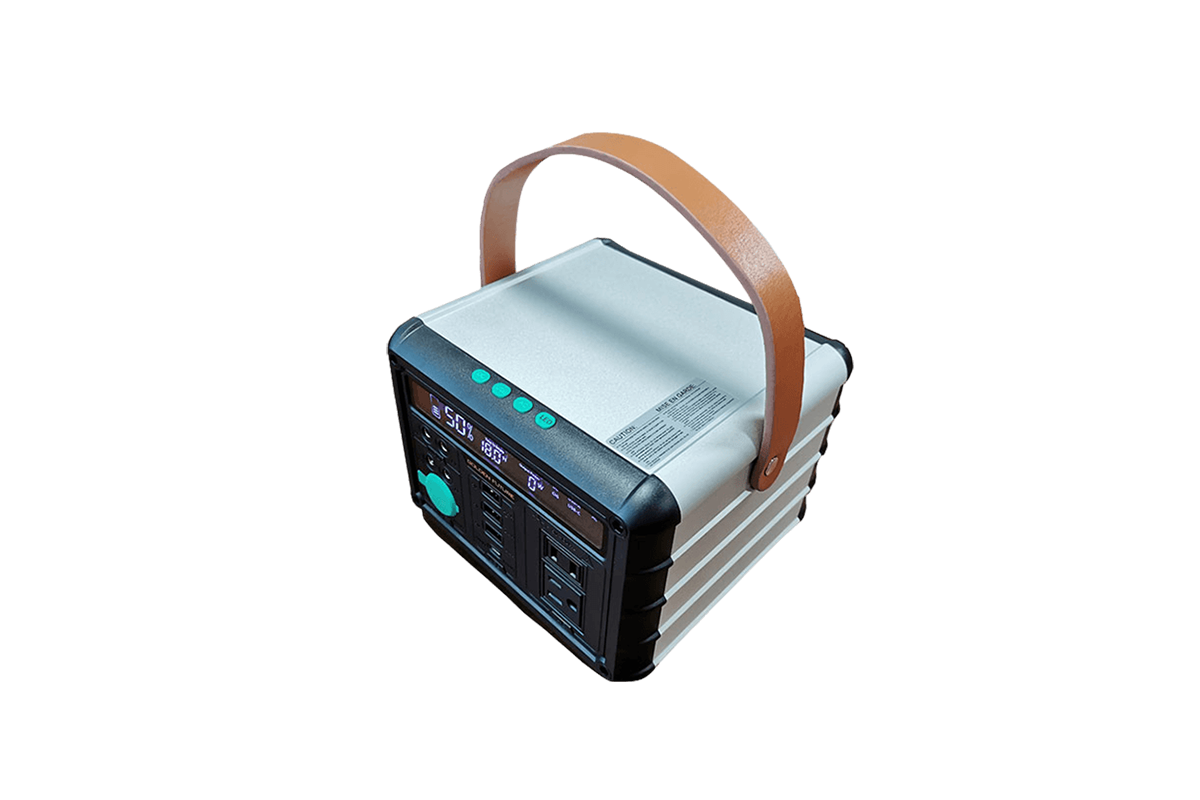
Against the backdrop of booming power demand in scenarios such as outdoor travel, household emergency response and mobile operations, portable battery power station has upgraded from a niche outdoor accessory to a popular civil energy storage device for universal use. As the core energy carrier of portable battery power stations, the battery cell determines all key performance indicators of the equipment, including overall power, energy storage capacity, safety stability, cycle life and high and low temperature adaptability. Serving as the core component of portable battery power stations, battery cell technological iterations in material formulas, structural processes, energy density and safety systems drive the comprehensive upgrading of portable energy storage power stations from the first-generation products with low capacity, heavy weight and high potential risks to modern products featuring lightweight design, long battery life, high safety and long service life. Compared with traditional power banks, portable battery power stations adopt sinking industrial-grade energy storage cell technology to support high-power, large-capacity and long-term stable power supply, making cell technology iteration the core track for industrial differentiated competition and product experience upgrading.
At present, the cell technology of portable battery power station in the civil energy storage market has undergone multiple rounds of iteration, forming an industrial pattern where lithium iron phosphate and ternary lithium coexist and new cell technologies are rapidly applied. The material characteristics of different cells directly determine the applicable scenarios and core advantages of products. Early portable energy storage products were mostly equipped with ternary lithium cells, which could provide large energy storage capacity in a small volume relying on high energy density and high voltage platforms, suitable for lightweight outdoor travel scenarios. However, with the growing demand for power safety and equipment service life, ternary lithium cells have exposed prominent drawbacks including poor thermal stability, short cycle life and high risk of thermal runaway at high temperatures. They are unable to adapt to outdoor scenarios with long-term sun exposure, high-temperature operation and frequent charge-discharge cycles, thus gradually exiting the mass market and only retaining shares in the high-end lightweight portable energy storage segment.
Currently, high-quality mainstream portable battery power stations in the market are fully equipped with lithium iron phosphate cells, which have become the benchmark cell solution for civil portable energy storage. Compared with ternary lithium cells, lithium iron phosphate cells eliminate scarce precious metals such as cobalt and nickel, delivering extreme safety stability with a thermal runaway temperature exceeding 500℃. They are not prone to fire or explosion under extreme working conditions such as outdoor sun exposure, extrusion and bumpy transportation, perfectly adapting to complex outdoor environments. Meanwhile, they boast outstanding cycle life advantages, with the cycle times of mass-produced conventional products exceeding 3,500 and those of high-quality industrial-grade cells breaking 6,000, 3 to 5 times that of ternary lithium cells. The capacity decays slowly during long-term use, greatly reducing equipment replacement costs. In addition, lithium iron phosphate cells have excellent high and low temperature resistance, operating stably in the temperature range of -20℃ to 60℃, effectively solving the common problems of power loss in low temperature and system shutdown in high temperature in outdoor scenarios. With the comprehensive advantages of high safety, long life, strong adaptability and low cost, they occupy more than 90% of the portable energy storage cell market.
To meet the escalating market demands for lightweight design, long battery life and fast charging performance of portable battery power stations, the industry continues to optimize cell materials and processes on the basis of traditional lithium iron phosphate, developing upgraded cells such as lithium iron manganese phosphate to achieve comprehensive performance breakthroughs. By introducing manganese elements into cathode materials, lithium iron manganese phosphate cells raise the cell voltage platform above 4.1V, increasing the energy density by 15% to 20% compared with traditional lithium iron phosphate cells. The energy density of single cells can exceed 220Wh/kg, which greatly improves the energy storage capacity without increasing the volume and weight of equipment, perfectly balancing the core demands of lightweight design and long battery life. Meanwhile, these cells inherit the high safety and long cycle life advantages of traditional lithium iron phosphate cells, effectively making up for the shortcoming of insufficient energy density of conventional lithium batteries. They have become the core upgrading direction of mid-to-high-end portable battery power stations, gradually replacing traditional lithium iron phosphate cells and initiating the refined iteration era of portable energy storage cells.
In addition to the mainstream liquid lithium battery system, the research and application of semi-solid and full-solid cell technologies are reshaping the performance ceiling of portable battery power stations and becoming the core breakthrough direction for next-generation products. Traditional liquid cells rely on flammable liquid electrolytes, causing potential safety hazards. In contrast, solid-state cells replace liquid electrolytes with solid ceramic or polymer materials, completely eliminating risks of liquid leakage, combustion and explosion and achieving a qualitative leap in safety performance. Meanwhile, solid-state cells feature an energy density of 400 to 500Wh/kg, nearly twice that of traditional lithium batteries, and a charging rate of 2C-5C, enabling ultra-fast energy replenishment and greatly shortening charging time. At present, semi-solid cells have been gradually applied in small-scale mass production and equipped in high-end portable battery power stations, showing absolute advantages in lightweight, long-life and high-safety scenarios. The continuous research of full-solid cell technology is expected to completely break the performance bottlenecks of existing portable energy storage products. In addition, sodium-ion cells have been gradually applied in entry-level portable battery power stations relying on abundant raw material reserves, excellent low-temperature performance and low cost, adapting to low-temperature outdoor and low-frequency usage scenarios and enriching the industrial cell technology matrix.
The upgrading of cell structural processes and supporting management and control technologies is a key support for the stable operation and optimized user experience of portable battery power stations. In addition to the iteration of cell materials, the industry optimizes lightweight cell packaging, pole lug improvement and modular stacking processes to reduce cell volume and weight on the premise of ensuring energy storage efficiency and safety, solving the pain point of bulky and inconvenient-to-carry traditional energy storage equipment. At the same time, the iterative upgrading of the dedicated BMS battery management system realizes precise control of cells, which can monitor the real-time status of voltage, temperature and current of each cell, effectively preventing safety problems such as overcharging, overdischarging, overheating and short circuits. It balances cell consistency, delays cell attenuation and greatly extends the overall service life of equipment. Targeting outdoor scenarios, the industry has also optimized cell thermal management technology with passive heat dissipation and active temperature control design to adapt to outdoor temperature fluctuations and ensure continuous and stable operation of cells in complex environments.
At present, the development of cell technology for portable battery power stations still faces some challenges to be solved. On the one hand, it is difficult to fully balance high energy density and high safety. The improvement of energy density of traditional cells is usually accompanied by the decline of safety coefficient, while the mass production cost of new solid-state cells is relatively high, hindering rapid popularization. On the other hand, the low-temperature performance of cells needs further optimization, and all types of lithium cells suffer from varying degrees of capacity attenuation in extreme low-temperature environments, affecting the user experience in low-temperature outdoor scenarios. In addition, the low-end market is plagued by inferior disassembled cells and cells with false capacity labeling, featuring poor cell consistency and short cycle life, which bring potential safety hazards and disrupt the orderly technological development of the industry.
In the future, the technological competition of portable battery power stations will focus entirely on the cell track, with material innovation, process upgrading and cost reduction as the core development trends. In the short term, lithium iron manganese phosphate and high-rate lithium iron phosphate will fully replace traditional cells and become the mainstream industrial solutions, balancing the three core demands of safety, battery life and cost. In the medium term, semi-solid cells will realize large-scale mass production and popularization, greatly improving the comprehensive performance of portable battery power stations. In the long term, full-solid cells, sodium-ion cells and other new technologies will be fully applied to build a diversified and differentiated cell technology system. With the continuous iteration and upgrading of cell technology, portable battery power stations will achieve all-round upgrades of lighter body, longer battery life, faster charging and higher safety, continuously expand the application scenarios of civil energy storage, and promote the high-quality development of the outdoor energy storage and household emergency energy storage industries.




 59911926@qq.com/sales@goldenfuturehk.com
 13316809242 / 15816897019
 Inquiry
 Home >