





Time:2026-07-15 Views:235
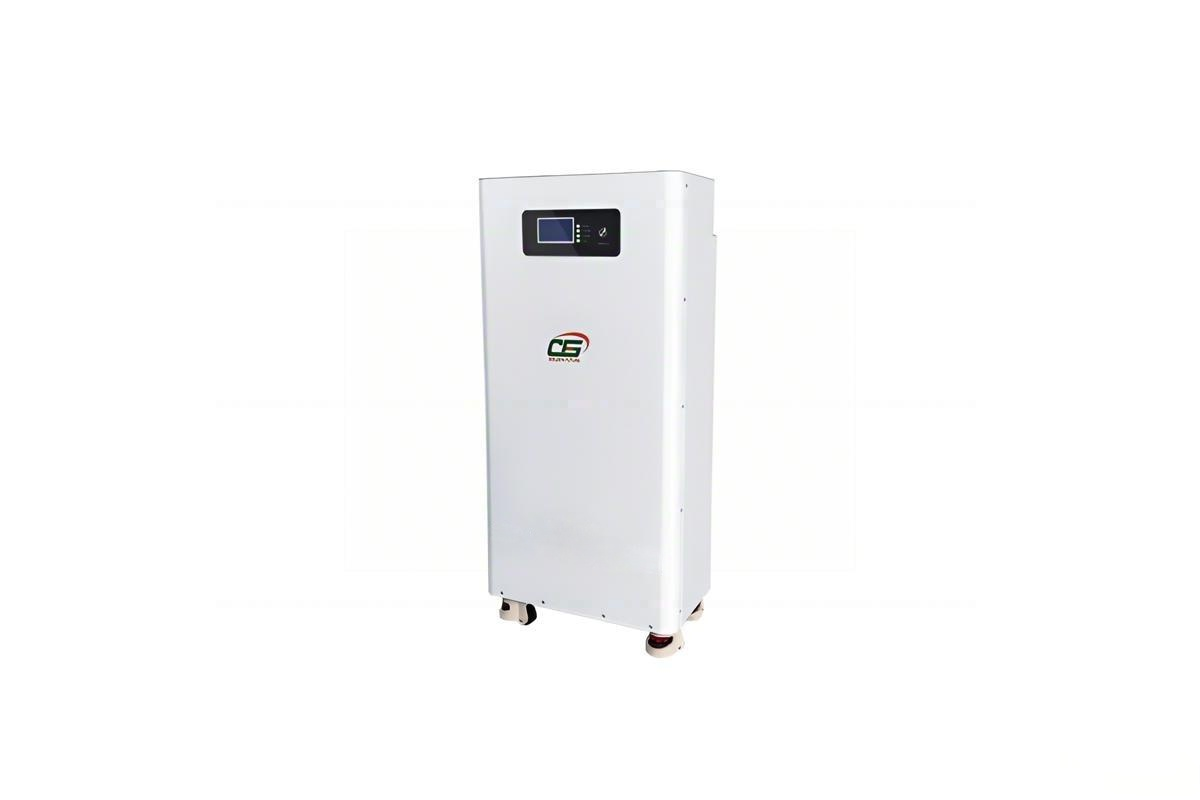
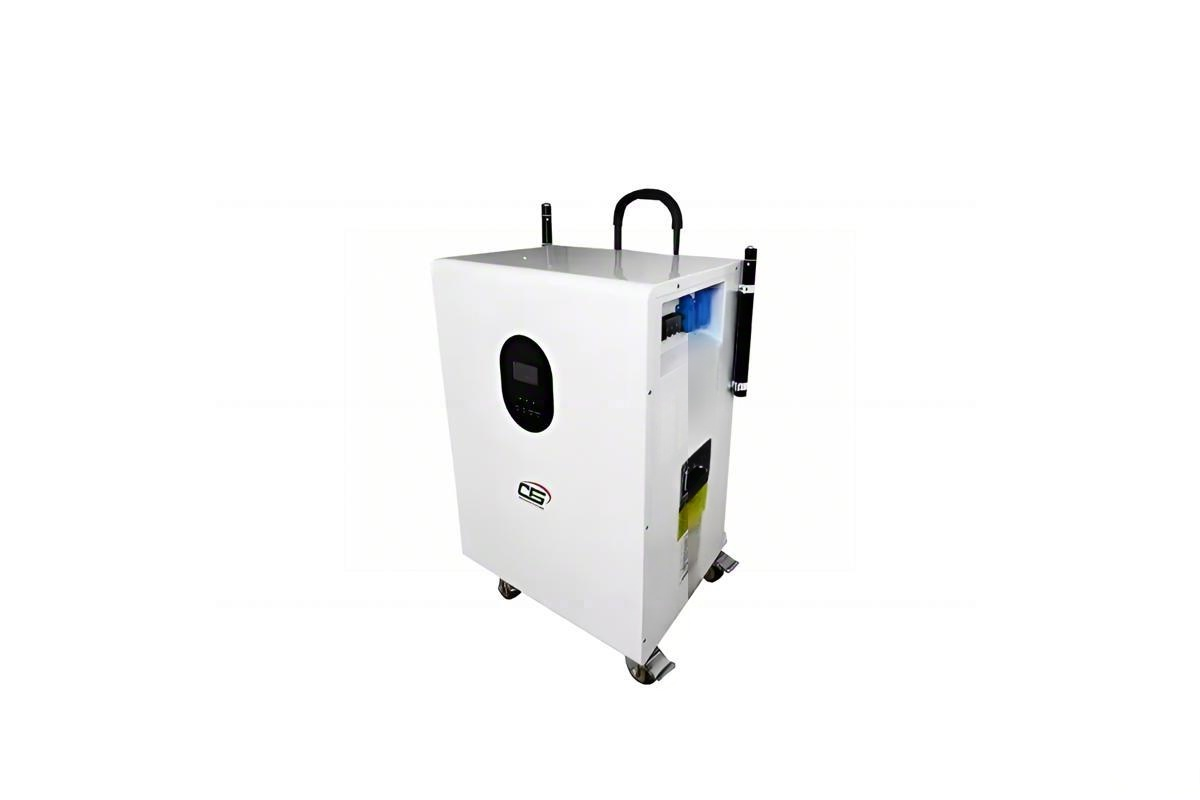
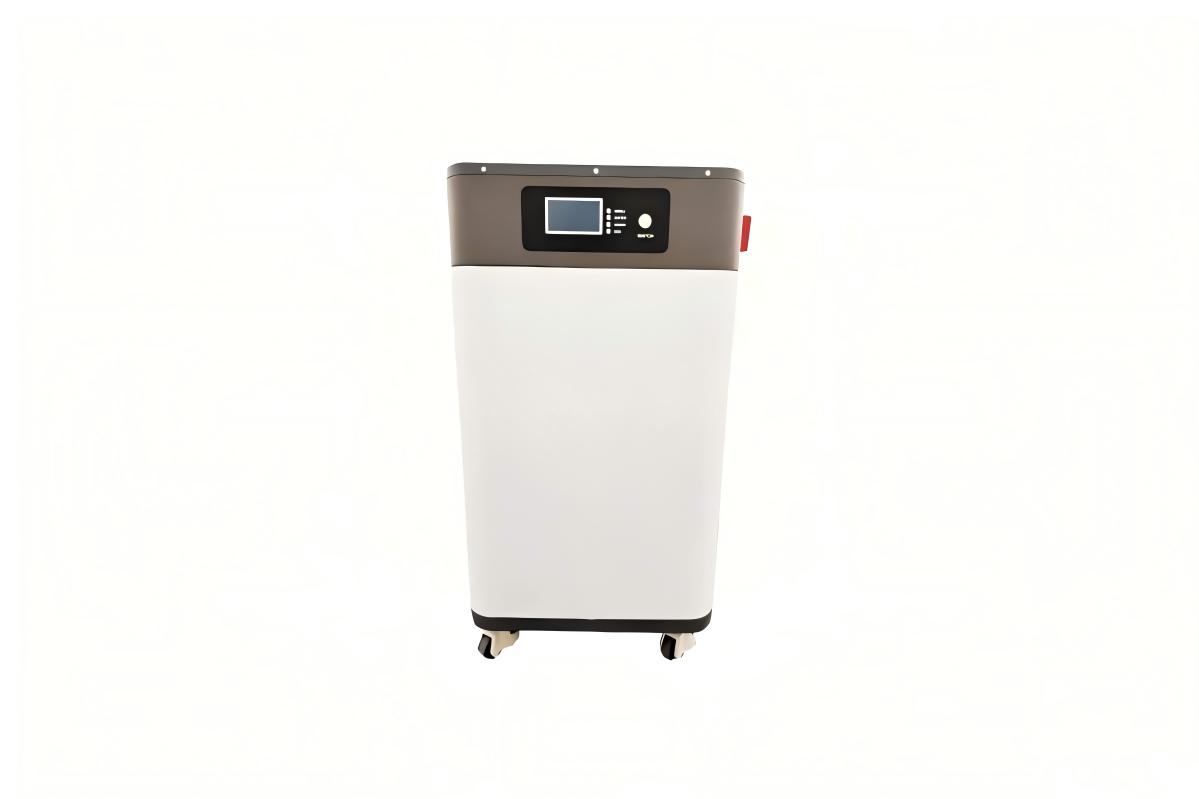
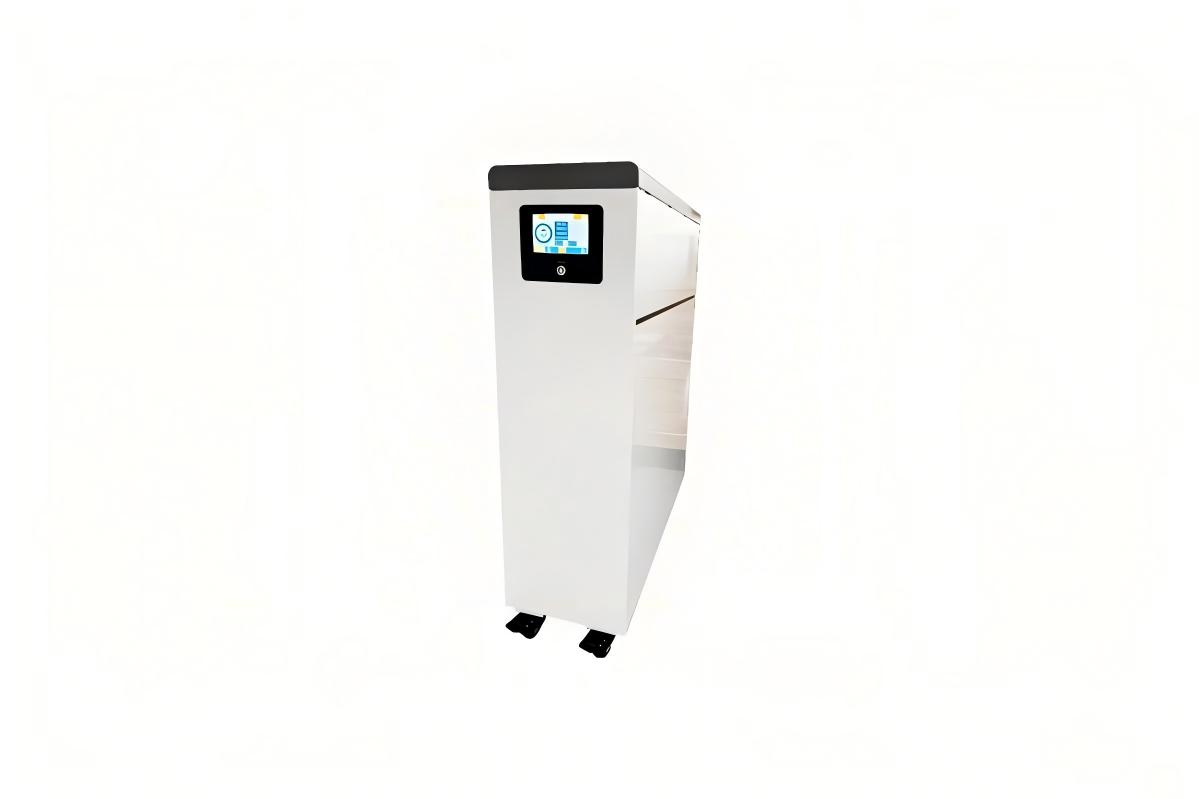
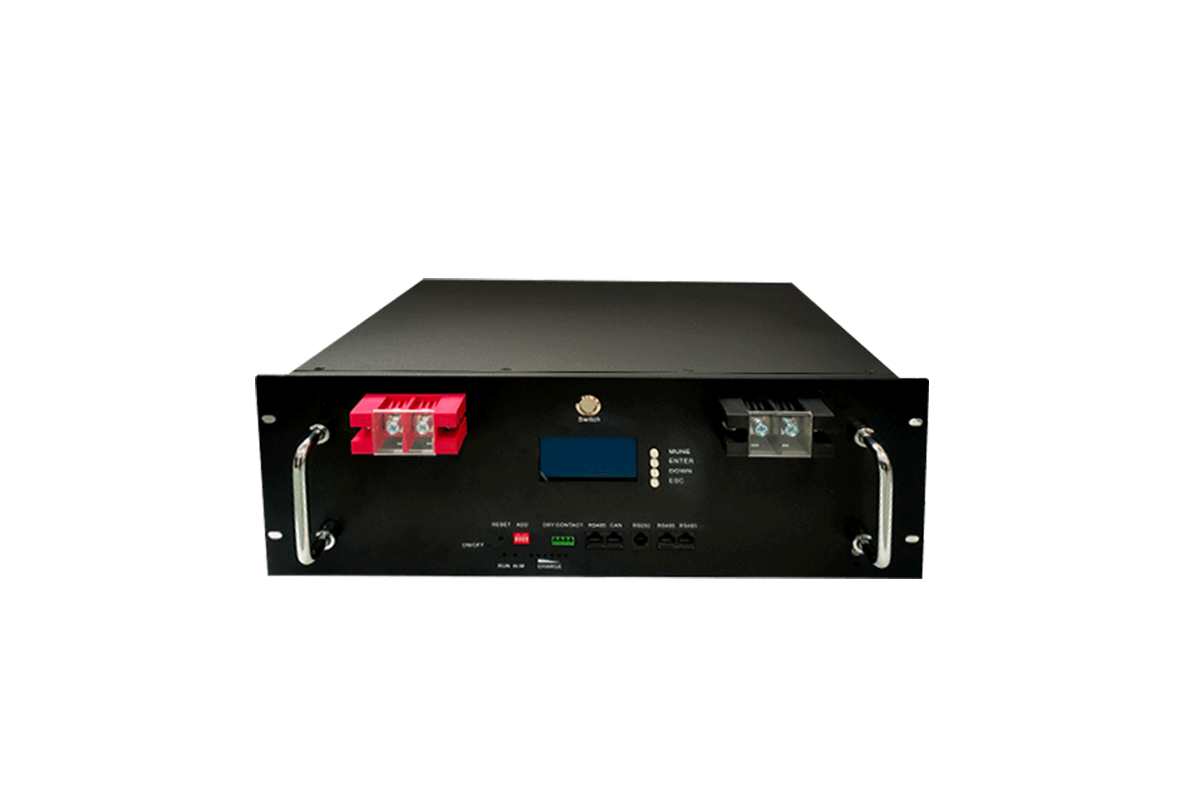
With the popularization of household distributed photovoltaics, the implementation of time-of-use electricity price policies and the comprehensive upgrading of smart homes, home energy storage system battery has become the core component for thousands of families to optimize power consumption structures, achieve green energy conservation and ensure emergency power supply. As the energy core of household energy storage equipment, the safety performance of the battery directly determines the operational stability, service life and household power safety of the entire energy storage system. Different from industrial energy storage batteries that operate in standardized operation and maintenance scenarios, household energy storage batteries work in closed household environments for a long time and are affected by multiple factors such as temperature fluctuations, humidity changes, daily charge and discharge frequencies, and installation environments, which are prone to potential safety hazards including cell aging, abnormal temperature and circuit faults. Therefore, building a full-process and all-dimensional safety protection system and deeply understanding the safety principles, potential risks and protection mechanisms of home energy storage system battery are the keys to safe household energy use, risk avoidance of energy storage accidents and long-term stable operation of energy storage equipment.
The core safety of home energy storage system battery stems from the basic safety attributes of cell materials, which is also the core advantage of household energy storage compared with other energy storage scenarios. At present, mainstream home energy storage system batteries adopt lithium iron phosphate cells, abandoning the shortcomings of traditional ternary lithium batteries such as poor thermal stability, high risk of thermal runaway and combustion and explosion at high temperatures. They have the characteristics of strong thermal stability, high temperature resistance, non-flammability, long cycle life and no explosion risk, which are perfectly suitable for closed and staff-resident household scenarios. In terms of material structure, lithium iron phosphate materials have a high temperature resistance threshold of 800℃, and will not decompose rapidly to release oxygen under high temperature conditions, fundamentally avoiding intense combustion and deflagration risks. Meanwhile, they have excellent overcharge resistance and overload resistance, and conventional daily charge and discharge operations will not cause abnormal cell conditions. Compared with commercial energy storage batteries, home energy storage system battery has undergone special optimization for civil safety, with higher cell consistency and more stable energy release, effectively preventing system failures caused by uneven attenuation of individual cells, and building a solid primary material line of defense for household energy storage safety.
The intelligent Battery Management System (BMS) serves as the core safety hub of home energy storage system battery, realizing full-time intelligent risk control throughout 24 hours and eliminating various hidden safety hazards. Ordinary batteries only realize basic charge and discharge functions without intelligent monitoring and protection mechanisms. Long-term use is prone to problems such as overcharge and overdischarge, cell overheating, short circuit and overload, which may cause fire and equipment damage in severe cases. Equipped with a high-precision intelligent BMS system, standardized household energy storage batteries can collect real-time core data such as voltage, current, temperature and internal resistance of each cell, and respond to various abnormal working conditions at the millisecond level to build an all-round safety protection system. The system integrates six core protection functions: overcharge protection, overdischarge protection, short circuit protection, over temperature protection, overload protection and cell balance. It can automatically cut off the circuit and stop charge and discharge operations when abnormal conditions such as battery overcharge, load overload and circuit short circuit occur, blocking the spread of faults from the source. At the same time, the BMS system supports active cell balance regulation, accurately corrects capacity deviation of individual cells, prevents overall system performance attenuation and potential safety hazards caused by unbalanced cell aging, greatly prolongs battery service life, and ensures long-term stable and safe operation of the energy storage system.
Environmental adaptation protection is a key link to ensure the long-term safe operation of home energy storage system battery, as complex household environments are important inducements for battery faults. Household energy storage batteries are mostly installed in balconies, entrance halls, equipment rooms, garages and other areas. Environmental factors such as seasonal temperature differences, air humidity, dust accumulation and ventilation conditions will directly affect battery operation status. Industry safety specifications clearly stipulate that the suitable operating temperature of household energy storage batteries is -10℃ to 45℃, and the ambient humidity should be controlled between 20%RH and 80%RH. Exceeding this range is likely to cause cell attenuation, insulation layer aging, damp circuit short circuit and other problems. For this reason, high-quality home energy storage system battery is equipped with professional environmental adaptation design. The fuselage adopts UL94 V-0 grade high flame-retardant shell material with IP54 dustproof and waterproof protection level, which can effectively resist daily dust and moisture erosion and prevent equipment faults caused by environmental factors. Meanwhile, the equipment is built with an intelligent temperature control heat dissipation system, which automatically starts the thermal insulation adaptation mode in low-temperature environments to prevent reduced cell activity and capacity attenuation; in high-temperature working conditions, it quickly activates air cooling heat dissipation to timely remove operating heat and avoid thermal runaway risks caused by heat accumulation, adapting to the use needs of household environments in different regions and seasons across the country.
Structural safety and installation specifications are important guarantees to avoid physical safety risks of home energy storage system battery. As precision power equipment, household energy storage batteries will face serious potential safety hazards due to unreasonable installation methods, illegal modification and messy stacking of spaces. Formal household energy storage batteries adopt a modular isolated structure design, with each group of cells independently separated and protected, equipped with special heat insulation and flame-retardant isolation layers. Even if a single group of cells is abnormal, it can effectively block the spread of heat and fire and avoid overall equipment failure. At the same time, the equipment is equipped with standardized flame-retardant wiring terminals and insulation protection kits to prevent electric sparks and short circuit problems caused by exposed circuits and poor contact. In terms of installation, household energy storage batteries are forbidden to be disassembled, modified or displaced without authorization. Construction must be carried out by professional personnel in accordance with specifications to ensure good equipment grounding and regular circuit layout. No flammable and explosive items such as cartons, fabrics and paint shall be stacked within 1 meter around the equipment, and sufficient ventilation and heat dissipation space shall be reserved to prevent safety accidents caused by external force collision and sheltered sundries. Strict structural design and installation specifications build the core barrier for battery physical safety.
Thermal runaway early warning and active fire protection are the ultimate safety guarantees for home energy storage system battery to deal with extreme faults. Battery thermal runaway is the most serious safety accident of energy storage equipment, mostly caused by long-term overload, circuit faults, cell aging, heat accumulation and other factors, featuring sudden occurrence, rapid diffusion and strong destructive power. Targeting this industry pain point, the new generation of home energy storage system battery is equipped with a full-link thermal runaway protection system. High-density temperature sensors achieve full coverage to accurately capture subtle temperature changes of cells, predict fault risks in advance and realize multi-level early warning. When abnormal temperature rise and excessive cell parameters are detected, the system first triggers early warning reminders and synchronously reduces charge and discharge power; if the risk continues to escalate, it will immediately power off and shut down, start passive heat insulation and active smoke suppression and flame retardant mechanisms. Some high-end models are equipped with aerosol automatic fire extinguishing modules, which can quickly put out initial fires without manual intervention, completely prevent the spread of thermal runaway, and maximize the safety of household personnel and property. This full closed-loop protection from early warning, intervention to emergency disposal greatly improves the safety factor of household energy storage batteries under extreme working conditions.
Daily standardized operation and maintenance and safe usage habits are important foundations to prolong the service life of home energy storage system battery and avoid normalized potential safety hazards. Most household energy storage safety accidents are not caused by equipment quality problems, but by daily usage misunderstandings and lack of operation and maintenance. In daily use, avoid long-term full-power storage and deep power loss shelving of batteries; long-term idle placement will lead to reduced cell activity and increased internal resistance, inducing local faults. It is necessary to regularly check whether the equipment vents are blocked, the fuselage is damp, and the circuits are aging and loose, timely clean surface dust, and ensure a clean and ventilated equipment operating environment. At the same time, it is required to adapt to household power load, prohibit long-term operation of ultra-power loads, and avoid continuous overload and heating of batteries. Attention should be paid to the equipment operation status in extreme high and low temperature weather, and the usage mode can be adjusted when necessary. In addition, users should reject inferior three-no energy storage battery products and prioritize brand equipment with authoritative safety certifications and formal warranty systems to avoid safety risks from the equipment source. Scientific operation and maintenance can realize the safe, long-term and efficient operation of household energy storage batteries.
With the rapid development of dual-carbon economy and smart homes, the safety performance of home energy storage system battery has become the core competitiveness of household energy storage equipment and the core criterion for high-quality industrial development. From basic cell material safety and intelligent BMS precise risk control, to environmental adaptation protection and physical structure guarantee, and then to extreme working condition emergency disposal and daily operation and maintenance specifications, the all-round safety protection system has completely eliminated users' safety concerns about household energy storage batteries. In the future, with the continuous iteration of energy storage safety technology, household energy storage batteries will be upgraded towards higher safety, higher intelligence, longer service life and full-scenario protection. Through refined intelligent monitoring, active safety intervention and integrated protection design, the household energy storage safety system will be continuously optimized, making home energy storage system battery a truly safe, reliable, green and efficient household energy core, and escorting the intelligent low-carbon power consumption life of thousands of families.




 59911926@qq.com/sales@goldenfuturehk.com
 13316809242 / 15816897019
 Inquiry
 Home >