





Time:2026-07-08 Views:28
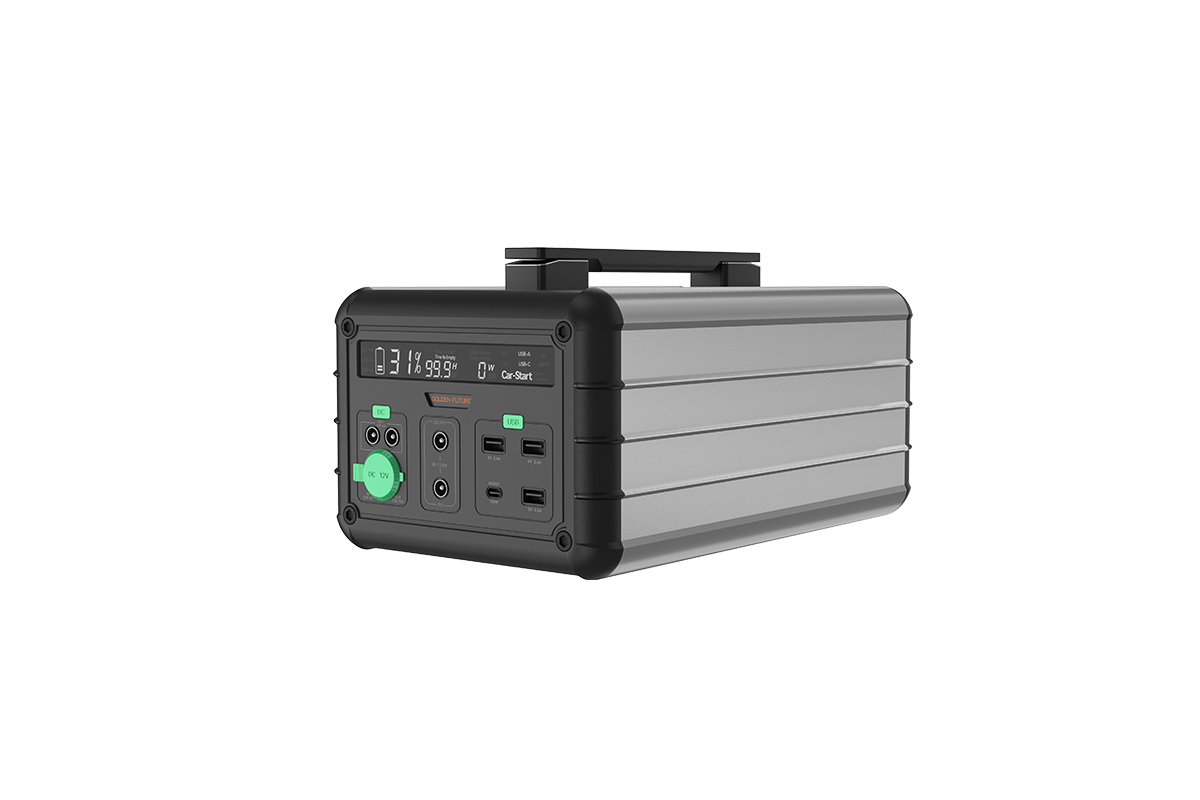
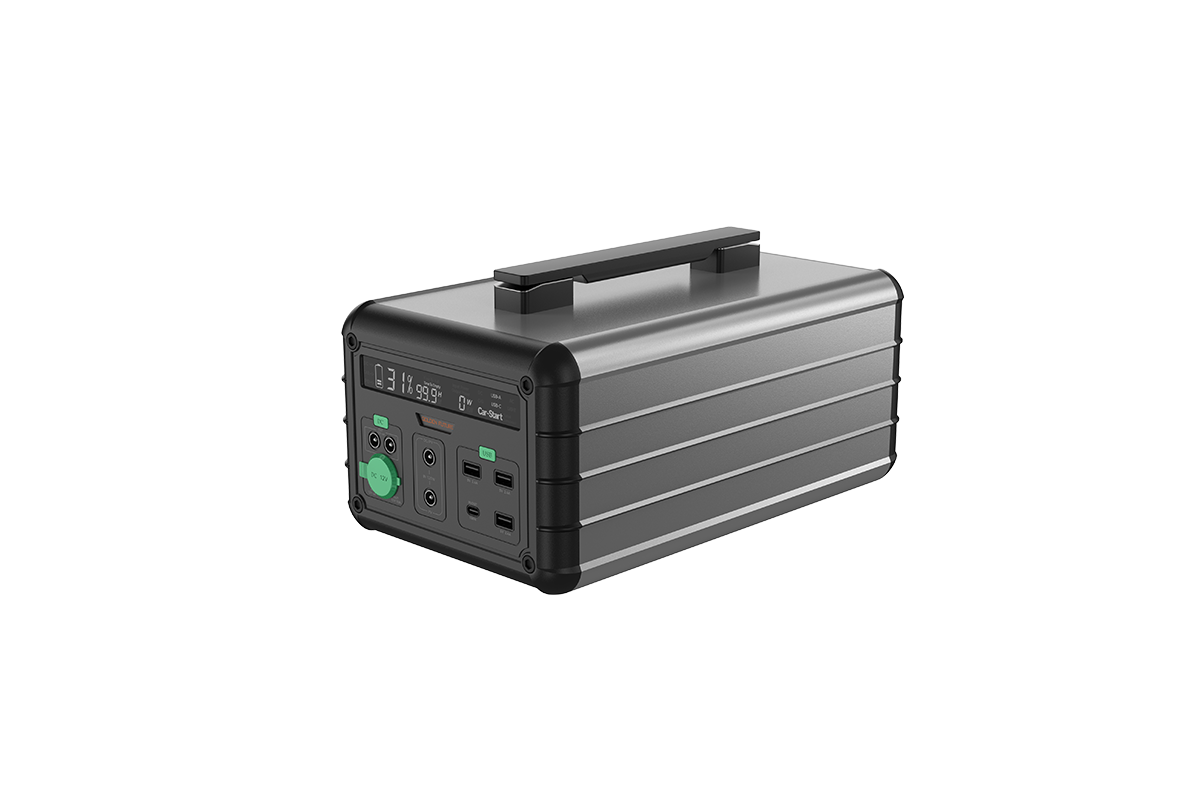
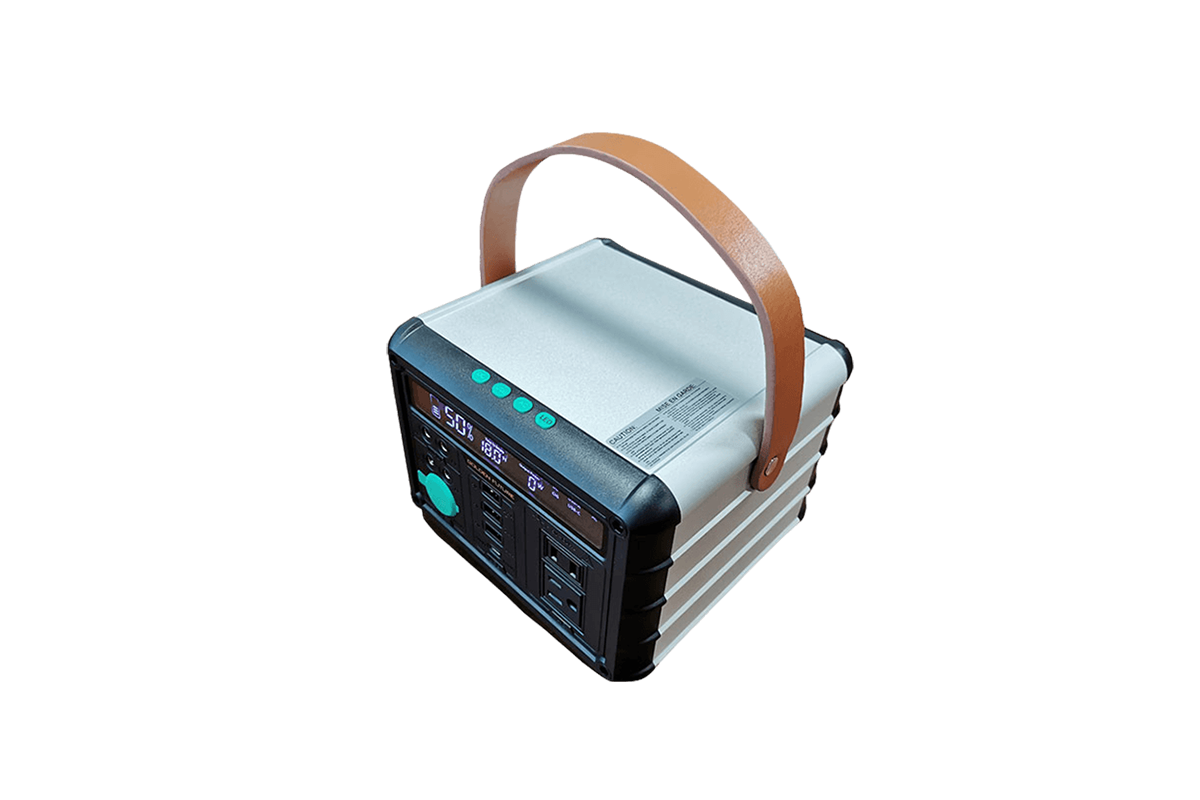
Against the backdrop of frequent extreme weather, intensified grid load fluctuations, popularized outdoor lifestyles and surging demand for commercial temporary power consumption, emergency power outage backup, off-grid independent power supply and mobile continuous power supply have evolved from optional demands to rigid necessities. With the core advantages of lightweight portability, large-capacity energy storage, multi-device compatibility and all-weather availability, emergency portable power station has completely replaced traditional bulky generators, small mobile power banks and fixed backup power supplies, becoming the core equipment for household disaster prevention, outdoor travel, engineering operation, public welfare rescue and commercial event power guarantee. Unlike traditional energy storage devices that focus on single power supply function, users’ current demands for emergency portable power station have achieved an all-round upgrade from "basic power availability" to "safe and stable performance, long-lasting battery life, intelligent adaptation, easy portability and scenario exclusivity". In-depth analysis of user demands, scenario pain points, functional expectations and quality requirements from the perspective of market demand is the core logic for product iteration and upgrading, accurate market matching, breaking industry homogenization competition, and meeting diverse market demands of civil and commercial sectors, as well as the core driving force for the sustained and high-quality development of the portable emergency power station industry.
Throughout the overall market, user demands for emergency portable power station can be divided into four core scenarios: civil household emergency, outdoor leisure travel, commercial engineering operation and public welfare emergency rescue. User groups, power consumption habits, working conditions and functional demands vary significantly across different scenarios, while forming unified basic industry demand standards. According to industry market data, the emergency backup scenario accounts for 38% of the global portable energy storage market, ranking the largest core application segment. With the frequent occurrence of global natural disasters and aging urban power grid equipment, users’ awareness of disaster prevention and power reserve has been fully awakened, and the rigid market demand attribute has been continuously strengthened. Traditional small power banks have small capacity and cannot drive high-power household appliances; fuel generators feature loud noise, high pollution, cumbersome startup and high fuel cost; fixed backup power supplies are immovable with limited scenarios. The shortcomings of traditional equipment further expand the demand gap for high-performance, portable, zero-pollution and full-scenario adaptive emergency portable power station. Current user demands are no longer limited to simple charging functions, but cover seven core dimensions including capacity and battery life, output performance, safety protection, portable adaptation, intelligent experience, environmental adaptation and long-term durability, which comprehensively force product iteration and upgrading.
The household civil emergency scenario is the most core and popular application track for emergency portable power station, where users’ core demands focus on safety and stability, silent long-lasting performance, full-house adaptation and simple operation. Modern households have increasingly diversified electrical equipment. Devices such as refrigerators, air conditioners, routers, lighting systems, smart home devices, oxygen generators and monitoring equipment rely heavily on stable power supply. Sudden power outages will not only cause life interruptions, food deterioration and smart home paralysis, but also trigger emergency problems such as equipment shutdown and inconvenience for families with the elderly, patients and children. Ordinary mobile power banks can only charge small digital products such as mobile phones and earphones, failing to adapt to high-power household equipment and fully meet household emergency power backup needs. Therefore, the primary demand of household users for portable emergency power stations is to be compatible with all categories of household electrical equipment, support AC and DC dual output, adapt to both high and low power household appliances, and realize seamless power continuation during outages. The second priority is safety and mute requirements. For indoor closed household environments, users strictly avoid potential safety hazards such as high-temperature overheating, electric leakage and explosion, and reject the loud noise and exhaust pollution of traditional generators, expecting pure lithium energy storage solutions with low noise, zero emission and stable temperature control. In addition, simple operation, ultra-long standby and intelligent early warning are also core rigid demands of household users. Most household users are non-professionals, requiring one-click startup, automatic voltage stabilization and foolproof operation of equipment, as well as long-term static standby with low loss and intelligent reminder for low power, adapting to the long-term household disaster prevention and power reserve scenarios.
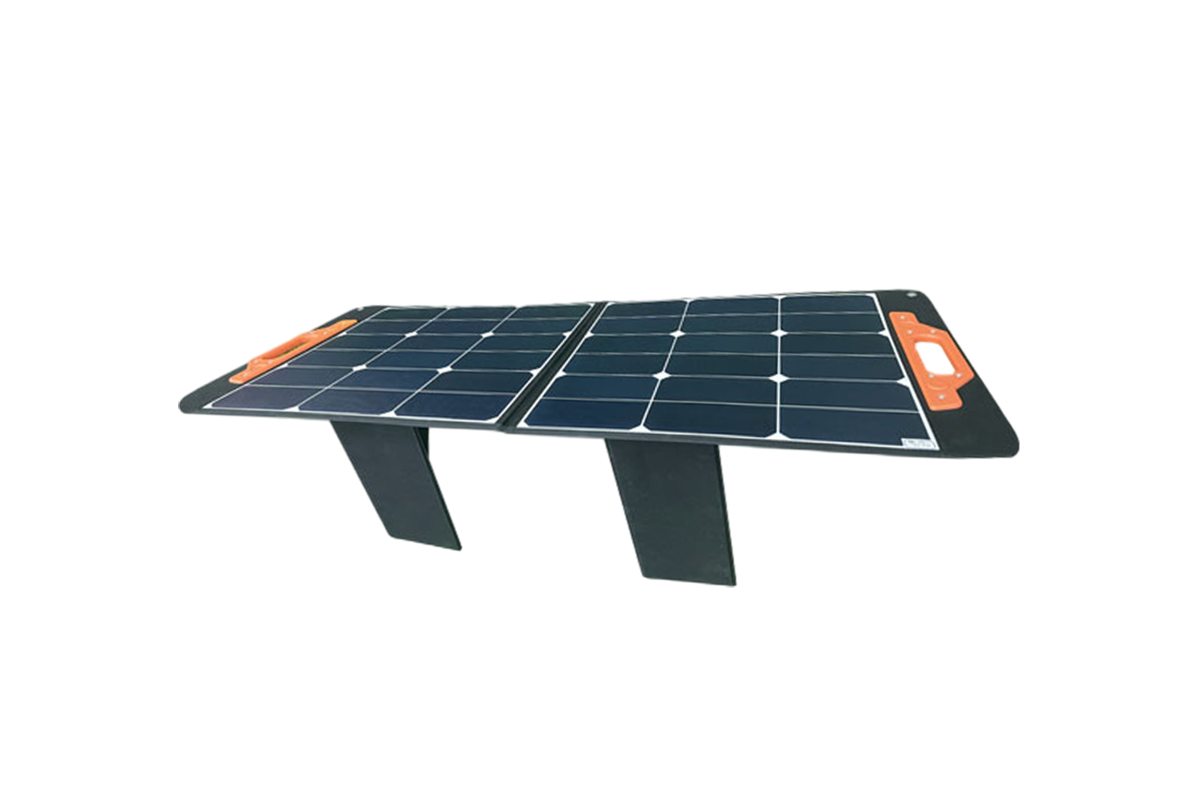
The outdoor leisure travel scenario is the fastest-growing segmented track for emergency portable power station, with users’ core demands centering on lightweight portability, off-grid battery life, multi-mode charging and extreme environment adaptation. With the comprehensive popularization of lightweight outdoor lifestyles such as camping, self-driving crossing, wild fishing, outdoor photography and RV living, users are completely free from the constraints of fixed power grids, and the demand for off-grid continuous outdoor power supply continues to rise. User pain points in outdoor scenarios are distinct: no municipal power supply outdoors, variable ambient temperatures, limited carrying space and diverse charging equipment. Based on this, the primary demand of users for portable emergency power stations is lightweight and portable design, abandoning the bulky and huge drawbacks of traditional energy storage equipment. The device features compact body, moderate self-weight and built-in non-slip handles, which can be easily carried by car or hand to adapt to mobile outdoor travel needs. The second is the demand for long-lasting battery life and multi-energy supplementary supply. Outdoor travel cycles vary in length, and users need large-capacity energy storage to support all-day continuous power consumption of lamps, ovens, electric kettles, projectors, vehicle-mounted equipment and digital products, while supporting multiple charging modes including photovoltaic charging, vehicle charging and municipal charging to realize unlimited outdoor battery life. At the same time, outdoor areas feature large temperature differences, frequent wind and rain, and sand and dust. Users put forward extremely high requirements for the equipment’s high and low temperature resistance, water and dust resistance, and vibration resistance, requiring the device to operate stably under high-temperature exposure, low-temperature severe cold, wind and rain weather, fear no complex outdoor working conditions, and ensure safe and stable outdoor power consumption throughout the journey.
The commercial and engineering operation scenario is the high-value-added core track for emergency portable power station, where users’ demands focus on high-power stable output, continuous full-load operation, overload protection and efficient adaptation. Commercial scenarios such as outdoor construction, garden operation, temporary stall operation, exhibition activities, outdoor live broadcasting and surveying and mapping generally face problems including difficult temporary power consumption, cumbersome wired power supply, unstable municipal voltage and potential safety hazards of long-distance wiring. Traditional wired power supply not only has high construction cost and messy wiring, but also is prone to electric leakage, tripping and voltage fluctuation, affecting construction progress and operation safety. Fuel generators suffer from noise disturbance to residents, high fuel consumption cost and unstable startup, making them unable to adapt to no-noise areas such as urban business districts, residential areas and scenic spots. Therefore, the core demand of commercial engineering users for emergency portable power station is high-power pure sine wave stable output with pure voltage waveform and high voltage stabilization accuracy, which can drive high-power construction tools, live broadcasting equipment, commercial lighting and refrigeration equipment, avoiding equipment failure and operation interruption caused by unstable voltage. Meanwhile, the equipment is required to support 24-hour continuous full-load operation and be equipped with comprehensive protection mechanisms for overload, short circuit and over temperature, adapting to high-frequency and high-intensity commercial operation conditions and effectively reducing equipment failure rate and operation loss. In addition, fast charging and discharging, simultaneous output of multiple interfaces and compatibility with multi-device parallel use are also core demands of commercial users, which can greatly improve temporary power supply efficiency and reduce commercial power consumption costs.
The public welfare rescue and emergency support scenario is the most rigid functional track for emergency portable power station, with users’ demands focusing on extreme working condition adaptation, rapid response, safety and reliability, and long-lasting battery life. In disaster rescue scenarios such as earthquakes, floods, typhoons and rainstorms, the power grid is completely paralyzed with harsh environments and uncertain rescue durations. Emergency power is the core guarantee for communication, lighting, medical rescue and equipment transfer, which directly determines rescue efficiency and life support capability. User demands in rescue scenarios are extremely special and stringent. Firstly, the equipment is required to have extreme environment adaptation capability, capable of normal startup and operation under extreme working conditions such as rainwater immersion, low temperature, high temperature, sand and dust, and severe vibration, with water and dust resistance, drop and compression resistance to adapt to complex disaster site environments. Secondly, the equipment needs rapid startup, zero-delay power supply and zero-pollution operation, no fuel supply required, and can output stable power immediately after startup to ensure the continuous operation of rescue walkie-talkies, lighting equipment, medical emergency equipment and monitoring equipment. At the same time, rescue operations last for a long time, requiring the equipment to have low self-loss and long-term power storage, support long-term continuous power supply, and be equipped with multi-layer safety protection to avoid secondary safety accidents such as equipment fire, electric leakage and explosion at disaster sites, providing safe and reliable power support for emergency rescue, post-disaster resettlement and on-site guarantee.
In addition to exclusive demands of segmented scenarios, market users have formed unified general core demands covering four dimensions: safety quality, intelligent experience, durability and cost performance, which have become universal criteria for evaluating the quality of emergency portable power station products. In terms of safety quality, all users reject low-end products with falsely marked capacity, inferior cells and simple protection, and generally demand lithium iron phosphate safety cells, multiple intelligent protections, flame-retardant body and overvoltage and overcurrent protection to avoid potential safety hazards from the hardware source. In terms of intelligent experience, users expect high-definition digital display of power, power and temperature data, supporting mobile phone APP interconnection, remote monitoring, intelligent voltage regulation and fault early warning to realize visualized and intelligent power management. In terms of durability, users demand products with long cycle life, slow cell attenuation, wear-resistant and crash-proof body, no failure or power loss after long-term use, and reduced replacement cost. In terms of cost performance, users no longer simply pursue low prices, but pay more attention to the comprehensive cost performance of "real standard capacity, stable performance, reliable quality and perfect after-sales service", reject short-term use hidden dangers of low-cost inferior products, and prefer high-quality products with long durability, wide adaptability and comprehensive functions.
Judging from the current market demand trend, users’ demands for emergency portable power station are comprehensively upgrading from "single-function rigid demand" to "refined, intelligent, scenario-based and green". The demand for green clean energy continues to rise, and users have a high preference for photovoltaic energy storage, zero-pollution and low-energy-consumption green power supply products, promoting product iteration towards new energy self-adaptation. Intelligent demands are continuously deepening, and functions such as automatic voltage regulation, intelligent dormancy, load self-adaptation and cloud management have become core bonus items for user selection. Segmented scenario demands are continuously refined, and exclusive customized products such as household silent models, outdoor lightweight models, engineering high-power models and rescue high-protection models have become the mainstream market development direction. Homogeneous, generalized and single-functional low-end products can no longer adapt to the current diversified and refined user demands. Only products that deeply fit the core pain points of users in full scenarios, accurately match segmented demands and continuously iterate and optimize can gain a firm foothold in the fierce market competition.
In the future, with the continuous improvement of users’ emergency disaster prevention awareness, the continuous heating up of the outdoor economy and the continuous expansion of commercial temporary power consumption scenarios, the market demand for emergency portable power station will maintain steady growth. Meanwhile, users’ requirements for product safety level, battery life, intelligence, portability and extreme adaptability will become increasingly stringent. Taking user demands as the orientation to optimize product capacity configuration, output performance, safety system, structural design and intelligent functions, and continuously solving users’ core pain points such as power outage anxiety, difficult outdoor power consumption, unstable temporary power consumption and unsafe emergency power consumption will become the core main theme for the sustainable development of the portable emergency power station industry. Relying on accurate demand matching and continuous product innovation, emergency portable power station will fully cover civil, commercial, rescue and outdoor power consumption scenarios in all fields, and continuously provide safe, stable, convenient and green mobile emergency energy storage solutions for all types of users.




 59911926@qq.com/sales@goldenfuturehk.com
 13316809242 / 15816897019
 Inquiry
 Home >