






Time:2025-12-03 Views:1
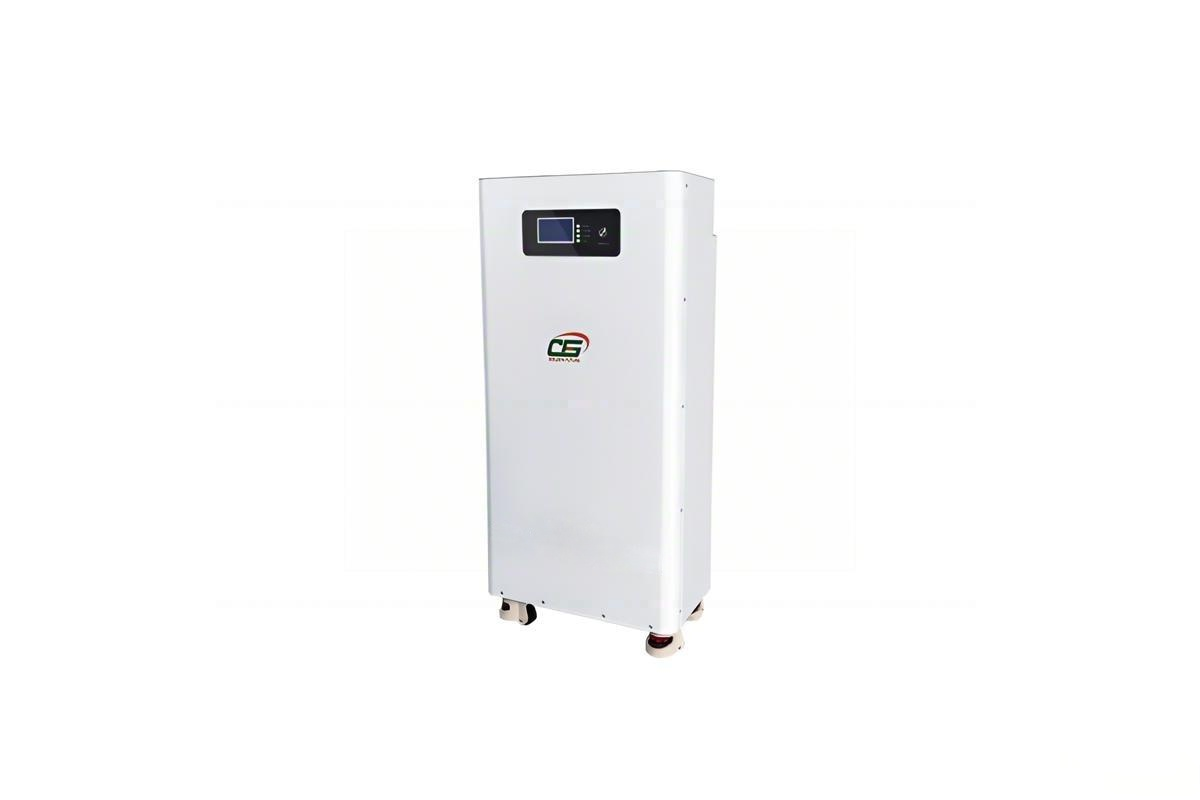
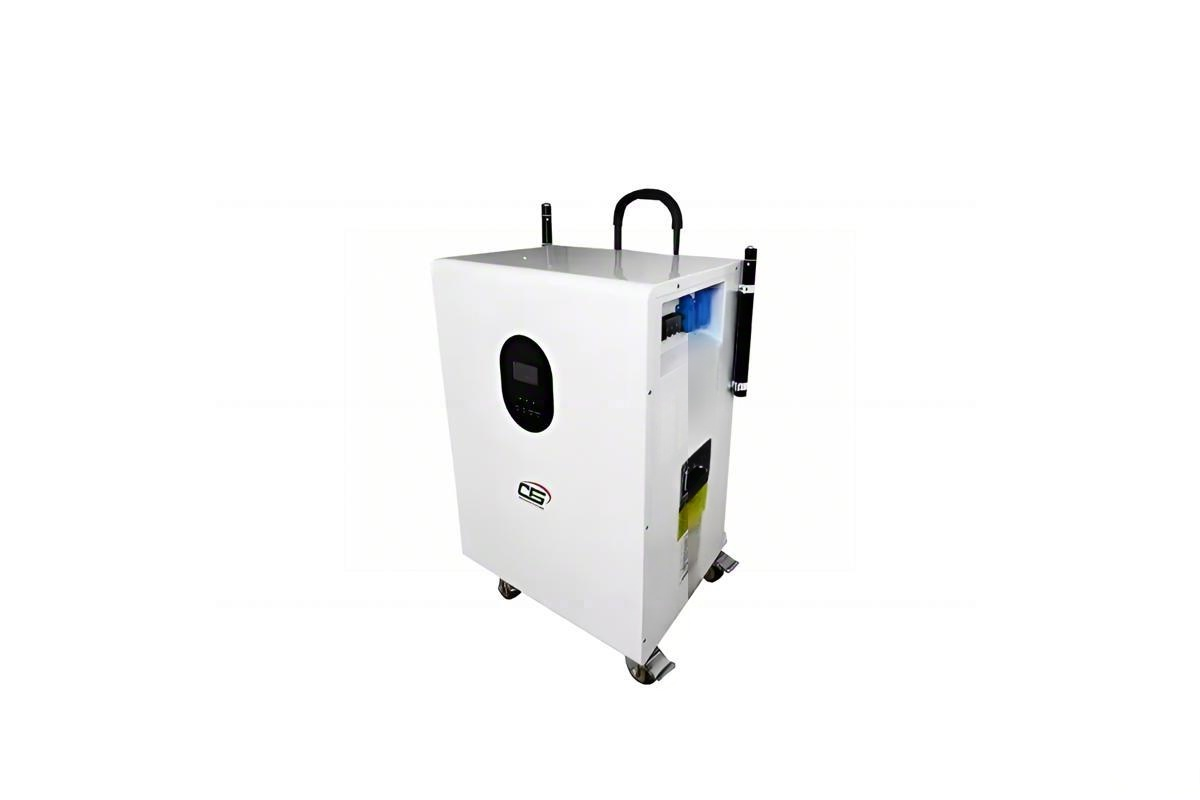
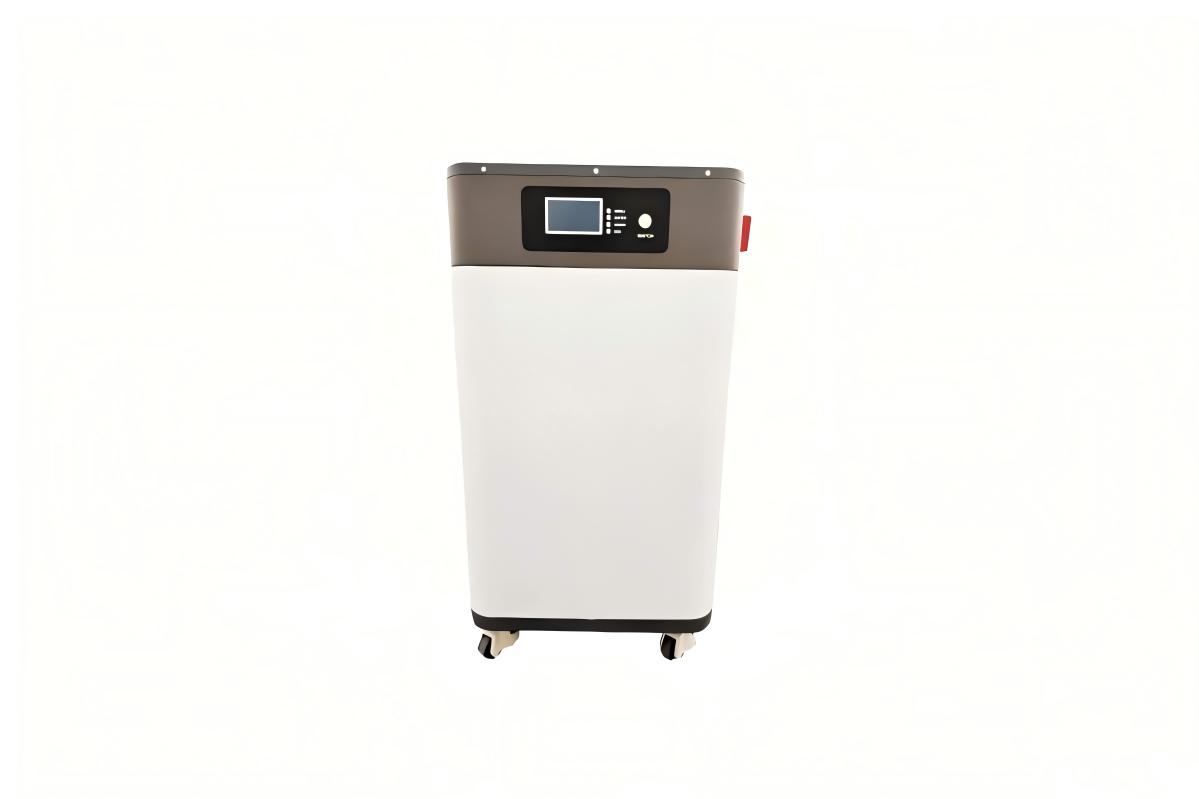
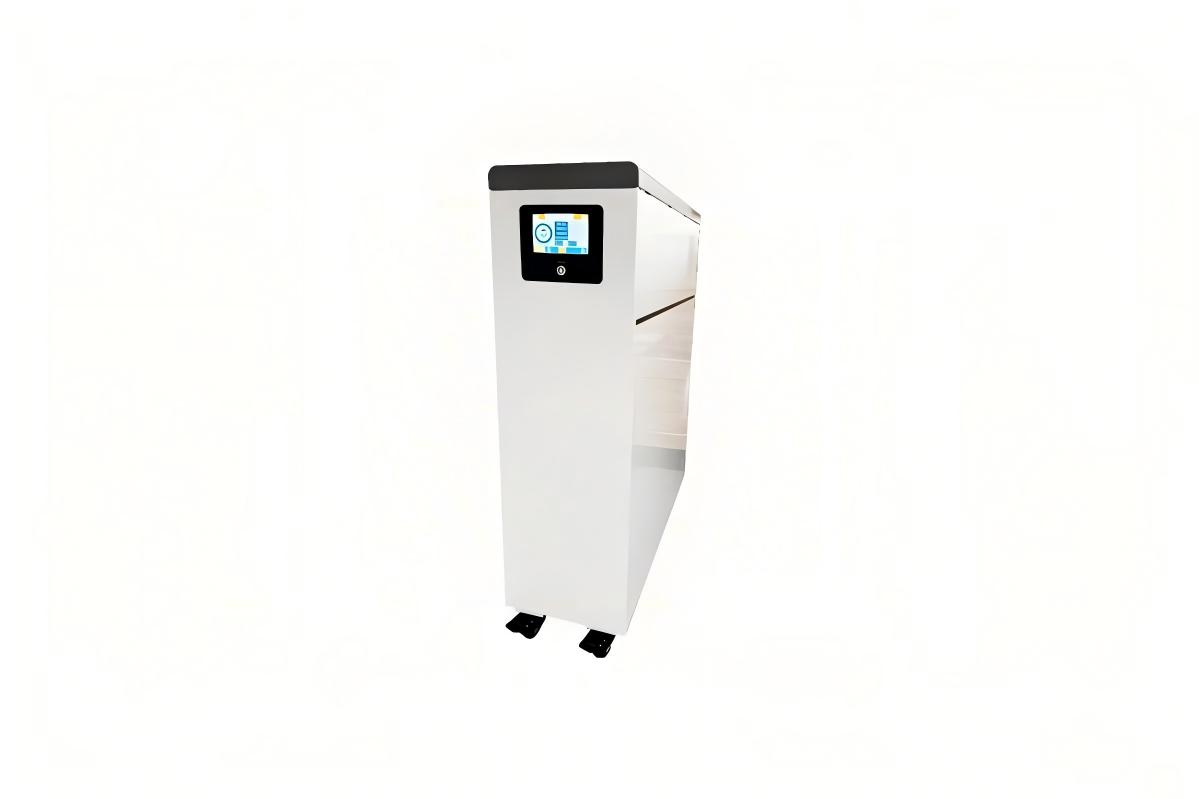
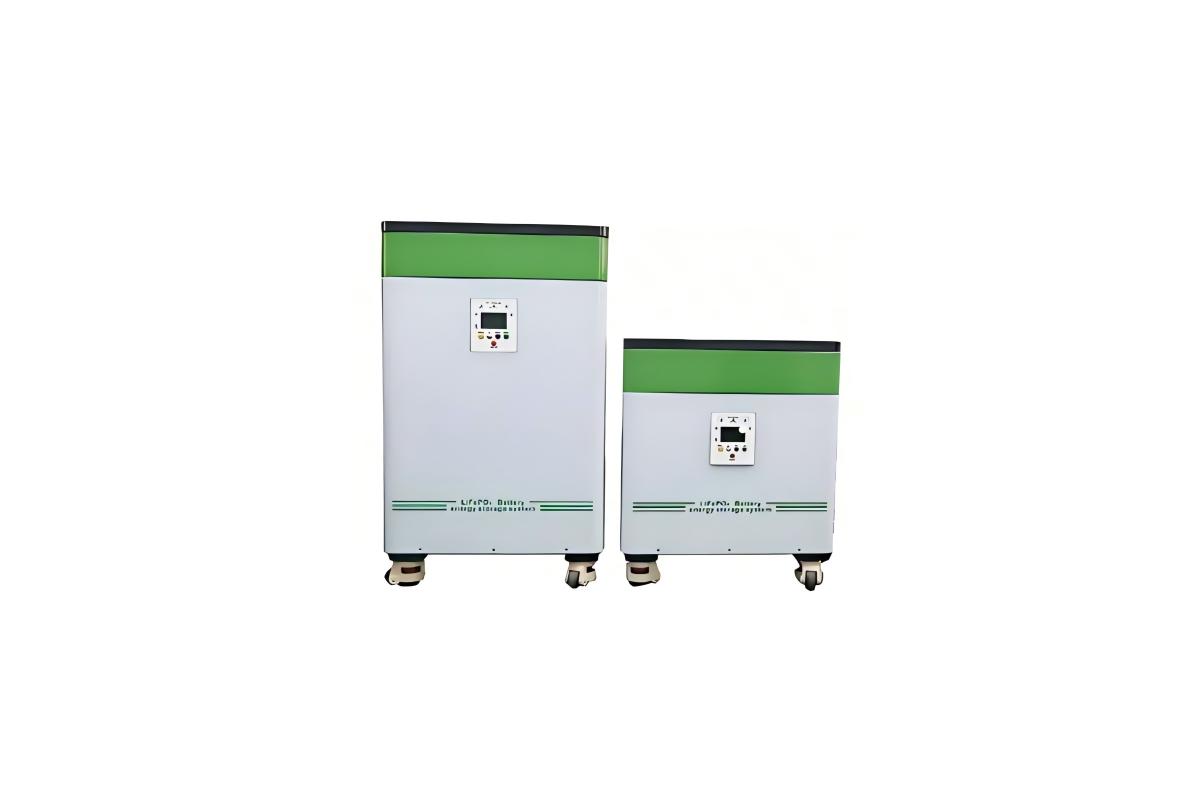
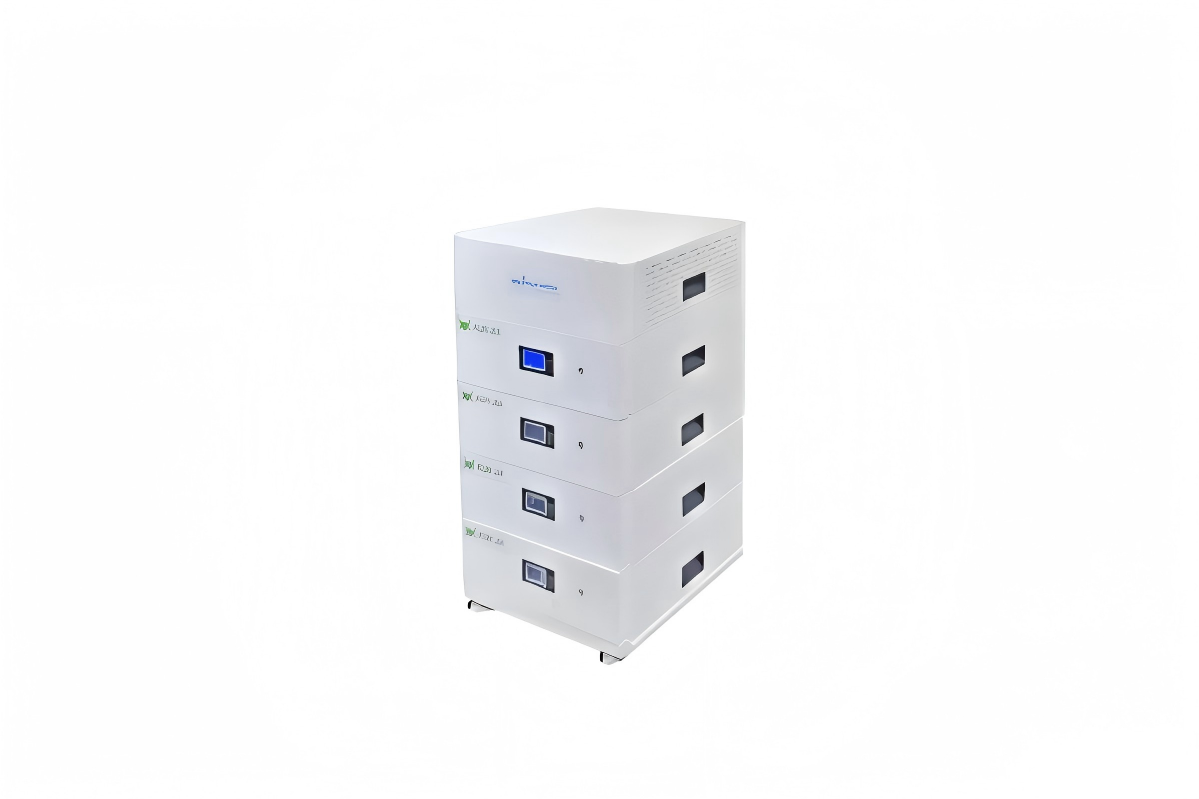
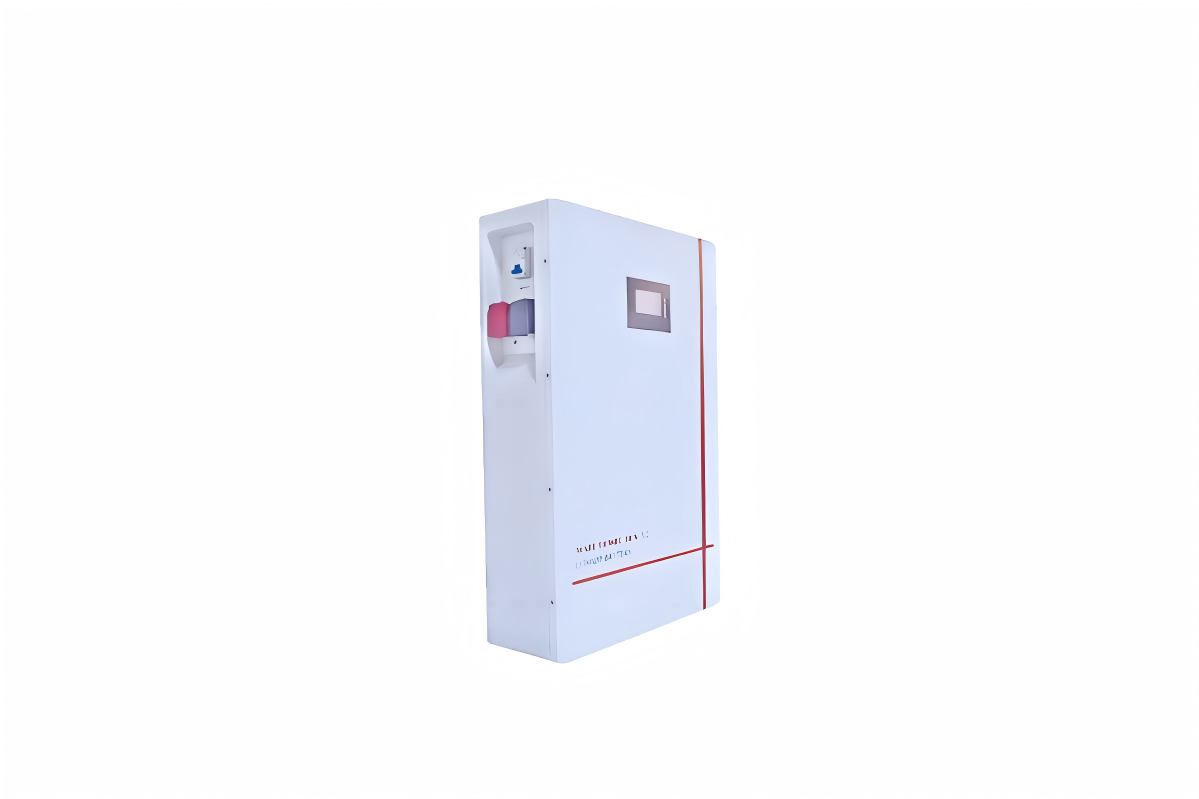
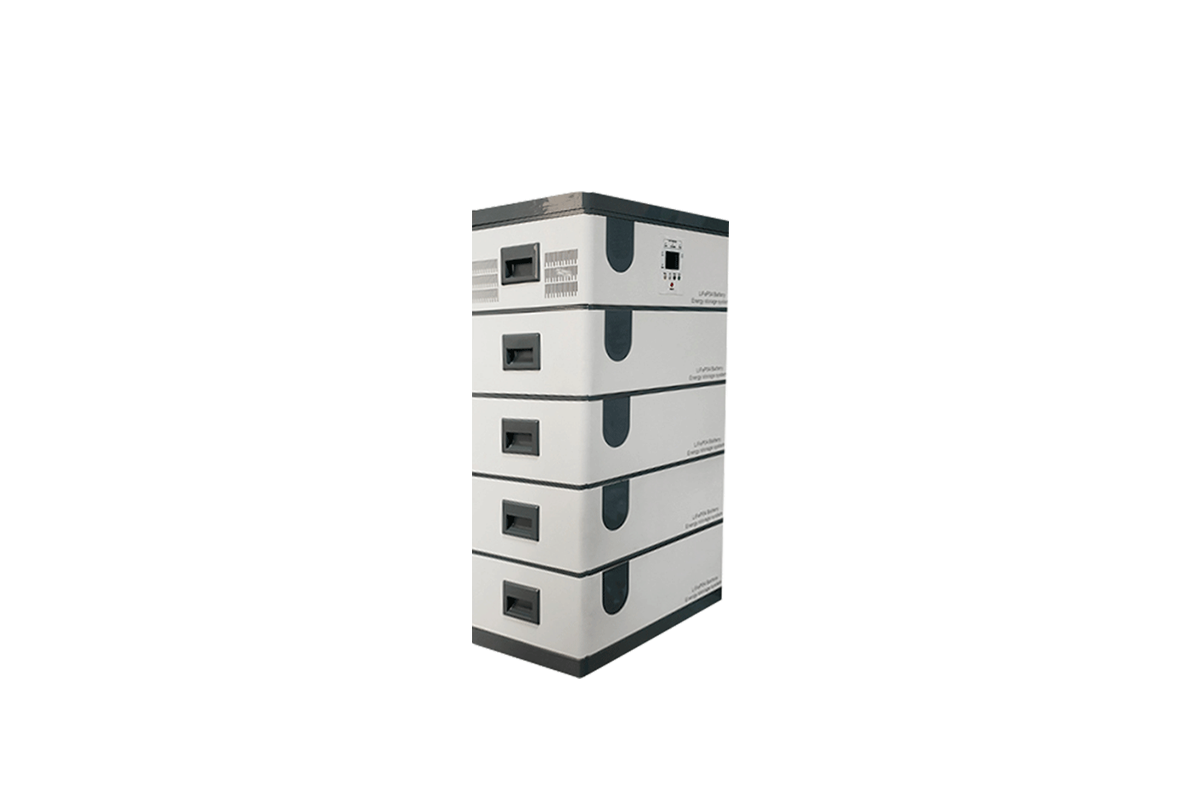
common solid-state batteries represent a breakthrough in energy storage technology, offering significant improvements over conventional lithium-ion batteries in terms of safety, energy density, and performance. Unlike traditional batteries that use liquid electrolytes, solid-state batteries employ a solid electrolyte—typically made of ceramic, polymer, or a composite material—which eliminates the risk of electrolyte leakage and thermal runaway, a major safety concern with liquid-based batteries. This solid electrolyte also enables the use of high-capacity electrode materials, such as lithium metal anodes, which dramatically increase the battery’s energy density, allowing for longer runtime and smaller, lighter designs.
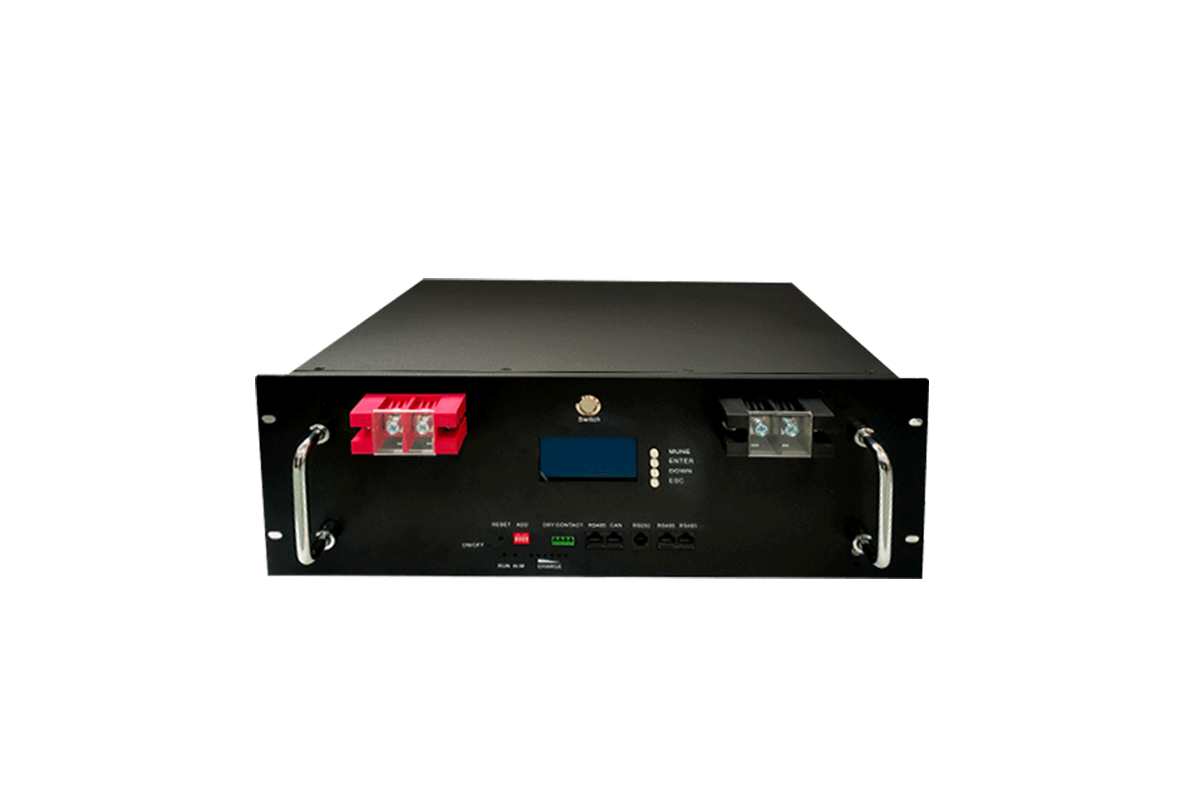
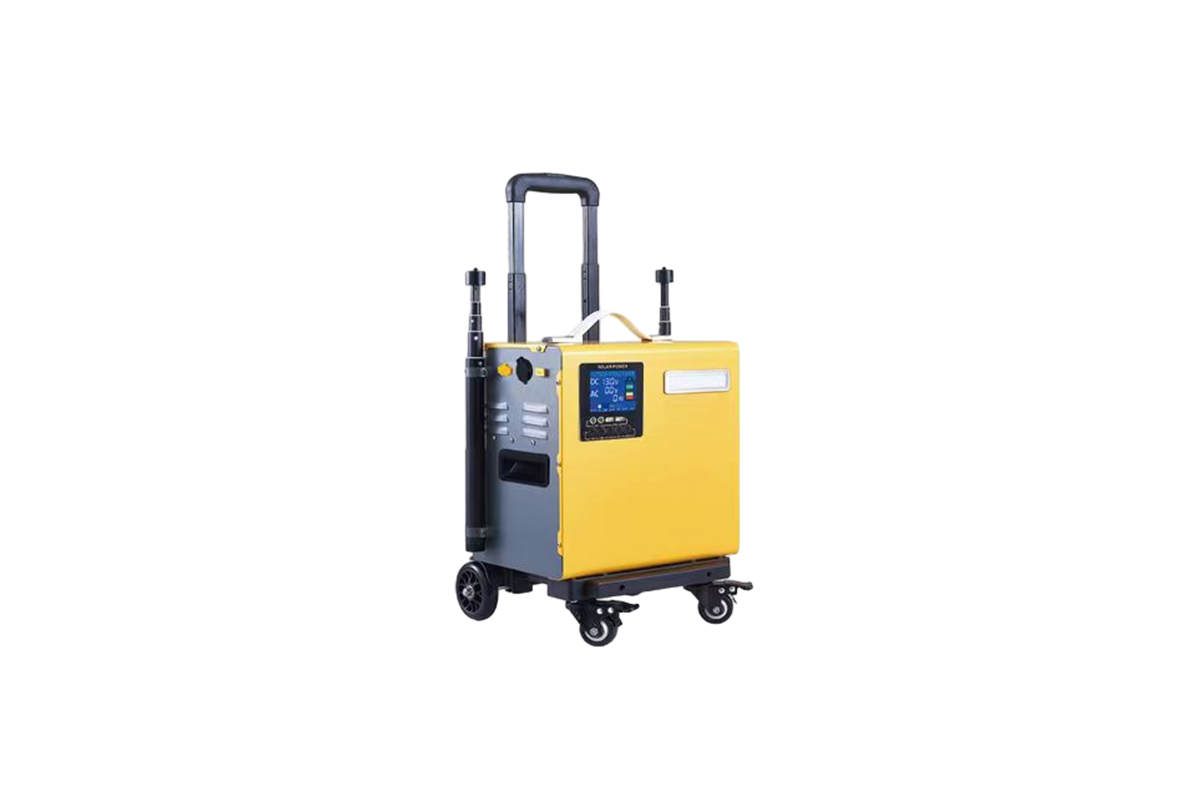
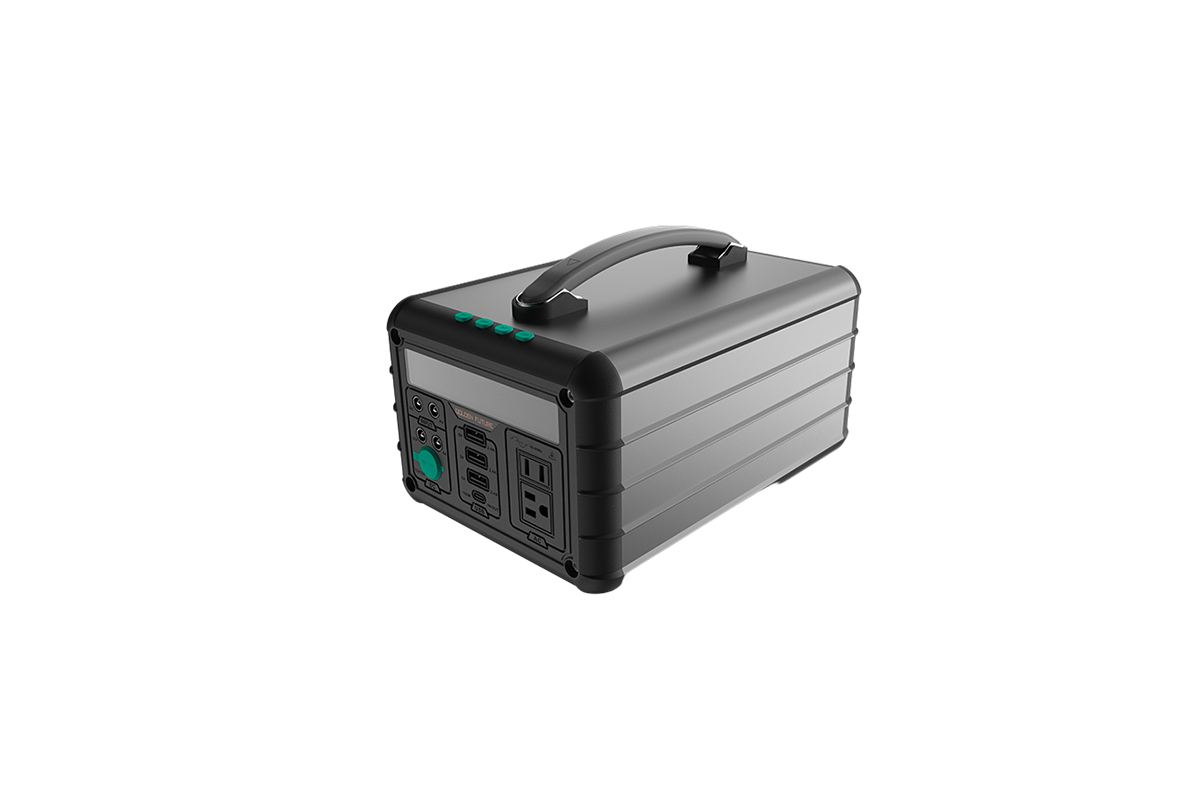
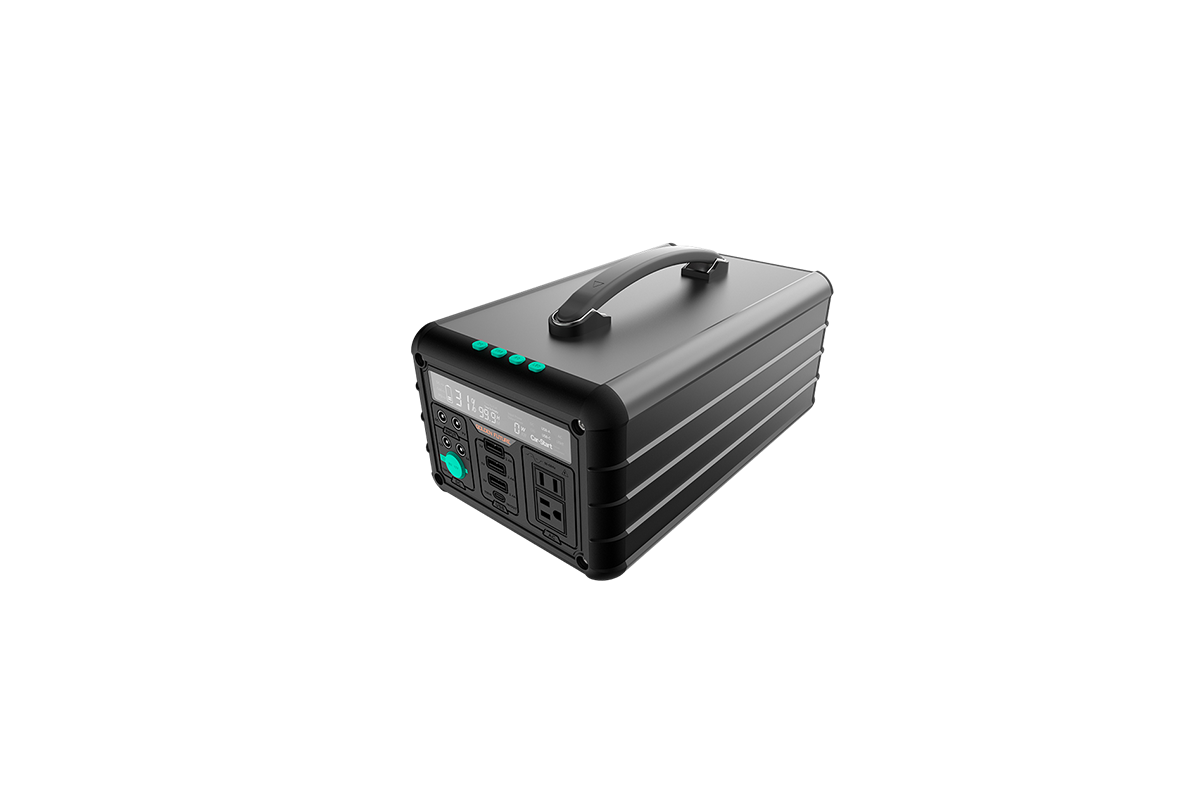
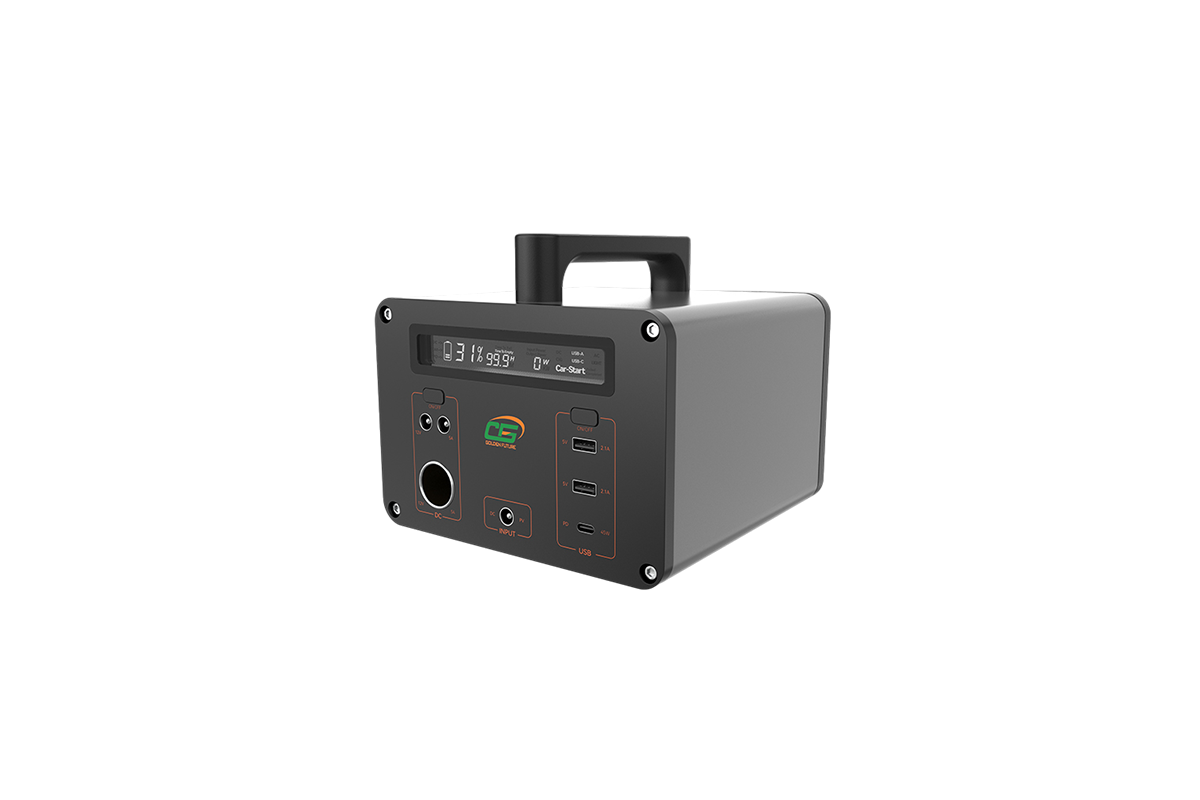
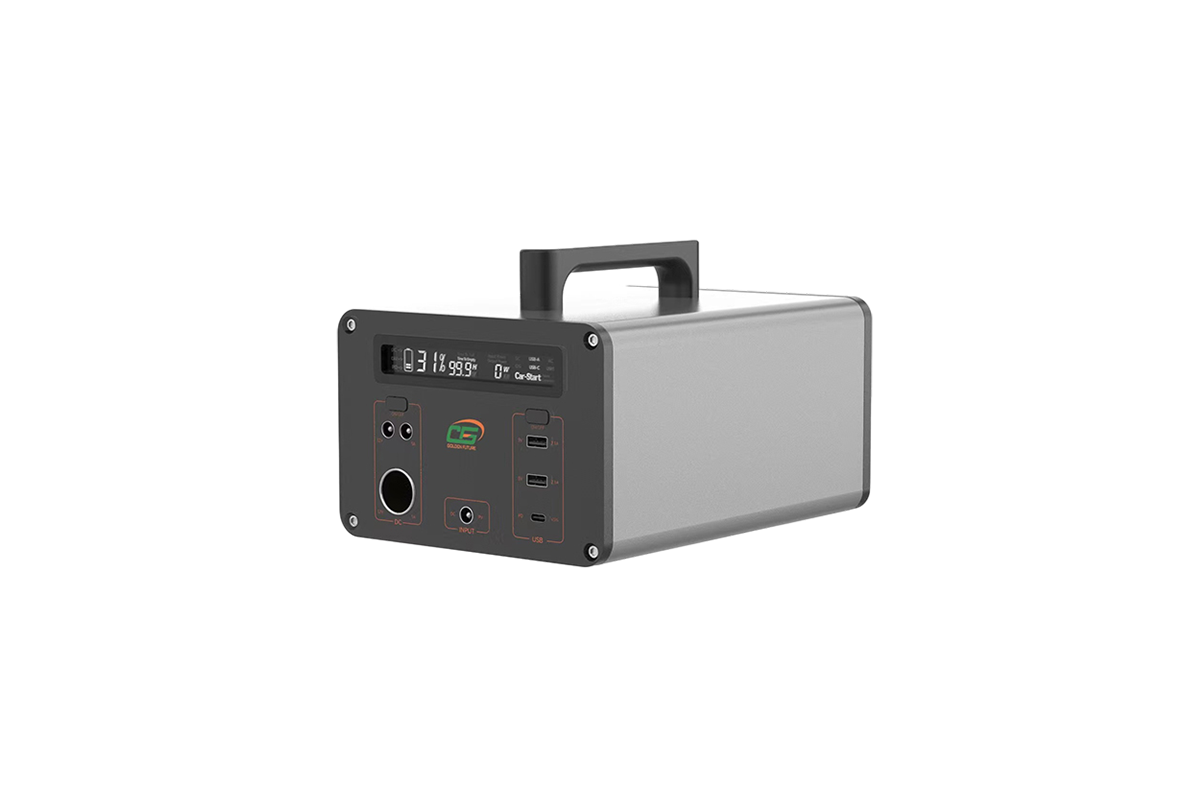
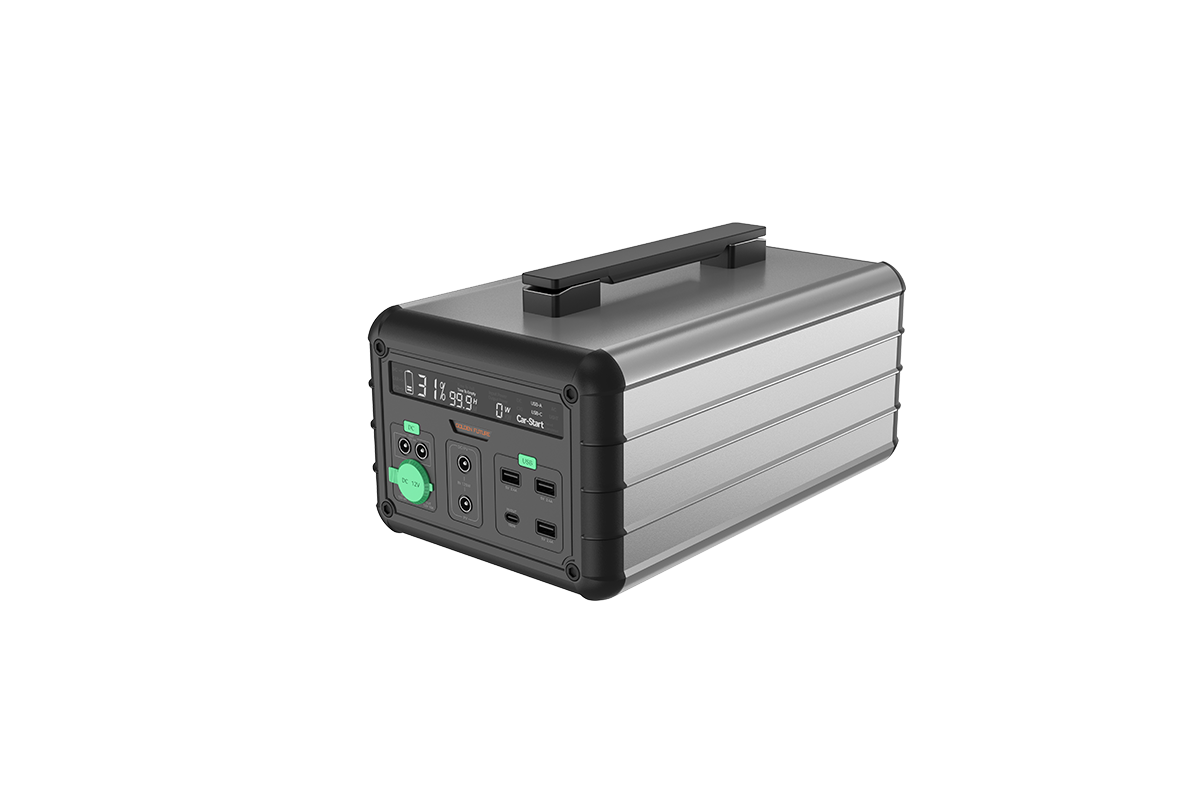
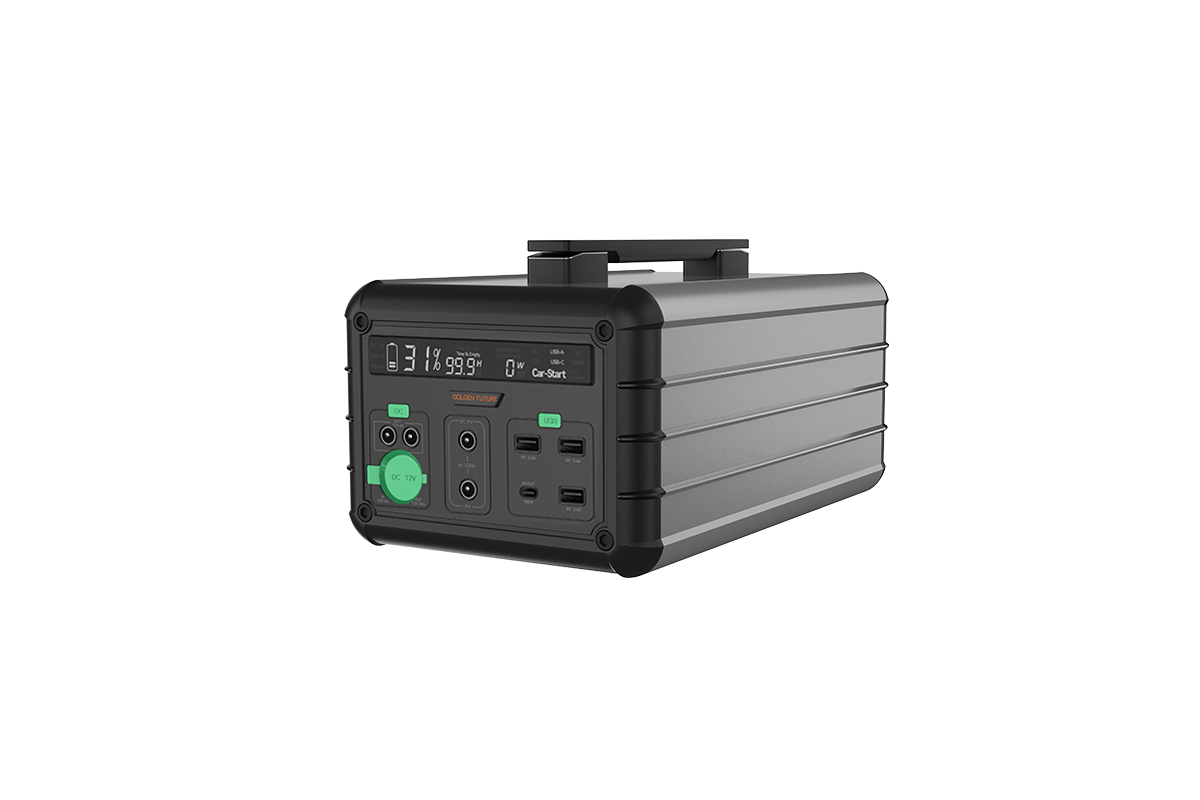
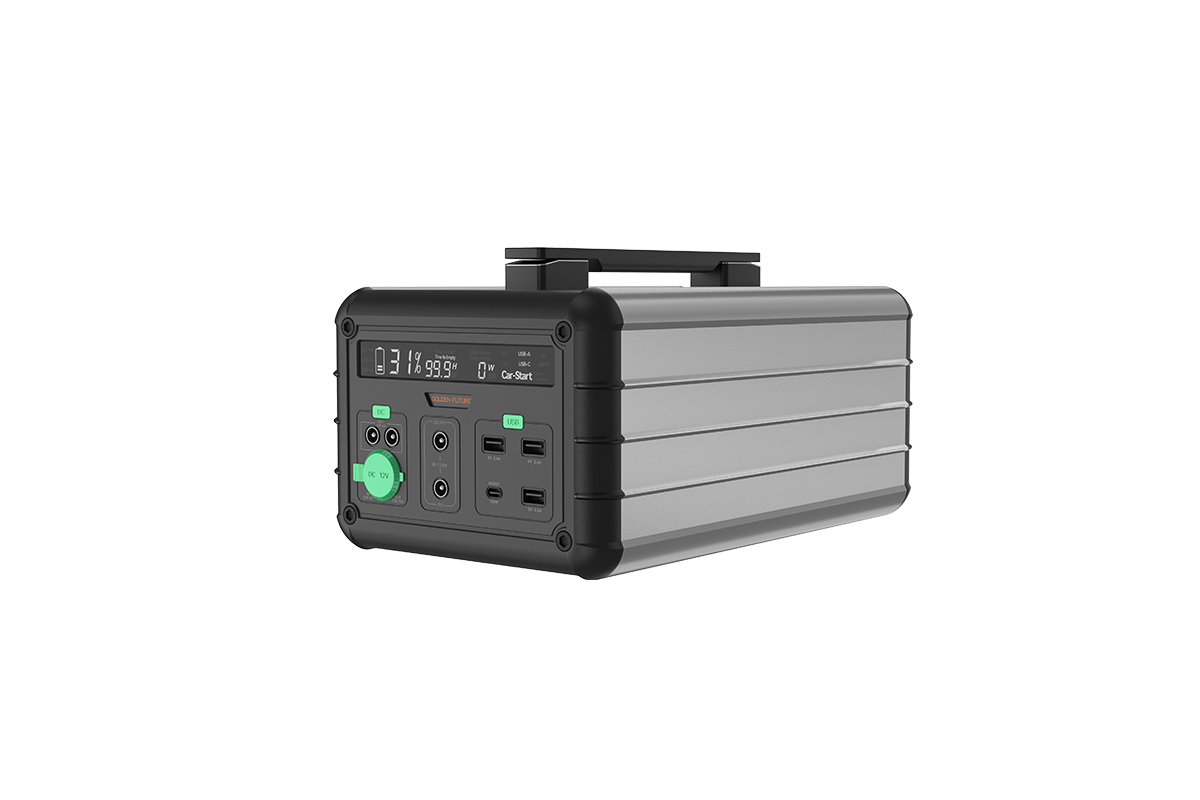
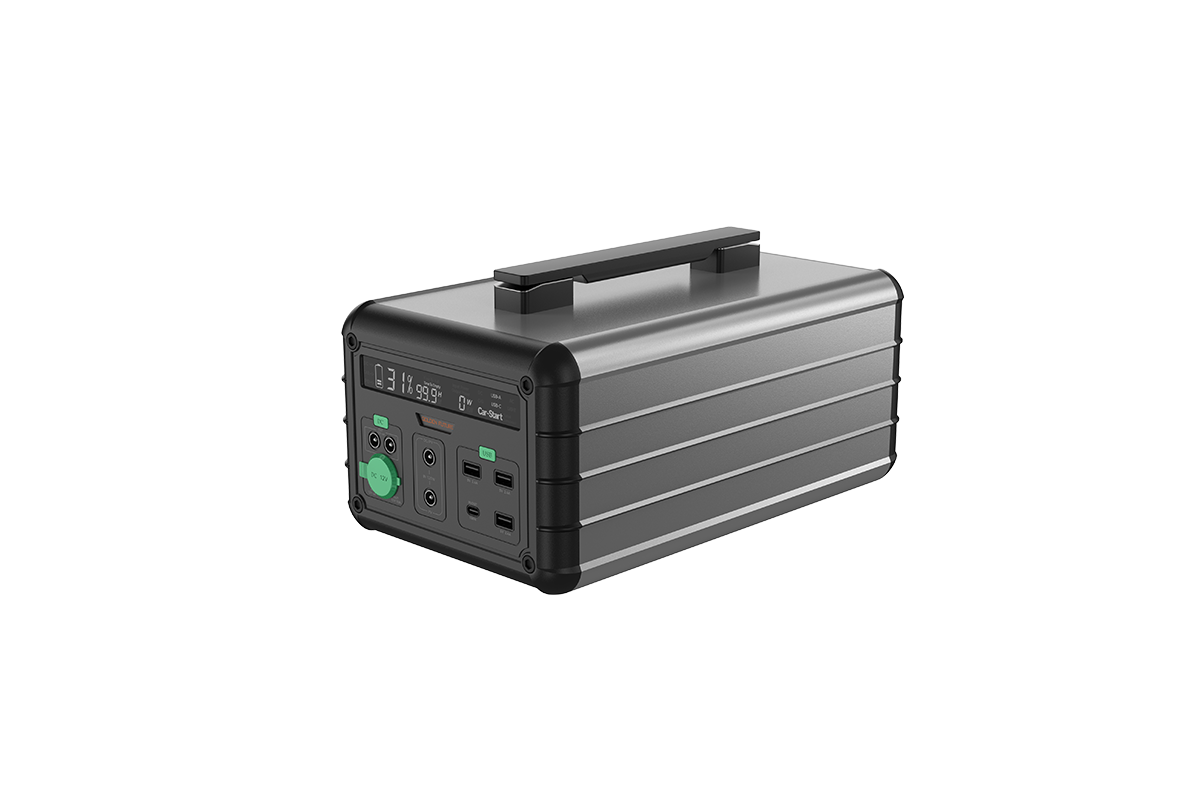
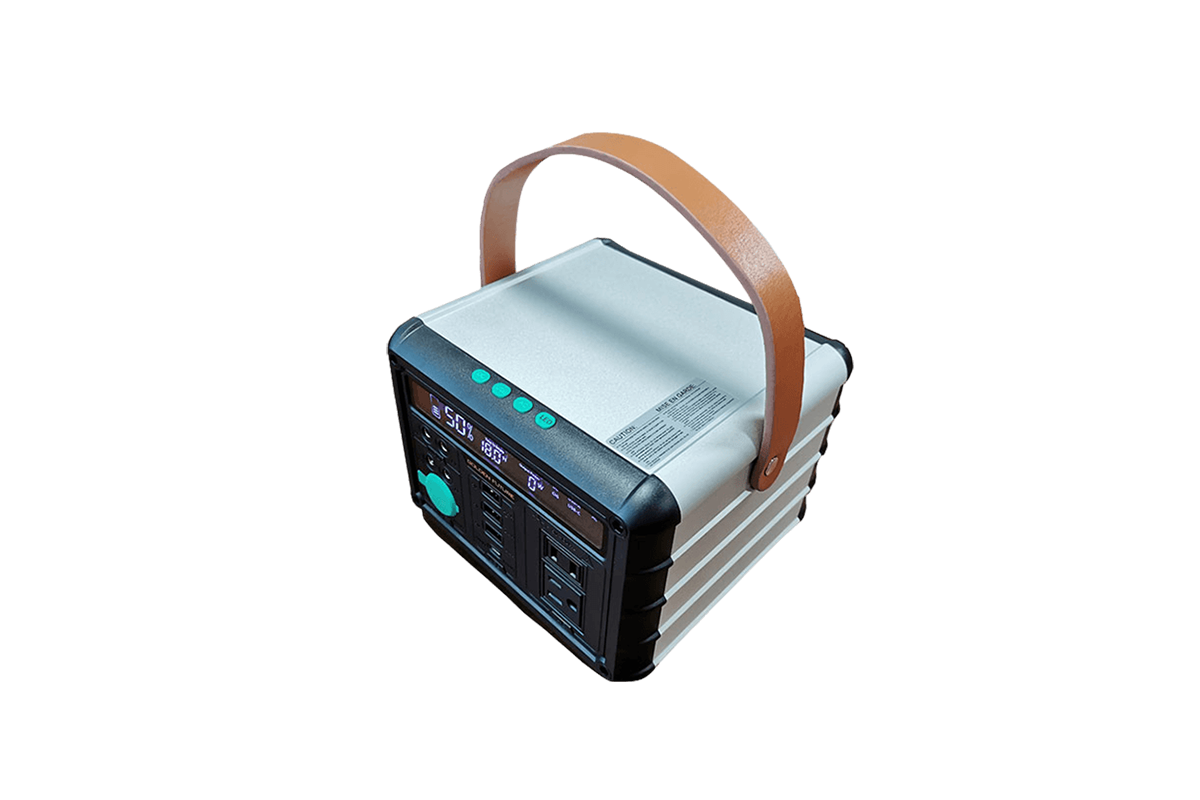
In the context of portable energy and emergency powered stations, common solid-state batteries offer transformative benefits. Their higher energy density means that portable power stations can store more energy in the same physical space, extending the runtime of essential devices during emergencies or outdoor trips. Additionally, their enhanced safety makes them ideal for use in homes, vehicles, and remote locations, where the risk of battery-related accidents must be minimized. we focus on optimizing solid-state battery technology has also led to improvements in charging speed, with some prototypes capable of recharging to full capacity in a fraction of the time required by traditional Li-ion batteries. As the technology matures and production costs decrease, common solid-state batteries are poised to revolutionize the energy storage industry, setting a new standard for portable and emergency power solutions.




 59911926@qq.com/sales@goldenfuturehk.com
 13316809242 / 15816897019
 Inquiry
 Home >