





Time:2025-12-04 Views:1
A Comprehensive Guide to Ultra-portable Energy Storage Power Supplies
1. Definition and Core Differentiation
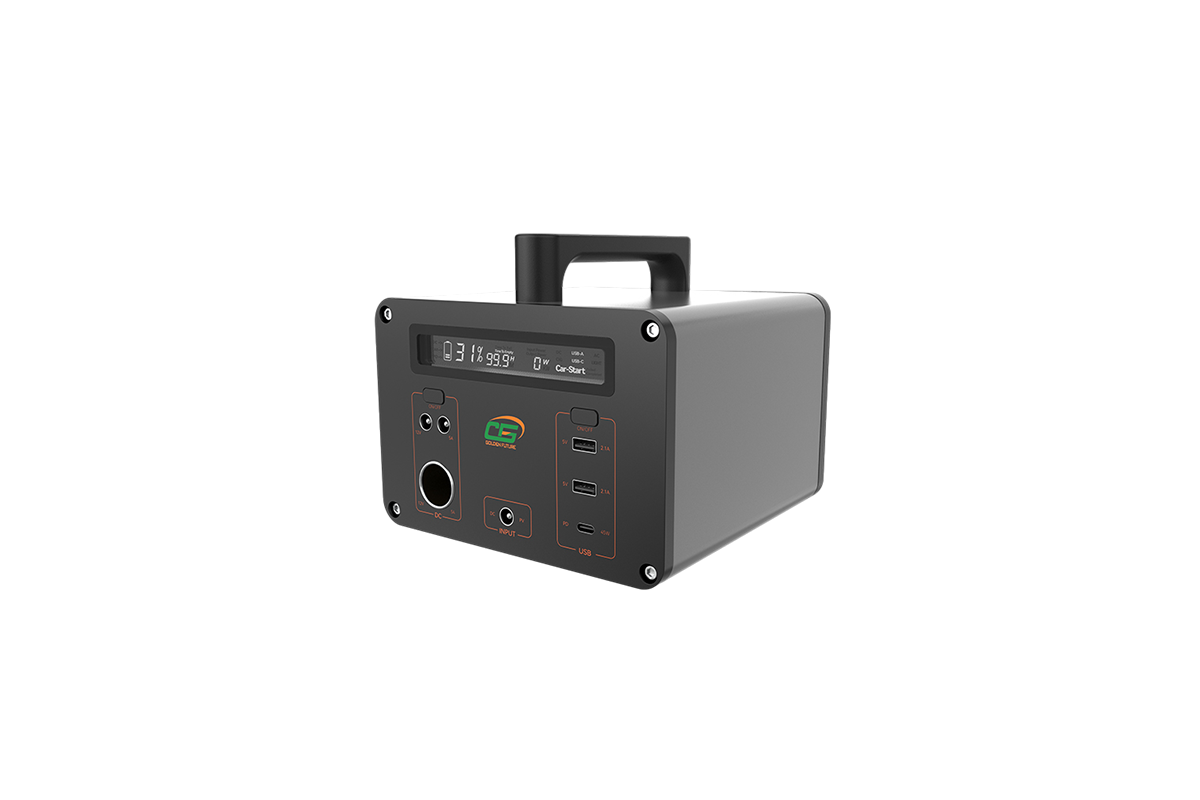
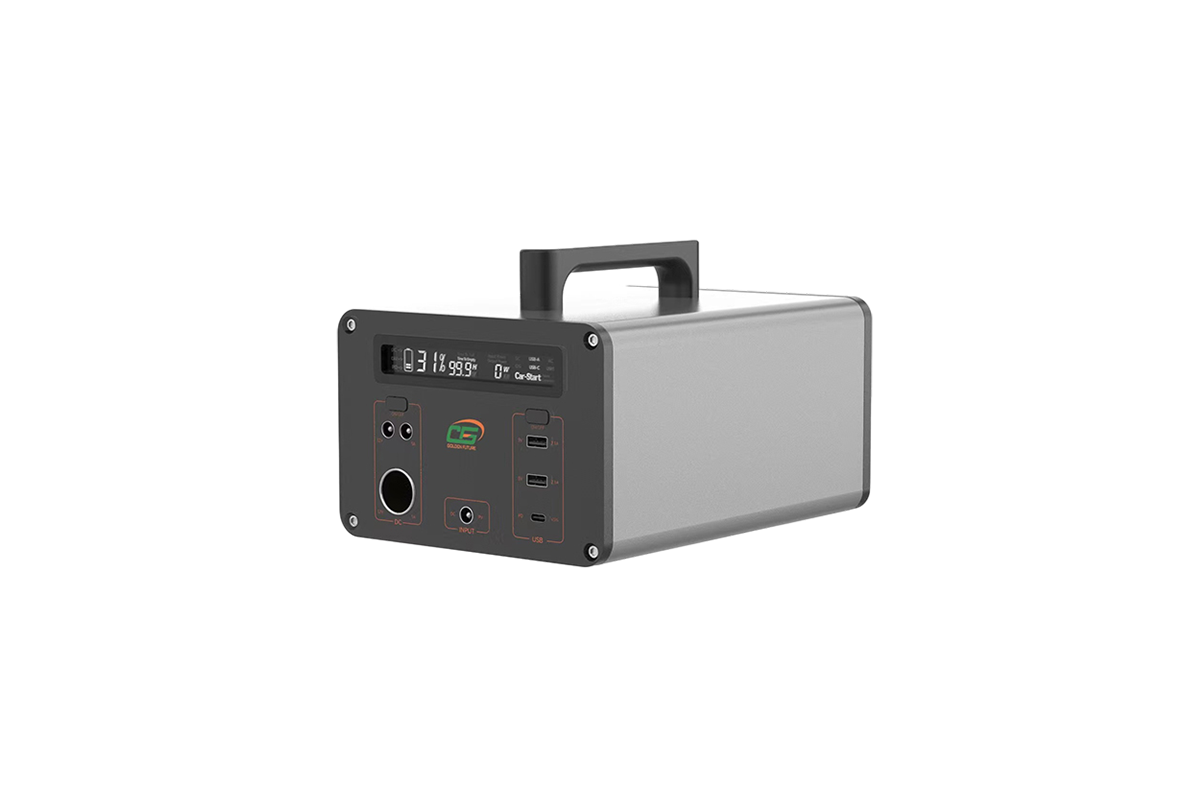
An ultra-portable energy storage power supply is a miniaturized energy storage device that prioritizes extreme portability while retaining essential electricity storage and output capabilities. Unlike compact models (4-5L volume, 5-8kg weight) or lightweight models (5-15kg weight), it pushes miniaturization to the limit: typically with a volume of less than 3L (equivalent to a large thermos or a thick hardcover book) and a weight of 1-3kg (lighter than most 13-inch laptops). Its core positioning solves the "on-the-go power gap"—scenarios where even small backpacks are cumbersome, and traditional power banks lack sufficient capacity for medium-power devices (e.g., laptops, mini fans).
Capacity-wise, it usually ranges from 100Wh to 500Wh—enough for daily digital devices but more compact than compact models (200-800Wh). It bridges the divide between low-capacity power banks (≤30Wh) and bulkier portable energy storage systems, making it the "pocket-sized power station" for instant, on-demand electricity.
2. Core Design Features for Extreme Portability
2.1 Miniaturized Component Integration
Micro-sized Core Components: Adopts ultra-slim lithium-ion battery cells (e.g., prismatic 18650 or 21700 cells with a thickness of ≤10mm) and integrated micro-inverters (volume reduced by 40% compared to standard inverters). For example, a 200Wh ultra-portable model can fit into a large jacket pocket, with dimensions similar to a 1L water bottle (φ12cm × 25cm).
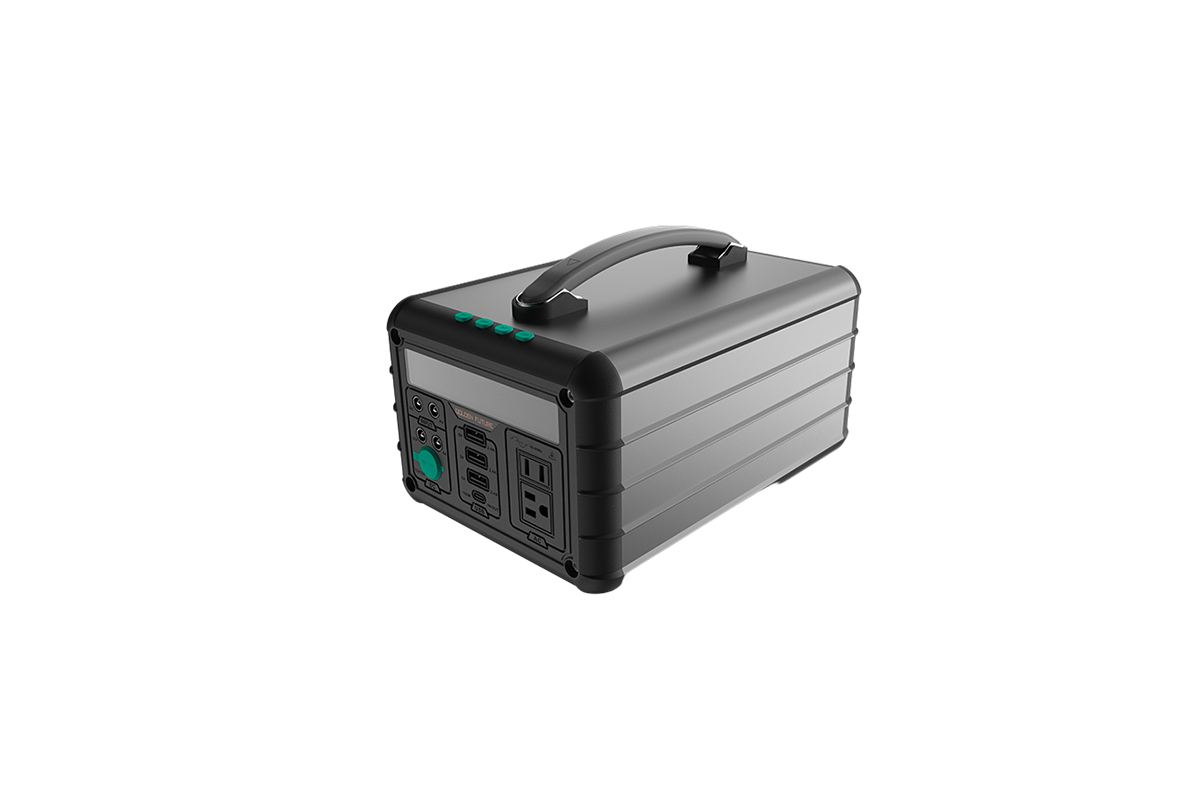
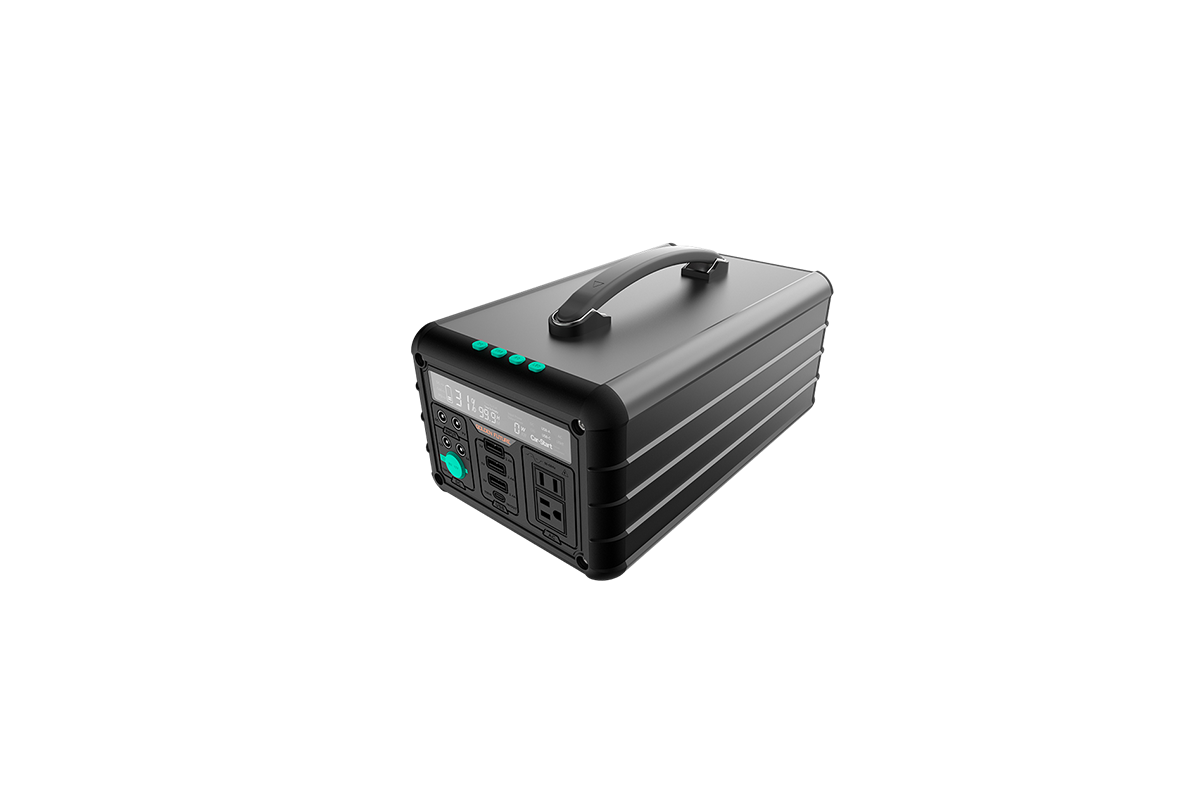
Simplified, Multi-functional Interfaces: Omits redundant ports to save space—typically includes 1-2 AC sockets (100-220V, 100-300W output for small devices like laptops), 2-3 USB-C/USB-A ports (5-20V for smartphones, tablets), and a built-in LED flashlight (for emergency use). Some models integrate foldable plugs (for AC charging) to avoid protruding parts.
2.2 Ultra-lightweight Material Innovation
High-Strength Micro-Materials: Uses aerospace-grade polycarbonate (PC) or glass fiber-reinforced plastic (GFRP) for casings—these materials are 20% lighter than ABS plastics while withstanding drops from 1.5 meters. For instance, a 300Wh model with a GFRP casing weighs only 1.8kg, compared to 2.5kg for an ABS-cased equivalent.
Thin-Wall Structural Design: Employs precision injection molding to create casings with a wall thickness of 1-1.5mm (50% thinner than compact models), while adding internal rib structures to maintain rigidity. This reduces overall volume without compromising durability.
2.3 Low-Power Operation Optimization
Intelligent Energy Management: Equipped with high-efficiency power management chips (PFC ≥ 0.95) that minimize standby power consumption (≤0.5W/h)—a 200Wh model can sit idle for 30+ days without significant power loss. When powering low-demand devices (e.g., a smartphone), it automatically switches to "micro-load mode" to avoid energy waste.
Fast Self-Charging: Supports high-speed charging via USB-C PD (30-60W) or AC fast charge (60-100W). A 200Wh model can charge from 0-100% in 1-1.5 hours using a standard laptop charger, eliminating long wait times for on-the-go use.
3. Application Scenarios Leveraging Extreme Portability
3.1 Daily On-the-Go Use
Commuter Essentials: Fits into a tote bag, backpack side pocket, or even a large coat pocket. Powers a 13-inch laptop (50W) for 3-4 hours during subway commutes or cafe work sessions, and charges a smartphone (10Wh/charge) 15-20 times—solving "low-battery anxiety" without carrying a heavy bag.
Everyday Emergencies: Serves as a backup for sudden power needs—e.g., charging a dead phone in a parking lot, powering a portable fan during a heatwave in a park, or using the built-in flashlight during a blackout in an apartment building.
3.2 Short-Term Outdoor Activities
Day Hikes/City Picnics: Weighs 1-2kg, so it can be carried in a small daypack or even held in one hand. Powers an action camera (5W) for 20+ hours, a Bluetooth speaker (10W) for 8-10 hours, or a mini cooler (30W) for 3-4 hours—ideal for 1-day outdoor trips where heavy gear is a burden.
Urban Adventures: Supports activities like street photography (charging a mirrorless camera 3-5 times) or outdoor yoga (powering a small portable speaker for music)—its compact size avoids disrupting the activity flow.
3.3 Niche Professional Scenarios
Field Micro-Work: Used by journalists, vloggers, or surveyors to power small equipment—e.g., a wireless microphone (3W) for 25+ hours, a portable GPS (8W) for 12-15 hours, or a mini printer (20W) for 5-6 hours. It fits into tool belts or camera bags, avoiding the need for bulky power stations.
Medical Micro-Backup: Provides emergency power for small medical devices like blood glucose monitors (2W) or portable nebulizers (15W) during short outages—its small size allows it to be stored in a medicine cabinet or carried by elderly users.
4. Selection Criteria for Ultra-portable Models
4.1 Prioritize Portability Metrics
Volume & Weight: Opt for models with volume ≤2.5L and weight ≤2.5kg for true "pocket/side-pocket" portability. Avoid models over 3kg—they blur the line between "ultra-portable" and "compact."
Shape: Prefer cylindrical or slim rectangular designs (e.g., 10cm × 15cm × 8cm) that fit into narrow spaces (e.g., backpack side pockets) over irregular shapes.
4.2 Balance Capacity & Output
Capacity Matching: For daily digital use (laptop + phone), choose 200-300Wh models (powers a laptop 4-6 hours, phone 15-25 times). For light outdoor use (camera + speaker), 100-200Wh models suffice. Avoid exceeding 500Wh—larger capacity often increases size beyond "ultra-portable" limits.
Output Power: Ensure AC output is ≥100W (to support 13-inch laptops or mini fans) and USB-C PD output is ≥30W (for fast charging of phones/laptops). Avoid models with AC output <70W—they may not power basic laptops.
4.3 Focus on Charging Convenience
Fast Charging: Select models that charge to 100% in ≤2 hours (e.g., 60W AC fast charge or 45W USB-C PD charge). This is critical for on-the-go use, as you won’t have time for long charging sessions.
Charging Versatility: Look for multi-input options (AC + USB-C) for flexibility—e.g., charge via a laptop charger at a cafe or via a wall outlet at home. Solar compatibility is optional (most ultra-portable models lack space for large solar inputs, so 20-30W solar support is sufficient for emergency use).
4.4 Never Compromise on Safety
Certifications & Protection: Choose products with CE, FCC, and ROHS certifications, plus multi-layer protection (overcharge, over-discharge, short-circuit, over-temperature, and surge protection). Ultra-portable models have smaller internal spaces, so robust protection prevents overheating or fire risks.
Heat Dissipation: Check for built-in heat sinks or ventilation grilles—miniaturized components generate more heat relative to their size, so effective heat dissipation is essential for long-term use.
5. Market Status & Future Trends
5.1 Current Market Landscape
Rapid Niche Growth: Driven by "on-the-go work" and "micro-outdoor" trends, the global ultra-portable energy storage market is growing at a CAGR of 50%+—faster than the broader portable energy storage market. Key players include Anker (e.g., Anker 535 PowerHouse 256Wh), Baseus (Baseus PowerCombo 300Wh), and Jackery (Jackery Explorer 240).
Affordable Pricing: Entry-level models (100-200Wh) cost \(80-\)150, mid-range models (200-300Wh) \(150-\)250, and high-end models (300-500Wh) \(250-\)350—making them accessible to mass consumers and niche users.
5.2 Future Development Directions
Even Smaller, Higher Capacity: With solid-state battery technology (energy density ≥400Wh/kg), future ultra-portable models may offer 500Wh capacity in a 2L volume (current 500Wh models are ~3.5L) and weigh ≤2kg.
Integration with Daily Gear: Merging with everyday items—e.g., a backpack with a built-in 200Wh ultra-portable module, a laptop sleeve with integrated charging, or a water bottle-shaped power station. This eliminates the need for "extra carrying."
Wireless Charging & Smart Features: Adding Qi wireless charging (for phones/earbuds) to avoid cables, plus Bluetooth APP control (to monitor power levels via phone) and voice activation (e.g., "turn on AC output" via Siri/Google Assistant).
Eco-Friendly Miniaturization: Using recycled lithium-ion cells and biodegradable casing materials (e.g., plant-based plastics) to reduce environmental impact, aligning with global sustainability goals.
6. Conclusion
Ultra-portable energy storage power supplies redefine "portable energy" by focusing on extreme miniaturization—they are not just "smaller compact models" but purpose-built for scenarios where every gram and cubic centimeter matters. Whether for daily commutes, short outdoor trips, or niche professional use, they deliver instant, reliable power without the burden of bulk.
When selecting a model, always prioritize "portability first"—don’t sacrifice size for unnecessary capacity or features. With advancing battery and integration technologies, ultra-portable energy storage will soon become as ubiquitous as power banks, becoming an essential tool for modern, on-the-go lifestyles.




 59911926@qq.com/sales@goldenfuturehk.com
 13316809242 / 15816897019
 Inquiry
 Home >