





Time:2026-01-14 Views:1
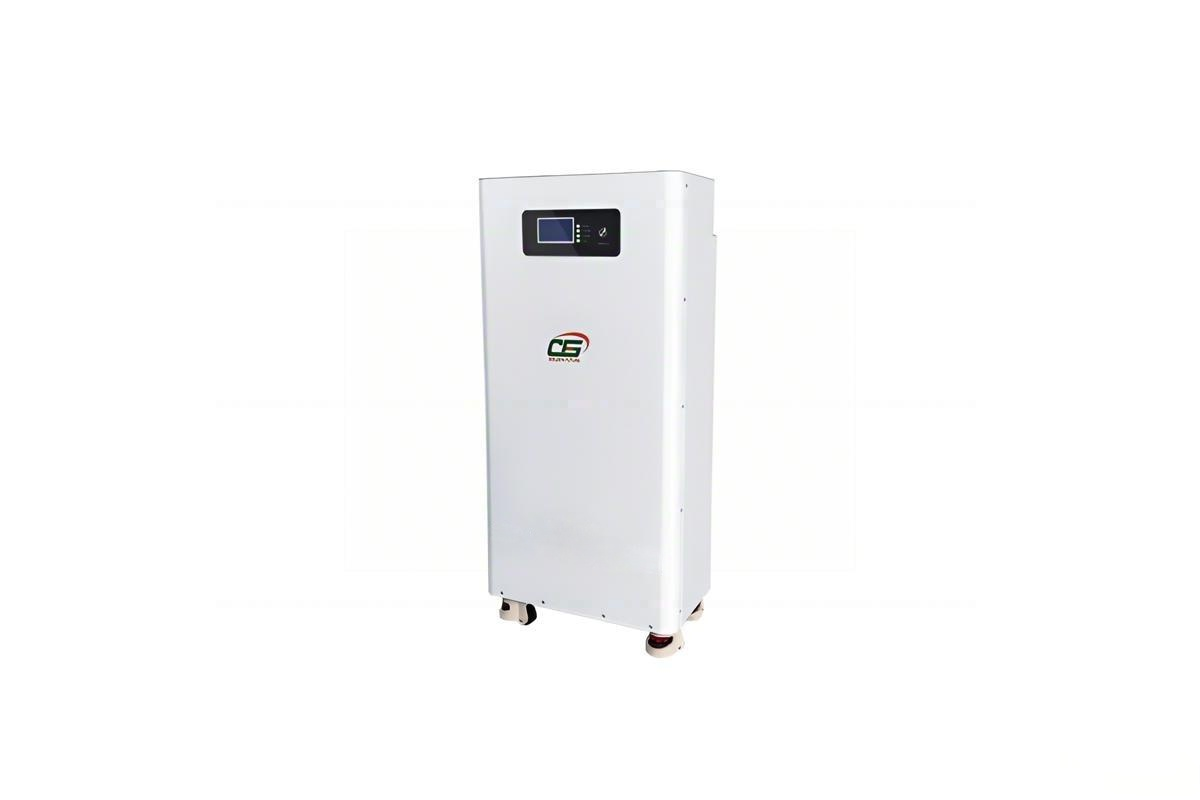
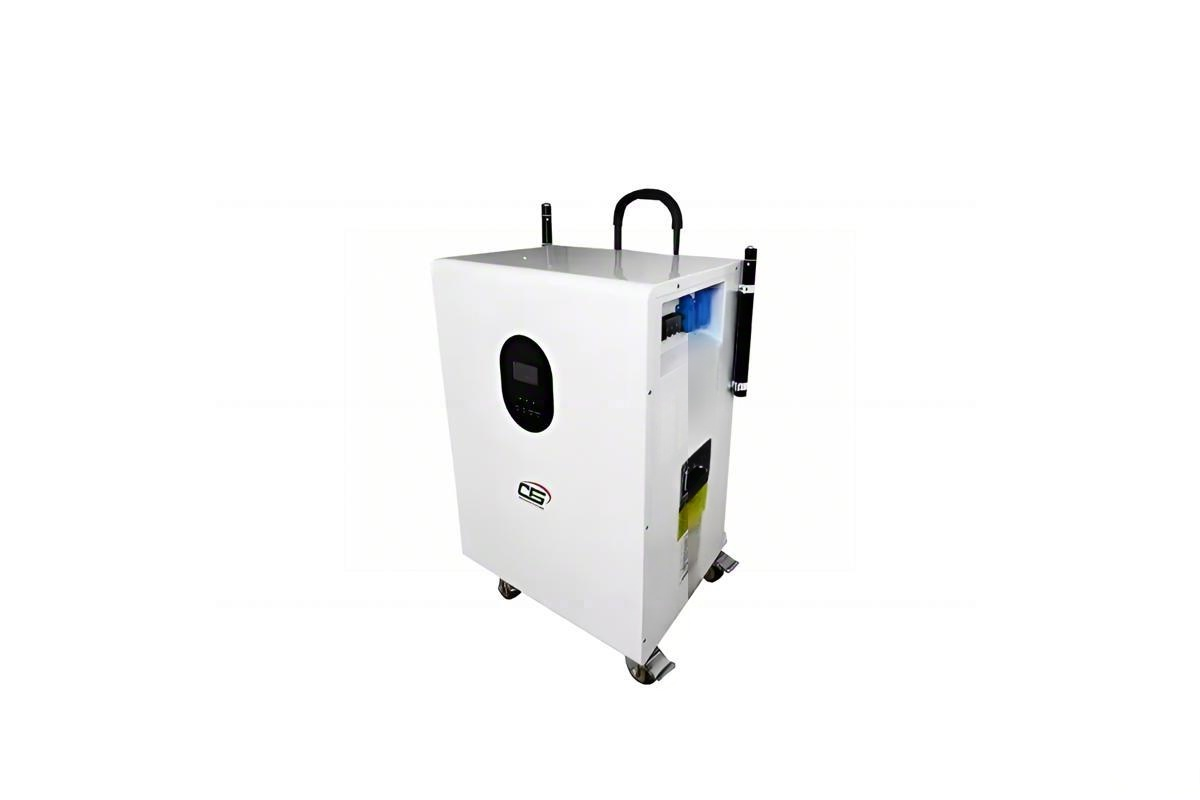
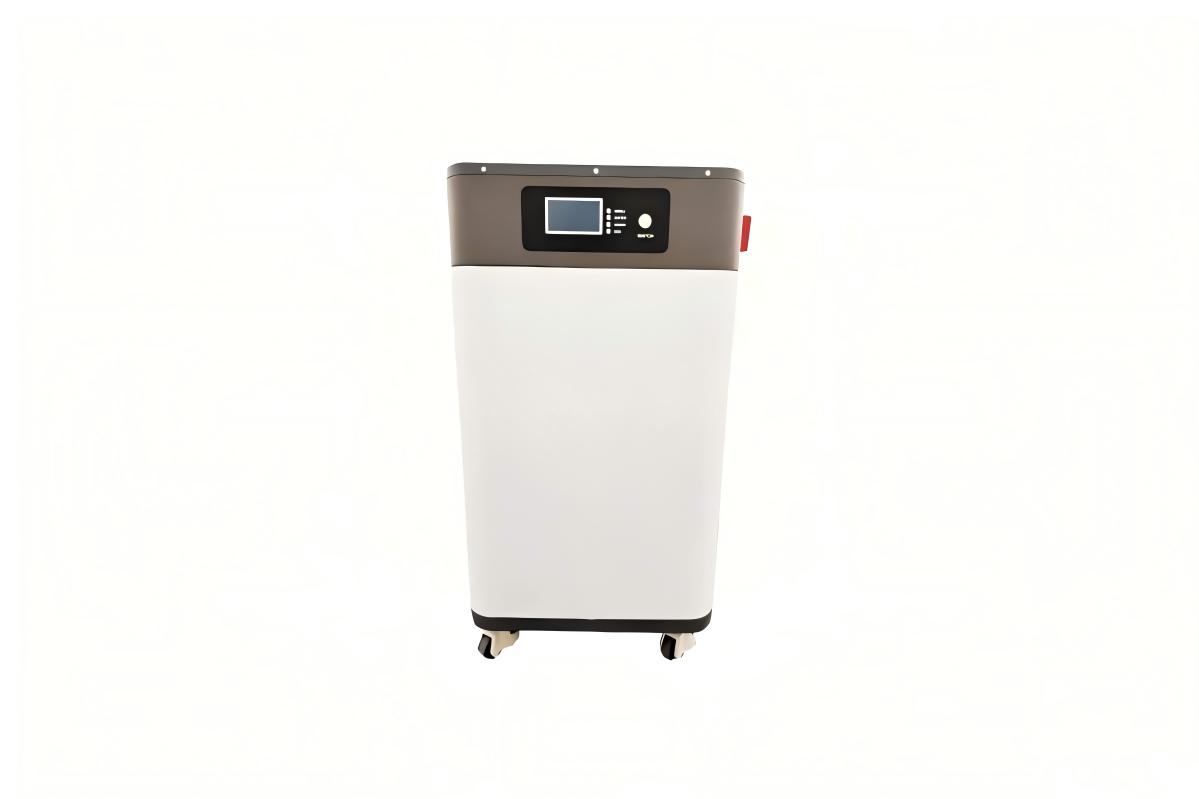
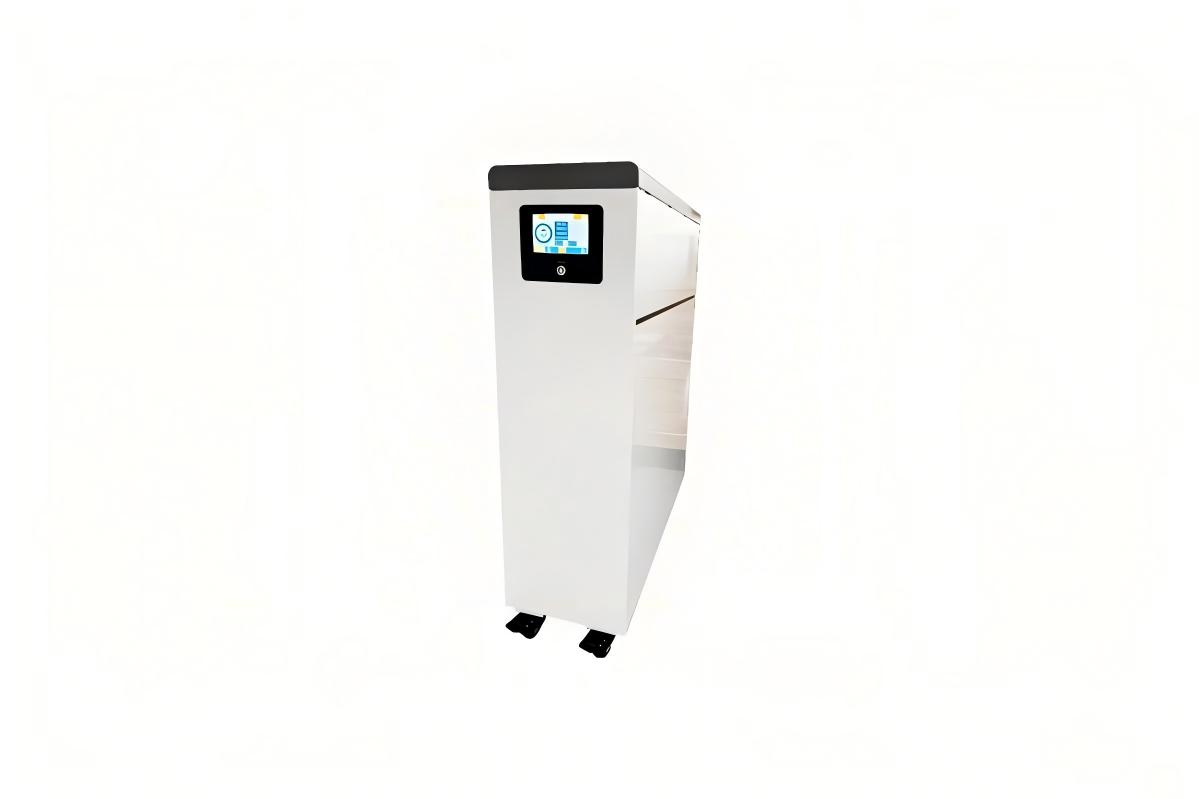
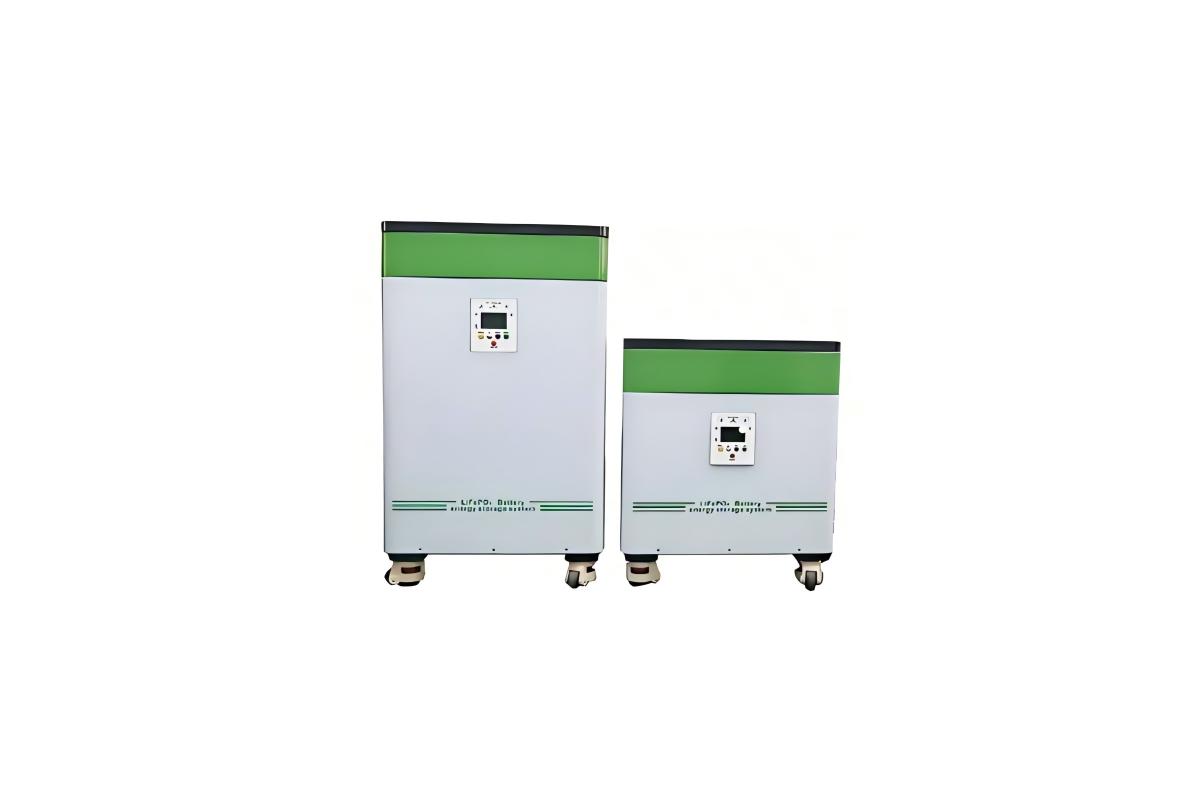
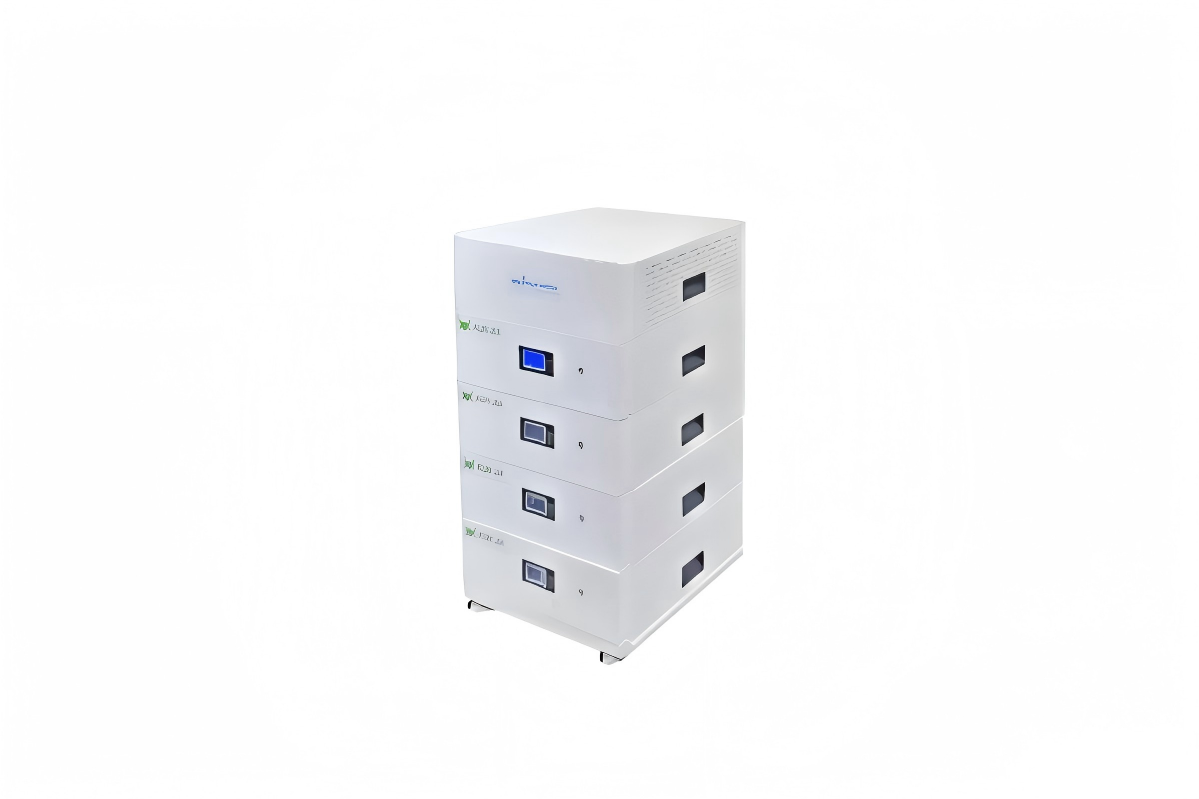
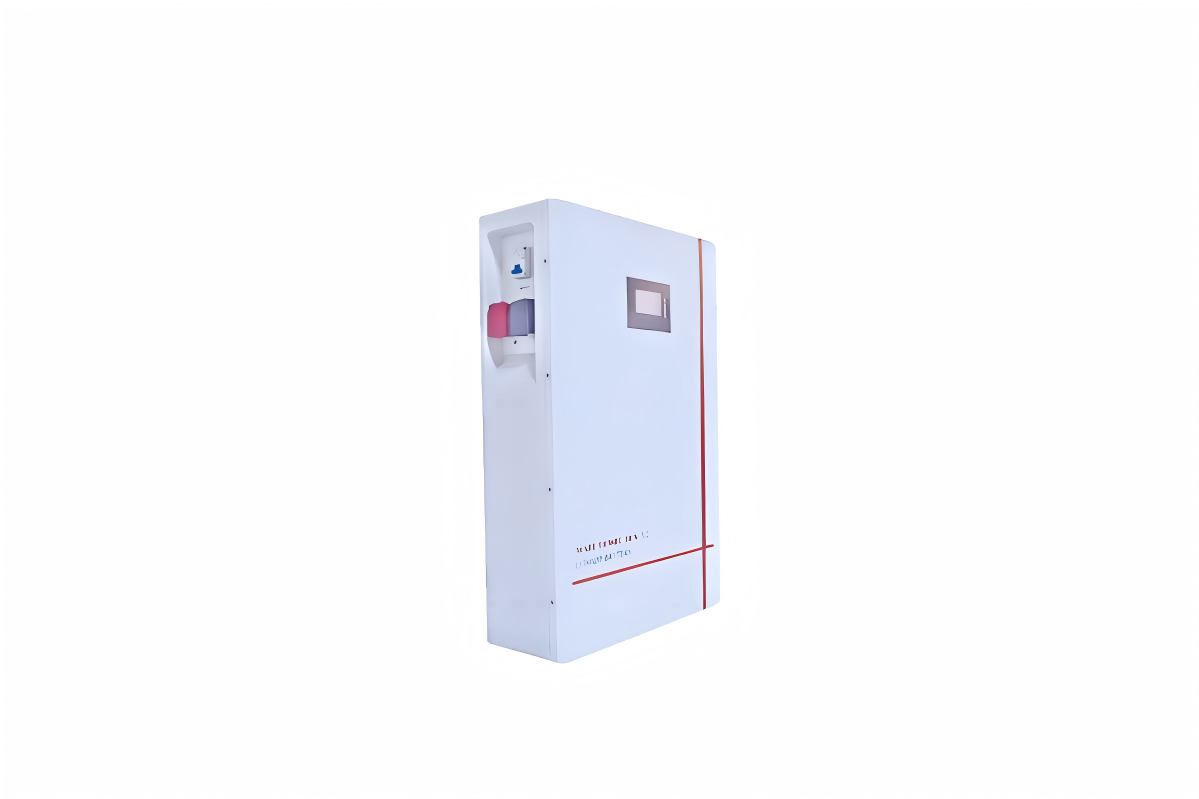
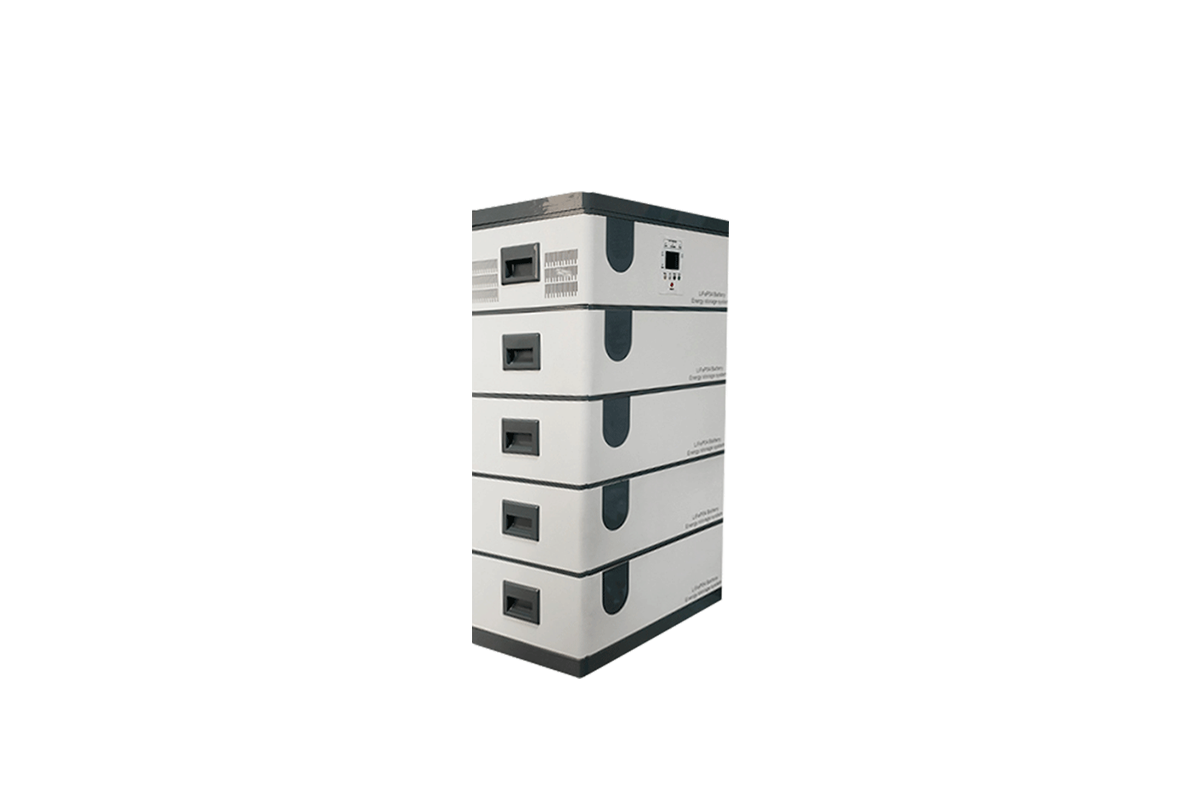
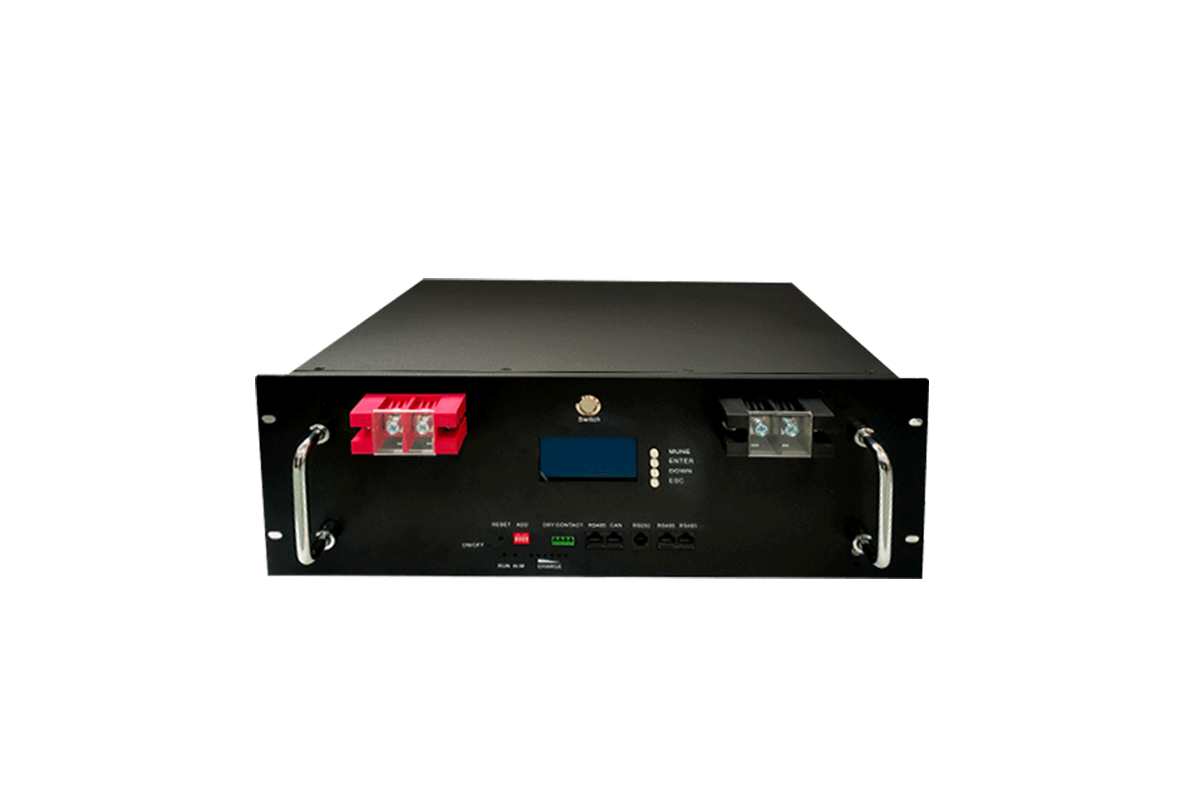
UPS (Uninterruptible Power Supply) - dedicated energy storage lithium - ion batteries play a vital role in ensuring the continuous and reliable power supply of critical electrical systems. These batteries are specifically designed and optimized to meet the unique requirements of UPS applications, providing backup power during power outages and maintaining stable power quality.
One of the key characteristics of UPS - dedicated lithium - ion batteries is their high - rate discharge capability. UPS systems need to be able to deliver a large amount of power instantly when a power outage occurs to support the connected critical loads, such as data centers, hospitals, and communication facilities. Lithium - ion batteries used in UPS applications are engineered to have excellent rate performance, allowing them to rapidly supply the required power without significant voltage drops. This ensures that the connected equipment can continue to operate smoothly without interruption, preventing data loss, system crashes, and potential damage to sensitive electronic devices.
Another important aspect is the long cycle life of UPS - dedicated lithium - ion batteries. Since UPS systems are often required to undergo frequent charge - discharge cycles during normal operation for battery maintenance and testing purposes, as well as during actual power outages, a long cycle life is essential. Lithium - ion batteries can typically withstand a large number of charge - discharge cycles compared to some other battery chemistries, reducing the need for frequent battery replacements and lowering the overall cost of ownership. This long - term reliability is crucial for maintaining the continuous operation of critical systems over an extended period.
UPS - dedicated lithium - ion batteries also feature advanced battery management systems (BMS). The BMS is responsible for monitoring and controlling various parameters of the battery, such as voltage, current, temperature, and state - of - charge (SoC). It ensures the safe and optimal operation of the battery by protecting it from overcharging, over - discharging, and overheating. In a UPS application, the BMS can also communicate with the UPS controller, providing real - time information about the battery's status. This allows the UPS system to make informed decisions regarding power switching, battery charging, and load management, ensuring the most efficient use of the battery's energy and maximizing its lifespan.
In addition, these batteries are designed to have a high energy density. This means they can store a large amount of energy in a relatively small and lightweight package, which is beneficial for UPS systems where space is often limited. The high energy density enables the UPS to provide longer backup times without requiring a large and bulky battery installation. Moreover, lithium - ion batteries have a relatively low self - discharge rate, which means they can retain their charge for an extended period when not in use. This is important for UPS systems, as the battery needs to be ready to provide backup power at any time, even during long periods of normal grid operation. Overall, UPS - dedicated energy storage lithium - ion batteries are essential components for ensuring the reliability and continuity of power supply in critical applications.




 59911926@qq.com/sales@goldenfuturehk.com
 13316809242 / 15816897019
 Inquiry
 Home >