





Time:2026-01-27 Views:1
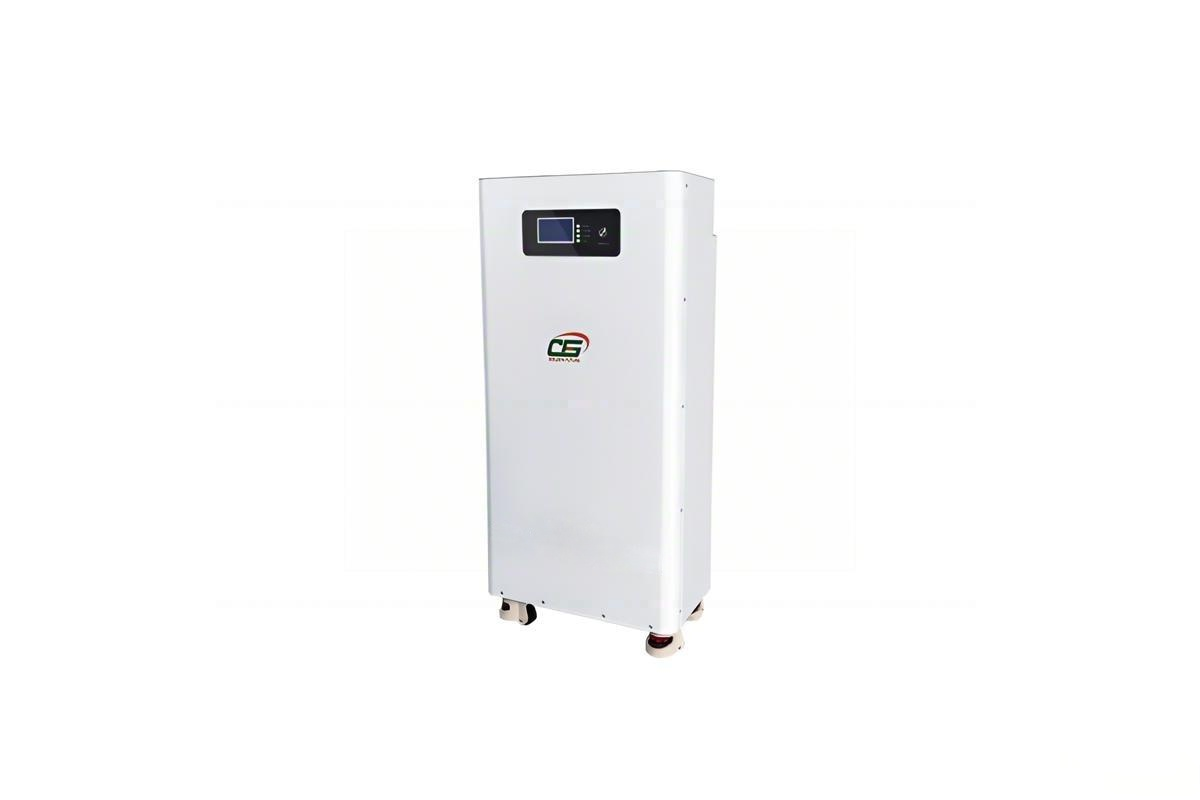
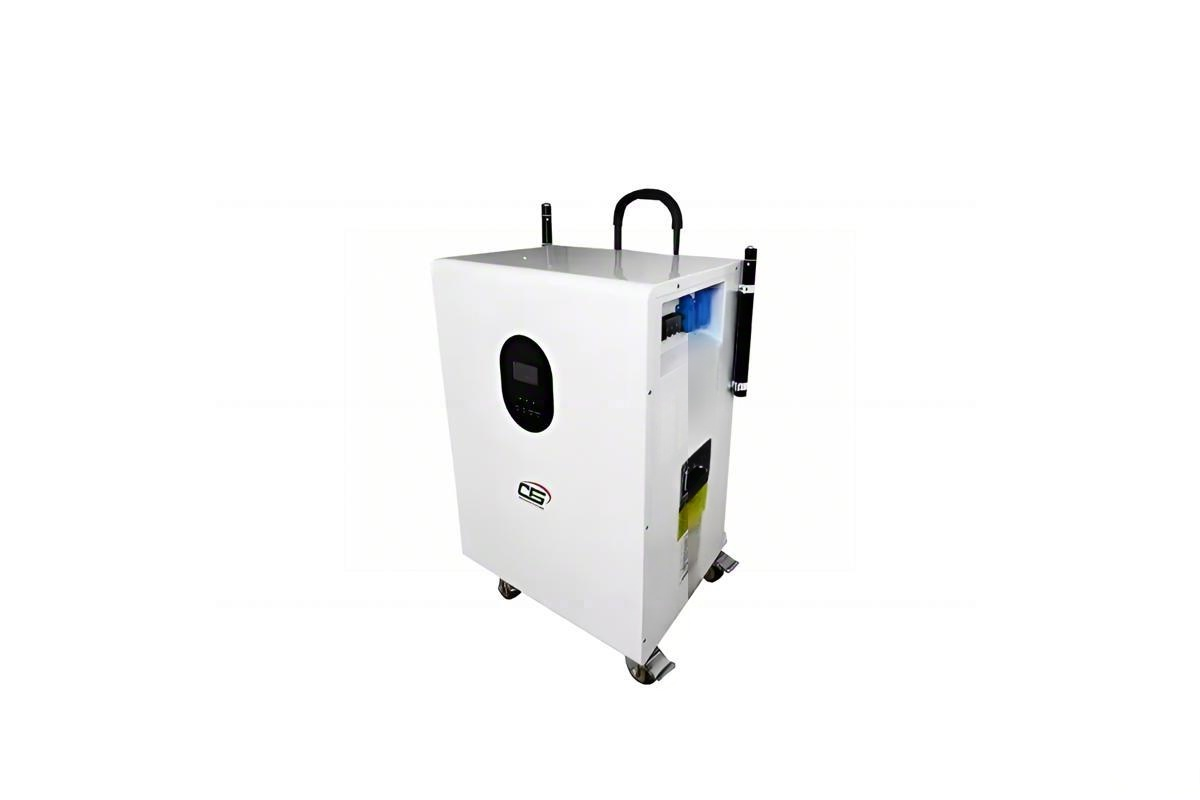
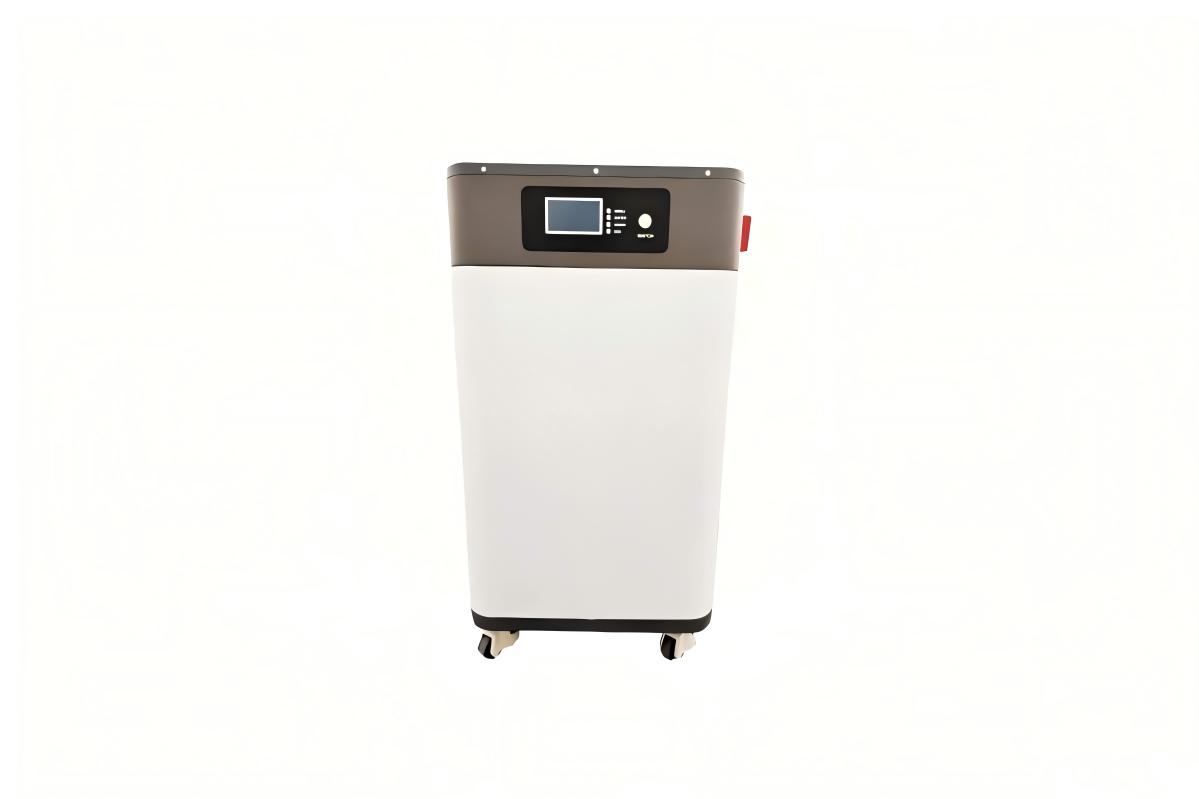
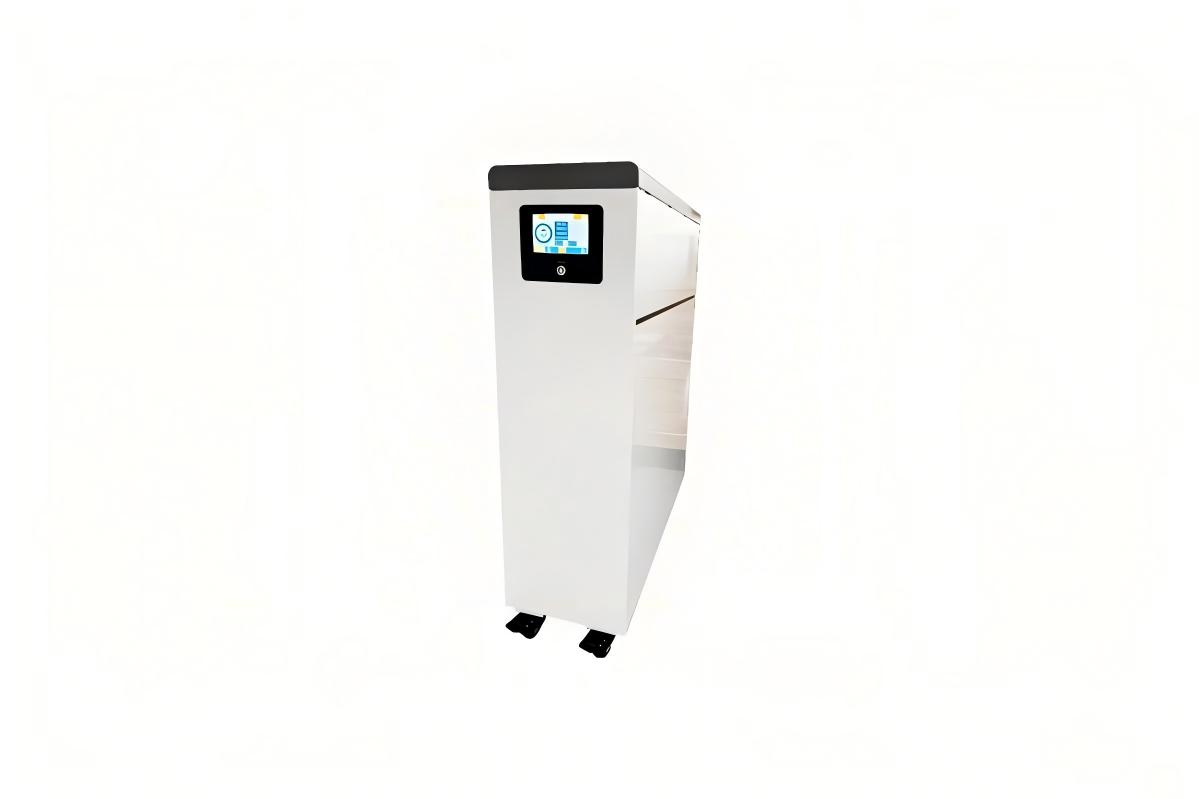
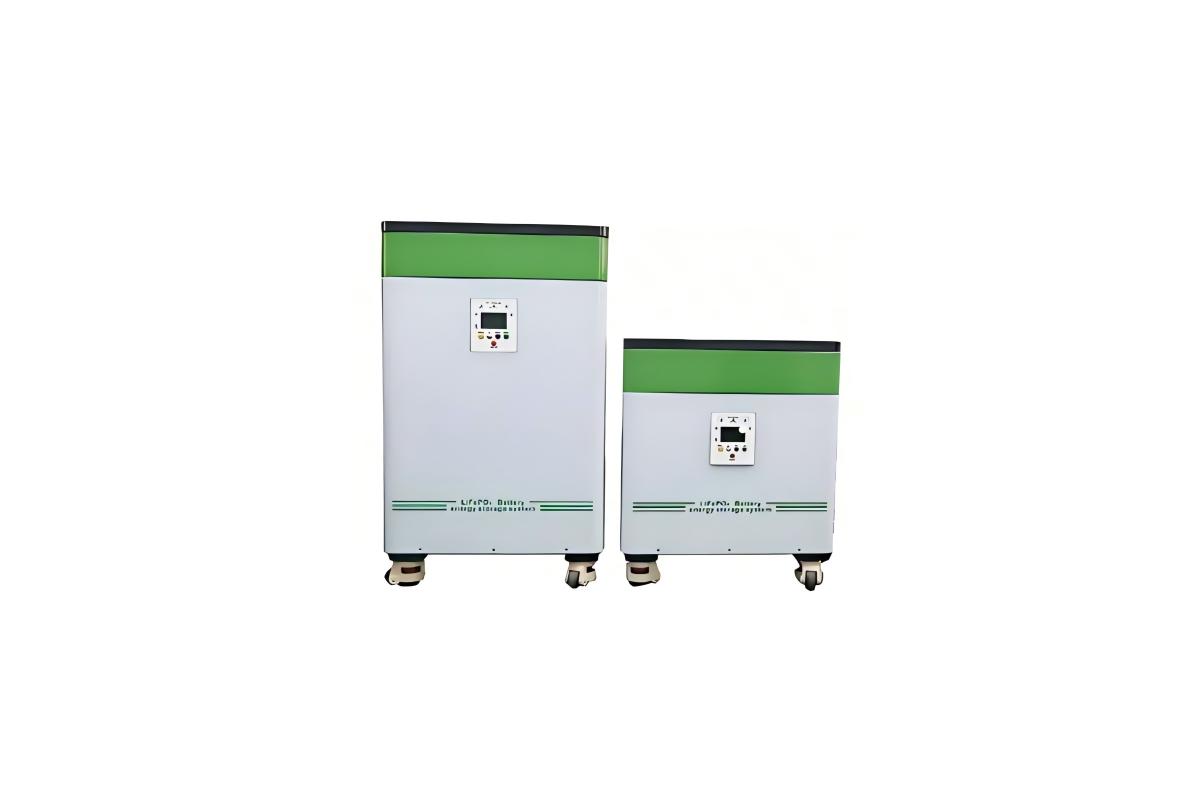
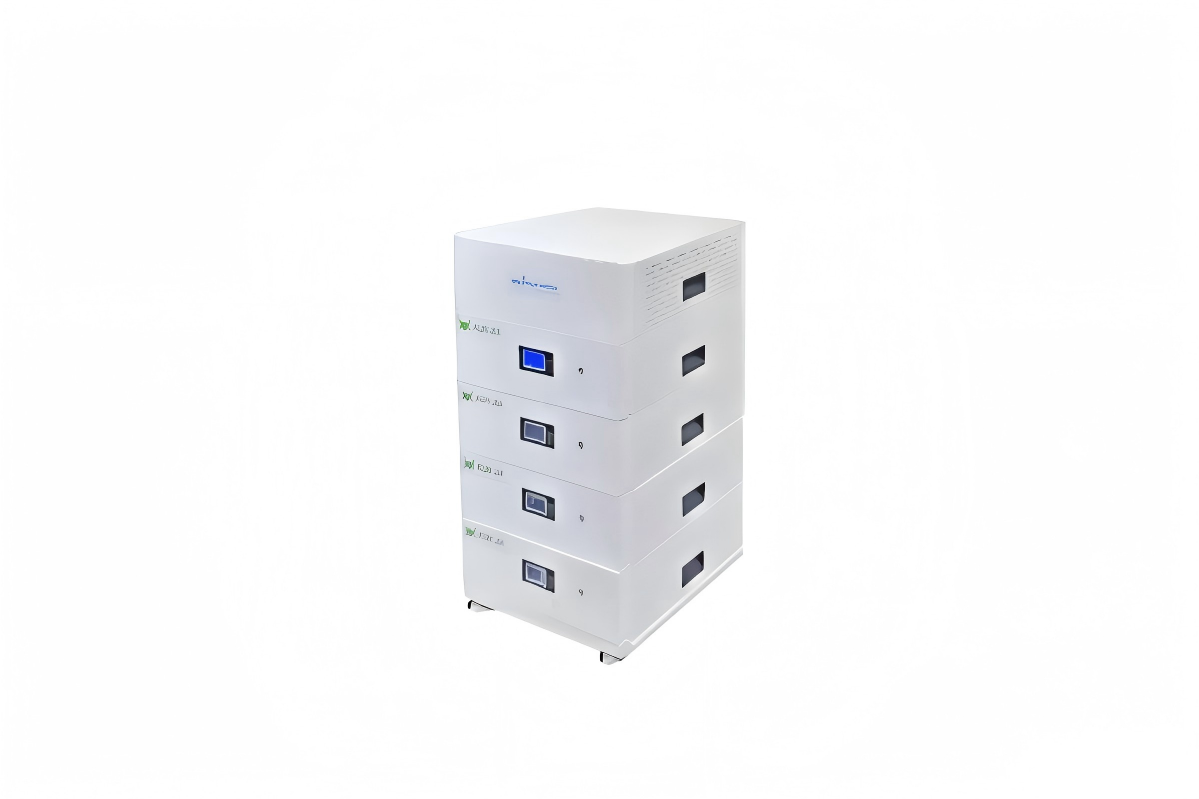
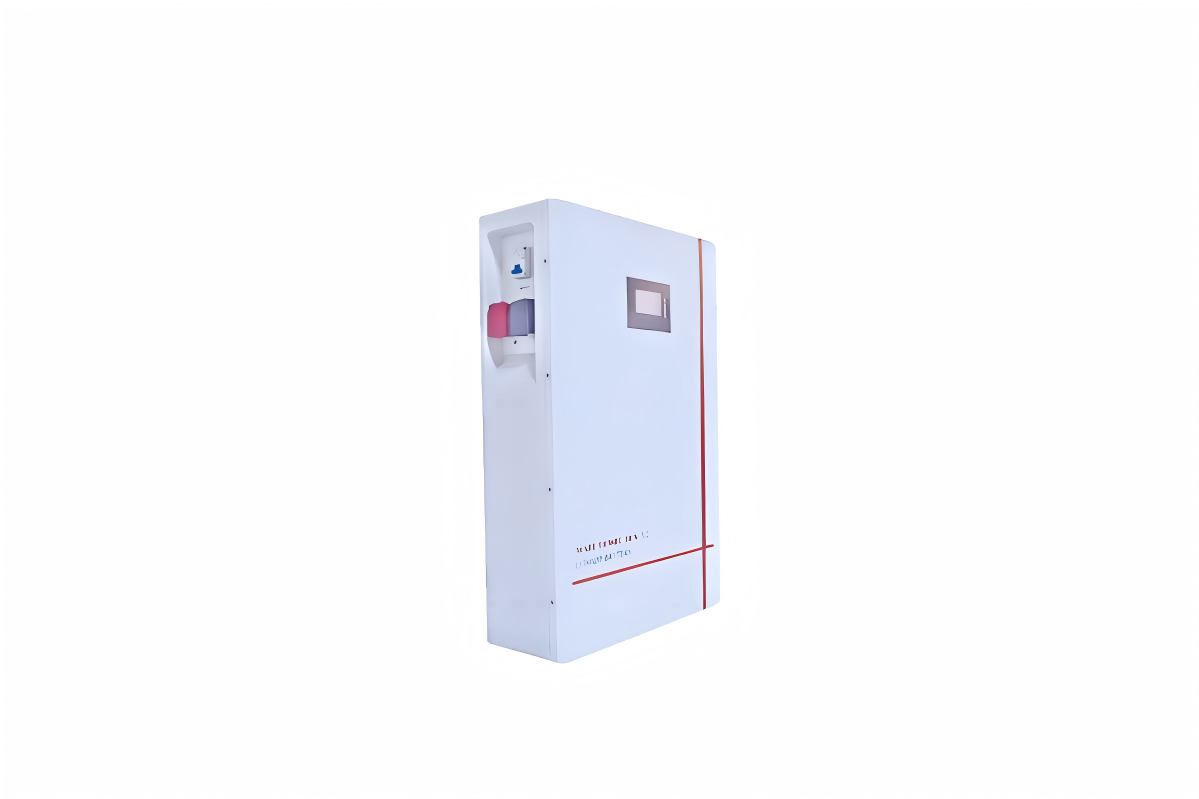
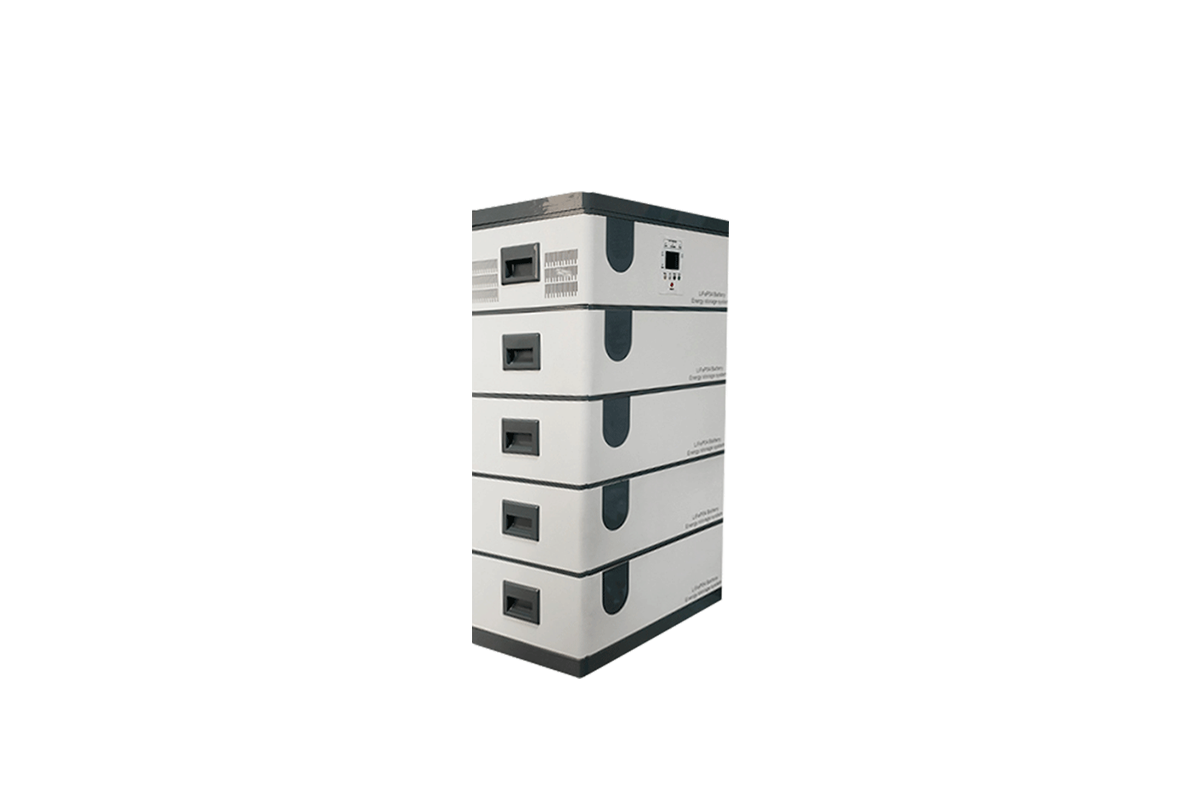
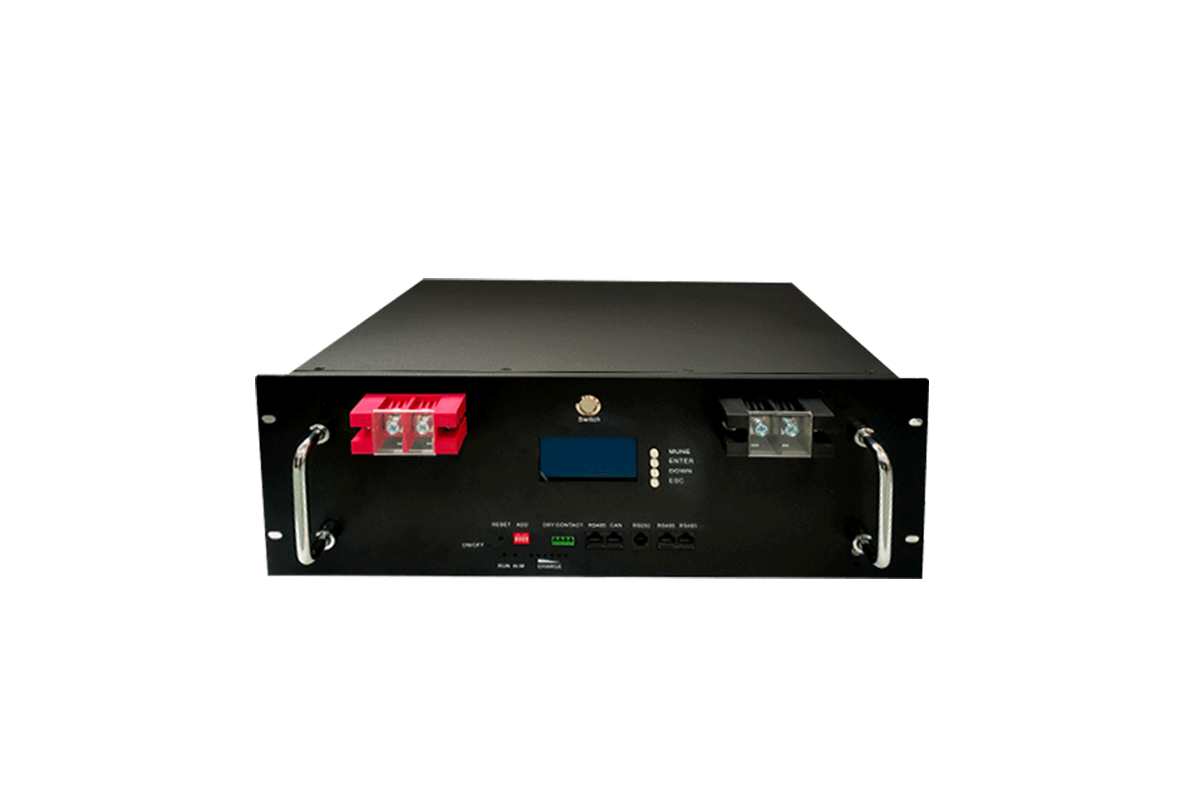
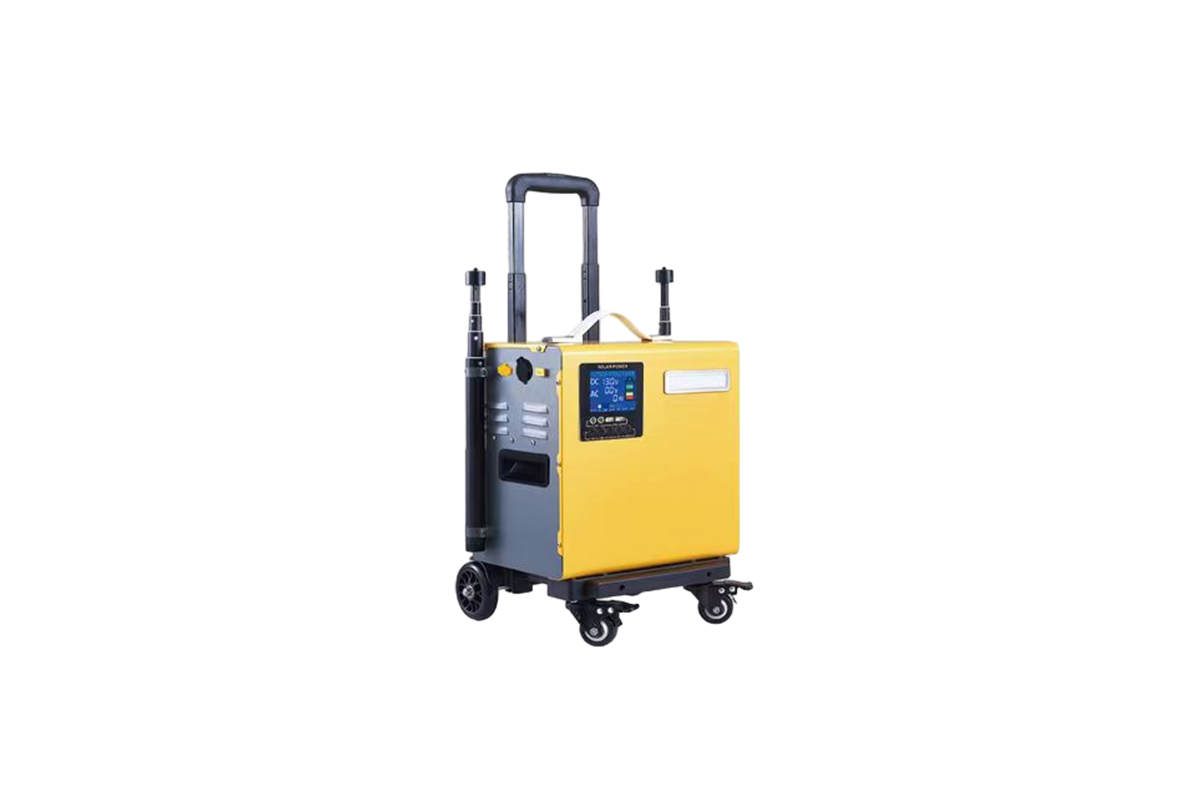
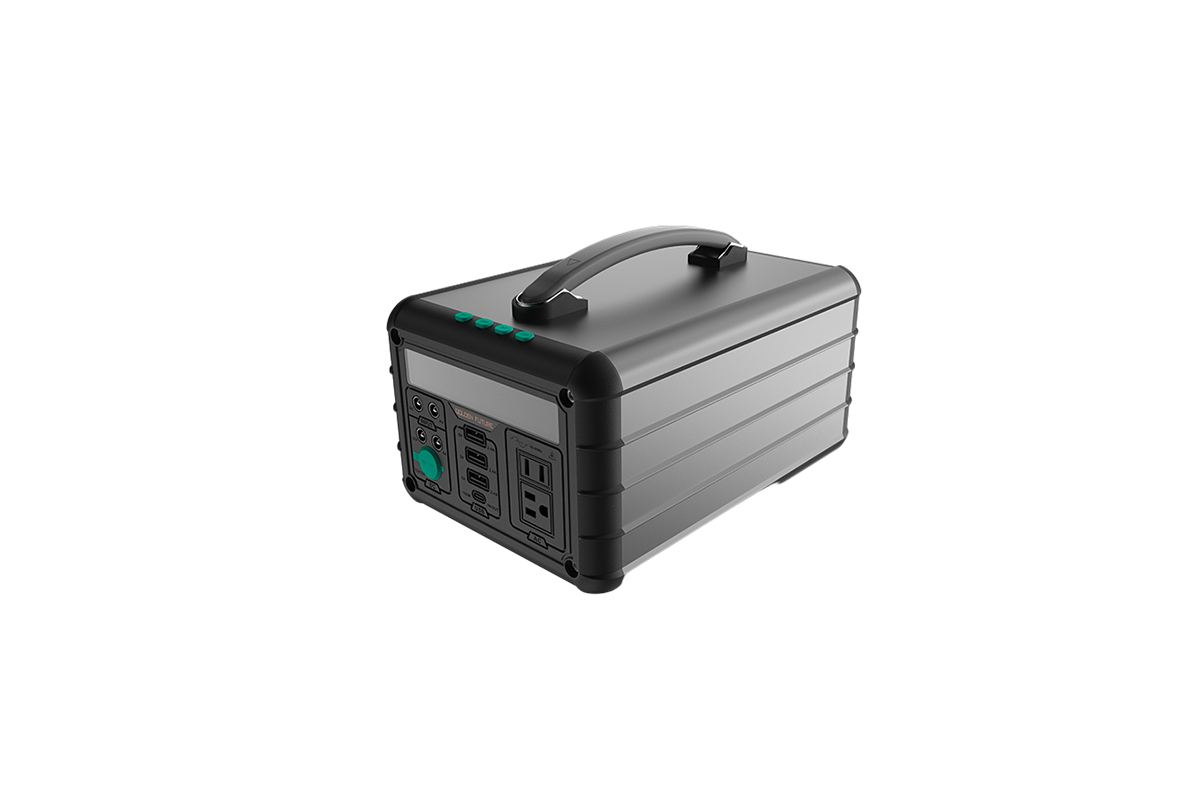
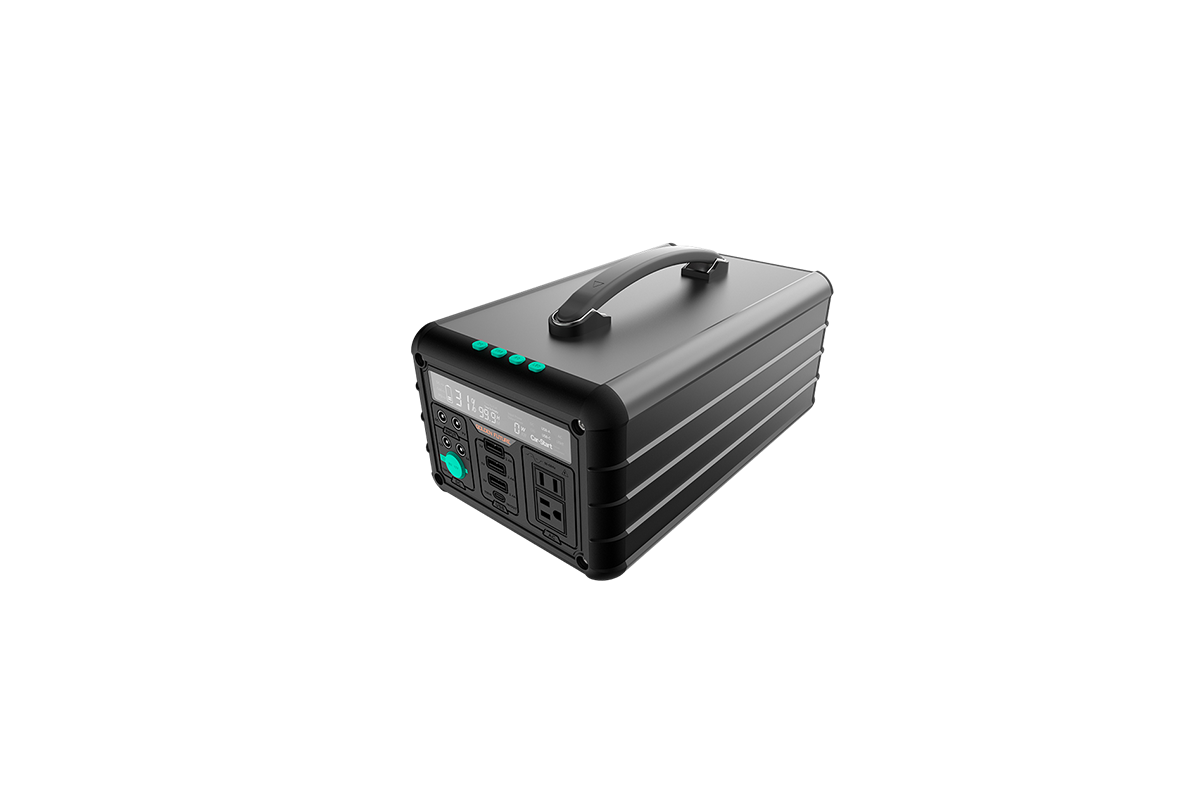
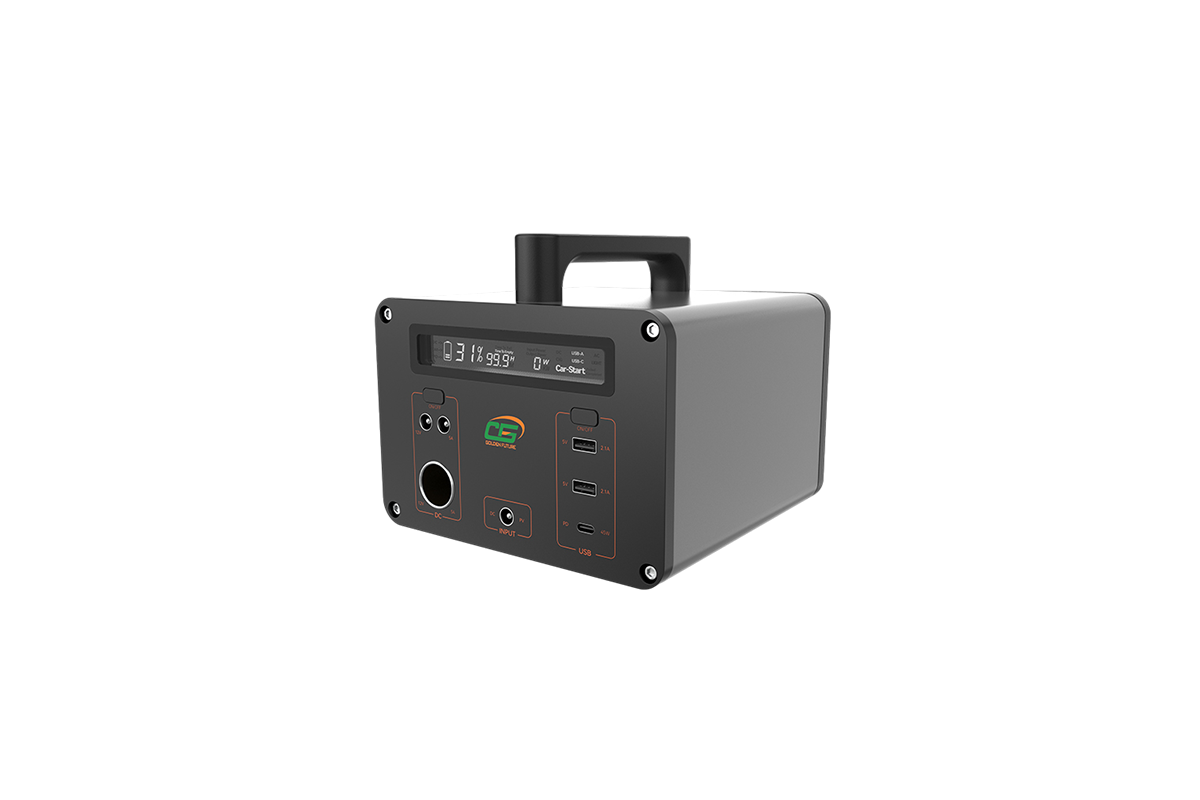
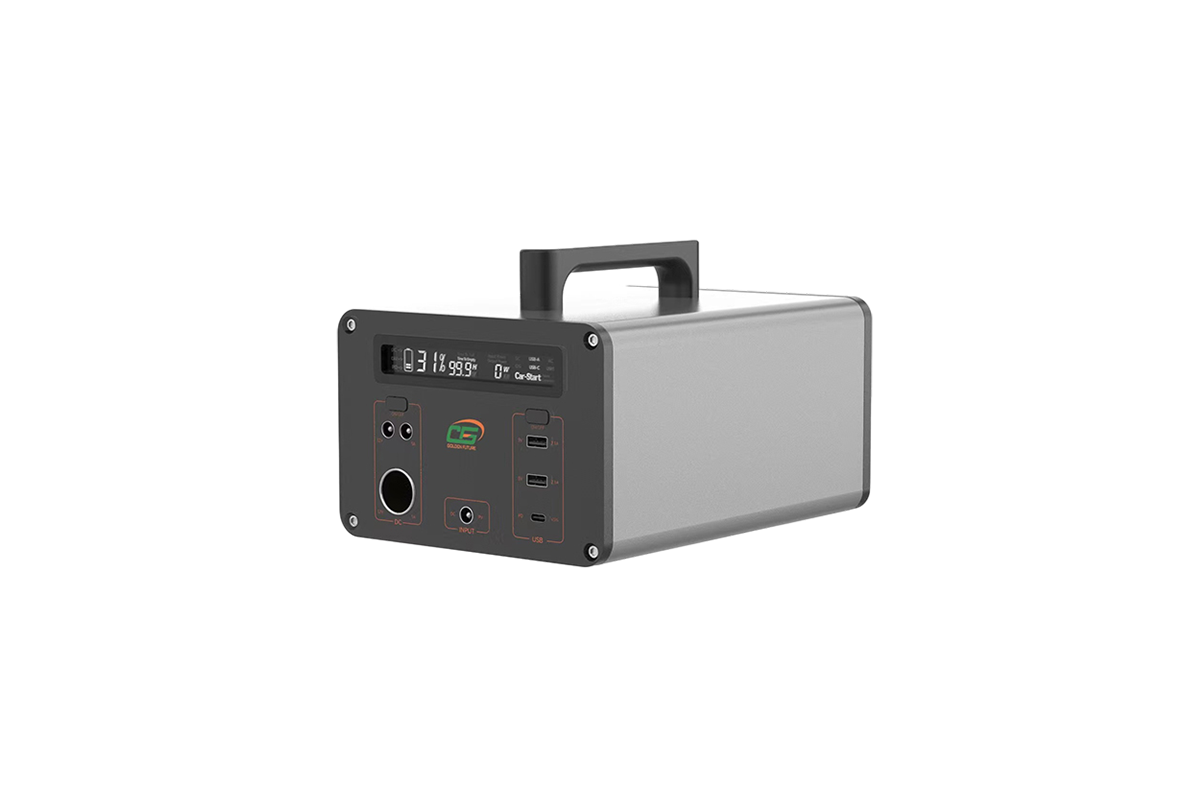
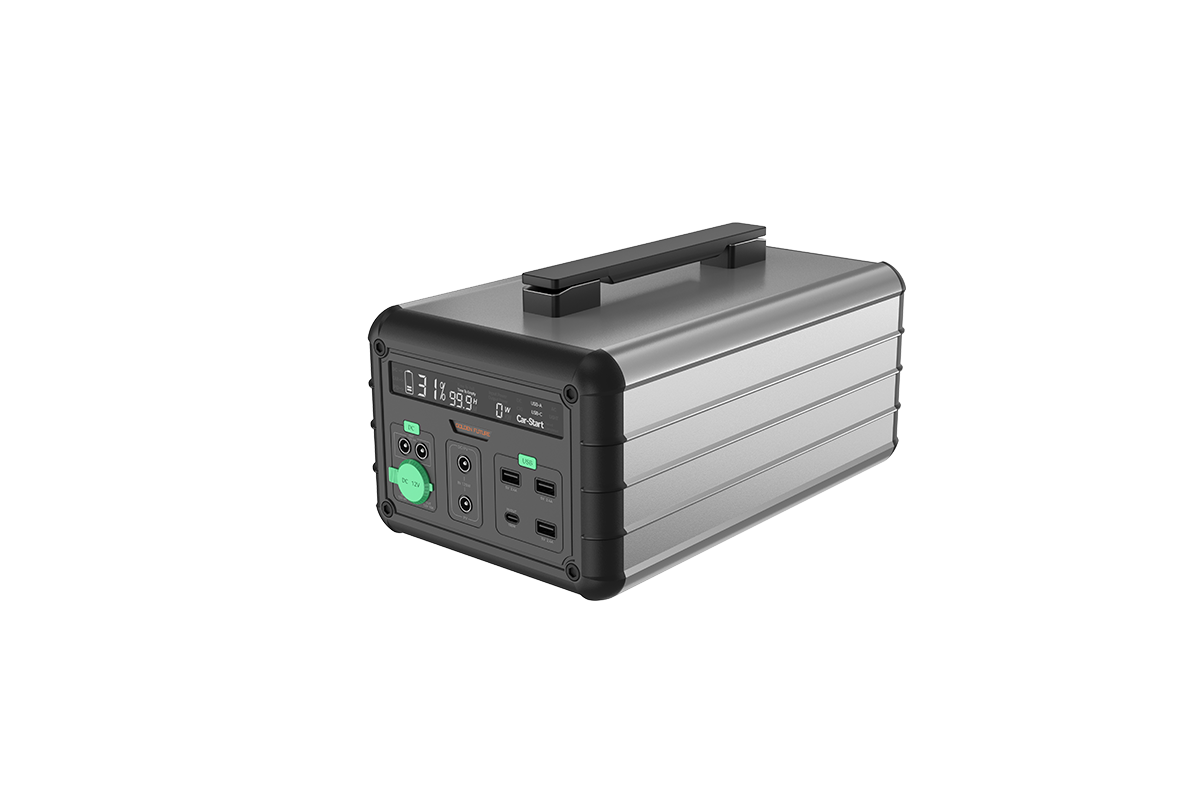
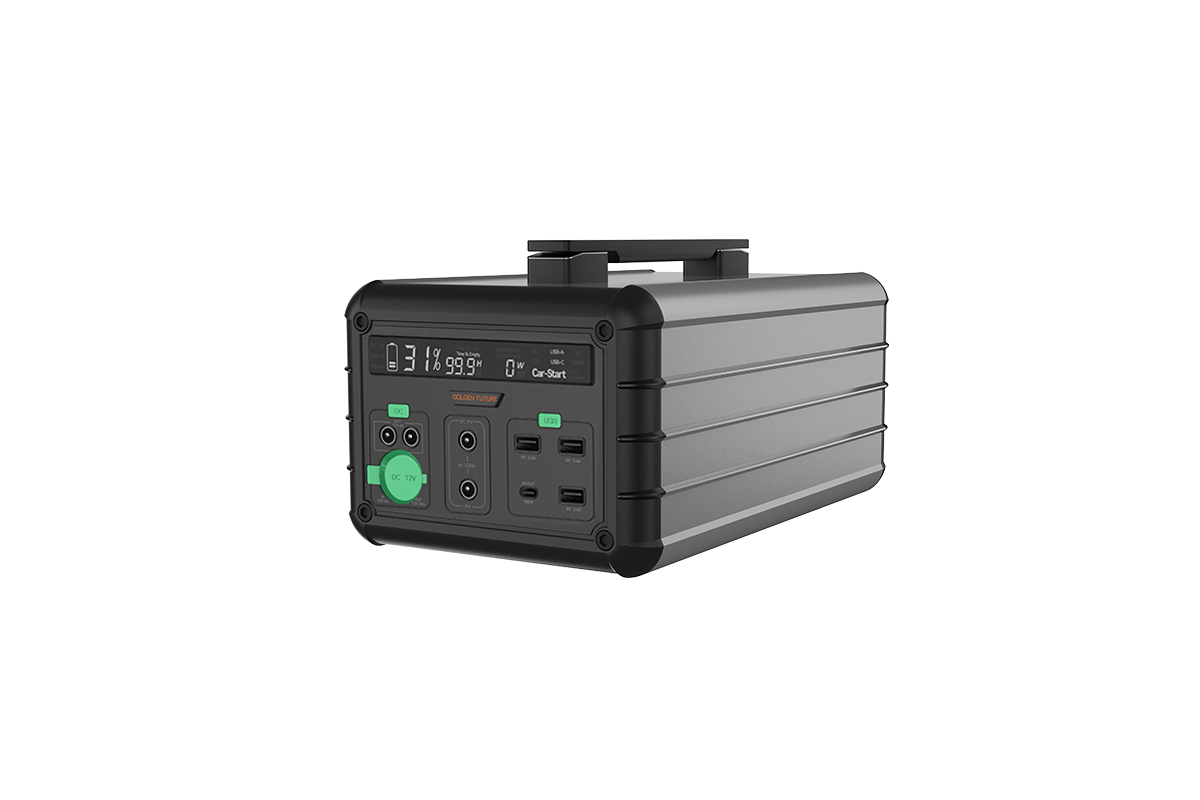
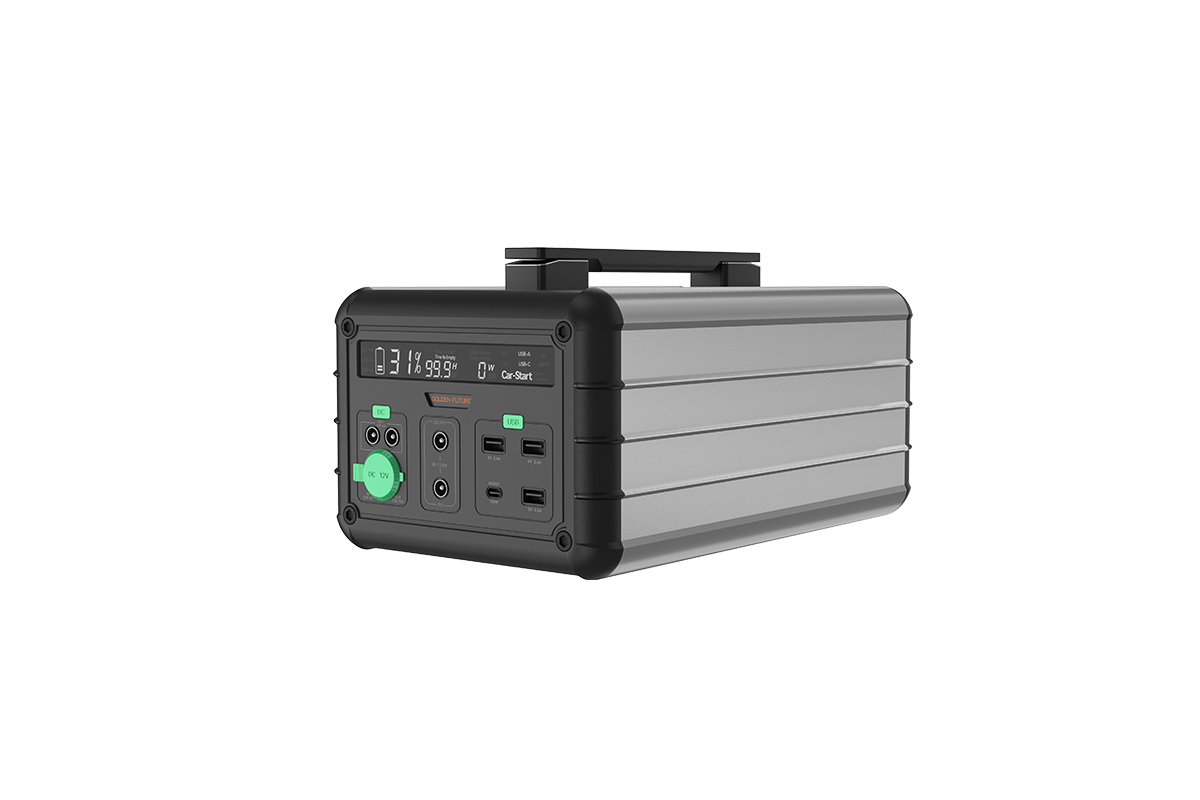
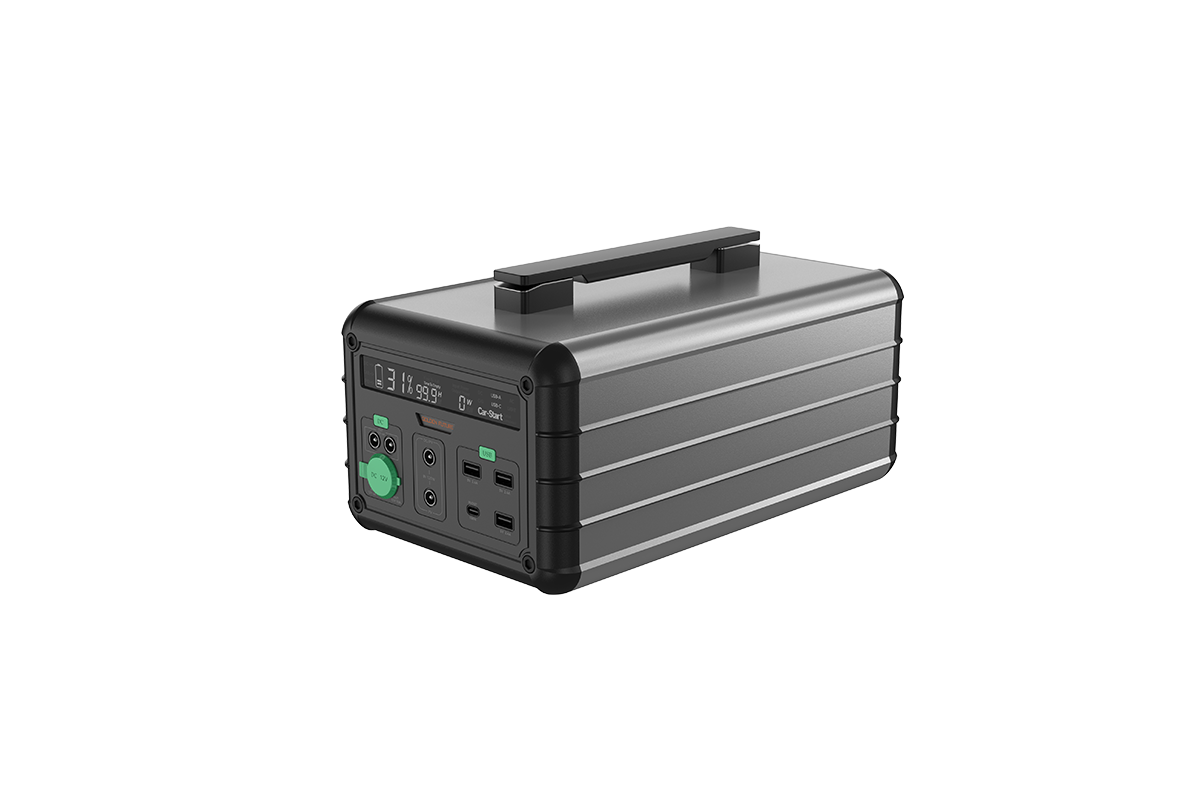
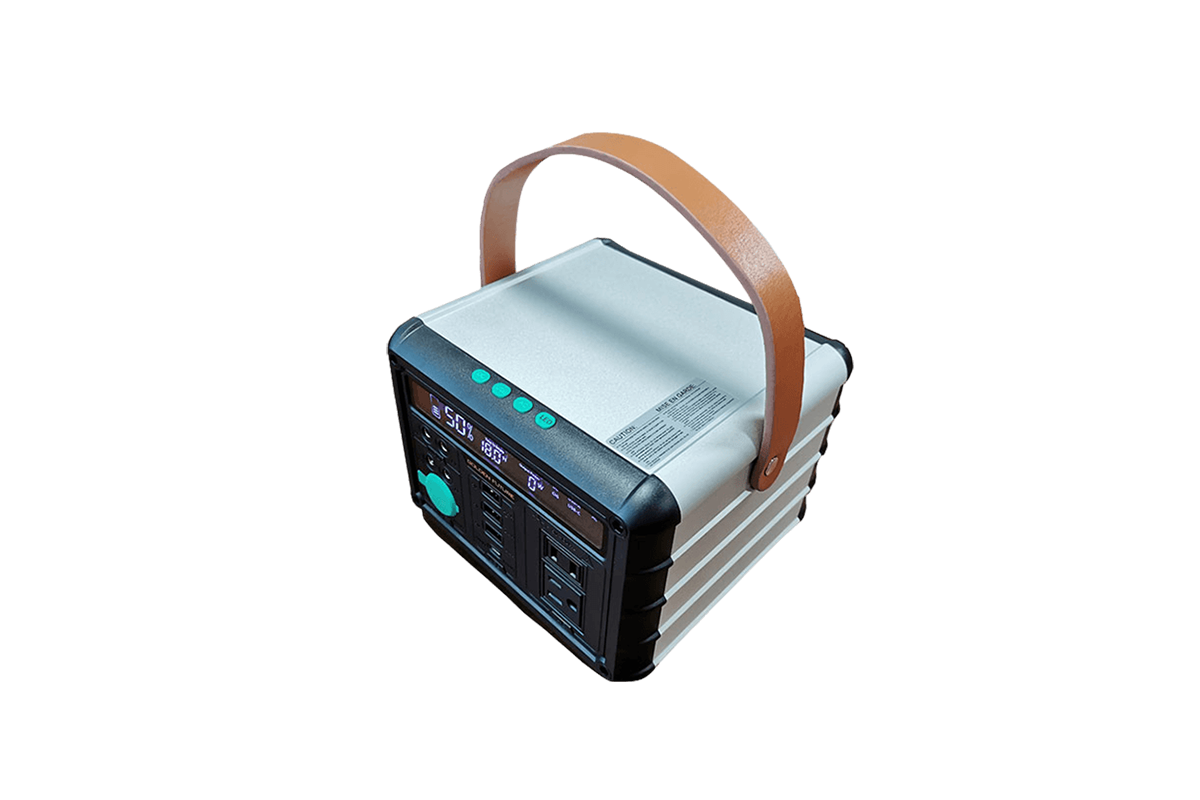
The UN38.3-Compliant Lithium Energy Storage Battery Pack is a specialized battery system that meets the strict safety and performance requirements outlined in the United Nations Manual of Tests and Criteria (Rev. 6, Part III, subsection 38.3)—a global standard for the transportation of lithium batteries. This certification is mandatory for all lithium-ion and lithium-metal batteries shipped by air, sea, road, or rail, ensuring that they do not pose a risk of fire, explosion, or leakage during transport. UN38.3-compliant battery packs are used in a wide range of applications, including consumer electronics, medical devices, industrial equipment, electric vehicles (EVs), and renewable energy storage systems, where safe and reliable global transport is essential.
One of the core requirements of UN38.3 certification is the successful completion of a series of rigorous tests designed to simulate the harsh conditions batteries may encounter during transport. These tests include:
Altitude simulation: Exposing the battery to low pressure (11.6 kPa) at 20°C ± 5°C for 6 hours to test for leakage or structural damage.
Thermal cycling: Subjecting the battery to extreme temperature changes (-40°C to 75°C) for 10 cycles, with each cycle consisting of 6 hours at high temperature and 6 hours at low temperature, to evaluate stability.
Vibration: Applying random vibration (10-500 Hz) with a maximum acceleration of 15 g for 12 hours (6 hours in each direction) to test mechanical integrity.
Shock: Delivering a 150 g shock for 6 milliseconds (half-sine wave) in three mutually perpendicular axes to assess resistance to impact.
External short circuit: Creating a short circuit across the battery terminals with a low-resistance conductor (≤ 0.1 Ω) for 1 hour, monitoring for fire, explosion, or excessive heat.
Impact: Dropping the battery from a height of 1.2 meters onto a hard surface (concrete) in six different orientations to test for damage.
Overcharge: Charging the battery at 1.2 times the recommended current for 24 hours to evaluate resistance to over-charging.
Forced discharge: Discharging the battery at 2 times the recommended current for 1 hour to test for stability during abnormal discharge.
Only batteries that pass all these tests without showing signs of fire, explosion, leakage, or significant temperature rise (exceeding 60°C) are granted UN38.3 certification. This rigorous testing process ensures that UN38.3-compliant battery packs are highly stable and reliable, even in the most challenging transport conditions.
In addition to meeting transport safety requirements, UN38.3-compliant lithium energy storage battery packs offer excellent performance and durability. They are typically constructed using high-quality lithium-ion or lithium-iron phosphate (LiFePO4) battery cells, which provide high energy density, long cycle life (up to 3000-5000 cycles for LiFePO4), and low self-discharge rates (less than 5% per month). Many models also include advanced battery management systems (BMS) that monitor and regulate cell voltage, current, and temperature, preventing over-charging, over-discharging, short-circuits, and over-temperature—further enhancing safety and extending the battery’s lifespan.
The certification also simplifies global logistics for manufacturers and distributors. UN38.3 is recognized by all major transport authorities, including the International Air Transport Association (IATA), International Maritime Organization (IMO), and national regulatory bodies (such as the U.S. Department of Transportation and EU’s European Union Aviation Safety Agency). This means that a UN38.3-compliant battery pack can be shipped to any country without the need for additional testing or certification, reducing shipping delays and costs. Additionally, the certification provides peace of mind to customers, who can be confident that the battery pack has been thoroughly tested and meets the highest global safety standards.
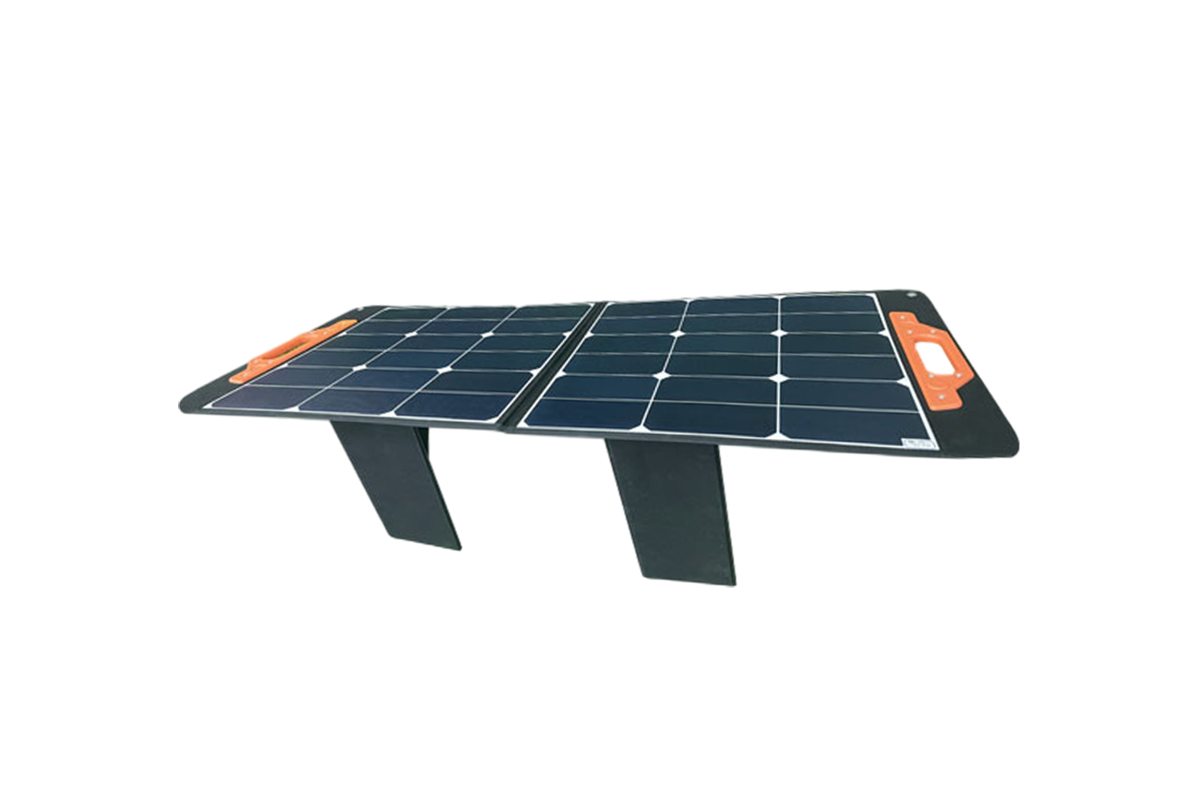
UN38.3-compliant battery packs are available in a wide range of configurations to meet different application needs. They can be customized in terms of voltage (from 3.7V for single-cell packs to 48V or higher for multi-cell packs), capacity (from 1000mAh to 1000Ah or more), and form factor (cylindrical, prismatic, pouch, or custom shapes). For example, a small UN38.3-compliant battery pack might power a medical device like a portable defibrillator, while a large pack could be used in a renewable energy storage system for a commercial building. Regardless of the application, these battery packs offer a safe, reliable, and globally transportable power solution. With their strict certification, high performance, and global compatibility, UN38.3-Compliant Lithium Energy Storage Battery Packs are essential for businesses and industries that rely on the safe transport of lithium batteries across borders.




 59911926@qq.com/sales@goldenfuturehk.com
 13316809242 / 15816897019
 Inquiry
 Home >