






Time:2026-03-13 Views:1
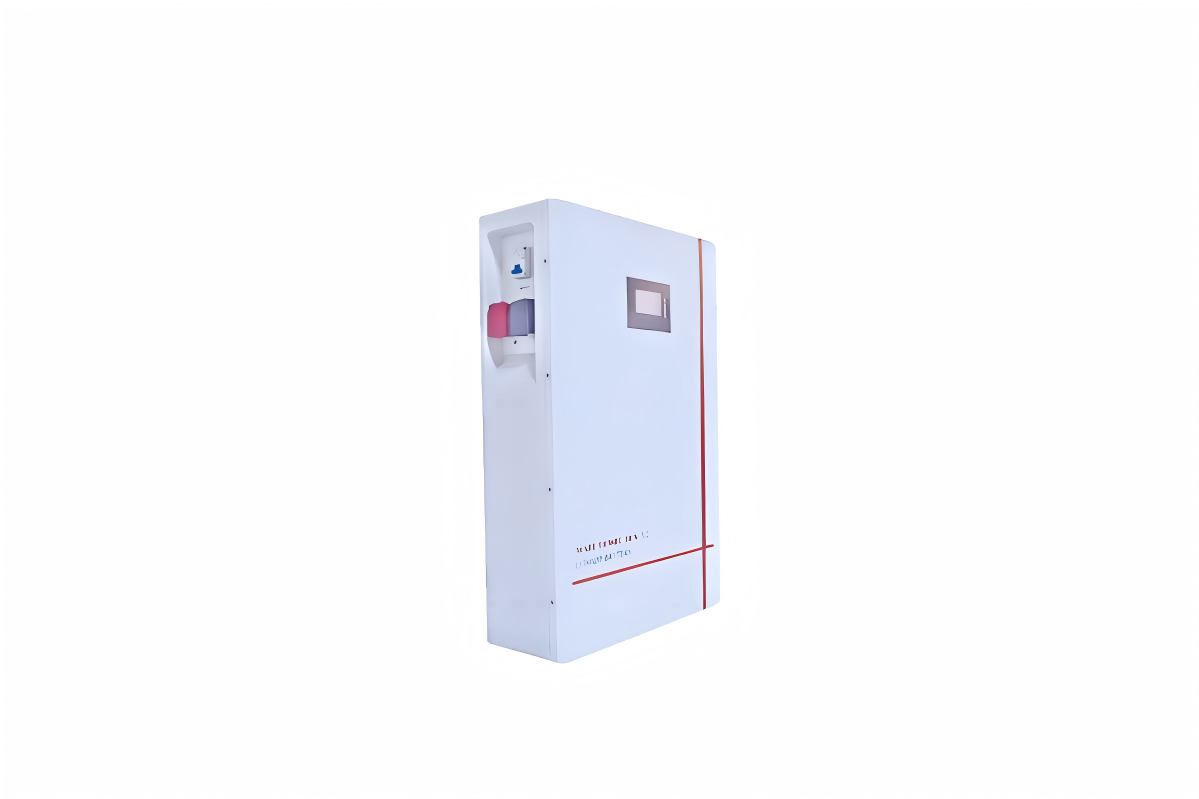
Subsidies for home wall-mounted energy storage systems are important policy incentives to promote the popularization of renewable energy storage, reduce household installation costs, and advance the global carbon neutrality agenda. These subsidies vary significantly by region, depending on local energy policies, renewable energy development goals, and market demand, and they mainly cover installation subsidies, capacity-based subsidies, and tax incentives, aiming to improve the economic feasibility of home energy storage for ordinary households.
In major global markets, subsidy policies have shown distinct characteristics and adjustment trends. In Australia, the government launched a A$2.3 billion "Cheaper Home Battery Scheme" in the first half of 2025, providing A$372 per kilowatt-hour for energy storage systems, which reduces household installation costs by 30% to 35%. By December 2025, the total subsidy was increased to A$7.2 billion, with adjustments to favor small-capacity energy storage, and the new policy will take effect in May 2026, expected to stimulate a rush to install large-capacity systems in the first half of the year. In Europe, the UK announced the "Warm Homes Plan" in early 2026, investing £15 billion to support the development of solar-storage-heat pump systems and mandating the installation of solar energy in new residential buildings from 2027, which will bring substantial incremental demand for home wall-mounted energy storage.
In addition, Ukraine offers 0 tariffs, 0 value-added tax, and a 30% principal subsidy due to severe damage to energy facilities after the war, driving explosive growth in home energy storage demand. In the United States, although the household ITC tax credit policy expired at the end of 2025, the TPO (Third-Party Ownership) model can offset this impact, allowing users to use energy storage through leasing or PPA, reducing the burden of initial installation costs. To obtain subsidies, households usually need to meet requirements such as purchasing certified products, installing through professional technicians, and completing grid connection procedures. These subsidy policies not only reduce household economic pressure but also accelerate the popularization of home wall-mounted energy storage, promoting the transformation of the energy structure towards cleanliness and low carbon.




 59911926@qq.com/sales@goldenfuturehk.com
 13316809242 / 15816897019
 Inquiry
 Home >