





Time:2026-05-25 Views:189
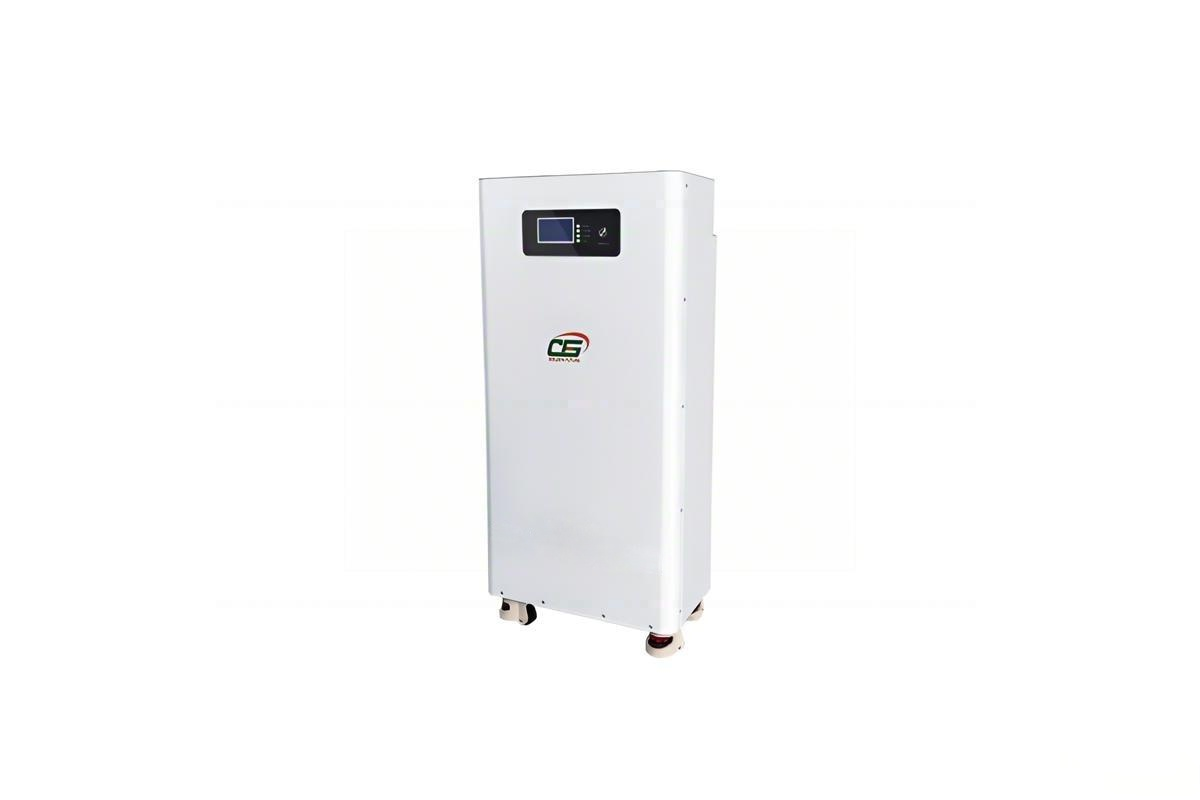
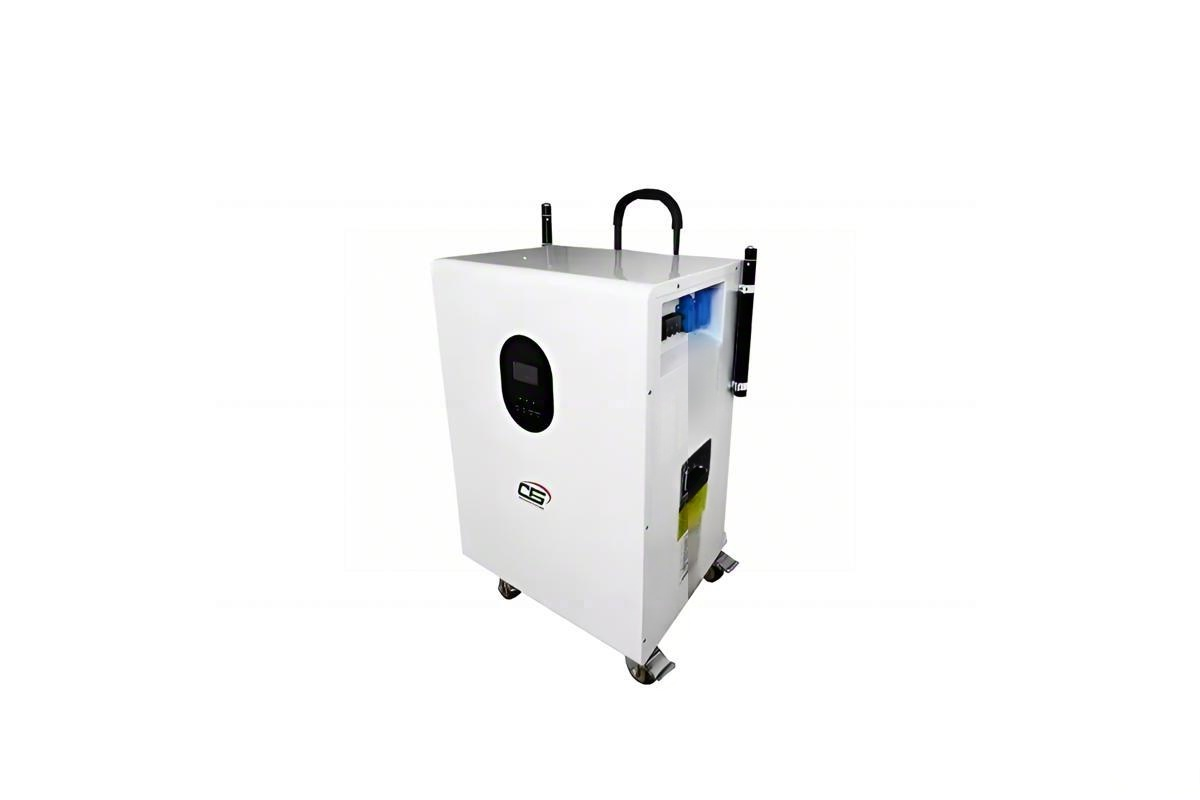
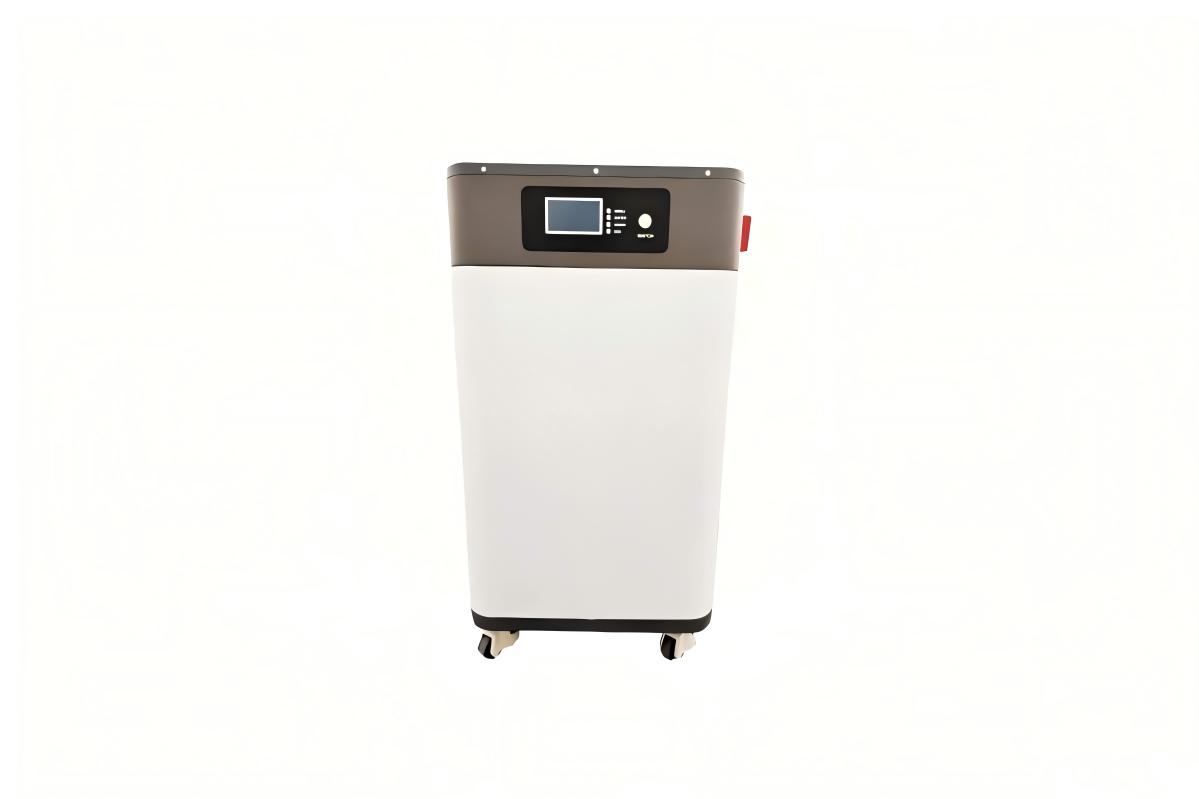
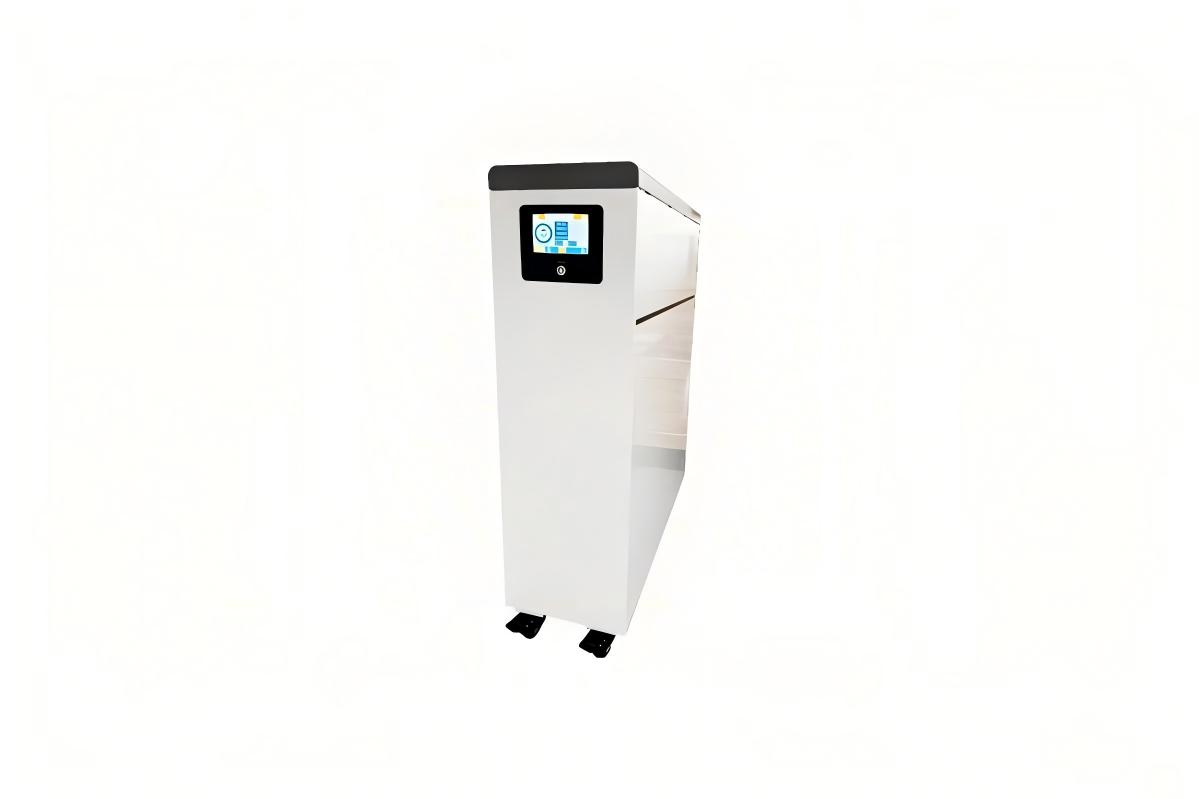
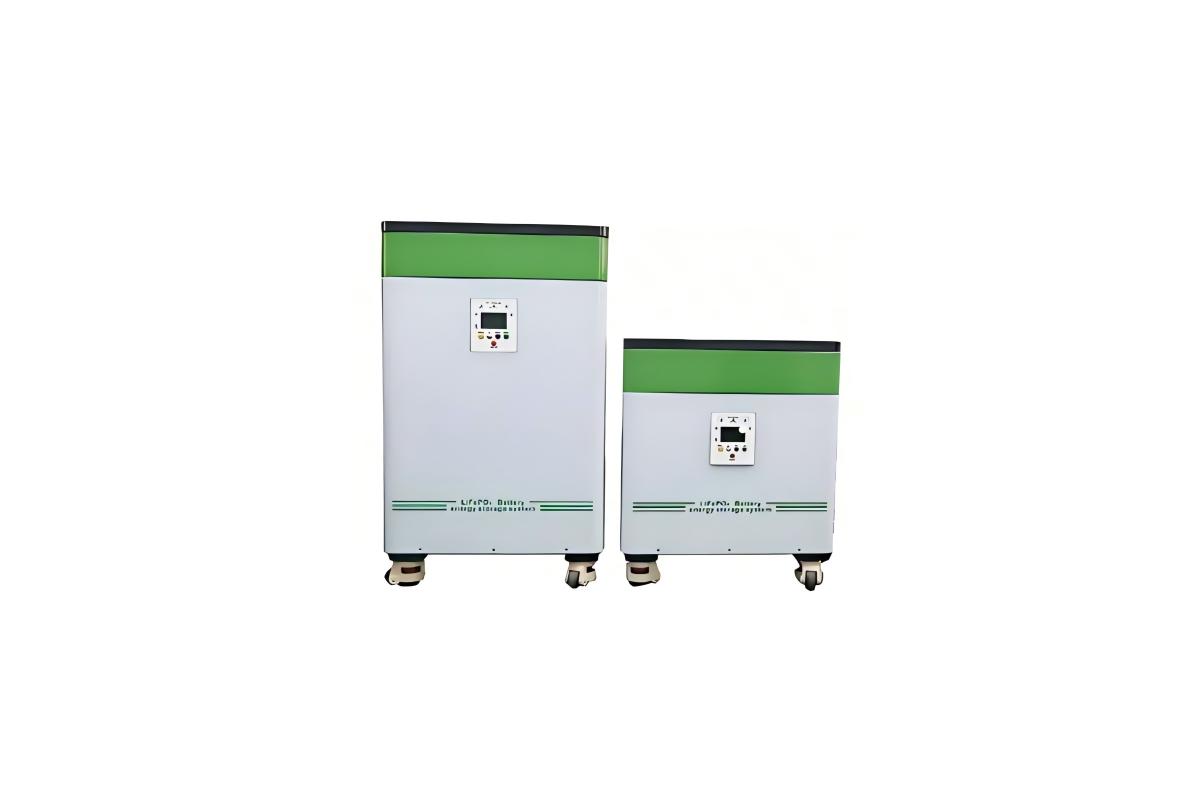
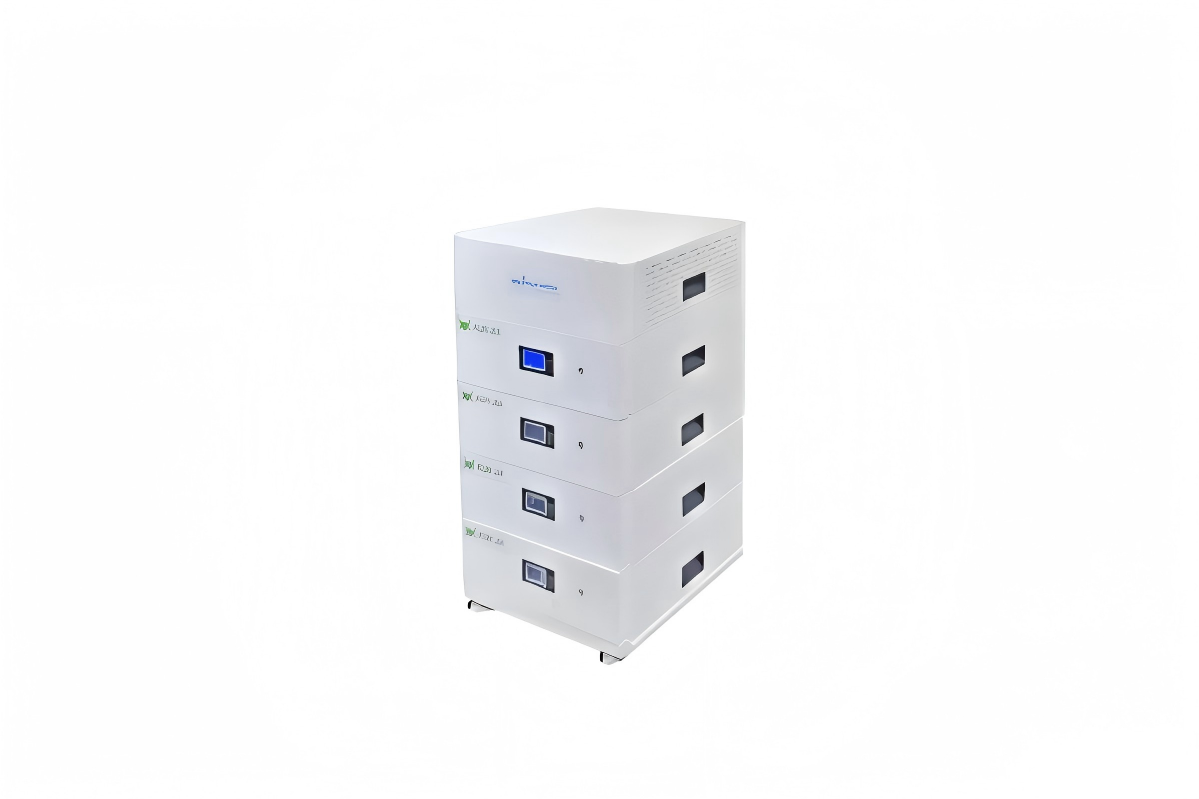
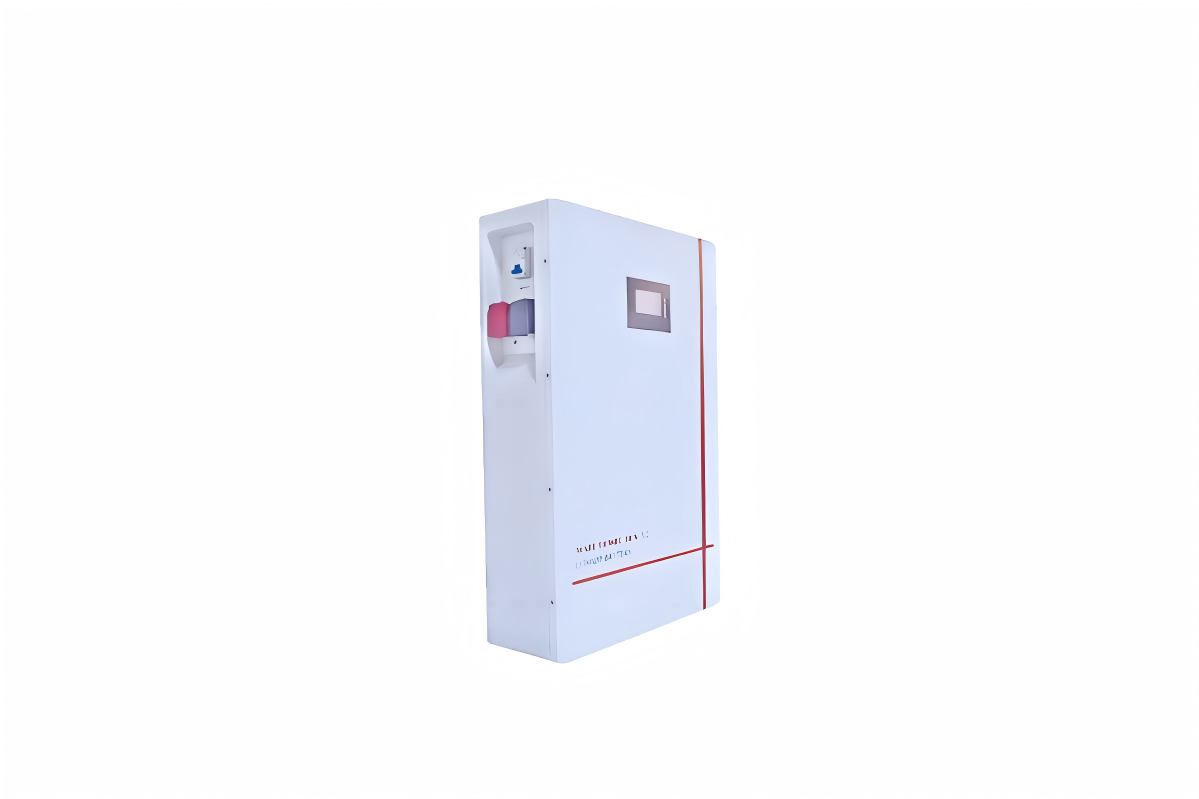
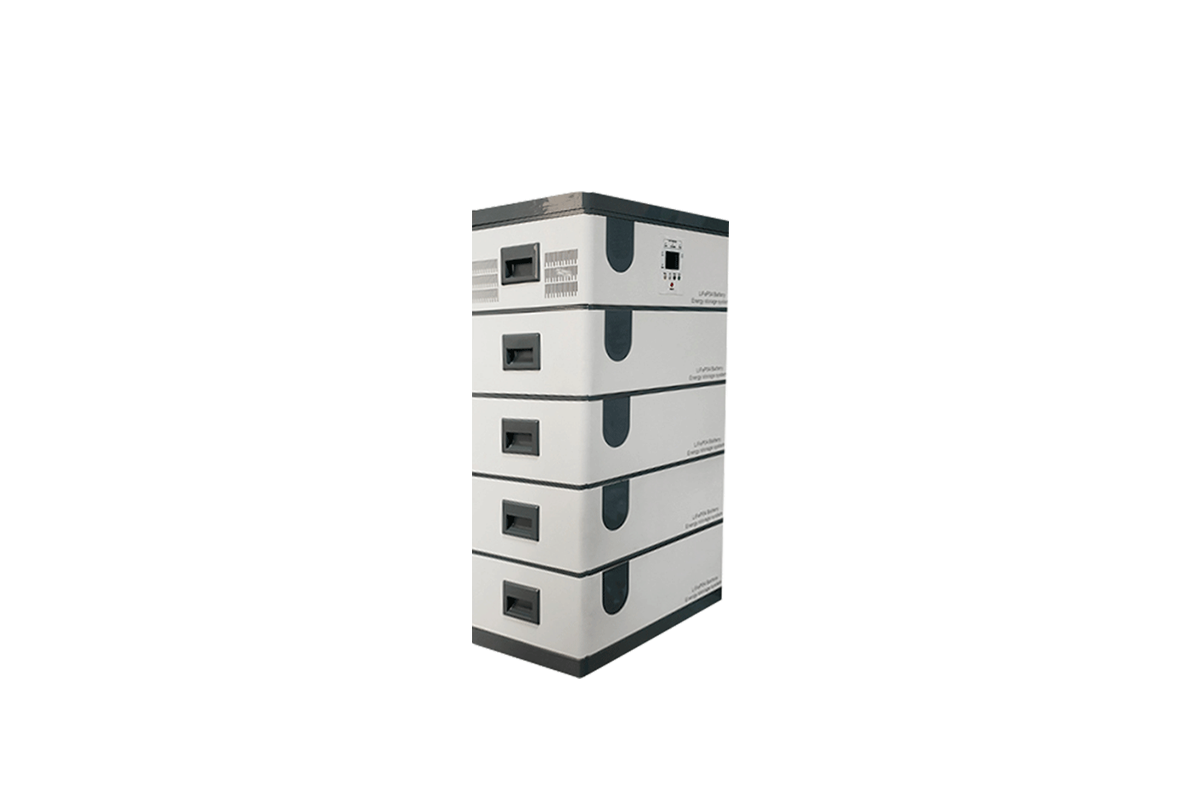
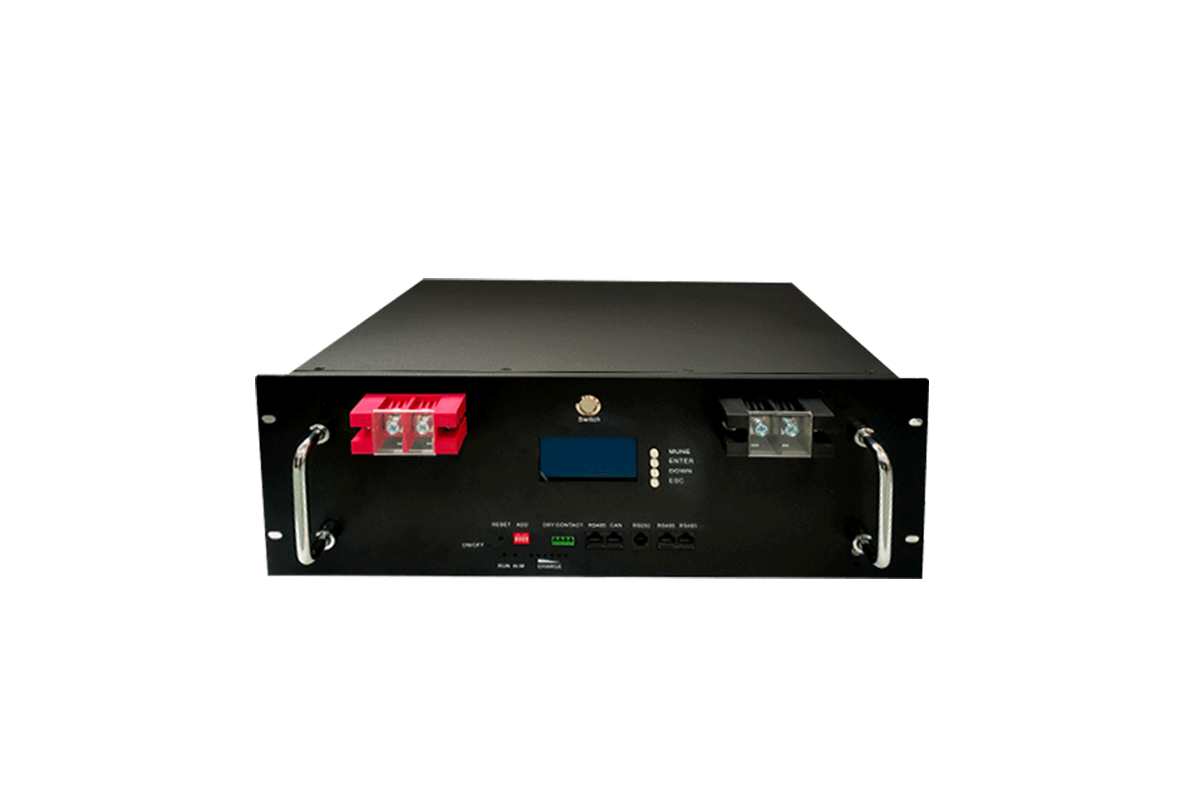
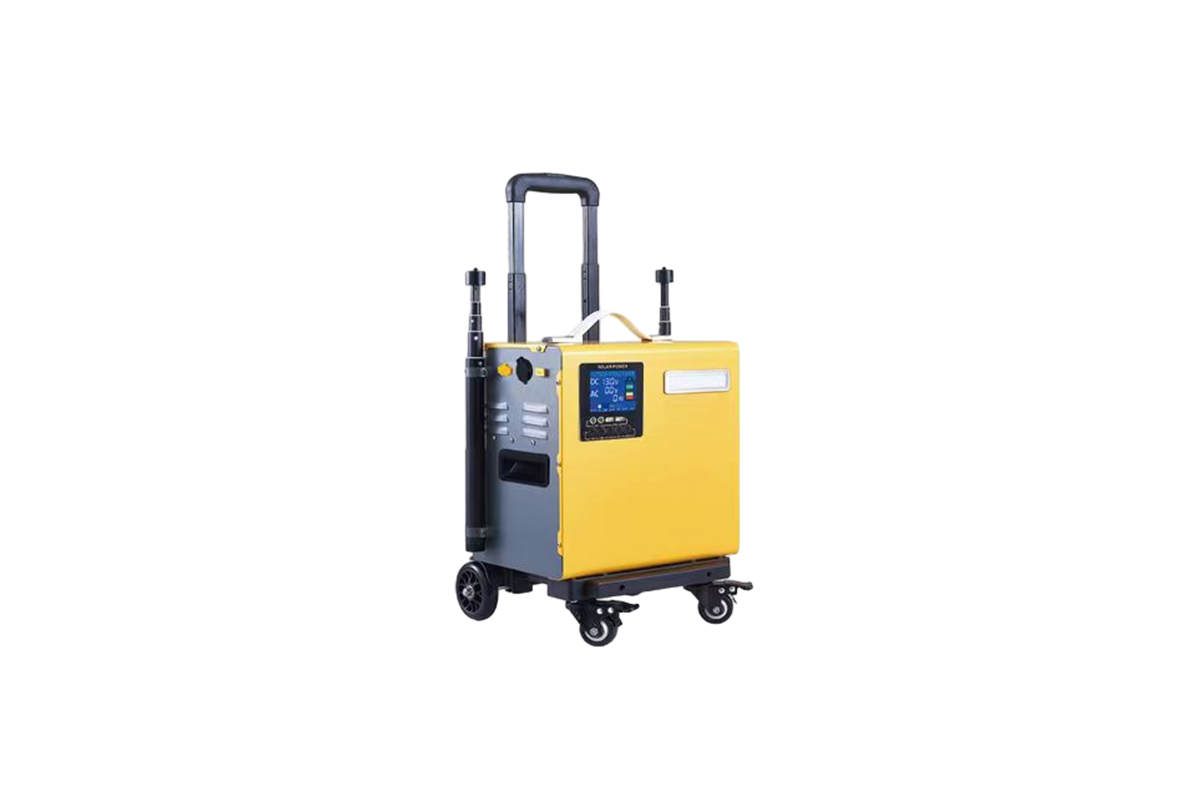
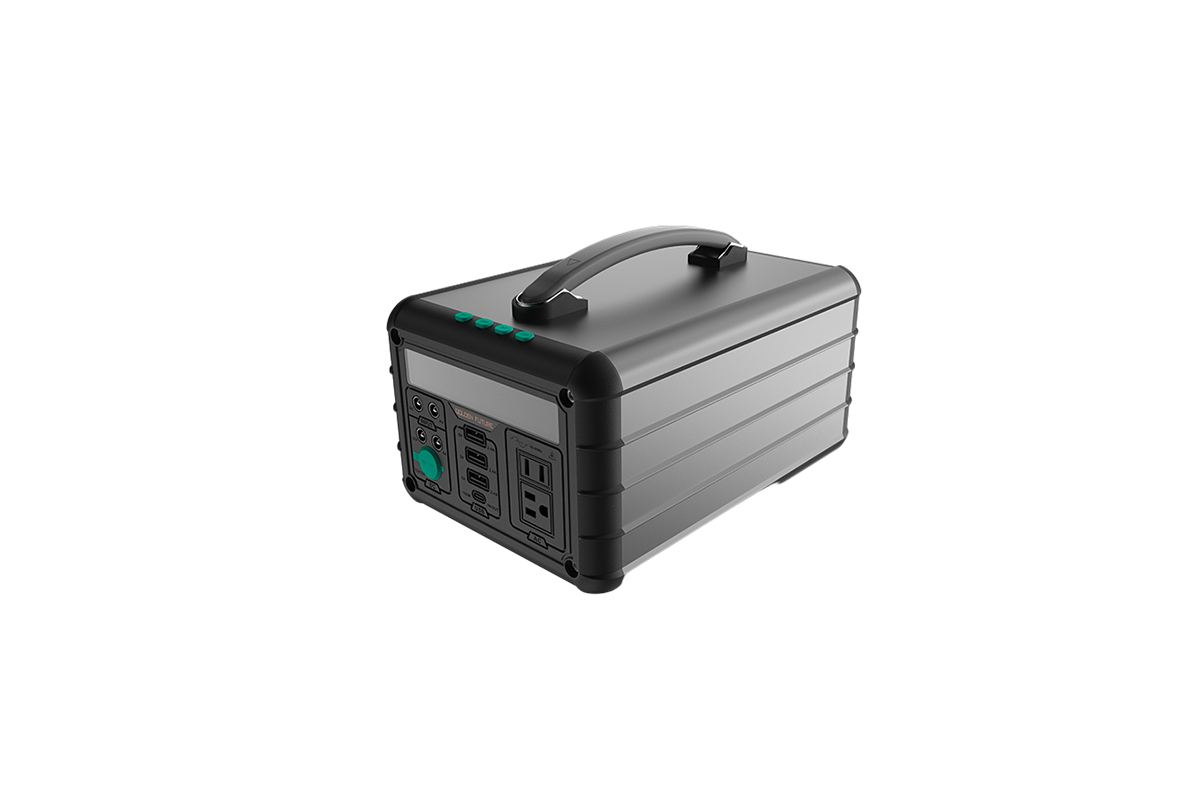
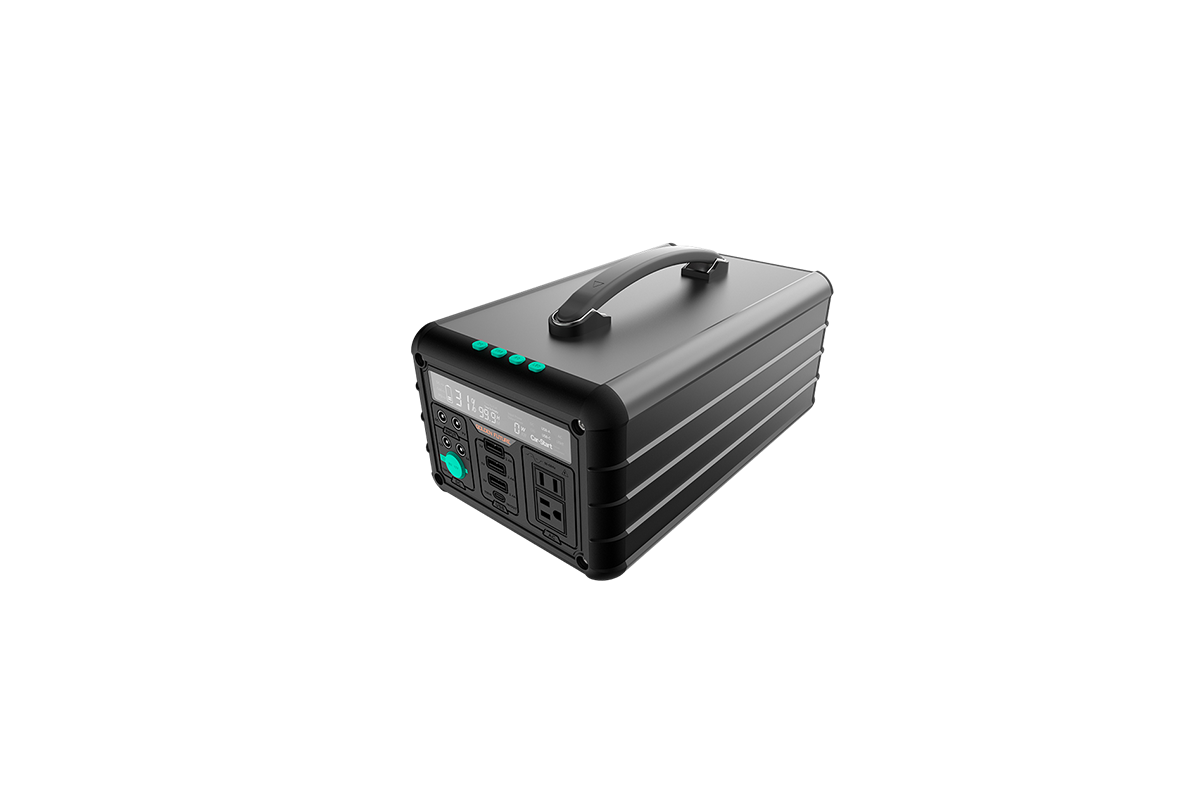
Residential energy storage equipment, predominantly lithium-ion battery systems, demands strict storage environmental conditions to ensure safety, performance, and long service life (10-15 years). The core requirements focus on temperature, humidity, ventilation, cleanliness, and spatial safety, as improper storage accelerates battery aging, causes capacity fade, and increases risks of thermal runaway, corrosion, or short circuits. These requirements apply to both short-term (days to weeks) and long-term (months) storage, with distinct parameters for idle vs. operational states.
Temperature control is paramount for battery health and safety. The ideal storage temperature for lithium-ion batteries is 15-25°C (59-77°F), the same as comfortable indoor room temperature. Long-term storage at temperatures above 30°C (86°F) accelerates internal chemical reactions, leading to rapid capacity loss and increased thermal runaway risk. Temperatures below 0°C (32°F) reduce battery activity, impair charge-discharge efficiency, and may cause permanent damage. For extended idle periods (over 1 month), batteries should be stored at 40-50% State of Charge (SOC)—avoiding full charge (100%) or complete discharge (0%)—to minimize aging and prevent irreversible capacity loss.
Humidity, ventilation, and spatial safety requirements complement temperature control. The optimal relative humidity range is 40-60% RH; excessive humidity (>70% RH) causes condensation, corrosion of electrical components, and increased short-circuit risk, while extreme dryness (<30% RH) leads to static electricity buildup. Storage areas must be dry, well-ventilated, and away from direct sunlight, heat sources (heaters, radiators), and flammable materials. Equipment should be placed on non-combustible, level surfaces with a minimum clearance of 30cm (12 inches) from walls and other objects for heat dissipation and maintenance access. Additionally, storage spaces must be clean and dust-free, as metal dust or conductive debris can trigger short circuits. For outdoor storage, equipment must have an IP67 rating (dust-tight, waterproof up to 1m for 30 minutes) and be elevated to avoid flood damage. Adhering to these environmental requirements maximizes battery lifespan, ensures consistent performance, and mitigates safety hazards for residential energy storage systems.




 59911926@qq.com/sales@goldenfuturehk.com
 13316809242 / 15816897019
 Inquiry
 Home >