






Time:2025-12-18 Views:1
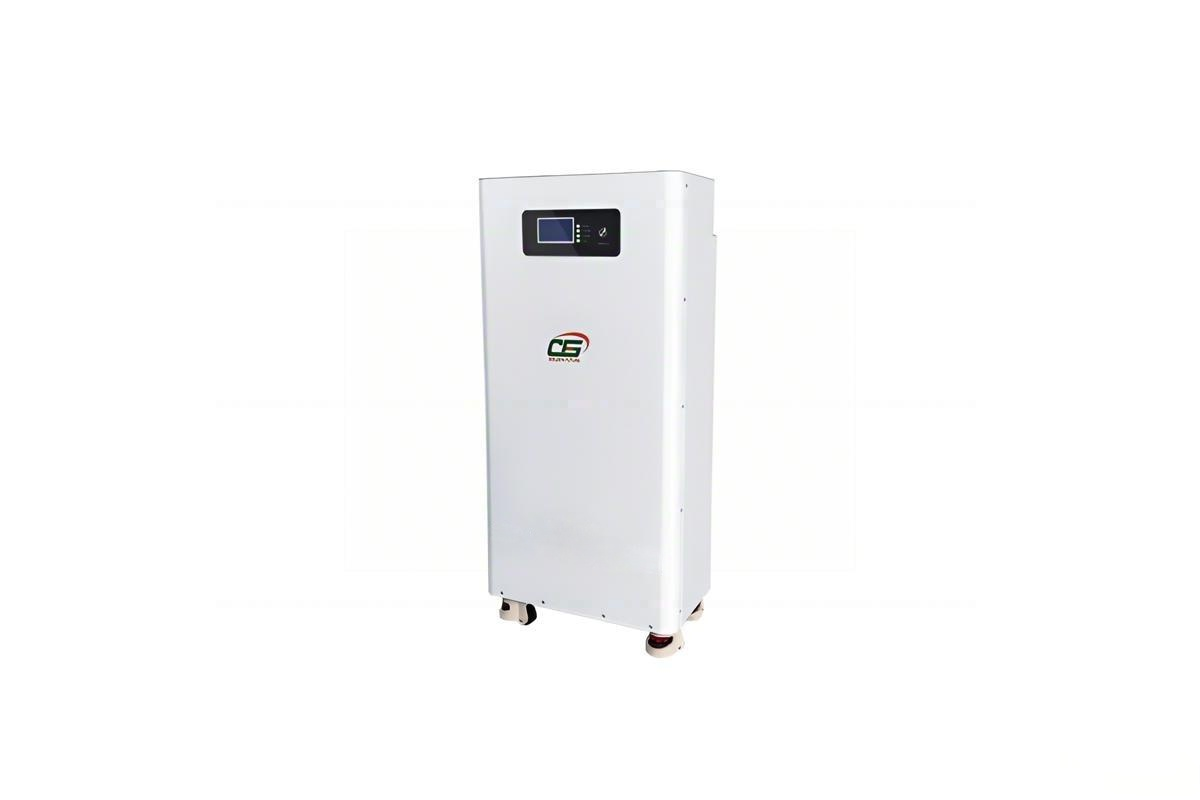
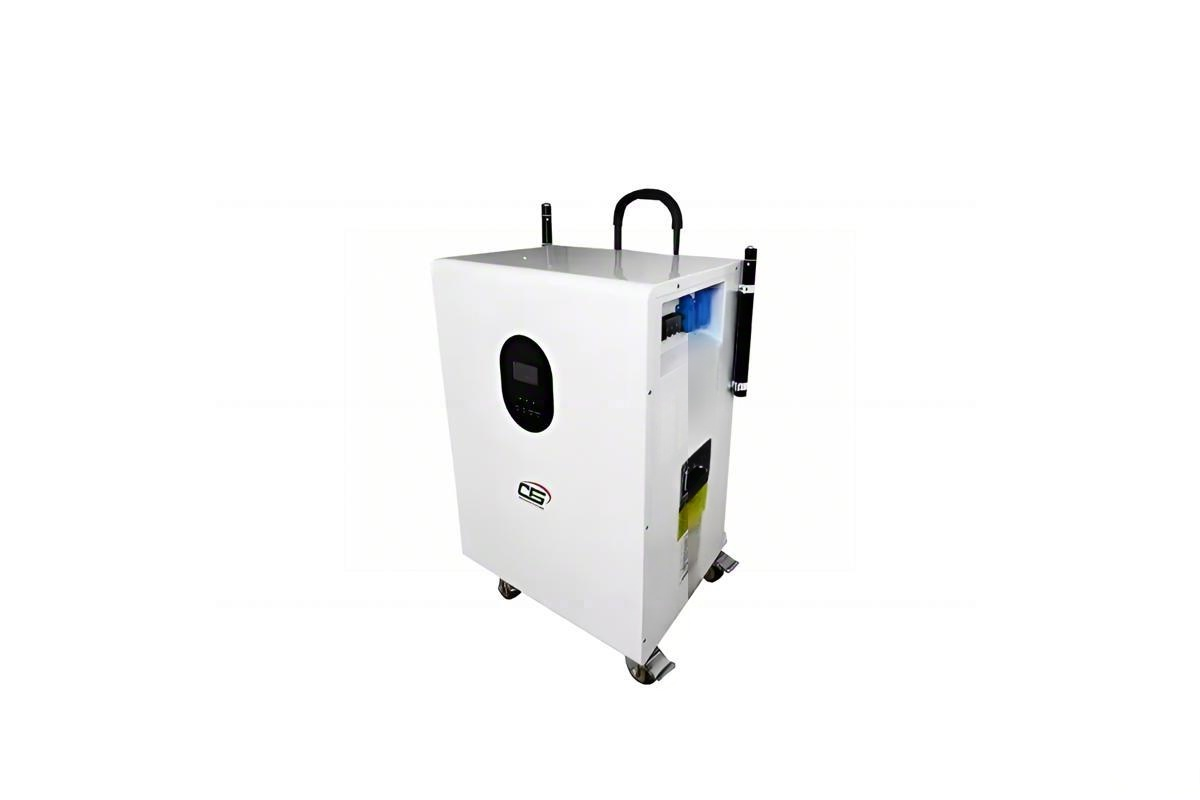
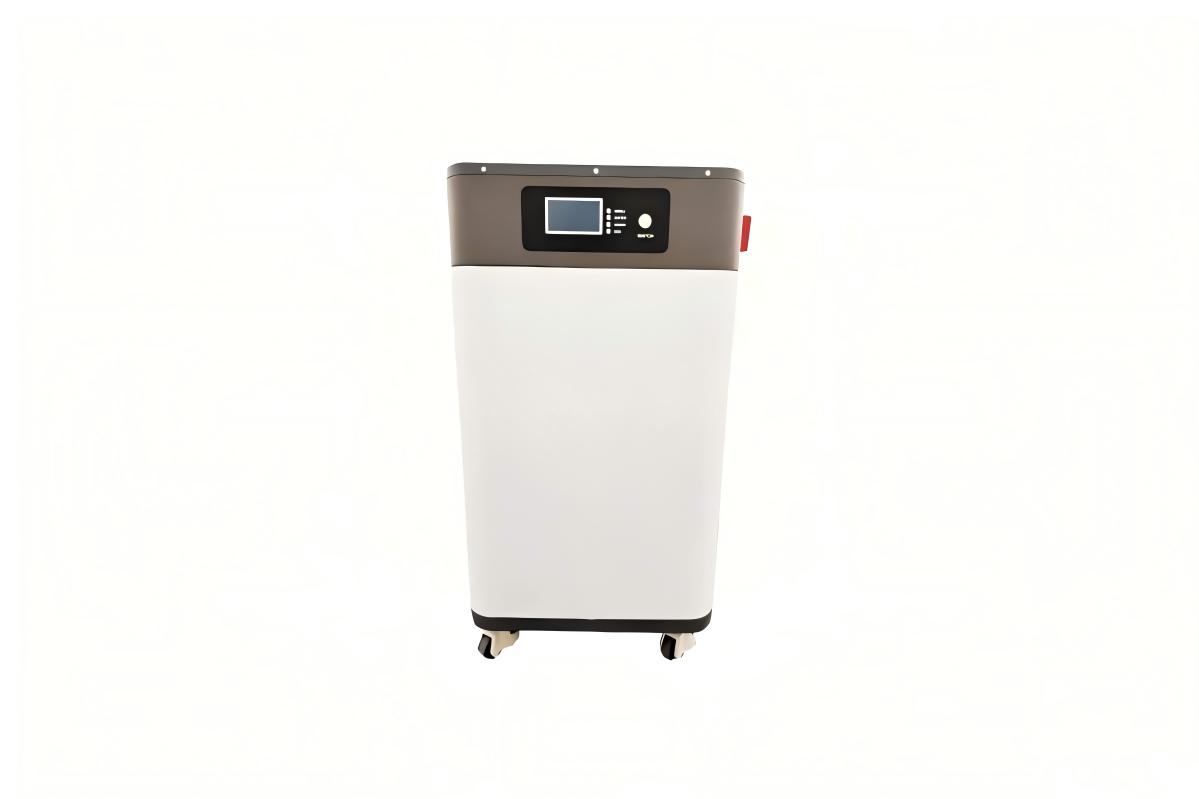
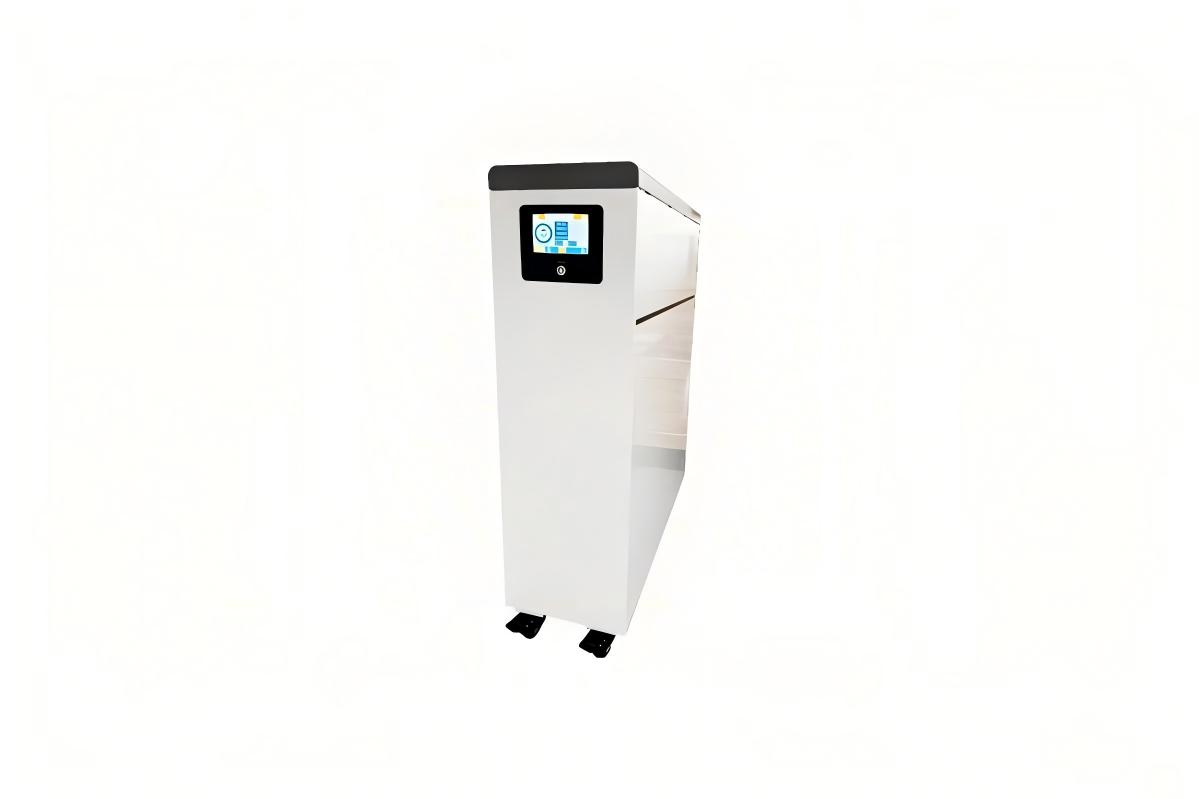
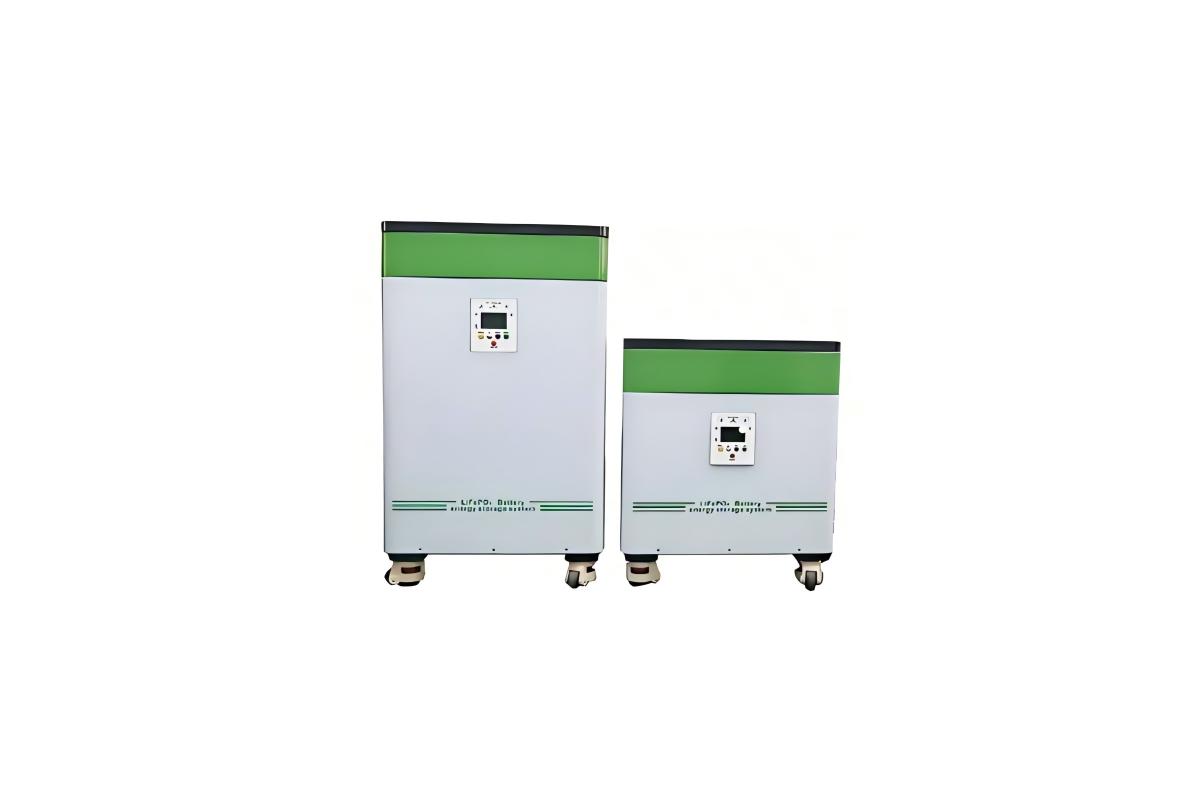
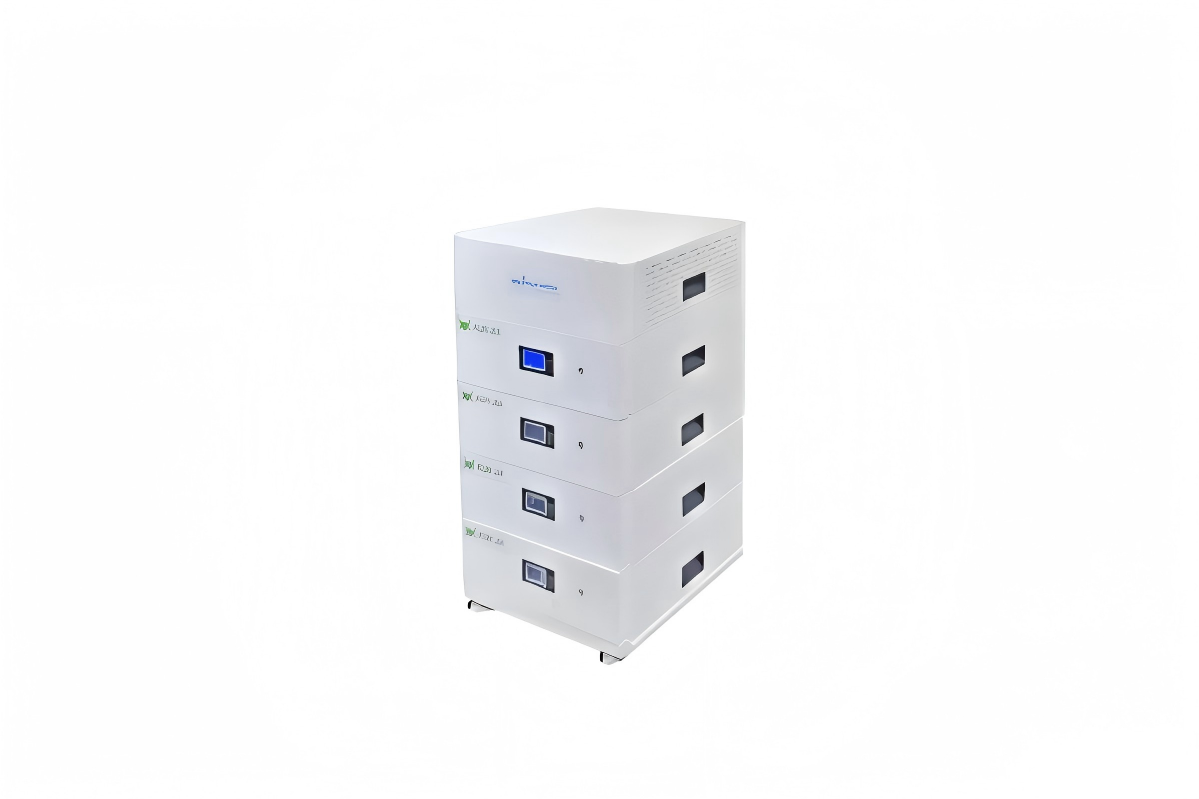
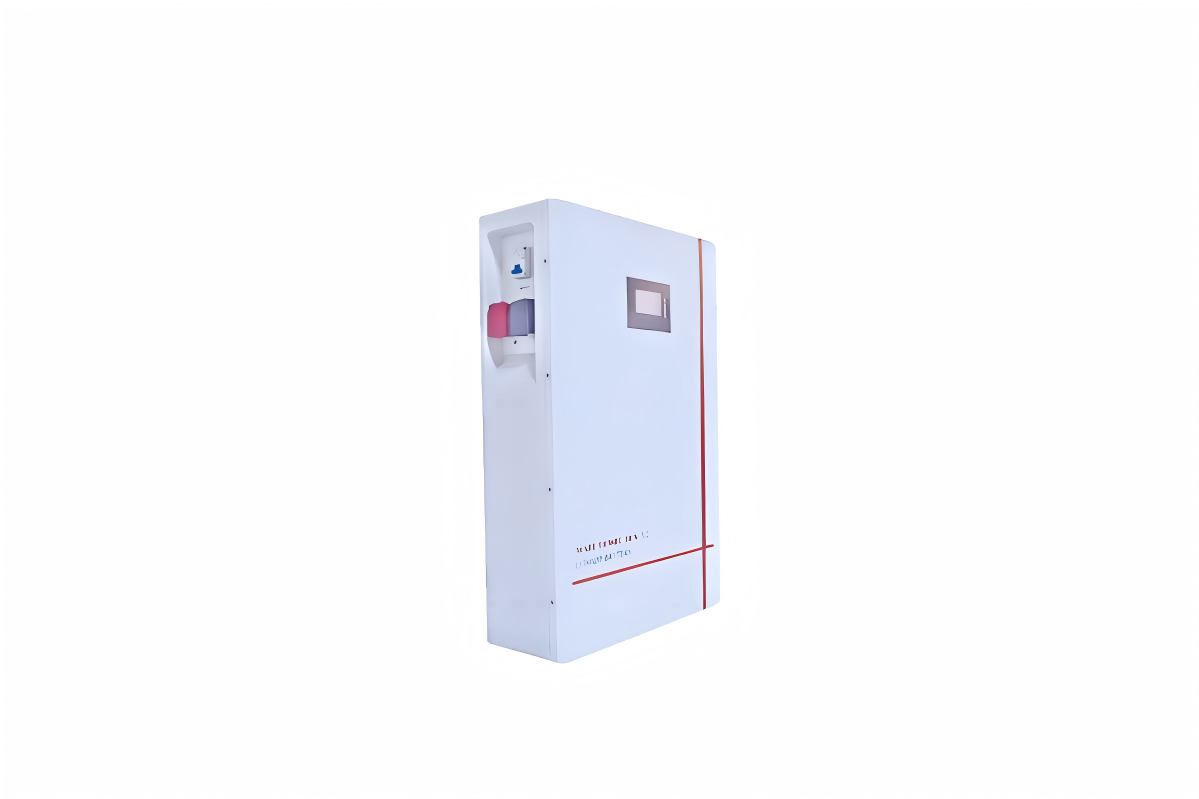
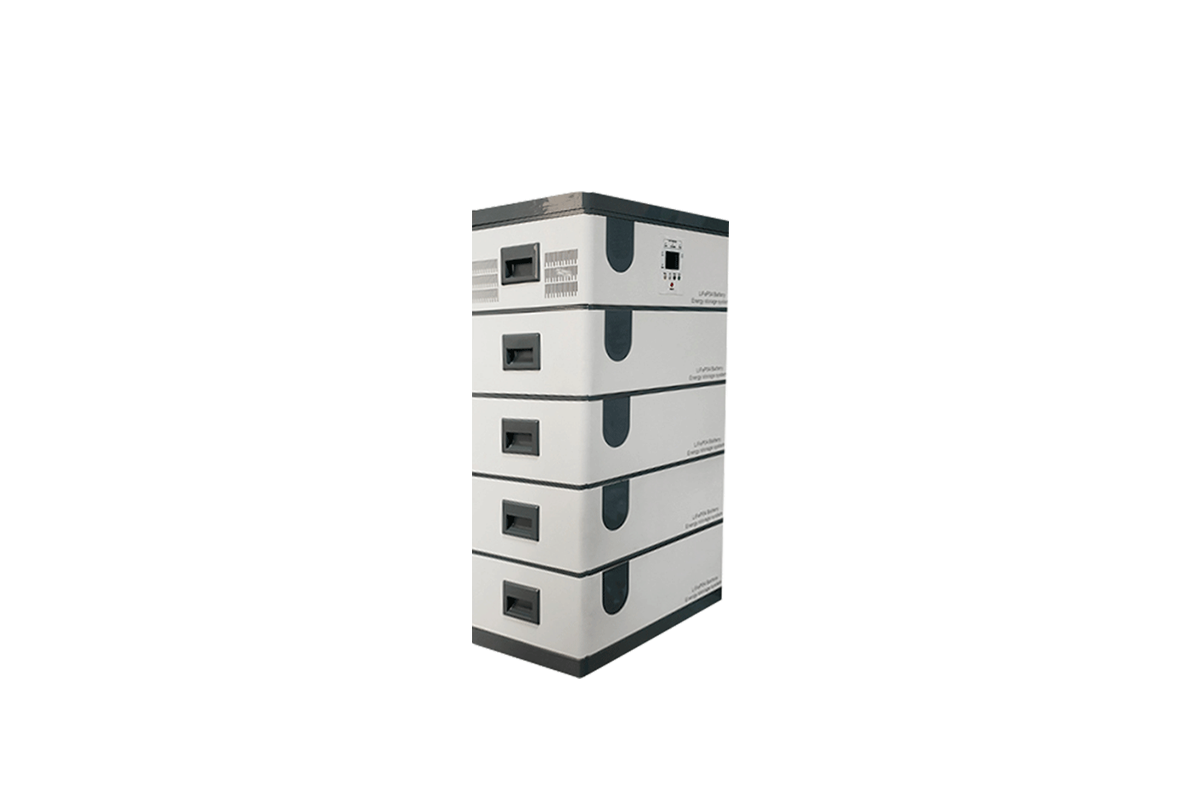
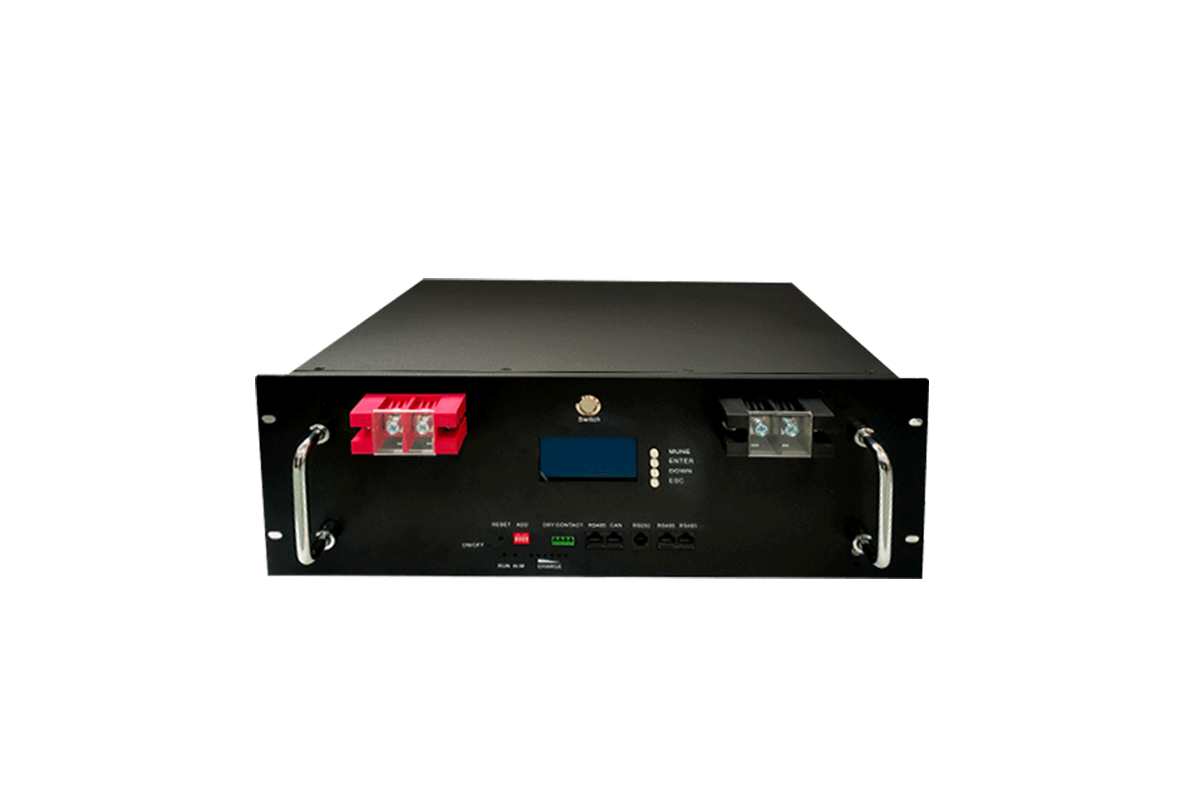
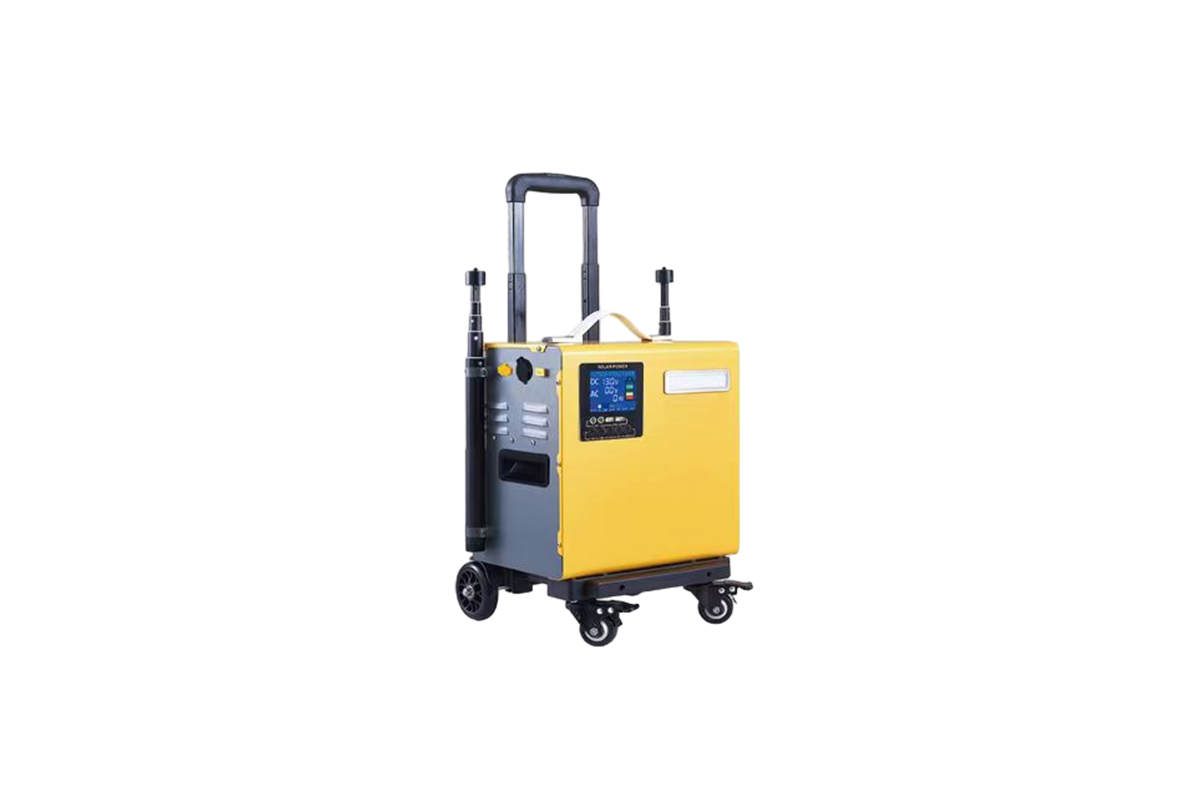
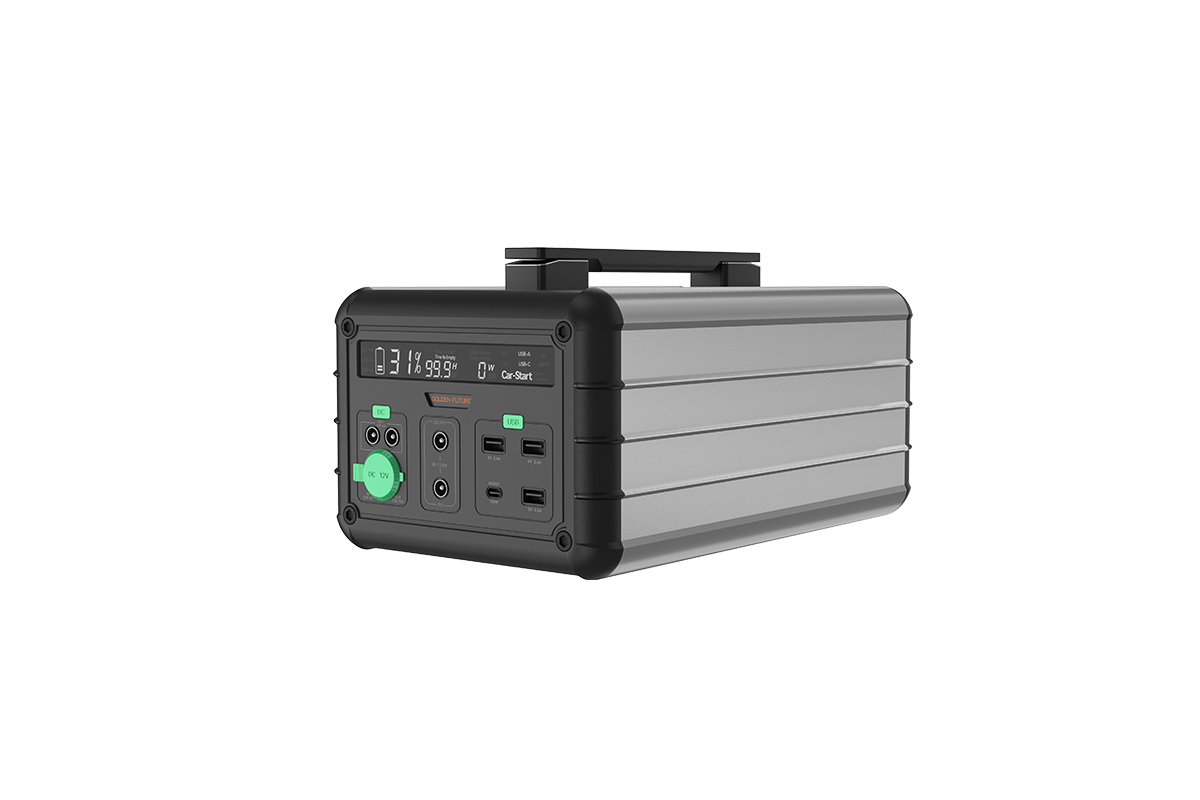
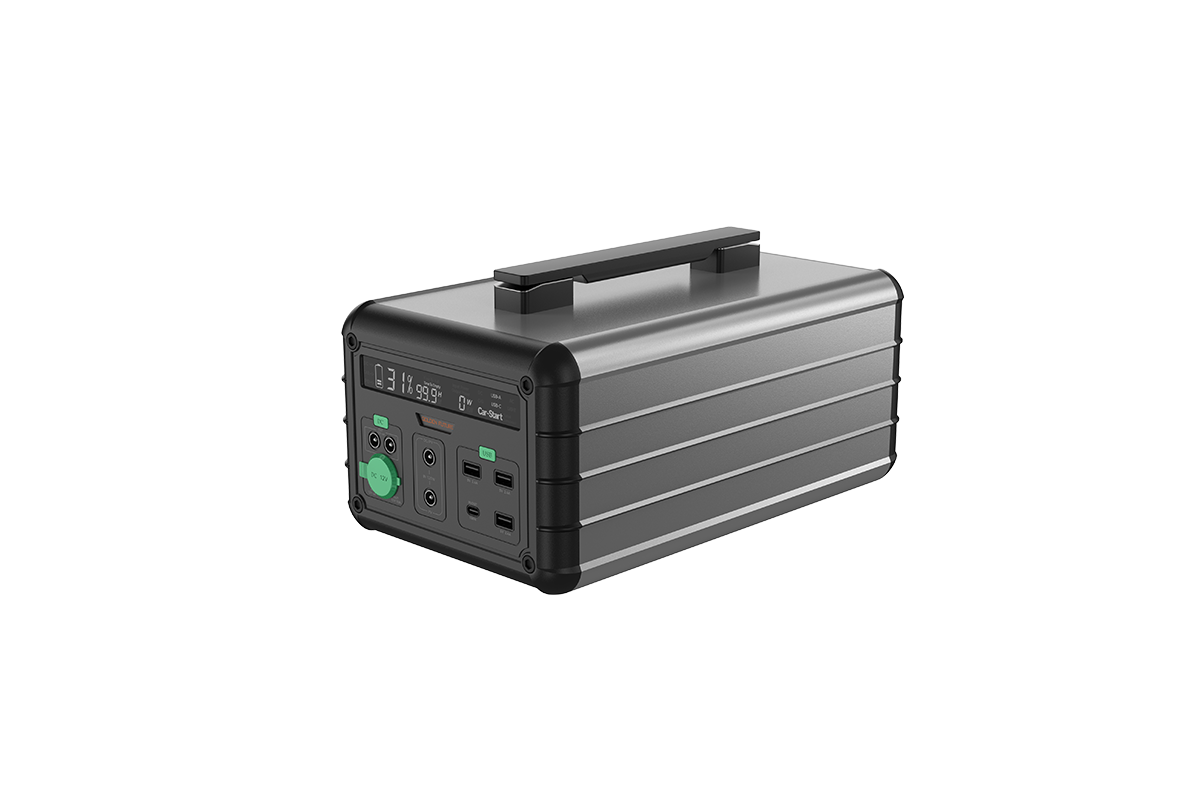
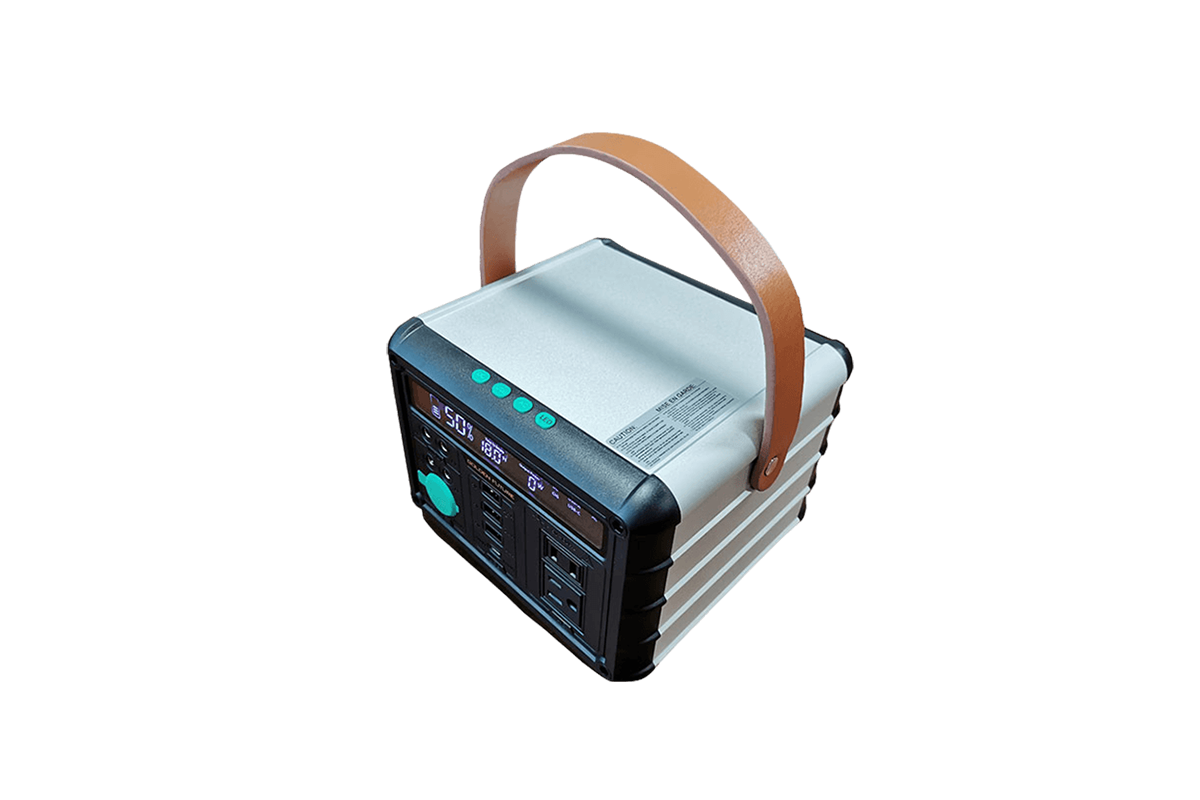
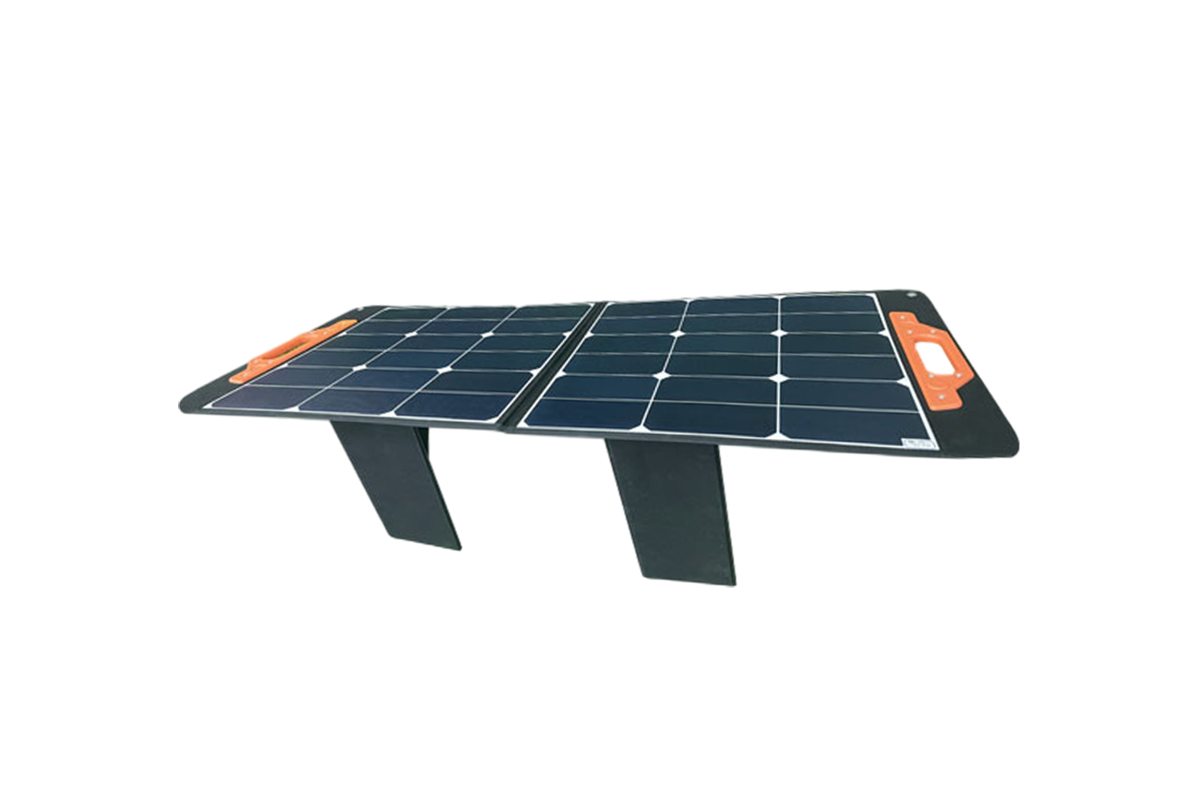
Solar energy home battery storage—often called a "solar-plus-storage" system—combines solar panels with a battery to create a self-contained, renewable energy solution for residences. This system captures sunlight, converts it to electricity, stores excess power for later use, and reduces reliance on the grid—offering a trifecta of benefits: cost savings, energy independence, and environmental sustainability.
At its core, the system works in three steps: during the day, solar panels generate DC electricity; a hybrid inverter converts this to AC power for immediate home use; any excess AC power is converted back to DC to charge the battery. In the evening (or when panels generate less power), the battery discharges stored DC power, which the inverter converts back to AC for household use. This cycle maximizes "self-consumption" of solar energy—critical because sending excess power to the grid (via net metering) often yields minimal compensation, while using stored solar power avoids retail grid rates.
Cost savings are a major draw. By using stored solar energy instead of grid power—especially during peak hours (when rates are highest)—households cut monthly bills. For example, a home with a 5 kW solar array and 15 kWh battery might save(100–)150 monthly, depending on TOU rates. Over time, these savings offset upfront costs, with most systems paying for themselves in 7–12 years. Incentives like the U.S. Federal Solar Tax Credit (30% of system costs) further reduce payback time.
Energy independence is another key advantage. During grid outages, solar-plus-storage systems (with backup capability) continue to power homes—unlike standalone solar systems, which shut down for safety. A 15 kWh battery can keep essentials running for 2–3 days, providing peace of mind in regions prone to storms or blackouts. Advanced systems like the Tesla Powerwall even allow "load shifting," letting users prioritize powering medical equipment or HVAC over non-essentials.
Environmentally, these systems reduce carbon footprints. By replacing grid power (often from fossil fuels) with solar energy, a typical solar-plus-storage home cuts emissions by 3–5 tons of CO₂ annually—equivalent to planting 75–125 trees. They also support grid sustainability by reducing peak demand, lessening the need for "peaker plants" (high-emission fossil fuel plants used during high demand).
With technological advancements—like smarter inverters, longer-lasting LFP batteries, and user-friendly apps—solar energy home battery storage is becoming more accessible and efficient. For homeowners looking to take control of their energy use while contributing to a greener future, it’s an investment that delivers both immediate and long-term rewards.




 59911926@qq.com/sales@goldenfuturehk.com
 13316809242 / 15816897019
 Inquiry
 Home >