





Time:2026-05-20 Views:52
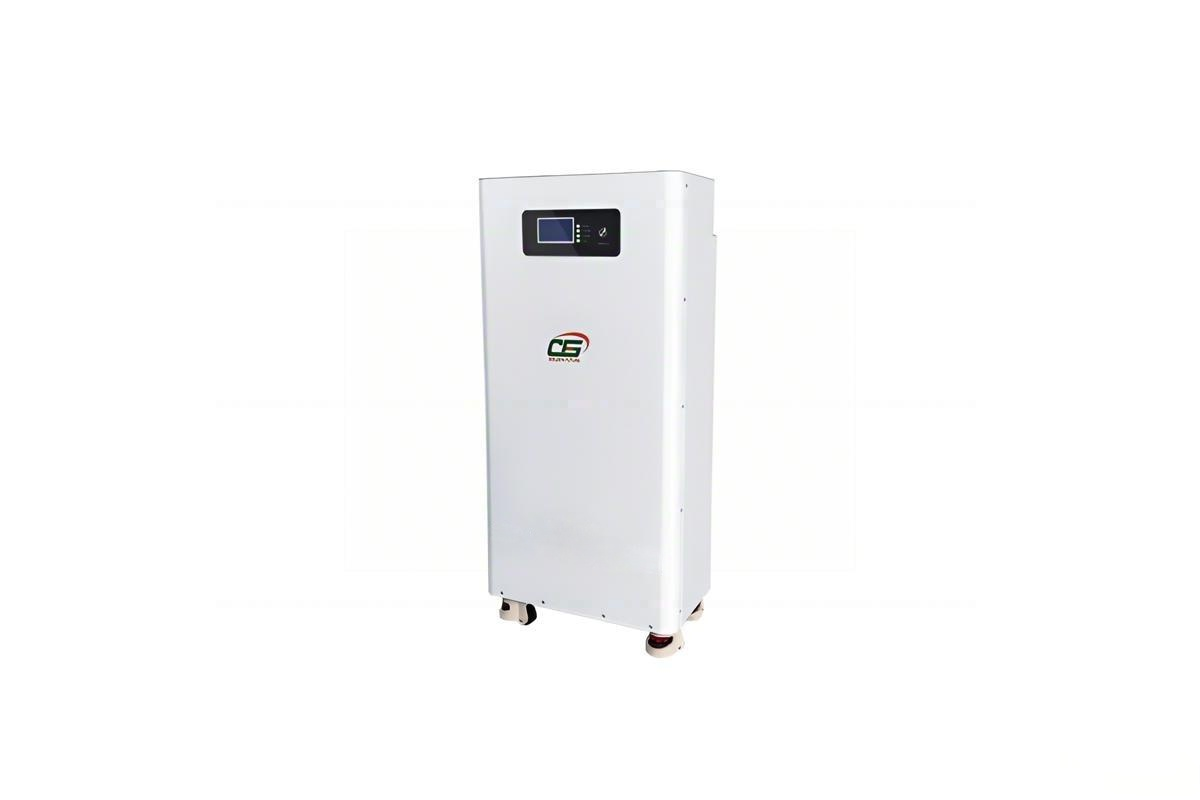
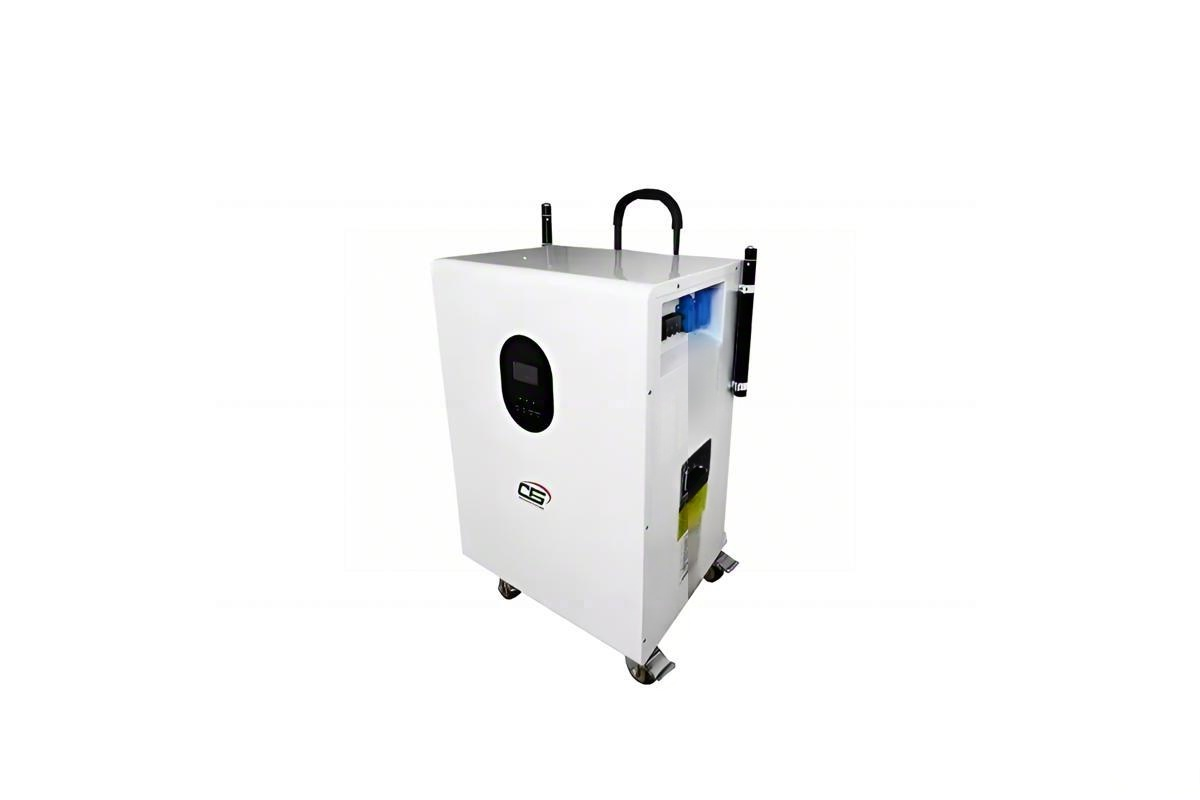
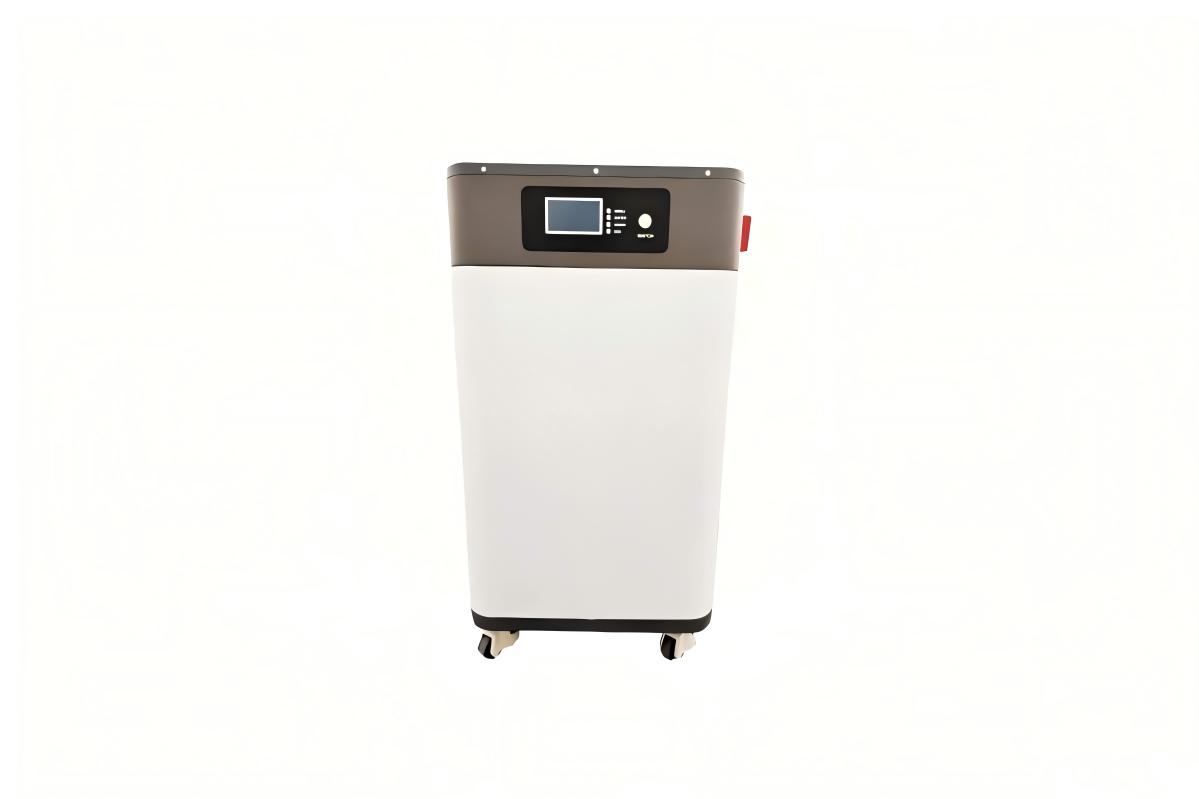
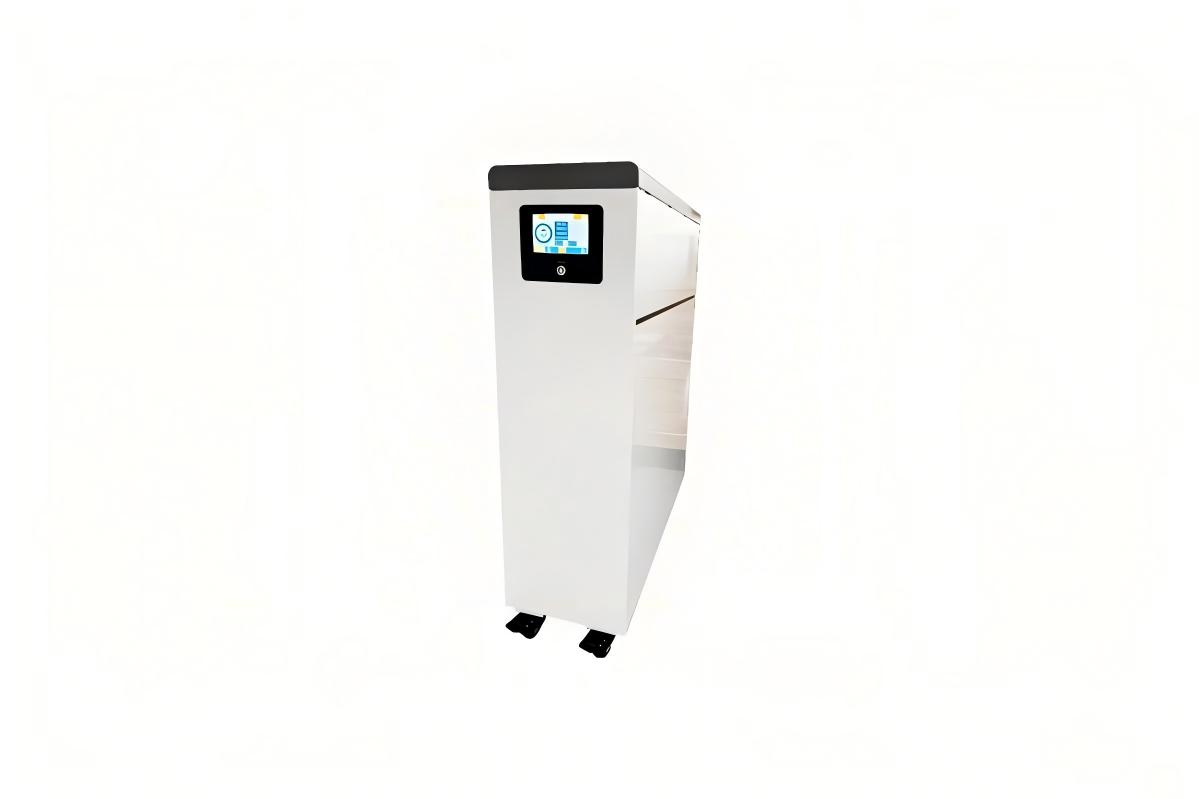
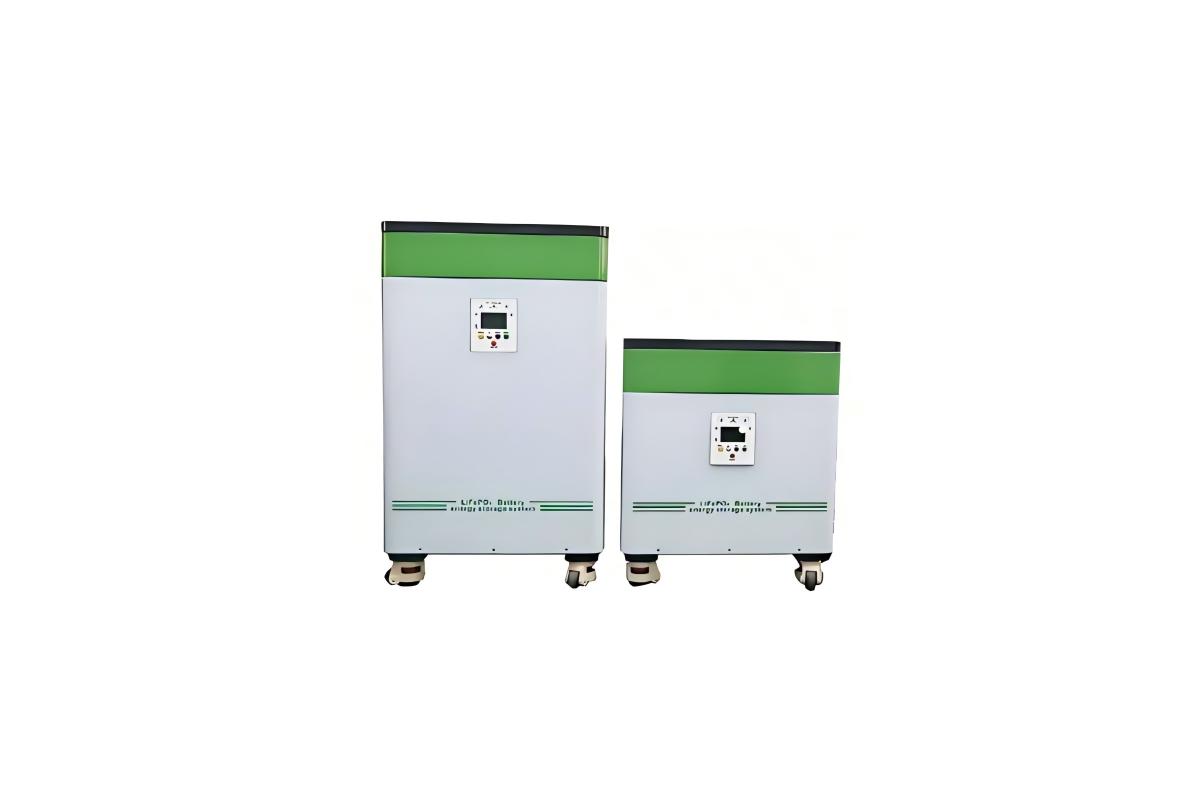
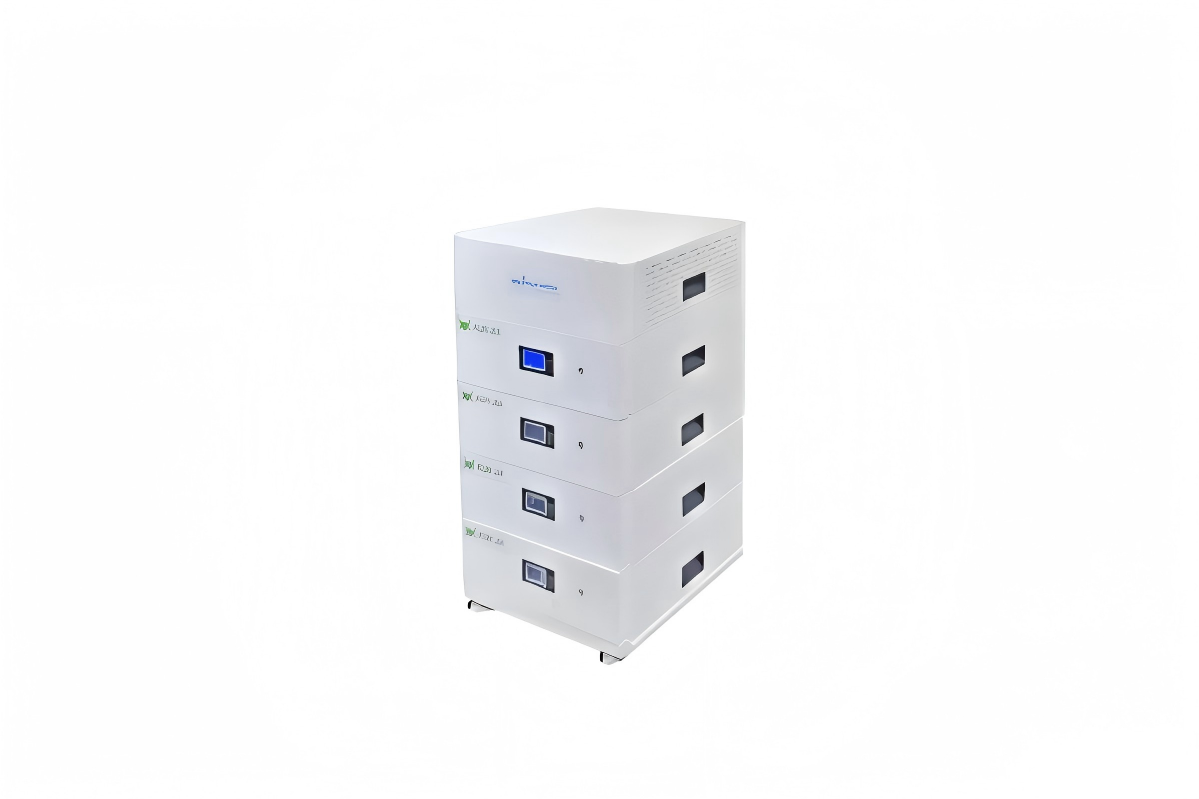
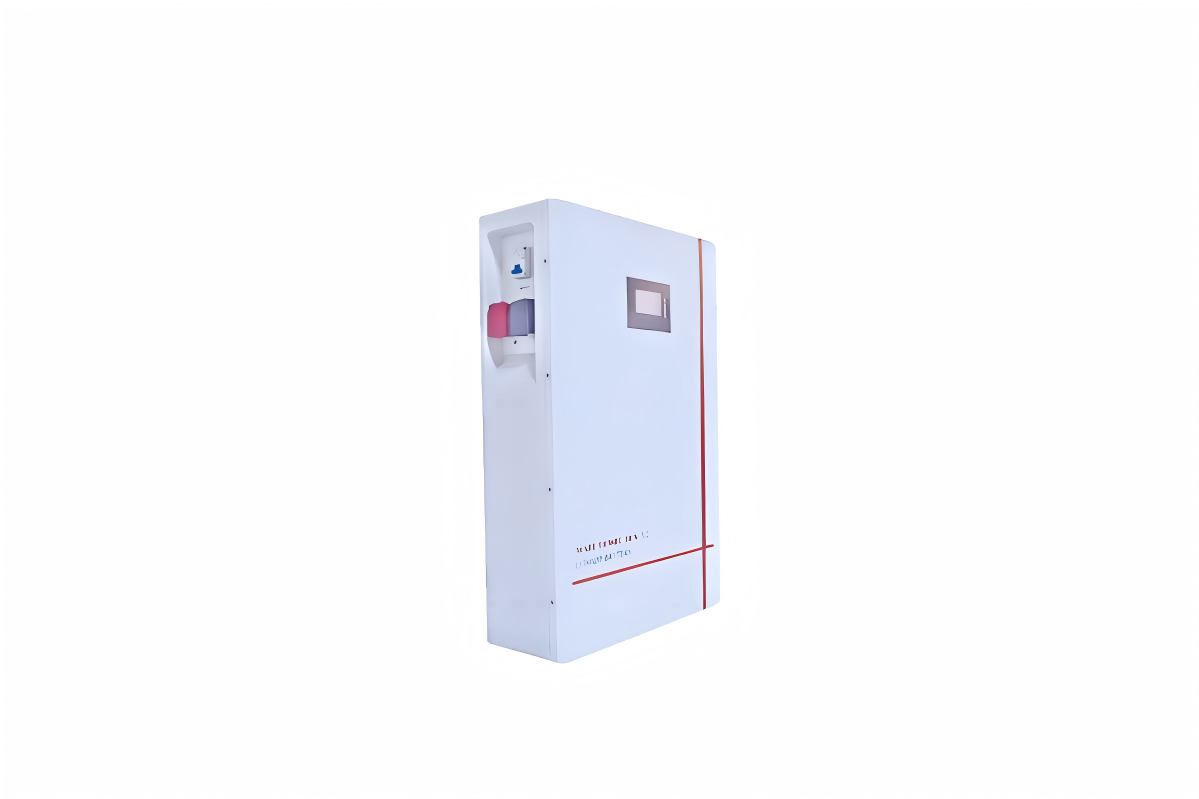
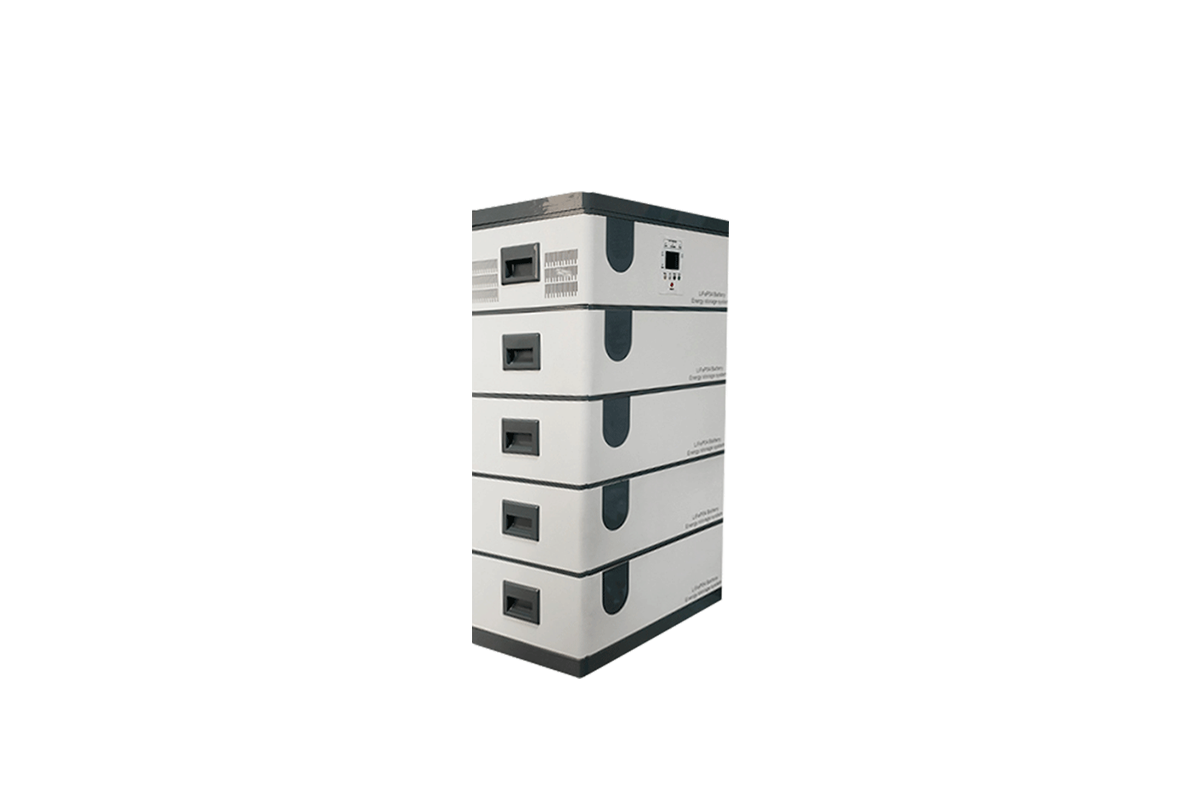
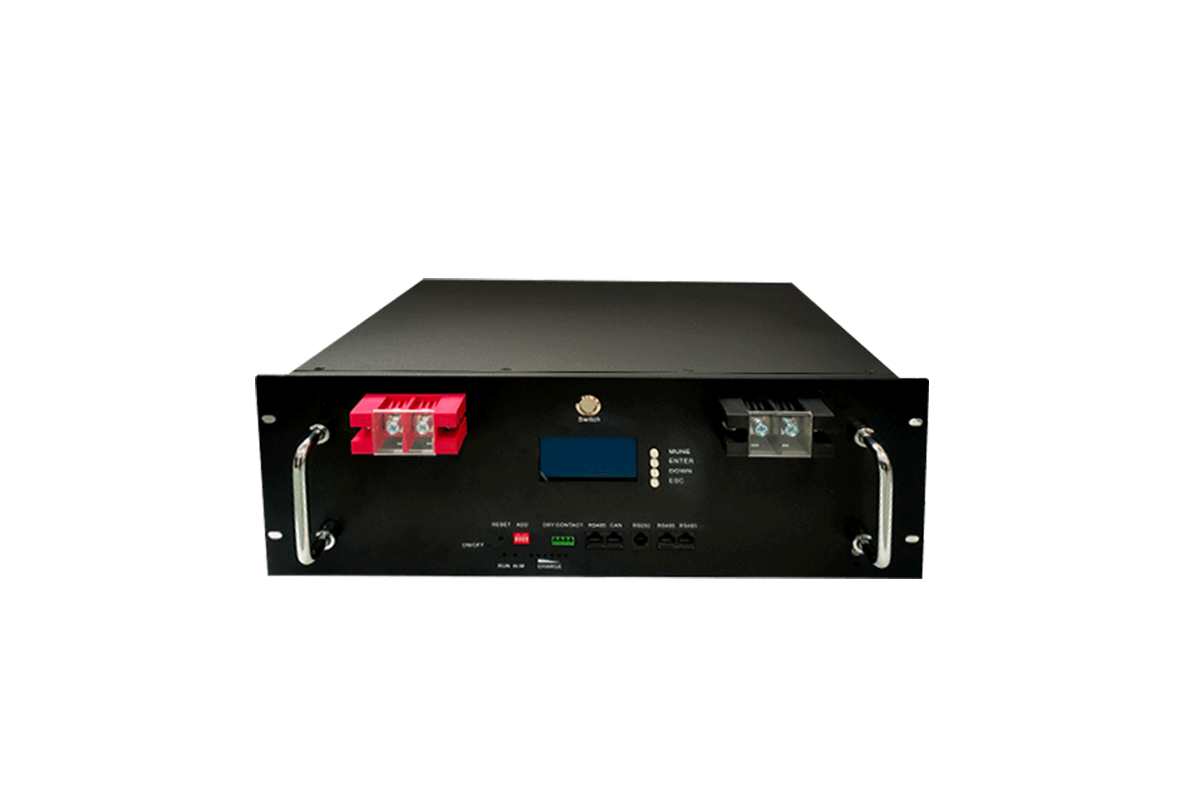
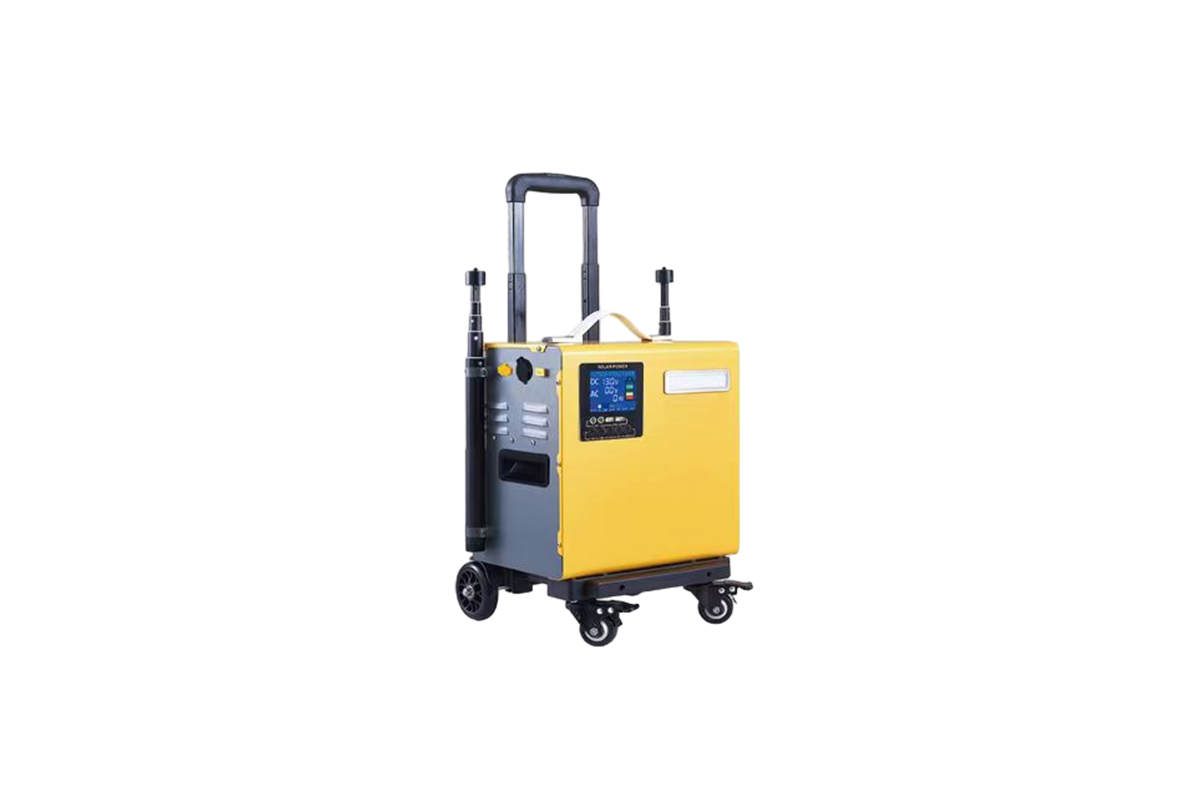
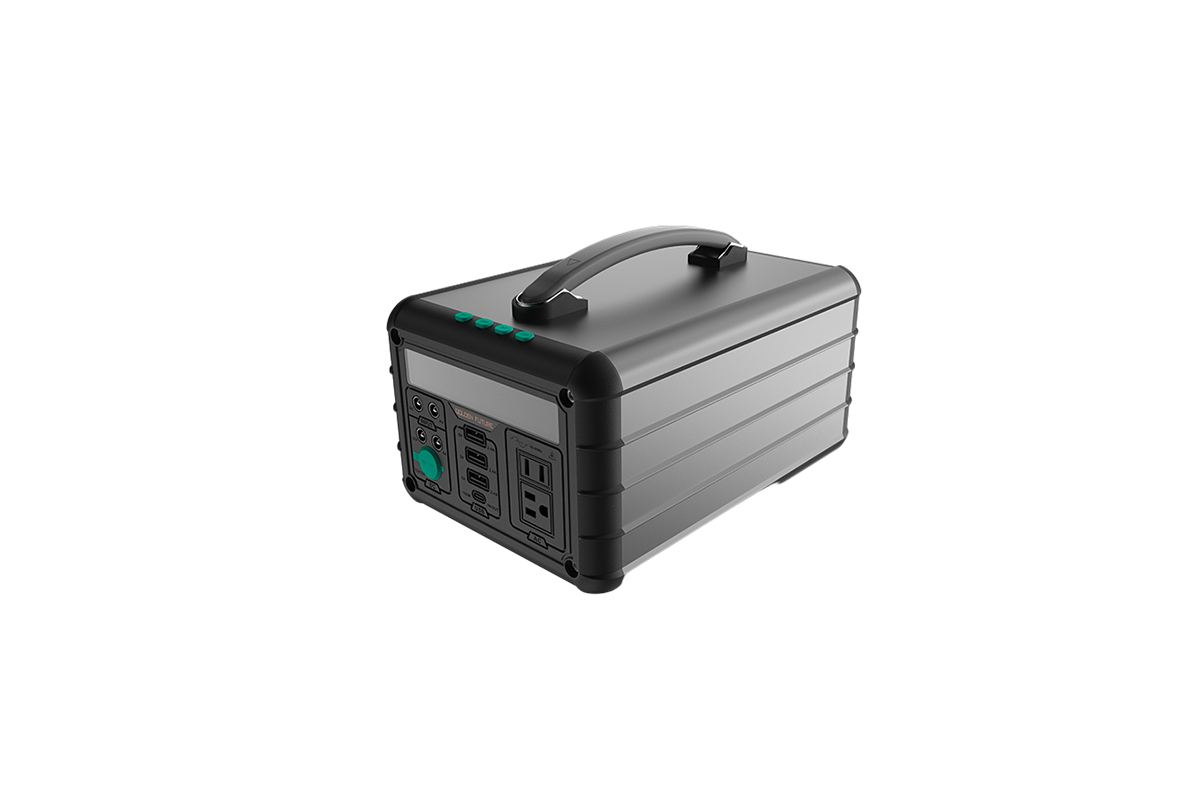
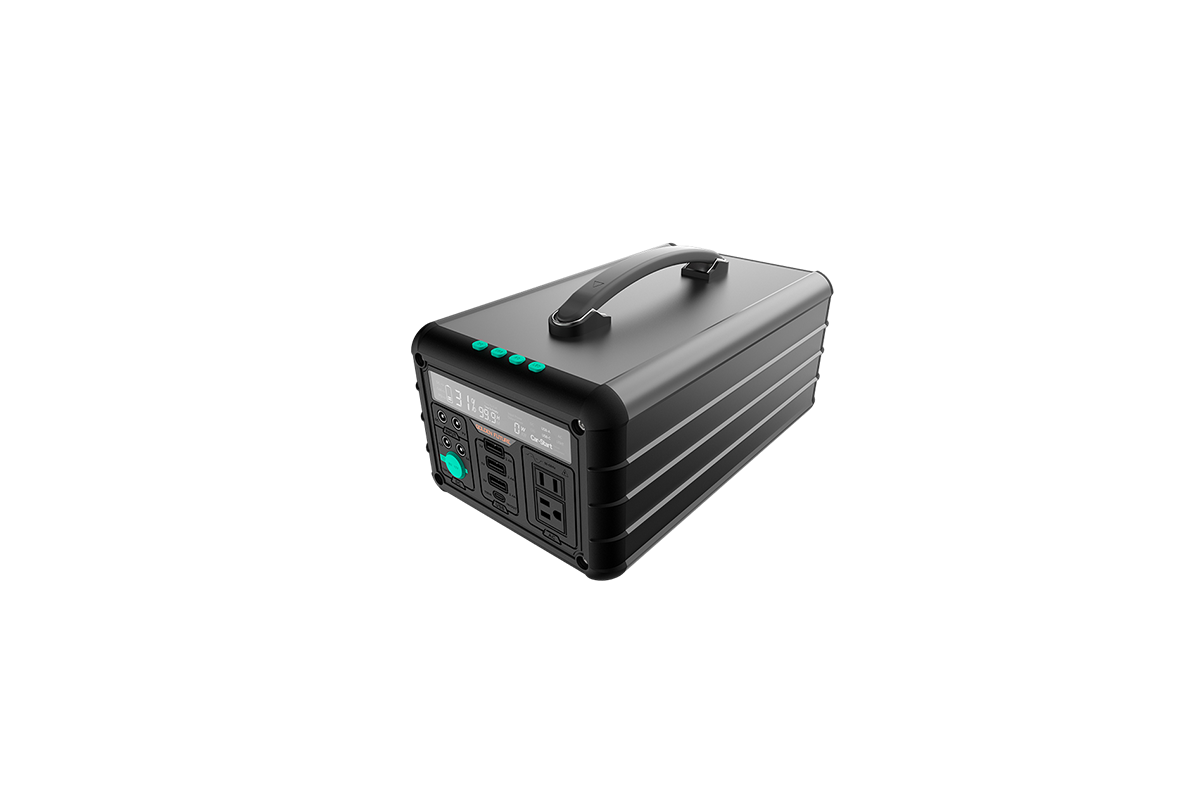
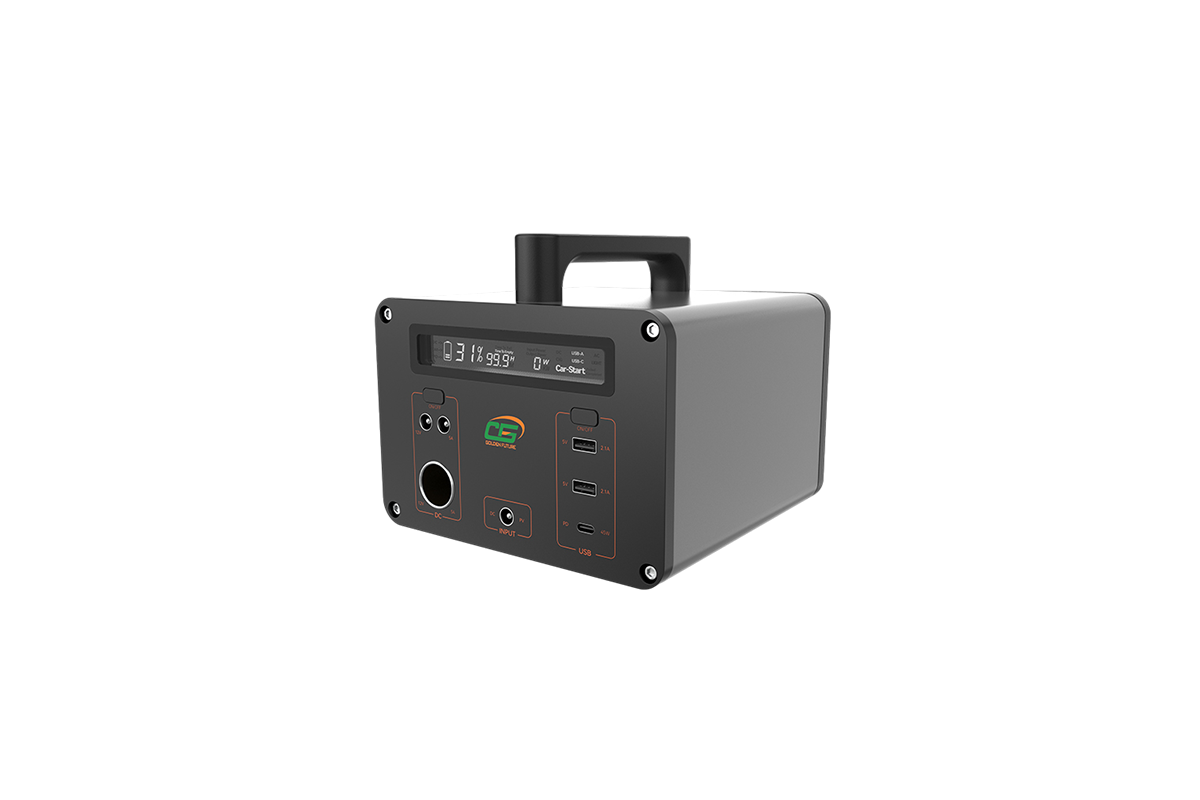
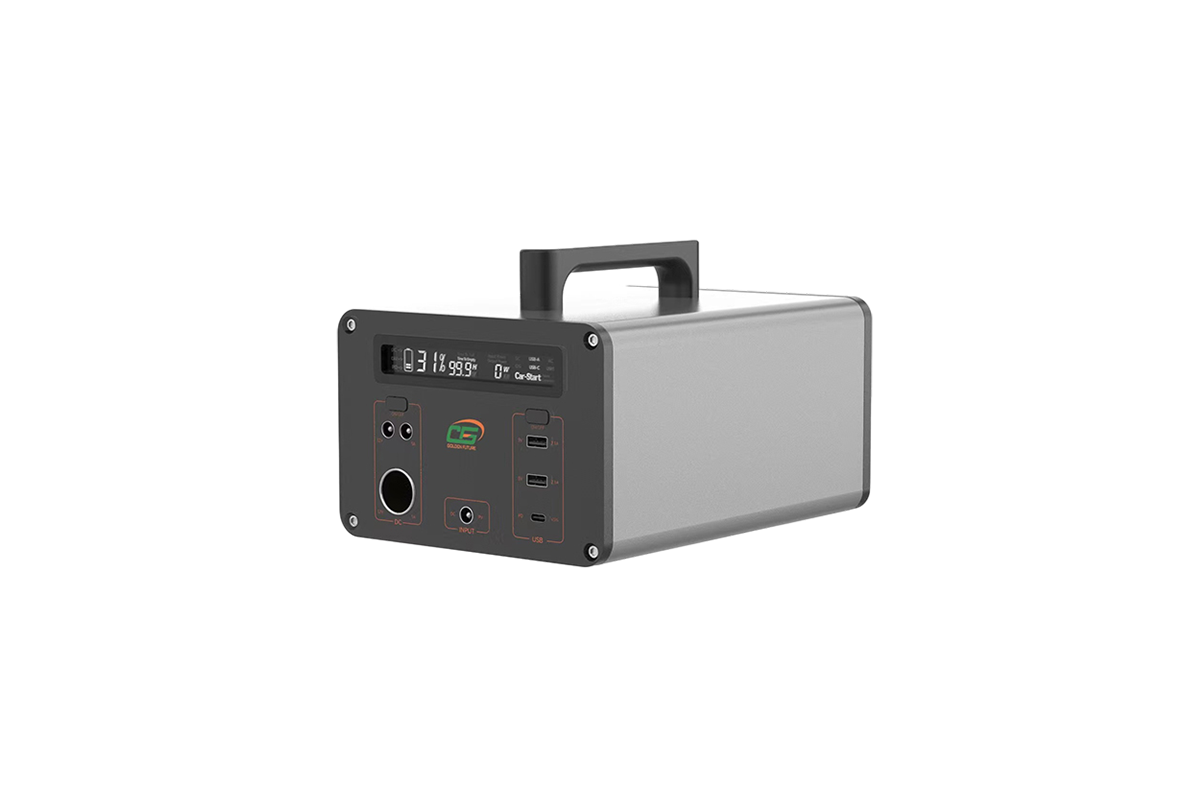
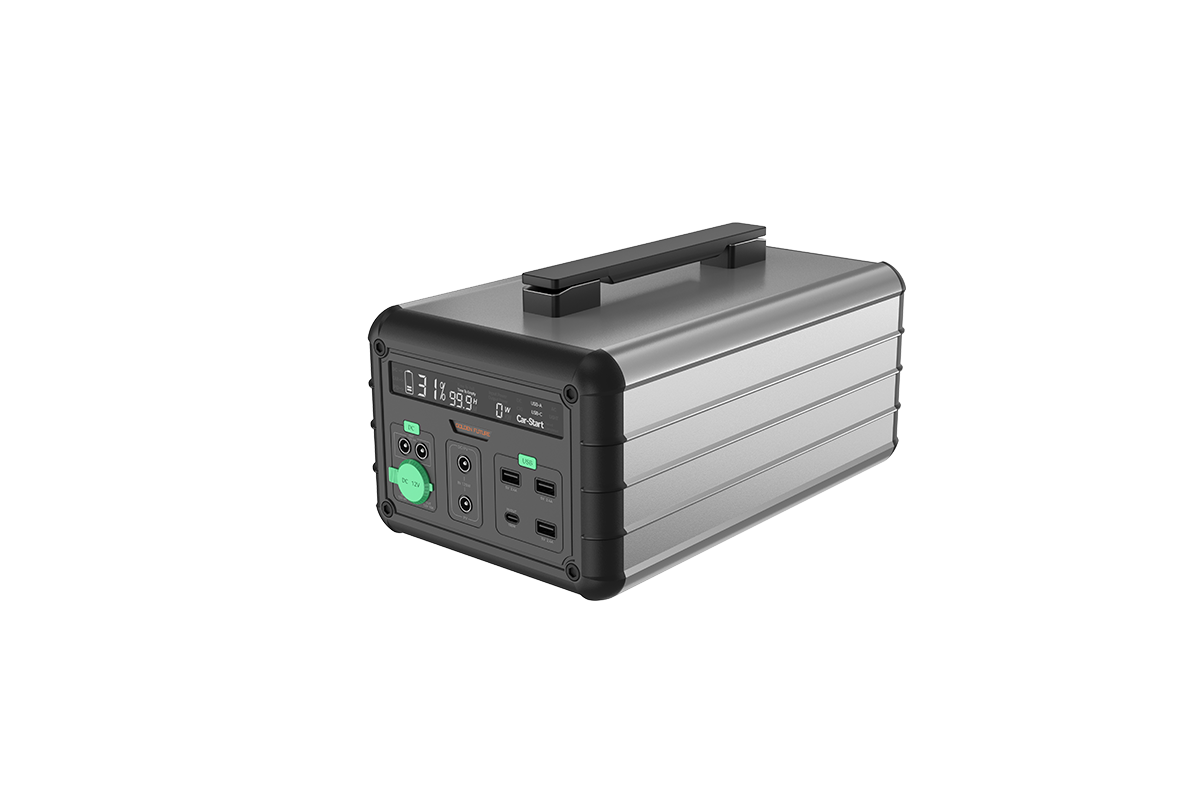
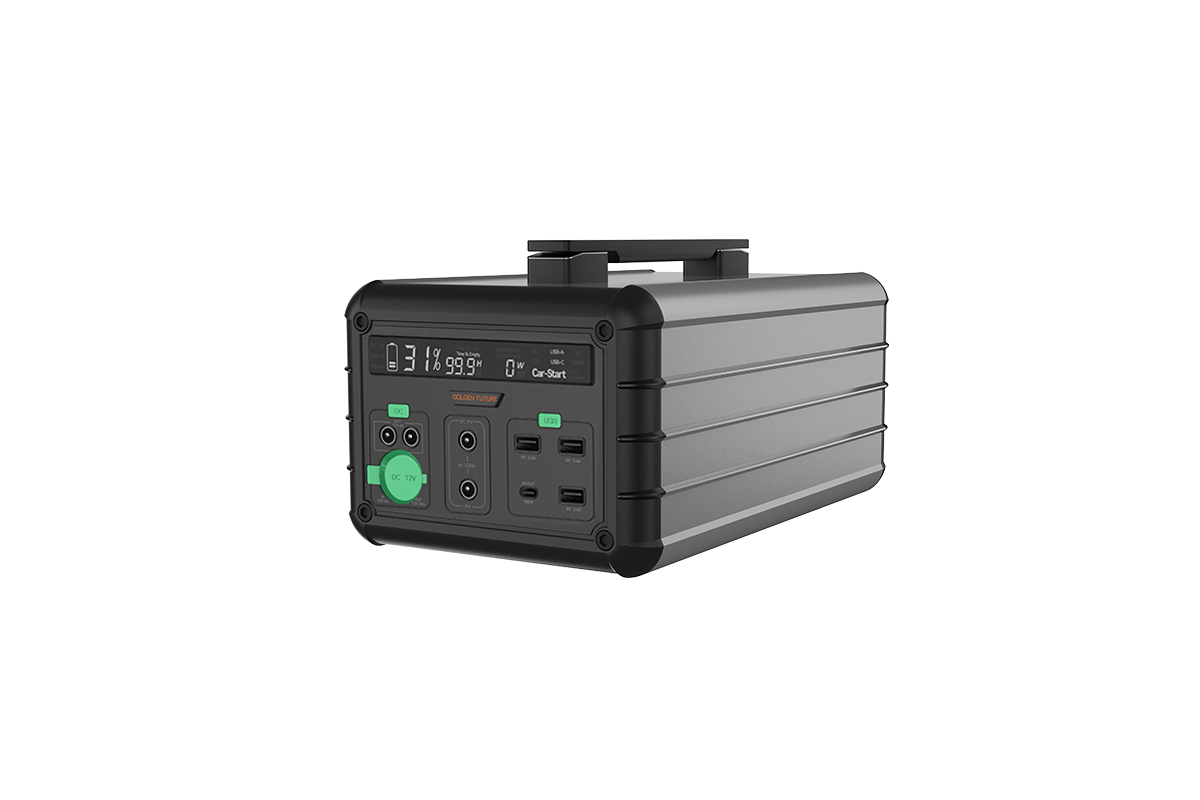
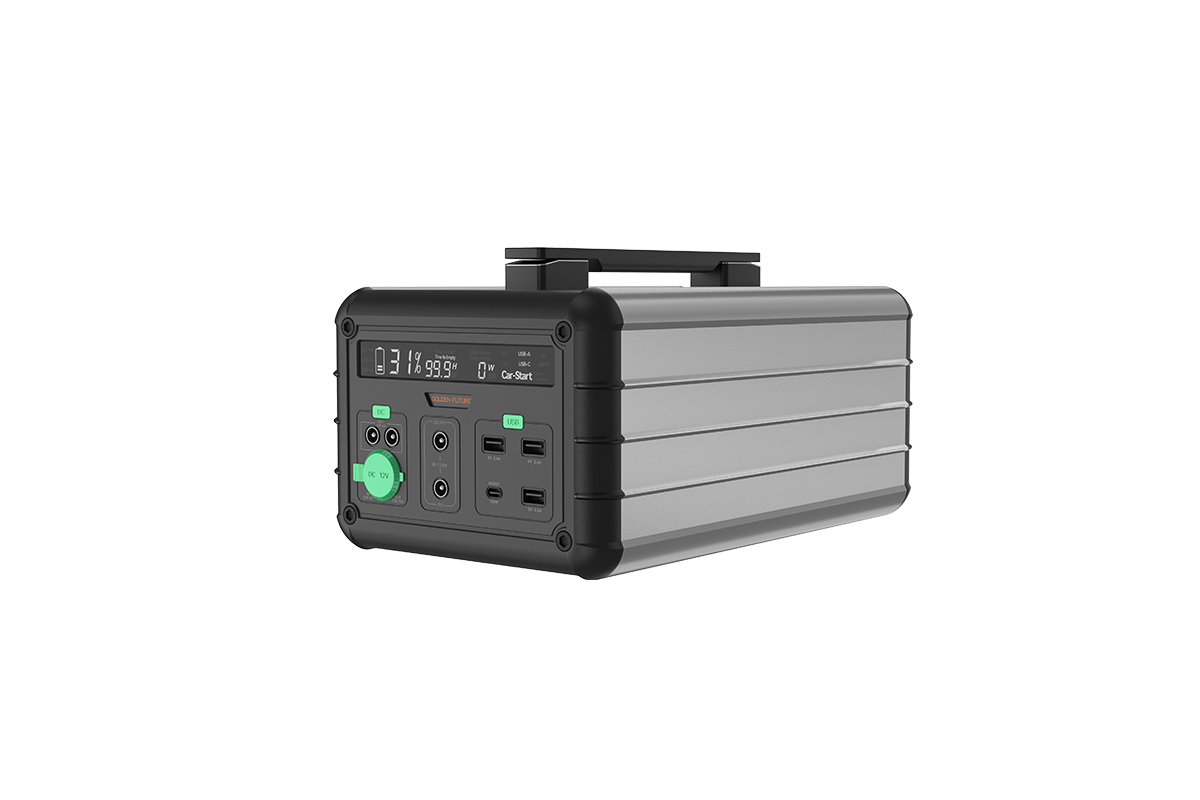
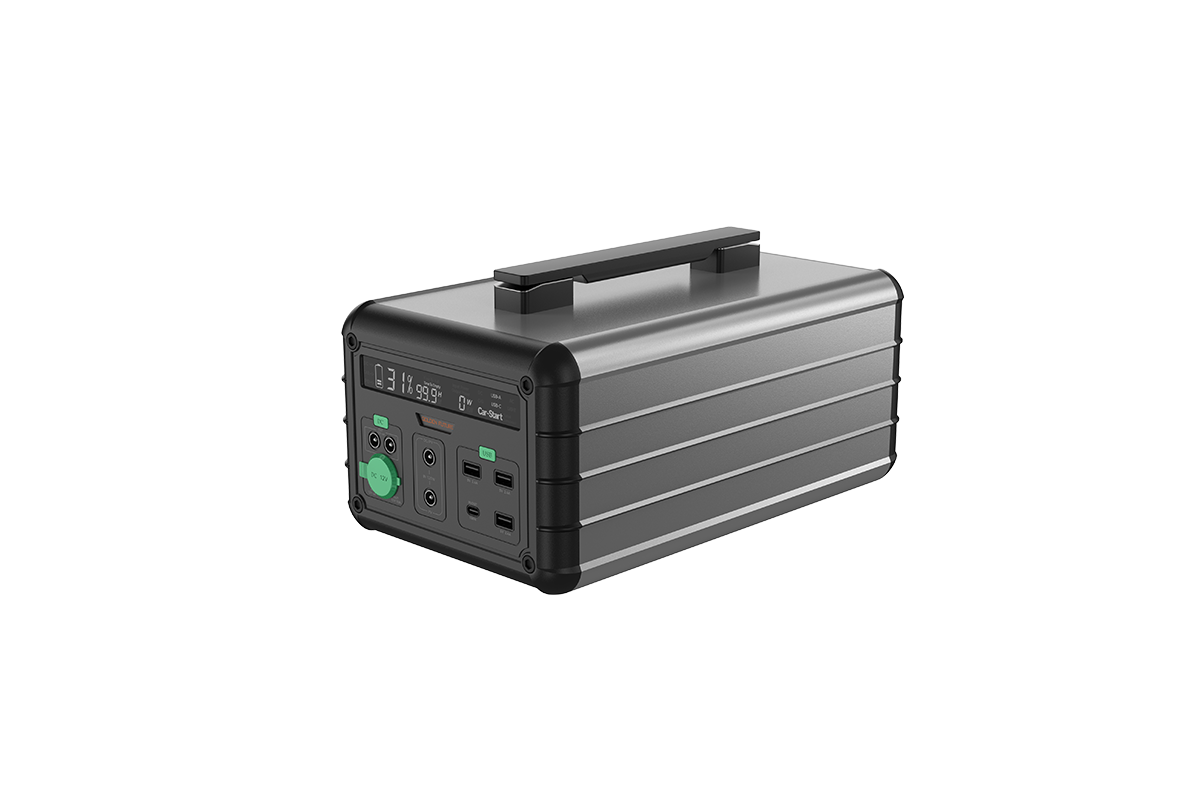
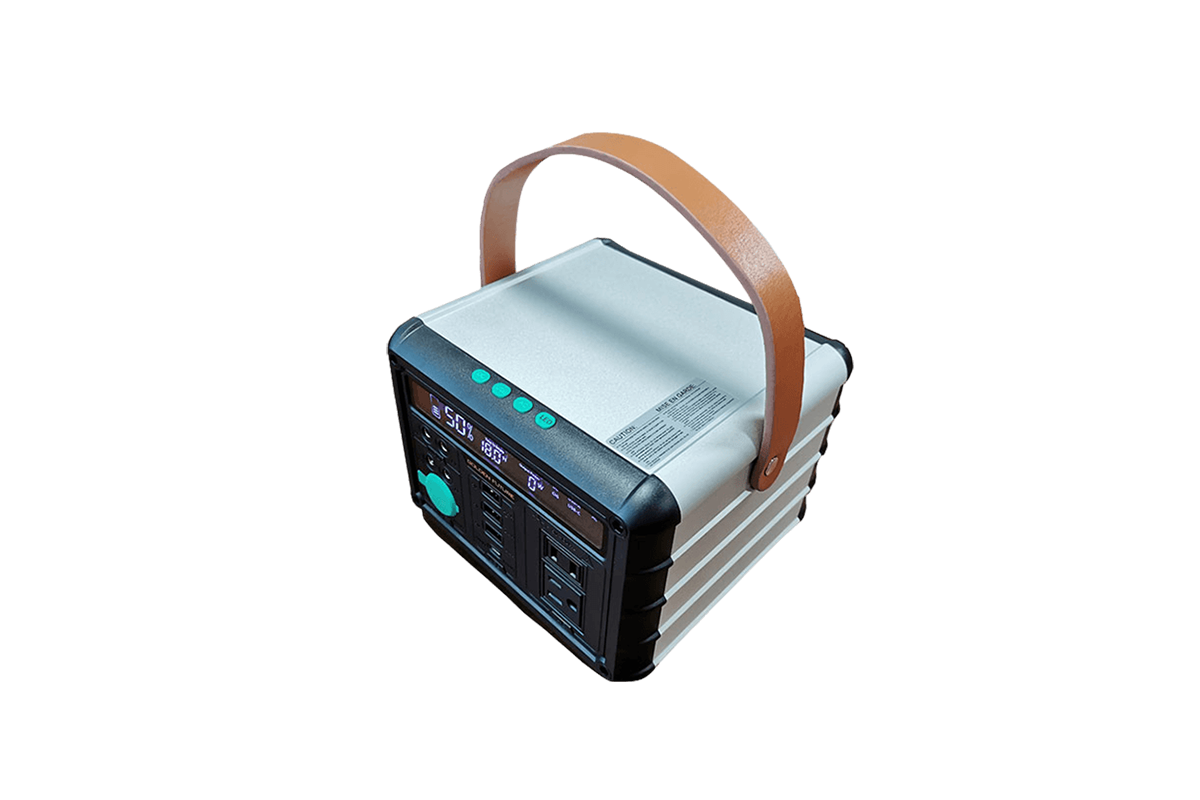
Sodium-ion battery home energy storage equipment is an emerging and cost-effective energy storage solution that uses sodium ions (Na⁺) as charge carriers, offering a viable alternative to traditional lithium-ion systems, especially for households seeking affordable and environmentally friendly energy storage options. The working principle of sodium-ion batteries is similar to that of lithium-ion batteries, involving the migration of ions between the anode and cathode during charging and discharging cycles, but with sodium replacing lithium as the core ion. The key components of the equipment include sodium-ion battery modules, a BMS, an inverter, and a user-friendly control panel. The cathode of sodium-ion batteries often uses layered transition metal oxides, Prussian white, or vanadium phosphate, while the anode typically employs hard carbon—a low-cost and abundant material that effectively accommodates sodium ions. The electrolyte, which facilitates ion conduction, is usually a sodium-based solution that is non-toxic and environmentally friendly, further enhancing the system’s sustainability.
The primary advantages of sodium-ion battery home energy storage equipment lie in its low cost, abundant raw materials, and excellent environmental adaptability. Sodium is one of the most abundant elements on Earth, found in large quantities in saltwater and rock salt, with a global reserve exceeding 2.3×10¹⁰ tons—far more than lithium, which is geographically concentrated and expensive to extract. This abundance translates to a 30% to 50% lower cost compared to lithium-ion batteries, making sodium-ion systems more accessible to budget-conscious households. Additionally, sodium-ion batteries do not require rare metals such as cobalt, copper, or nickel, reducing their environmental impact and avoiding supply chain risks associated with rare metal extraction. Another notable benefit is their exceptional low-temperature performance: they can maintain over 70% of their capacity at -20°C and still operate normally at -40°C, outperforming lithium-ion batteries (which retain only 50% capacity at -20°C) and lead-acid batteries (which often fail at low temperatures), making them ideal for households in cold regions.
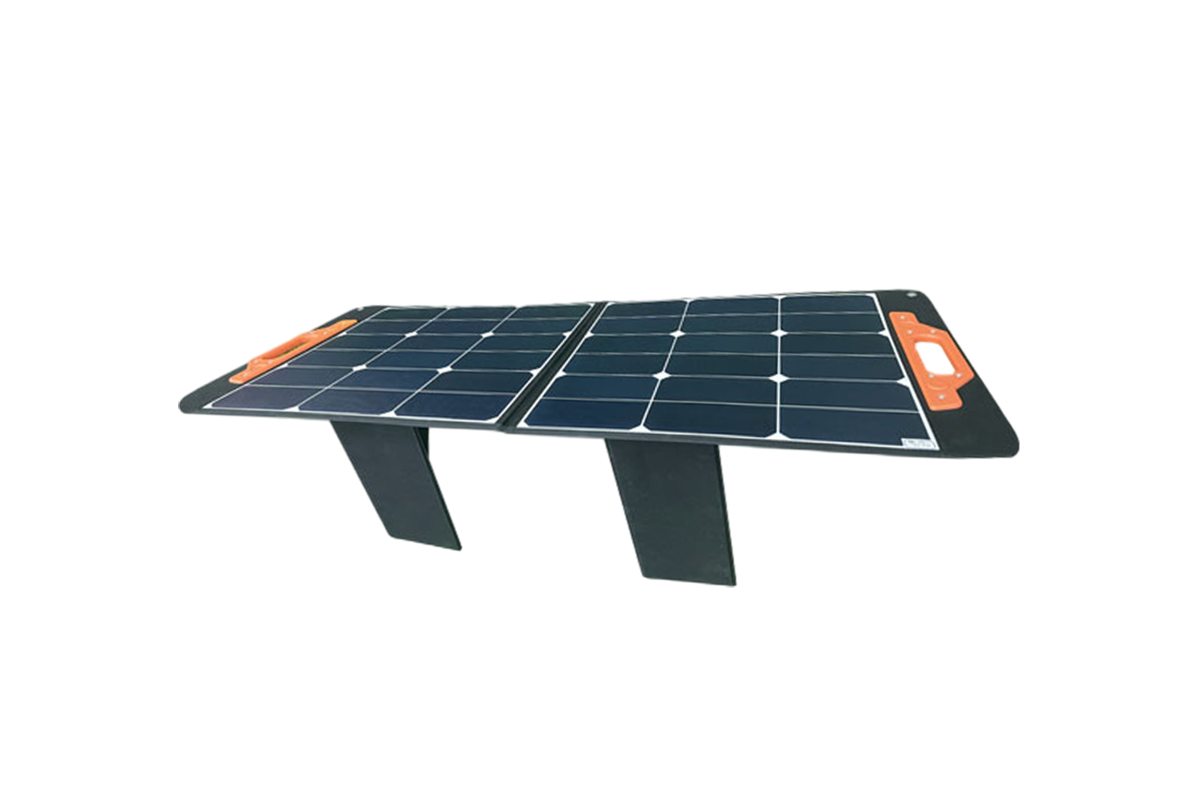
In practical application, sodium-ion battery home energy storage equipment is well-suited for both on-grid and off-grid residential scenarios, particularly for storing energy from renewable sources like solar and wind. The equipment typically has a specific energy of 75–200 Wh/kg and an energy density of 250–375 Wh/L, which is sufficient to meet the daily electricity needs of a typical household, including powering lights, appliances, and electronic devices during grid outages. The cycle durability of sodium-ion batteries reaches thousands of cycles, ensuring a service life of 10 to 15 years, which is comparable to mid-range lithium-ion systems. Major manufacturers worldwide, including CATL in China, Faradion in the UK, and Natron Energy in the US, are actively advancing sodium-ion technology towards commercialization, with ongoing improvements in energy density and charging speed. For homeowners, this equipment offers a cost-effective, safe, and sustainable way to achieve energy independence, reduce reliance on fossil fuels, and contribute to a greener energy future.




 59911926@qq.com/sales@goldenfuturehk.com
 13316809242 / 15816897019
 Inquiry
 Home >