






Time:2025-12-04 Views:1
A Comprehensive Guide to Small Portable Energy Storage Power Supplies
1. Definition and Core Differentiation
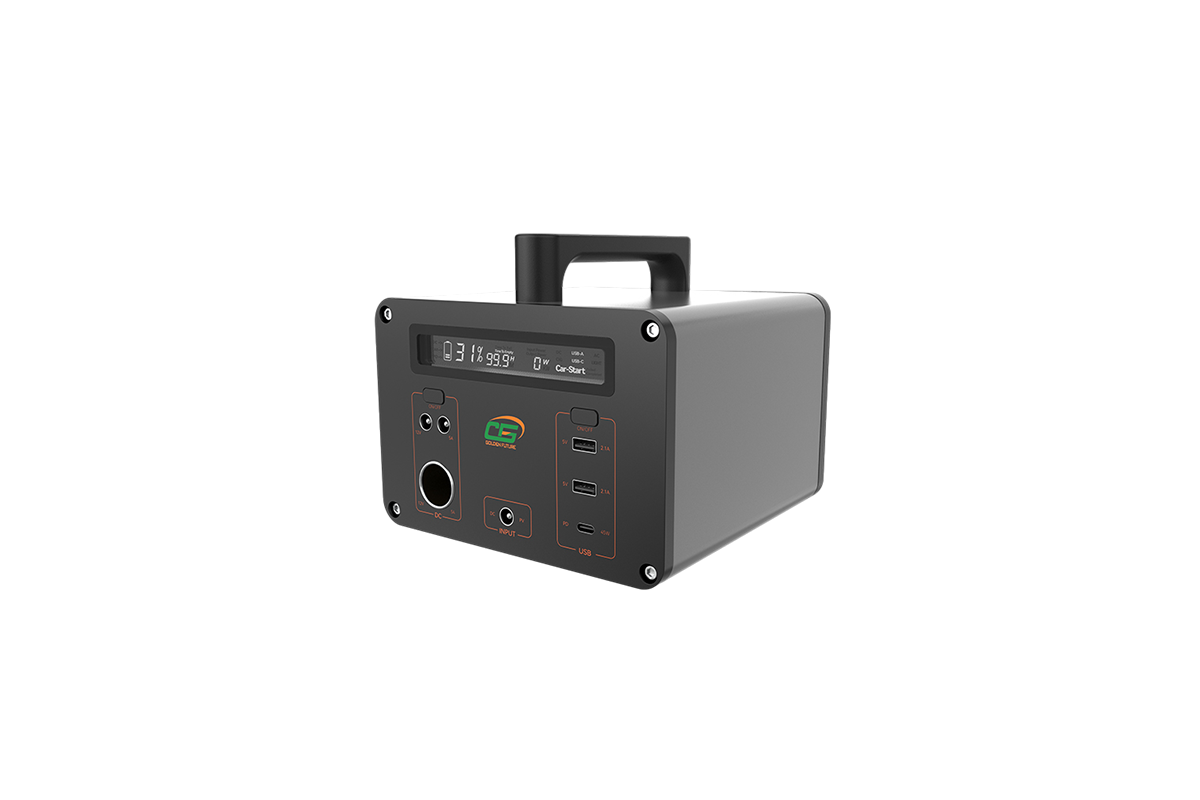
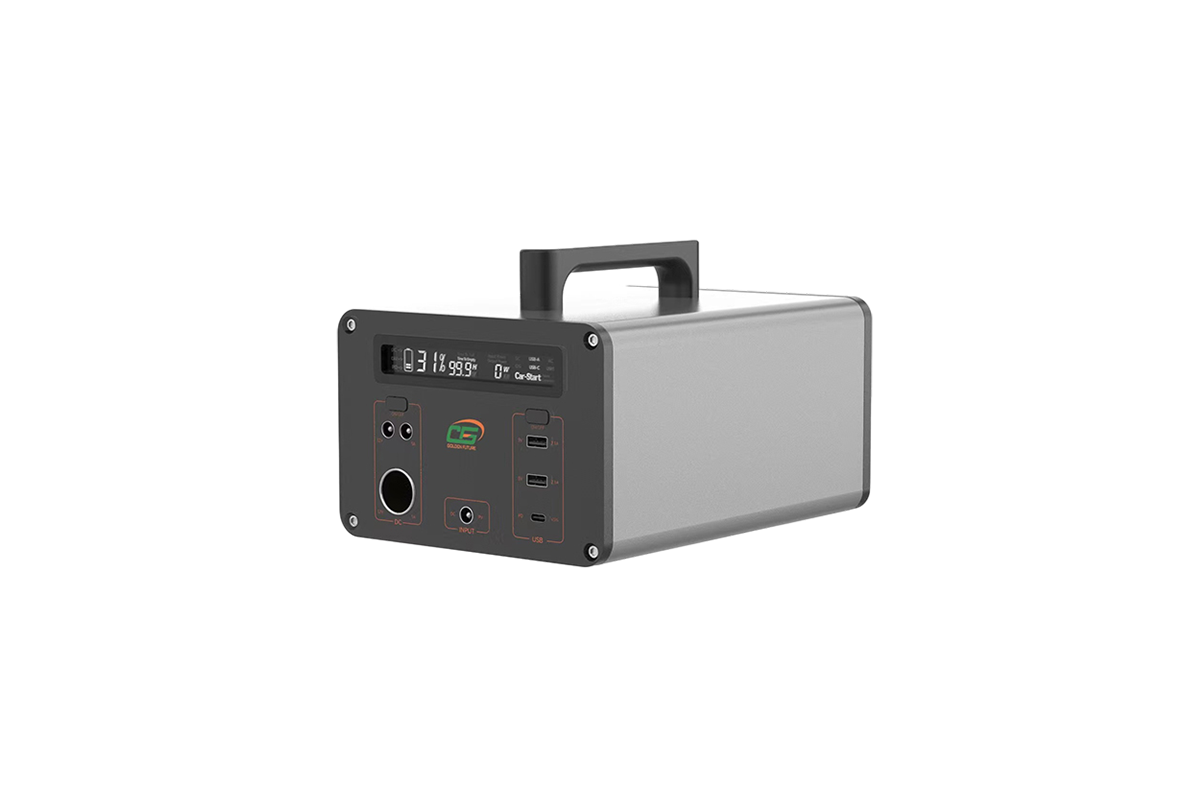
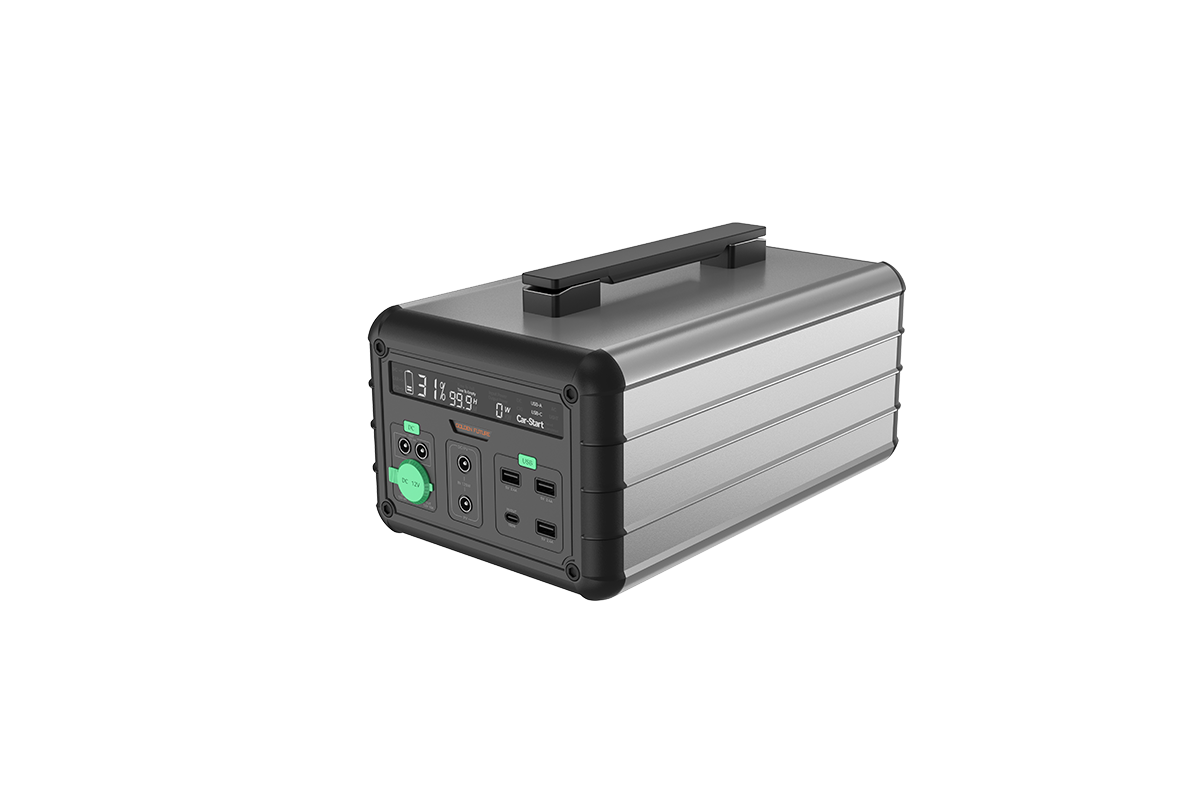
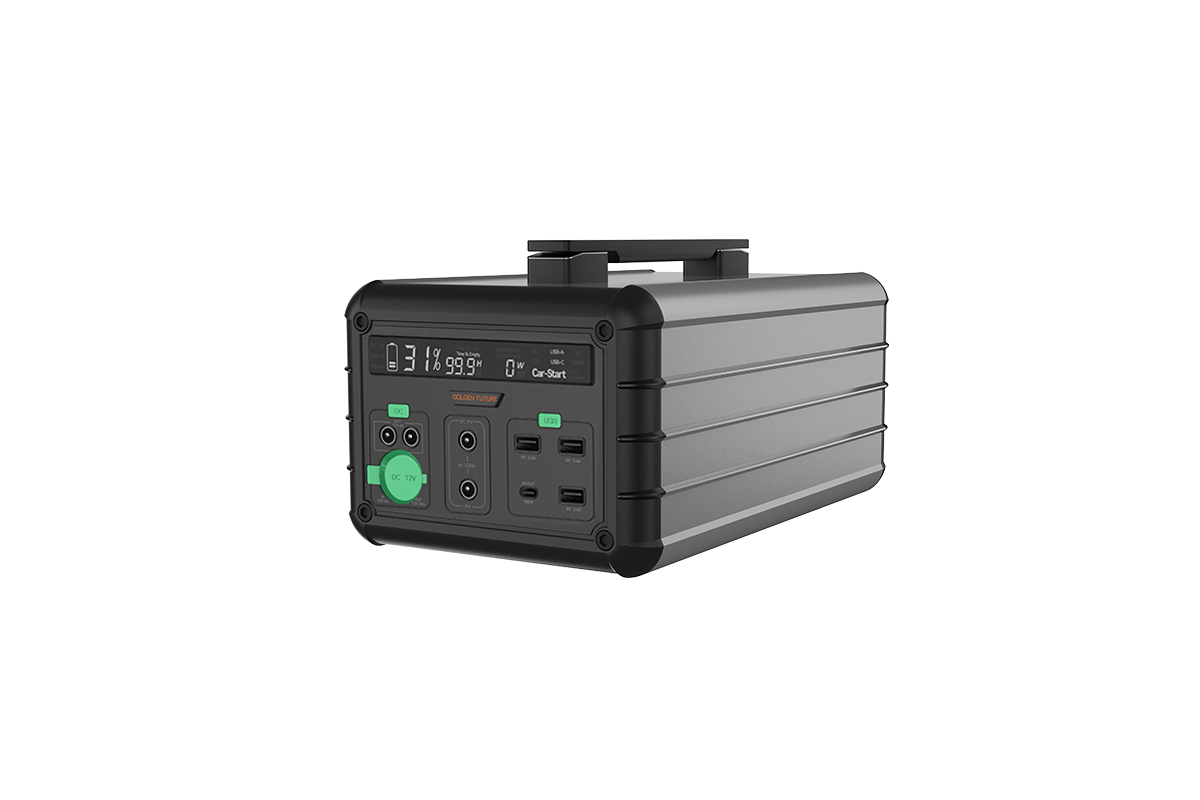
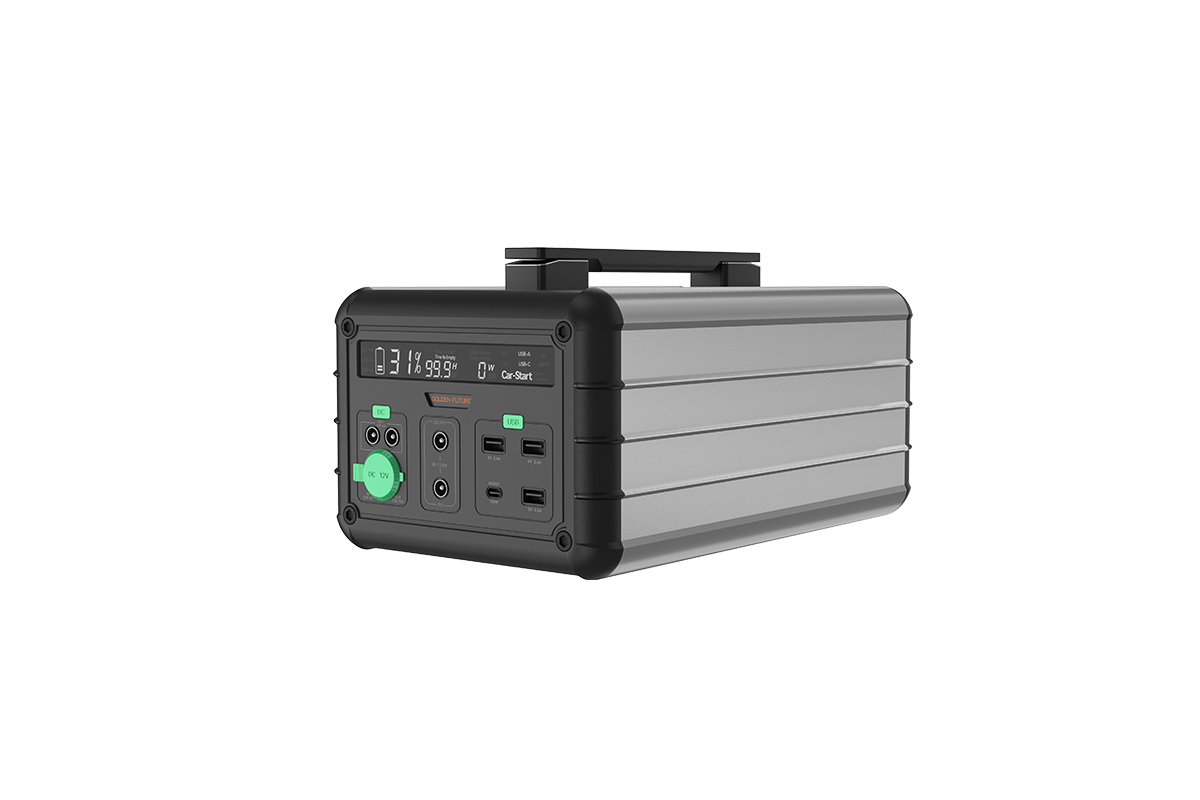
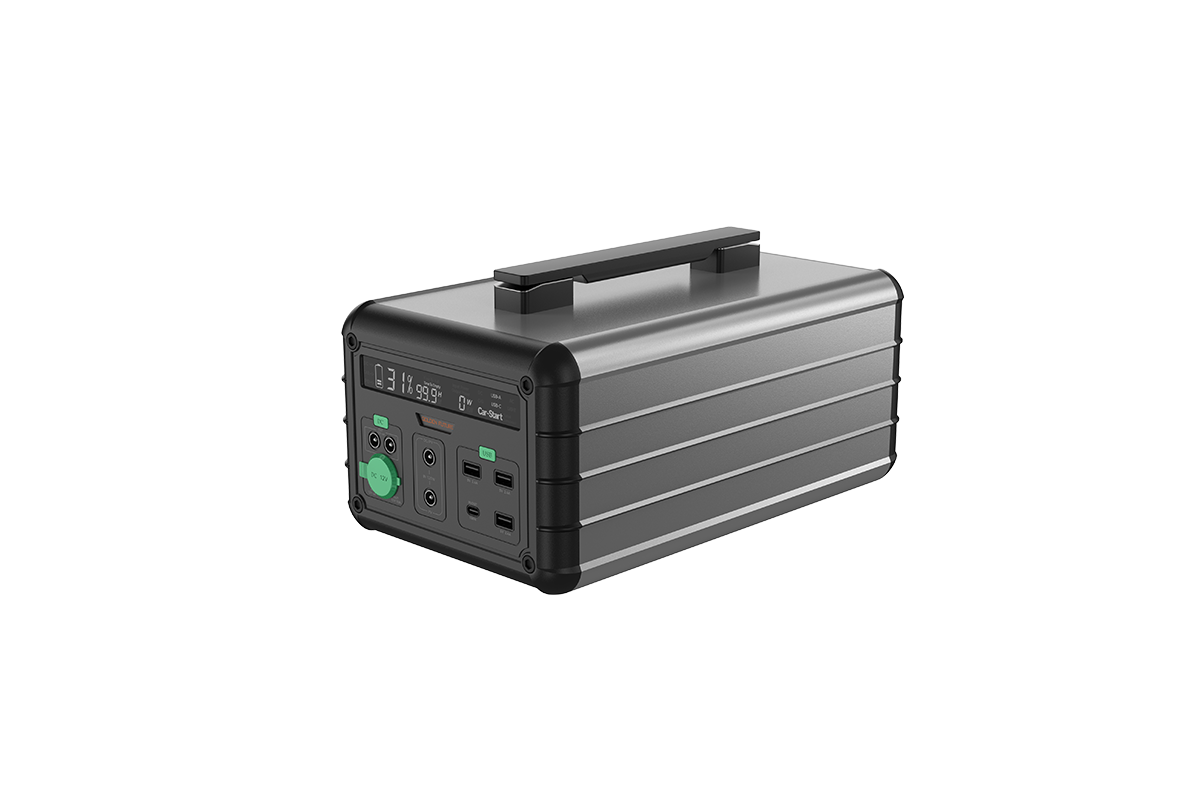
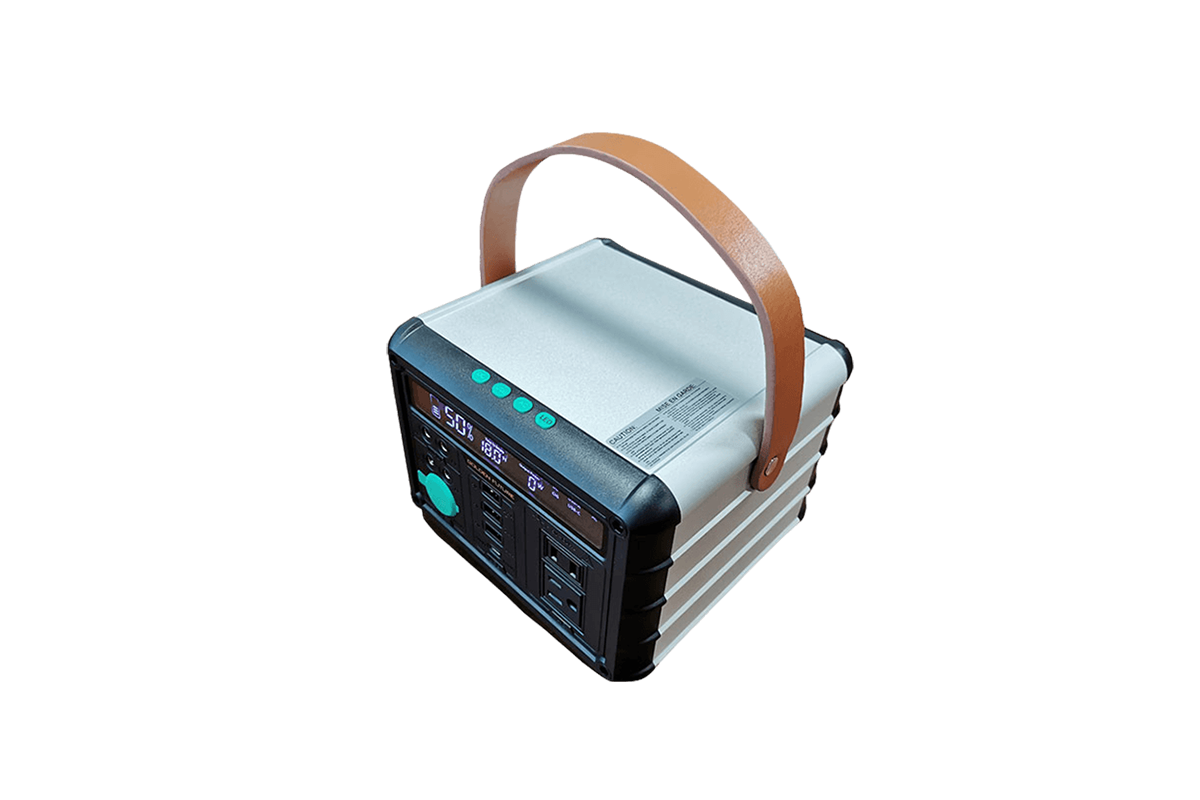
A small portable energy storage power supply is a miniaturized, entry-level energy storage device designed for lightweight portability and basic electricity needs. Unlike ultra-portable models (100-500Wh, 1-3kg) that support laptops, compact models (200-800Wh, 5-8kg) for multi-device expansion, or large-capacity models (2000Wh+, 10kg+) for high-power appliances, it focuses on "essential portability and simplicity": typically with a capacity of 50-300Wh (enough to charge a smartphone 8-30 times) and a weight of 1-5kg (easily carried in a handbag, backpack side pocket, or even a large jacket pocket).
Its core positioning solves the "daily mild power gap"—scenarios where traditional power banks (≤30Wh) lack sufficient capacity for all-day use, while larger energy storage units are overly bulky for basic needs. It acts as a "bridge between power banks and full-size portable stations," catering to users who only need to power small digital devices without the cost or bulk of higher-capacity models.
2. Core Design Features for Lightweight & Basic Functionality
2.1 Ultra-Lightweight & Miniature Build
Material Selection: Uses lightweight, impact-resistant composite materials (e.g., ABS+PC plastic) to balance durability and weight. For example, a 200Wh small portable model weighs only 2-2.5kg—50% lighter than a compact 300Wh model—and has dimensions of ~15cm × 10cm × 6cm (similar to a large thermos or a thick tablet case), fitting easily into small bags.
Slim Profile Optimization: Adopts a single-layer battery cell layout and simplified internal structure (no high-power inverters for heavy appliances) to reduce thickness. Most models are ≤8cm thick, avoiding the "bulk" of larger storage units and ensuring easy handling with one hand.
2.2 Streamlined Basic Interfaces
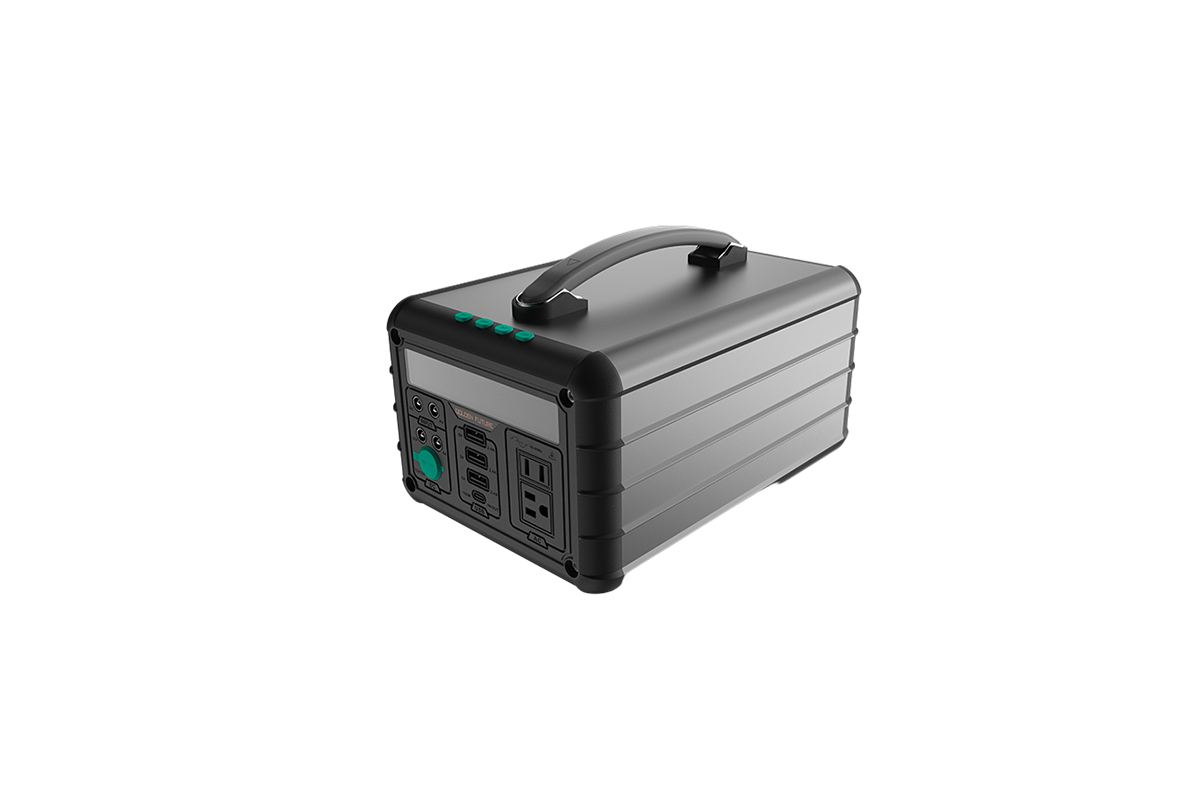
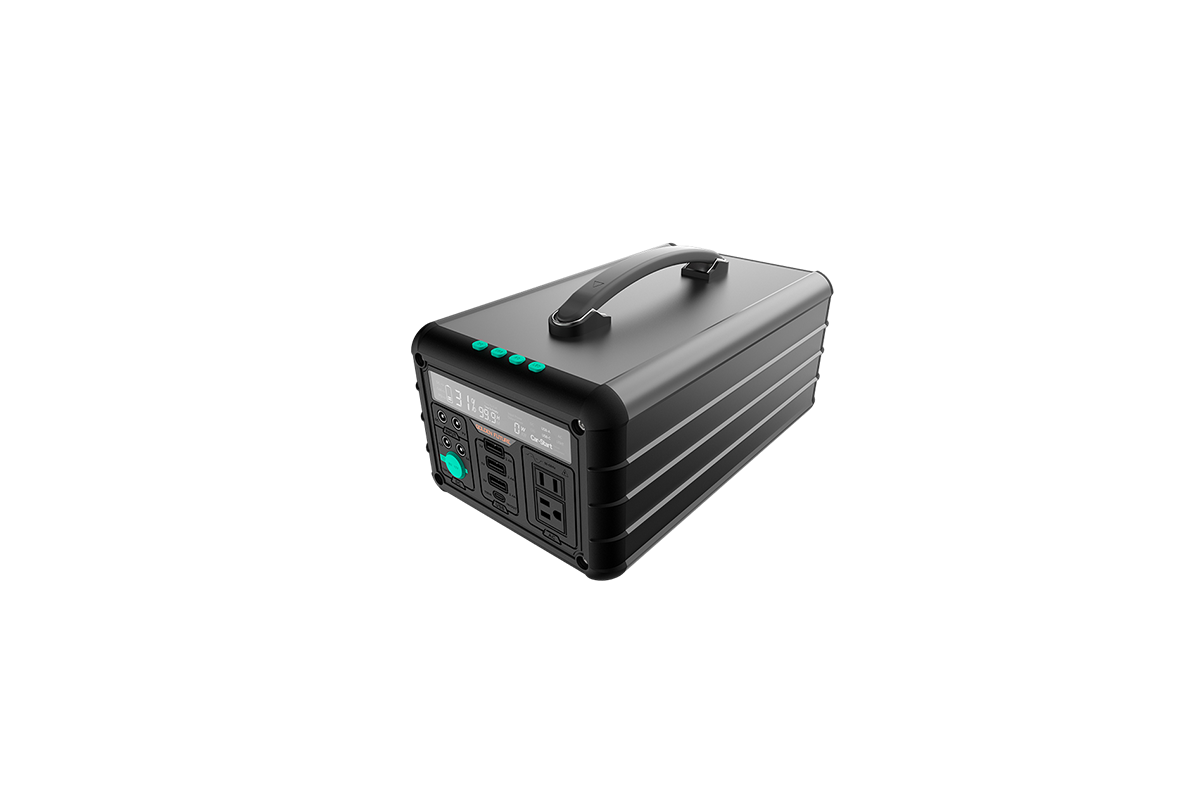
Essential Port Configuration: Omits redundant high-power ports (e.g., 220V AC sockets for appliances) to save space, focusing on small digital device compatibility: 1-2 USB-A ports (5V/2.4A for smartphones, wireless earbuds), 1 USB-C PD port (18W-60W for fast charging of phones, tablets, or small cameras), and optionally 1 DC 12V port (for low-power devices like car fans).
User-Friendly Controls: Features a simple LED display (showing remaining power as a percentage) and 1-2 physical buttons (power on/off, USB-C activation), avoiding complex settings—ideal for users who prioritize "plug-and-play" convenience.
2.3 Fast Basic Charging
Low-Power Input Optimization: Supports standard fast charging via USB-C PD (18W-60W) or AC adapters (50W-100W). A 150Wh model can charge from 0-100% in 1.5-2 hours using a regular phone or tablet charger, eliminating the need for specialized high-power chargers.
Dual Charging Flexibility: Most models allow simultaneous charging of 2-3 devices (e.g., a smartphone via USB-A and a tablet via USB-C) without significant power loss, meeting multi-device needs for daily commutes or short trips.
2.4 Basic Safety Protection
Simplified Multi-Layer Safeguards: Integrates core protection features tailored to small-capacity use: overcharge protection (prevents battery damage from prolonged charging), over-discharge protection (shuts down when power is low to extend battery life), and short-circuit protection (avoids risks from faulty cables).
Low Heat Generation: Due to its small capacity and low-power operation, it generates minimal heat (max operating temperature ≤40°C) without the need for complex heat dissipation systems (e.g., dual fans). This reduces noise and improves portability while maintaining safety.
3. Application Scenarios for Mild Power Needs
3.1 Daily Commuting & Business Trips
All-Day Device Power: A 150Wh model can charge a smartphone (10Wh/charge) 12-15 times, a wireless earbud case (2Wh/charge) 60-70 times, or a tablet (50Wh/charge) 2-3 times—solving "low-battery anxiety" during full-day commutes, meetings, or airport layovers.
Compact Bag Compatibility: Fits into a laptop bag, tote bag, or even a large purse without occupying space for essentials (e.g., notebooks, water bottles). Unlike larger storage units, it won’t make bags heavy or bulky for daily use.
3.2 Short-Duration Outdoor Activities
1-Day Hiking/Cycling: A 200Wh model powers a 运动相机 (5W) for 30+ hours, a small Bluetooth speaker (10W) for 15-20 hours, or a portable GPS (8W) for 20-25 hours—ideal for day trips where users only need to capture photos or listen to music, without carrying camping gear for multi-day trips.
Urban Picnics/Park Days: Powers a mini portable fan (8W) for 20 hours or a small LED string light (2W) for 80 hours, enhancing comfort during casual outdoor gatherings without the need for heavy equipment.
3.3 Micro-Emergency Backup
Home Short-Term Outages: A 100Wh model can power a home router (10W) for 8-10 hours (maintaining internet connectivity during brief blackouts) or a small LED lamp (5W) for 15-20 hours—useful for minor power disruptions (e.g., grid maintenance, thunderstorms) that last 1-5 hours.
On-the-Go Backup for Power Banks: Serves as a "backup to backups"—if a traditional power bank runs out of charge during a trip, a 50Wh small storage unit can recharge it 1-2 times, ensuring continuous power for critical devices like phones.
3.4 Entry-Level Outdoor Photography
Small Camera Power: A 250Wh model charges a mirrorless camera (30Wh/charge) 7-8 times or a action camera (5Wh/charge) 40-50 times—perfect for beginner photographers or vloggers who don’t need to power large lenses or external monitors, and prioritize portability over high capacity.
4. Selection Criteria for Small Portable Models
4.1 Capacity Matching to Mild Needs
Daily Commute Users: Choose 50-150Wh models—enough to charge a smartphone 8-15 times and a tablet 1-2 times, avoiding "over-capacity" that adds unnecessary weight.
Short Outdoor Users: Opt for 150-300Wh models—to power 1-2 small devices (e.g., camera + speaker) for a full day, without exceeding the 5kg weight limit for easy carrying.
4.2 Portability Priority
Weight & Size: Prioritize models ≤3kg and ≤18cm × 12cm × 8cm—these fit into most small bags and can be carried for hours without fatigue. Avoid models over 5kg—they blur the line between "small portable" and "compact."
Ergonomics: Look for models with a non-slip surface and a built-in handle (or grip-friendly edges) for easy one-hand carrying, especially during commutes or outdoor walks.
4.3 Interface Practicality
USB-C PD Support: Ensure the model has at least one USB-C PD port (≥18W)—this is critical for fast charging of modern smartphones and tablets (e.g., iPhone, iPad) and avoids the frustration of slow charging via USB-A alone.
Device Compatibility: Check if ports match your devices—for example, if you use a GoPro camera, confirm the USB-C port supports 5V/3A (15W) to charge it efficiently.
4.4 Reliability & Affordability
Battery Type: Prefer lithium-ion batteries (Li-ion) for small models—they offer a good balance of energy density and cost (cheaper than LiFePO4 batteries) and are sufficient for the 300-500 charge-discharge cycles typical of small-capacity use.
Brand & Price: Choose reputable entry-level brands (e.g., Anker 521 PowerHouse, Baseus Mini Power Station, Romoss Portable Energy Storage) with prices ranging from \(50-\)150. Avoid unknown brands with prices below $30—they may use low-quality batteries with safety risks.
Warranty: Select models with a 1-2 year warranty—small portable units are often used frequently, so a basic warranty ensures support for common issues (e.g., battery degradation, port malfunctions).
5. Market Status & Future Trends
5.1 Current Market Landscape
Mild-Demand Growth: Driven by the proliferation of small digital devices (e.g., wireless earbuds, action cameras) and the rise of "light outdoor" lifestyles (1-day hikes, urban picnics), the global small portable energy storage market (50-300Wh) is growing at a CAGR of 35%. It targets mass consumers rather than niche users (e.g., RV owners, construction teams).
Price Accessibility: Entry-level models (50-100Wh) cost \(50-\)80, mid-range models (100-200Wh) \(80-\)120, and high-end models (200-300Wh) \(120-\)150—significantly cheaper than ultra-portable (\(150-\)250) or compact (\(250-\)400) units, making them accessible to students, office workers, and casual users.
5.2 Future Development Directions
Higher Density, Smaller Size: With the advancement of low-capacity high-density battery cells (e.g., 18650 cells with energy density ≥280Wh/kg), future 200Wh models may weigh ≤1.5kg (current 200Wh models weigh ~2.5kg) and be as small as a standard tablet, further enhancing portability.
Wireless Charging Integration: Adding Qi wireless charging pads (10W-15W) to the top or side of the device—allowing users to charge smartphones or earbuds without cables, aligning with the "wireless" trend of modern digital devices.
Eco-Friendly Miniaturization: Using recycled plastic for casings (e.g., 30% recycled ABS) and mercury-free batteries to reduce environmental impact, catering to consumer demand for sustainable products.
Smart Connectivity for Basics: Integrating Bluetooth low energy (BLE) for simple phone APP control (e.g., checking remaining power, setting auto-shutdown after 1 hour of inactivity)—adding basic smart features without increasing complexity or cost.




 59911926@qq.com/sales@goldenfuturehk.com
 13316809242 / 15816897019
 Inquiry
 Home >