






Time:2026-05-21 Views:449
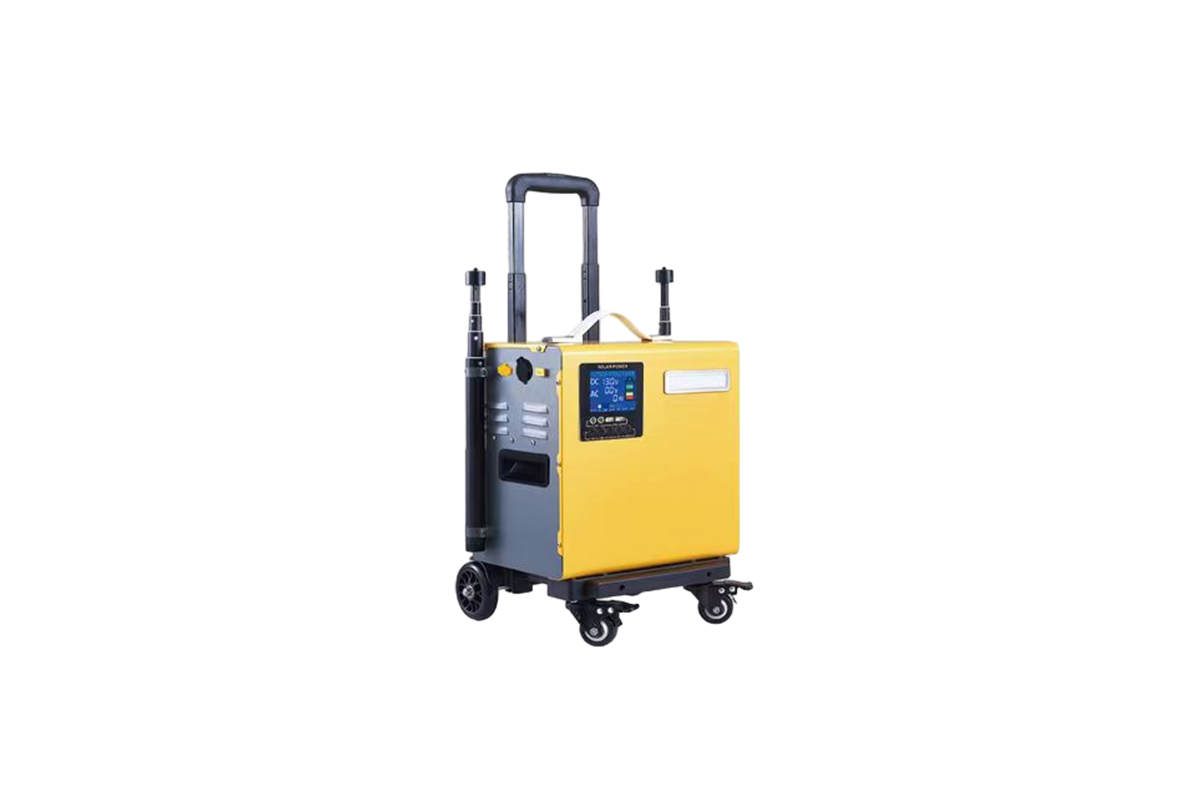
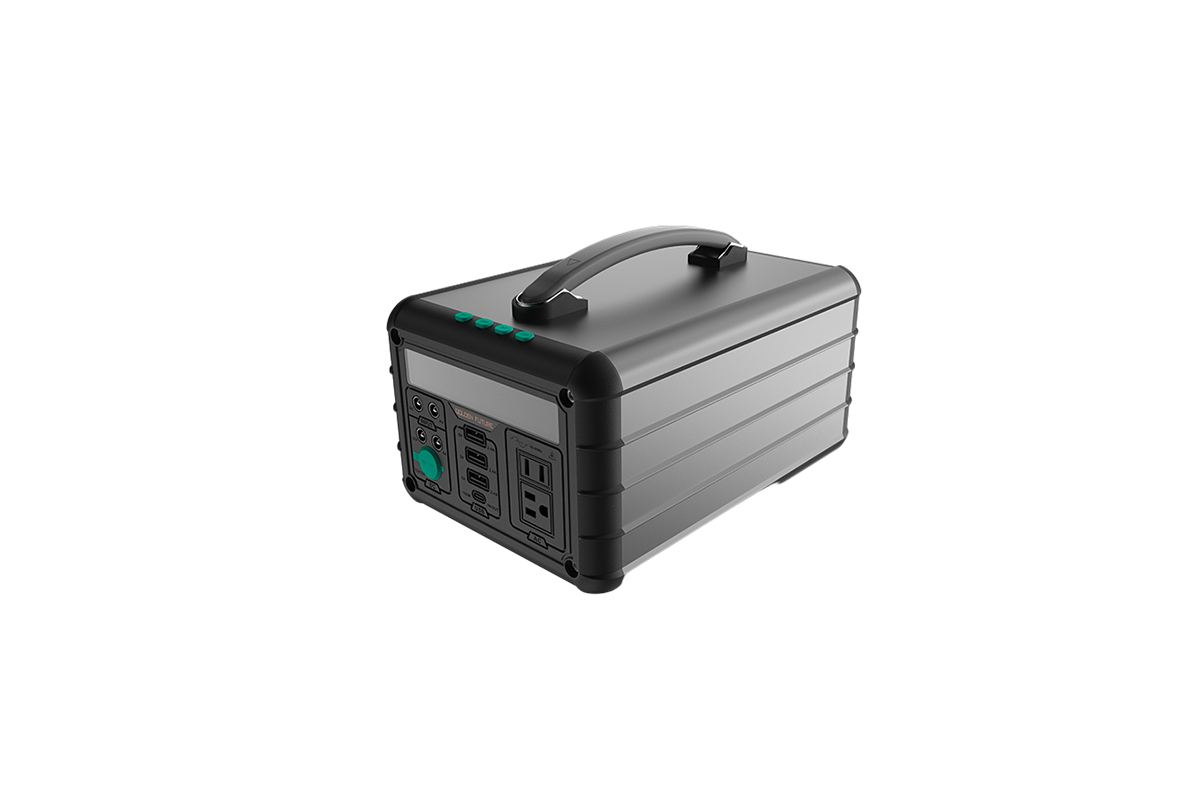
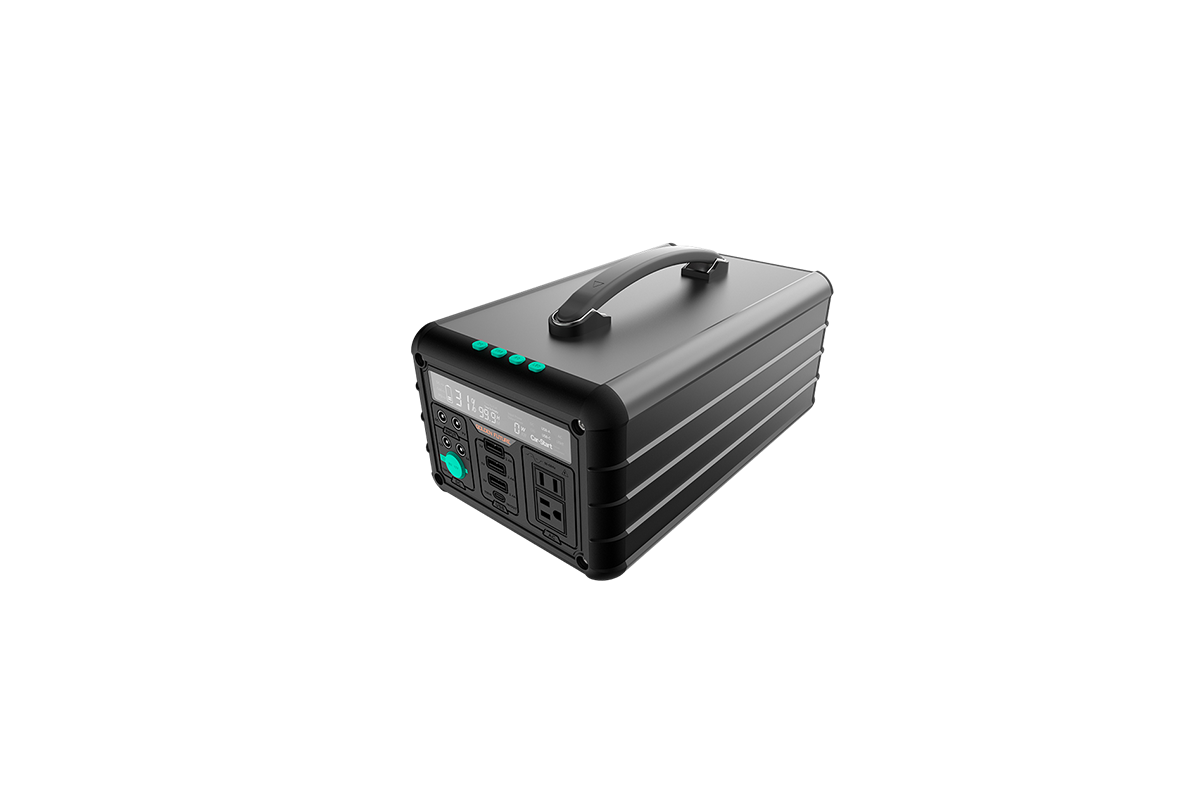
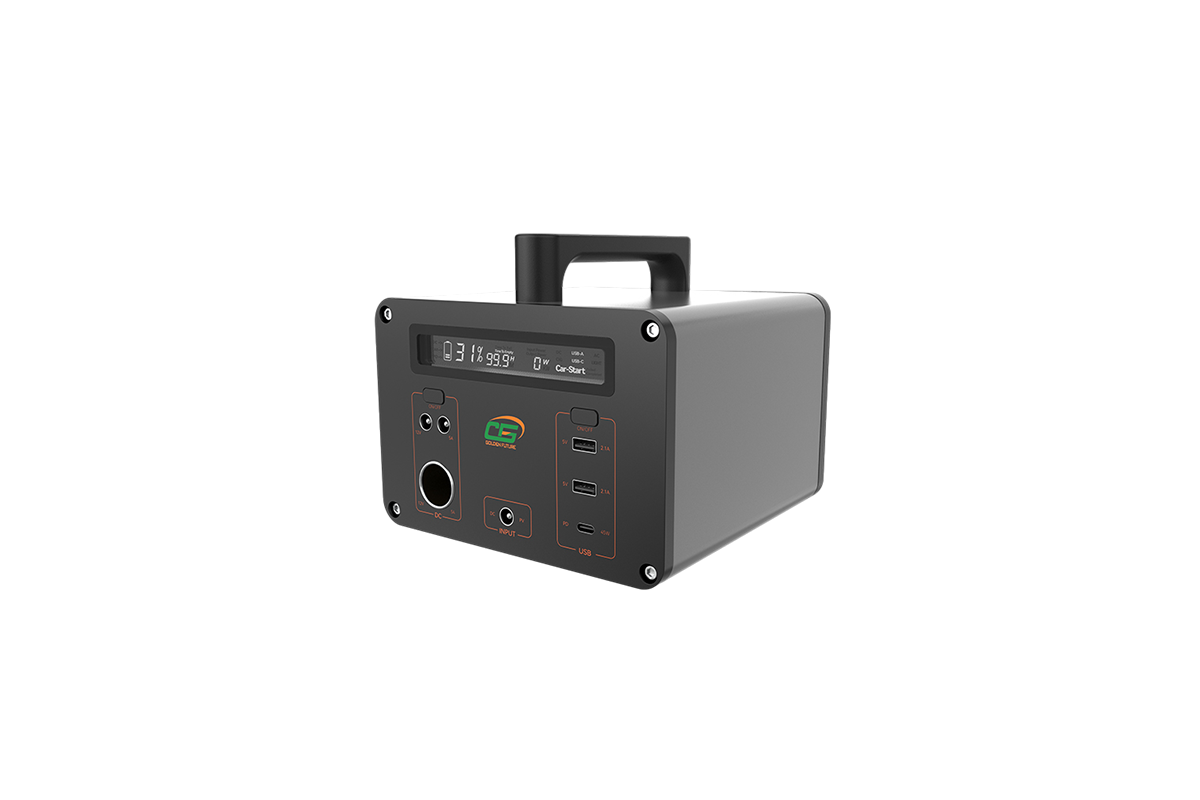
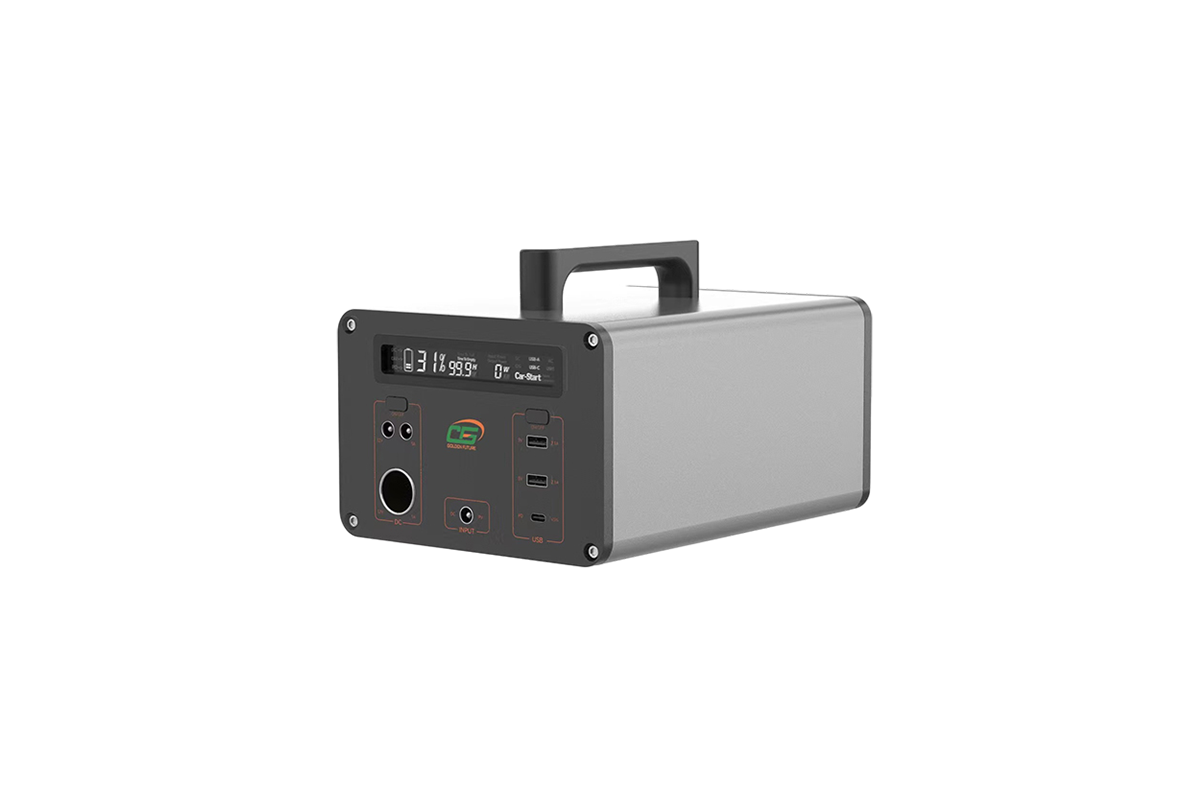
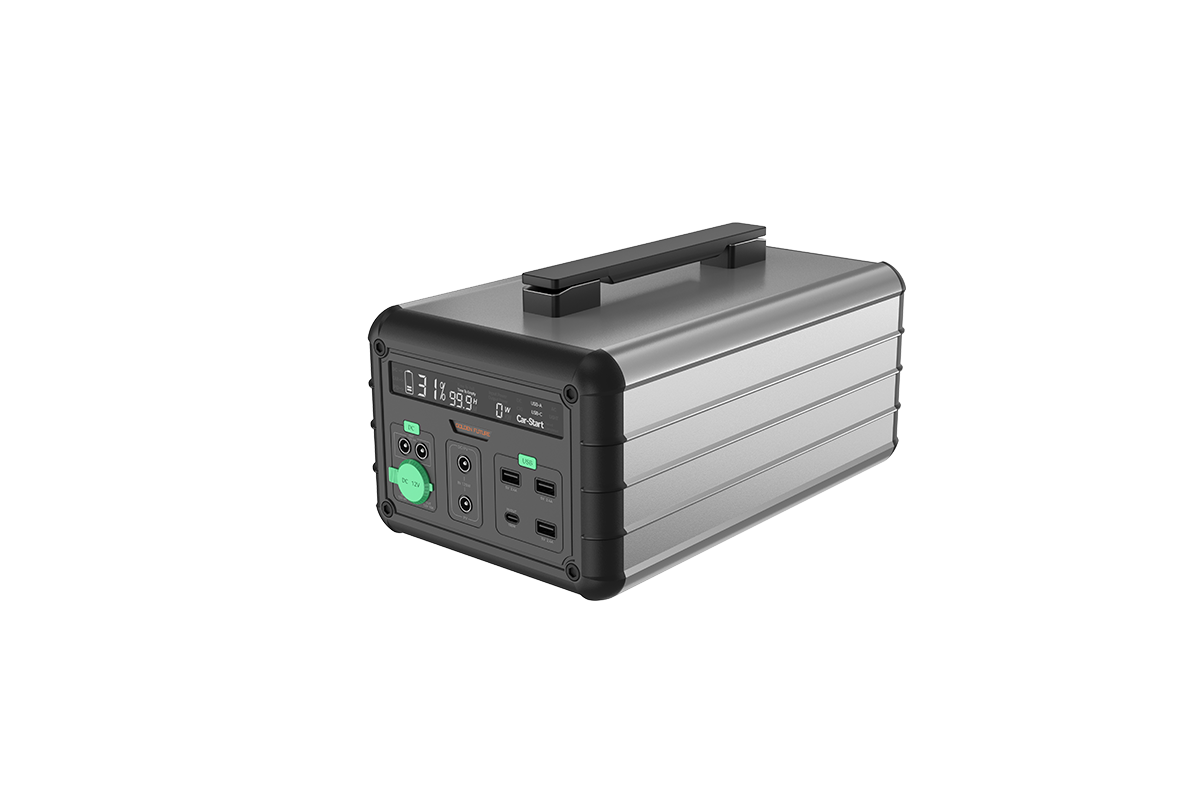
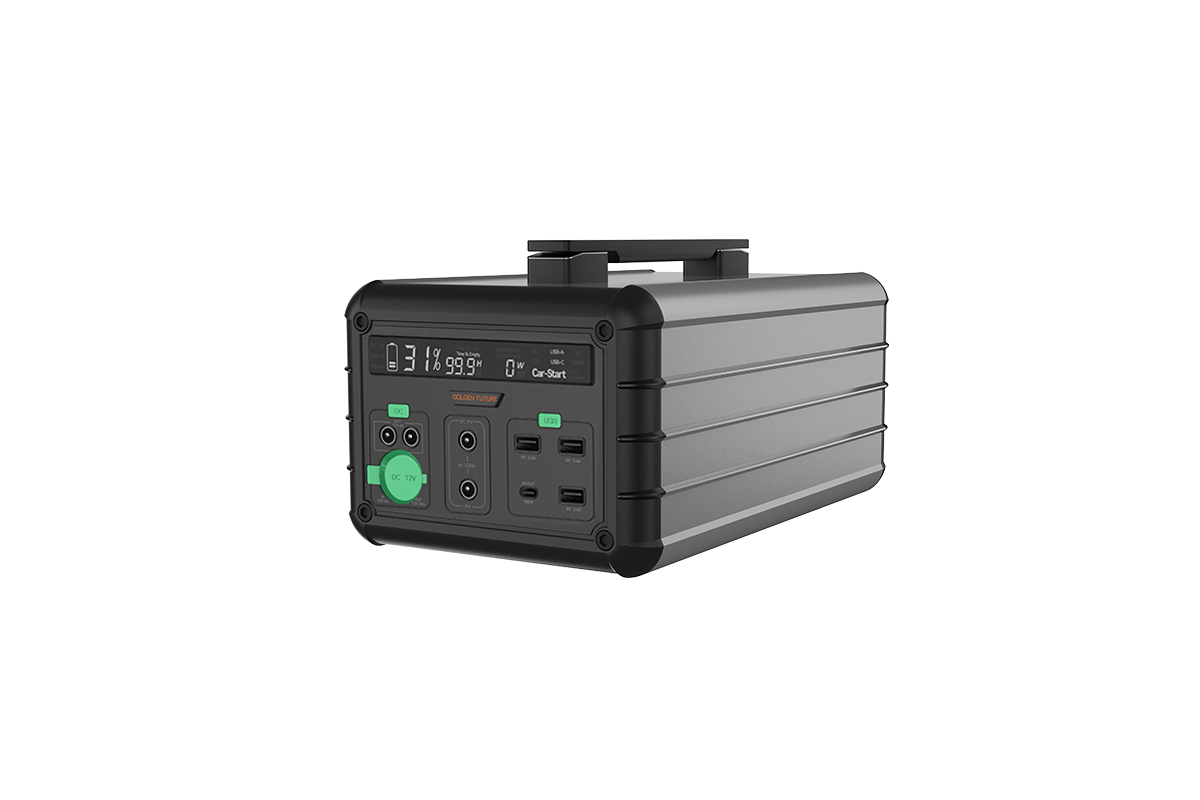
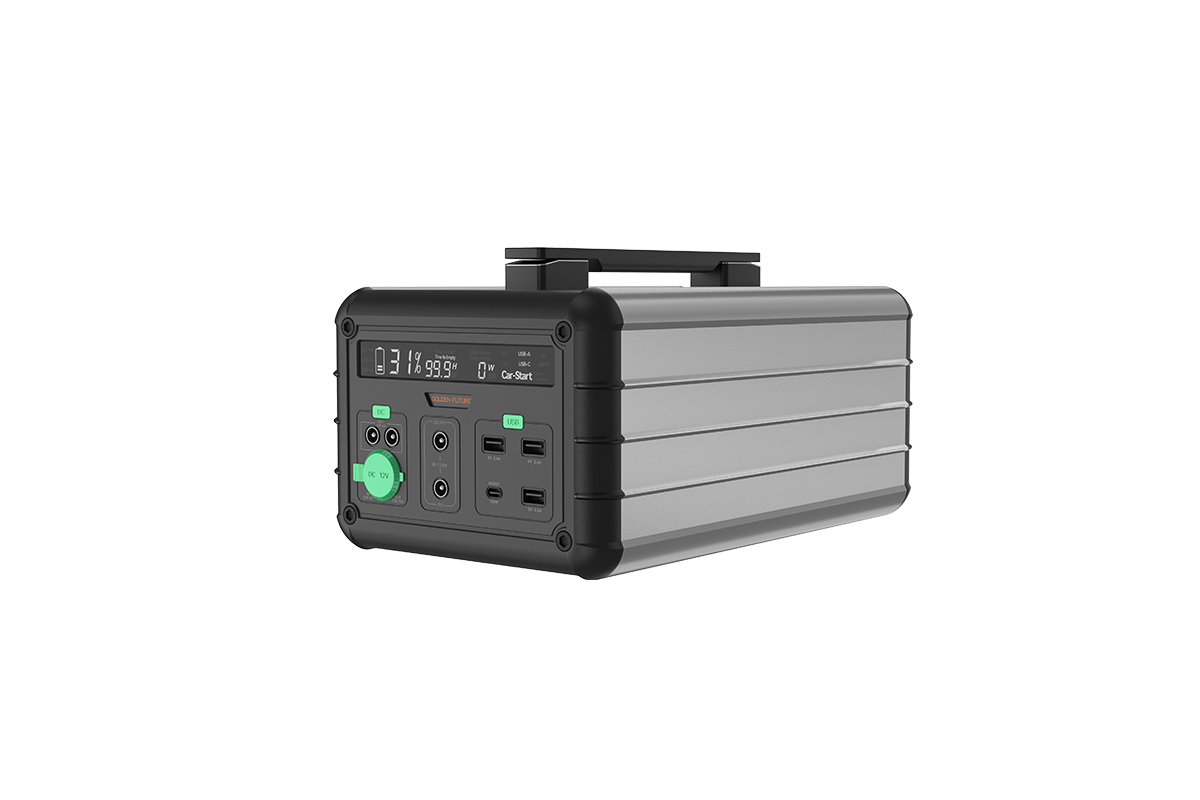
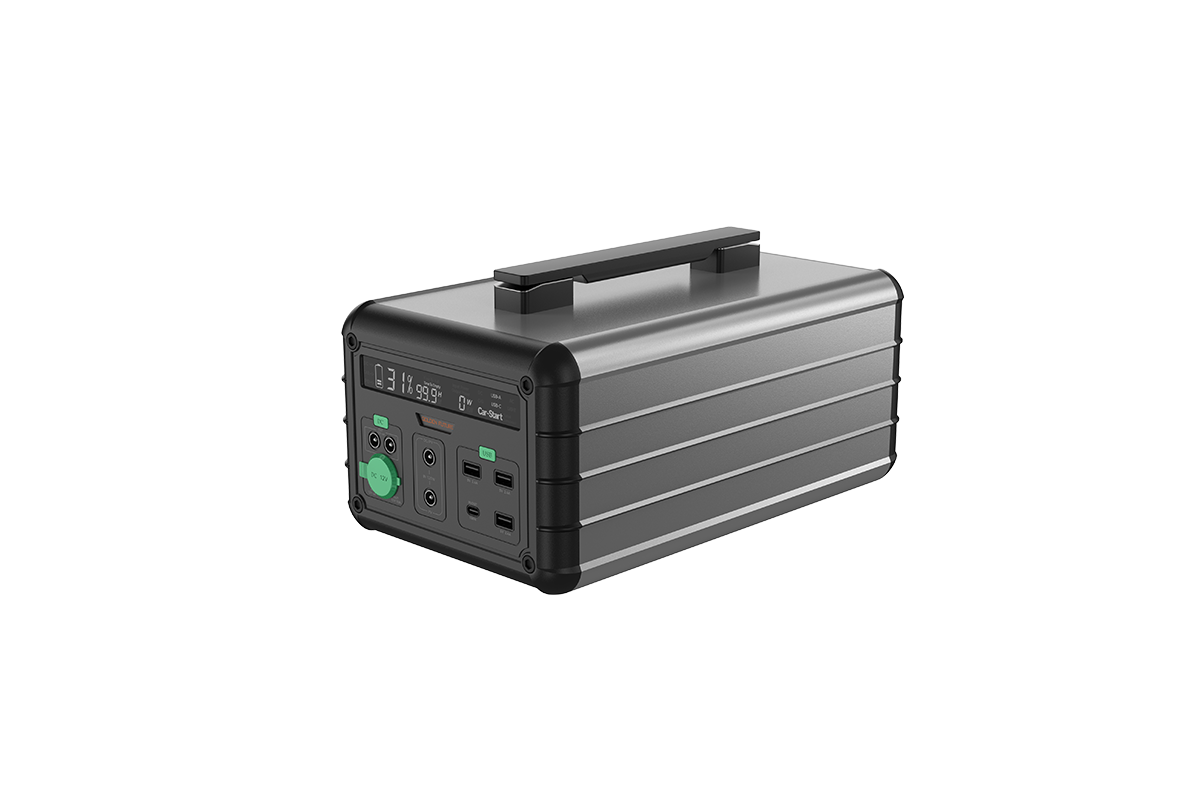
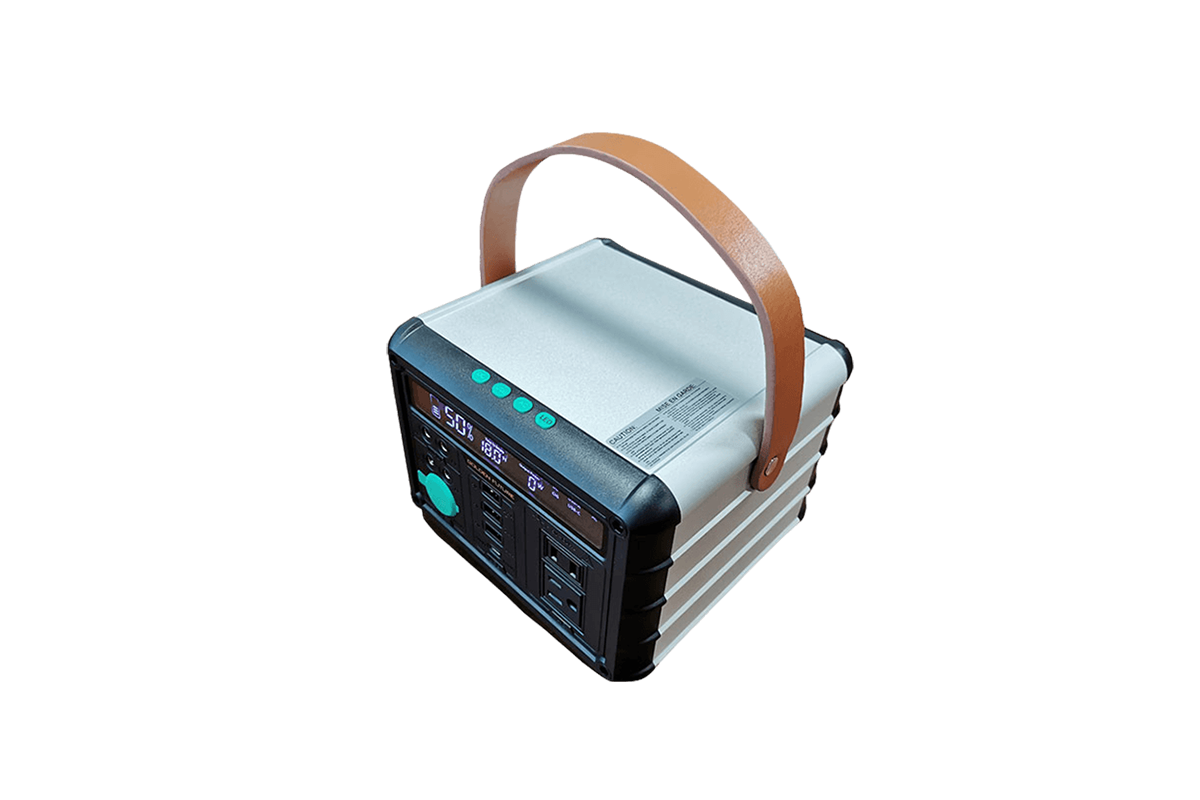
In complex portable power consumption scenarios such as outdoor exploration, vehicle-mounted travel, construction site operation, emergency rescue and mobile aerial photography, portable power stations are inevitably subject to physical external forces such as collision, drop, impact and bump, making impact resistance the core standard for measuring product reliability. Most shock resistant portable power supplies on the market only focus on external structural shockproof protection, but ignore the thermal conduction stability problem under impact working conditions. Adopting simple patch fitting and liquid silicone grease filling, traditional thermal conduction structures are prone to displacement, falling off, hollowing and cracking of the thermal conduction layer after being impacted by collision, vibration and drop. These faults will completely separate the heat source from the heat dissipation structure, forming instant internal heat accumulation risks. Long-term operation will cause core thermal attenuation, circuit overheating protection, power supply interruption and body overheating, greatly shortening the service life of the equipment and failing to meet the long-term stable power supply requirements of high-strength and high-impact scenarios. Centering on core thermal conduction technology and shock-resistant thermal conduction system research and development, the Shock Resistant Portable Power Station thoroughly solves the industry pain points of thermal conduction failure, heat accumulation and overheating, and temperature control instability caused by physical impact through tough thermal conduction materials, suspended fitting thermal conduction architecture, full-area thermal conduction layout and shock-resistant protective thermal conduction technology, realizing the dual compatibility of shock resistance protection and stable thermal conduction.
The fundamental cause of thermal conduction failure of traditional portable power supplies is the insufficient toughness and poor fitting stability of thermal conduction media, which cannot resist high-frequency impact disturbance. For this reason, this shock resistant portable power station is equipped with a high-toughness shock-resistant composite thermal conduction medium to consolidate the thermal conduction foundation at the material level. Abandoning traditional liquid thermal conductive silicone grease and ordinary hard thermal conductive sheets that are prone to falling off and delamination, the product adopts a dual composite structure of glass fiber reinforced high-elastic thermal conductive gaskets and flexible thermal conductive gel, which has both high thermal conductivity and excellent deformation resistance. With outstanding buffering and resilience performance, the thermal conductive material can buffer external forces through self-elastic deformation when the equipment is subjected to physical impacts such as collision, drop and extrusion. It always maintains complete fitting with heat sources including cells, main boards and voltage stabilization modules, avoiding cracking, displacement and delamination and thoroughly eliminating thermal conduction faults after impact. Meanwhile, the material features aging resistance, non-drying and non-hardening, and maintains stable thermal conduction performance after long-term high-frequency use, fundamentally solving the core problems of thermal conduction failure and local heat accumulation of traditional power supplies after impact.
Adopting an innovative suspended adaptive thermal conduction architecture, the equipment realizes full-area stable thermal conduction under impact working conditions. Ordinary power supplies adopt rigid compression thermal conduction layout with strong structural rigidity. Internal components are prone to micro-displacement after strong impact, leading to separation of thermal conduction contact surfaces and a sharp decline in thermal conduction efficiency. This product’s original suspended adaptive thermal conduction structure fixes the core thermal conduction module with flexible suspension and reserves a tiny adaptive deformation space. When the equipment encounters bumping and impact, the thermal conduction module can fine-tune the position following internal components and dynamically adapt to structural deformation, maintaining 100% fitting with the thermal conduction surface at all times. The whole machine adopts a full-area coverage thermal conduction layout, realizing point-to-point accurate thermal conduction coverage for all heat sources such as energy storage cells, main control circuits and voltage stabilization output modules without thermal conduction blind areas. It can quickly gather heat generated by equipment operation and avoid single-point high-temperature accumulation, ensuring continuous, uniform and efficient heat conduction under impact scenarios.
To adapt to high-strength impact working conditions, the product adopts reinforced locking thermal conduction packaging technology to further strengthen the damage resistance and stability of the thermal conduction system. Traditional thermal conduction structures are fixed only by simple pasting and easy to fall off and fail under external impact. This product integrates and reinforces the fitting of composite thermal conduction media, metal heat dissipation substrates and internal equipment frames through multi-layer locking packaging technology, preventing loosening and falling off of thermal conduction components. Meanwhile, it optimizes the internal thermal conduction path and builds a three-dimensional ultra-fast thermal conduction channel of heat source, composite thermal conduction layer, metal heat dissipation frame and full-area air convection, greatly shortening the heat conduction distance and improving the overall thermal conduction efficiency. It maintains an efficient thermal conduction state under working conditions of frequent collision, short-distance drop and continuous bumping, quickly takes away operating heat, effectively reduces the overall temperature rise, avoids battery bulging, circuit aging and unstable power supply caused by high temperature, and significantly improves the durability of the equipment in complex scenarios.
Different from the passive heat dissipation mode of conventional products, the equipment is equipped with a thermal conduction adaptive temperature control coordination system to realize intelligent temperature control in impact scenarios. Built-in high-precision temperature sensing units monitor the thermal conduction and heat dissipation status and internal temperature data of each region in real time, and dynamically adjust heat dissipation efficiency combined with equipment vibration and impact status. It maintains conventional constant-temperature thermal conduction and heat dissipation during stable operation, and automatically strengthens the response speed of thermal conduction and heat dissipation when detecting continuous bumping or instantaneous strong impact, eliminating potential heat accumulation hazards in advance and ensuring accurate and effective temperature control at all times. Meanwhile, the full-area thermal conduction structure cooperates with the body’s shock-resistant heat dissipation shell to balance dual performances of buffering protection and ventilation heat dissipation, which not only resists external physical impact, but also ensures rapid dissipation of internal heat, perfectly solving the structural defect of traditional shock-resistant power supplies that focus too much on protection while ignoring thermal conduction and heat accumulation.
The all-round shock-resistant thermal conduction system enables the portable power station to break through the performance limitations of traditional products, combining excellent damage resistance and long-term thermal conduction and heat dissipation performance. It can operate stably for a long time in high-risk, high-vibration and high-impact scenarios such as outdoor construction, vehicle-mounted off-road, field rescue, extreme camping and mobile operation, maintaining efficient thermal conduction, constant-temperature heat dissipation and stable power supply without fear of collision and impact. Centering on exclusive shock-resistant thermal conduction technology, the Shock Resistant Portable Power Station balances portability, shock resistance and heat dissipation stability, effectively extending equipment service life, reducing the failure rate of outdoor equipment, providing solid and reliable technical support for full-scenario mobile portable power supply, and serving as the preferred equipment for outdoor power consumption under complex working conditions.




 59911926@qq.com/sales@goldenfuturehk.com
 13316809242 / 15816897019
 Inquiry
 Home >