






Time:2026-04-01 Views:12
Selecting the right home energy storage battery capacity is crucial to ensure the system meets the home’s energy needs, balances cost and performance, and provides reliable backup power. The capacity selection process involves evaluating several key factors, including daily energy consumption, solar panel output, backup power requirements, depth of discharge (DOD), and future energy needs. A properly sized battery capacity will ensure that the system can store enough solar energy to cover daily use, reduce reliance on the grid, and provide sufficient backup power during grid outages.
The first step in selecting battery capacity is to calculate the home’s daily energy consumption. This can be done by reviewing past electricity bills (typically measured in kWh per day) or using a smart energy monitor to track real-time energy use. For example, a household with a daily energy consumption of 10kWh will require a battery capacity that can store enough energy to cover this usage, considering the DOD. Most lithium batteries allow a DOD of 80-90%, so a 10kWh daily consumption would require a battery capacity of 12.5-15kWh (10kWh ÷ 0.8 = 12.5kWh; 10kWh ÷ 0.9 ≈ 11.1kWh, rounded up to 12.5kWh for safety). If the household wants to have 2 days of backup power, the battery capacity would need to be 25-30kWh.
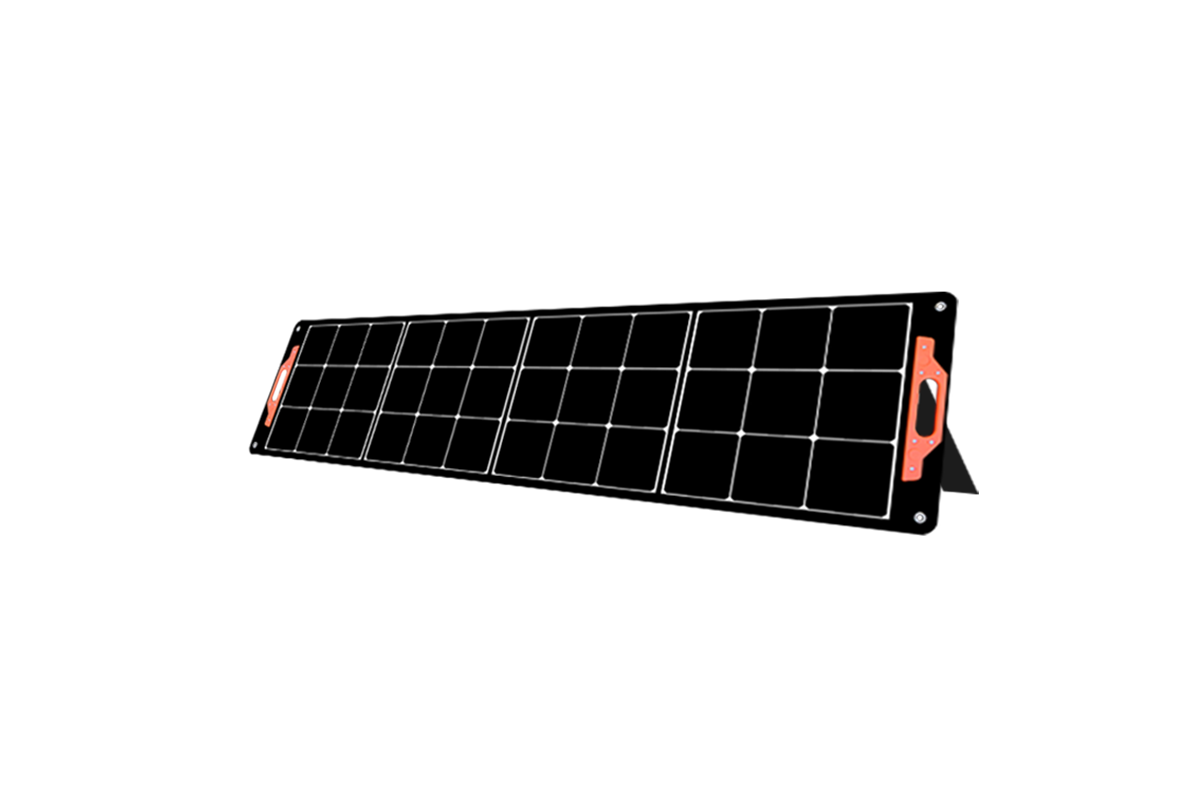
Solar panel output is another important factor. The battery capacity should be matched to the solar panel’s daily energy production to ensure that excess solar energy is stored and not wasted. For example, a 5kW solar system typically produces 20-25kWh of energy per day (depending on location and weather), so a 20kWh battery capacity is suitable to store most of the excess energy. If the solar system produces less energy (e.g., 15kWh per day), a smaller battery capacity (15-18kWh) may be sufficient. Future energy needs should also be considered – if the household plans to add more appliances, an electric vehicle, or expand the solar system, it is recommended to select a larger battery capacity or a scalable system that can be expanded in the future. Additionally, the battery capacity should be matched to the inverter’s capacity – a 5kW inverter is typically paired with a 15-25kWh battery to ensure the inverter can efficiently charge and discharge the battery without overloading.




 59911926@qq.com/sales@goldenfuturehk.com
 13316809242 / 15816897019
 Inquiry
 Home >