






Time:2026-03-20 Views:432
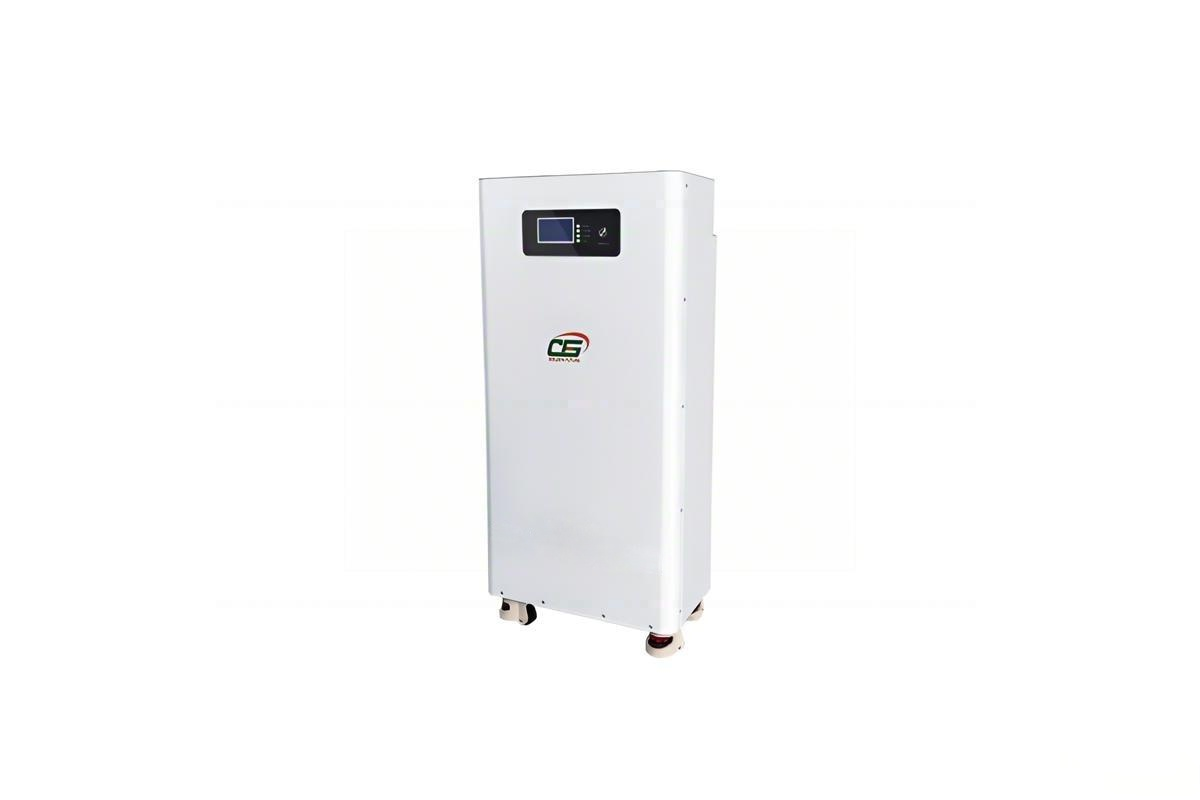
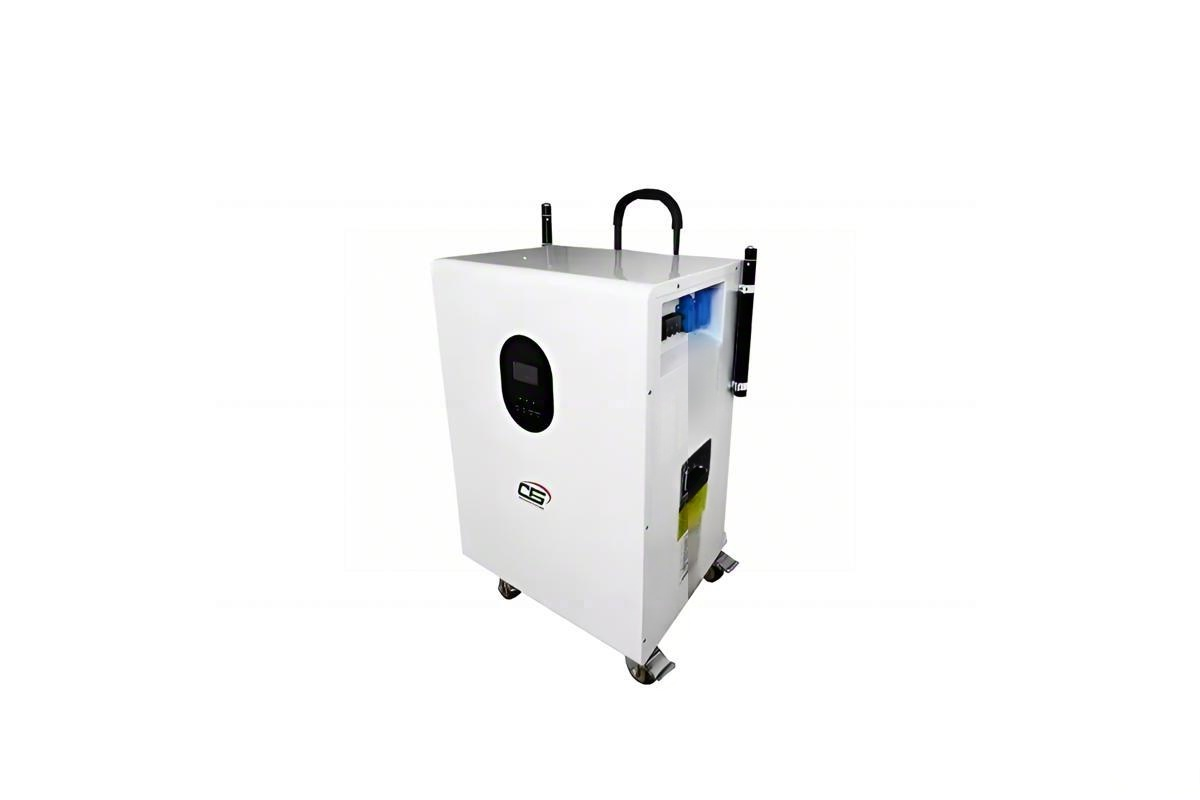
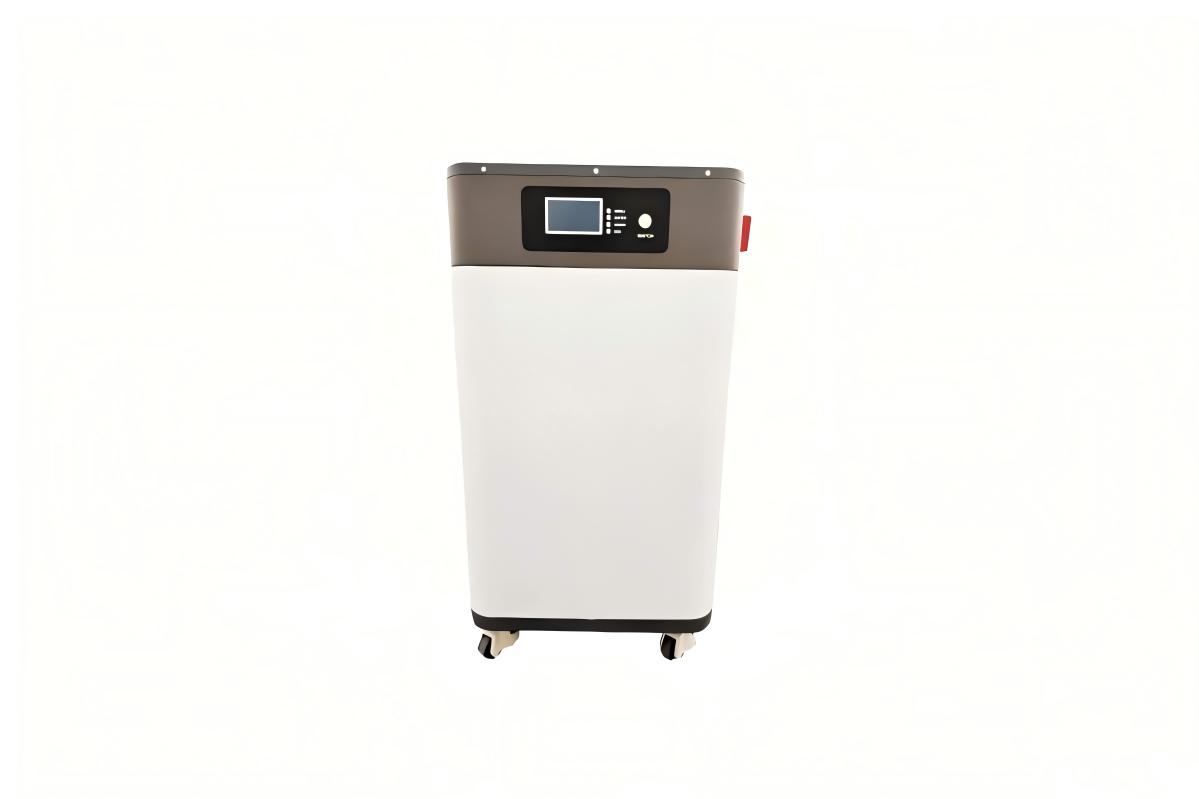
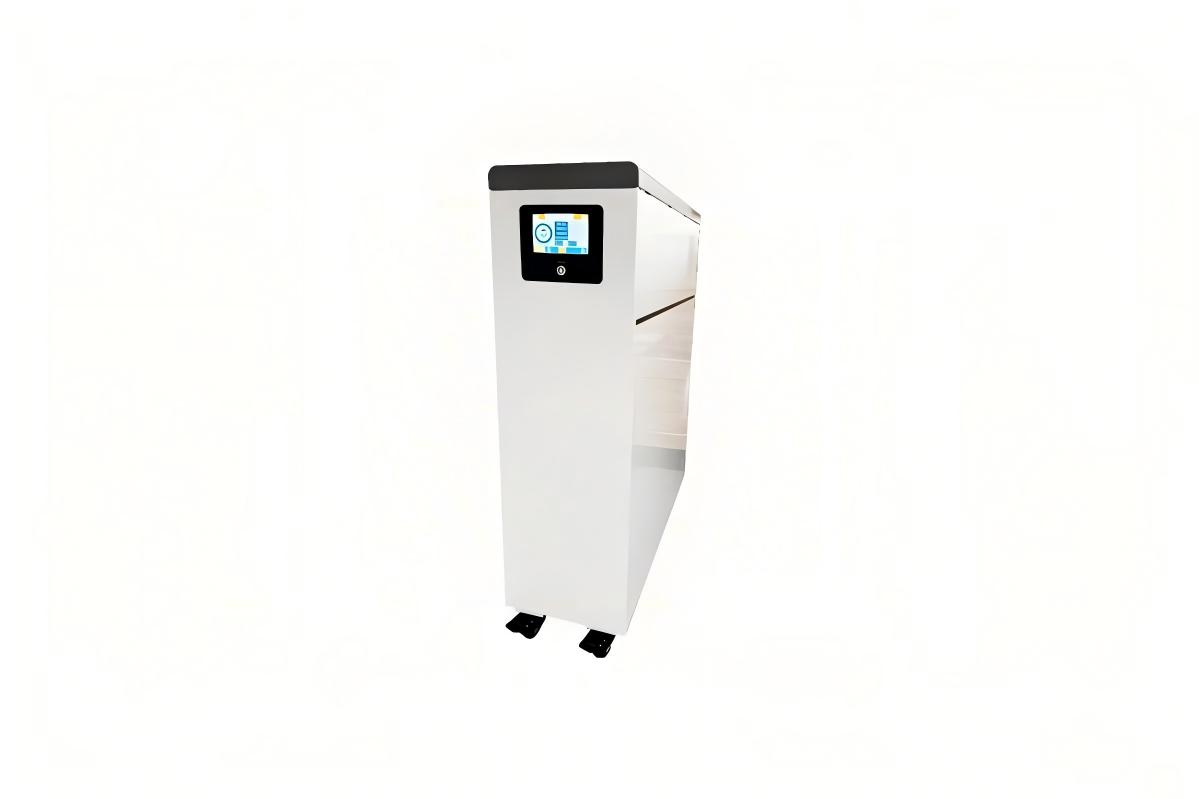
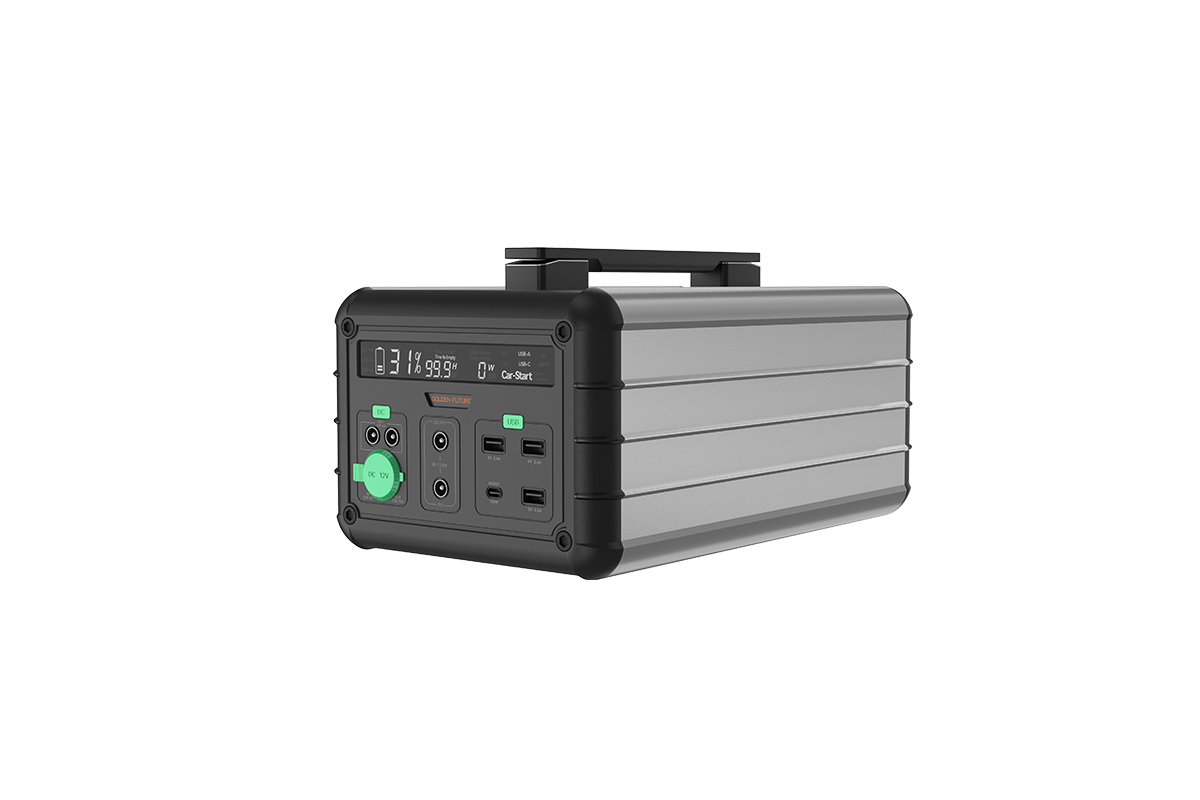
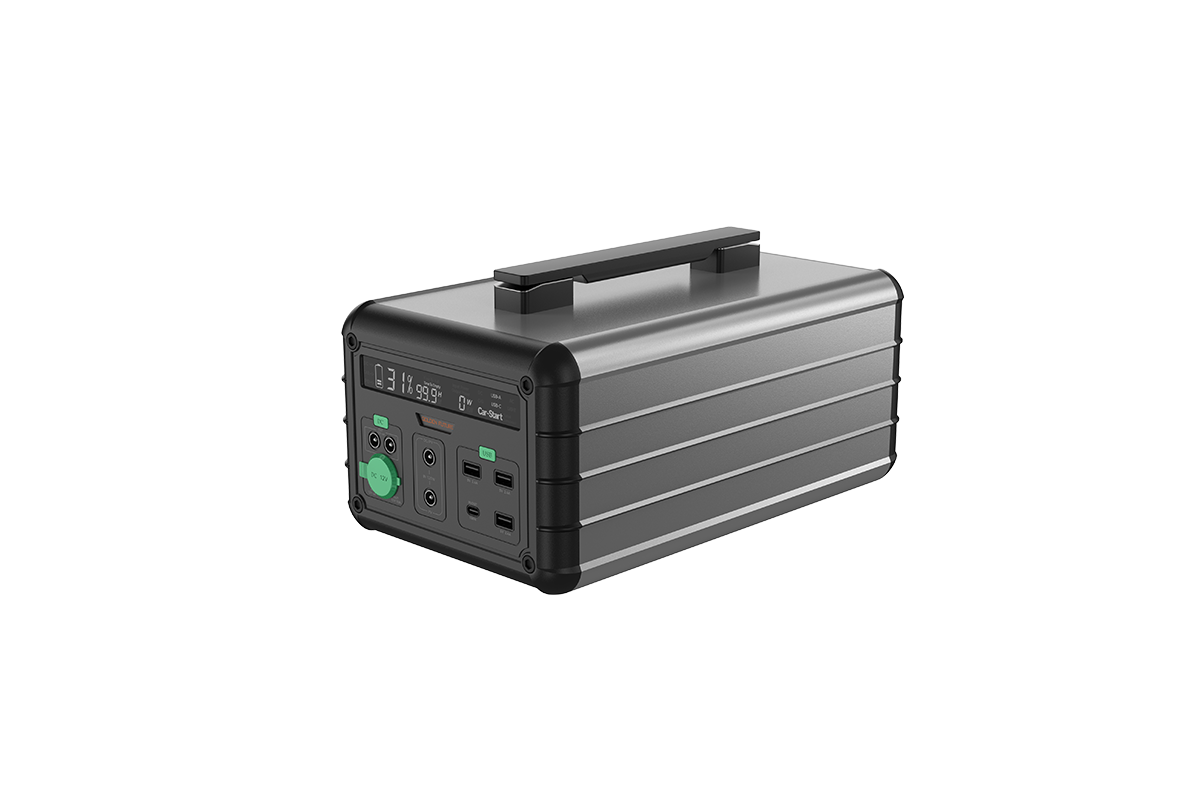
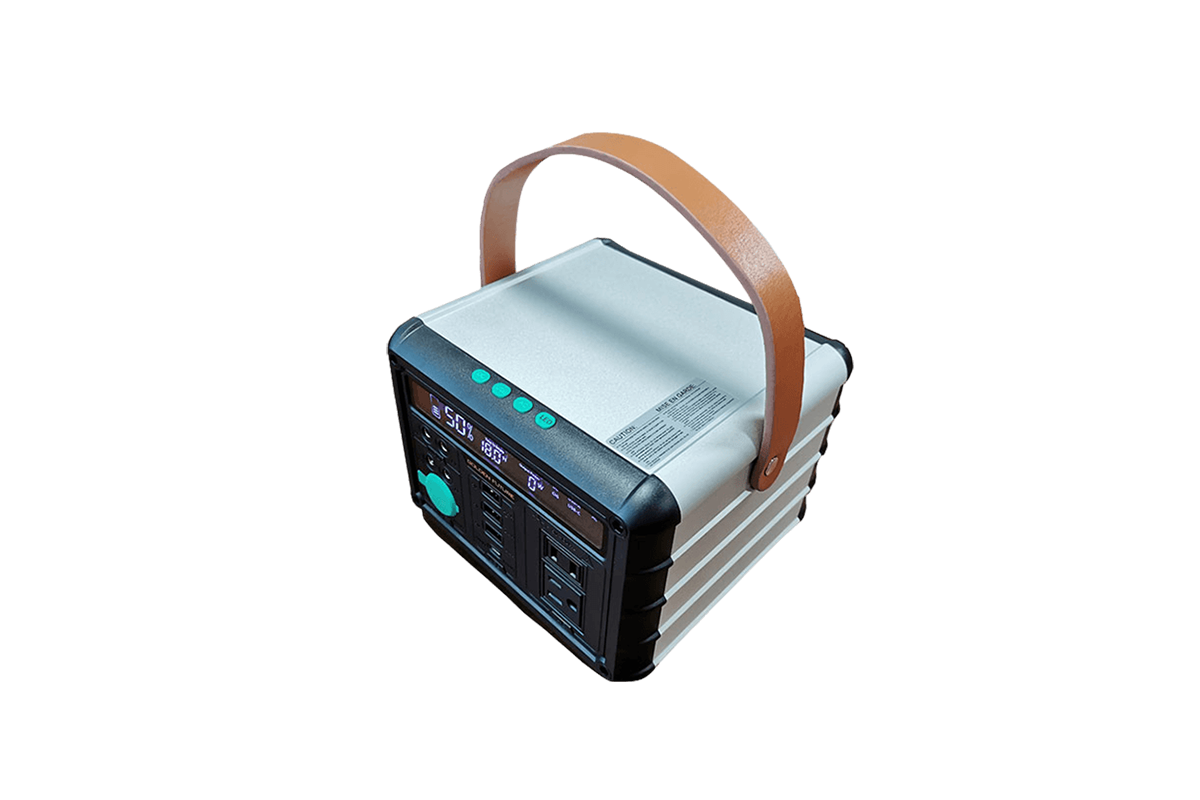
The seismic rating of household energy storage equipment determines its ability to withstand seismic events without damage or failure, which is crucial for regions prone to earthquakes. It is mainly regulated by international standards such as IEEE 693 and NEMA Seismic Guideline 1, as well as regional building codes, with ratings classified based on earthquake intensity and acceleration levels to ensure the system remains functional even during major seismic activity.
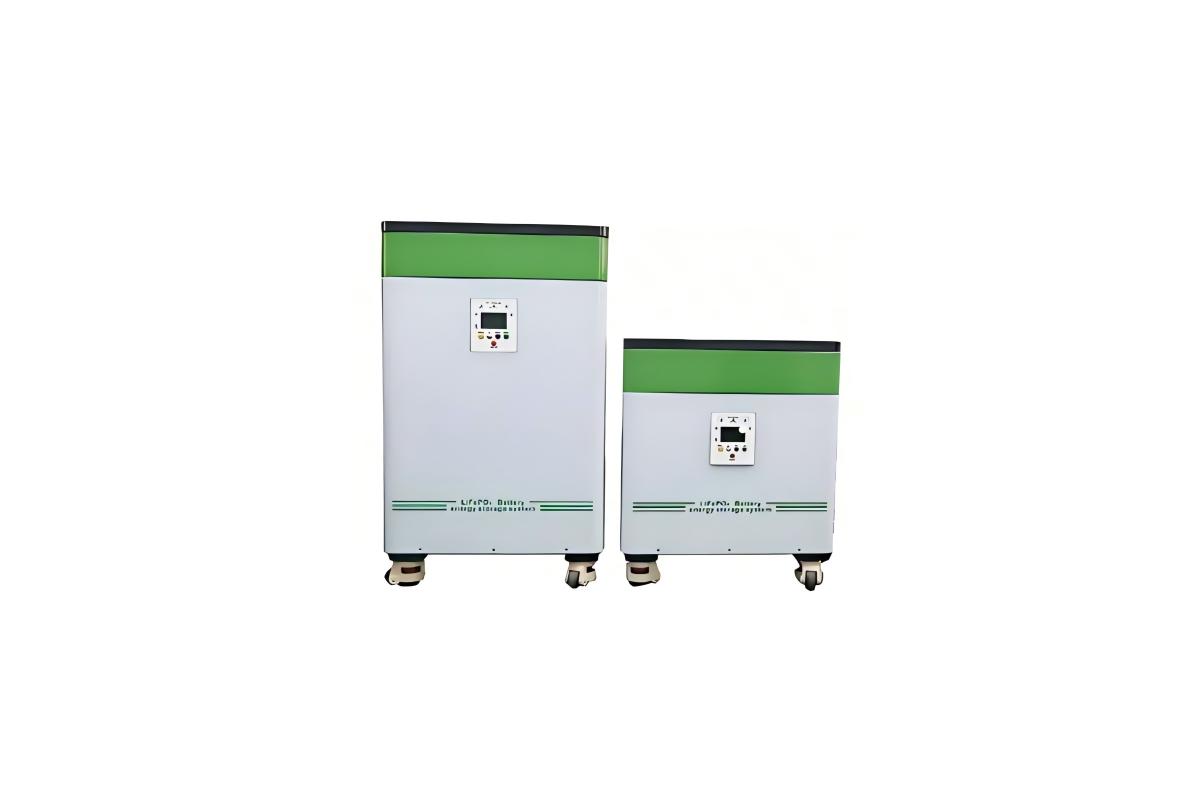
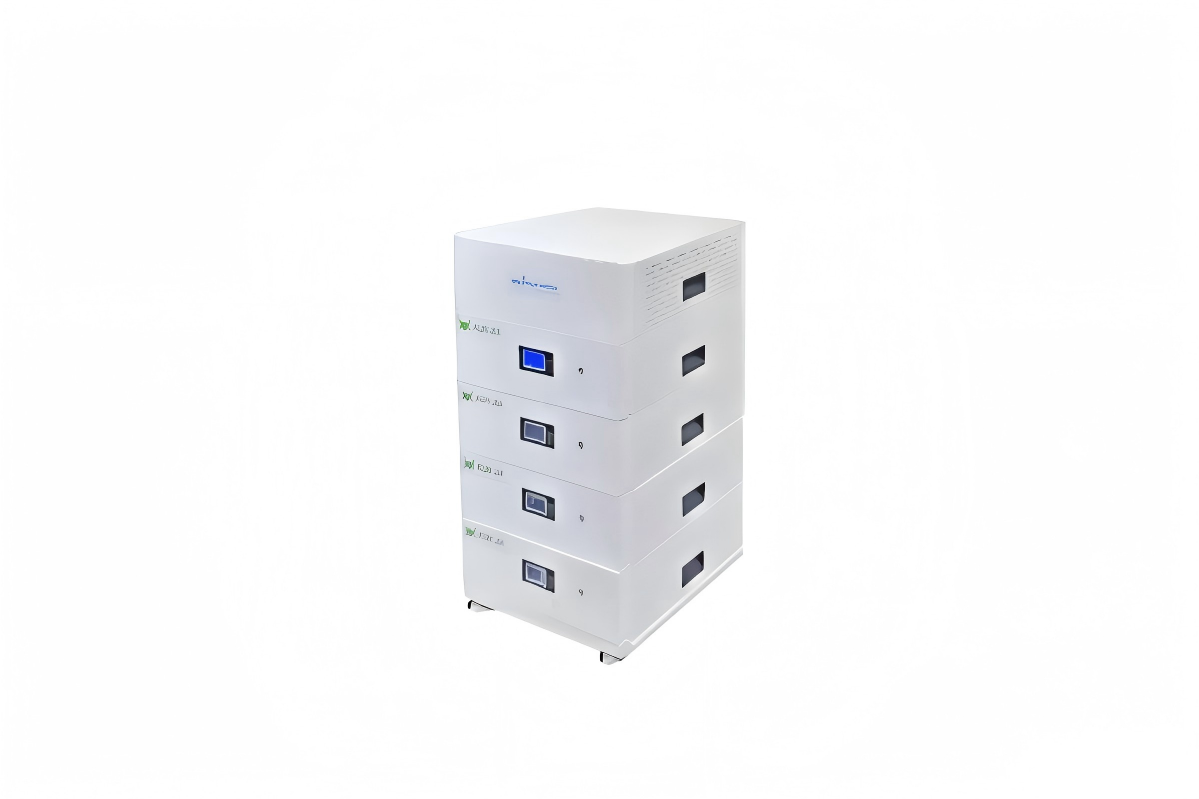
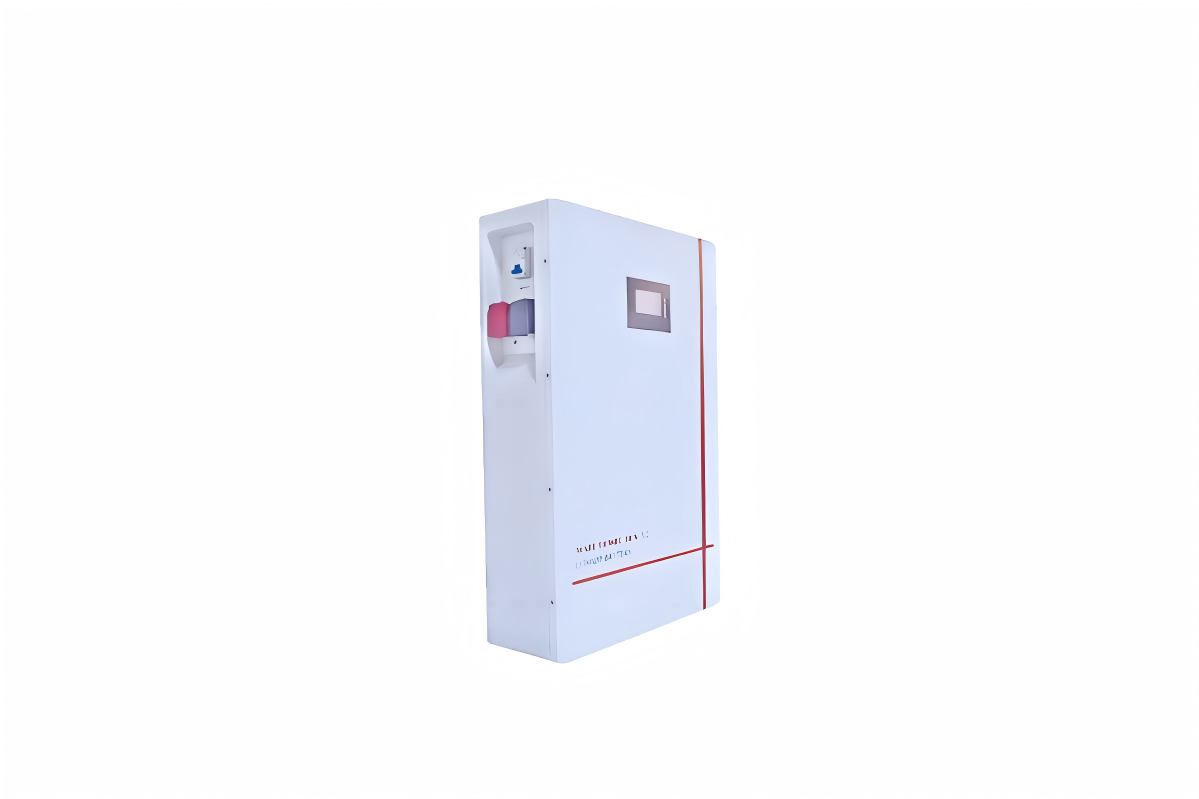
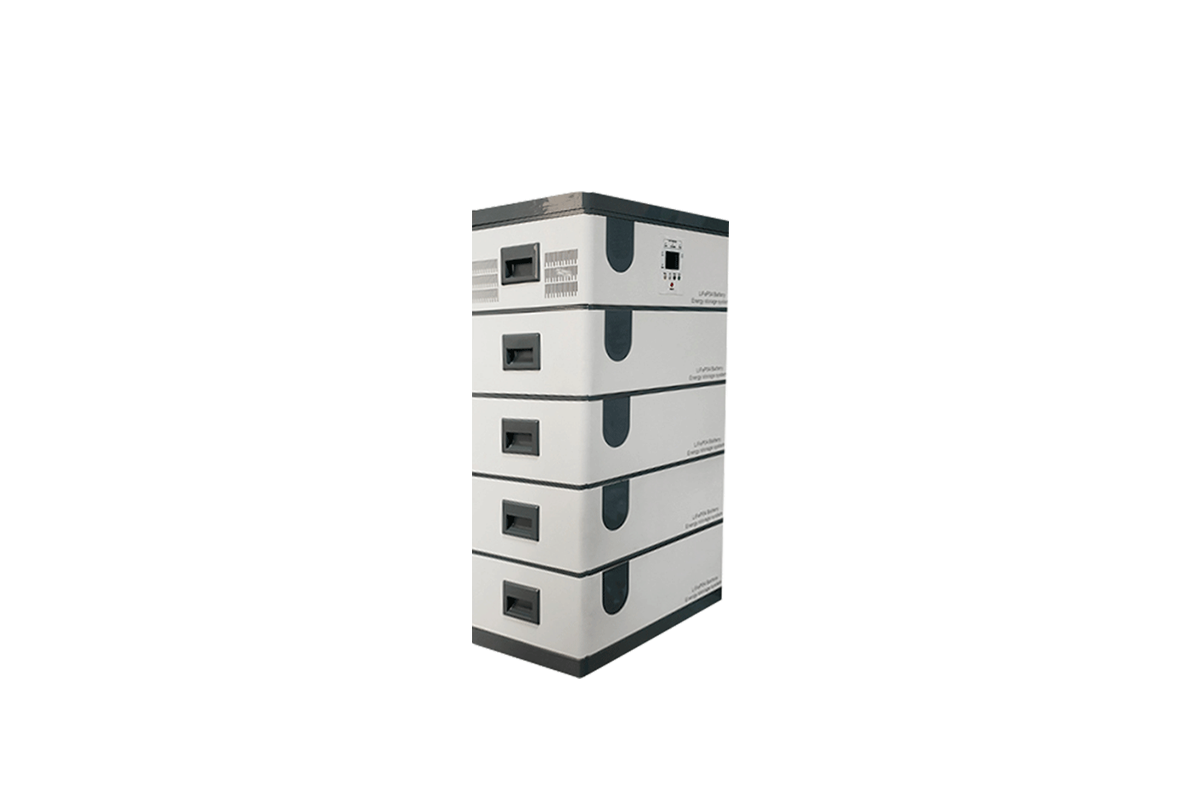
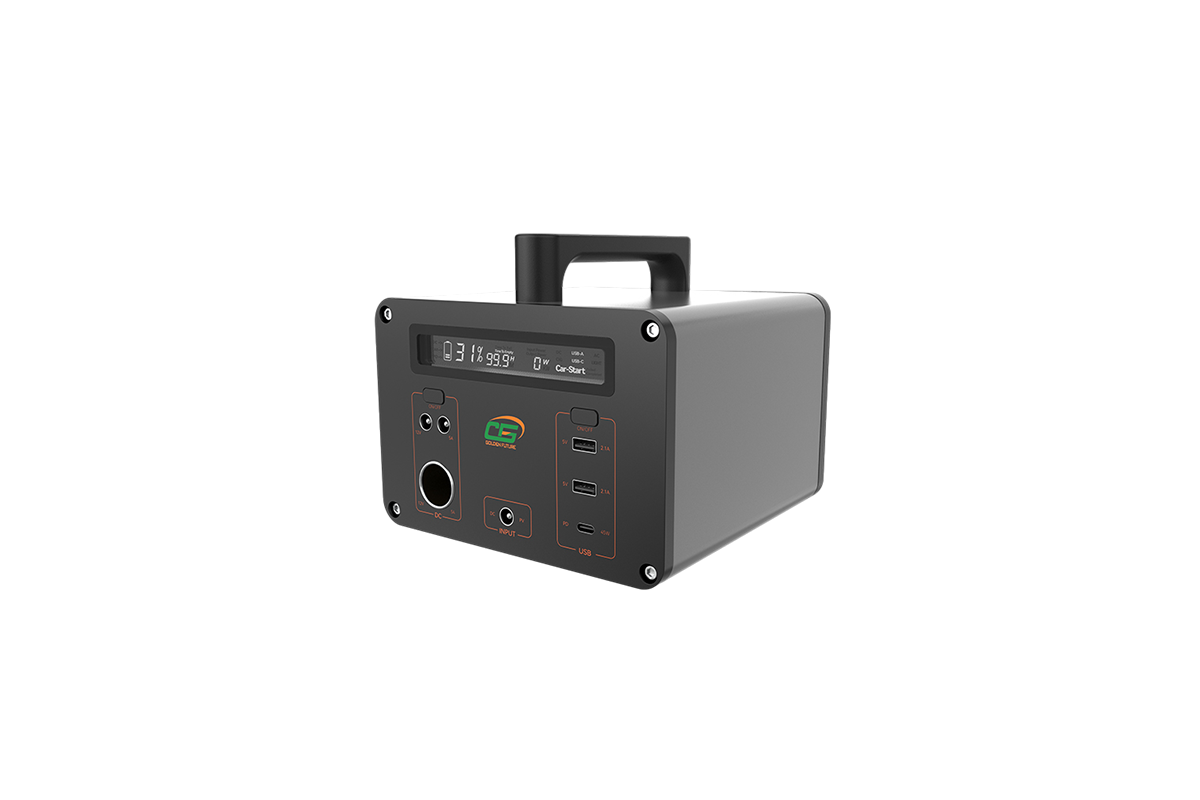
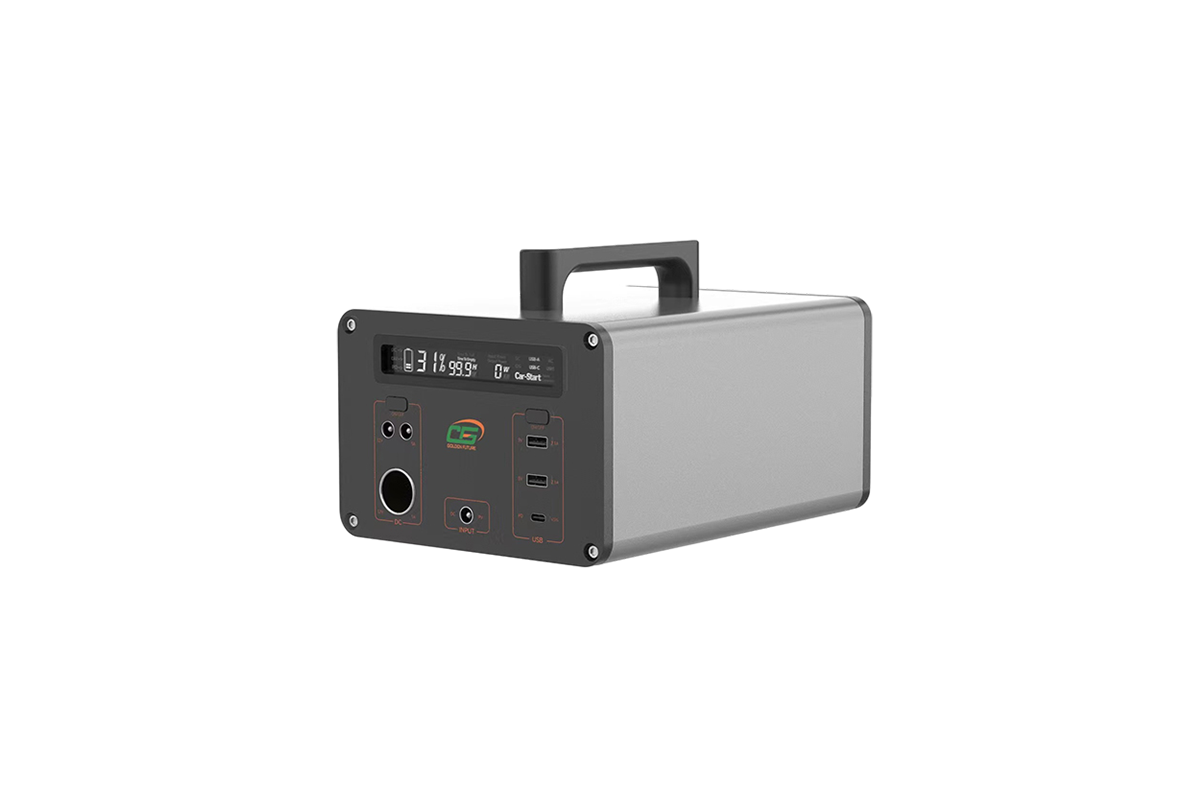
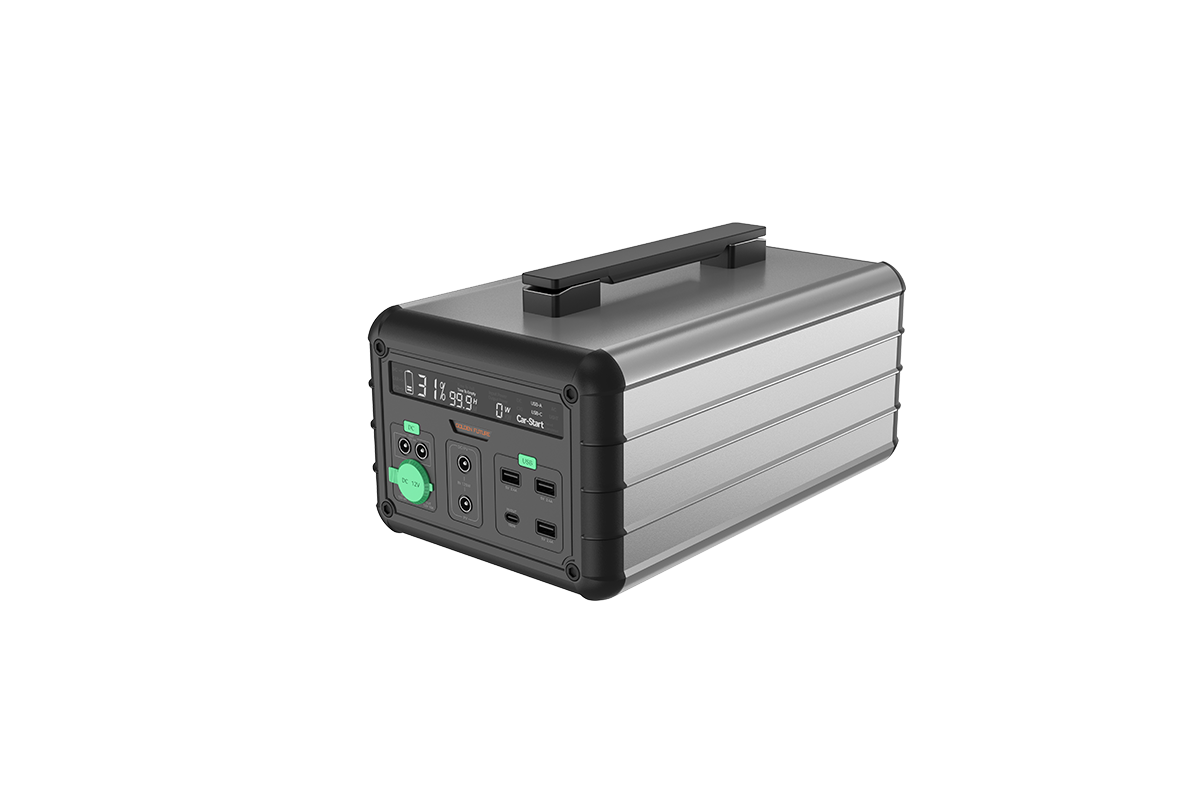
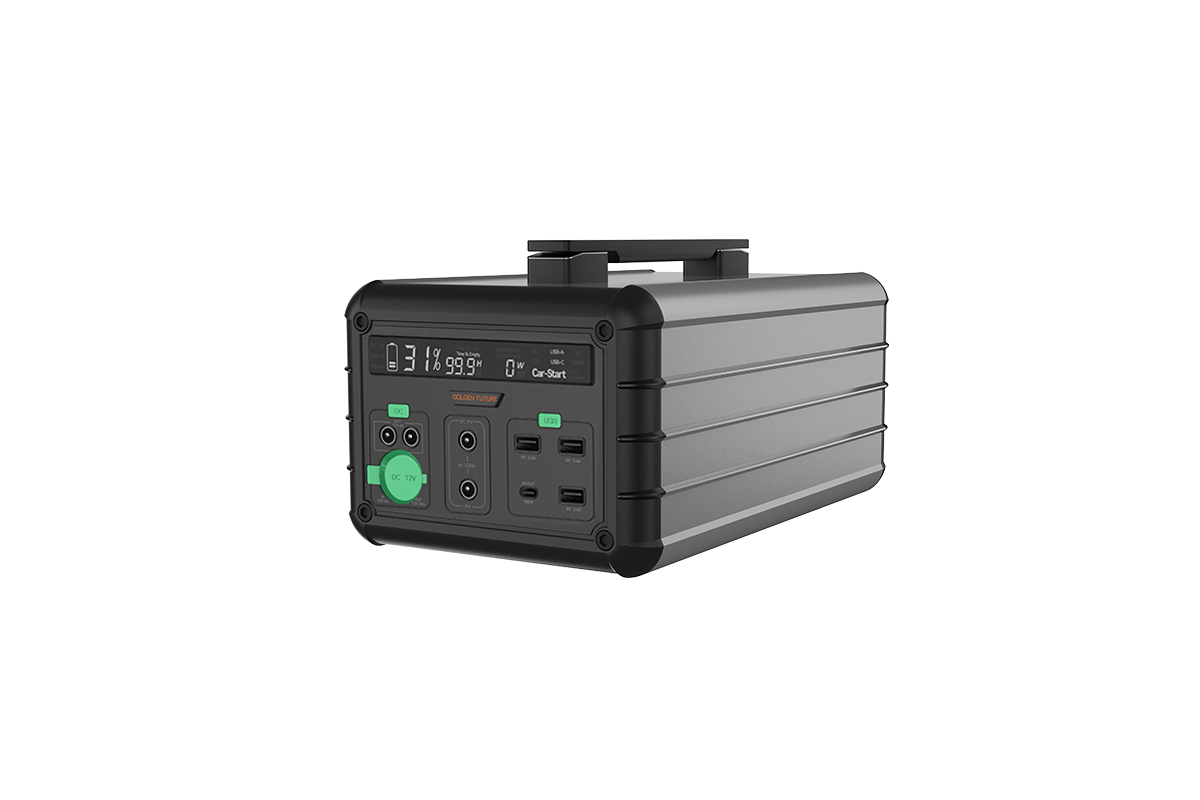
For most residential scenarios, household energy storage equipment typically meets a seismic rating of IEEE 693 – Level High, which means it can withstand acceleration up to 2.5 times the force of gravity. The design achieves this through reinforced structural components: the cabinet uses high-strength steel frames with anti-vibration pads to absorb seismic shocks, and internal components (batteries, BMS, PCS) are firmly fixed to prevent displacement or collision. Battery modules are equipped with shock-absorbing brackets to reduce impact force during earthquakes. In earthquake-prone areas like California, additional requirements may apply, such as compliance with local building codes that mandate higher seismic resilience. Testing is rigorous, including shake table tests conducted by professional laboratories to verify the equipment’s ability to maintain structural integrity and operational stability under simulated seismic conditions, ensuring it can provide backup power when needed most after a disaster.




 59911926@qq.com/sales@goldenfuturehk.com
 13316809242 / 15816897019
 Inquiry
 Home >