





Time:2026-03-18 Views:271
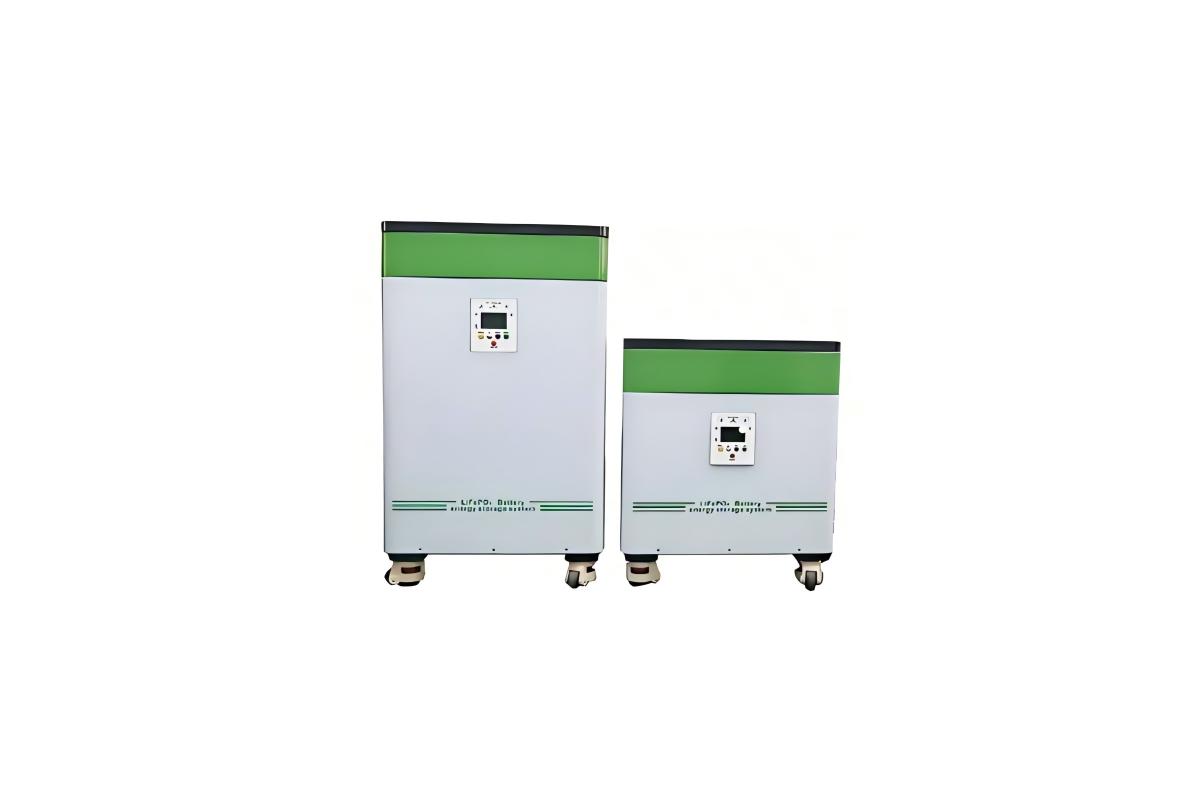
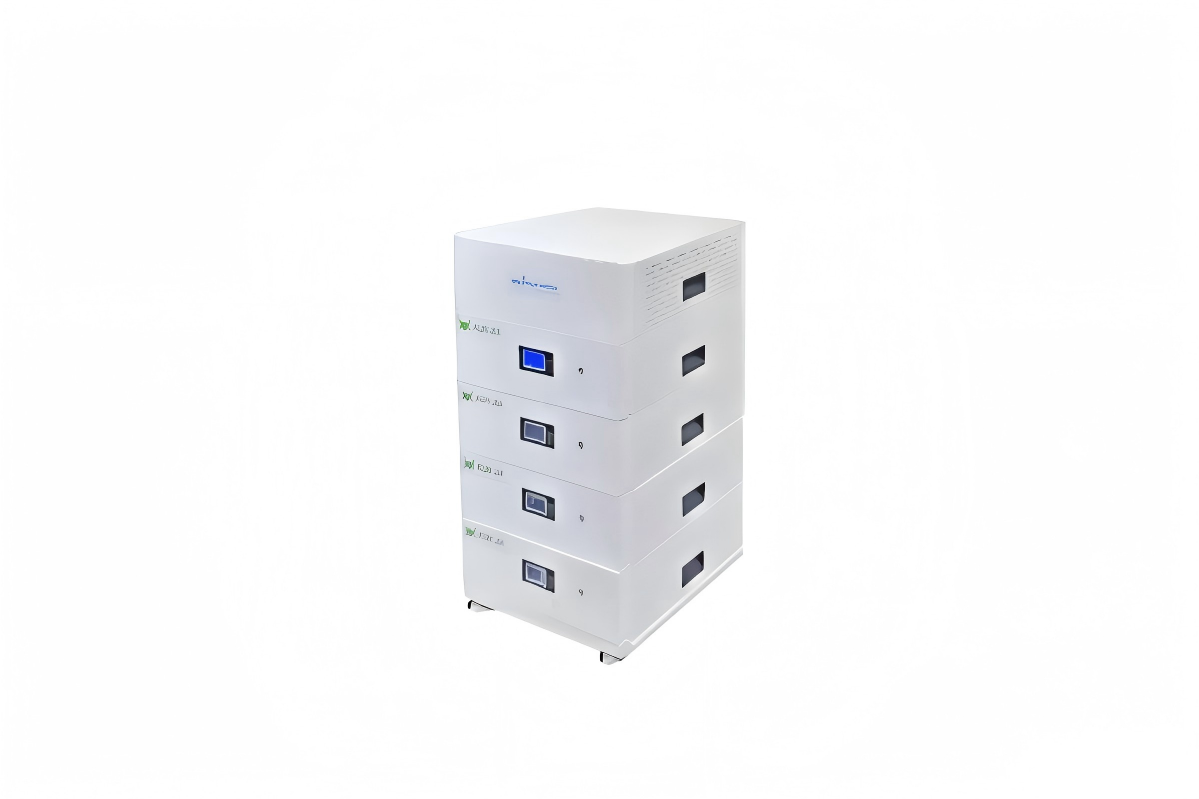
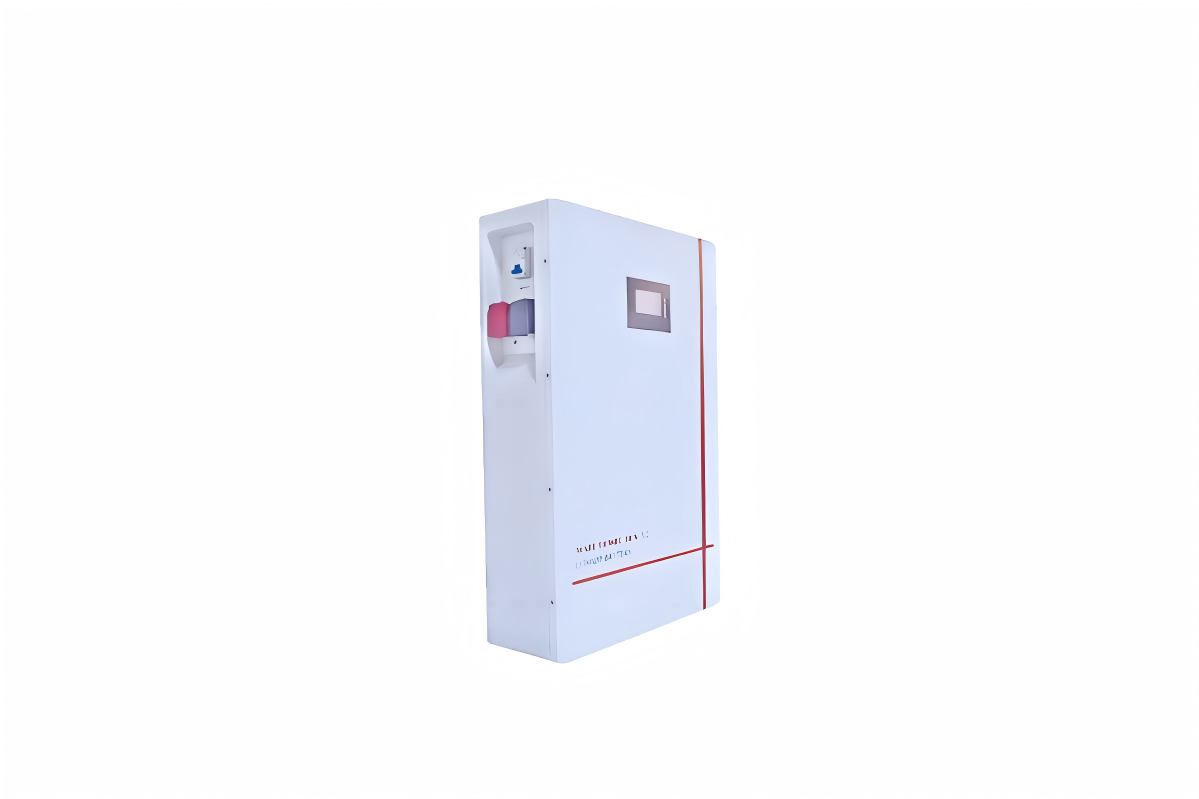
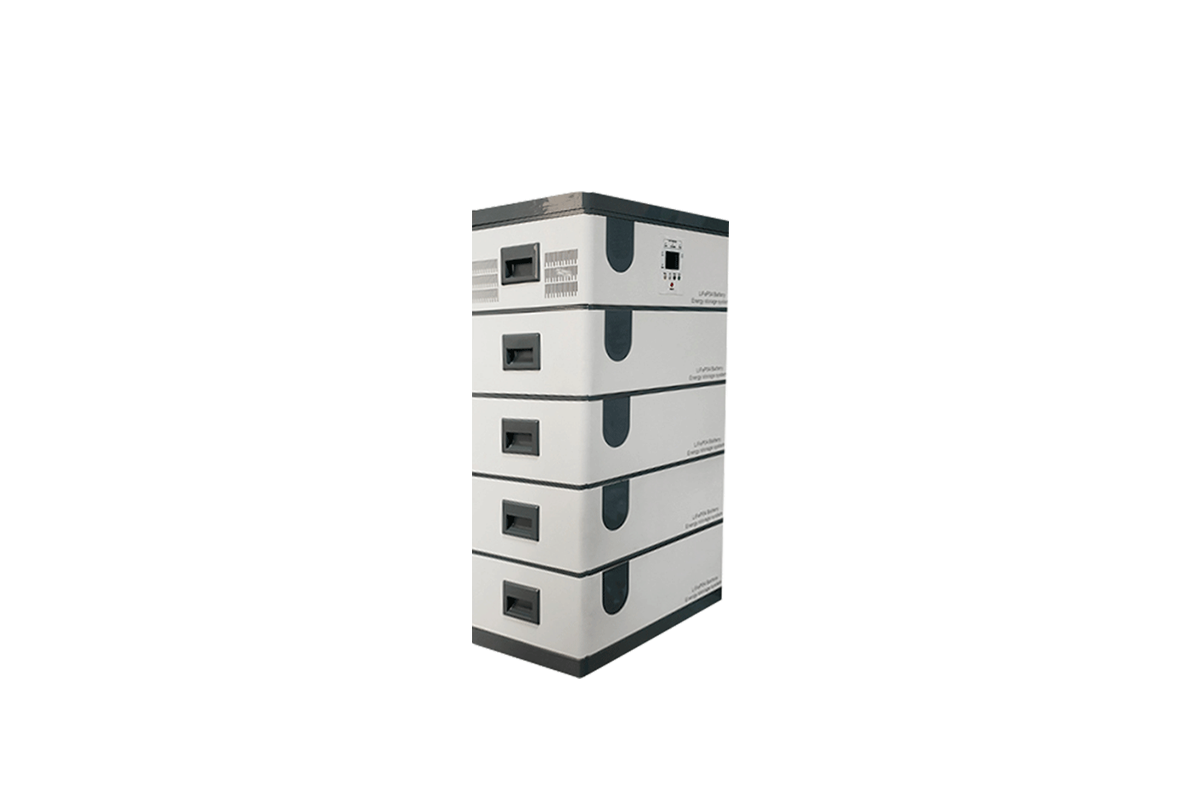
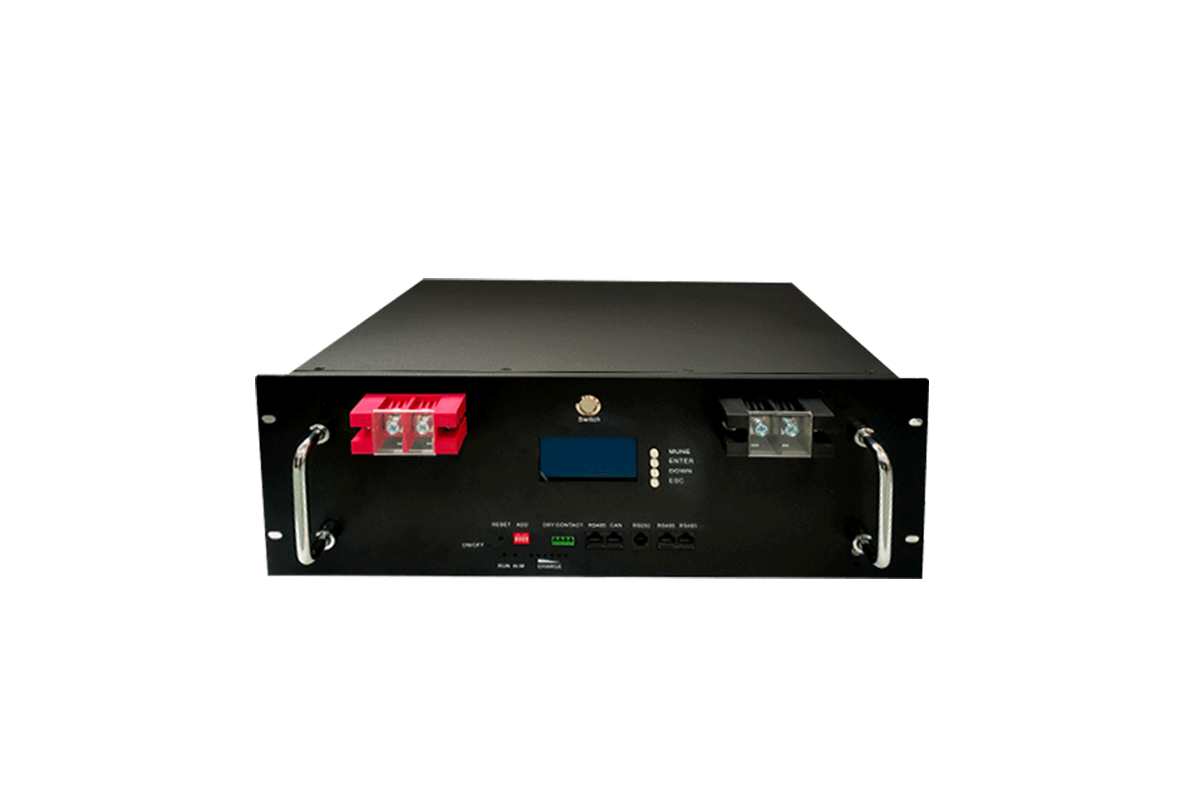
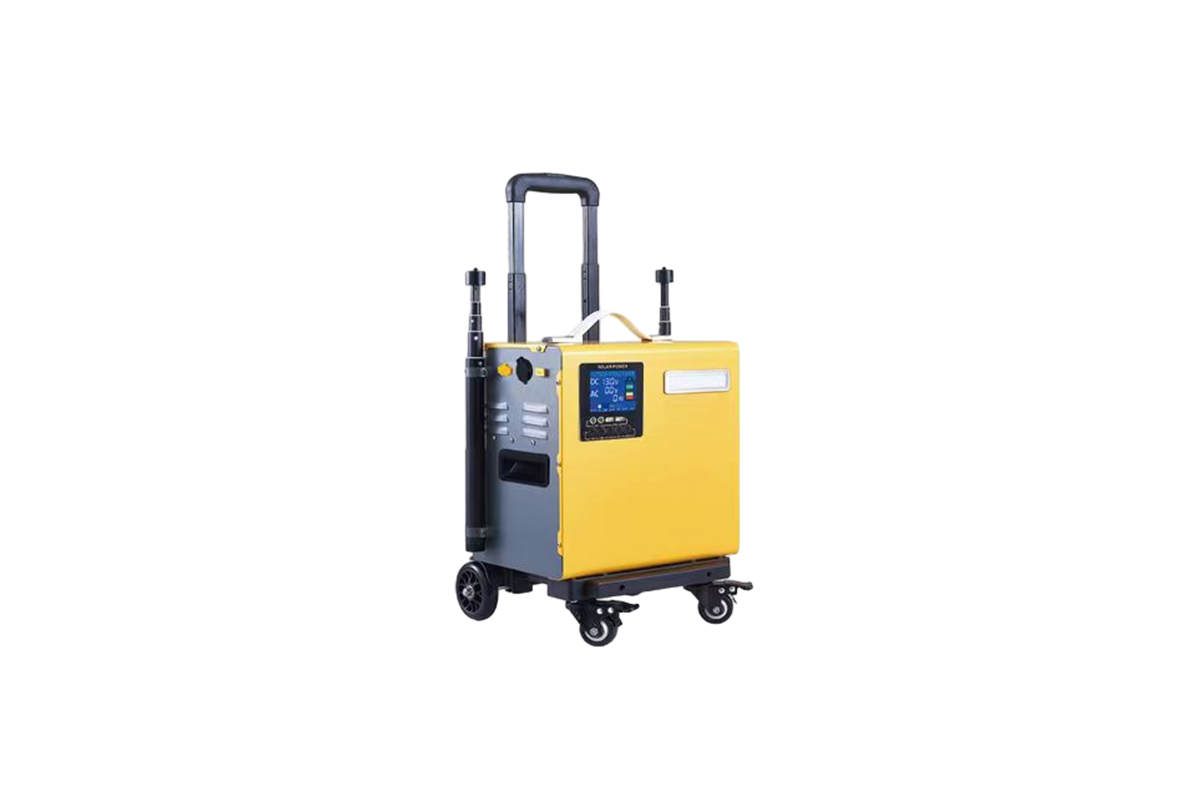
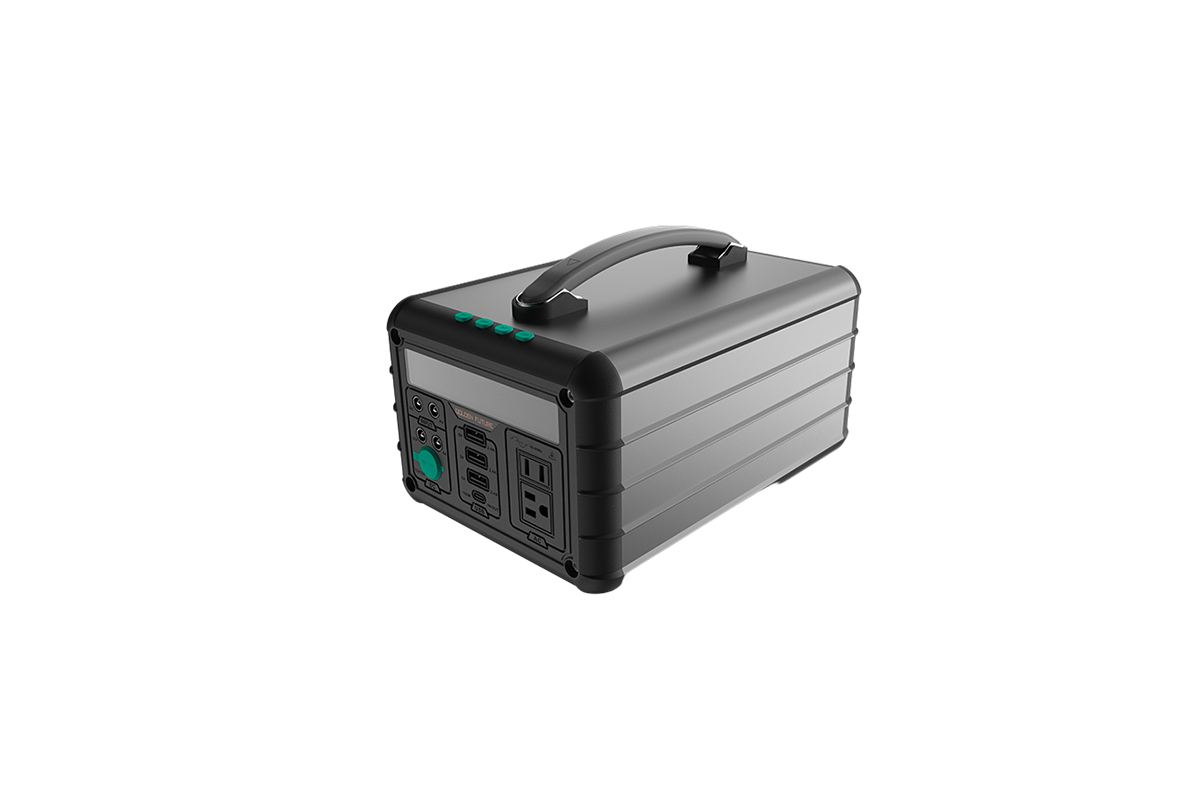
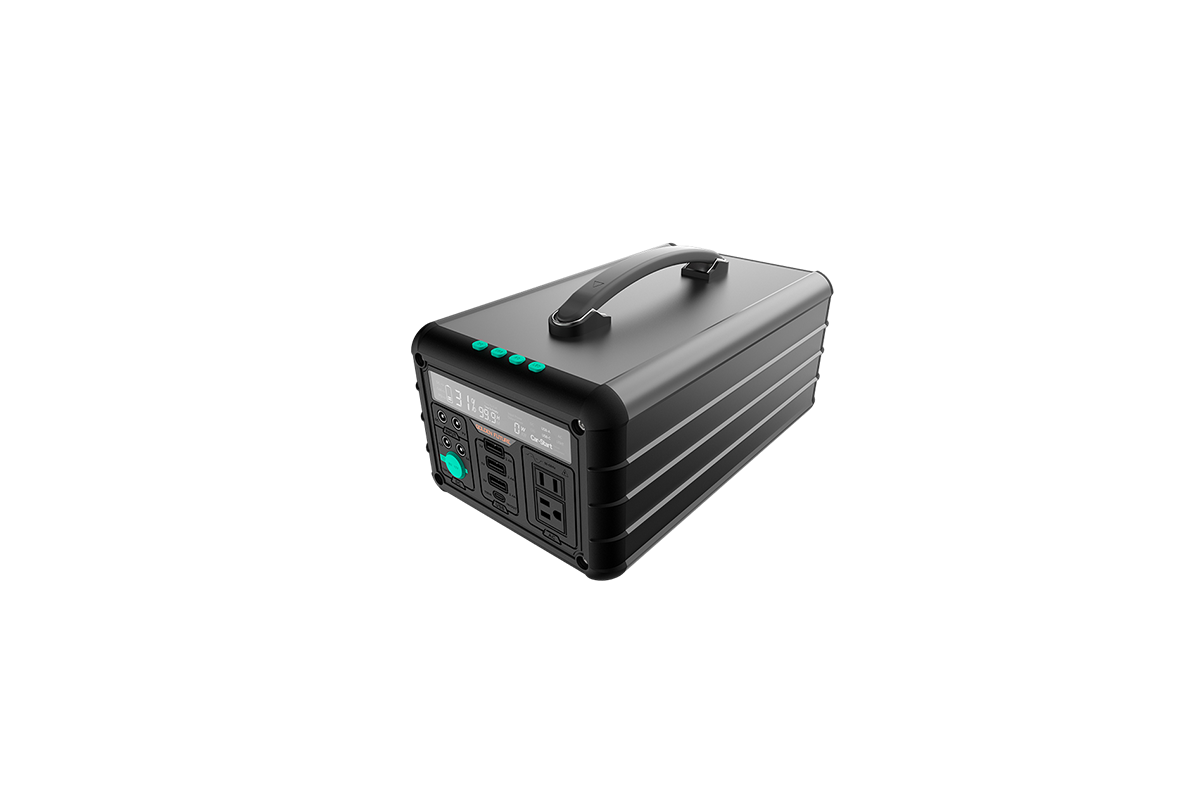
Scalability is a key advantage of modern home energy storage systems, allowing households to adjust the storage capacity according to their changing electricity needs, from basic backup power to full off-grid living. A scalable home energy storage system achieves capacity expansion through modular parallel connection, enabling users to add battery modules incrementally without replacing the entire system—this not only reduces initial investment costs but also ensures long-term adaptability to growing household electricity demand, such as adding electric vehicles, smart home devices, or expanding solar panel installations.
The scalable design is based on standardized module interfaces and compatible communication protocols, ensuring that new battery modules can seamlessly integrate with existing systems. For example, many systems support parallel connection of 1 to 10 battery modules, with capacity ranging from 5kWh to 30kWh or more—households can start with a small-capacity system (e.g., 5kWh) for daily backup and gradually expand to 30kWh or higher for off-grid use. To maintain stability during expansion, a battery balancer or active voltage equalizer is essential, which transfers energy between modules to ensure voltage consistency, preventing some modules from cutting off early and maximizing usable capacity.
Scalable systems also integrate intelligent energy management to optimize capacity utilization. AI-driven algorithms predict weather conditions, electricity tariffs, and household demand, adjusting charging and discharging strategies to maximize solar self-consumption and reduce electricity costs. When expanding capacity, users only need to add new modules, update the system settings via the mobile app, and complete a simple system test—no major modifications to the existing infrastructure are required. This flexibility makes scalable home energy storage systems suitable for various scenarios, including grid-tied homes, areas with unstable power grids, and eco-conscious households pursuing zero carbon emissions, providing a future-proof energy solution.




 59911926@qq.com/sales@goldenfuturehk.com
 13316809242 / 15816897019
 Inquiry
 Home >