





Time:2025-12-27 Views:1
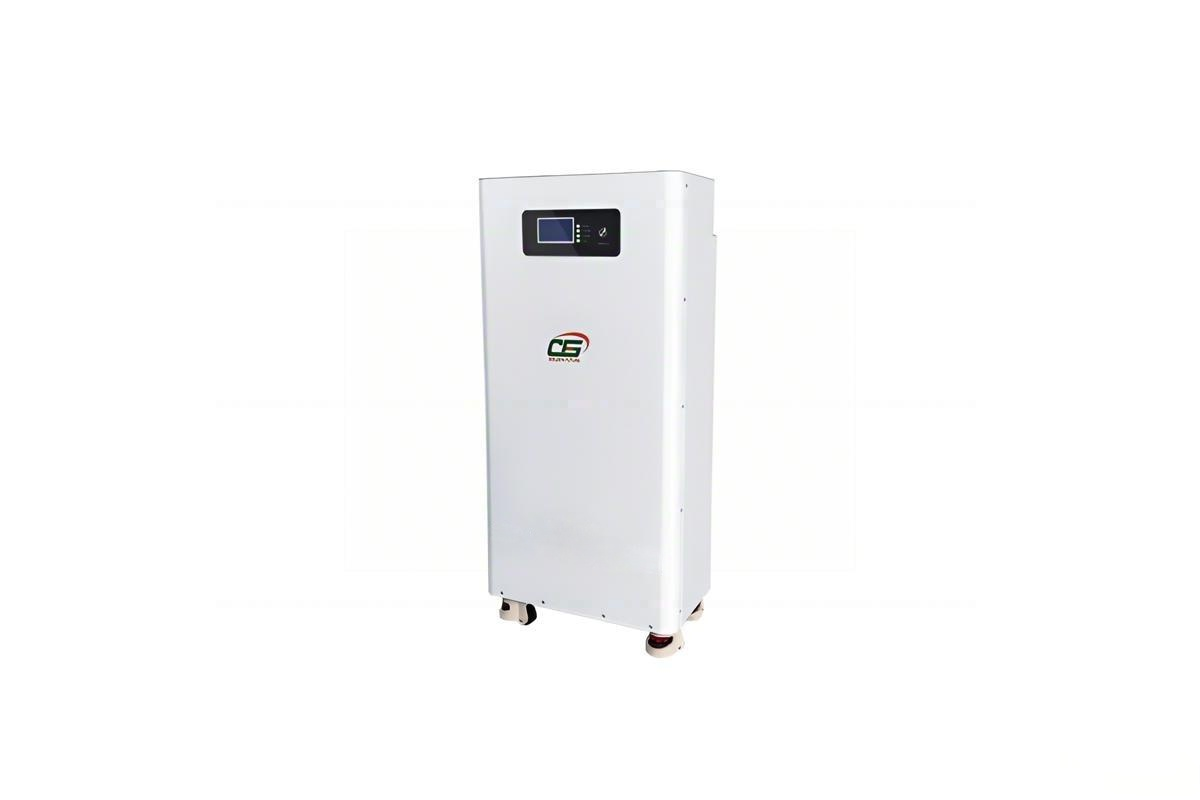
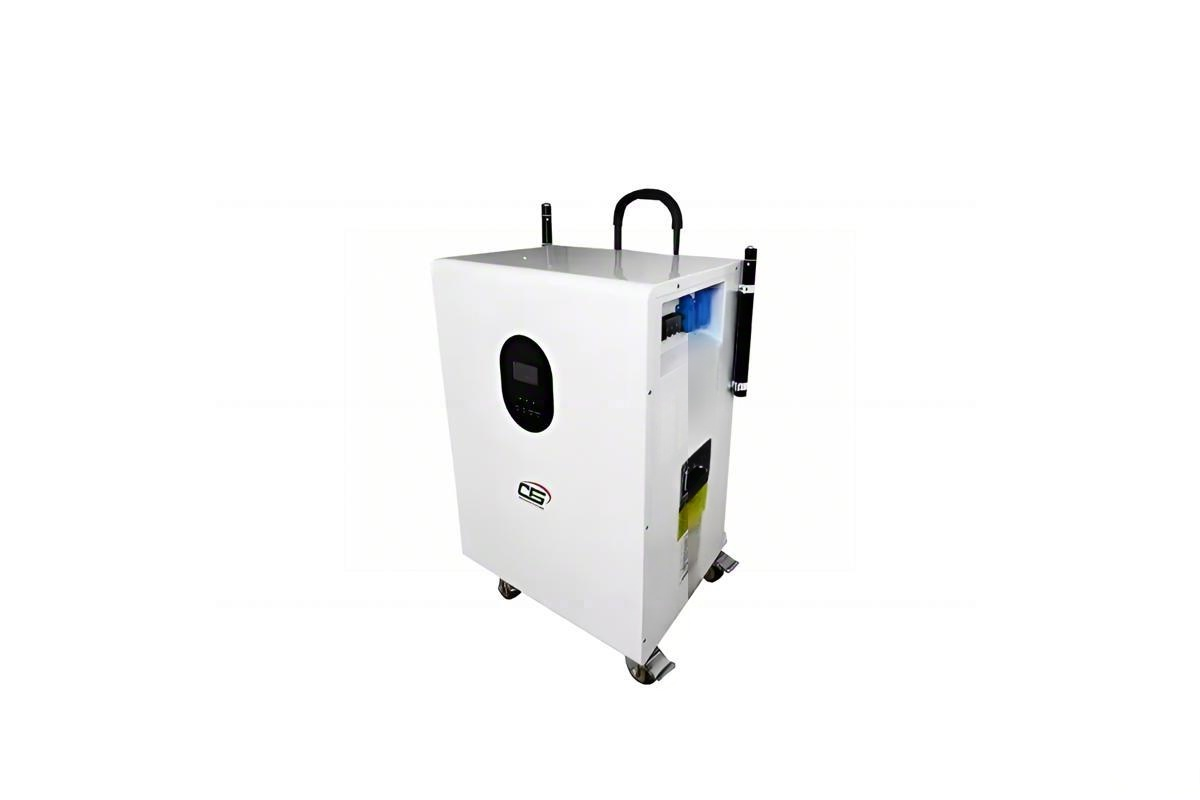
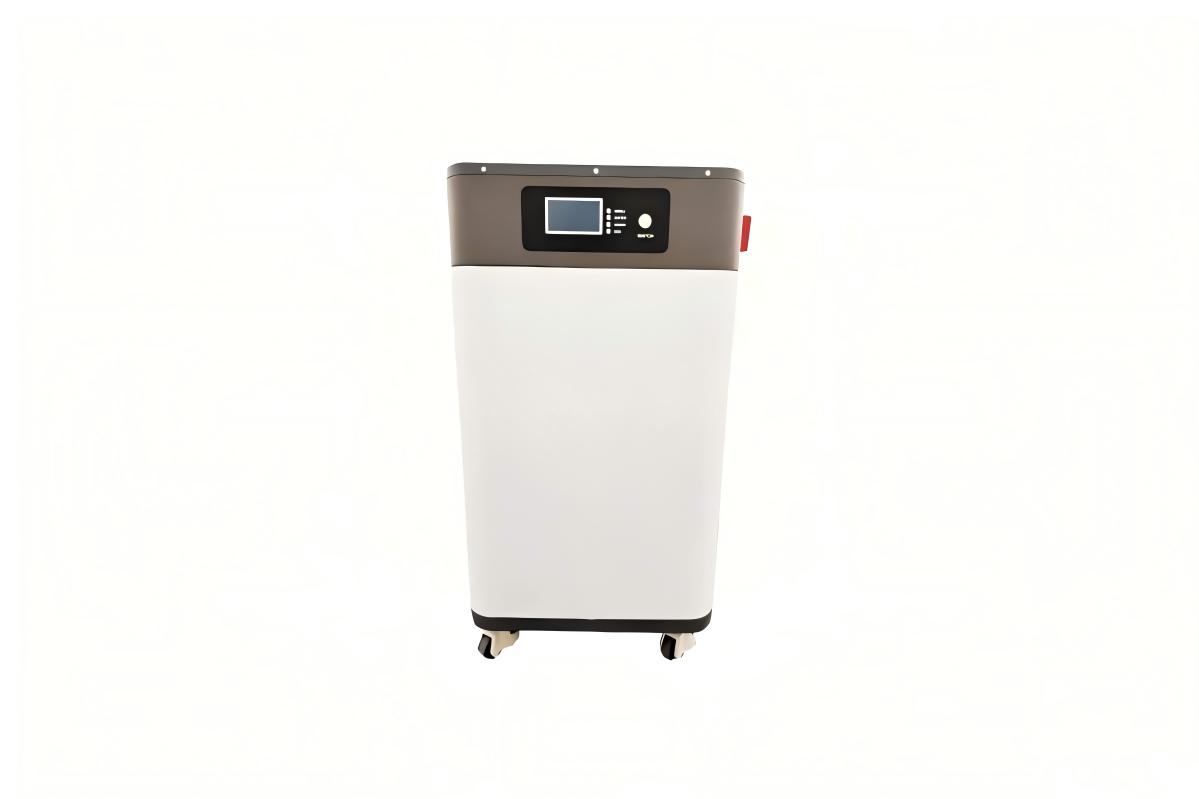
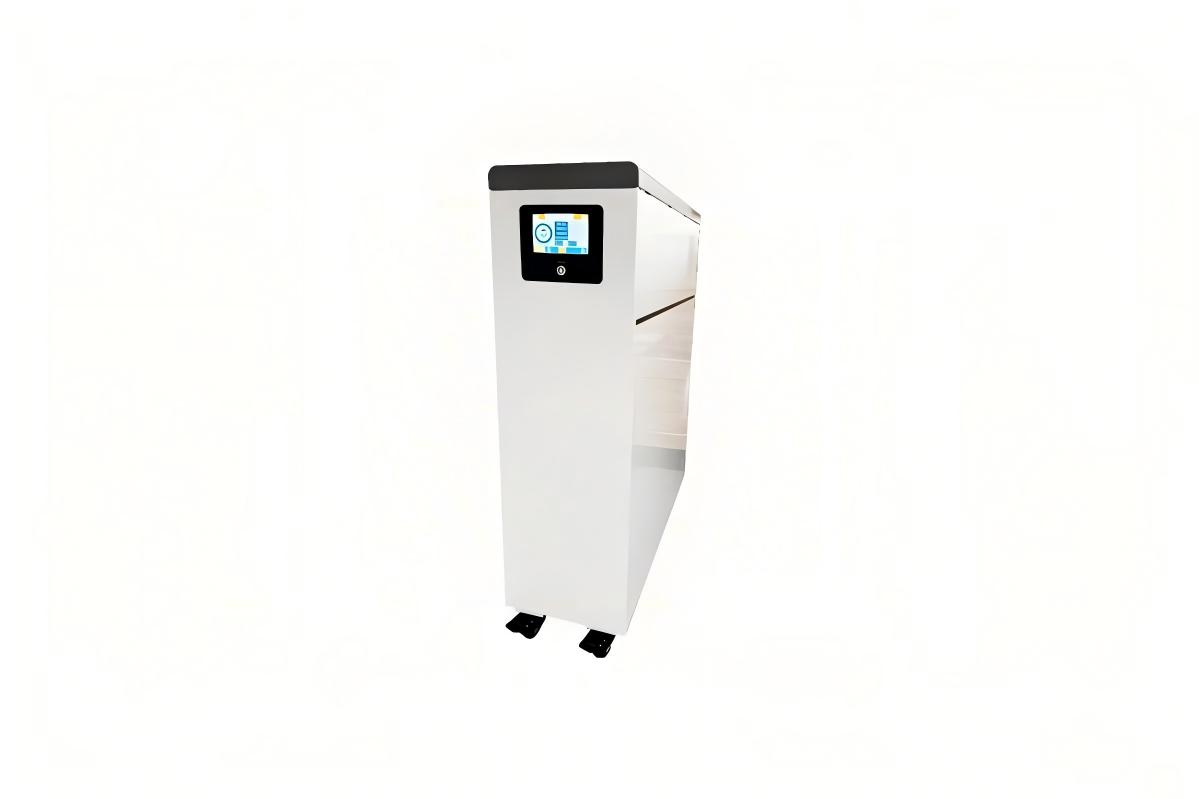
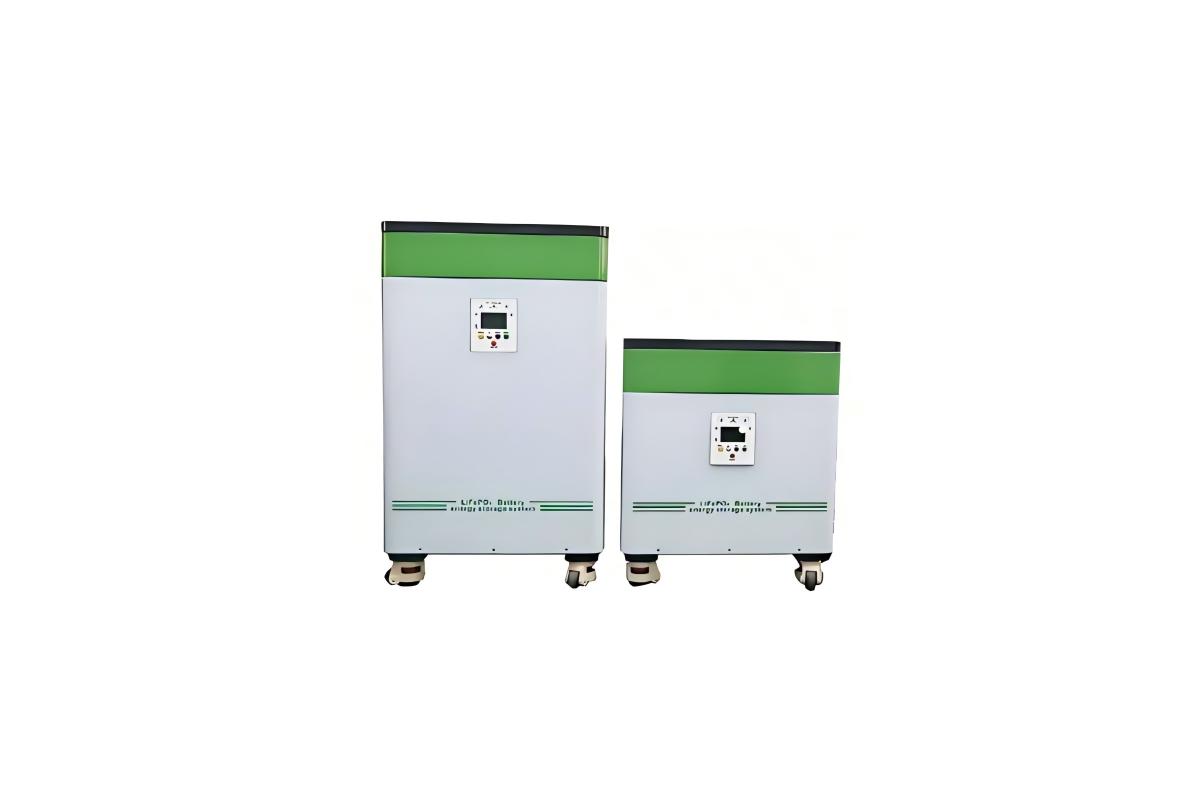
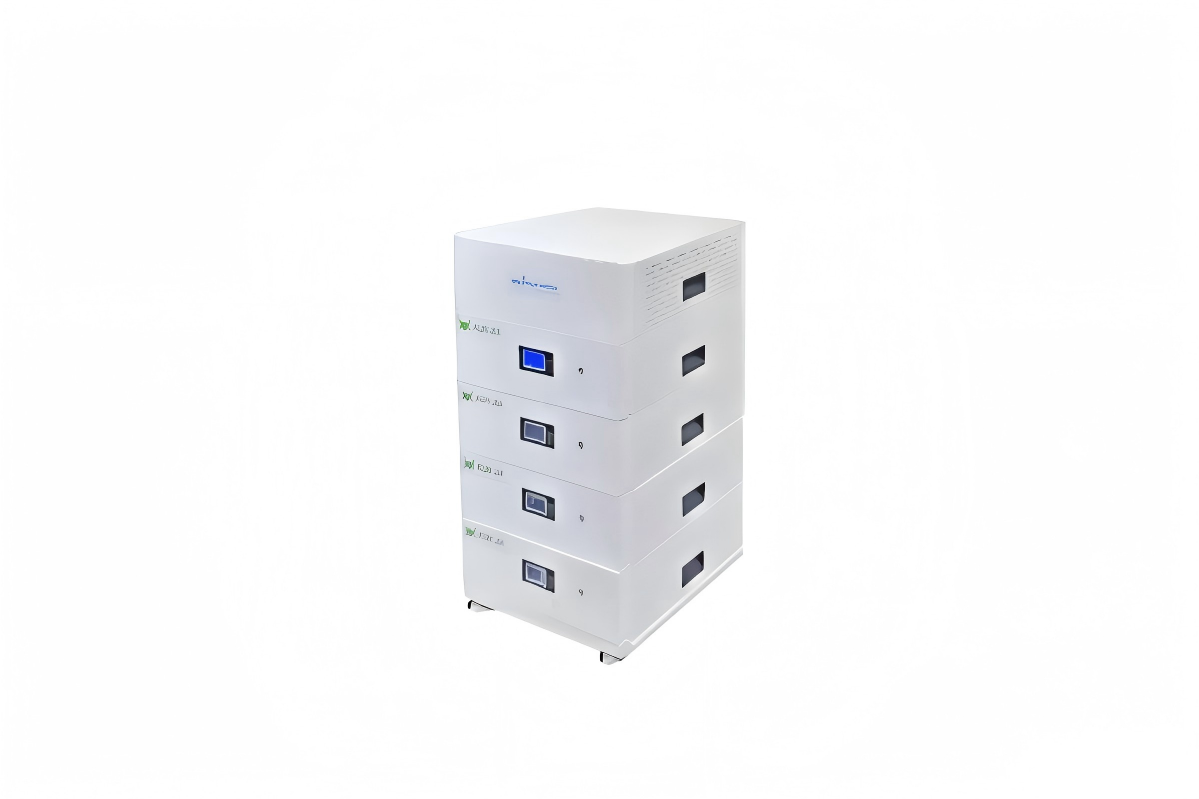
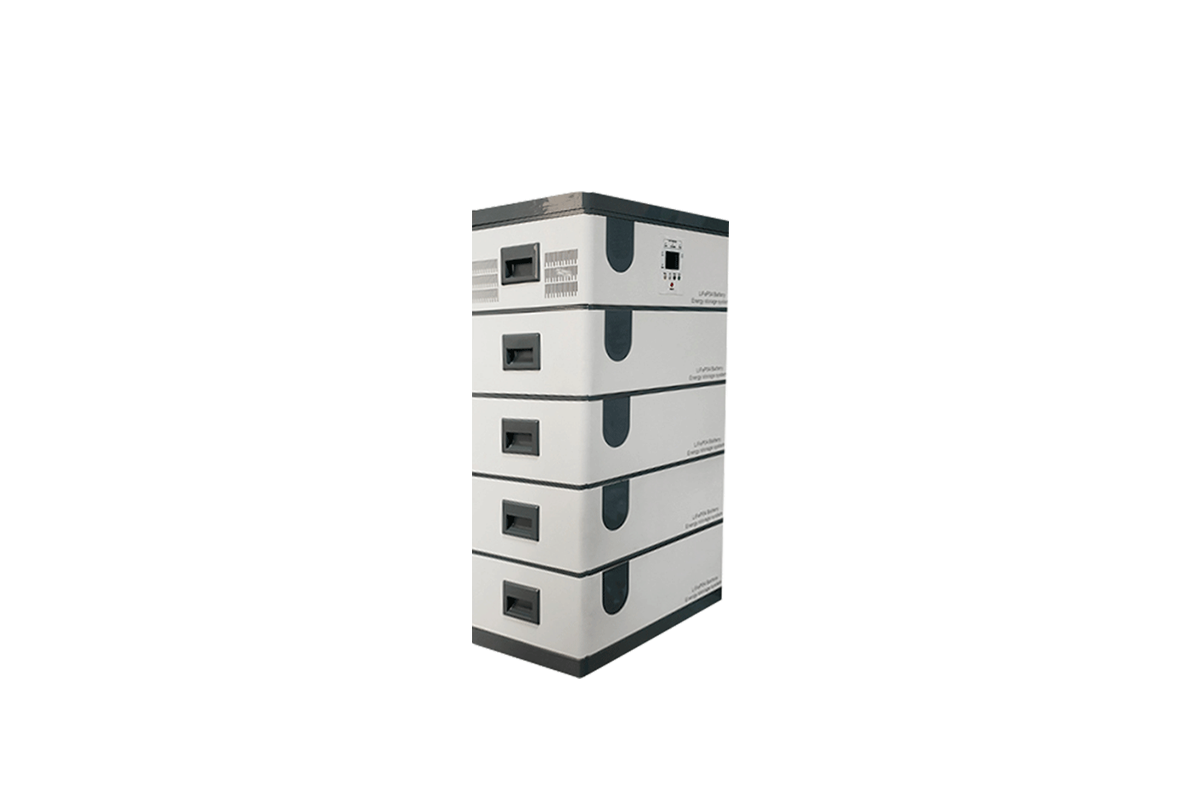
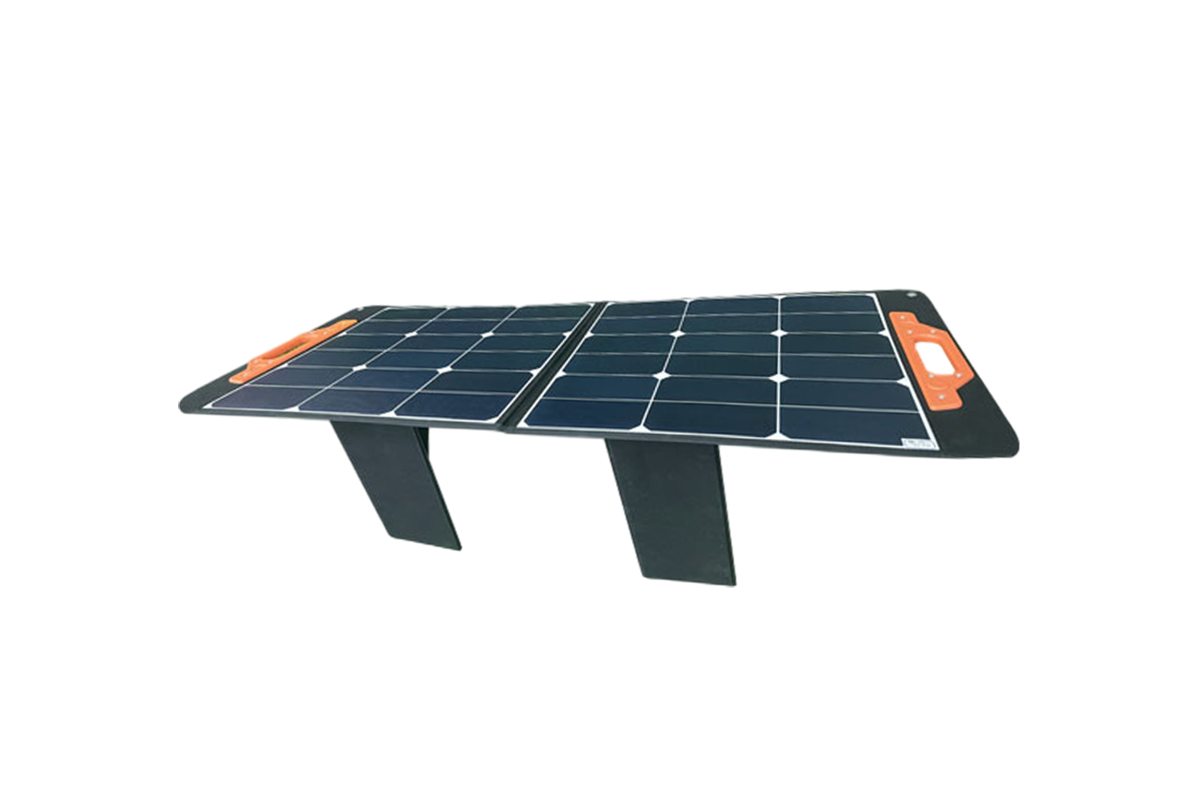
Residential Solar Energy Storage Systems (RSESS) are compact, home-specific energy storage setups designed to pair with residential solar PV systems, enabling homeowners to store excess solar energy for later use and achieve greater control over their energy supply. Unlike commercial solar storage systems (which prioritize large capacity for industrial needs), RSESS is tailored to the average household’s energy consumption—typically offering 5kWh to 20kWh of storage capacity—and focuses on ease of installation, user-friendly operation, and seamless integration with home electrical systems.
The core purpose of RSESS is to solve the “intermittency” problem of solar energy: solar panels only produce power during daylight hours, but households use energy around the clock. By storing excess solar energy generated during the day, RSESS ensures that solar power is available at night (when lighting, cooking, and entertainment use increase) and on cloudy days (when solar production drops). This not only reduces reliance on grid power (lowering monthly electricity bills) but also provides backup power during grid outages—critical for powering essential devices like refrigerators, medical equipment, and Wi-Fi routers.
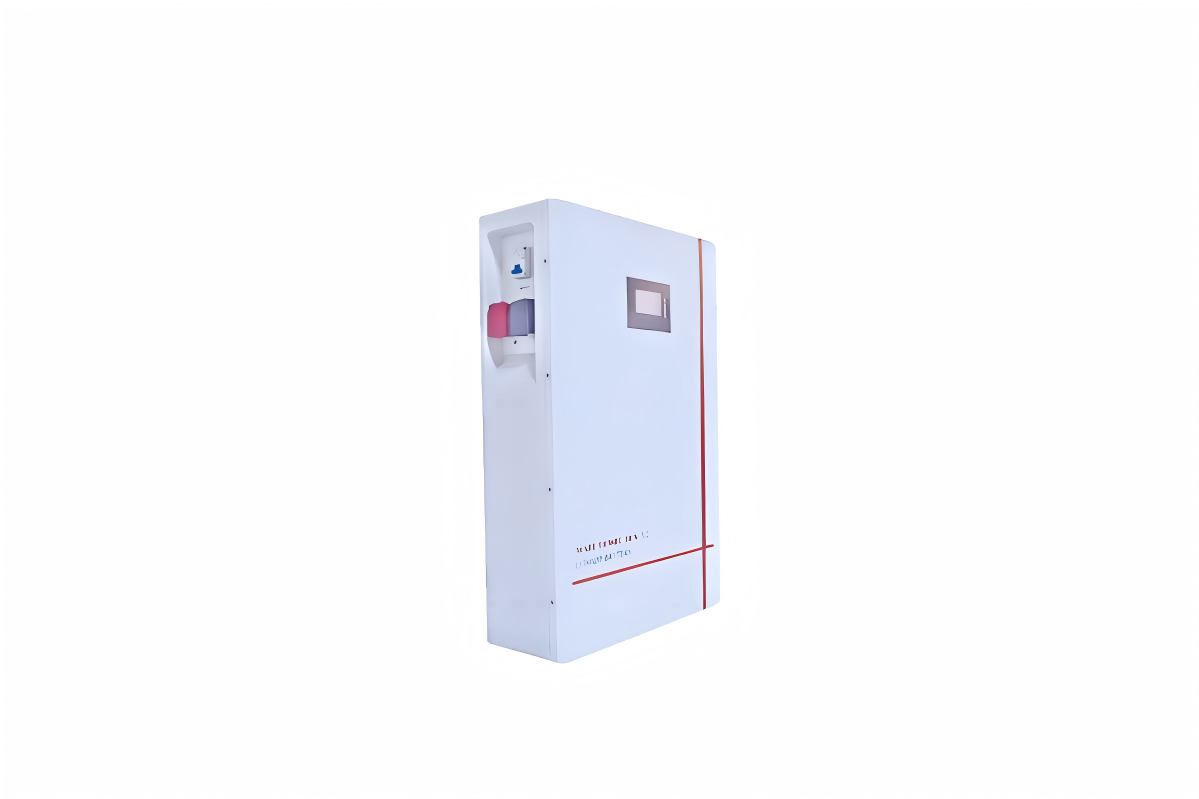
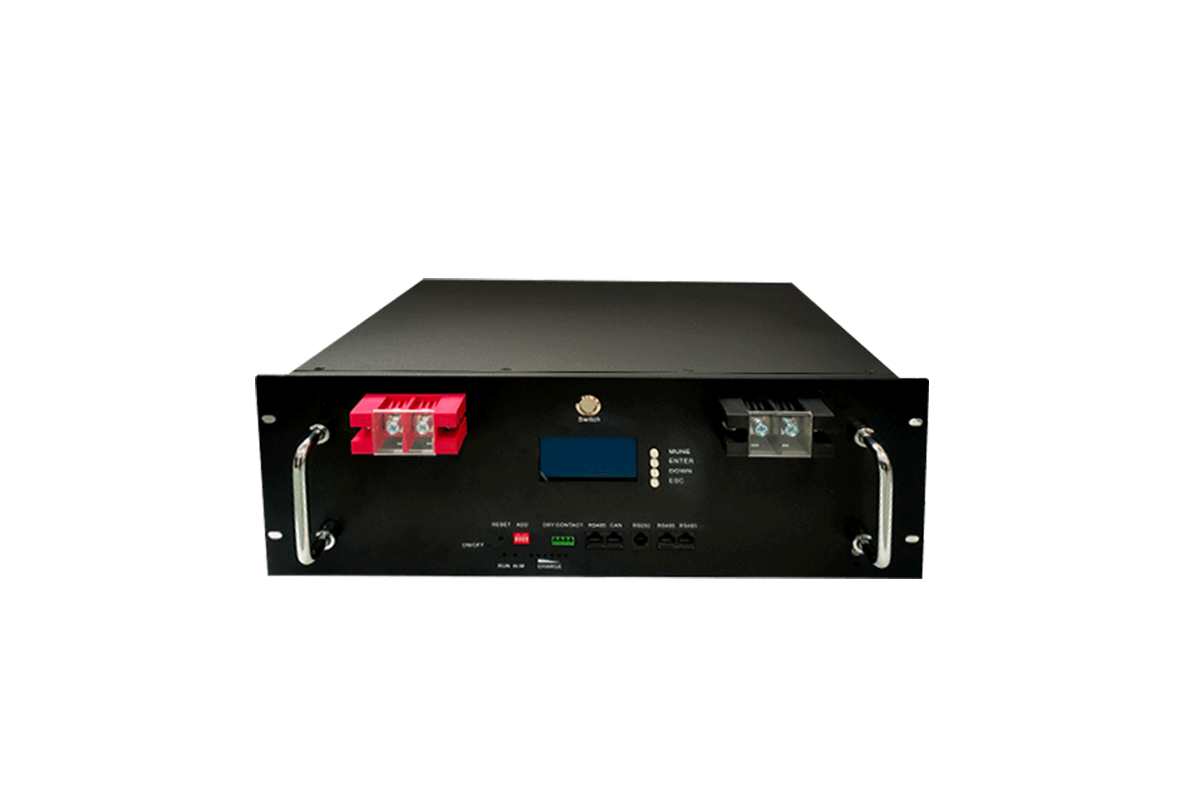
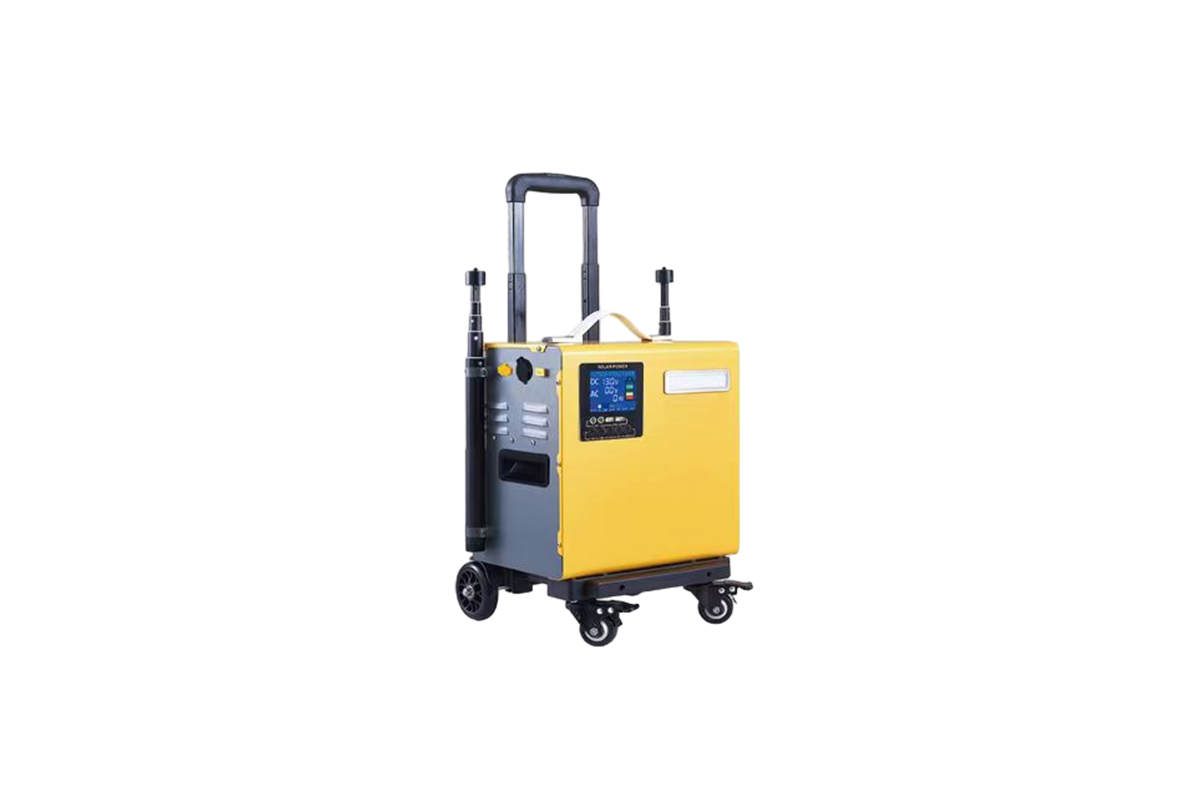
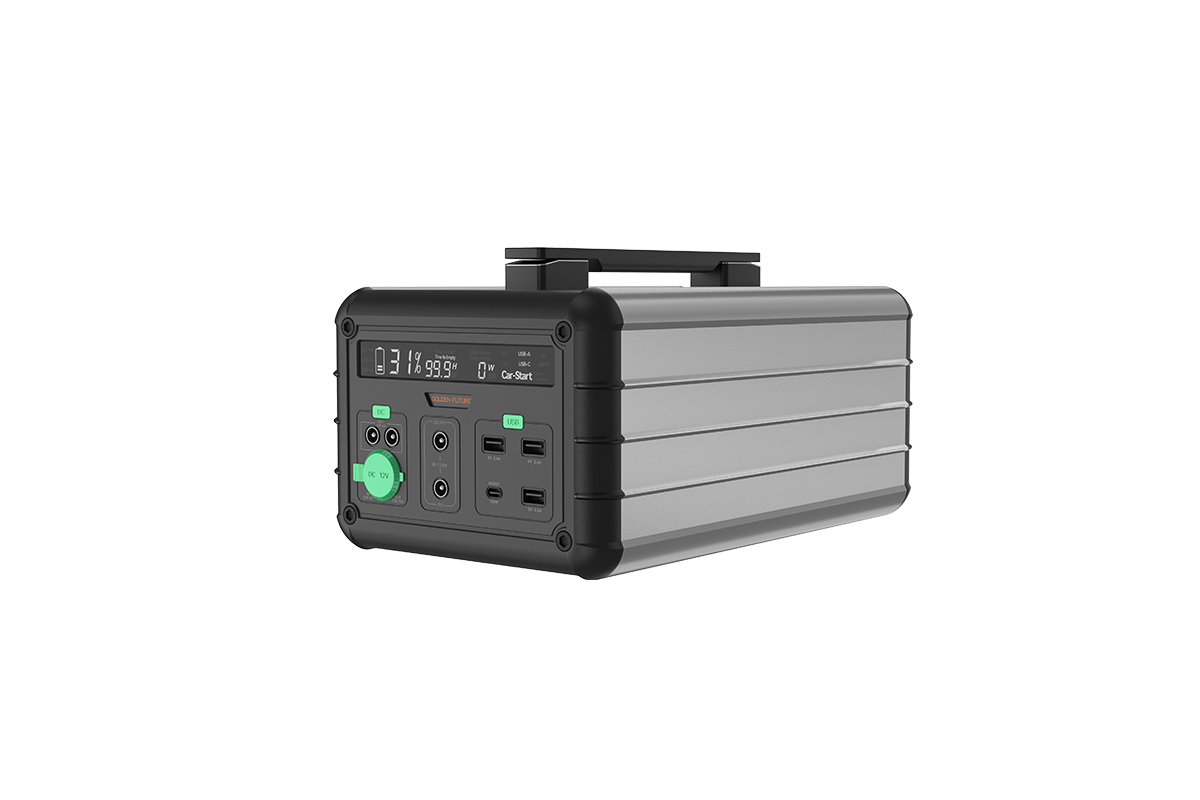
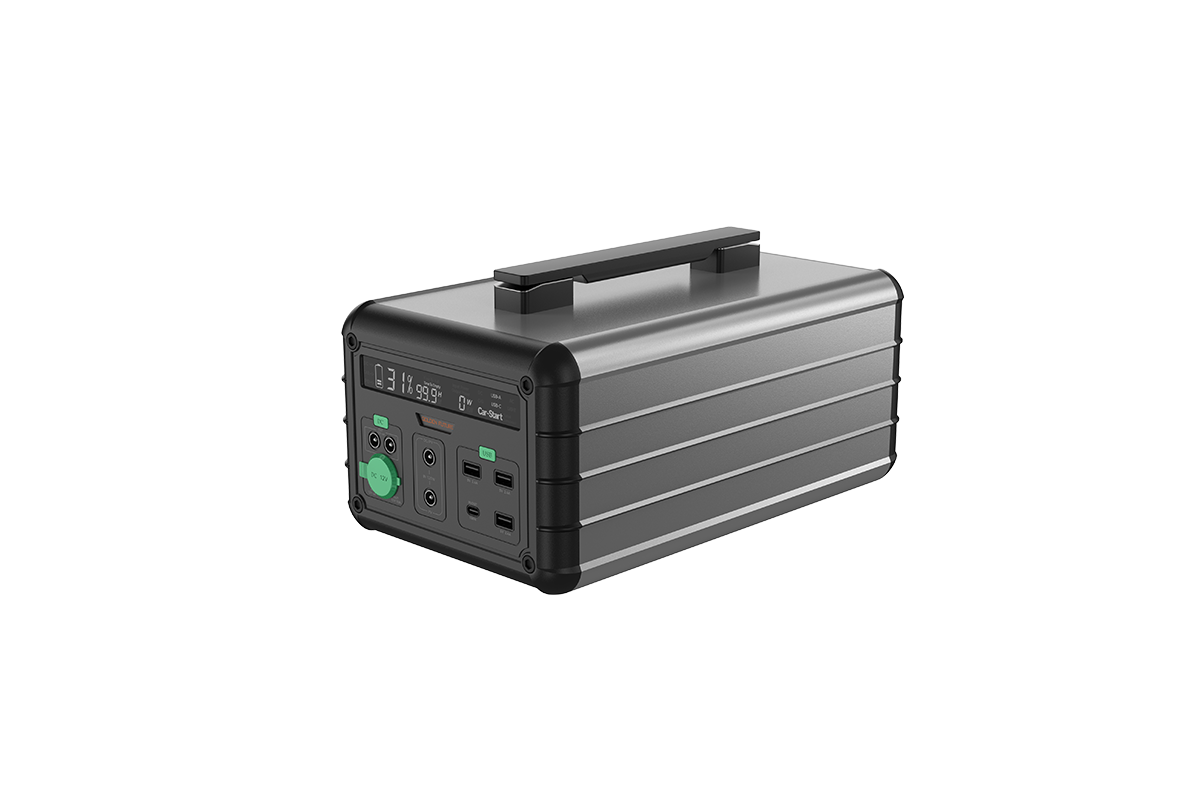
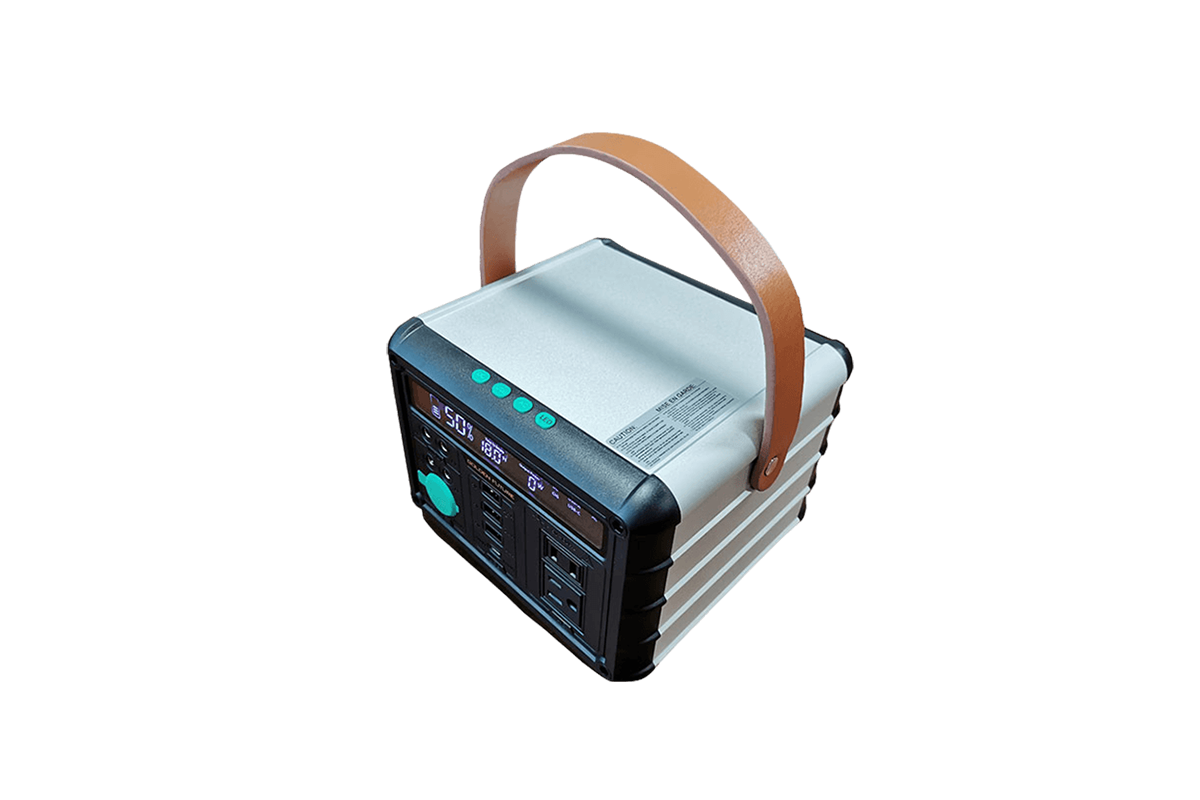
RSESS systems typically include lithium-ion or LiFePO4 batteries (chosen for their compact size, long cycle life, and low maintenance), a solar charge controller, a BMS, and a hybrid inverter (capable of converting DC power from both solar panels and batteries to AC power). Many models are designed for easy installation: wall-mounted units that save floor space, plug-and-play functionality that reduces installation time, and compatibility with most existing residential solar systems (eliminating the need for a full solar upgrade).
Smart features enhance the user experience: mobile apps allow homeowners to track real-time solar production, battery charge levels, and energy usage; automated settings optimize charging (prioritizing solar power over grid power) and discharging (using stored energy during peak grid rates); and alerts notify users of system issues or low battery levels. Safety is also a key focus: RSESS includes thermal management (preventing battery overheating), overcharge/overdischarge protection, and fire-retardant casings—meeting strict residential safety standards.
For homeowners investing in solar, RSESS is a game-changer: it maximizes the return on solar investments by ensuring more solar energy is used on-site (instead of being fed back to the grid for low compensation), reduces carbon footprints by replacing fossil fuel-generated grid power with clean solar energy, and enhances home resilience in the face of grid outages. As solar becomes a staple of residential energy, Residential Solar Energy Storage Systems are increasingly seen as a must-have upgrade for modern, sustainable homes.




 59911926@qq.com/sales@goldenfuturehk.com
 13316809242 / 15816897019
 Inquiry
 Home >