





Time:2025-11-04 Views:1
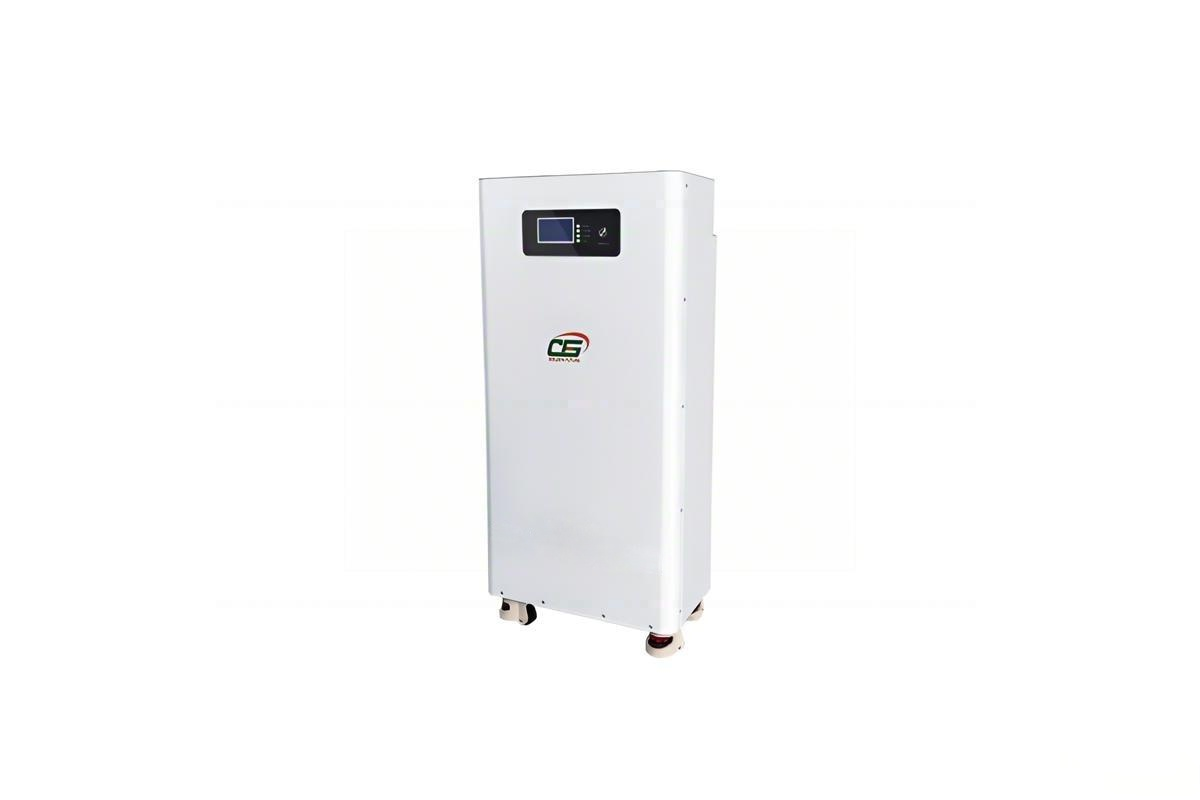
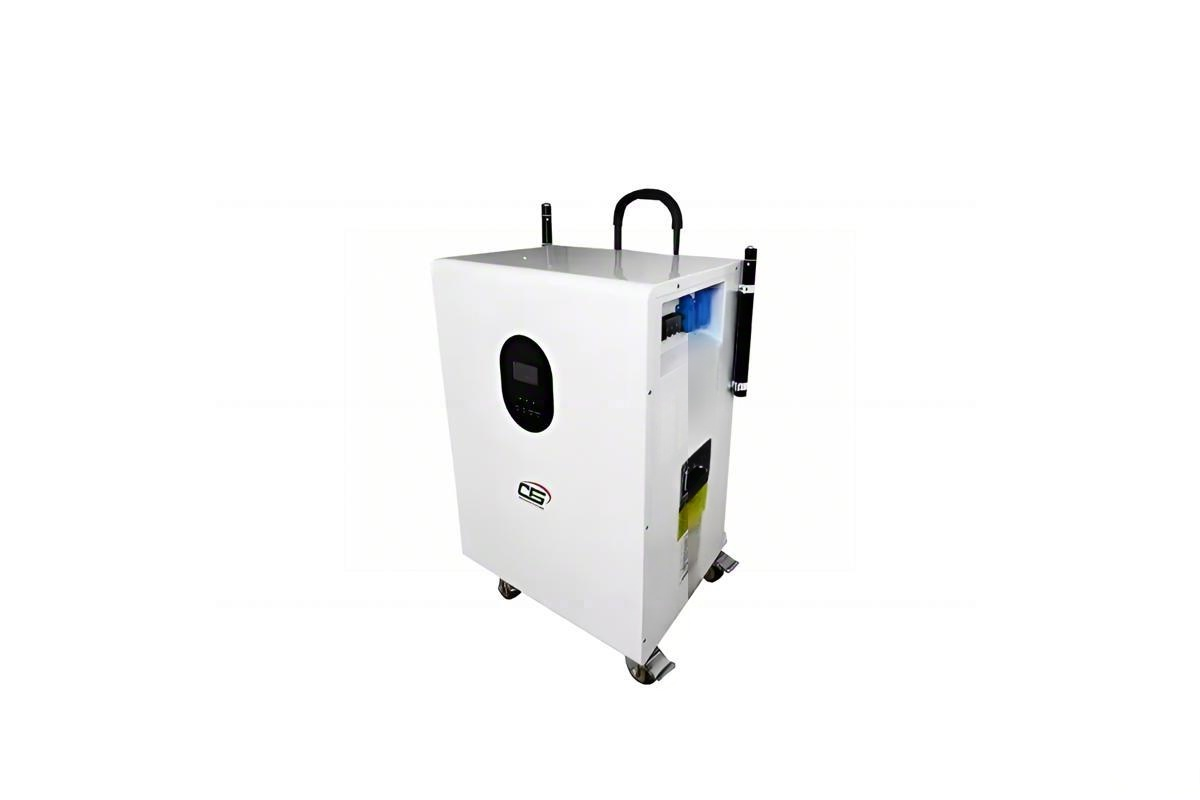
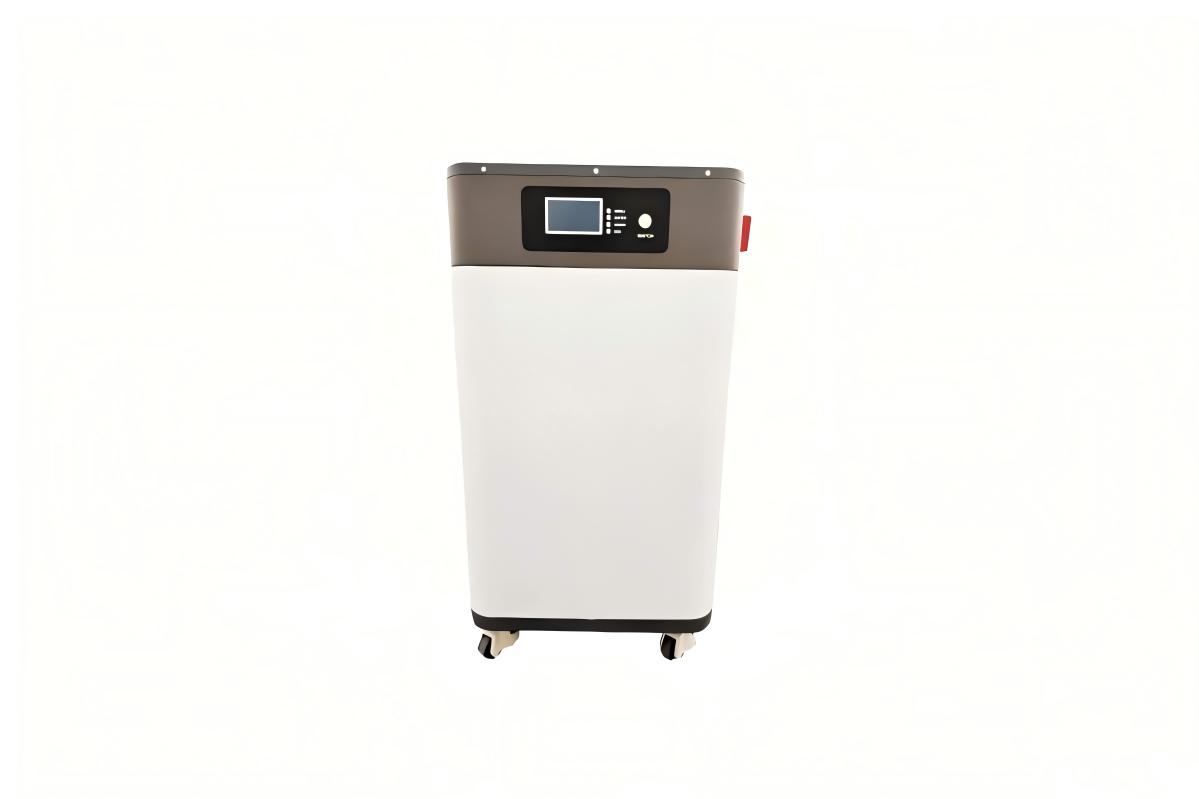
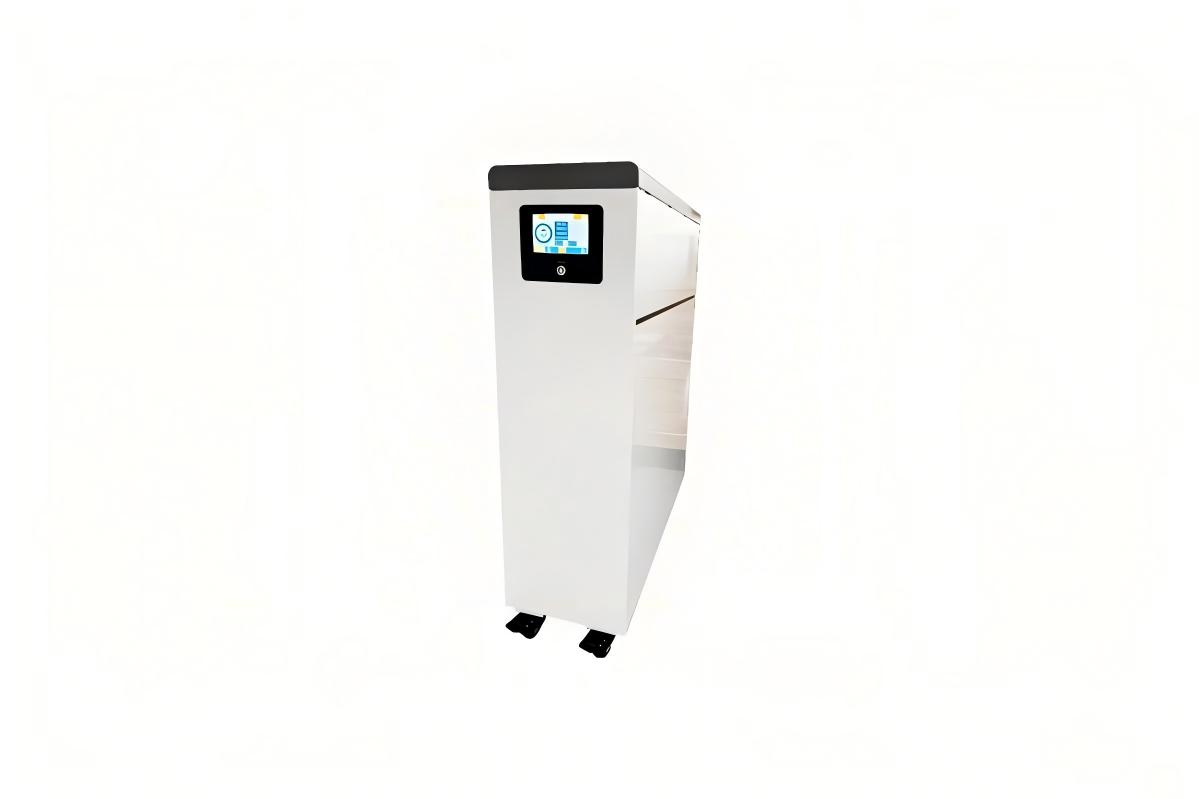
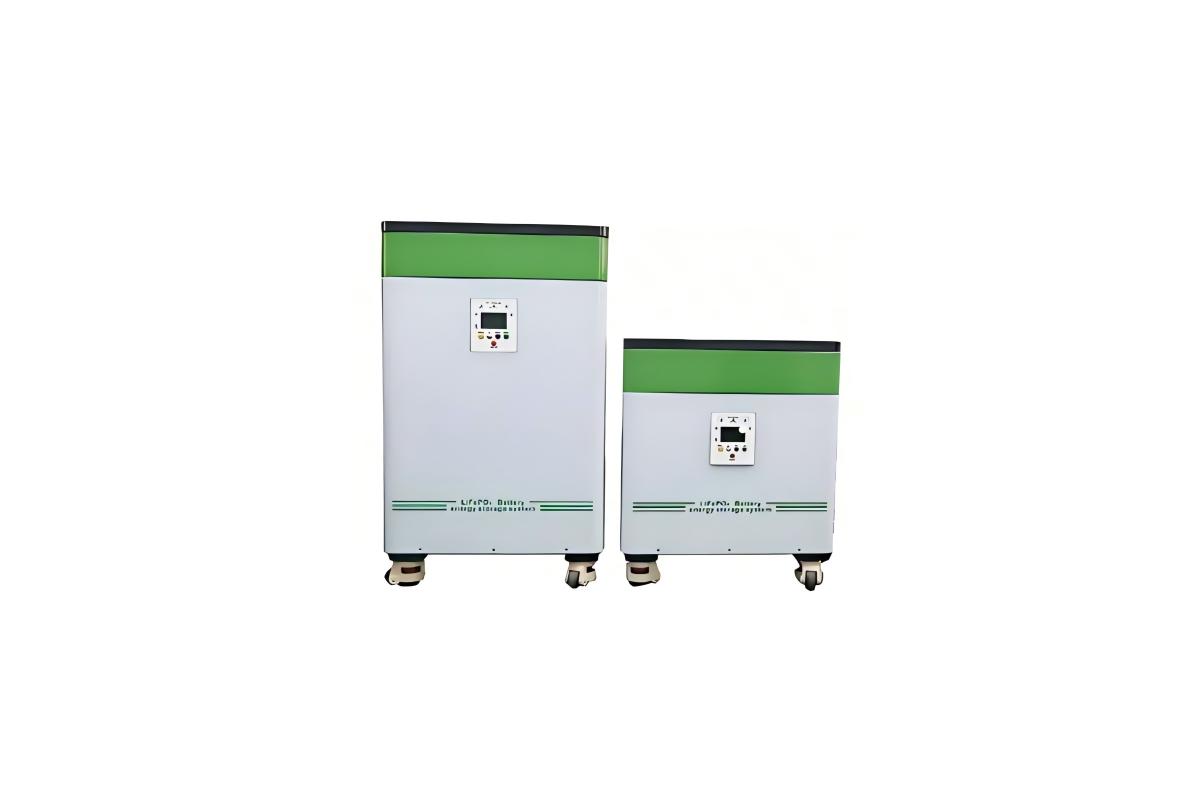
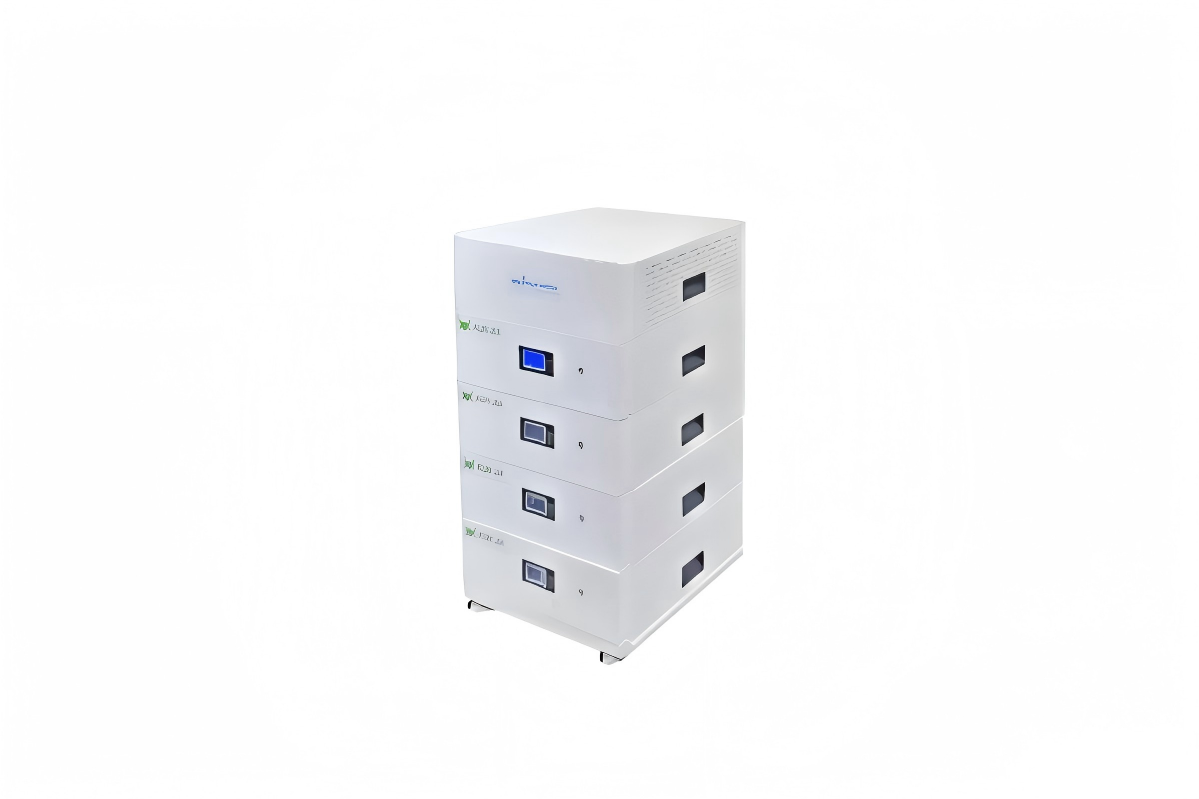
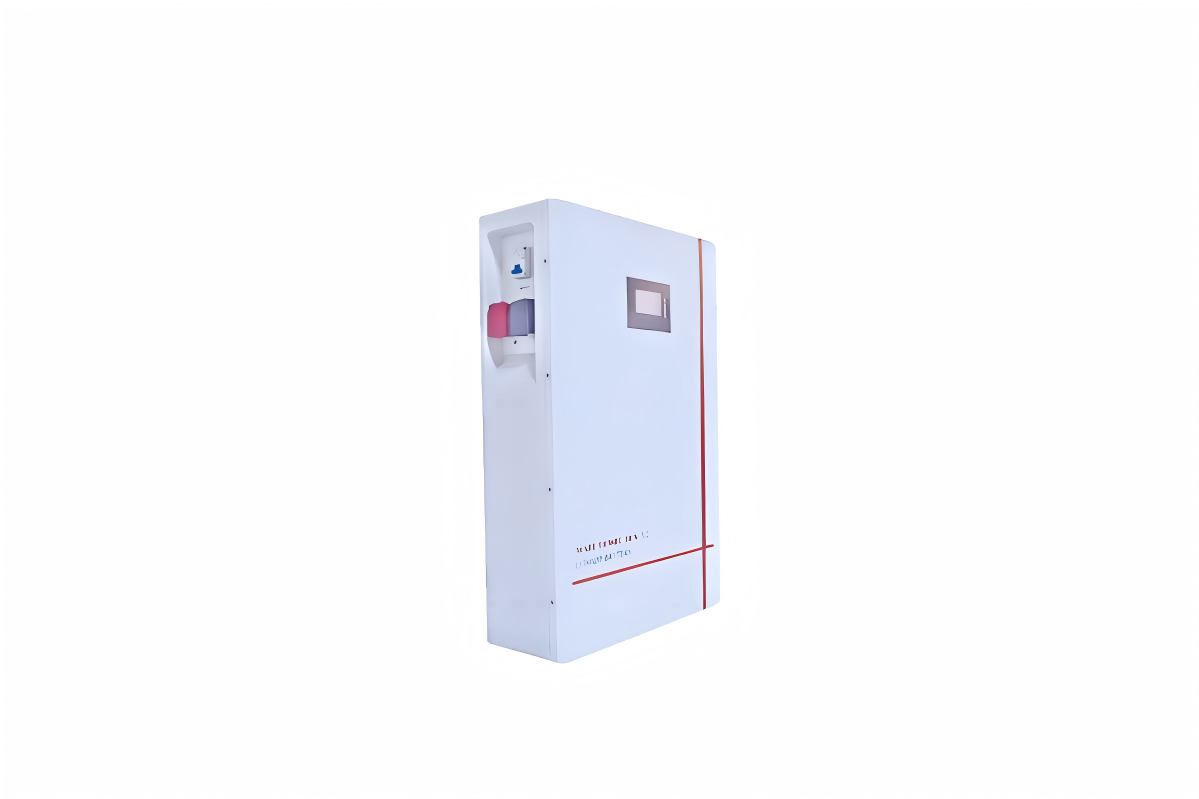
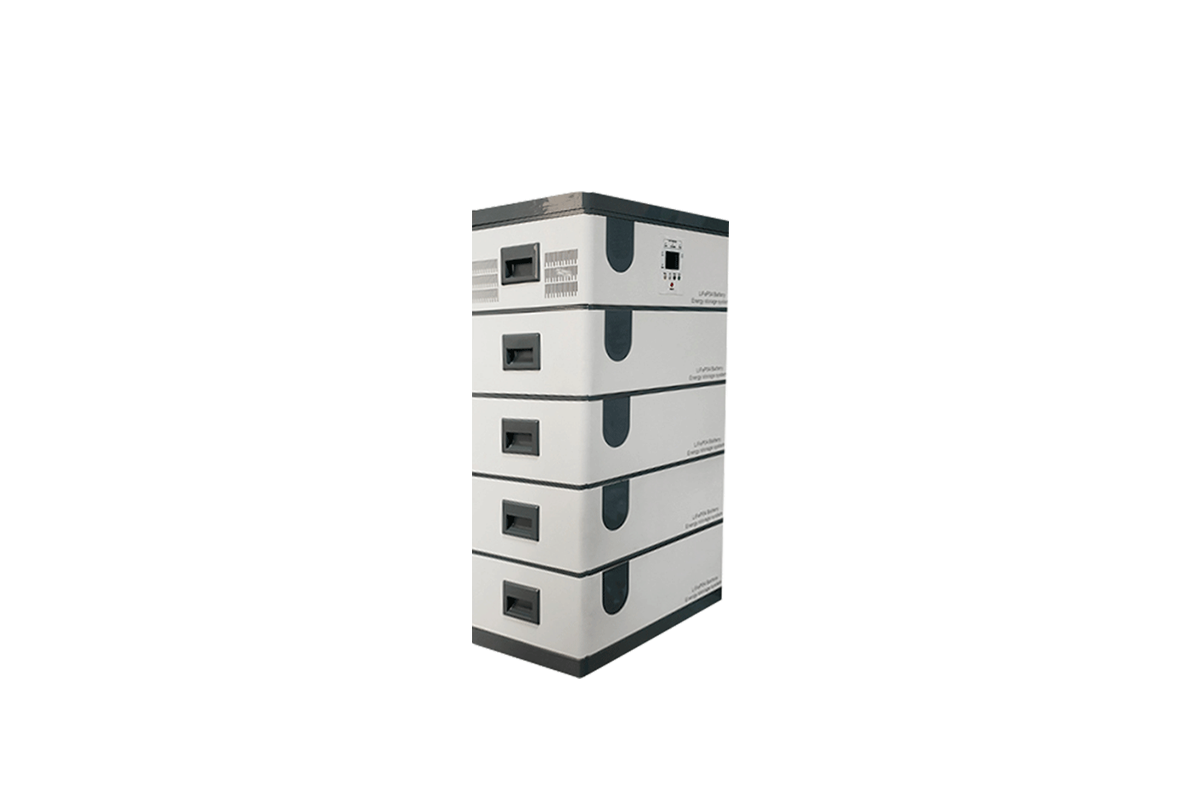
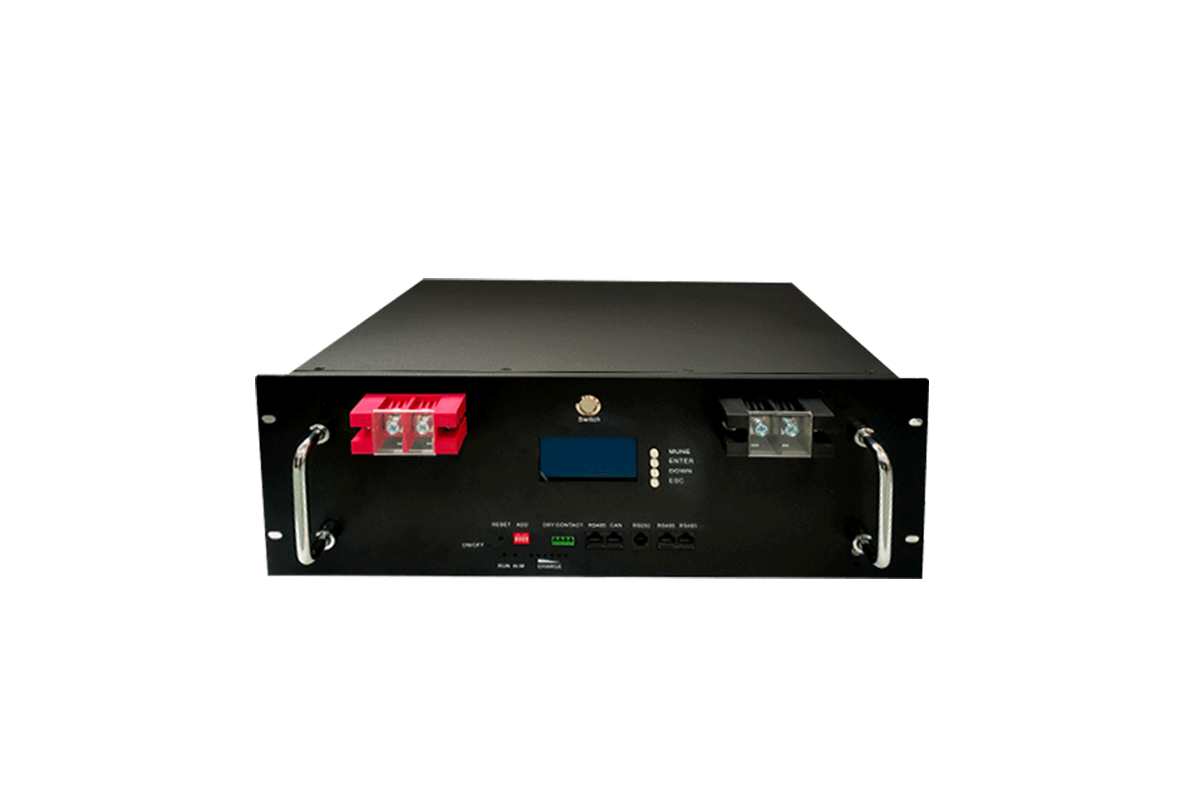
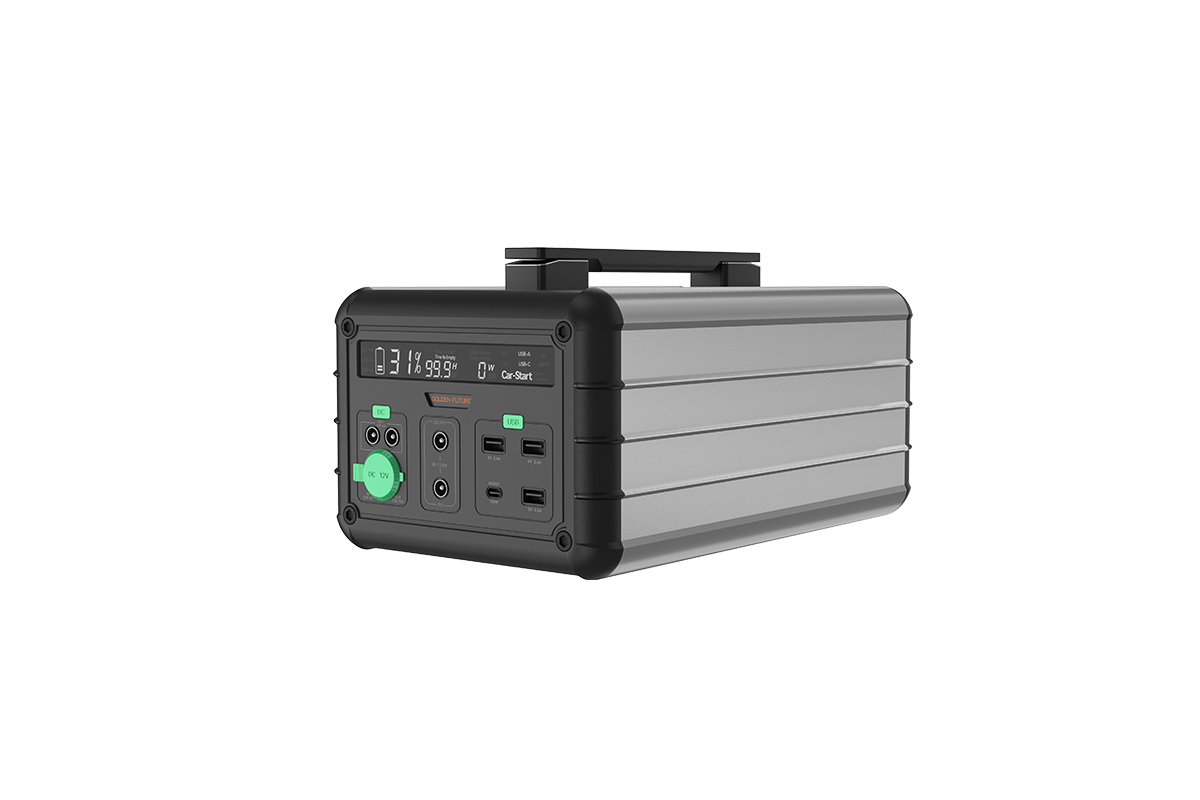
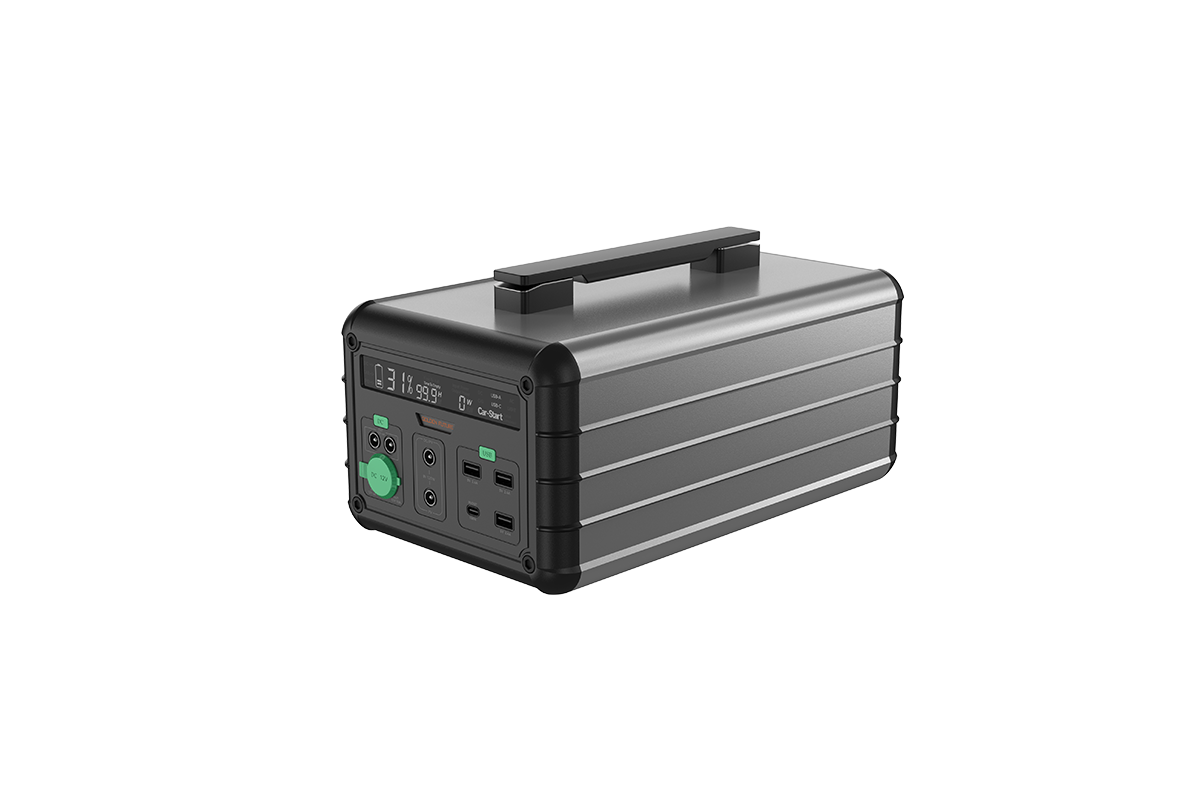
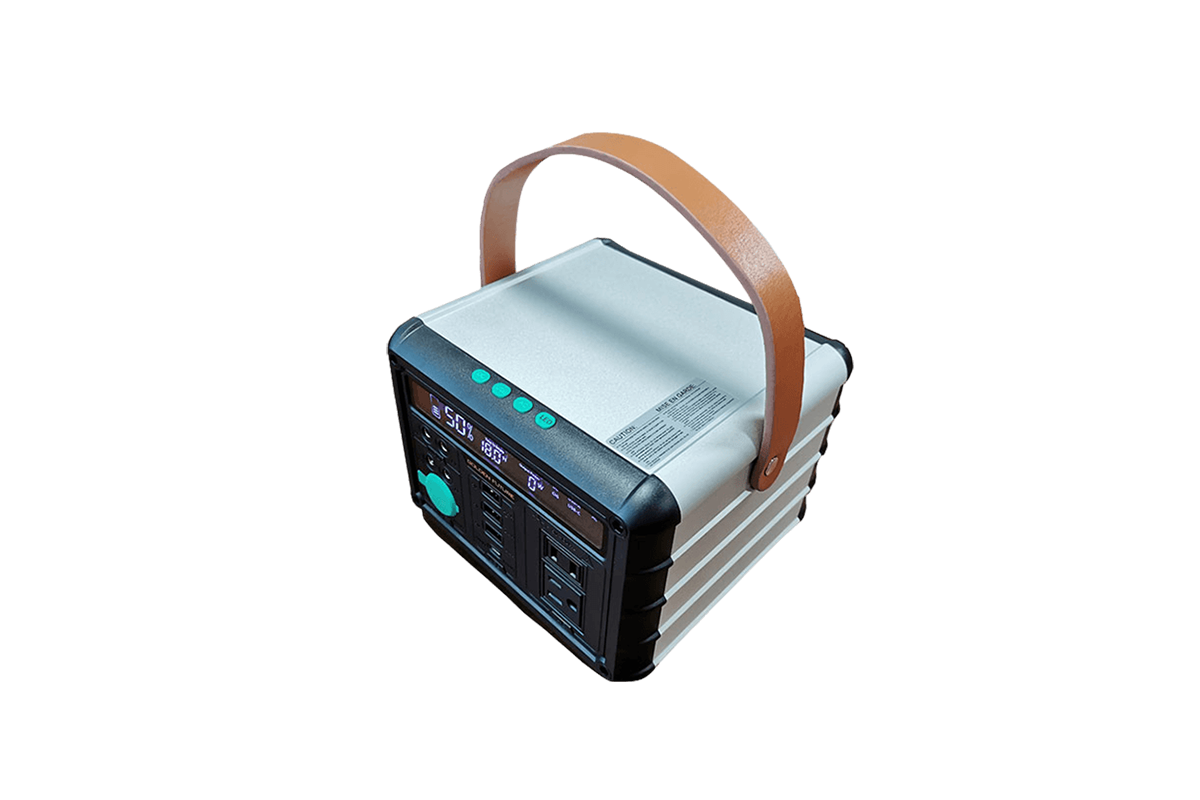
A residential energy storage system (RESS) is a comprehensive, home-focused solution designed to capture, store, and manage electricity, empowering homeowners to reduce grid reliance, lower energy costs, and ensure backup power during outages. While configurations vary based on energy needs, most RESS units integrate three core components: a rechargeable battery bank (typically LiFePO4, due to its safety and longevity), a hybrid or grid-tie inverter, and monitoring/control software. Unlike industrial storage systems, RESS is scaled for residential use—with power outputs ranging from 3kW to 15kW and storage capacities from 5kWh to 30kWh—making it adaptable to apartments, small homes, and large family residences alike.
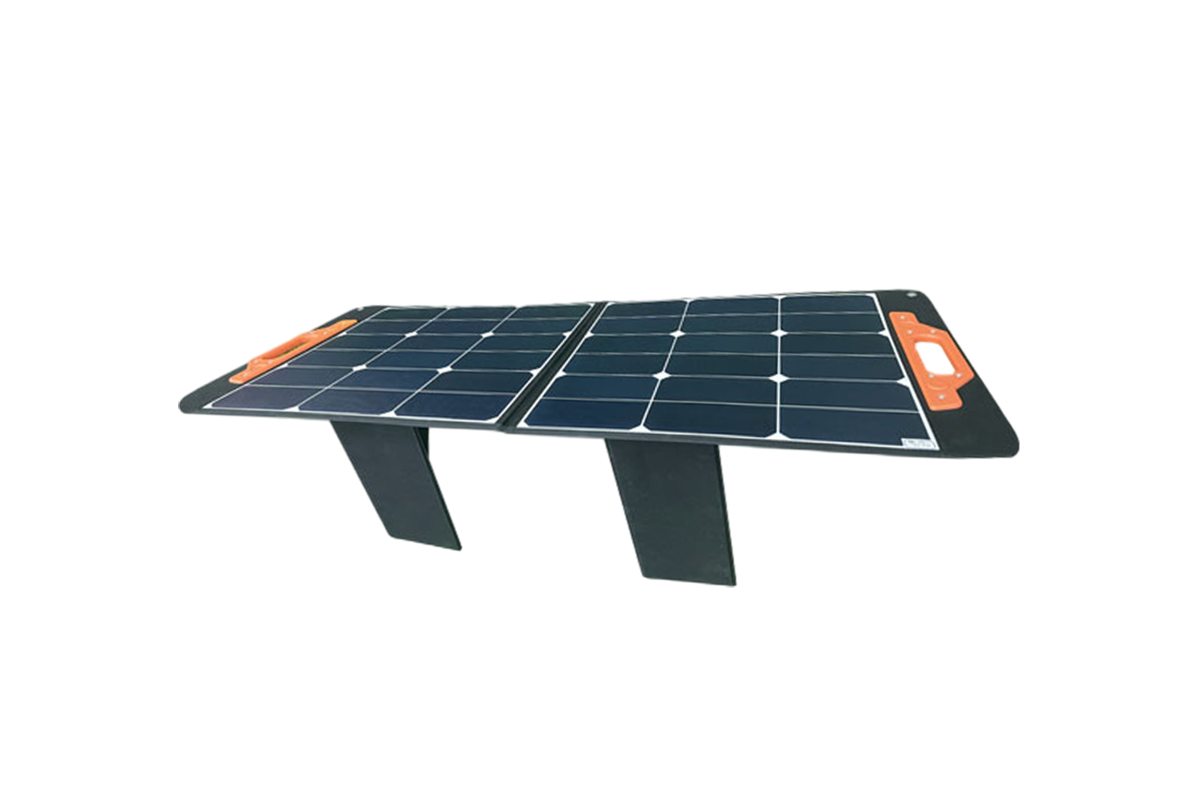
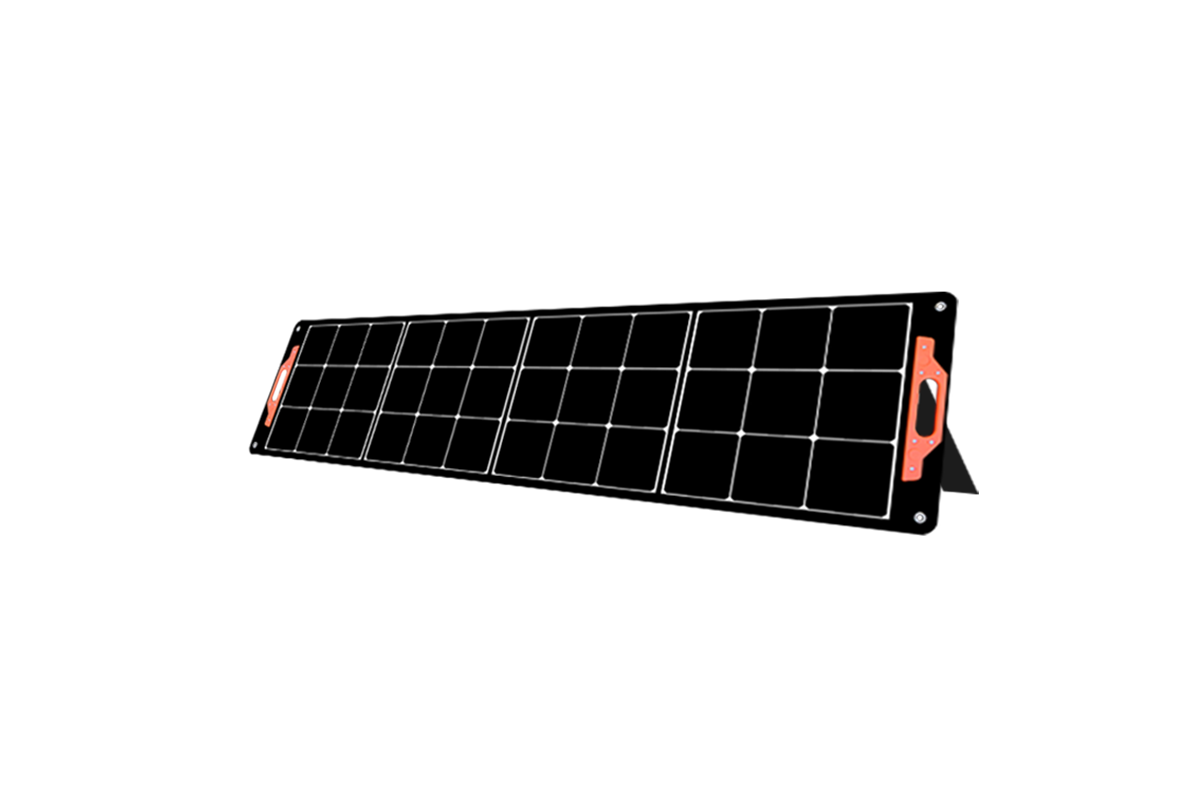
The primary goal of RESS is to optimize energy use, especially when paired with rooftop solar panels. During daylight hours, solar panels generate DC power; the inverter converts this to AC power for immediate home use, while excess energy is stored in the battery (instead of being fed back to the grid, where homeowners may receive minimal compensation). After sunset or on cloudy days, the system draws from the battery to power loads, reducing or eliminating the need to purchase expensive grid electricity during peak demand periods (e.g., evening hours when rates are highest). This “load shifting” capability is a key driver of cost savings, with many homeowners reporting 30–50% reductions in monthly electricity bills after installing RESS.
Backup power is another critical function of RESS. During grid outages, the system’s inverter automatically switches to backup mode, isolating the home from the grid (anti-islanding protection) to prevent electric shock to utility workers and powering essential devices like refrigerators, medical equipment, lights, and internet modems. The duration of backup power depends on battery capacity and load demand: a 10kWh system can power critical loads (500W) for 20 hours, while a 25kWh system can support a large home (2–3kW) for 8–12 hours. This resilience is increasingly valuable as extreme weather events (hurricanes, heatwaves, winter storms) cause more frequent and prolonged outages.
LiFePO4 batteries are the preferred choice for RESS due to their superior safety and longevity. Unlike cobalt-based lithium-ion batteries, LiFePO4 is resistant to thermal runaway, even in extreme temperatures or physical damage, making it safe for indoor installation. It also offers a long cycle life (3000–5000 cycles at 80% DoD), meaning it can last 8–15 years with proper maintenance—far longer than lead-acid batteries (2–3 years). The integrated Battery Management System (BMS) further enhances reliability by monitoring cell health, balancing charges, and preventing overcharging or deep discharging.
Modern RESS also includes user-friendly monitoring software, accessible via mobile apps or web portals. This software tracks real-time energy production (from solar), consumption, battery status, and cost savings, allowing homeowners to make data-driven decisions—such as scheduling high-energy tasks (laundry, EV charging) during peak solar production. Many systems also support smart home integration, enabling automated energy management (e.g., turning off non-essential appliances during outages to conserve battery power).
Scalability is a key feature of RESS; homeowners can start with a small system (e.g., 5kW/10kWh) and add battery modules or upgrade the inverter as energy needs grow (e.g., adding an EV, expanding the home, or increasing solar capacity). This flexibility makes RESS a future-proof investment, adapting to changing household needs and evolving energy technologies. For homeowners seeking to take control of their energy use, reduce costs, and enhance resilience, a residential energy storage system is a transformative solution.




 59911926@qq.com/sales@goldenfuturehk.com
 13316809242 / 15816897019
 Inquiry
 Home >