





Time:2025-12-26 Views:1
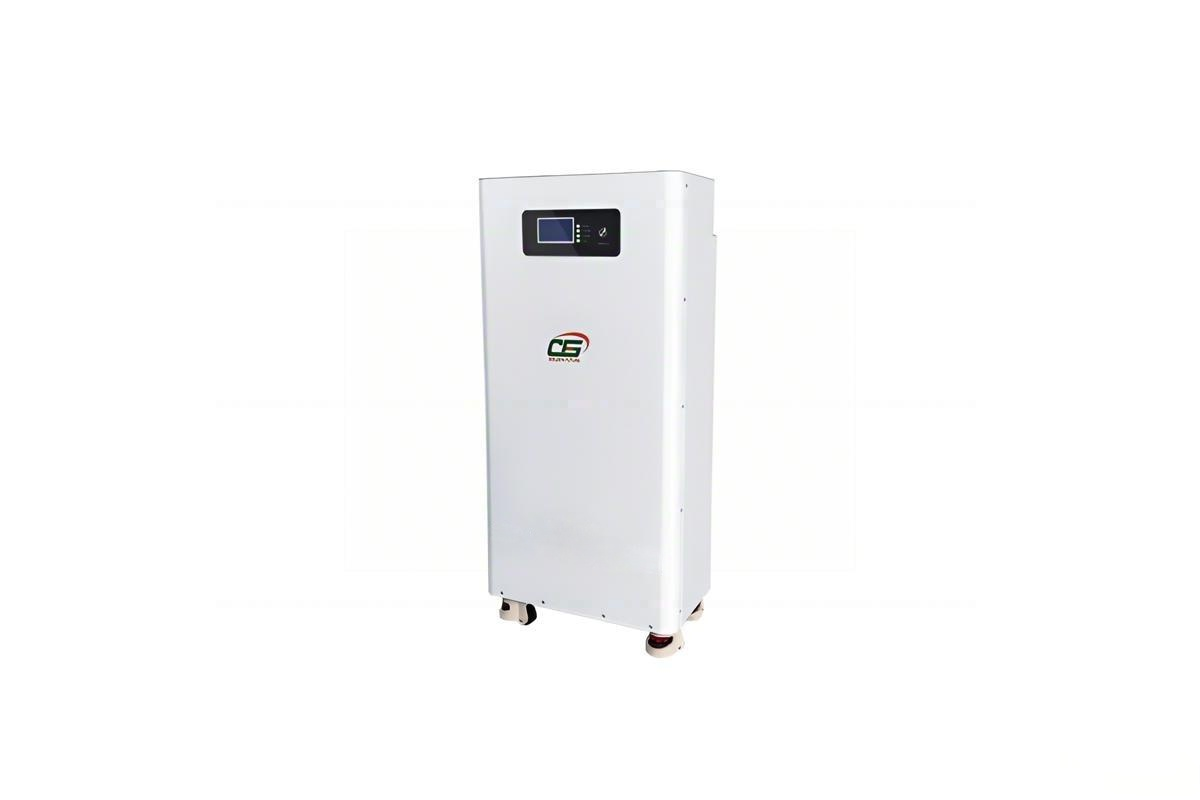
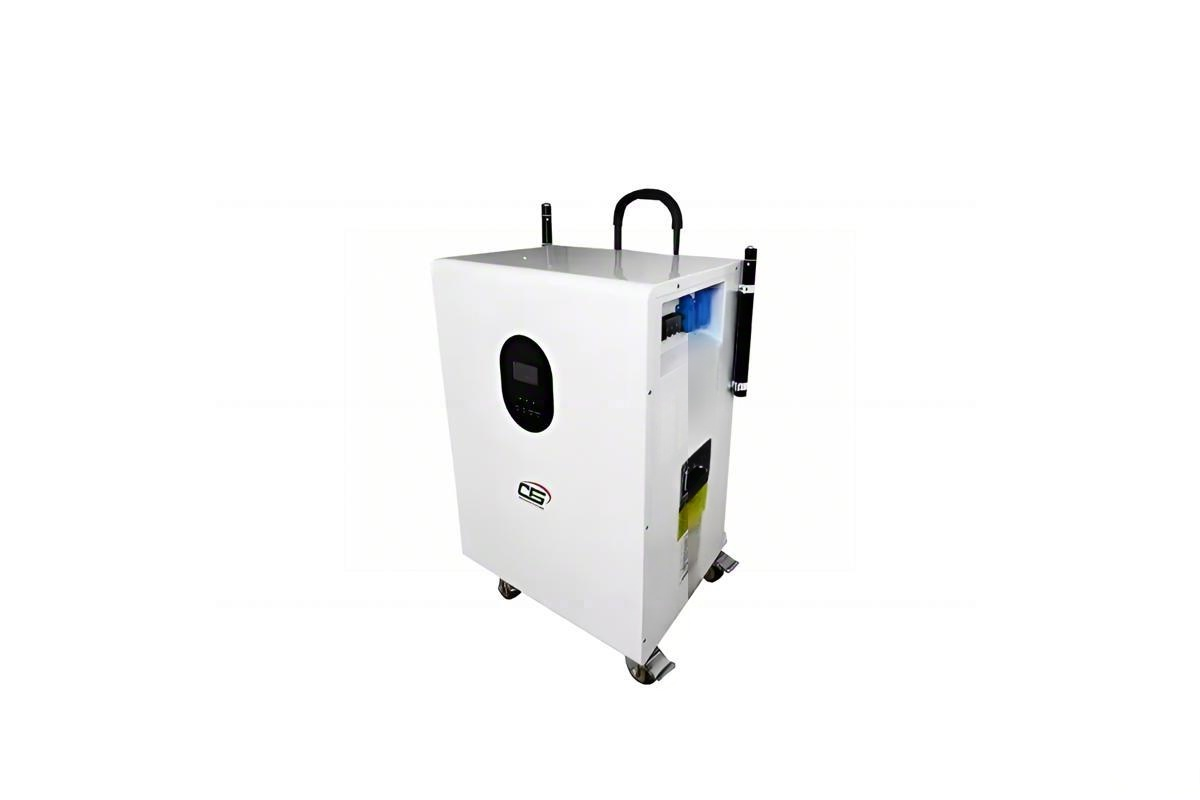
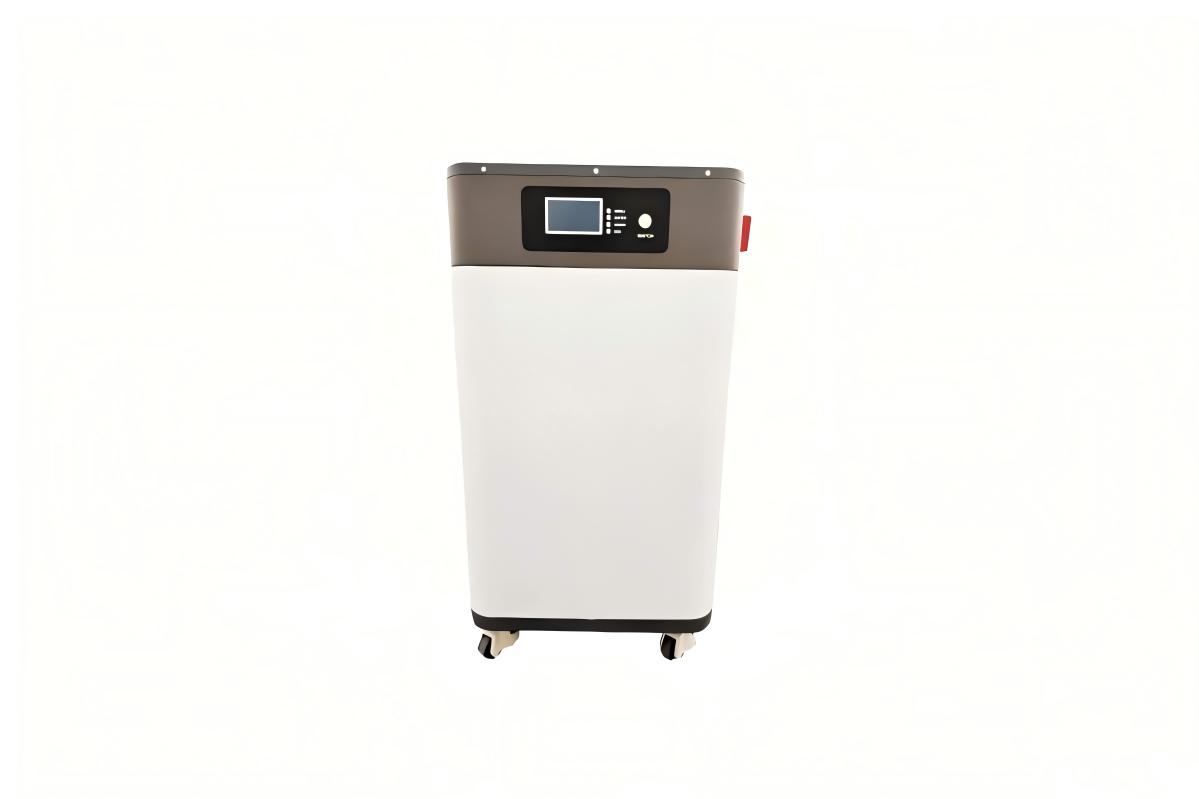
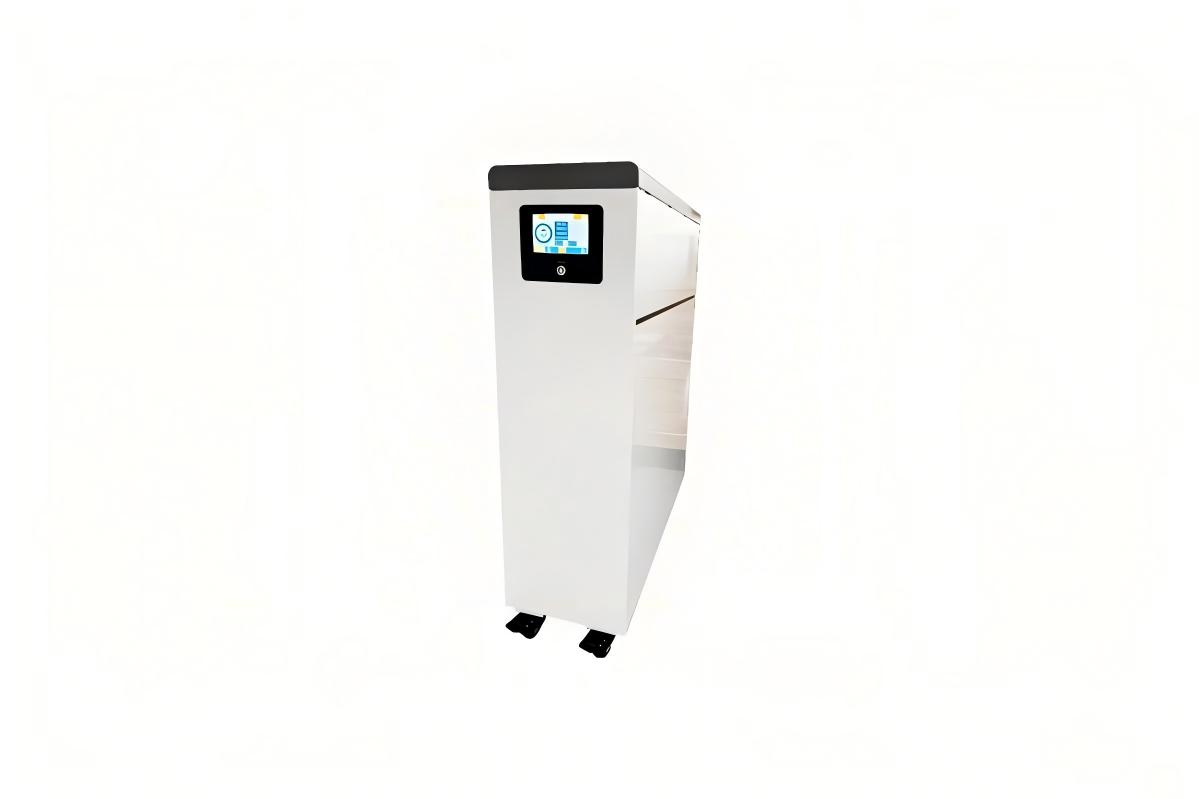
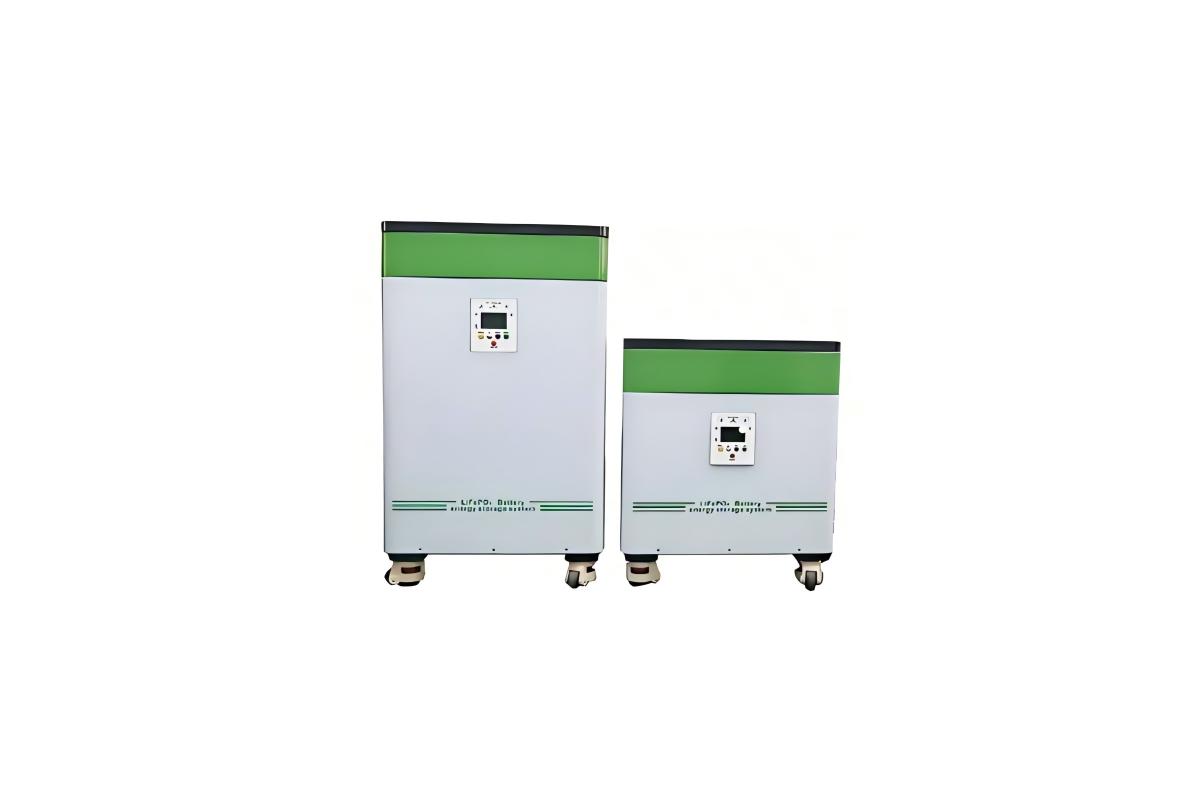
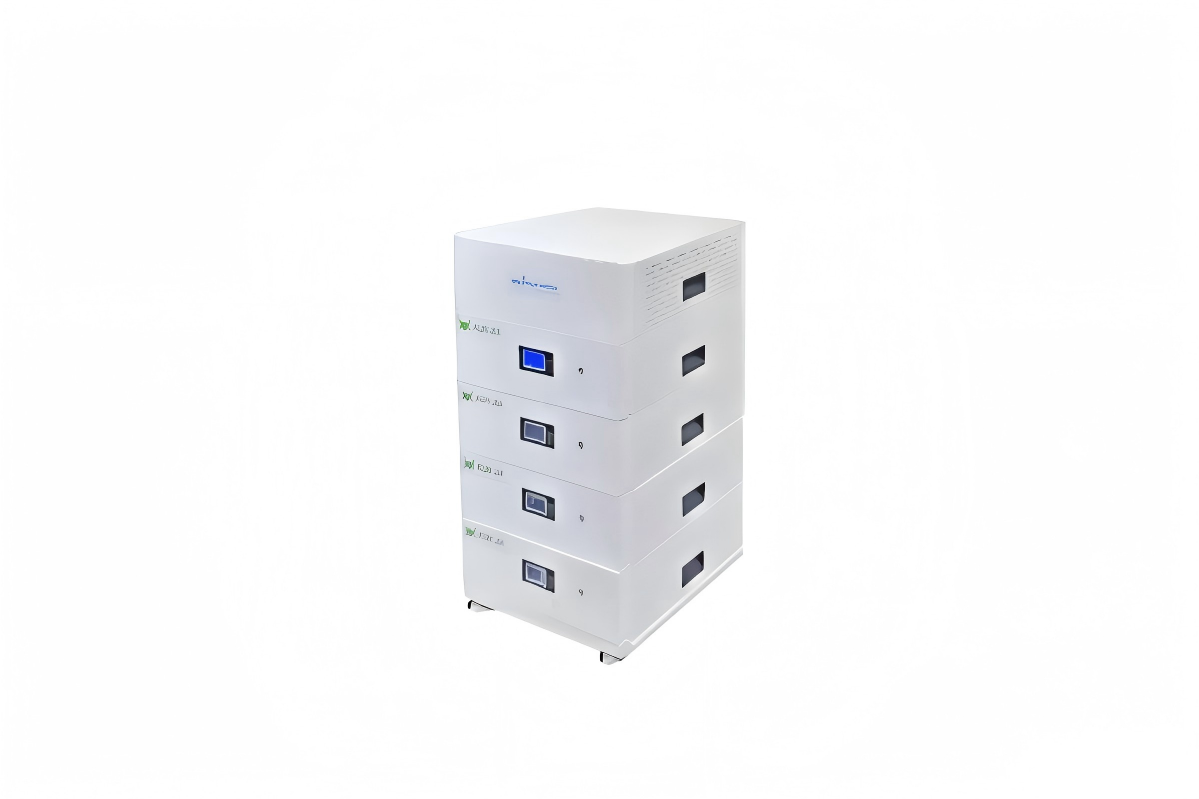
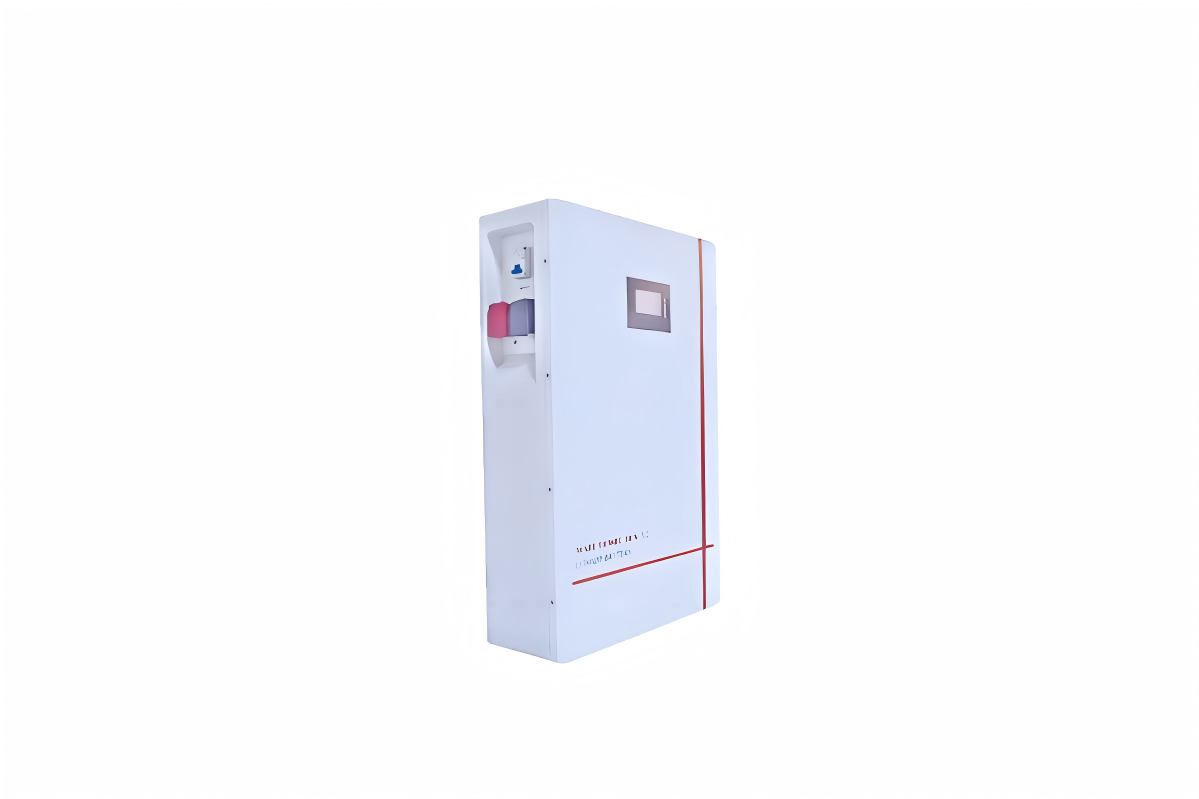
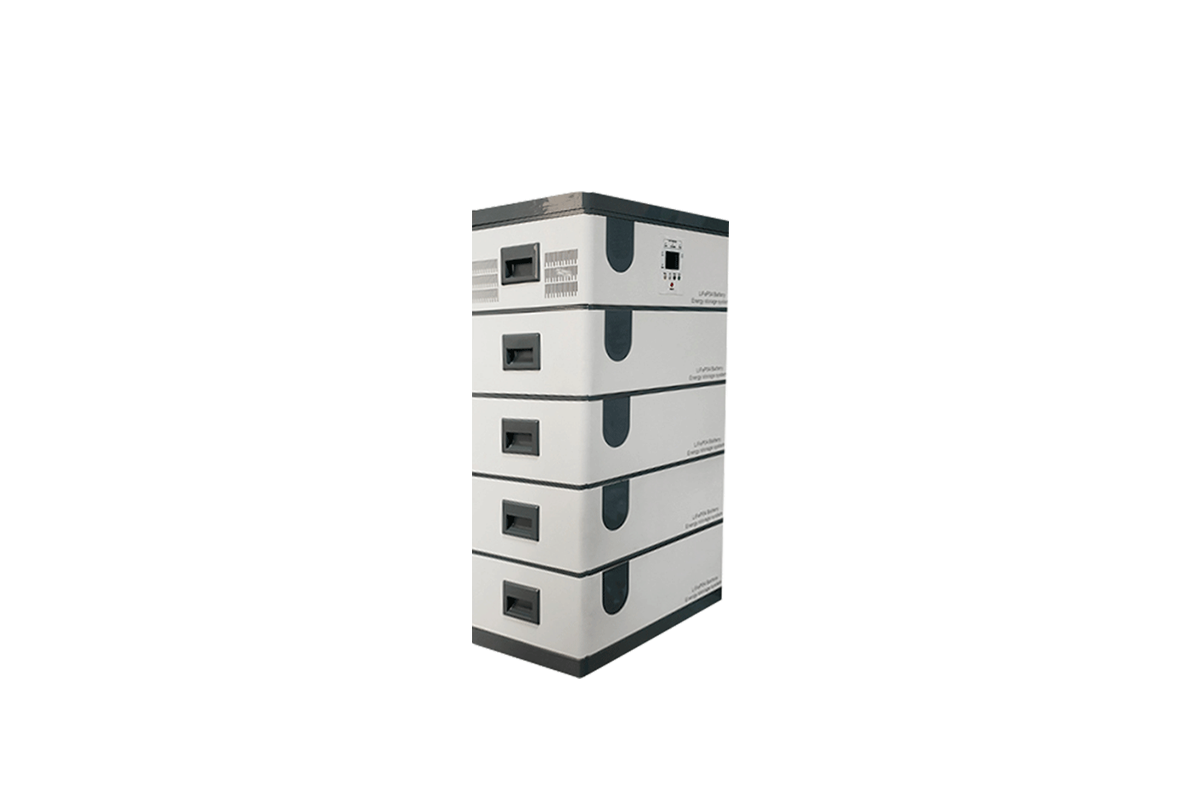
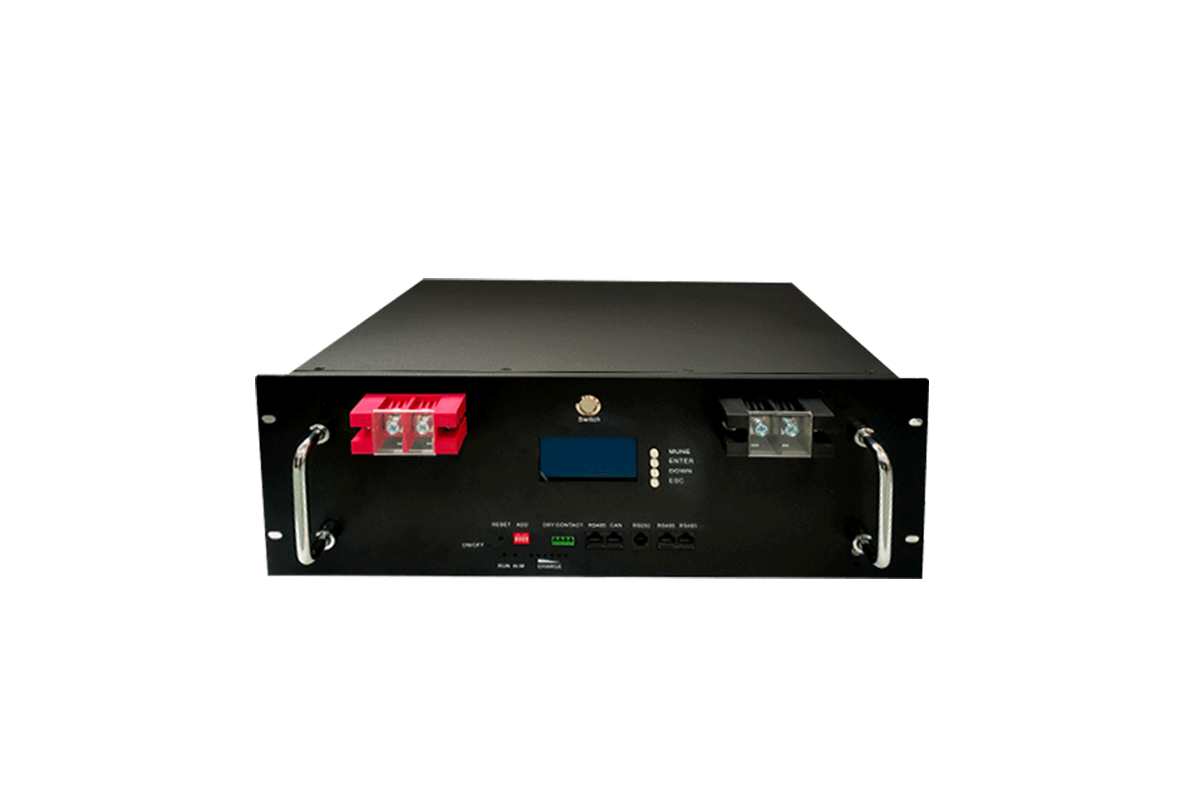
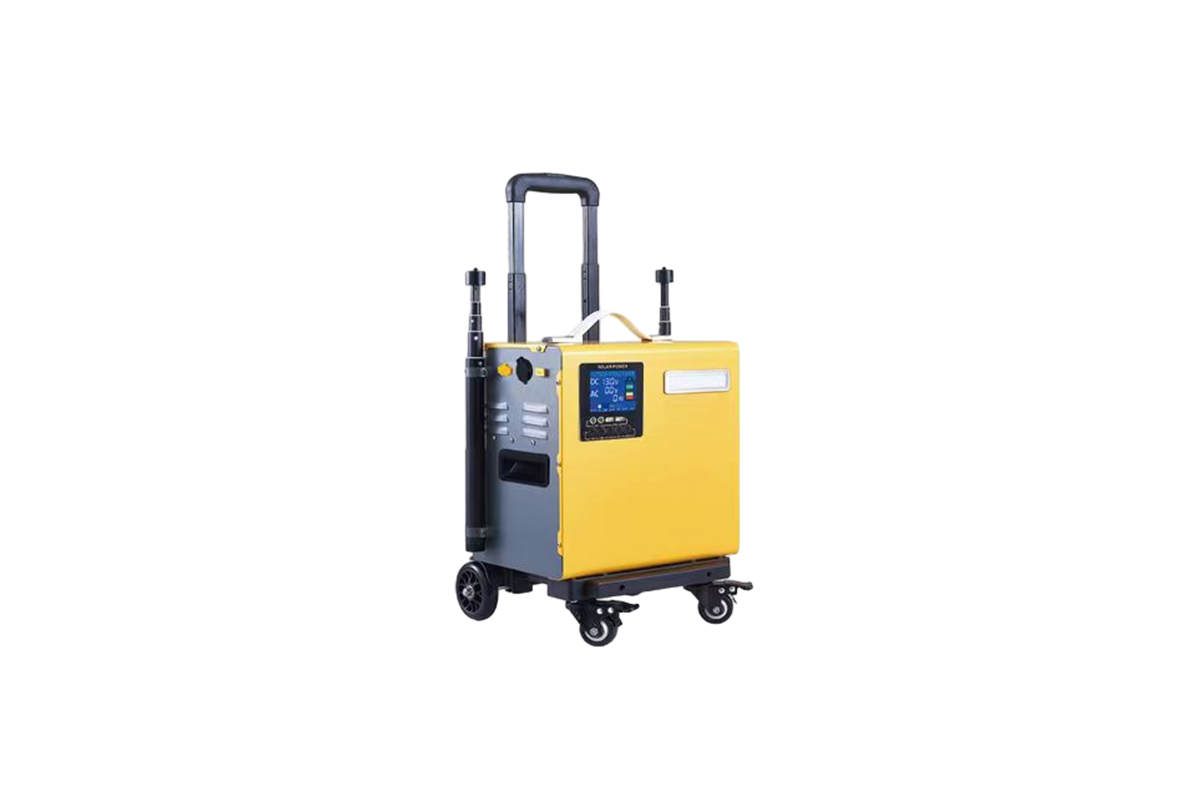
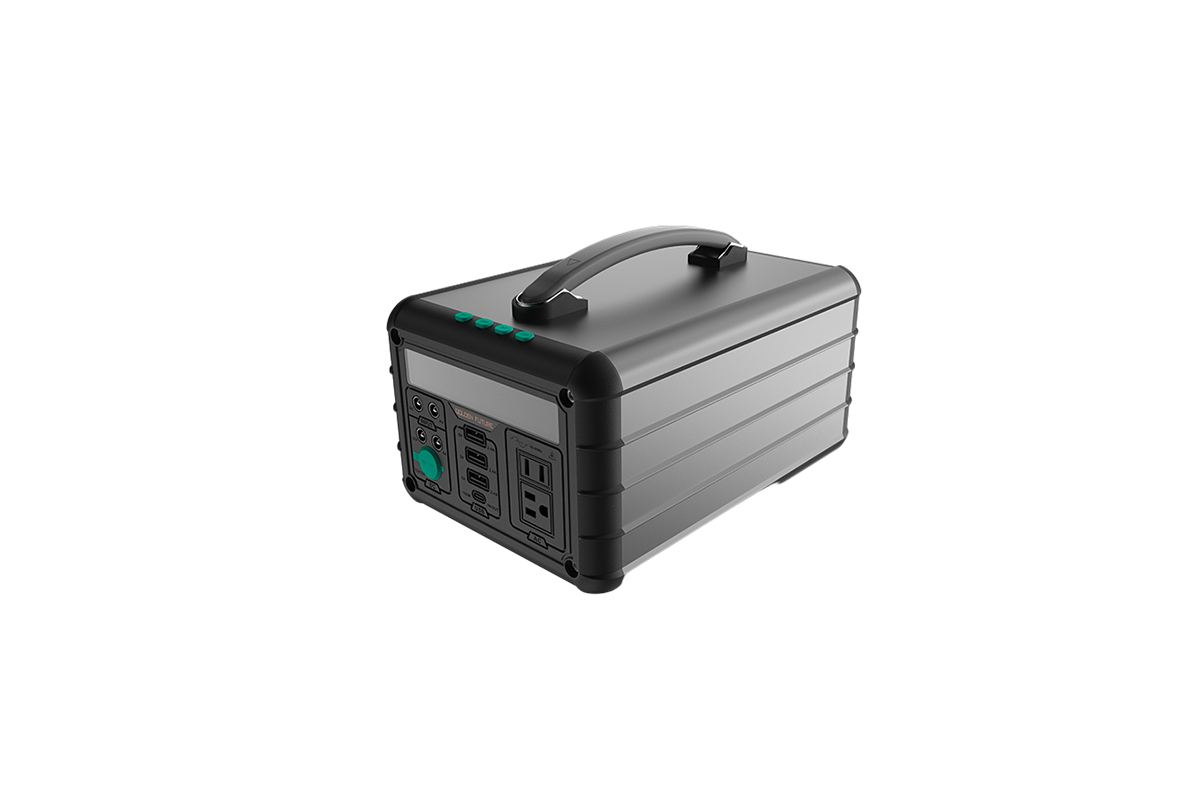
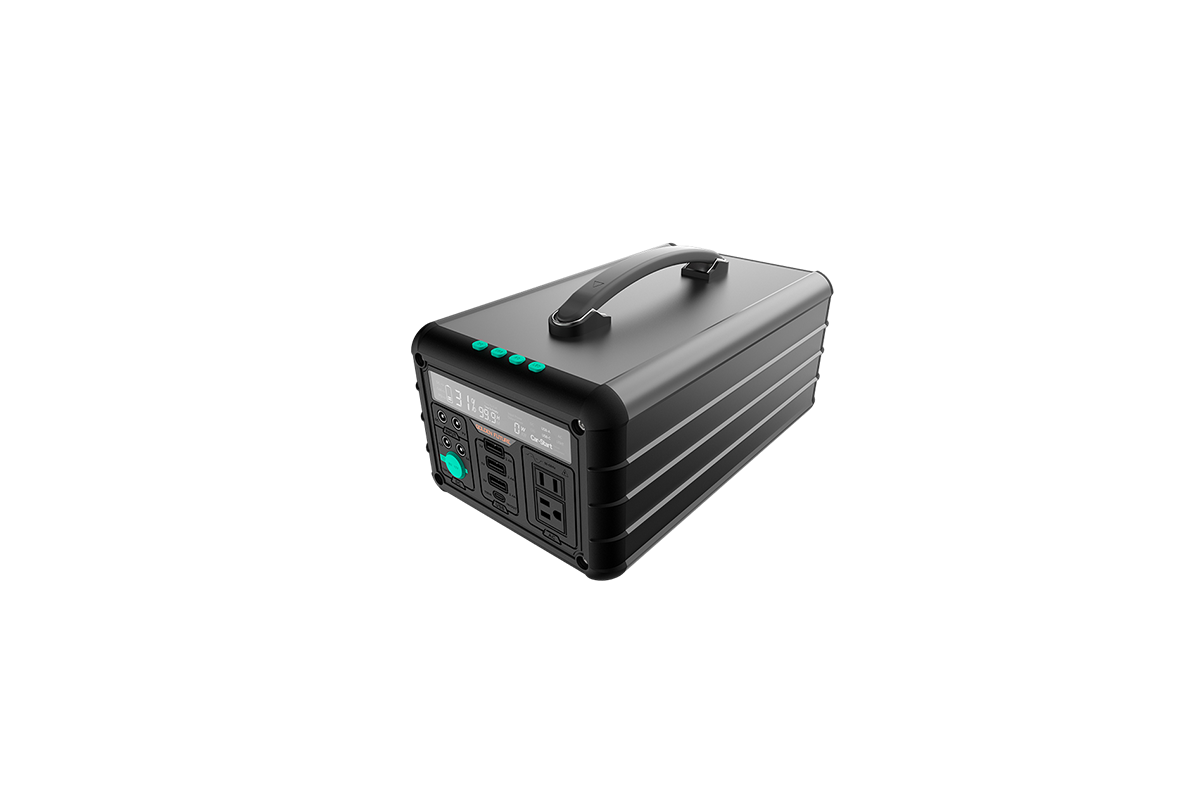
Residential Battery Energy Storage Systems (RBESS) are home-specific energy storage solutions that use rechargeable batteries to store electrical energy, designed to work alongside residential renewable energy systems (like solar panels) or as standalone backup power units. Unlike larger battery storage systems used in commercial or utility settings, RBESS is optimized for the unique needs of households—offering moderate capacity (typically 3kWh to 20kWh), compact design, and seamless integration with home electrical systems, making it a practical choice for homeowners seeking to reduce grid reliance, enhance energy resilience, and lower environmental impact.
At the heart of RBESS is its battery technology, with lithium-ion (especially LiFePO4) being the most common choice due to its superior performance: LiFePO4 batteries offer long cycle life (up to 15,000 charge-discharge cycles, meaning 10–15 years of use), high safety (low risk of overheating or fire), and excellent performance in varying temperatures (operating from -20°C to 60°C). These batteries are paired with a dedicated BMS that monitors every aspect of battery health—tracking state of charge (SoC), voltage, current, and temperature—to ensure optimal performance and prevent damage. An inverter is also a key component, converting the battery’s DC power to AC power that can be used by household appliances, and many RBESS models include grid-tie inverters that allow excess energy to be fed back to the grid (earning homeowners credits via net metering programs).
The benefits of RBESS for homeowners are multifaceted. First, it maximizes solar energy utilization: instead of wasting excess solar power (which is often fed back to the grid for minimal compensation), RBESS stores it for use when solar production is low (e.g., at night or on cloudy days), increasing self-consumption of renewable energy and reducing grid dependence. Second, it provides reliable backup power: during grid outages, RBESS automatically activates, powering essential devices like refrigerators, medical equipment, and lighting—critical for households in areas prone to storms or blackouts. Third, it reduces energy costs: by storing energy during off-peak hours (when electricity rates are low) and using it during peak hours (when rates are high), RBESS lowers monthly utility bills.
Modern RBESS models also prioritize user convenience. Many are designed for easy installation (wall-mounted or floor-standing, with plug-and-play options), and most come with smart apps that allow homeowners to monitor energy storage levels, track consumption patterns, and control charging/discharging schedules remotely. Safety features are comprehensive, including overcharge/overdischarge protection, short-circuit protection, thermal management systems, and flame-retardant enclosures. For homeowners looking to take control of their energy use, reduce their carbon footprint, and ensure power reliability, Residential Battery Energy Storage Systems are a versatile, effective solution that aligns with both financial and environmental goals.




 59911926@qq.com/sales@goldenfuturehk.com
 13316809242 / 15816897019
 Inquiry
 Home >