





Time:2026-05-20 Views:331
1. Industry Development Background
Against the backdrop of the global dual-carbon strategy and energy structure transformation, renewable energy sources such as wind and solar power have become the core direction of global energy development due to their advantages of cleanliness, low carbon, renewability and abundant reserves. However, wind and solar power are inherently intermittent, fluctuating and random. Greatly affected by natural factors such as weather, day and night, and seasons, they have unstable generating power, which easily causes imbalance between power supply and demand and voltage fluctuation of the power grid, restricting the large-scale grid-connected application of renewable energy. To solve these industry pain points, renewable energy storage battery systems have emerged. As key supporting facilities for the new power system, such systems are equivalent to large-scale energy power banks, which can realize the storage, scheduling and stable output of electric energy. They effectively suppress the fluctuation of new energy power generation and solve the problem of new energy consumption. Moreover, they serve as core hubs connecting the power generation end, power grid transmission end and power consumption load end. At present, with the iteration of battery manufacturing technology and the continuous decline in production costs, energy storage battery systems have been widely applied in three major scenarios: the power generation side, power grid side and user side, becoming core equipment to promote the green and low-carbon energy transformation and ensure the safe and stable operation of the power system.
2. Core Composition and Working Principle of the System
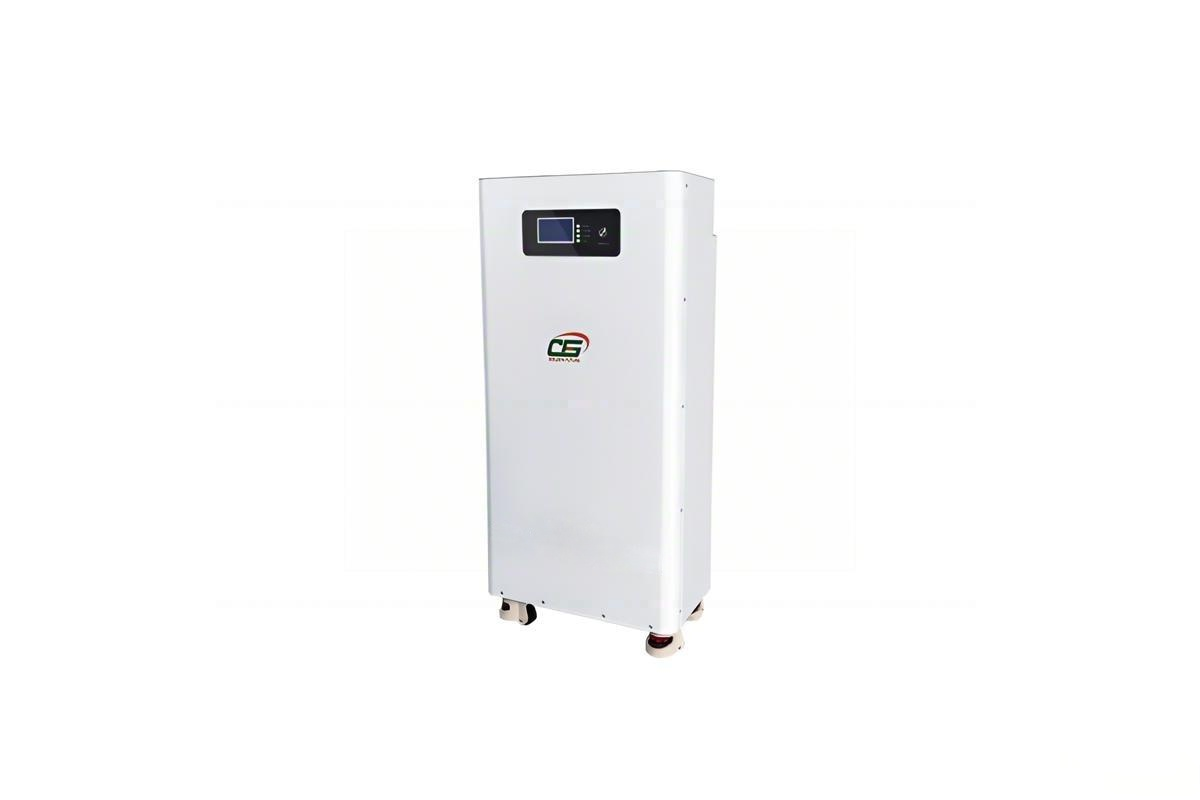
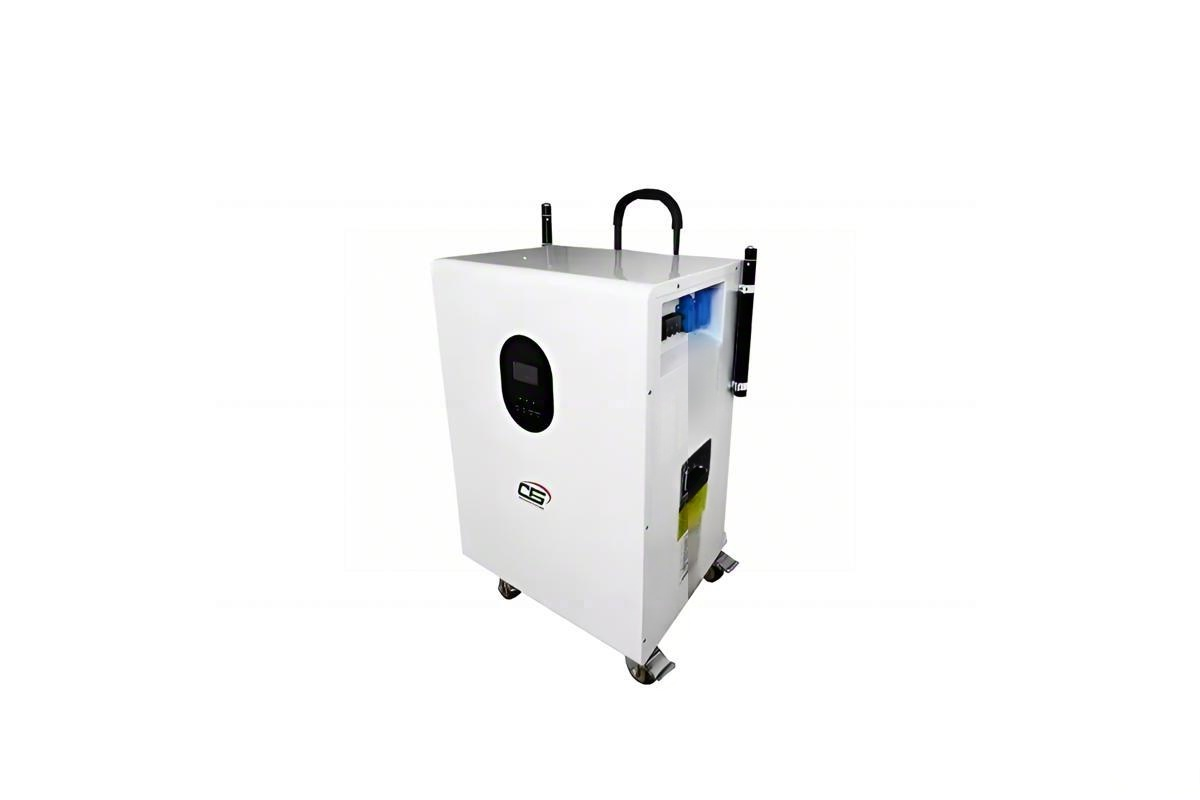
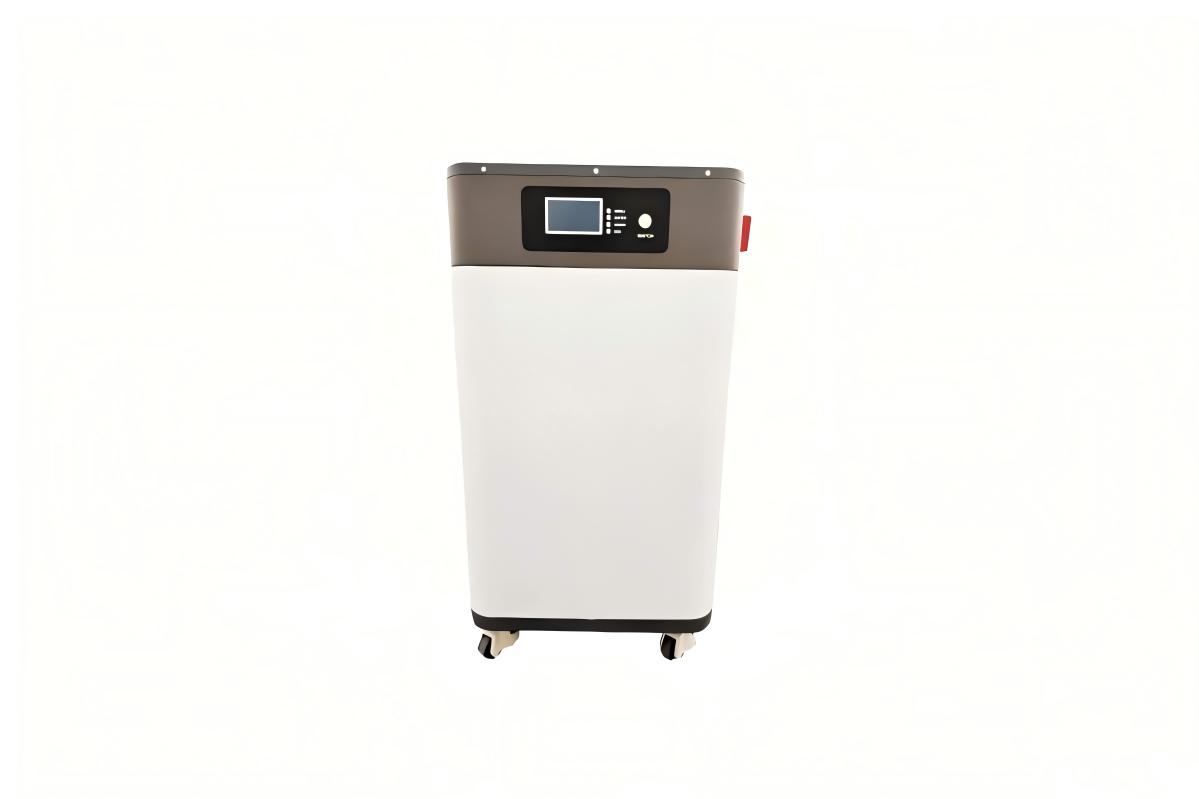
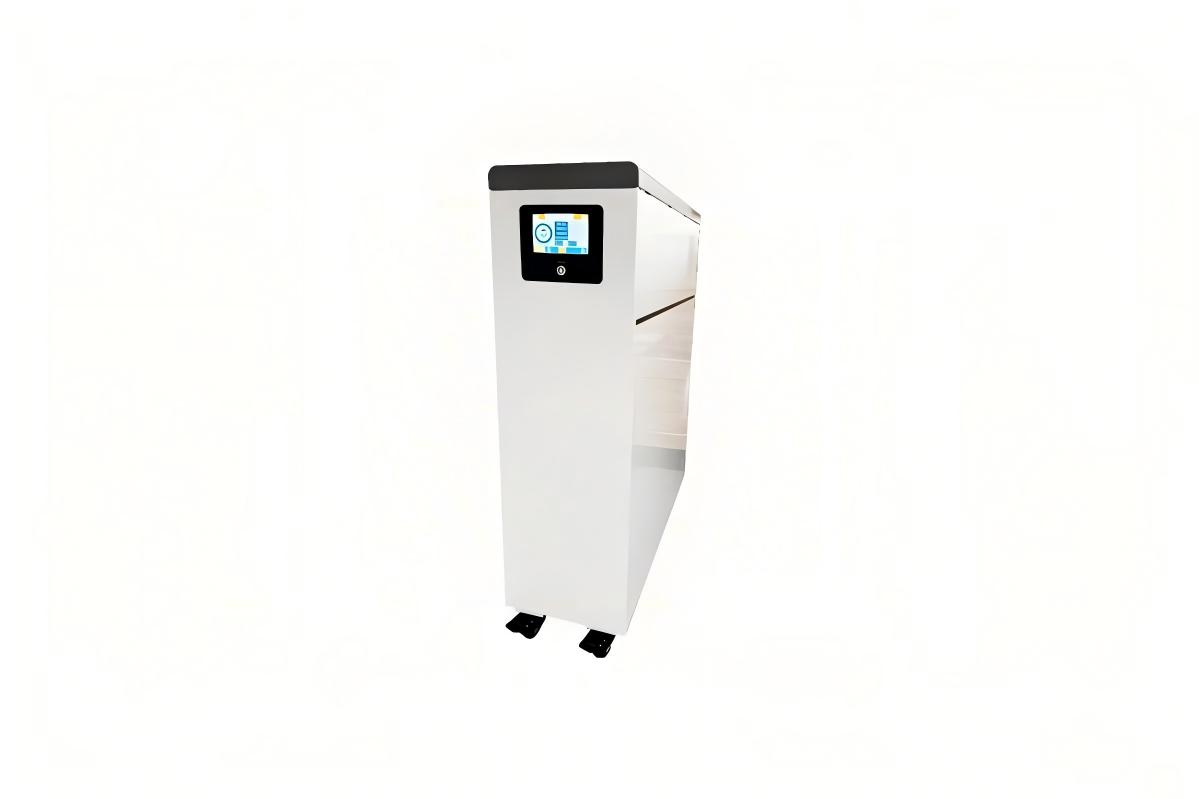
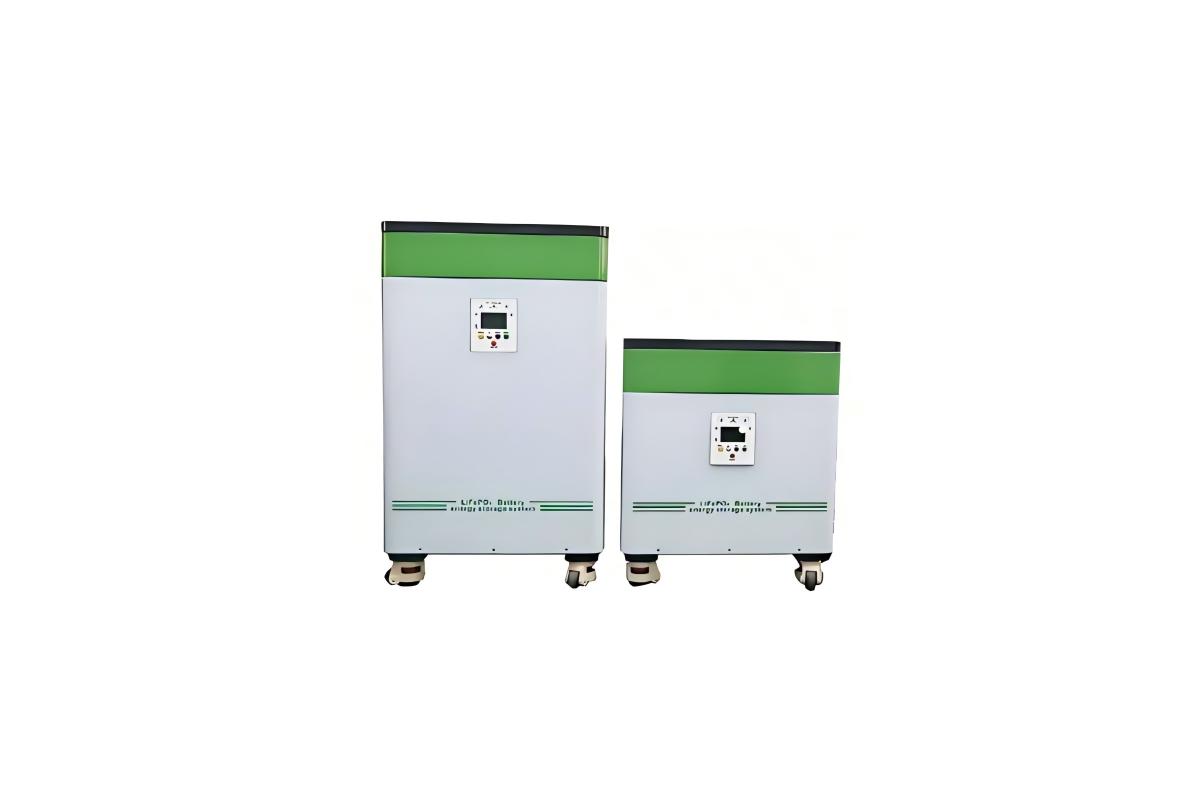
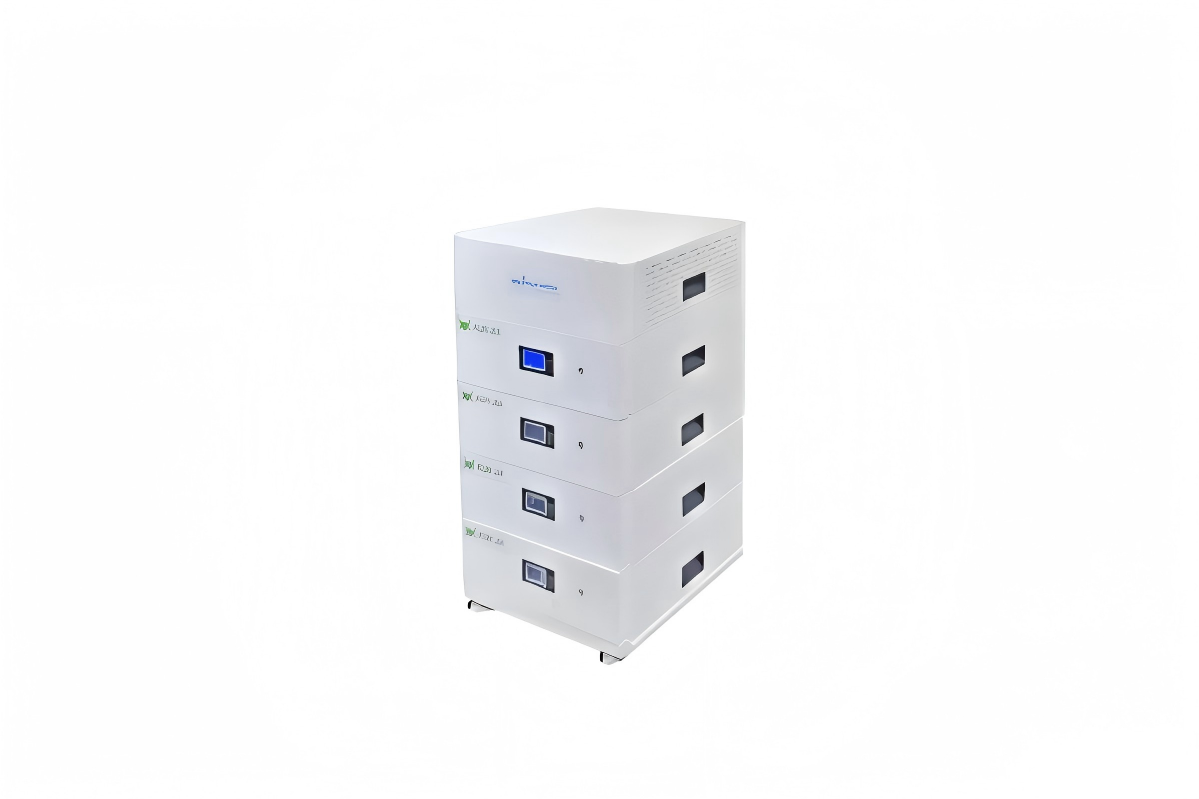
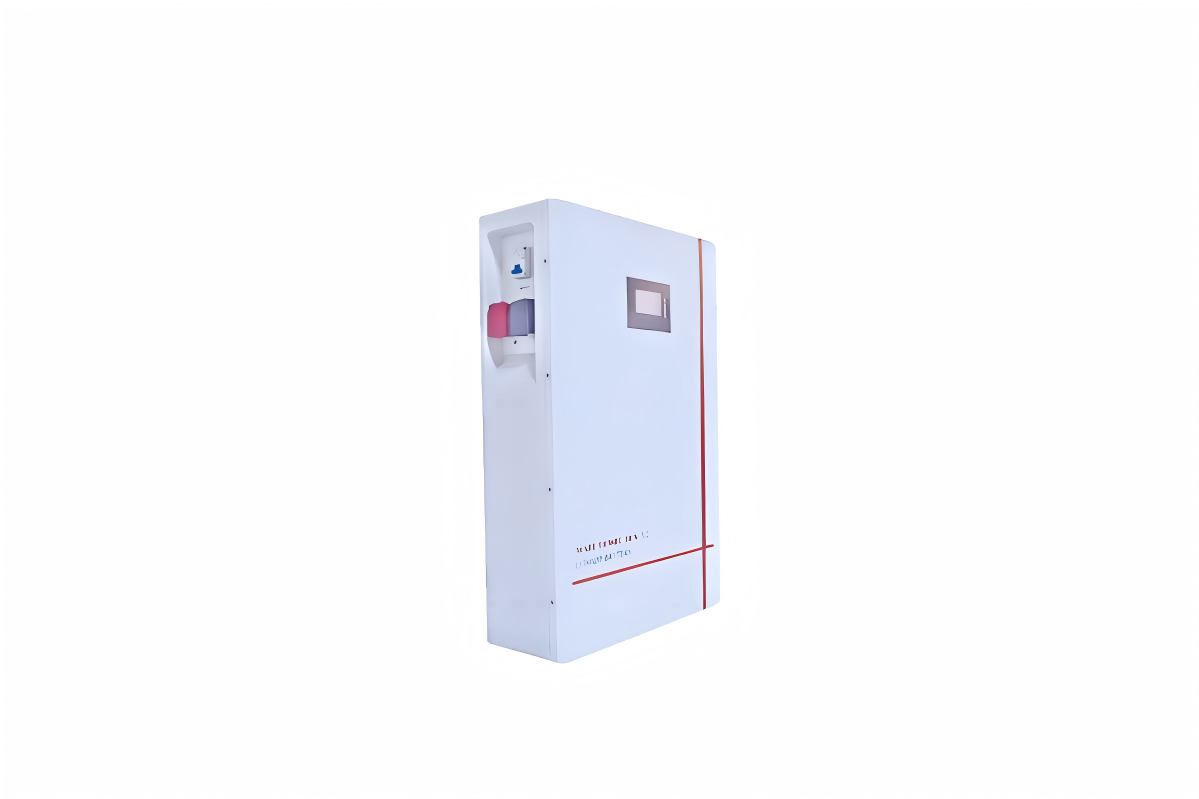
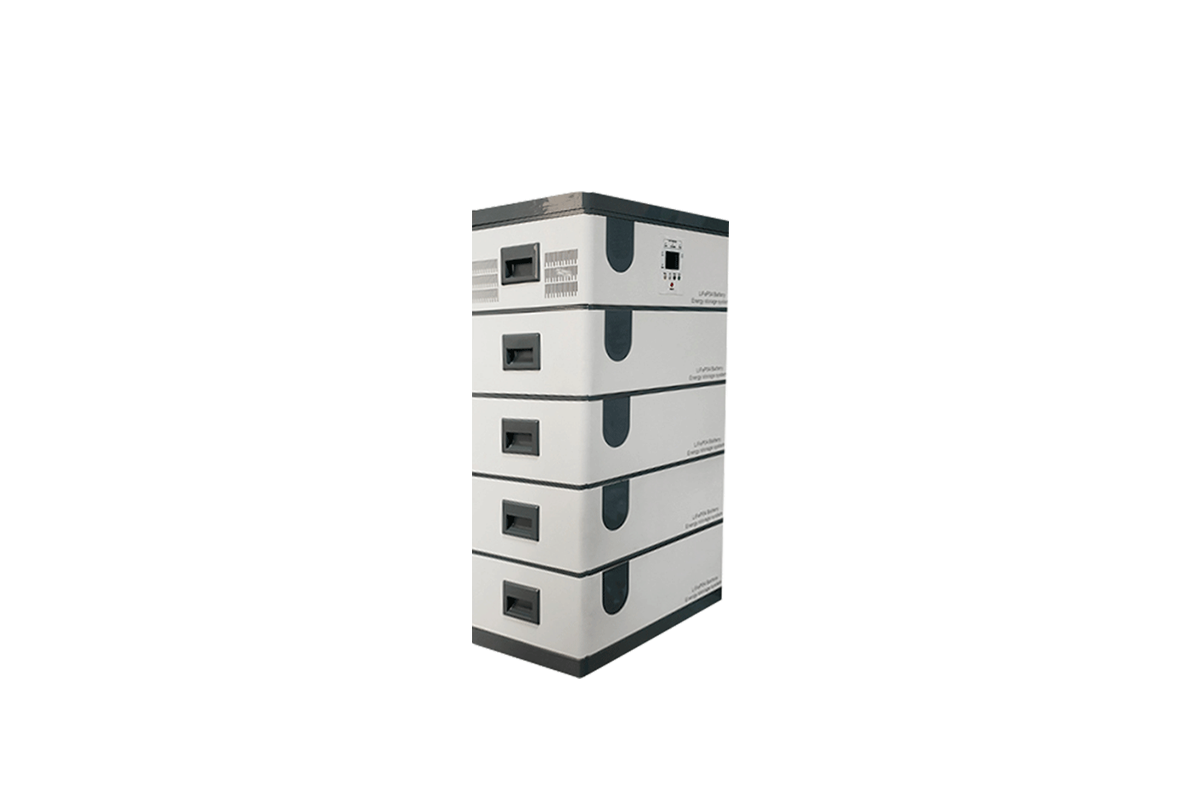
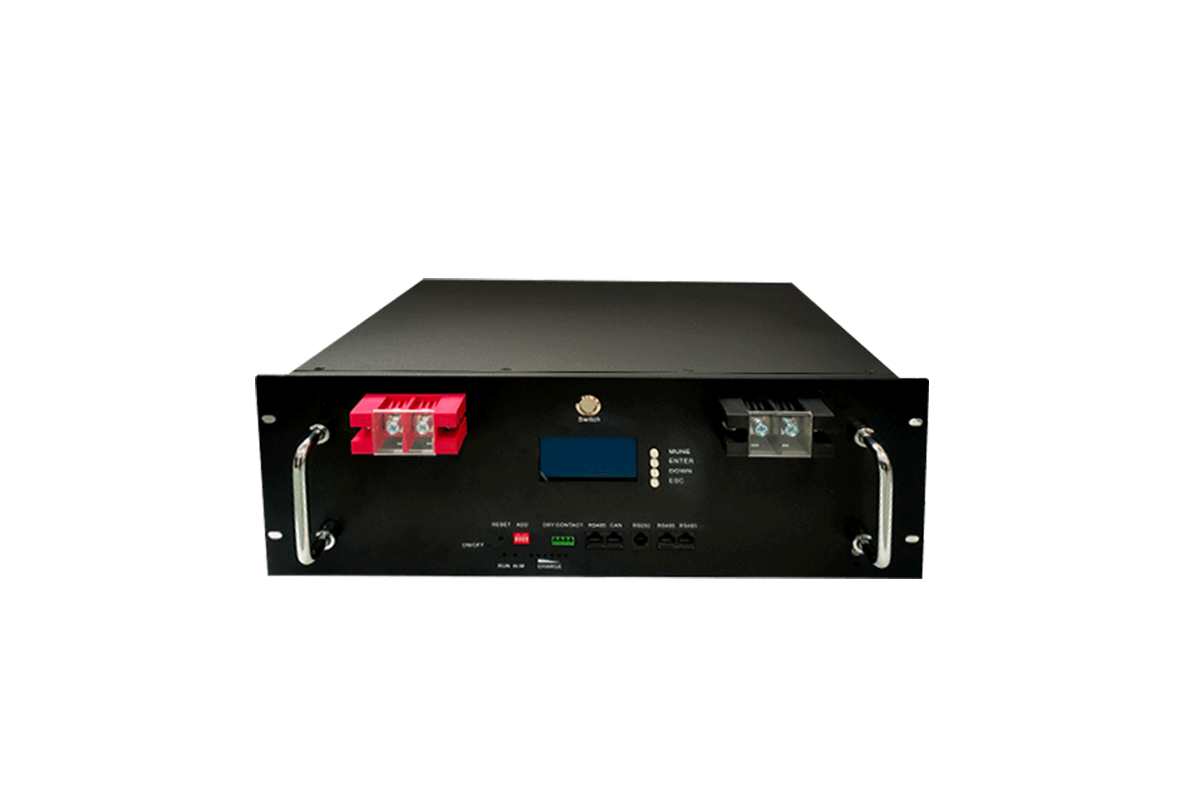
A complete renewable energy storage battery system adopts a modular integrated architecture. It consists of battery units, battery management system (BMS), power conversion system (PCS), energy management system (EMS), and auxiliary subsystems including temperature control, fire protection and power distribution. All modules have clear divisions of labor and coordinated operation, jointly completing the whole process of electric energy charging and storage, voltage stabilization power supply and intelligent management, featuring stable overall operation and high automation.
2.1 Battery Unit: Core Carrier of Energy Storage
The battery unit is the energy storage body of the energy storage system. A large number of single cells are combined into battery clusters in series and parallel, and then integrated into battery packs, which directly determine the energy storage capacity, discharge power and service life of the system. At present, the mainstream energy storage battery types on the market include lithium iron phosphate batteries, ternary lithium batteries, lead-acid batteries and sodium-ion batteries. Among them, lithium iron phosphate batteries are the first choice for large-scale industrial and commercial energy storage and power grid energy storage due to their long cycle life, high safety and stability, low cost and high temperature resistance. Sodium-ion batteries are gradually promoted in household energy storage and low-temperature regional energy storage scenarios by virtue of their excellent low-temperature performance and abundant raw material reserves. Ternary lithium batteries with high energy density are mostly used in space-constrained mobile energy storage scenarios.
2.2 Battery Management System (BMS): Safety Management Center
The BMS is an intelligent management and control module to ensure the safe operation of battery units. It collects real-time operating data such as voltage, current and temperature of single cells to accurately monitor the charging and discharging status of batteries. The system has protection functions against overcharging, overdischarging, overheating and overcurrent. It can give early warnings of abnormal battery faults, equally adjust the electric quantity of each cell, avoid the performance degradation of a single cell affecting the service life of the entire battery pack, and effectively reduce the safety risk of thermal runaway.
2.3 Power Conversion System (PCS): Bridge for Electric Energy Conversion
Wind and solar power generate direct current, while power grid transmission and civil electricity mostly use alternating current. The PCS undertakes the core task of AC/DC power conversion. During the charging stage, it rectifies alternating current into direct current and stores it in batteries; during the discharging stage, it inverts direct current inside batteries into stable alternating current and transmits it to the power grid or electrical equipment. Meanwhile, the PCS can accurately adjust voltage and frequency to ensure the quality of output electric energy and meet the power standards of different power consumption scenarios.
2.4 Energy Management System (EMS): Intelligent Scheduling Brain
The EMS is the intelligent control core of the entire energy storage system. Relying on big data and internet of things technology, it real-timely monitors data such as new energy power generation, power grid load and electricity price fluctuation to formulate scientific charging and discharging strategies. During the peak period of wind and solar power generation, the system is controlled to charge and store electricity to reduce energy waste; during the peak period of electricity consumption or the low period of new energy power generation, the stored electric energy is released to realize peak shaving and valley filling and optimize the allocation of energy resources.
2.5 Auxiliary Subsystem: Foundation of Operational Guarantee
Auxiliary subsystems include temperature control system, fire protection system, power distribution system and monitoring system. The temperature control system adjusts the operating temperature of batteries through air cooling and liquid cooling technologies to adapt to complex working conditions of high and low temperatures. The fire protection system adopts fire extinguishing media such as aerosol and heptafluoropropane to quickly handle fires and prevent fire spread. The power distribution and monitoring systems are responsible for circuit management and real-time image monitoring, fully ensuring the safe, long-term and stable operation of energy storage battery systems.
3. Main Application Scenarios
3.1 Power Generation Side Energy Storage
Supporting energy storage battery systems are built in photovoltaic power stations and wind farms to store surplus curtailed wind and solar power generated during peak power generation periods and avoid energy loss. Meanwhile, the system smooths the fluctuation of generating power, reduces the impact of new energy grid connection on the power grid, improves the grid-connected consumption rate of new energy power generation, supports stable and continuous power supply of new energy power stations, and increases the power generation income of power stations.
3.2 Power Grid Side Energy Storage
Power grid side energy storage is mainly used for power grid peak regulation, frequency modulation and voltage regulation to relieve power supply pressure of the power grid. Electric energy is stored during off-peak electricity consumption periods and released during peak periods to balance the supply and demand relationship of the power grid. It can quickly respond to the fluctuation of power grid frequency and voltage, correct power deviation, improve the transmission stability and power supply reliability of the power grid, and reduce energy pollution caused by traditional thermal power peak regulation.
3.3 User Side Energy Storage
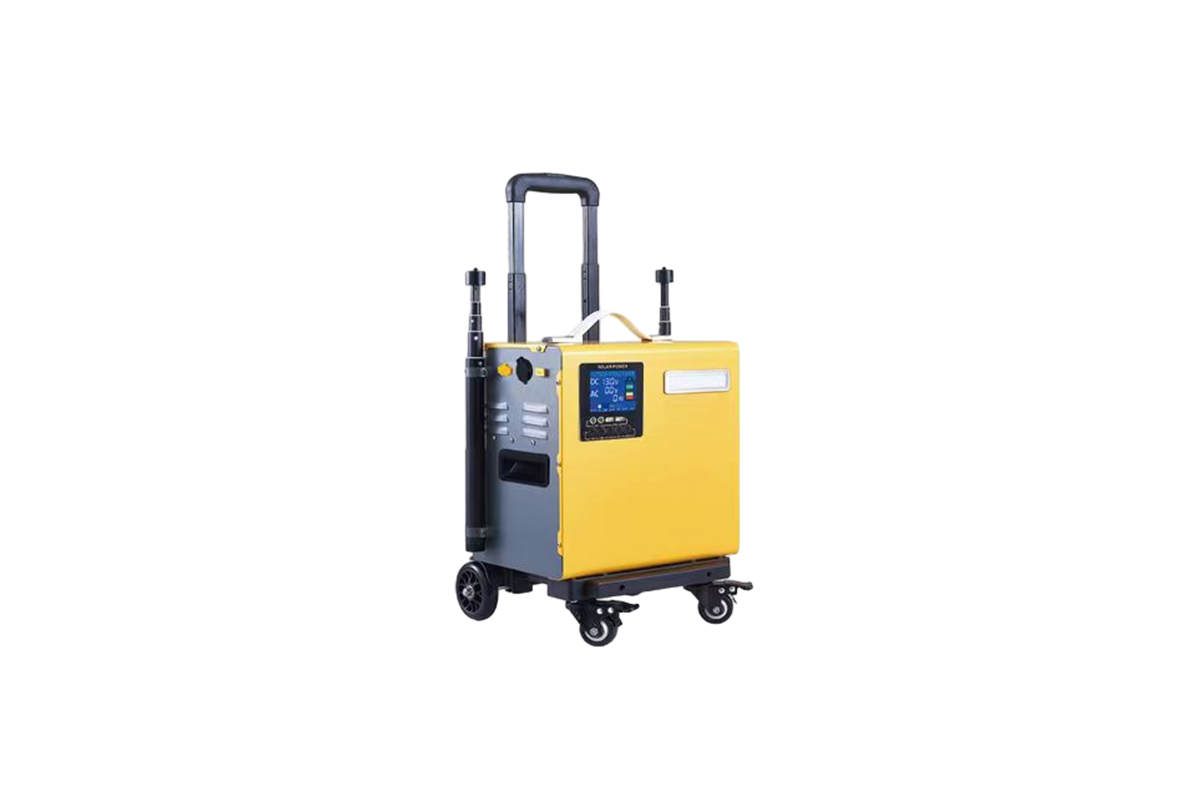
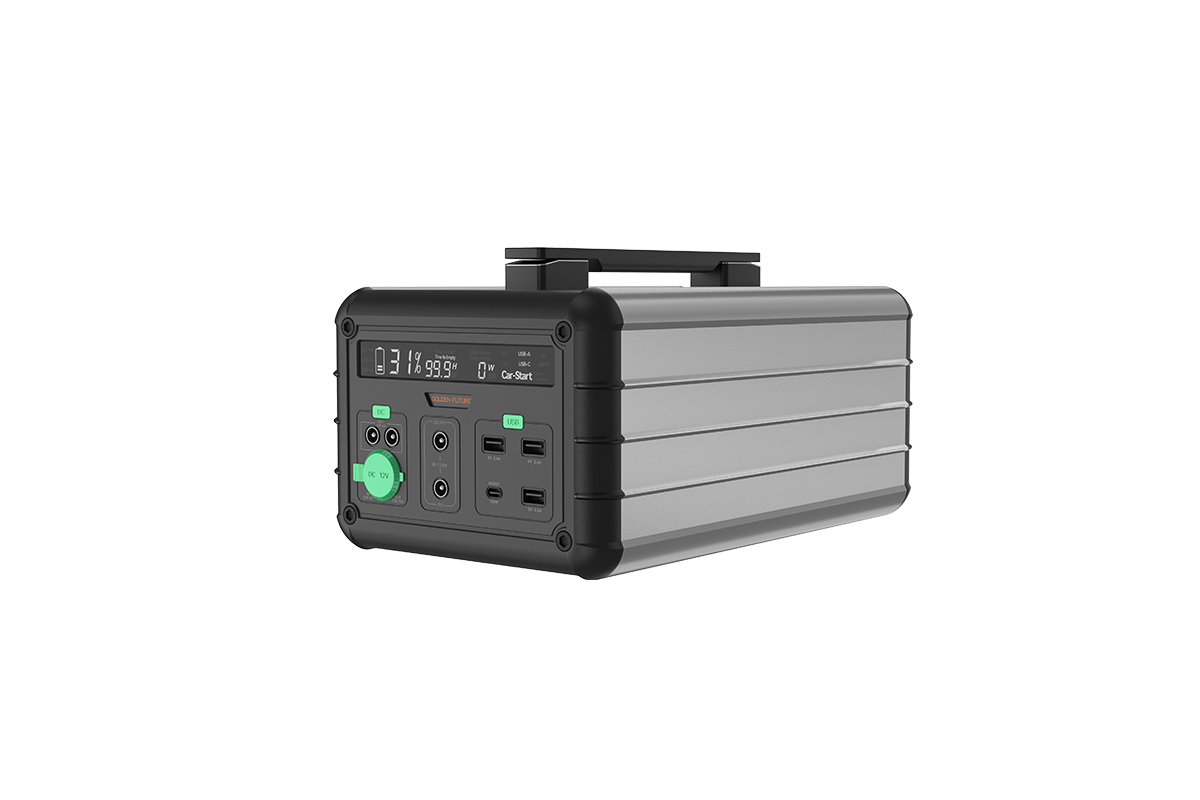
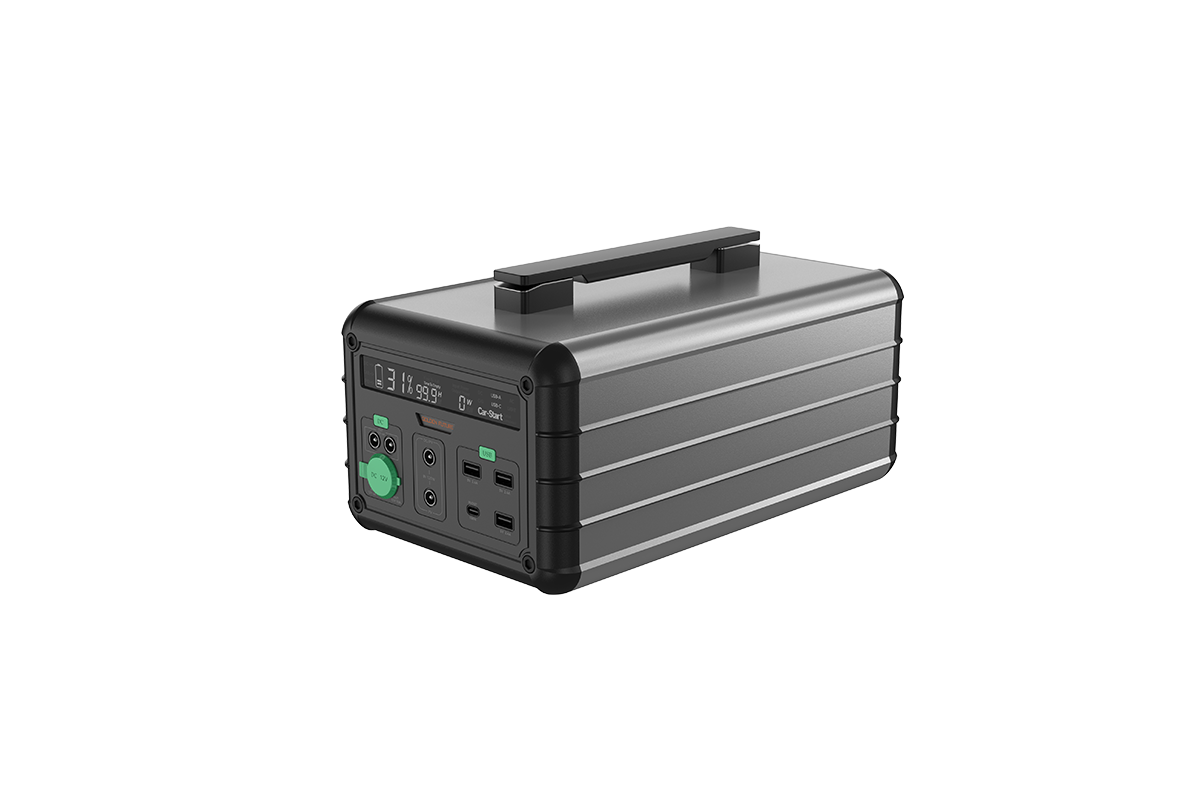
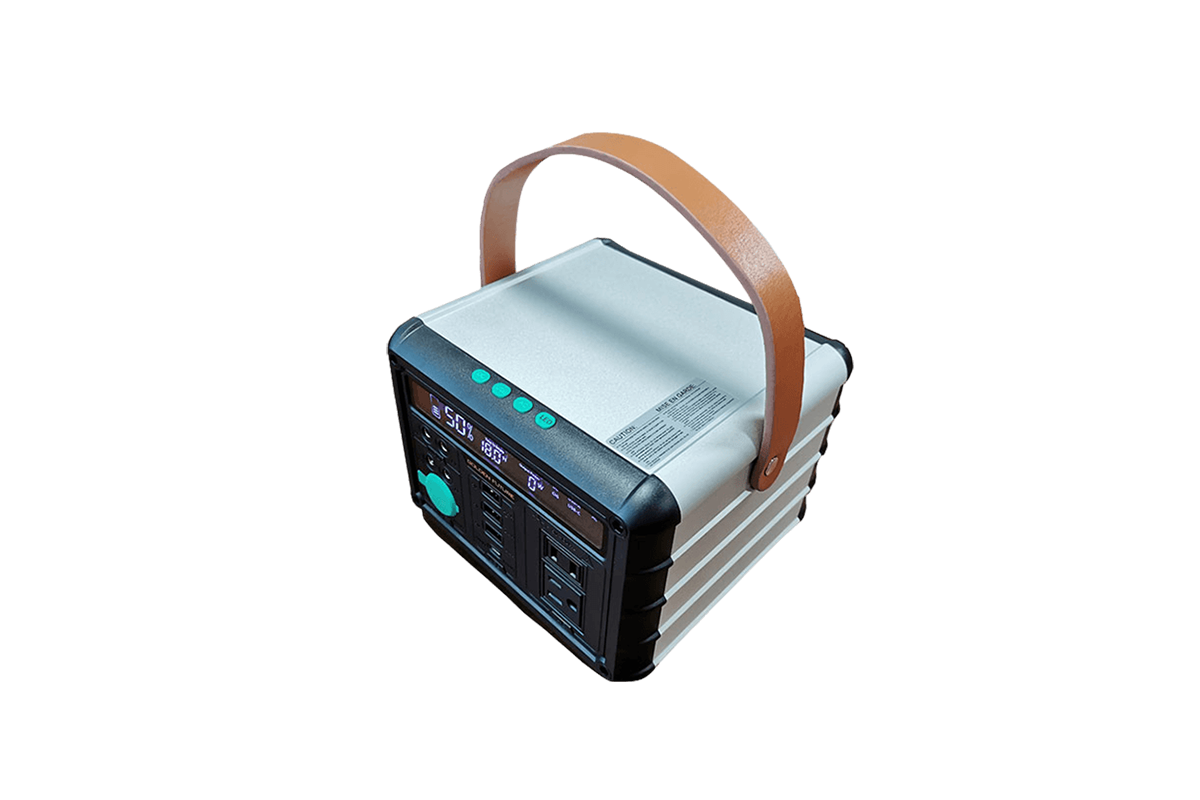
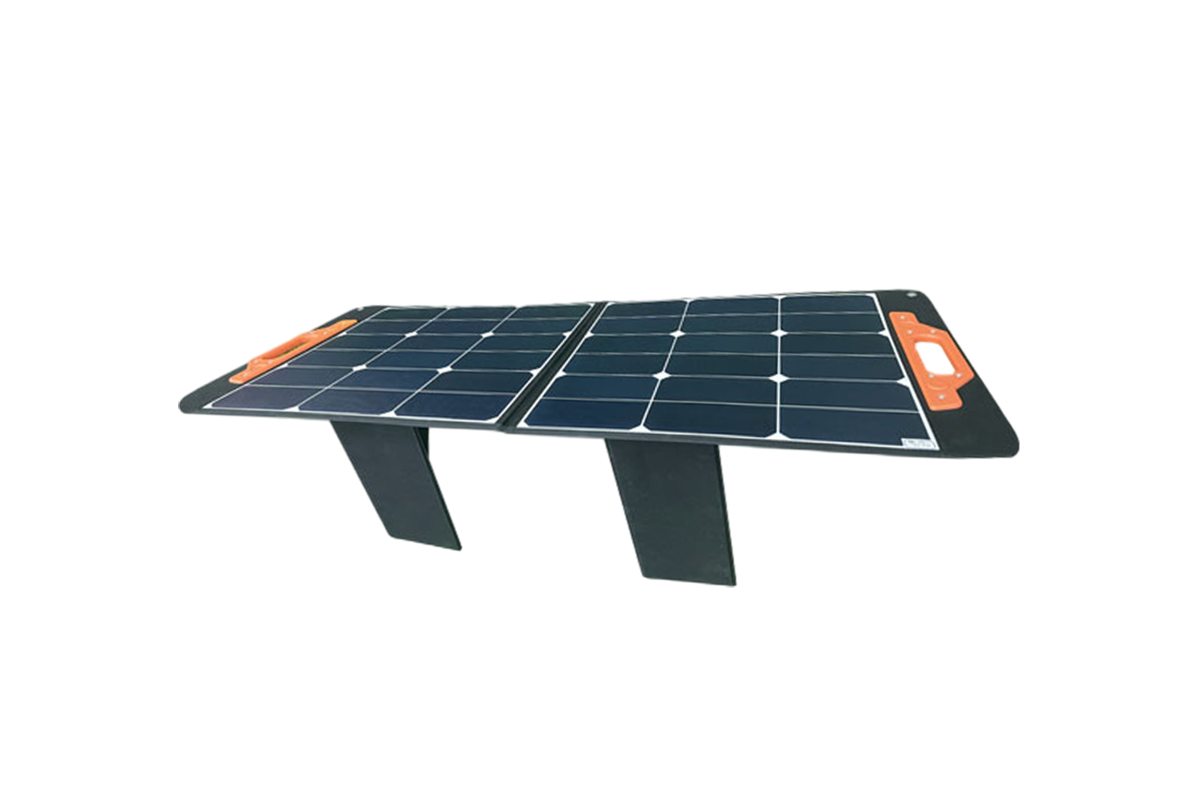
Industrial and commercial parks and residential households can be equipped with distributed energy storage battery systems. Combining the peak-valley electricity price difference, the systems are charged during low electricity price periods and used by users during high electricity price periods to reduce power consumption costs. In addition, they can serve as standby power supplies in case of power outage or power grid failure to ensure the continuous operation of equipment. Off-grid remote areas can build independent microgrids with photovoltaic modules to solve power supply problems.
4. Industry Development Pain Points and Optimization Directions
4.1 Existing Development Pain Points
At present, the renewable energy storage battery industry still has many shortcomings. Firstly, potential safety hazards have not been completely eliminated. Fires and explosions caused by battery aging and thermal runaway occur occasionally, with higher safety risks under high-temperature and closed working conditions. Secondly, the energy storage cost is relatively high. The research and development and production costs of high-end energy storage materials and intelligent management and control equipment are expensive, creating capital barriers for large-scale popularization. Thirdly, the battery recycling system is imperfect. The dismantling and recycling technologies of waste batteries are immature, which is likely to cause heavy metal pollution and violate the concept of green development. Fourthly, industry standards are uneven. Some small and medium-sized manufacturers have simple production processes, resulting in poor product compatibility and stability.
4.2 Technological Optimization and Development Directions
In the future, the industry will achieve upgrading and iteration focusing on technological innovation and system improvement. At the material level, new battery materials with high safety, high energy density and long cycle life will be developed, and sodium-ion battery and solid-state battery technologies will be optimized to reduce dependence on raw materials. At the intelligent management and control level, artificial intelligence and digital twin technology will be integrated to upgrade BMS and EMS, realizing fault prediction and intelligent operation and maintenance and improving the automatic management and control level of the system. At the safety protection level, liquid cooling temperature control and active fire protection technologies will be optimized to build an all-round safety protection system. At the recycling level, a professional waste battery recycling industrial chain will be established to improve dismantling and regeneration processes and realize resource recycling. At the industry level, unified standards for production, detection and operation and maintenance will be formulated to standardize the industry development order.
5. Summary of Industry Development Prospects
The renewable energy storage battery system is an important carrier of the energy revolution, with environmental, economic and social value. From the perspective of energy, it breaks the barriers to the large-scale application of renewable energy, optimizes the energy consumption structure, reduces fossil energy consumption, and helps achieve the dual-carbon goal. From the perspective of electric power, it improves the regulation capacity of the power grid, enhances the stability and flexibility of power supply, and builds a safe and efficient new power system. From the perspective of industry, it drives the coordinated development of upstream and downstream industries such as battery manufacturing, power electronics and intelligent management and control, creates a large number of jobs, and promotes the large-scale and high-quality development of the new energy industry.
With the continuous acceleration of the global energy transformation process, coupled with multiple favorable factors including policy support, technological iteration and cost reduction, the market scale of renewable energy storage battery systems will continue to expand. In the future, the industry will develop steadily towards high safety, high efficiency, low cost, intelligence and greenness, continuously empower the popularization of clean energy, and build a solid technical foundation for the sustainable development of global energy and ecological environmental protection.




 59911926@qq.com/sales@goldenfuturehk.com
 13316809242 / 15816897019
 Inquiry
 Home >