





Time:2025-12-16 Views:1
Rechargeable lithium technology has revolutionized the field of energy storage, becoming the backbone of modern devices and systems—from smartphones and laptops to electric vehicles (EVs) and home battery storage. Its dominance stems from a unique combination of high energy density, long cycle life, fast charging capabilities, and lightweight design, addressing key limitations of older battery technologies like lead-acid or nickel-cadmium (NiCd). Today, rechargeable lithium technology is not just a technical innovation but a driver of global energy transition, enabling the widespread adoption of renewable energy and portable electronics.
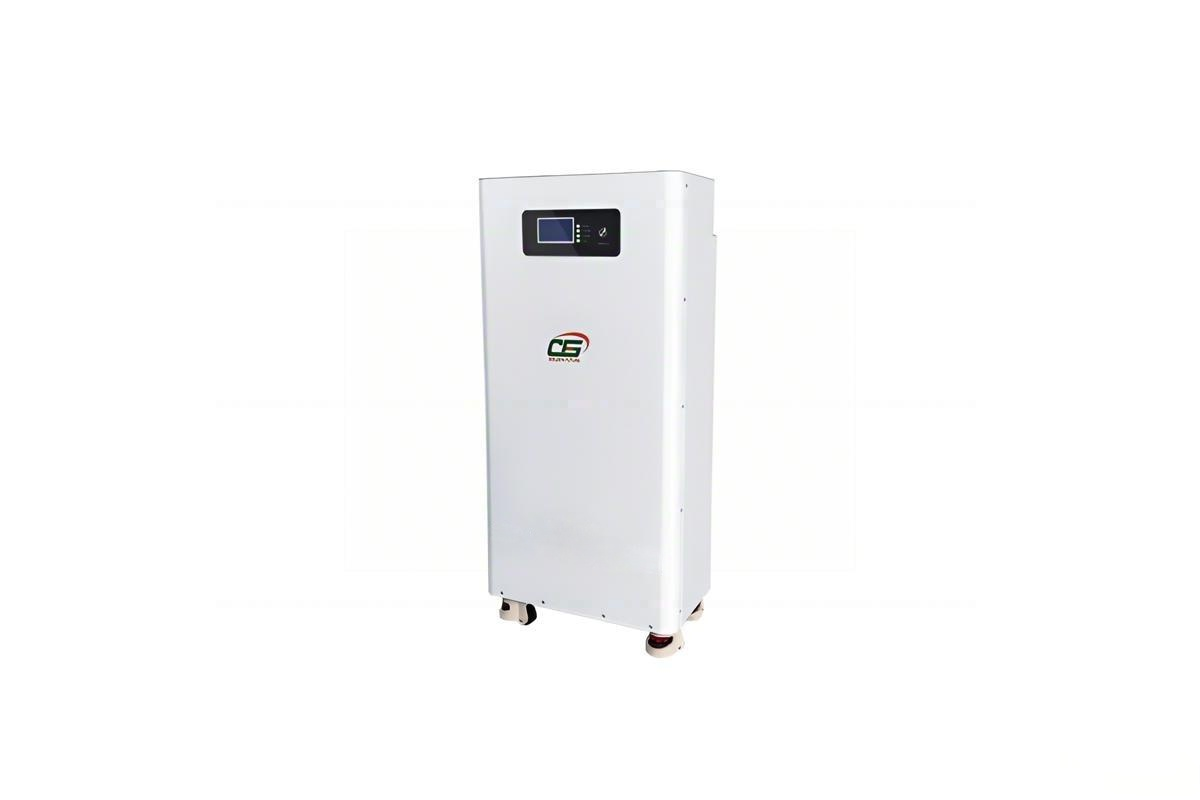
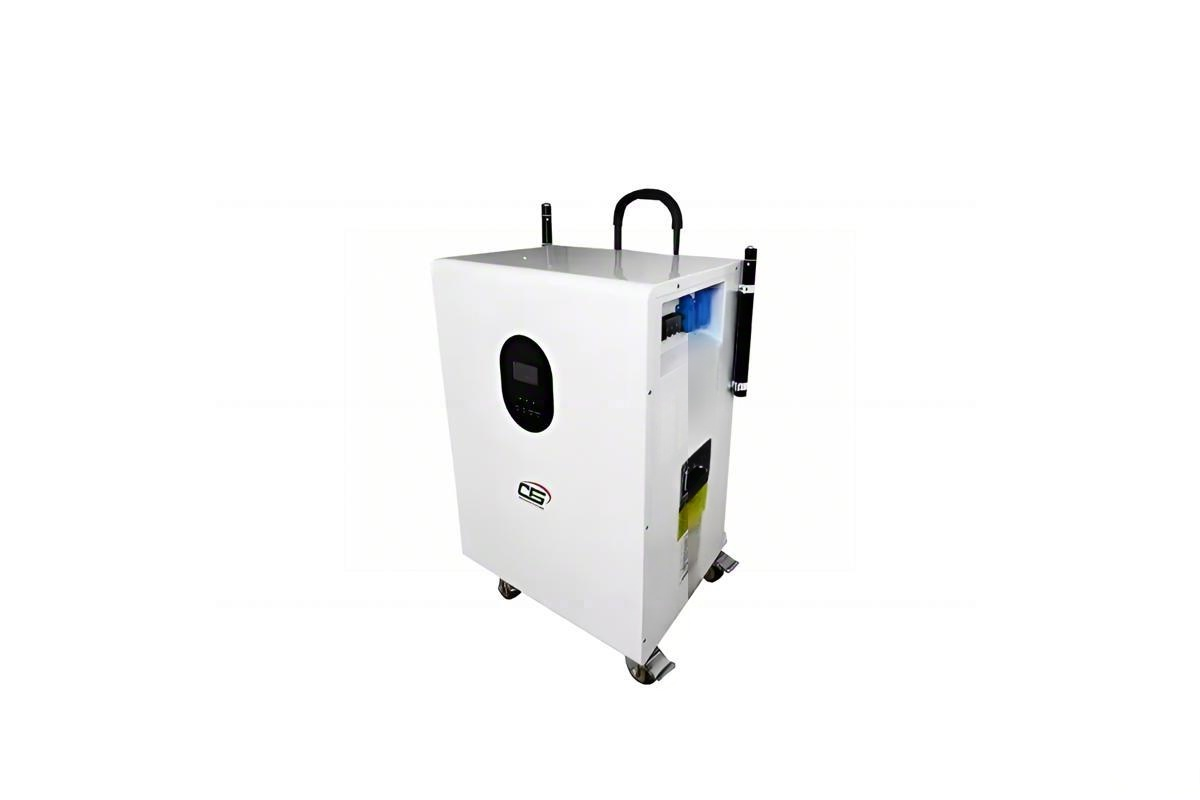
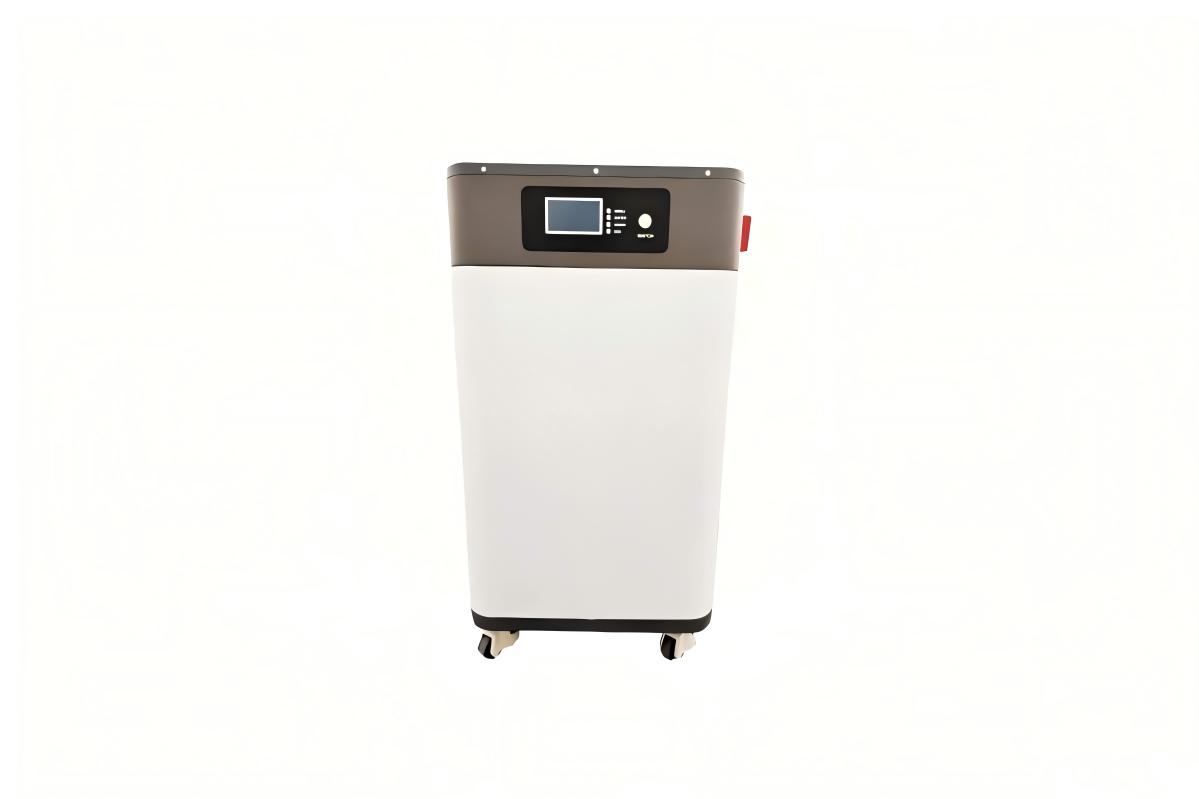
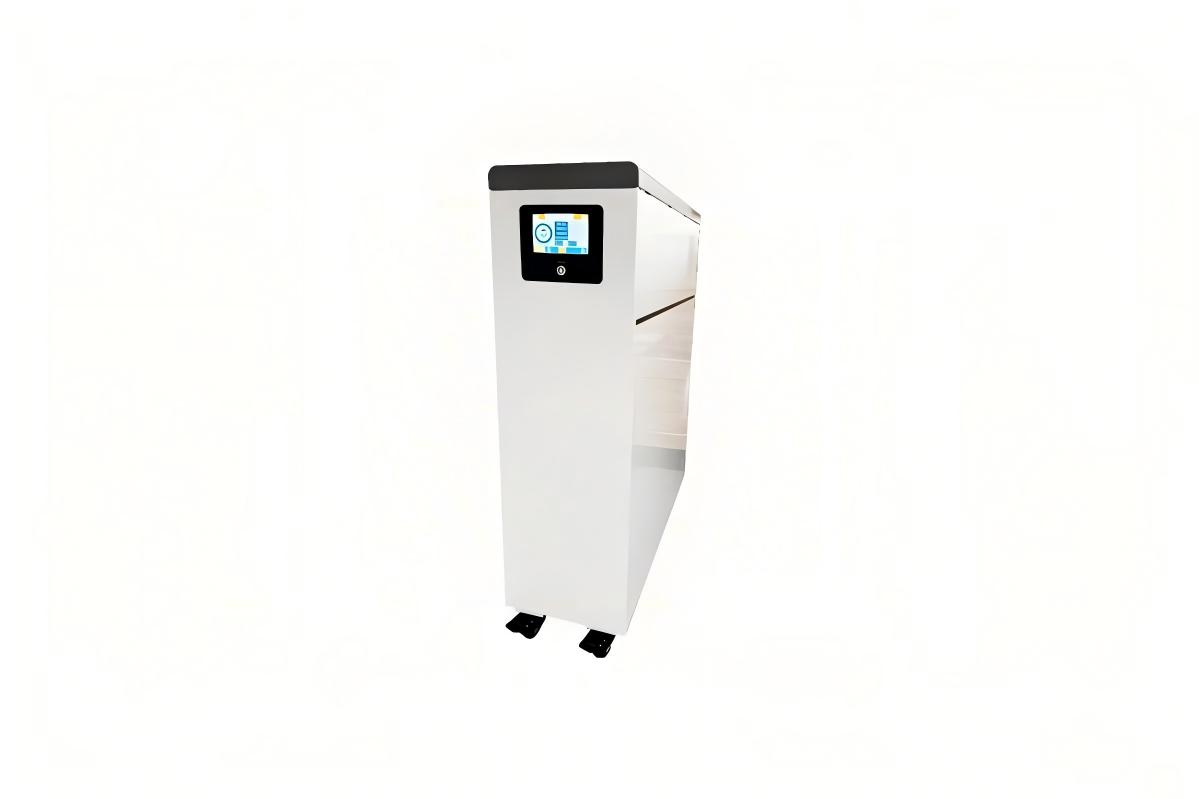
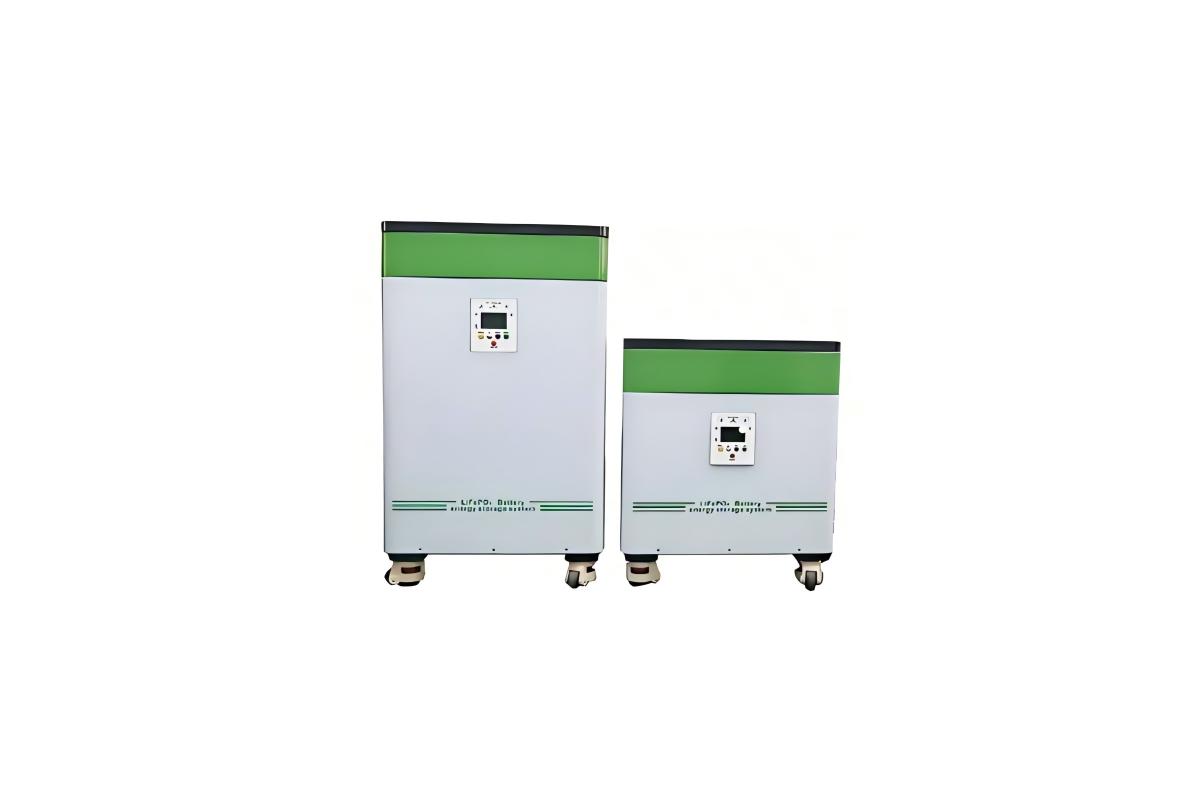
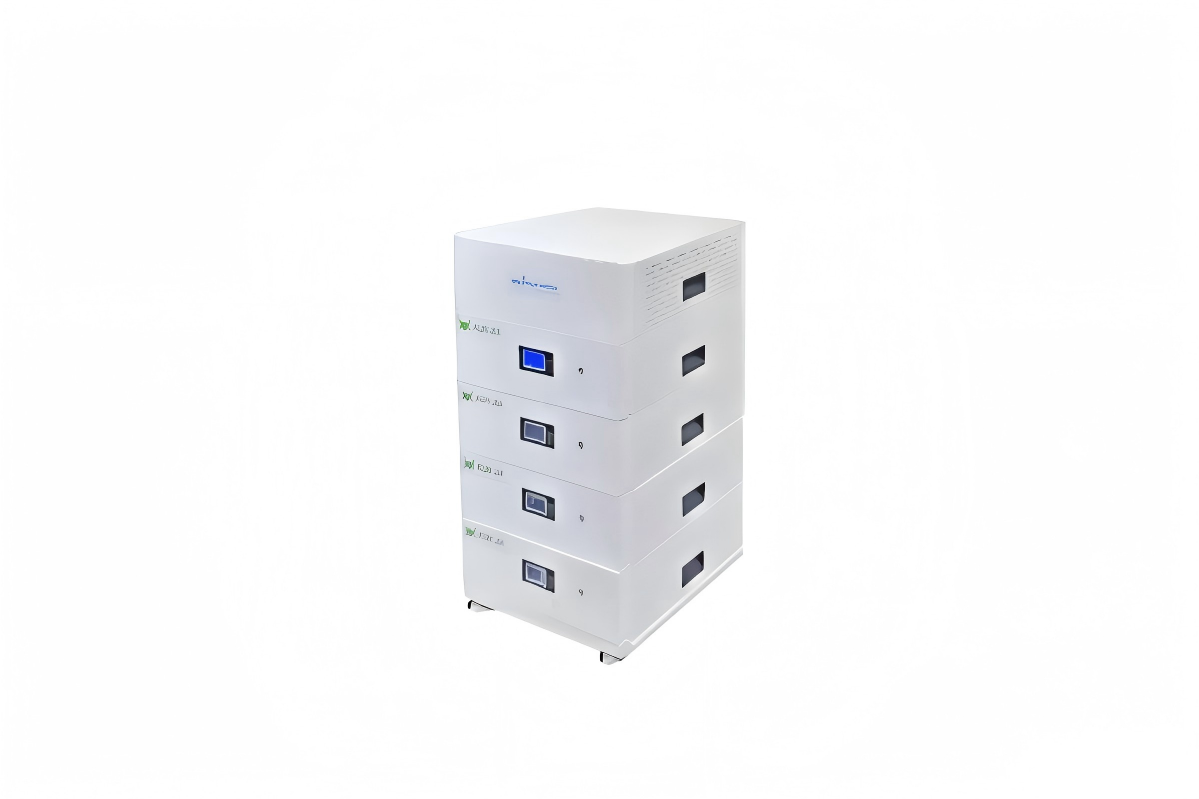
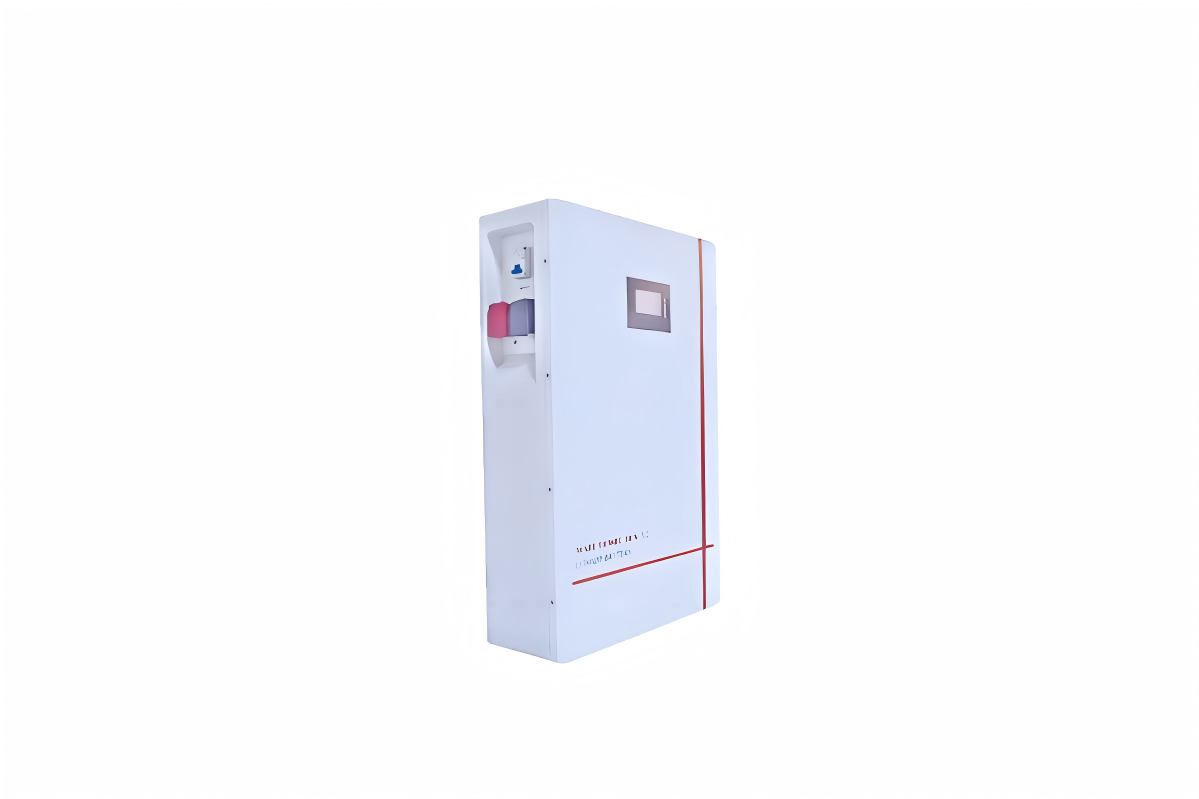
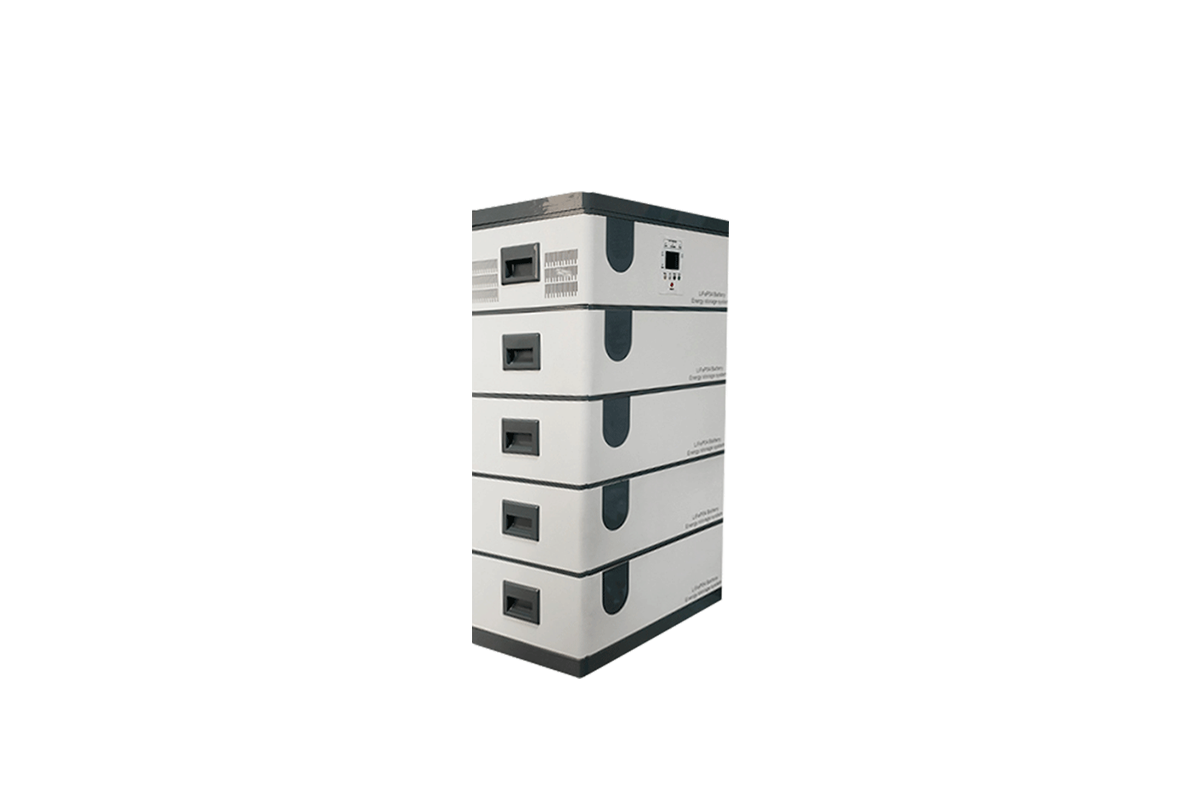
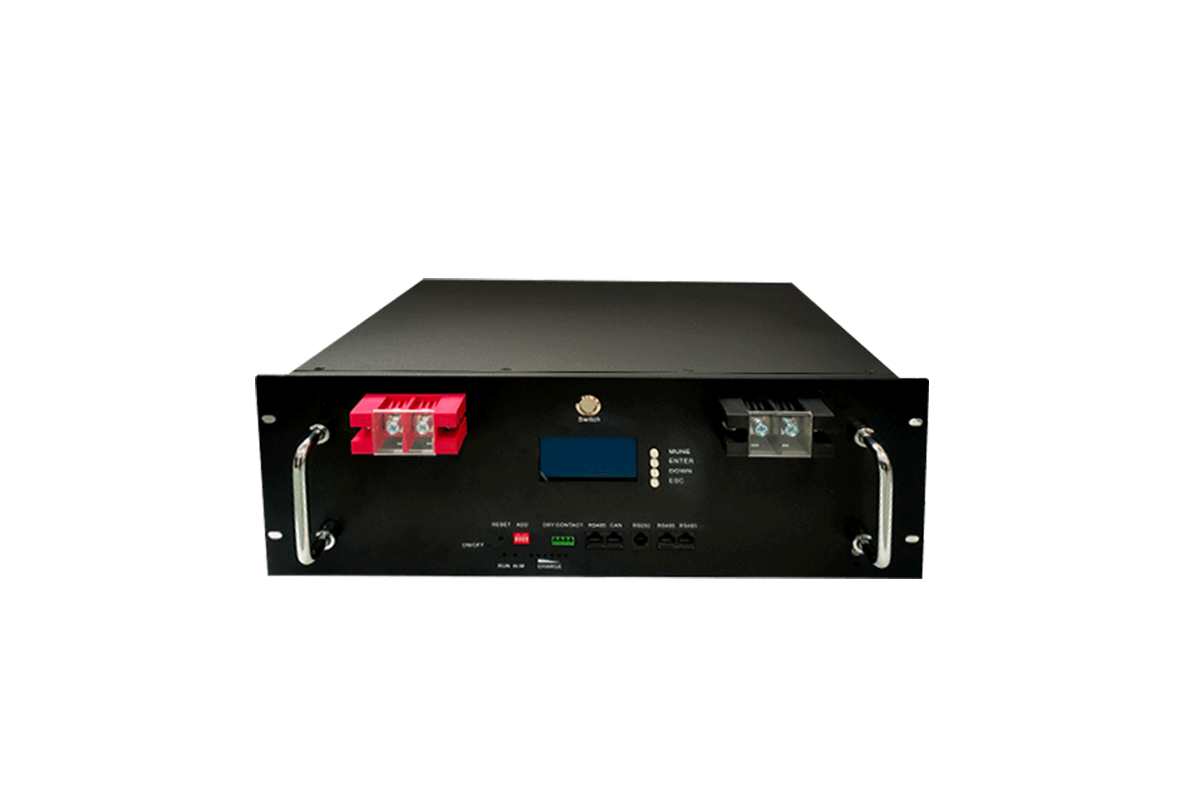
At the core of rechargeable lithium technology is its exceptional energy density—the amount of energy stored per unit of weight or volume. Lithium is the lightest metal on the periodic table, and lithium-ion (the most common type of rechargeable lithium battery) can store 2–3 times more energy per kilogram than lead-acid batteries and 1.5–2 times more than nickel-metal hydride (NiMH) batteries. This high energy density is critical for applications where space and weight are constraints, such as home battery storage (where compact systems fit easily in garages or utility rooms) and EVs (where lighter batteries extend driving range). For example, a typical home lithium-ion battery system (10–15 kWh) weighs 100–200 pounds and is roughly the size of a small refrigerator, whereas a lead-acid battery with the same capacity would be significantly larger and heavier, making it impractical for residential use.
Another key advantage of rechargeable lithium technology is its long cycle life. A "cycle" refers to one full charge and discharge of the battery, and lithium-based batteries can withstand 1,000–5,000 cycles (depending on the type and usage) before their capacity drops to 80% of their original level. This translates to a lifespan of 10–15 years for home battery systems and 8–10 years for EVs—far longer than lead-acid batteries, which typically last 3–5 years and 300–500 cycles. The long cycle life reduces replacement costs and environmental waste, making lithium technology a more sustainable and cost-effective choice over the long term.
Fast charging is another hallmark of rechargeable lithium technology. Unlike lead-acid batteries, which require slow charging to avoid damage (often taking 8–12 hours for a full charge), lithium-ion batteries can be charged quickly without compromising lifespan. Modern lithium-based home battery systems can reach 80% charge in 1–2 hours, and EVs with fast-charging capabilities can add 100–200 miles of range in 30 minutes. This fast charging is essential for practicality: homeowners can quickly recharge their battery during off-peak hours, even if they forget to plug it in overnight, and EV drivers can minimize downtime during long trips.
Rechargeable lithium technology also offers excellent efficiency. Lithium-ion batteries have a charge-discharge efficiency of 85–95%, meaning only 5–15% of the energy is lost during storage and use. In contrast, lead-acid batteries have an efficiency of 70–80%, resulting in more wasted energy. This high efficiency is particularly important for home battery storage, where maximizing the use of stored energy directly impacts cost savings and backup power duration. For example, a lithium-ion battery that stores 10 kWh of energy can deliver 8.5–9.5 kWh of usable power, while a lead-acid battery with the same storage would only provide 7–8 kWh.
In recent years, advancements in rechargeable lithium technology have focused on improving safety and reducing costs. Early lithium-ion batteries faced concerns about overheating and fire risks, but modern designs include built-in safety features like thermal management systems, voltage regulators, and flame-retardant materials to mitigate these issues. Additionally, economies of scale—driven by the growth of the EV and consumer electronics markets—have led to a significant drop in lithium battery costs. Since 2010, the cost of lithium-ion batteries has fallen by over 80%, making home battery storage and EVs more accessible to consumers worldwide.
Looking ahead, rechargeable lithium technology continues to evolve. Researchers are exploring new chemistries, such as lithium-iron-phosphate (LFP) and lithium-sulfur (Li-S), which offer even higher energy density, longer lifespans, and lower costs. LFP batteries, for example, are already gaining popularity in home storage due to their enhanced safety and stability, while Li-S batteries have the potential to double the energy density of current lithium-ion batteries—opening up new possibilities for EVs and grid-scale storage. As these innovations progress, rechargeable lithium technology will remain at the forefront of the global shift toward a more sustainable, electrified future.




 59911926@qq.com/sales@goldenfuturehk.com
 13316809242 / 15816897019
 Inquiry
 Home >