






Time:2026-04-08 Views:380
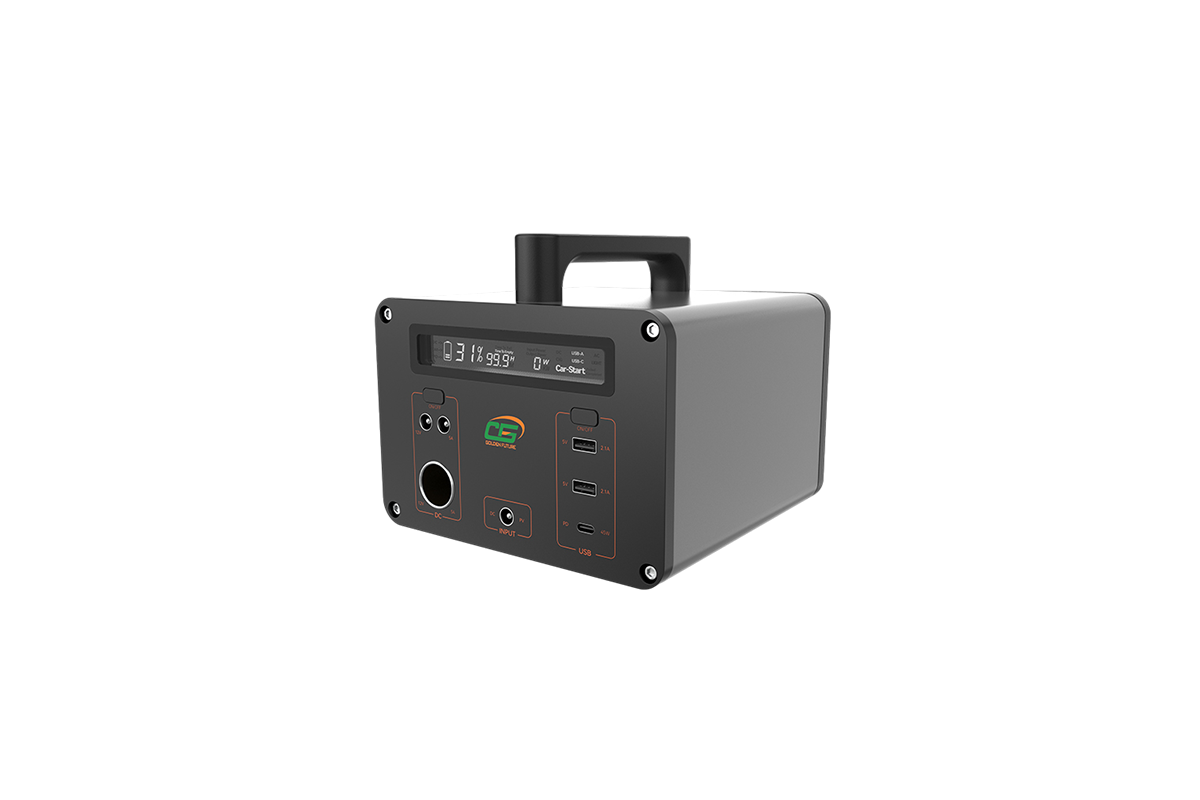
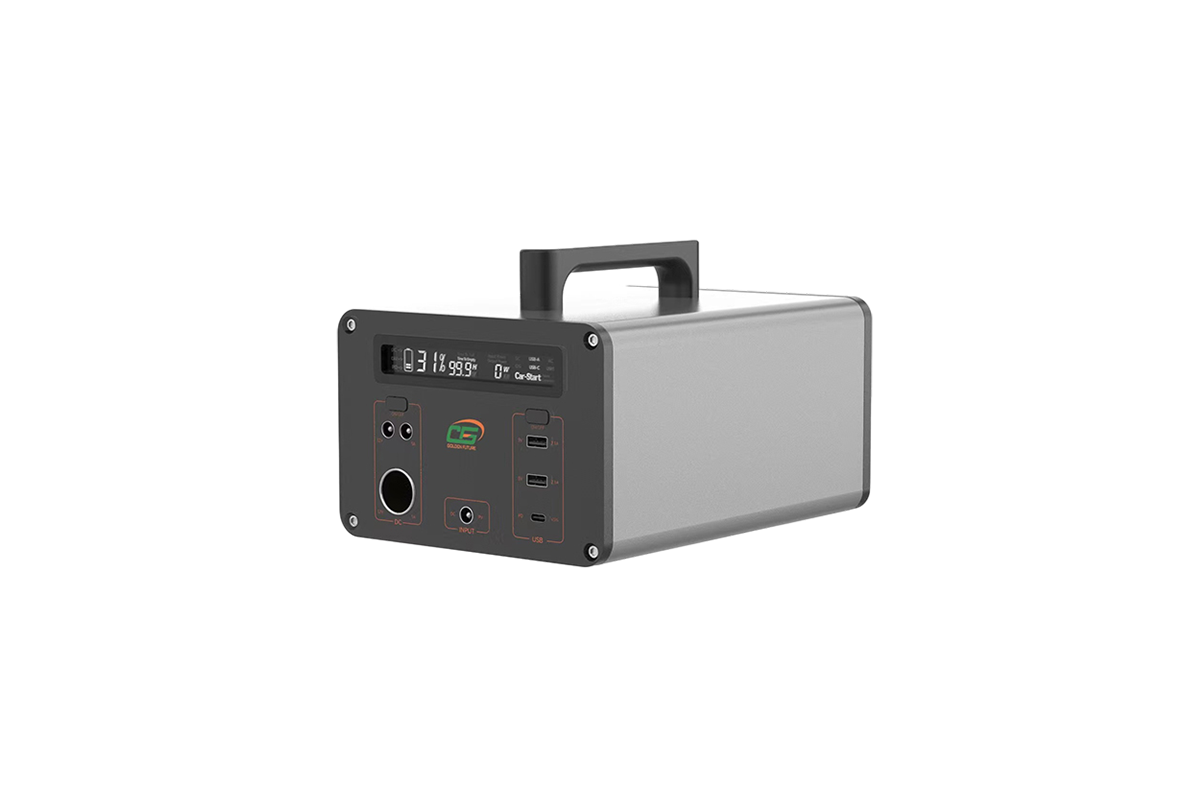
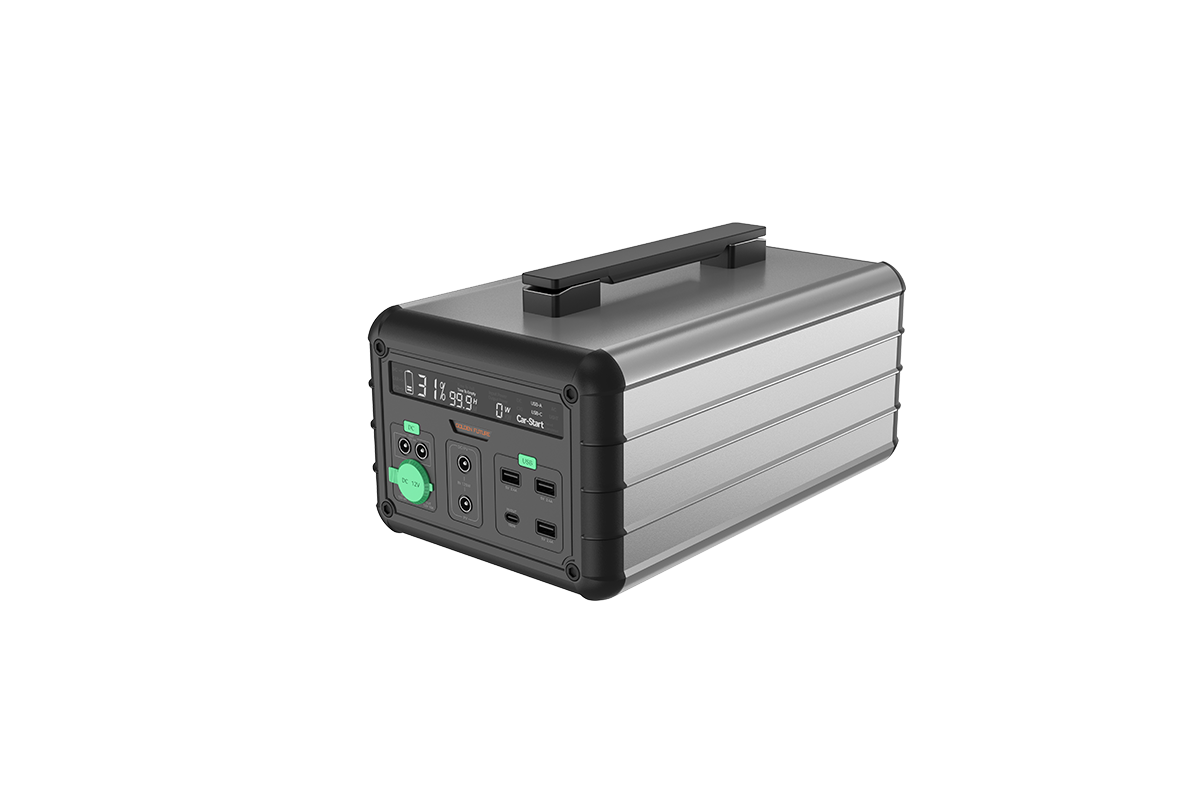
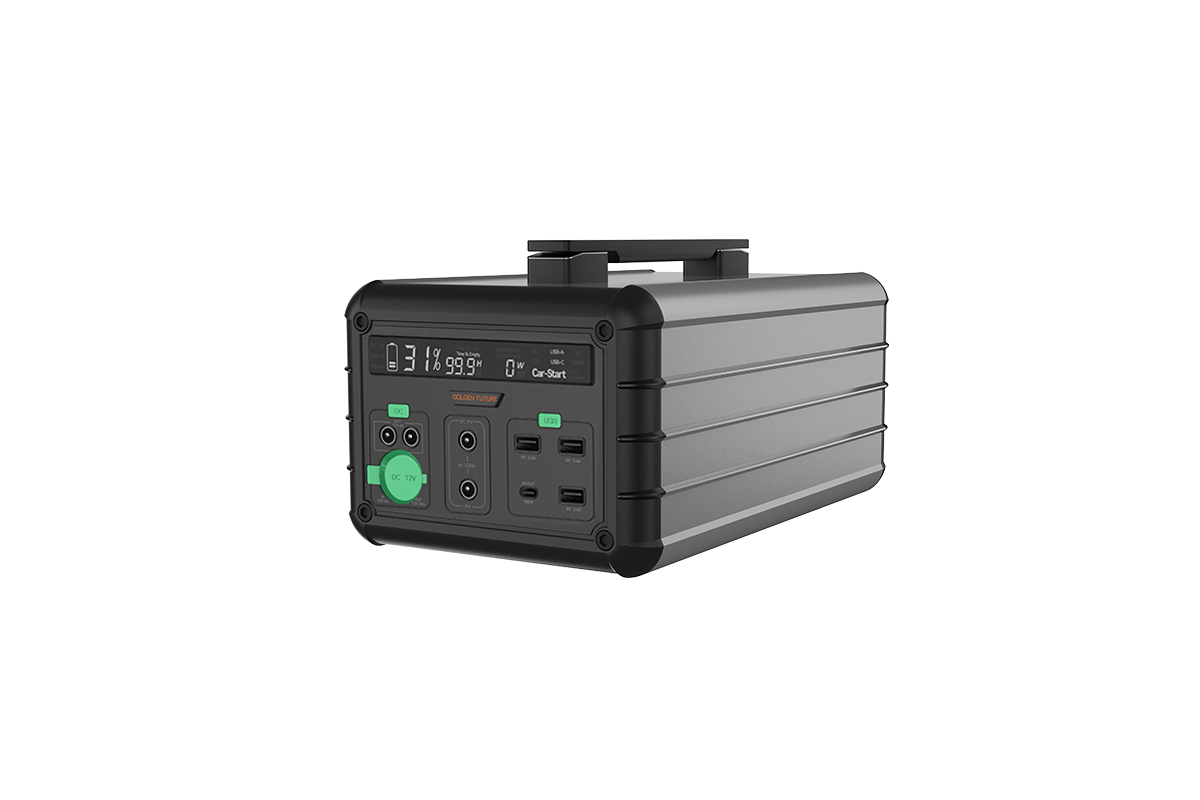
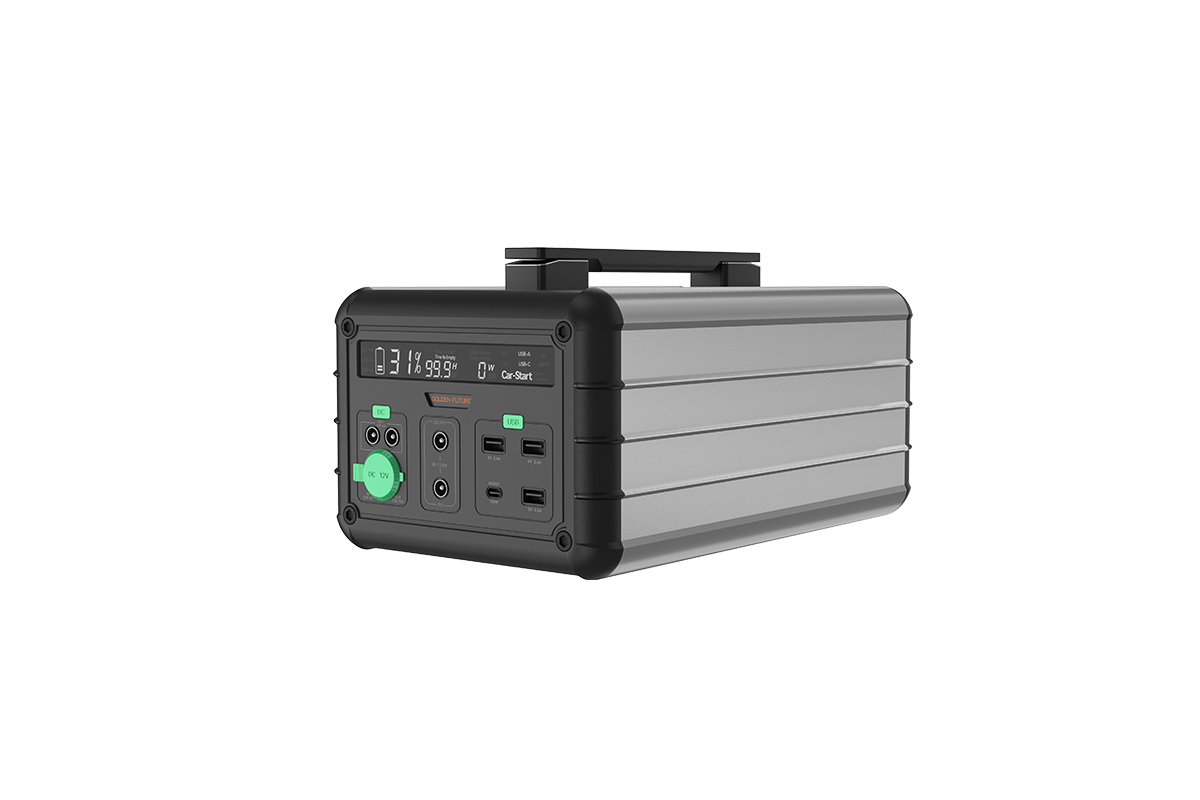
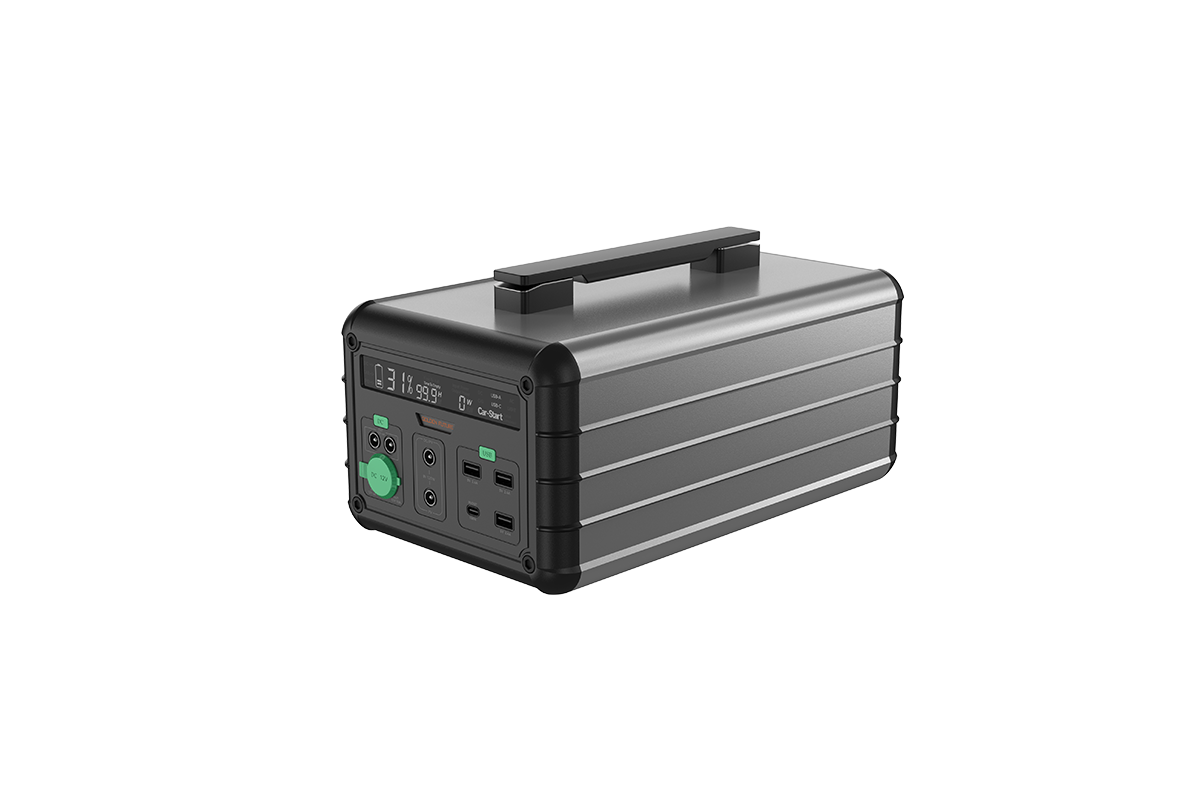
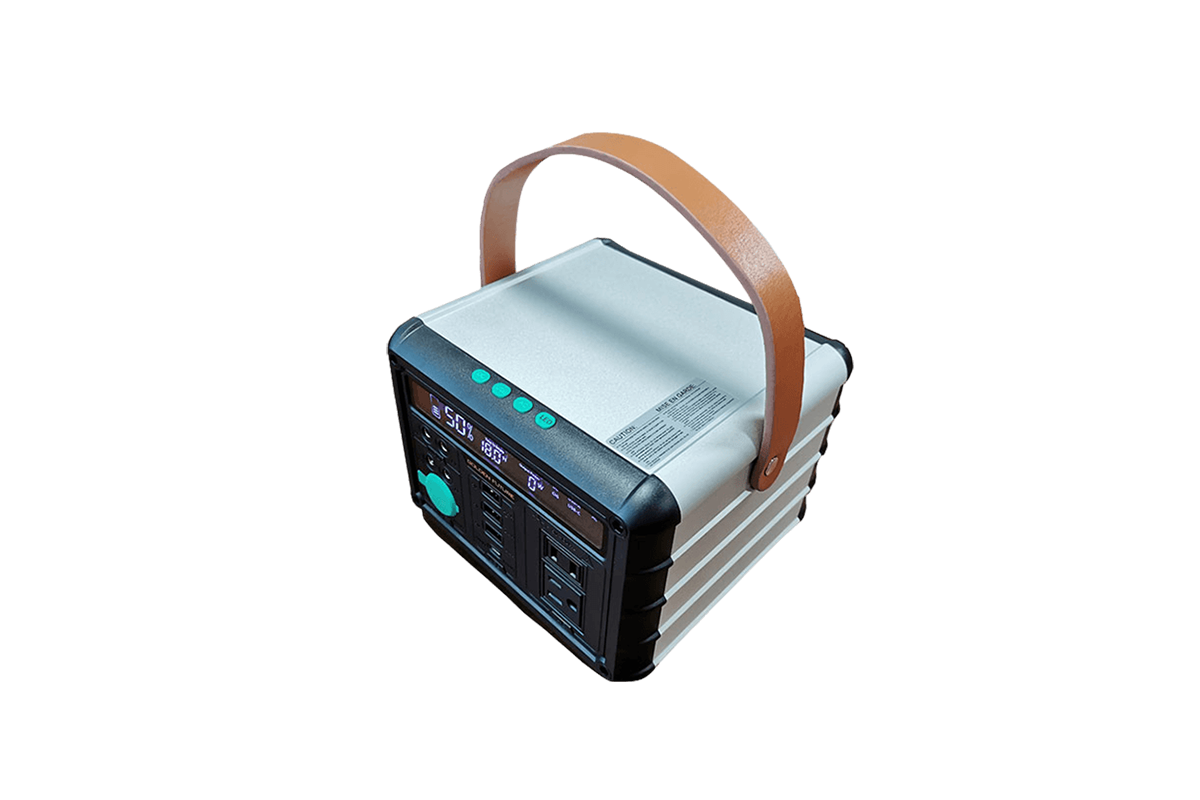
Using a portable power station safely and correctly is crucial to ensure its longevity, performance, and the safety of both the user and the connected devices. First and foremost, it is essential to read and follow the manufacturer’s instructions carefully before use. Different models may have specific requirements regarding charging methods, output capacity, and operating conditions, and failing to adhere to these guidelines can lead to battery damage, overheating, or even safety hazards. For example, some portable power stations are not compatible with certain high-power devices, and connecting an appliance that exceeds the station’s maximum output can cause the device to shut down, overheat, or suffer internal damage.
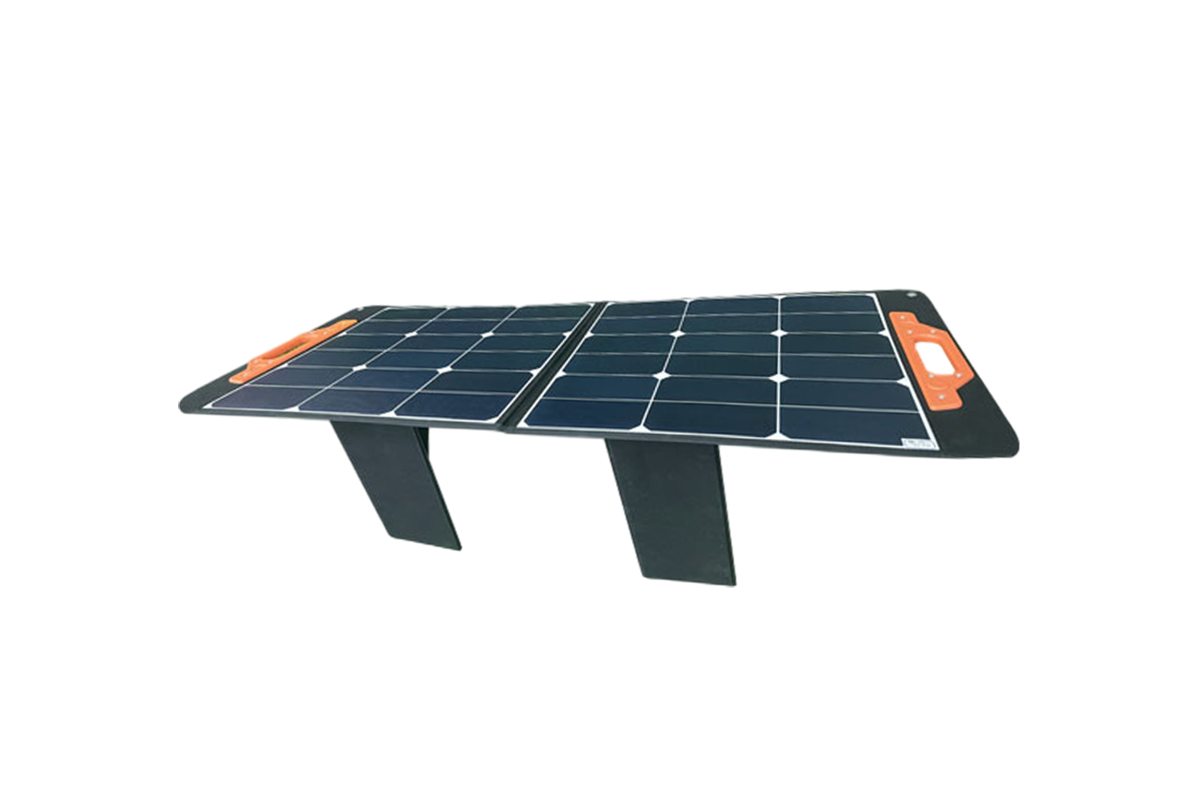
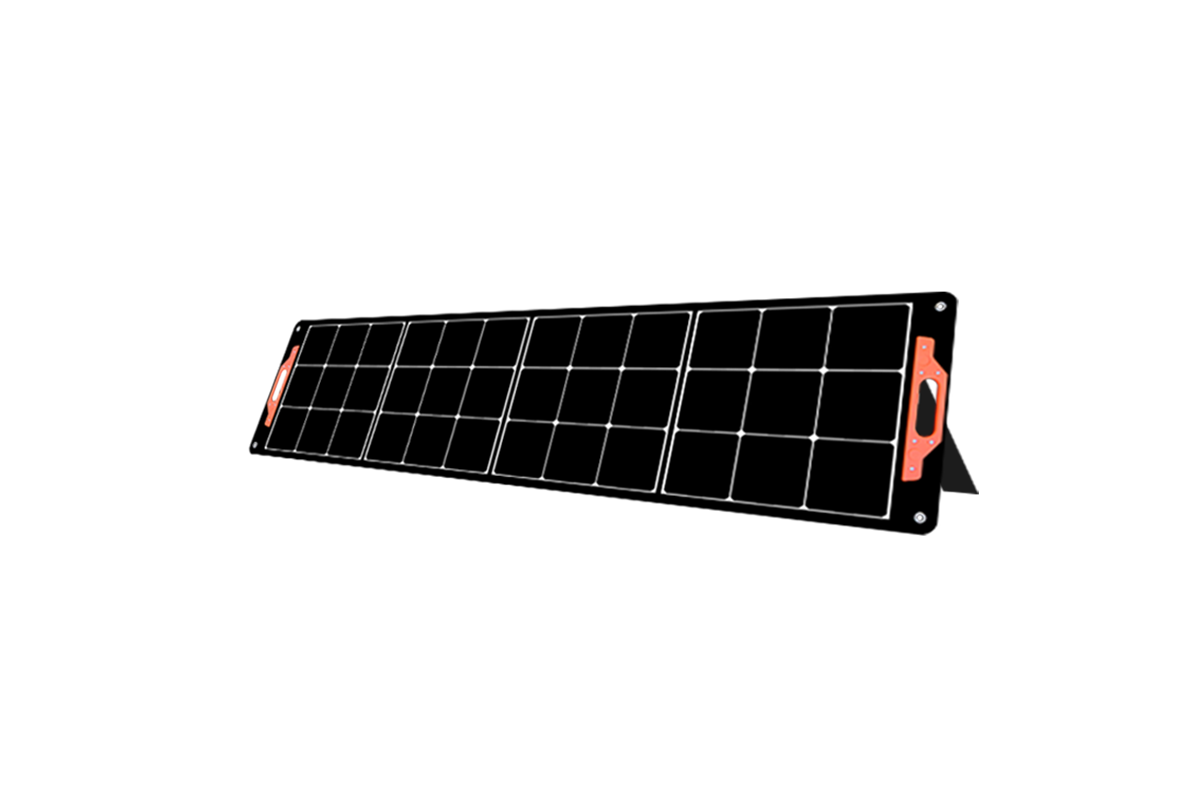
Proper charging practices are another important precaution. Portable power stations are typically charged via AC outlets, solar panels, or car chargers, and each method has its own set of guidelines. When charging via an AC outlet, use the original charger provided by the manufacturer to avoid voltage mismatches, which can damage the battery. When using solar panels, ensure that the panels are compatible with the power station (check the voltage and current requirements) and place them in direct sunlight to maximize charging efficiency. Avoid charging the power station in extreme temperatures—either too hot (above 40°C) or too cold (below 0°C)—as this can reduce battery life and performance. Additionally, do not overcharge the device; most modern portable power stations have built-in overcharge protection, but it is still advisable to unplug the charger once the battery is fully charged to prevent unnecessary strain on the battery.
It is also important to handle and store the portable power station properly. Avoid dropping, hitting, or exposing the device to physical damage, as this can damage the internal battery and circuitry. Keep the power station in a dry, well-ventilated area, away from direct sunlight, heat sources (such as stoves or heaters), and flammable materials. Do not submerge the device in water or expose it to high humidity, as this can cause short-circuiting and safety risks. When not in use for an extended period, store the power station with a battery level of 40% to 60% to maintain battery health, and recharge it every 3 to 6 months to prevent battery degradation. Finally, always disconnect the power station from the power source and turn it off when not in use to save energy and reduce the risk of accidental short-circuits.




 59911926@qq.com/sales@goldenfuturehk.com
 13316809242 / 15816897019
 Inquiry
 Home >