





Time:2026-04-15 Views:465
The power difference between portable power stations and home energy storage systems is one of the most significant distinctions between the two, directly determining their ability to power different types of devices and meet varying energy demands. Power output, measured in watts (W), and energy capacity, measured in watt-hours (Wh) or kilowatt-hours (kWh), are the key metrics that define this difference, with home energy storage systems operating on a much larger scale than portable power stations. This difference in power and capacity is a direct result of their distinct design purposes—one for whole-home support and long-term use, and the other for temporary, small-scale power needs.
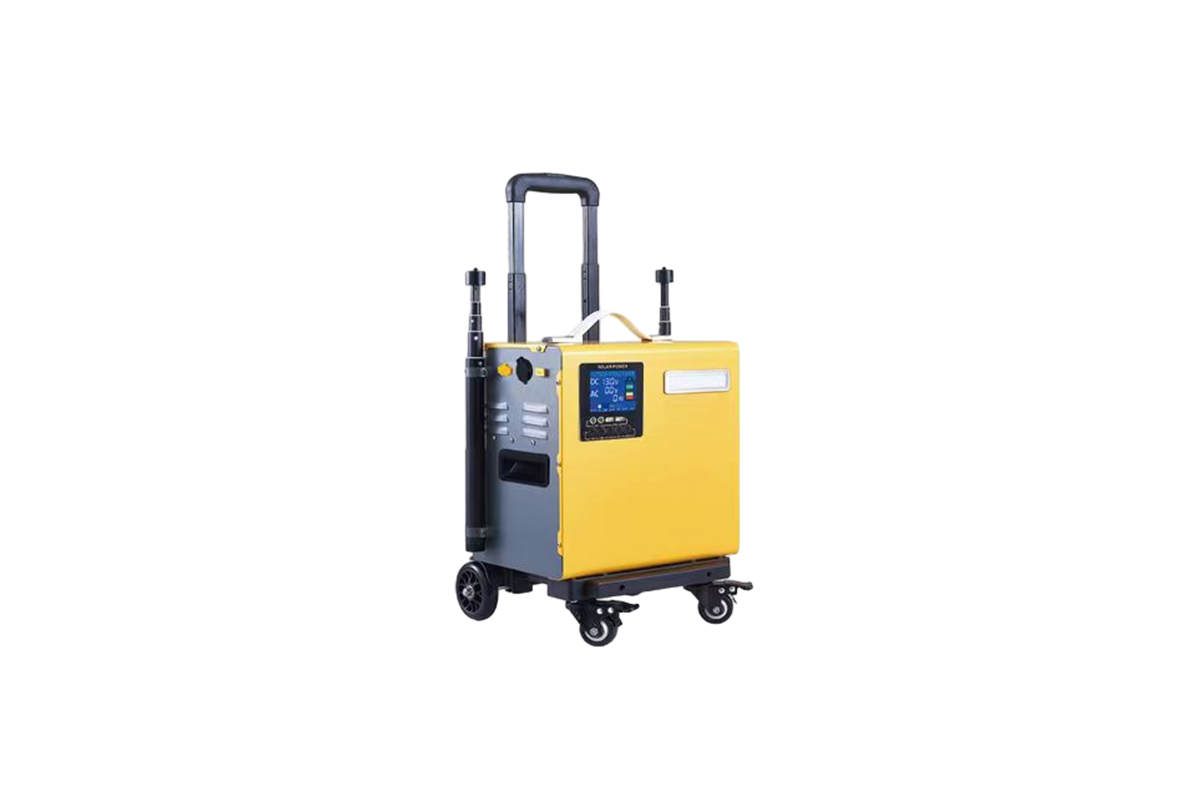
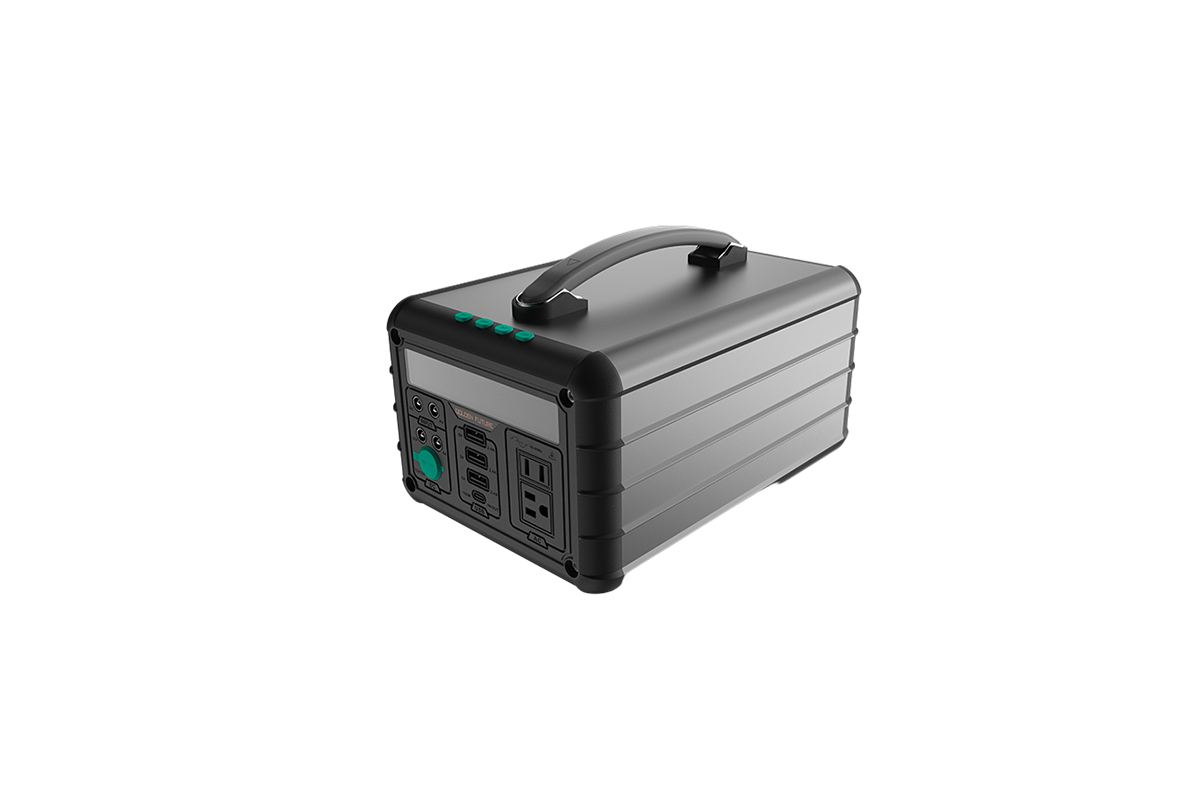
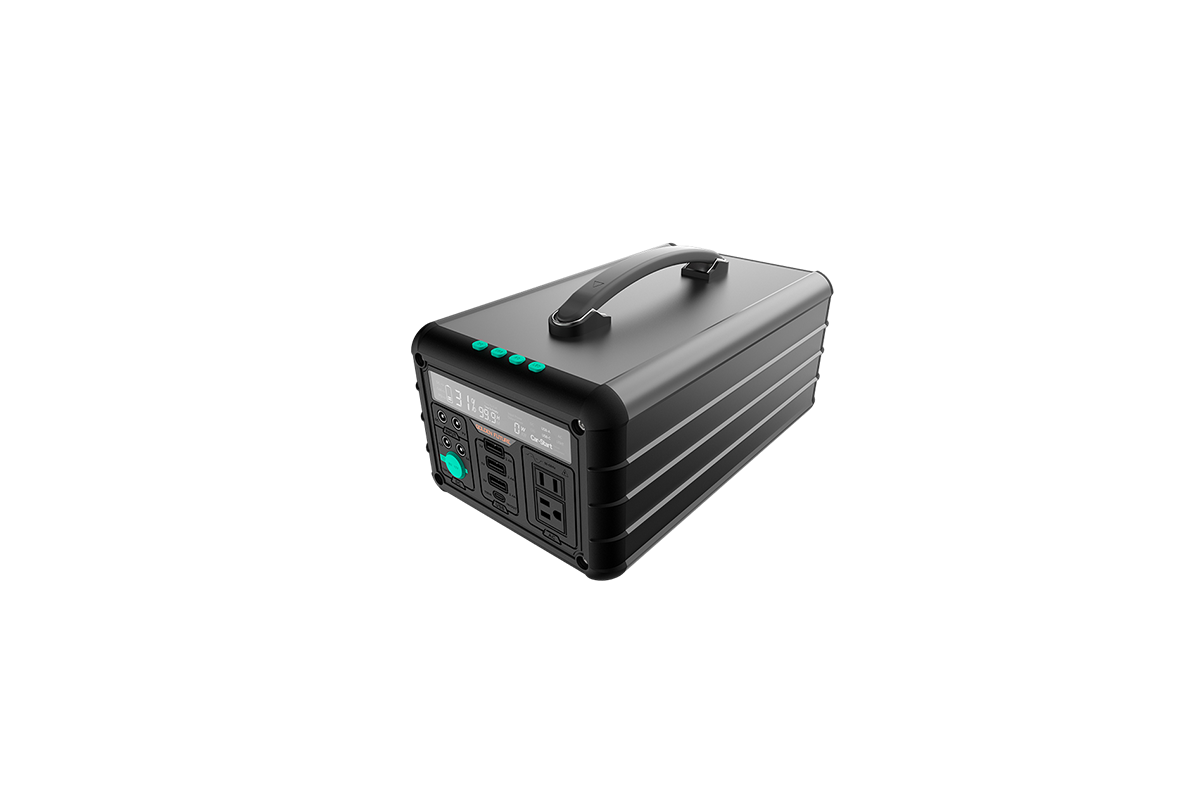
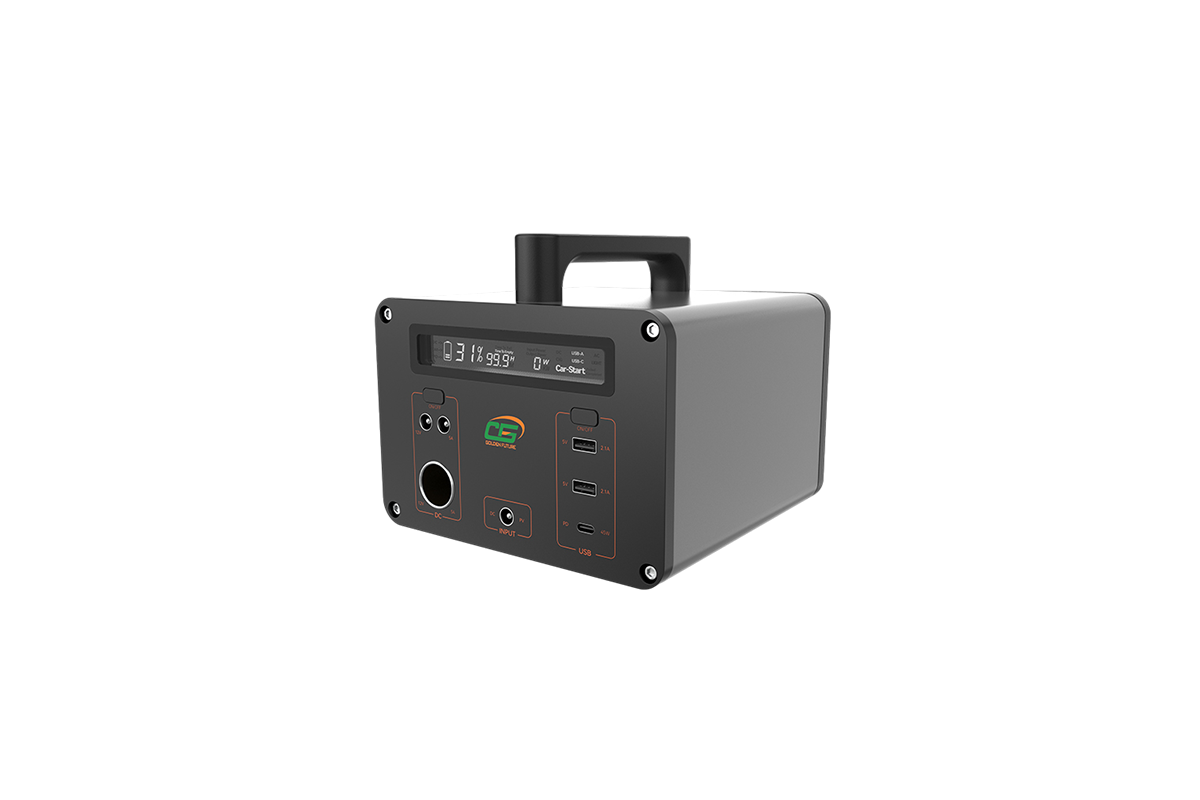
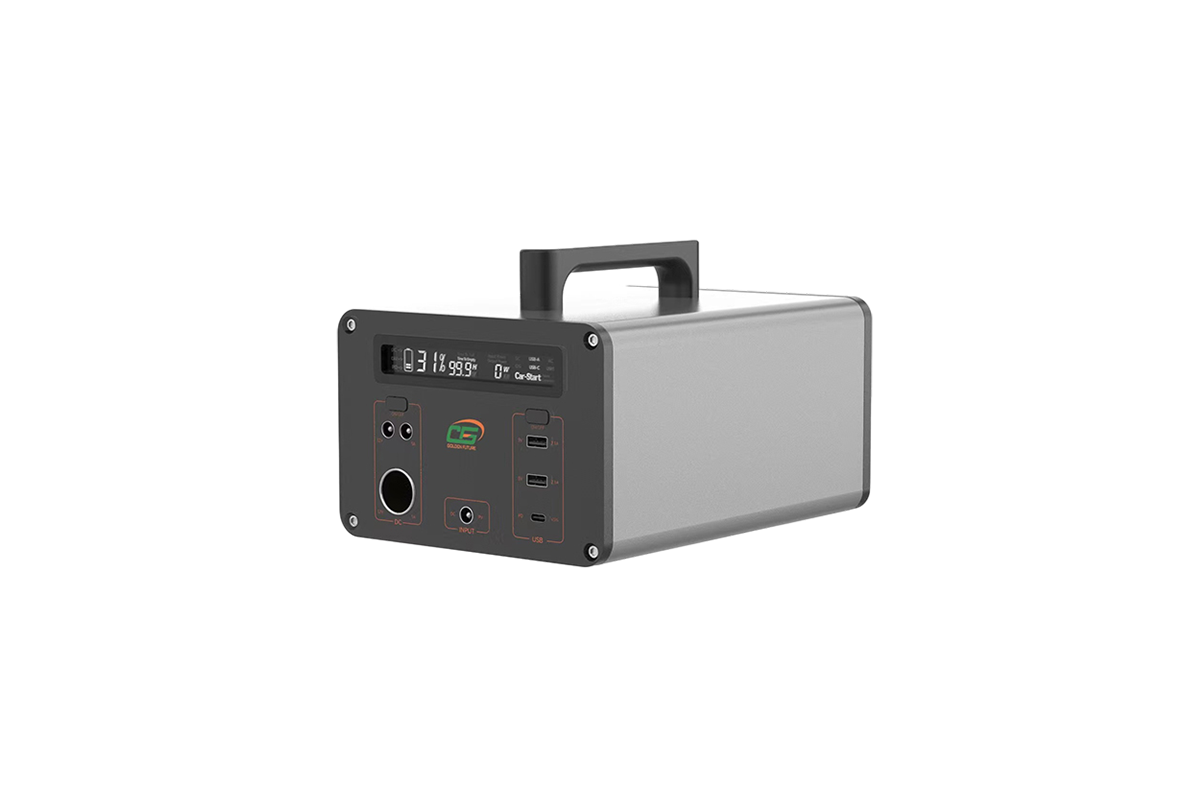
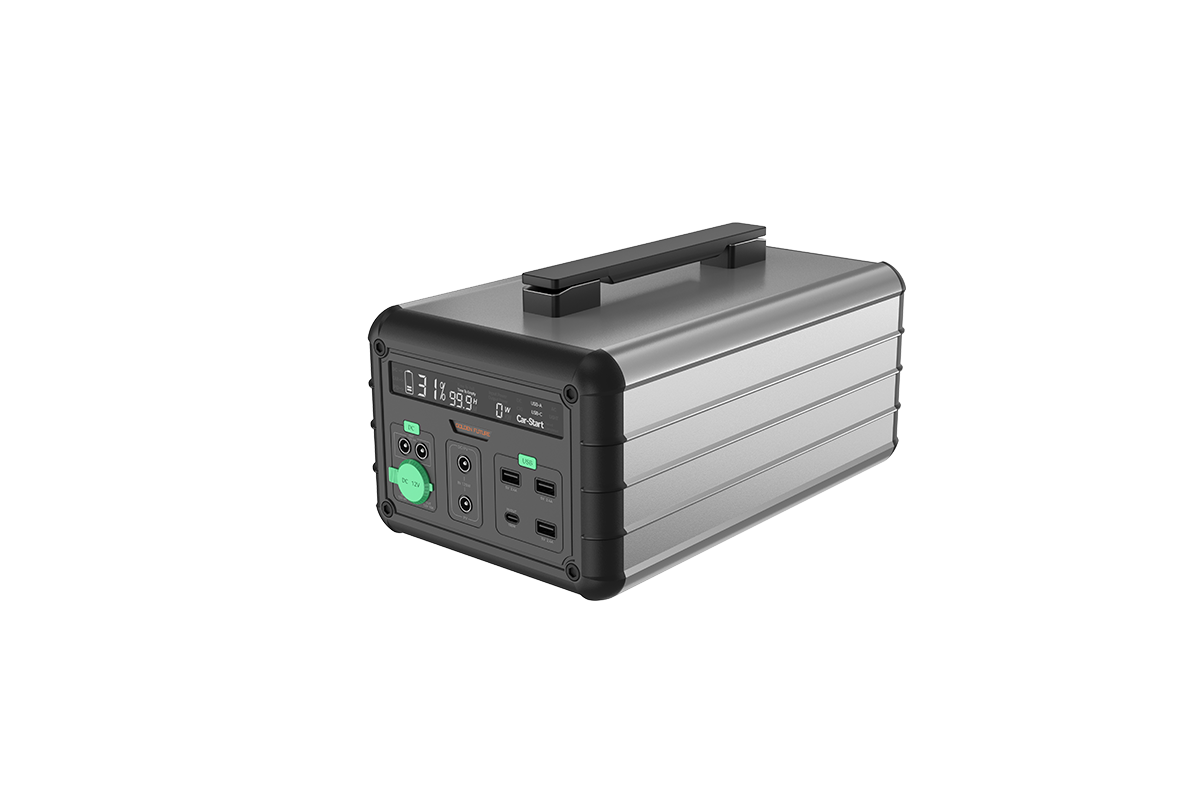
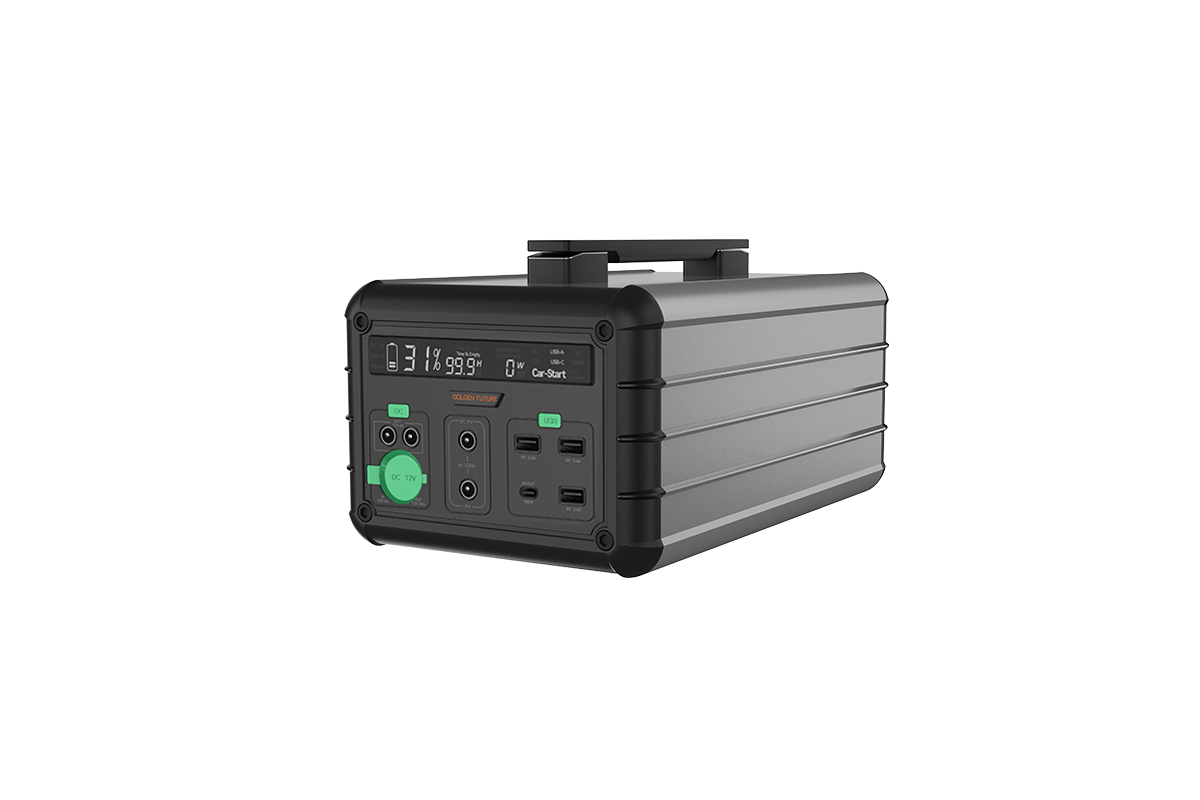
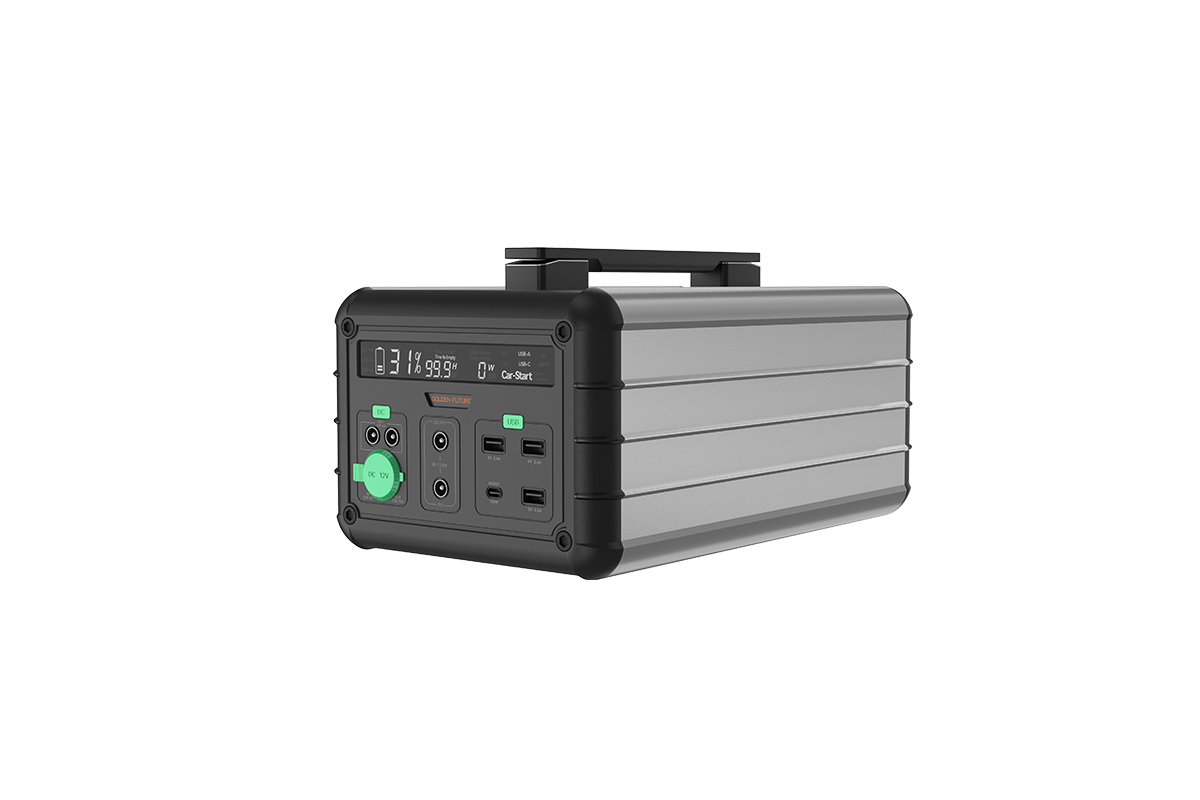
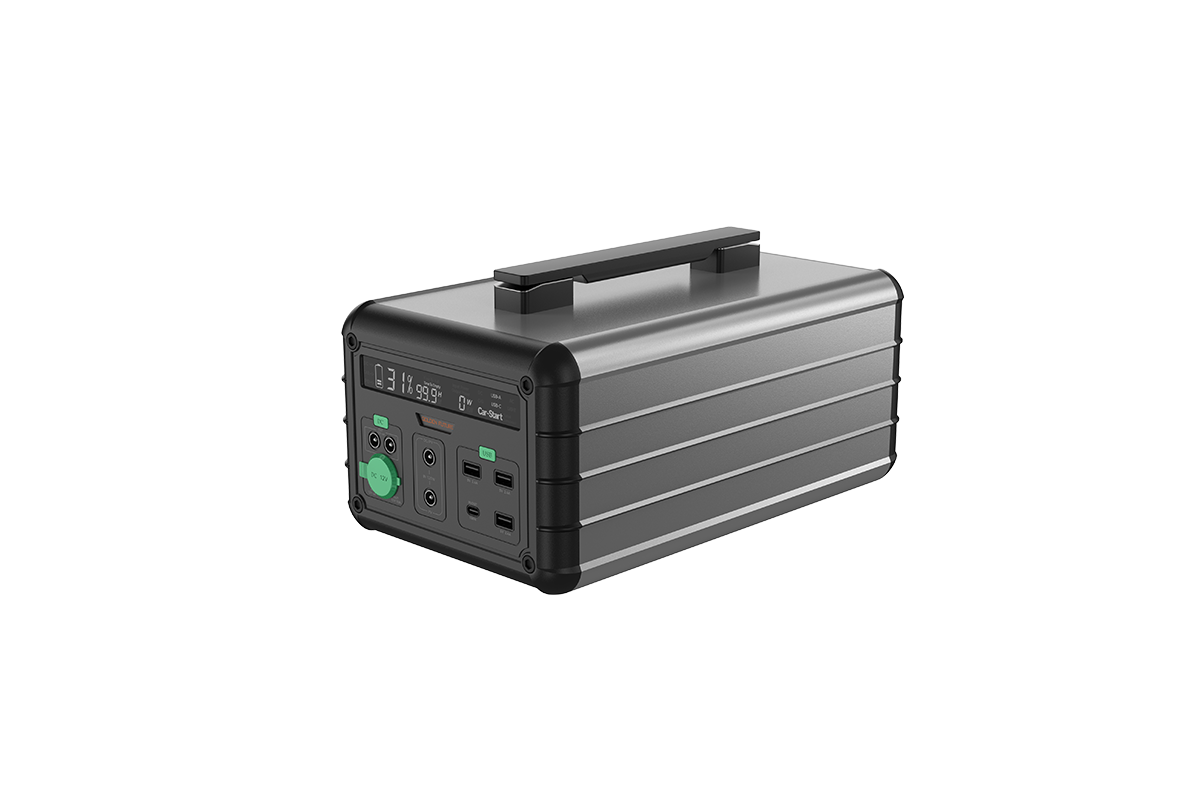
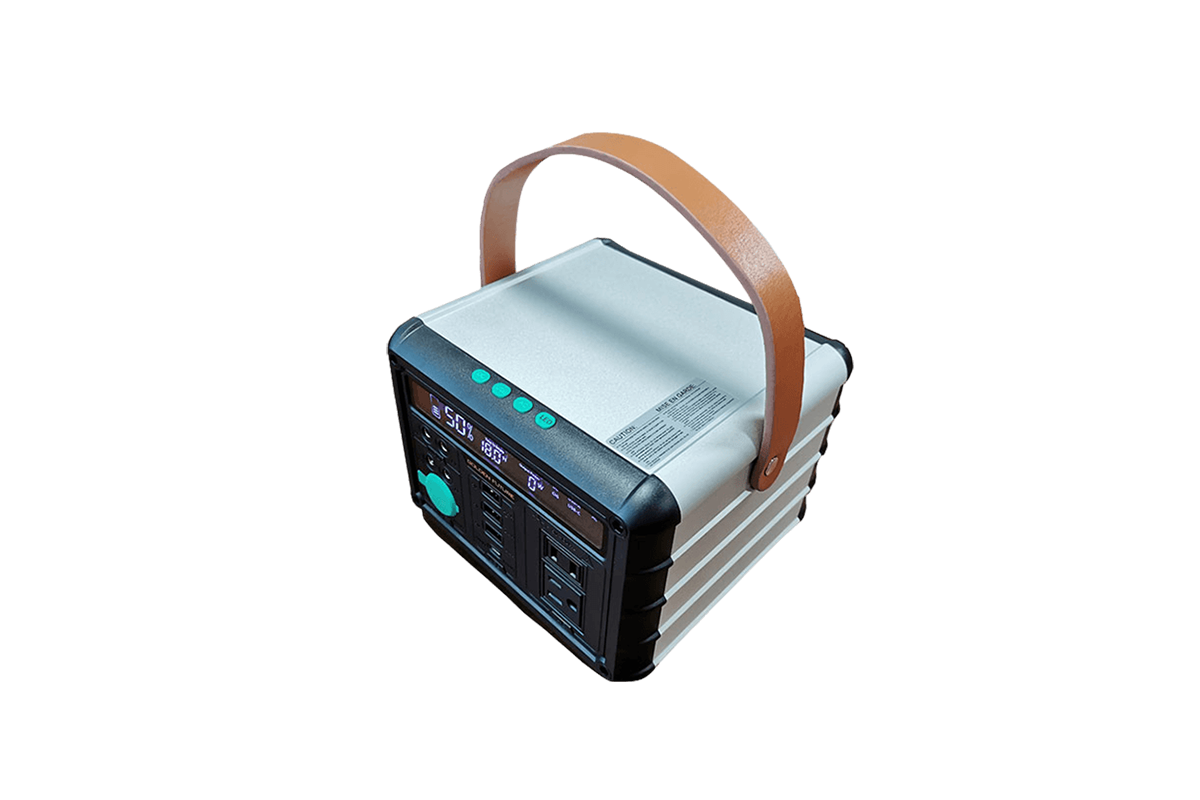
Portable power stations are designed for low to moderate power output, with most models ranging from 100W to 2000W. The average portable power station has a continuous power output of 500W to 1500W, which is sufficient to power small to medium-sized devices such as laptops, smartphones, LED lights, small refrigerators, and power tools. Their energy capacity is relatively low, usually between 100Wh and 3000Wh (3kWh), meaning they can only power these devices for a limited period—for example, a 1000Wh portable power station can power a laptop for approximately 10-15 hours or a small refrigerator for 4-6 hours. Some high-end portable models may have a peak power output of up to 3000W, allowing them to power larger devices temporarily, but they still lack the capacity to support whole-home energy needs for an extended period.
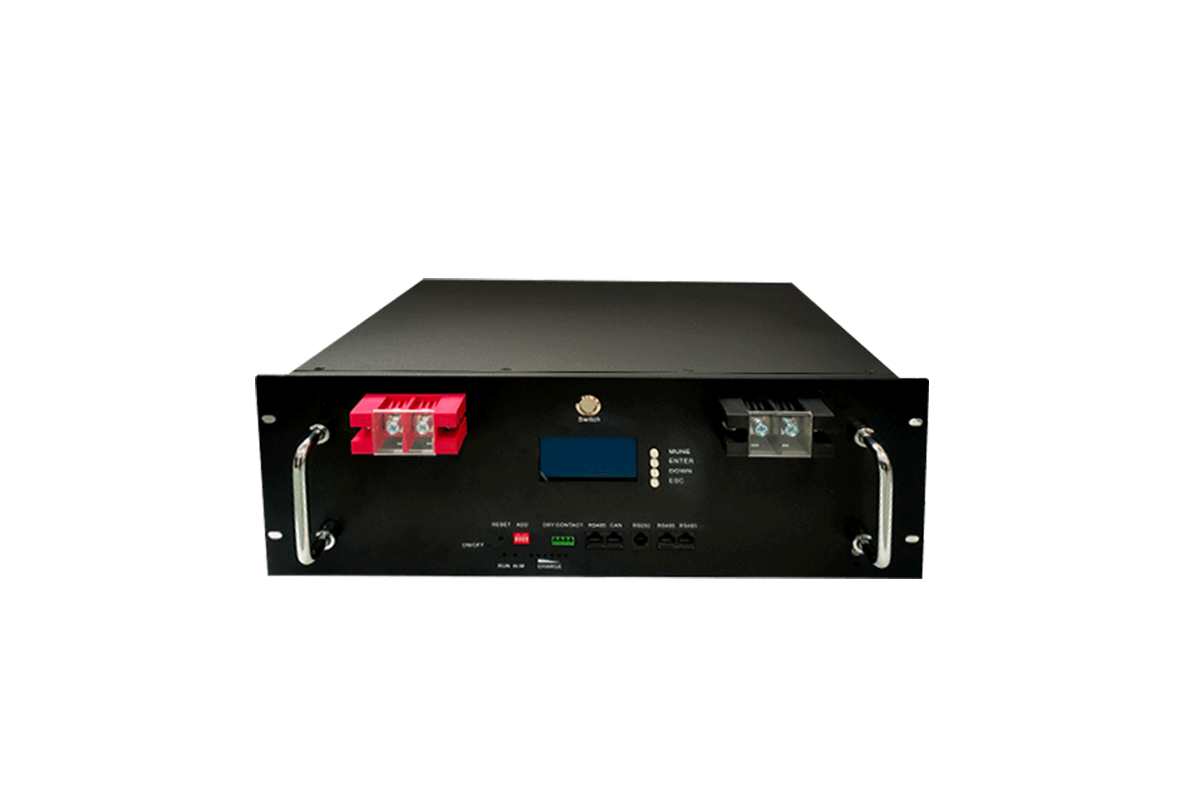
Home energy storage systems, on the other hand, are designed for high power output and large energy capacity to support the entire household. Their continuous power output typically ranges from 5kW to 20kW, with some larger systems capable of reaching 30kW or more, allowing them to power all essential household appliances simultaneously, including air conditioners, electric stoves, washing machines, and medical equipment. Their energy capacity is measured in kilowatt-hours (kWh), with most residential systems ranging from 10kWh to 50kWh, and some custom systems exceeding 100kWh. This large capacity enables home energy storage systems to provide backup power for days or even weeks during extended grid outages, depending on the household’s energy consumption. Additionally, home energy storage systems can be expanded by adding more battery modules, further increasing their power output and capacity, while portable power stations have fixed capacity and power output that cannot be easily expanded.




 59911926@qq.com/sales@goldenfuturehk.com
 13316809242 / 15816897019
 Inquiry
 Home >