






Time:2026-04-17 Views:129
Portable power stations are classified into different categories based on their rated output power, which is measured in watts (W), and this classification directly determines their application scenarios, load capacity, and practical utility. The power classification is typically divided into three main levels—low-power, medium-power, and high-power—each tailored to specific user needs, from daily small-device charging to powering large household appliances or professional equipment. Understanding this classification is essential for users to select a portable power station that matches their actual requirements, avoiding insufficient power or unnecessary waste of resources.
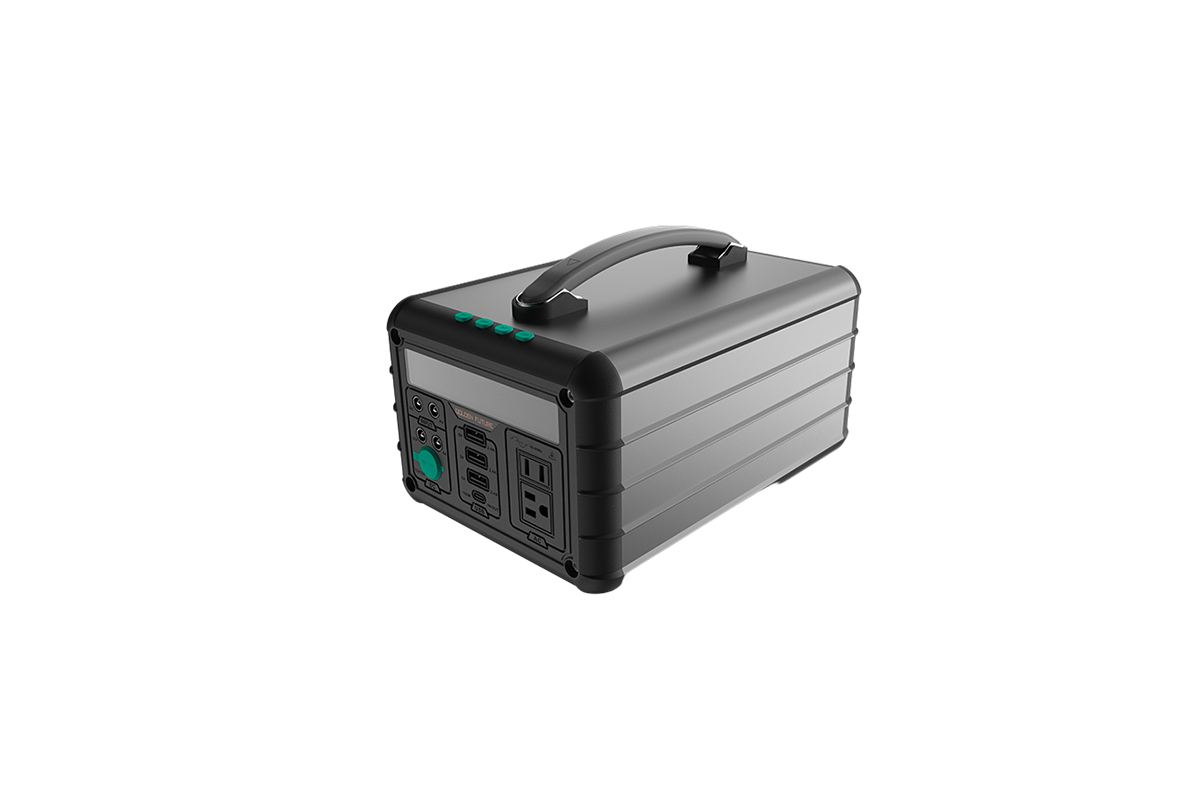
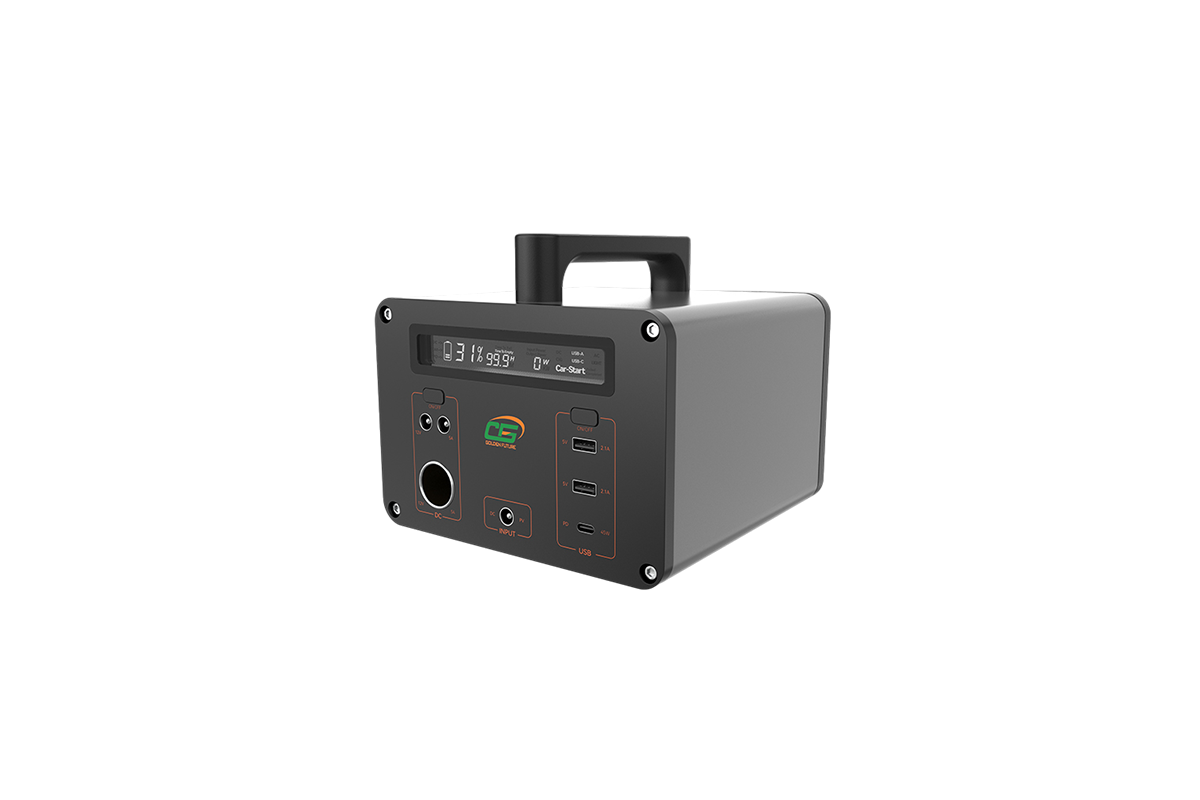
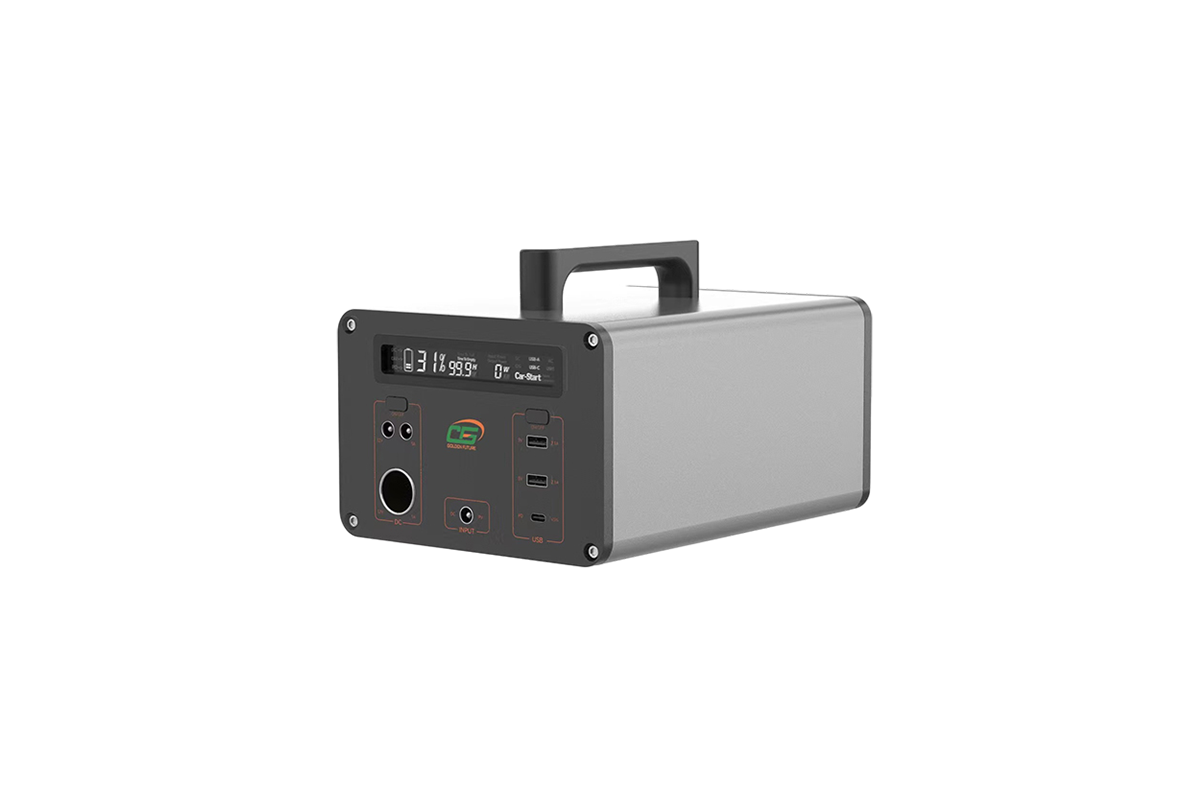
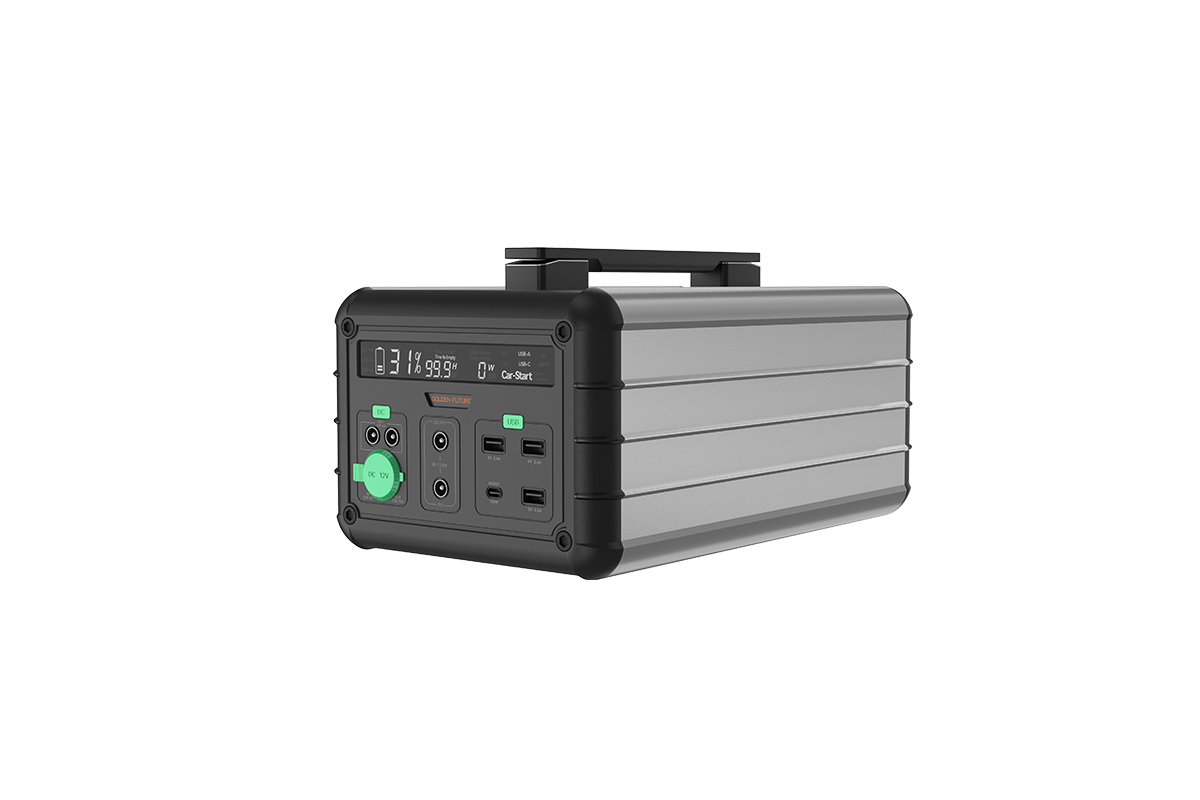
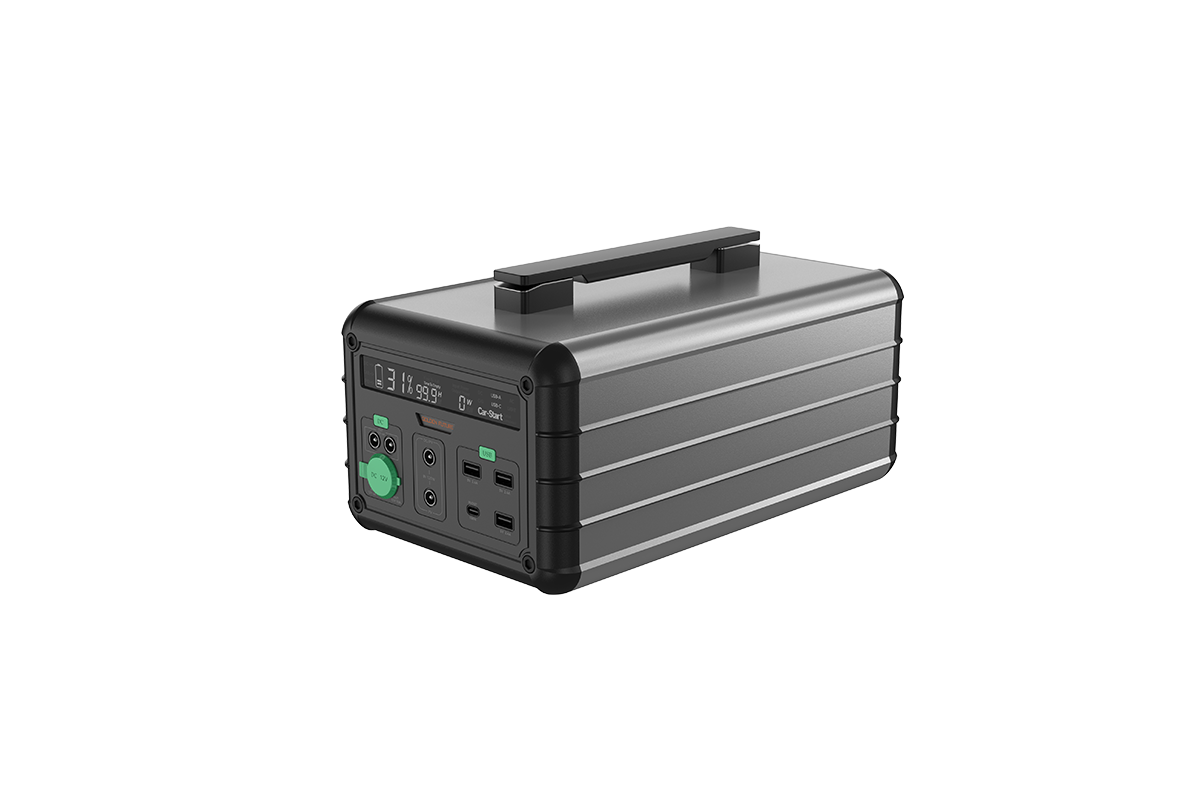
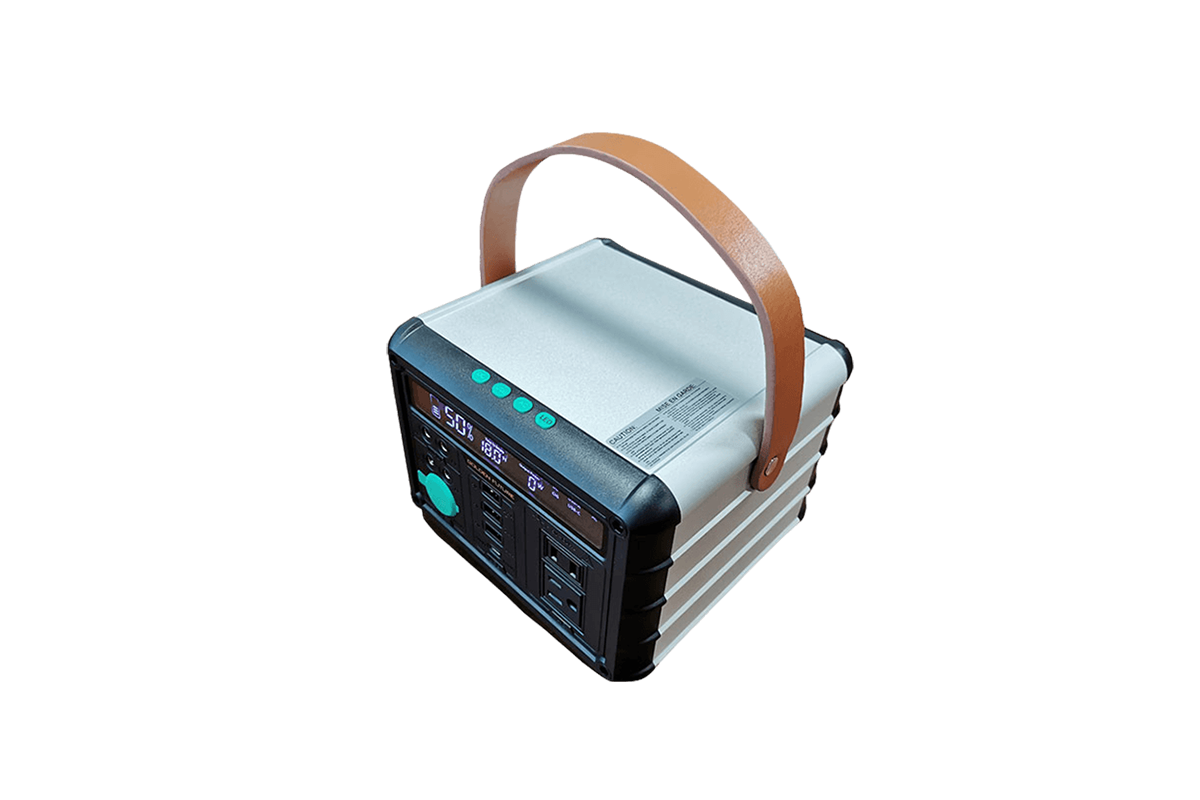
Low-power portable power stations, usually with a rated output of 100W to 300W, are the most compact and lightweight category, designed primarily for charging small electronic devices. This category is ideal for daily use, outdoor activities such as camping or hiking, and emergency backup for small devices. They can easily power smartphones, tablets, cameras, LED lights, portable speakers, and other low-power devices (typically consuming 10W to 50W). Their small size and light weight make them highly portable, fitting easily into backpacks or handbags, and they are often equipped with multiple USB ports, DC ports, and sometimes small AC outlets to meet diverse charging needs. These stations are also cost-effective, making them a popular choice for casual users who do not require high-power output.
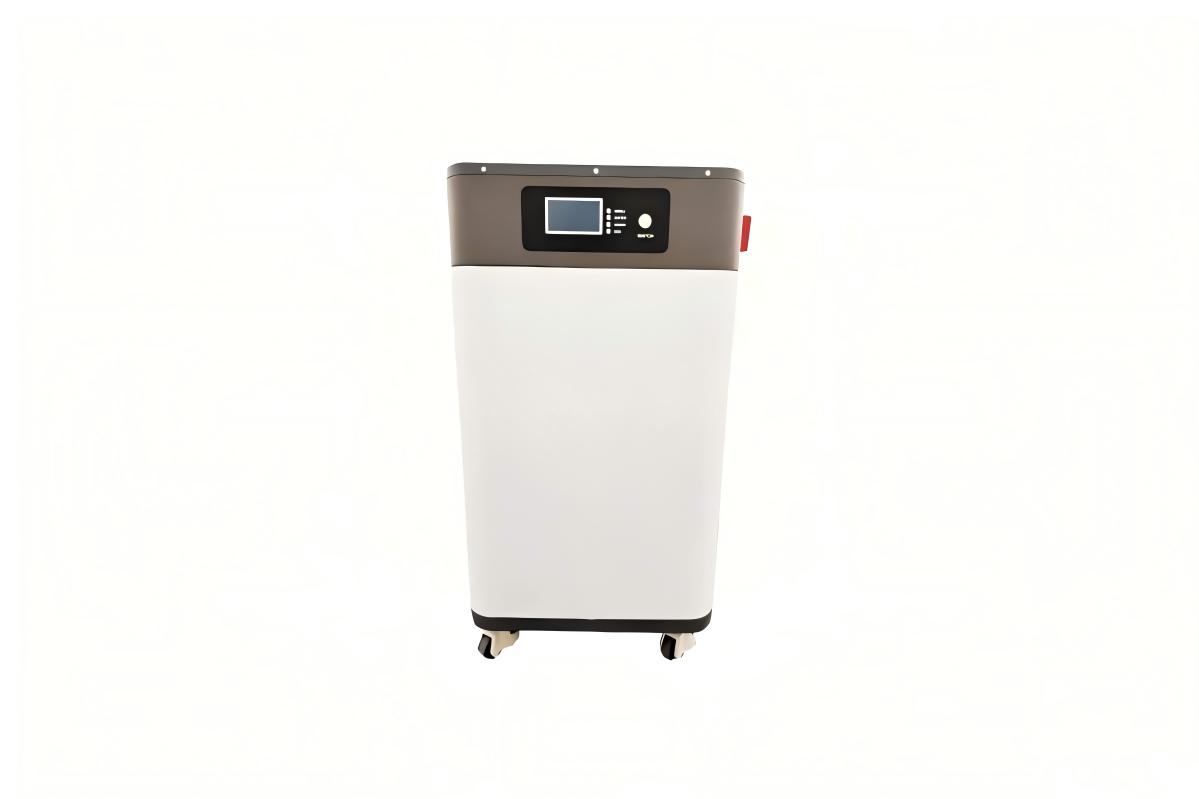
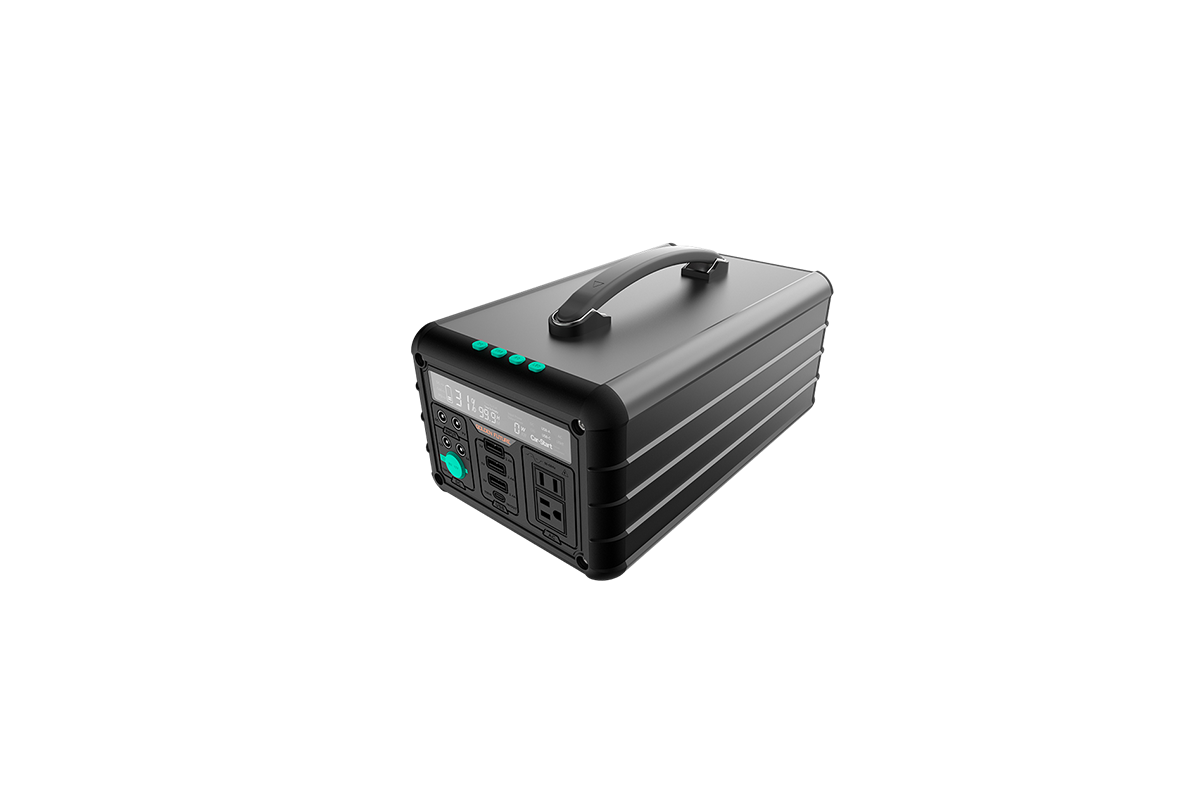
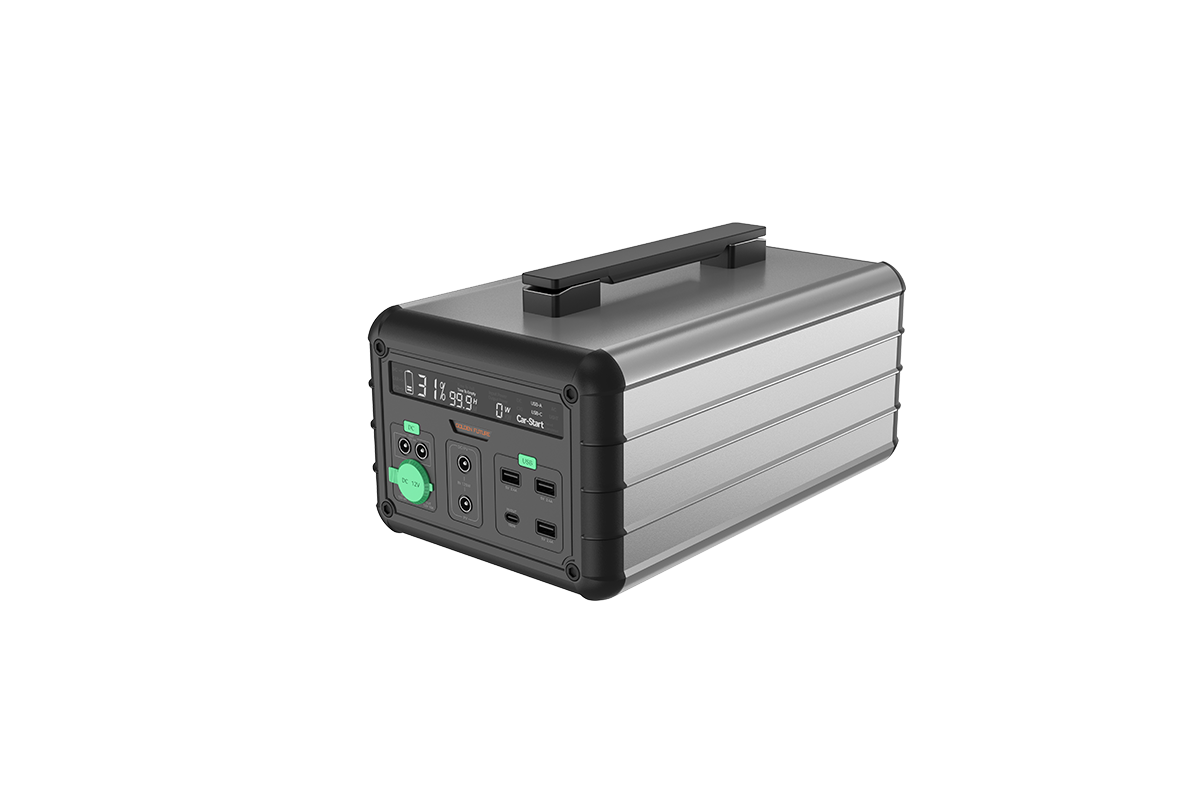
Medium-power portable power stations, with a rated output of 300W to 1000W, strike a balance between portability and power capacity, catering to more diverse scenarios. They can not only charge small electronic devices but also power medium-power appliances such as laptops, mini-fridges, CPAP machines, electric blankets, and small power tools. This category is suitable for extended outdoor trips, remote work, and home emergency backup when the grid is down. Unlike low-power models, medium-power stations often have larger battery capacities (measured in watt-hours, Wh), allowing them to power devices for a longer duration, and they may include pure sine wave AC outlets to ensure stable power supply for sensitive equipment like laptops or medical devices.
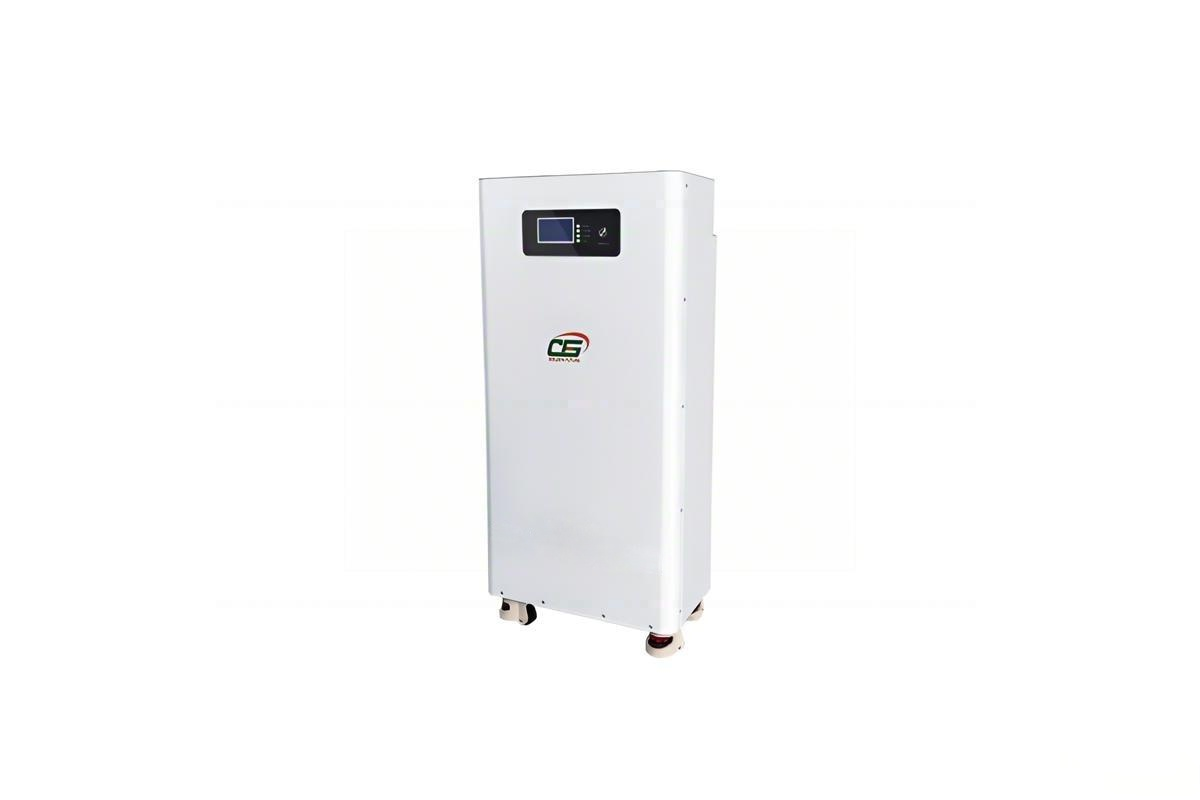
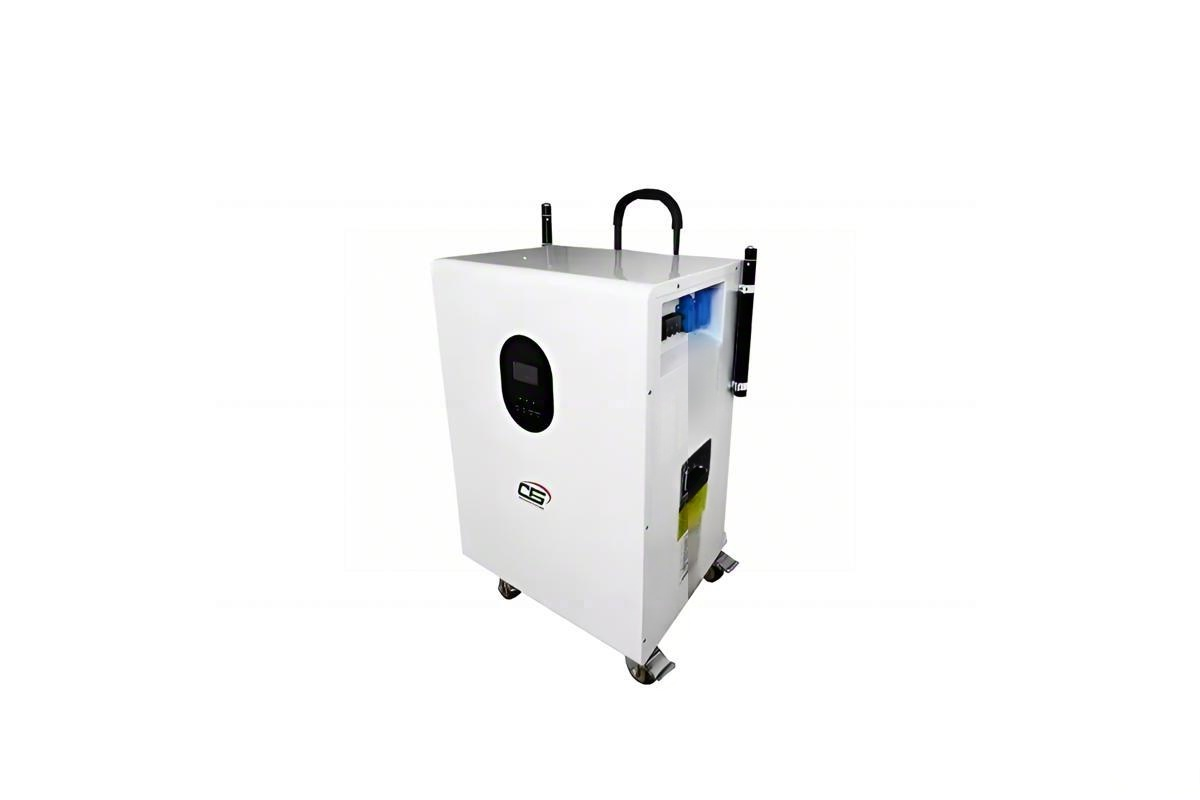
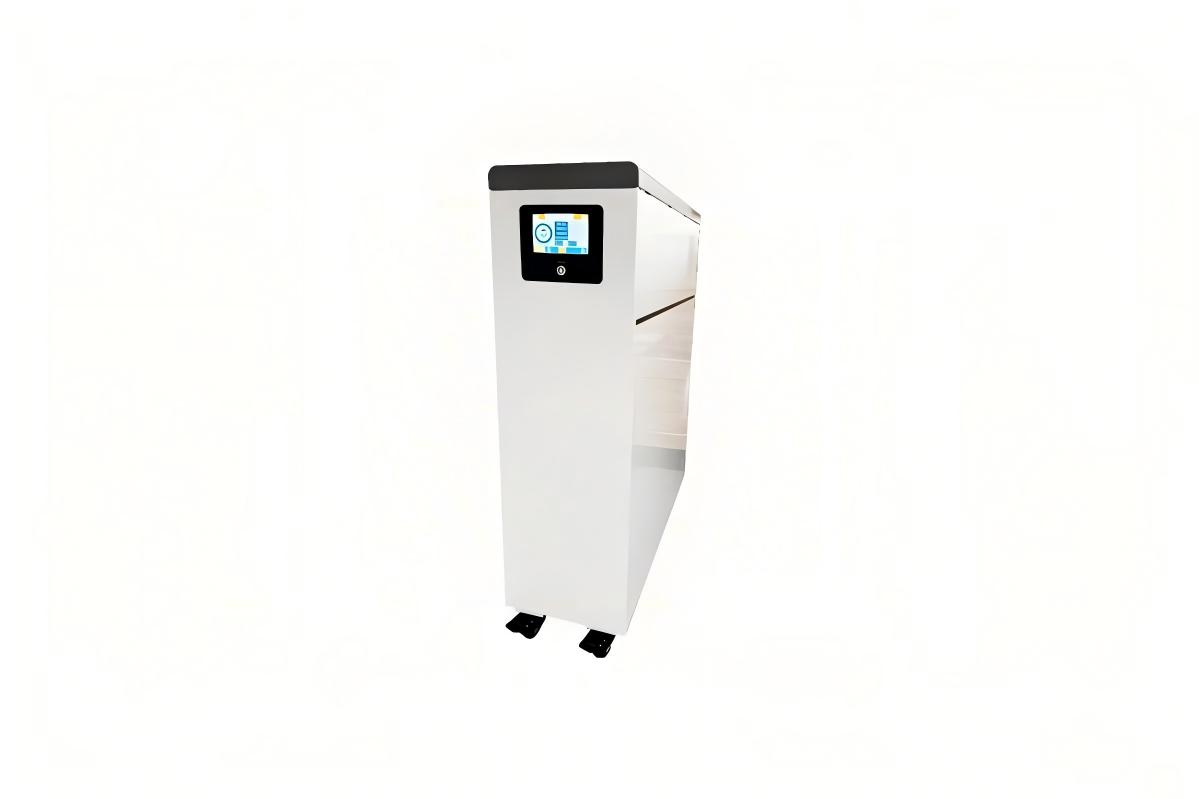
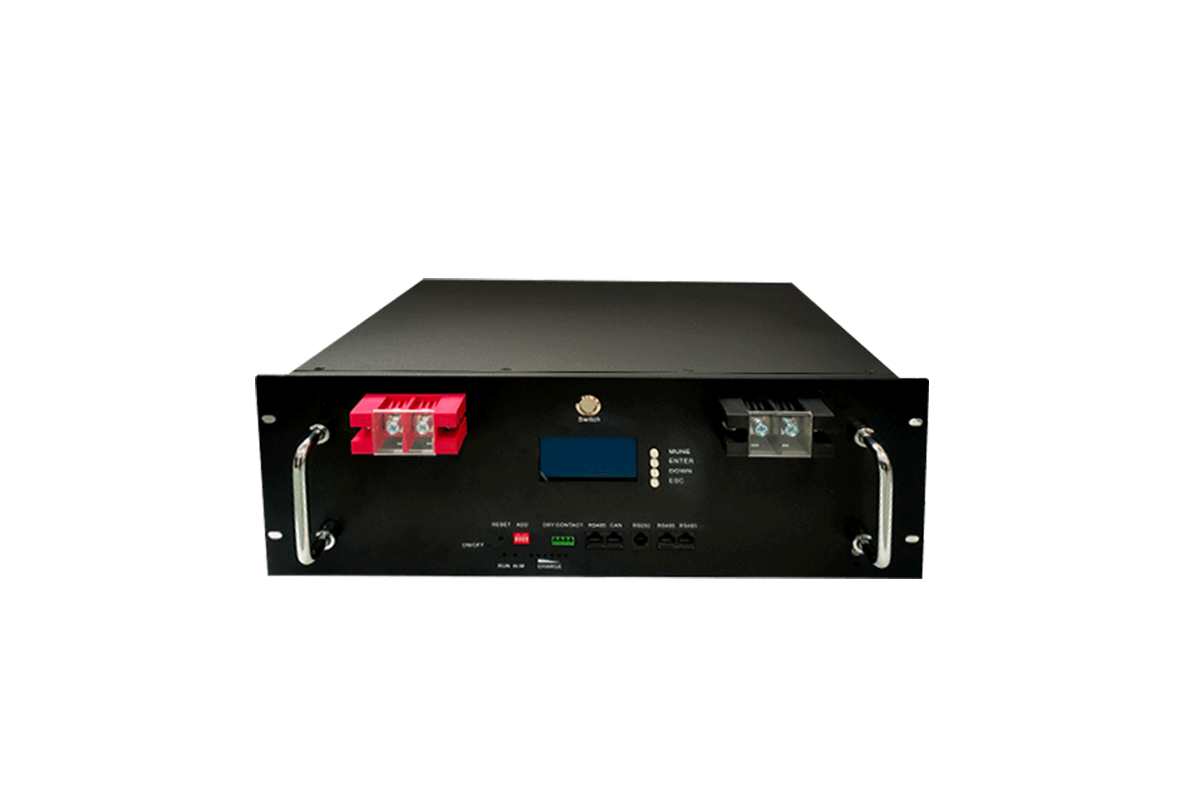
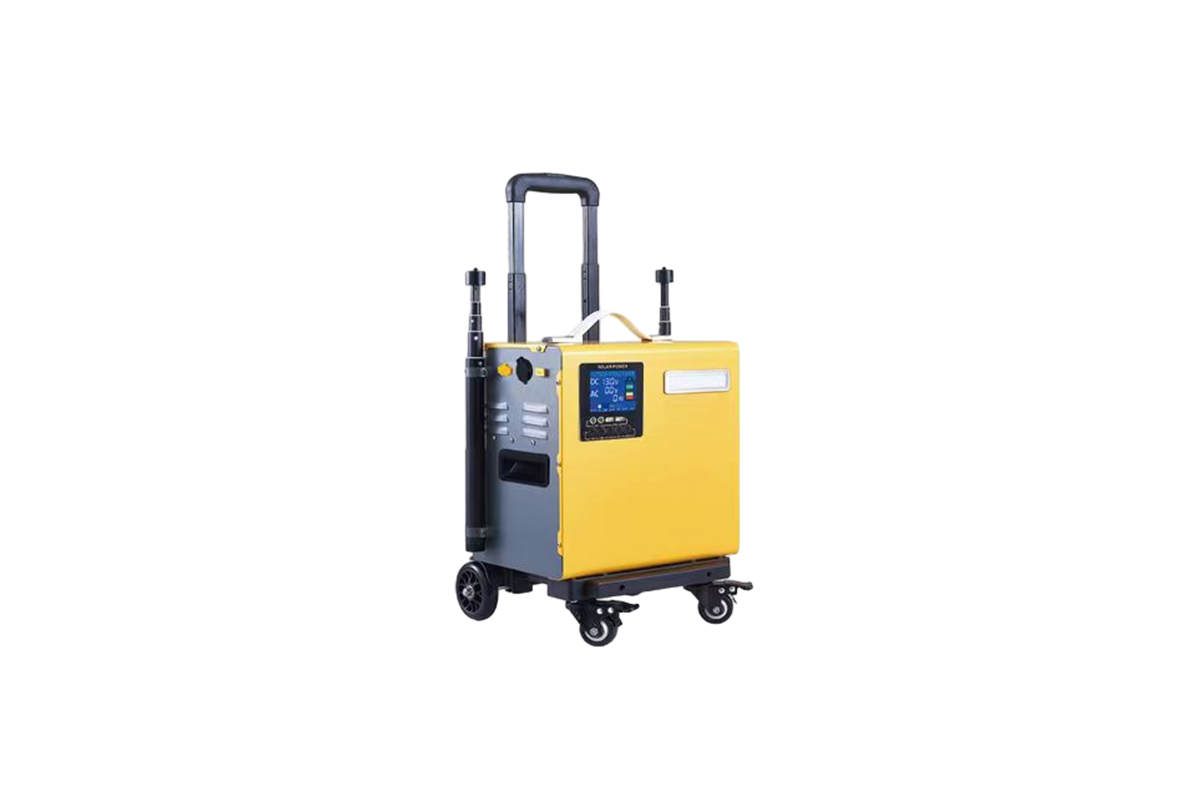
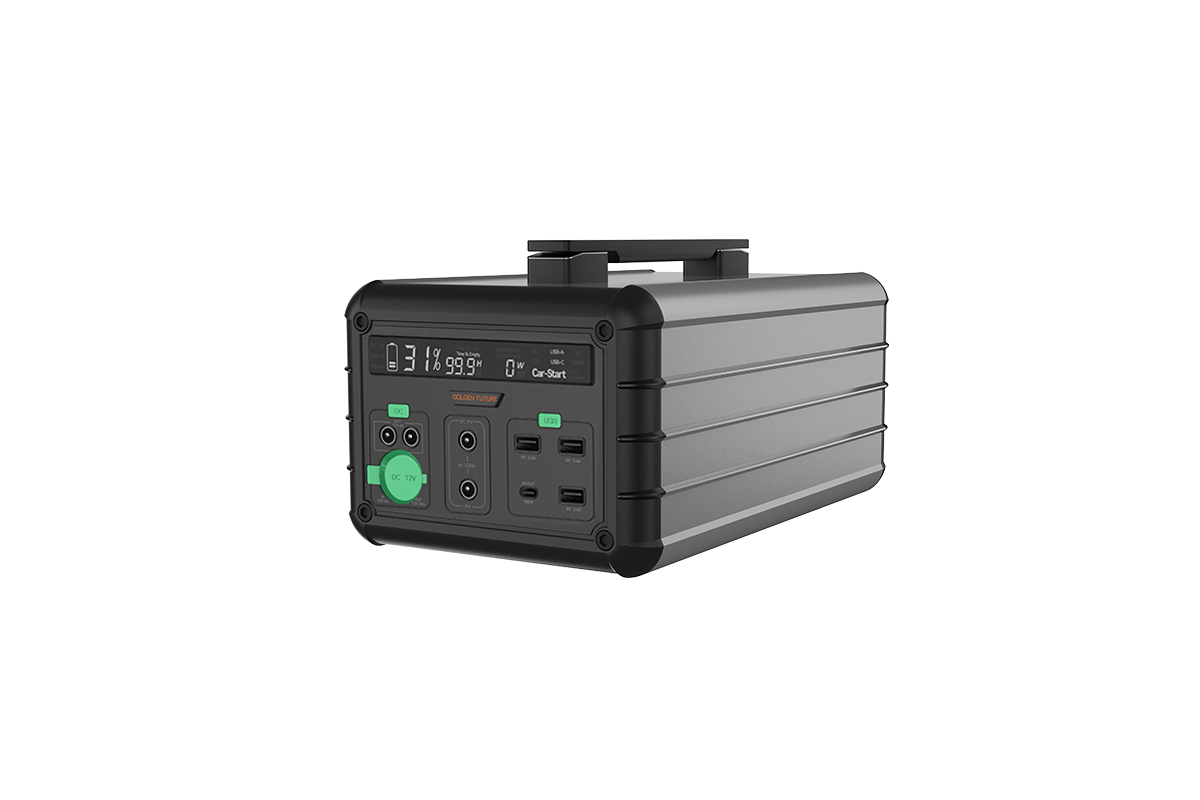
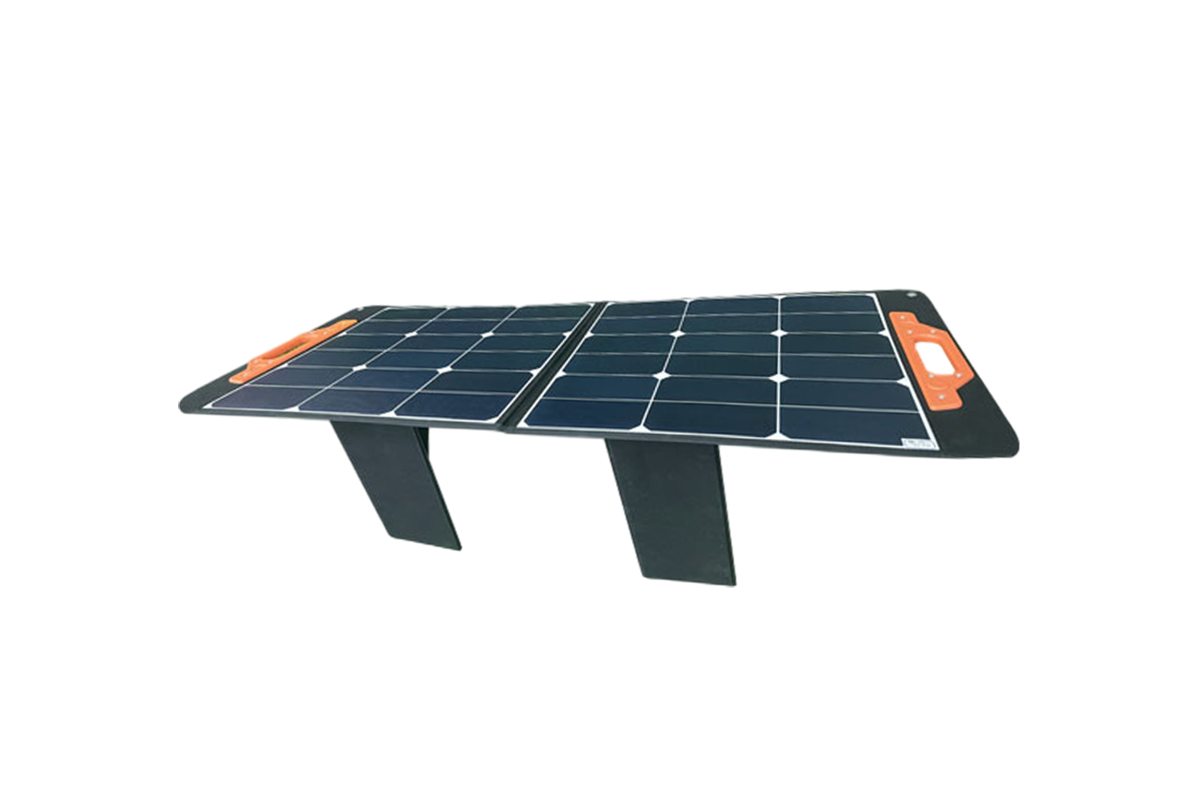
High-power portable power stations, with a rated output of 1000W and above, are designed for heavy-duty use, capable of powering large household appliances, professional equipment, and even supporting off-grid living. They can run refrigerators, microwaves, electric kettles, space heaters, power tools, and even small air conditioners, making them ideal for home backup during prolonged power outages, construction sites, remote workstations, and off-grid camping. These stations are larger and heavier than low and medium-power models, often equipped with multiple AC outlets, high-capacity batteries, and advanced charging technologies such as solar charging compatibility and fast charging. While they are more expensive, their high power output and long runtime make them indispensable for users with high energy demands.




 59911926@qq.com/sales@goldenfuturehk.com
 13316809242 / 15816897019
 Inquiry
 Home >