





Time:2026-05-28 Views:215
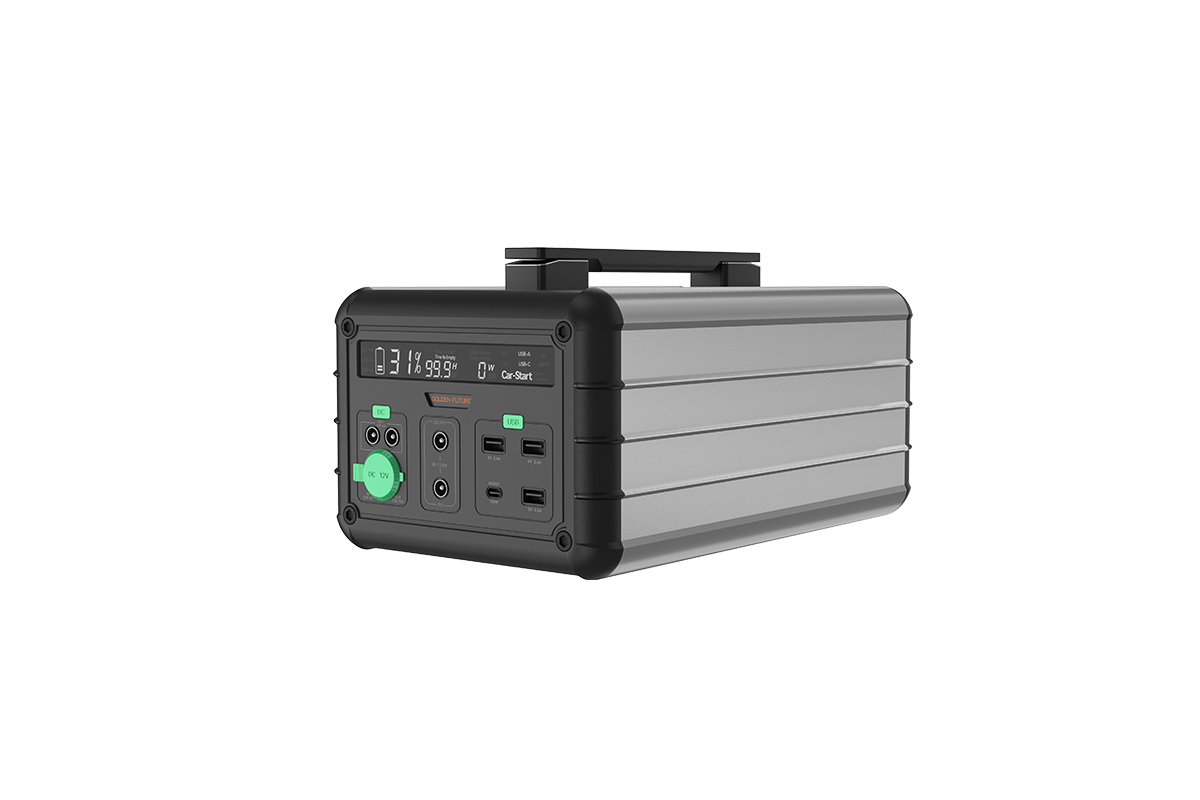
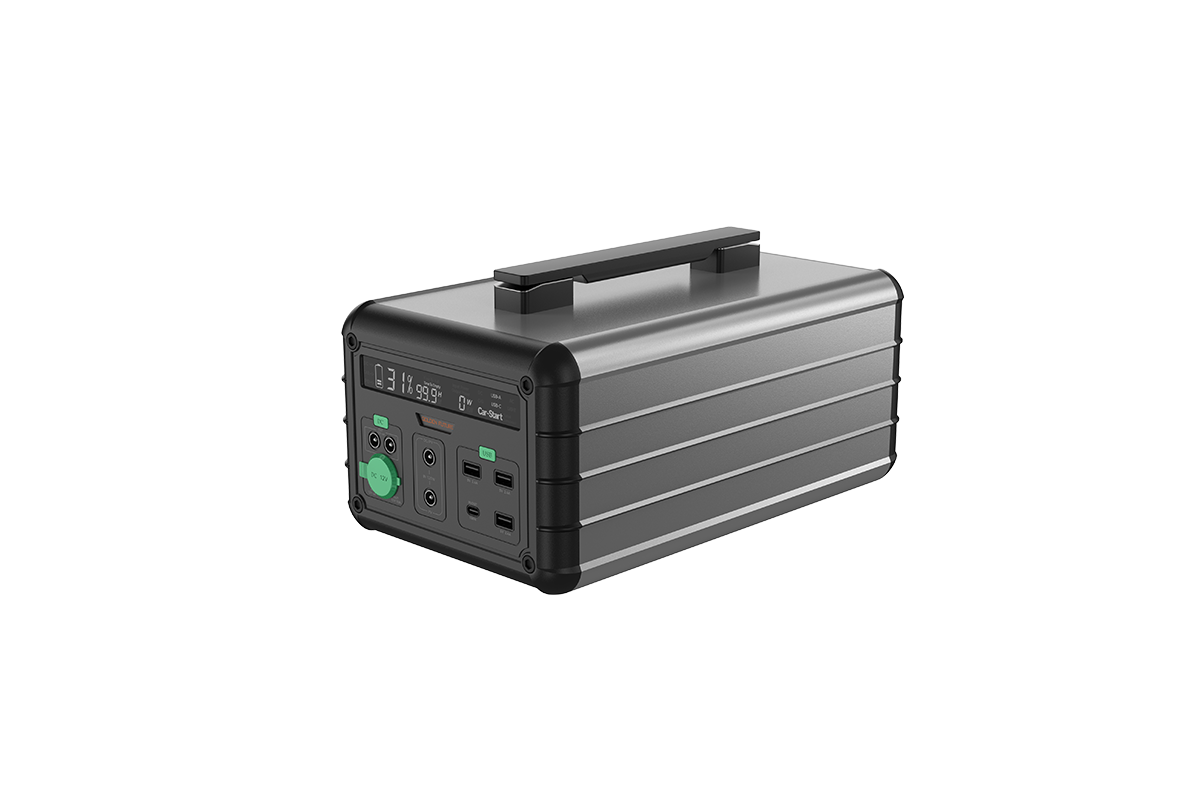
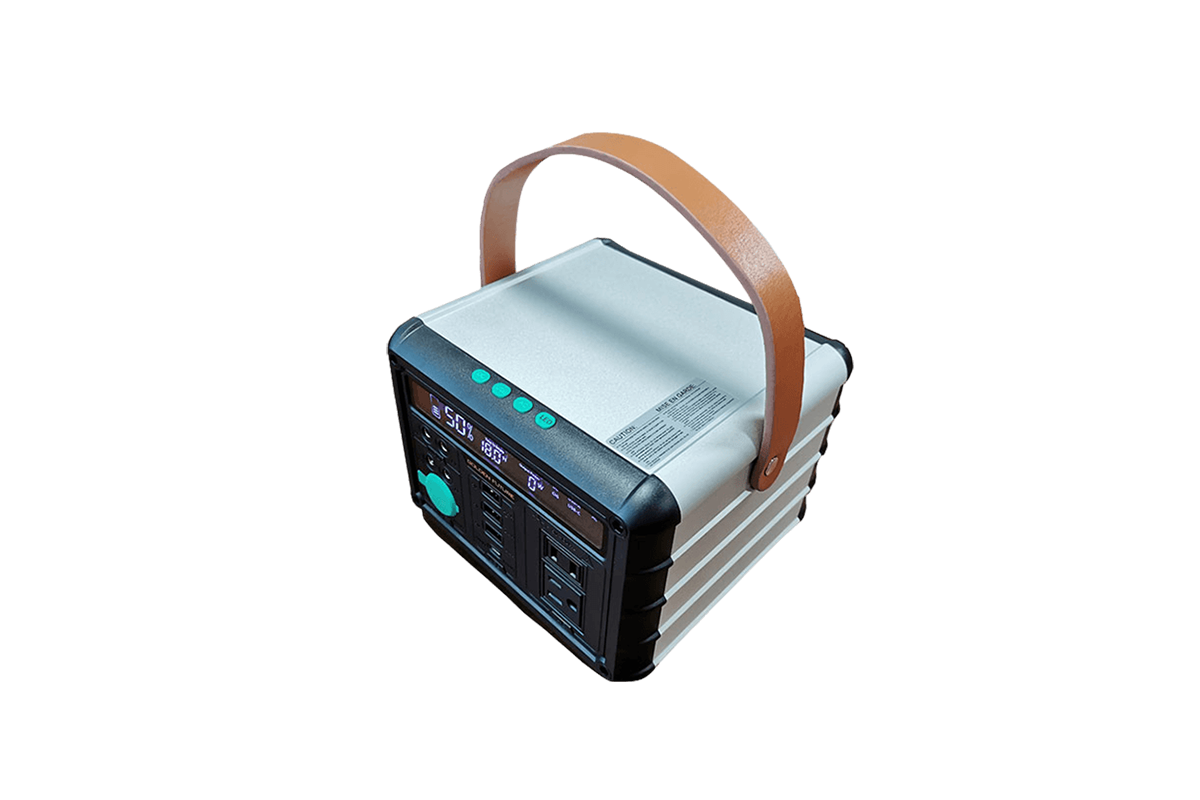
Portable rechargeable power stations rely on advanced technologies in energy storage, power conversion, charging, and intelligent management to provide efficient, convenient, and sustainable power supply. The core technology of a portable rechargeable power station is the energy storage technology, which determines the power capacity, cycle life, and safety of the product. Currently, lithium-ion battery technology is the mainstream, with LiFePO4 (lithium iron phosphate) batteries being the most widely used in high-end models. LiFePO4 batteries have a cycle life of up to 3000-5000 charge-discharge cycles, which is much longer than traditional lead-acid batteries, and they have a higher energy density, allowing the power station to be more compact and lightweight. In addition, some emerging technologies, such as solid-state batteries, are being developed and applied to portable power stations, which offer higher energy density, faster charging speed, and better safety, although they are currently more expensive.
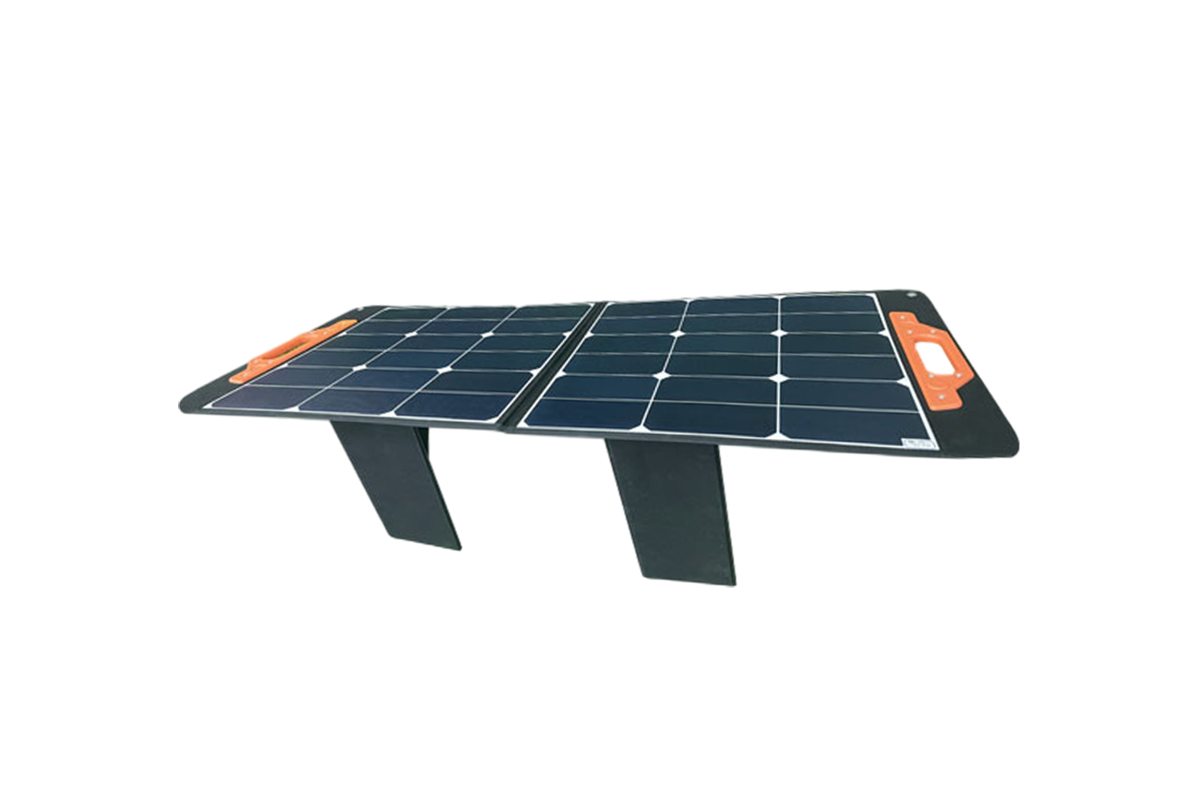
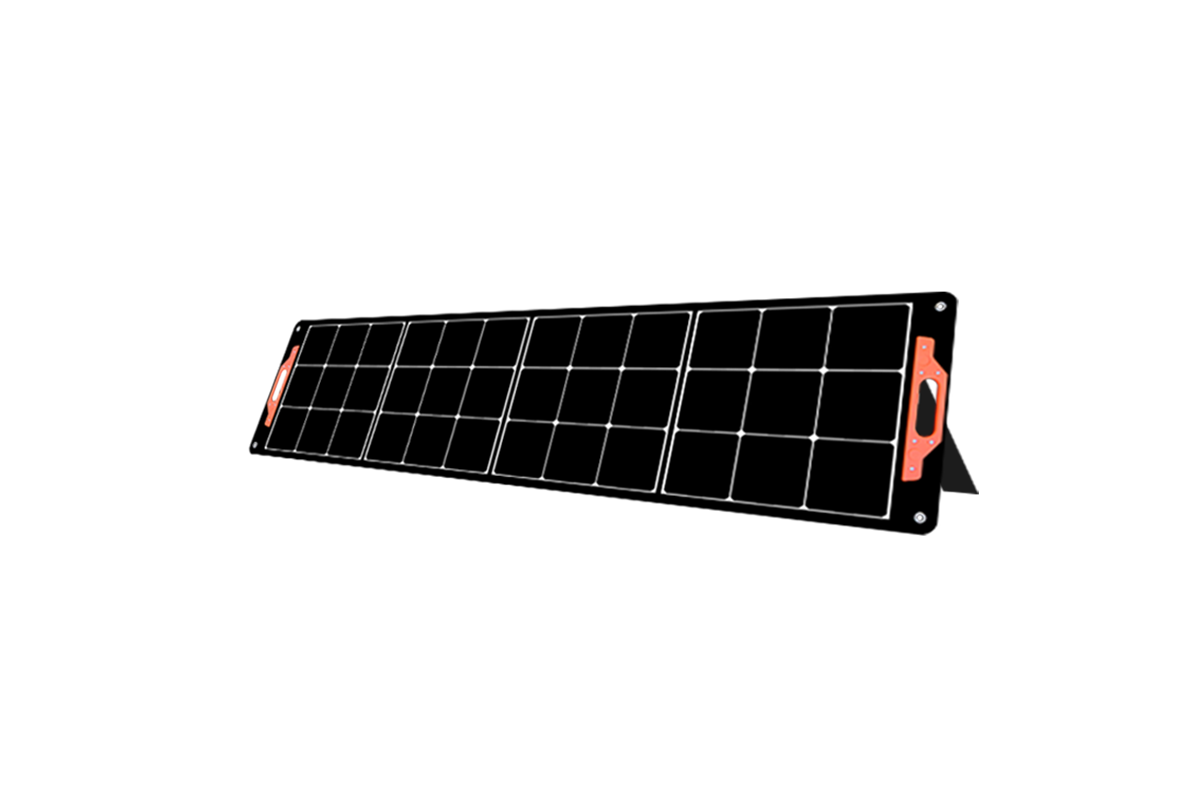
Power conversion technology is another key technology in portable rechargeable power stations. The inverter is the core component responsible for converting the DC power stored in the battery into AC power that can be used by household appliances and electronic devices. High-quality inverters adopt pure sine wave technology, which provides stable and clean power, similar to the grid power, ensuring that sensitive devices such as laptops, medical equipment, and precision instruments can operate normally without being damaged by voltage fluctuations. The efficiency of the inverter is also an important indicator; advanced models have an inverter efficiency of over 90%, which reduces energy loss and improves the overall performance of the power station. Charging technology is also constantly evolving; modern portable power stations support multiple charging methods, including AC charging, solar charging, car charging, and USB-C fast charging. Solar charging technology is particularly important for outdoor users, as it allows the power station to be recharged using renewable energy, extending the usage time in off-grid environments. Some models are equipped with MPPT (Maximum Power Point Tracking) controllers, which can maximize the power output from solar panels, improving charging efficiency by 10-20% compared to traditional controllers.
Intelligent management technology is also an integral part of portable rechargeable power stations. The built-in intelligent control system monitors the battery status, power output, and charging process in real time, and can automatically adjust the working mode to optimize performance and extend battery life. Many models are also equipped with Bluetooth or Wi-Fi connectivity, allowing users to monitor and control the power station through a mobile app, such as checking the remaining power, setting charging schedules, and receiving fault alerts. In addition, energy-saving technologies are widely used, such as automatic shutdown when there is no load, which reduces energy consumption and prolongs the standby time. With the continuous development of technology, portable rechargeable power stations are becoming more efficient, safe, and intelligent, meeting the growing demand for portable power in various scenarios, from outdoor activities to home emergency and off-grid living.




 59911926@qq.com/sales@goldenfuturehk.com
 13316809242 / 15816897019
 Inquiry
 Home >