






Time:2026-05-13 Views:149
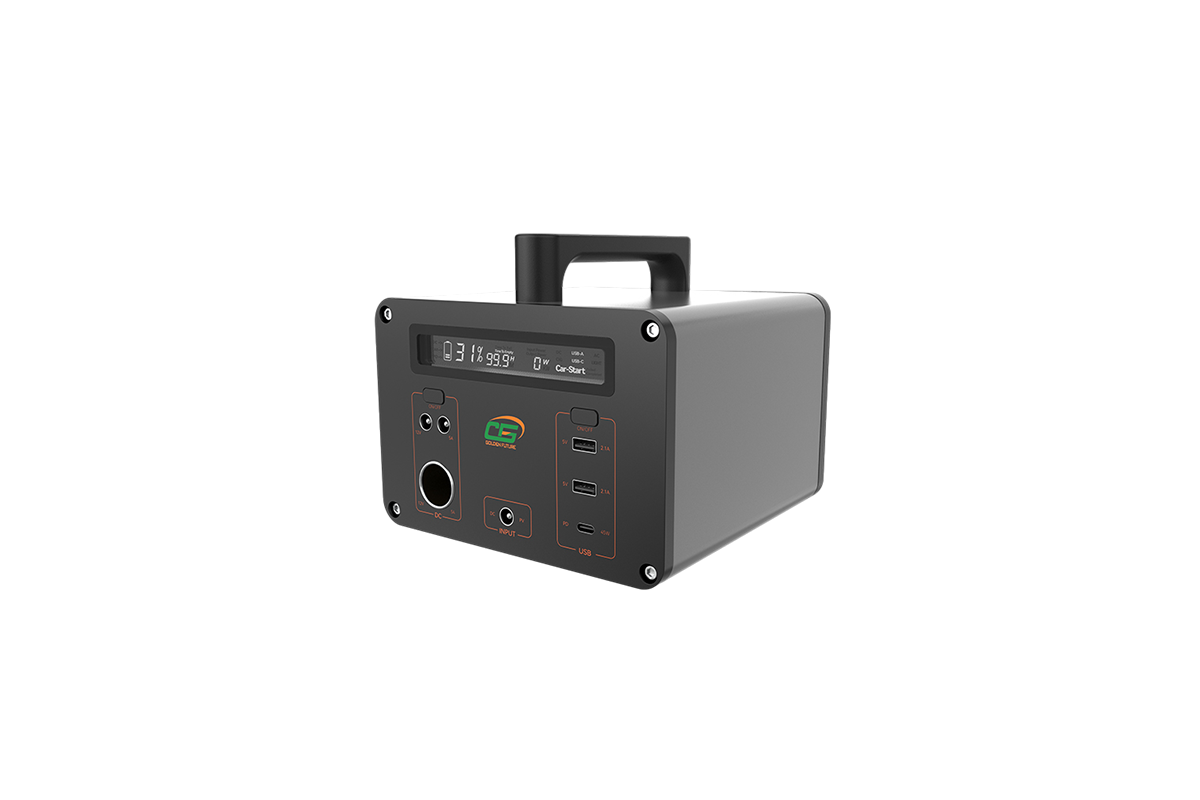
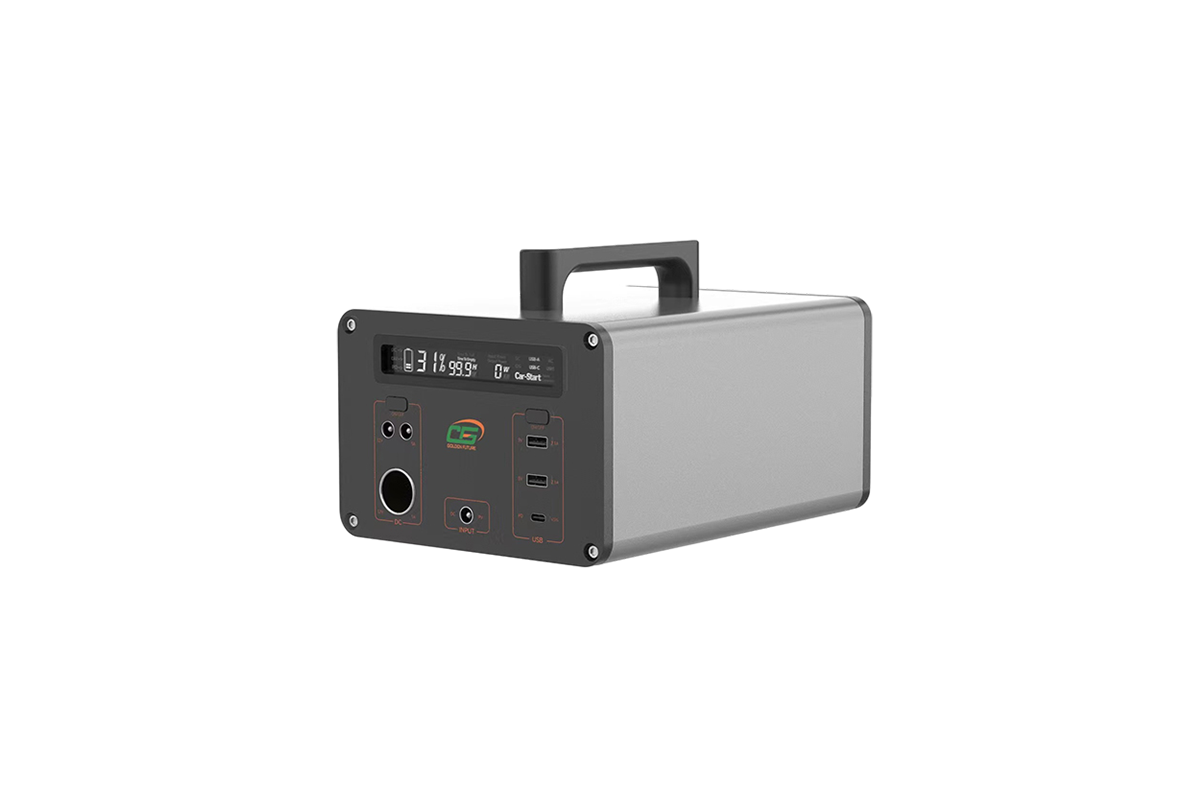
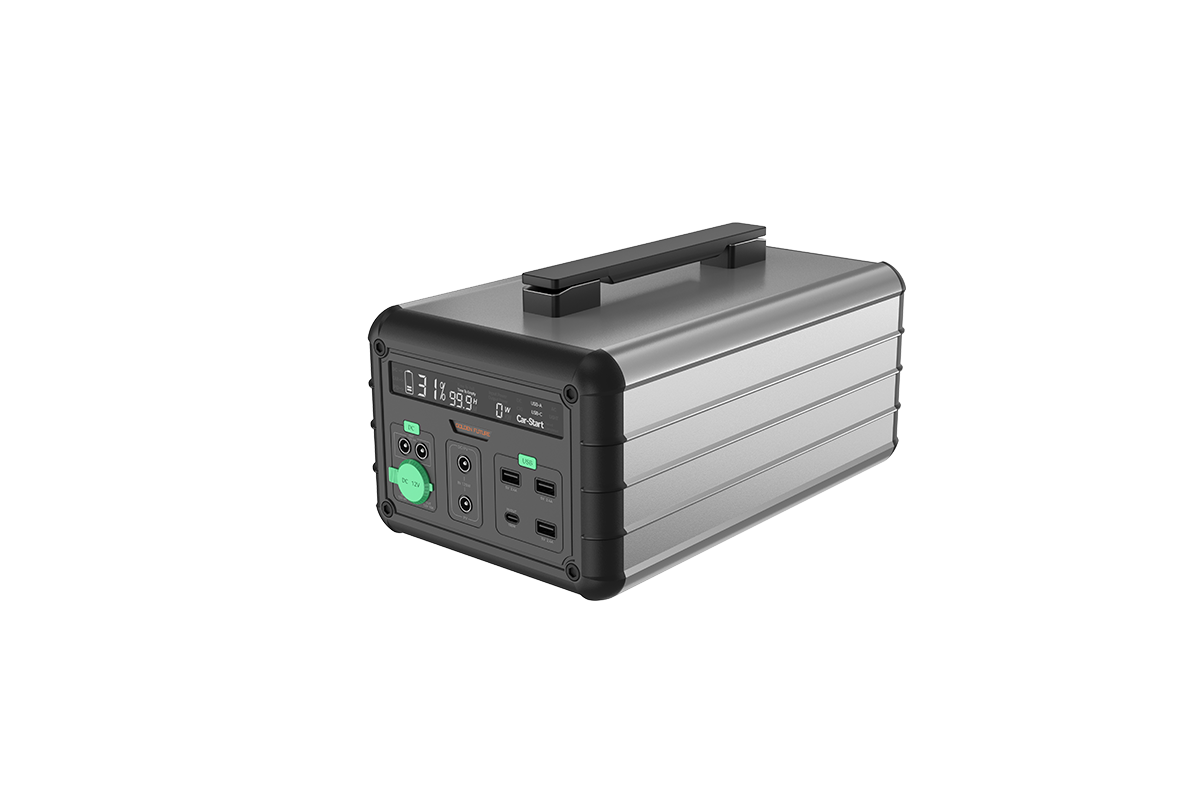
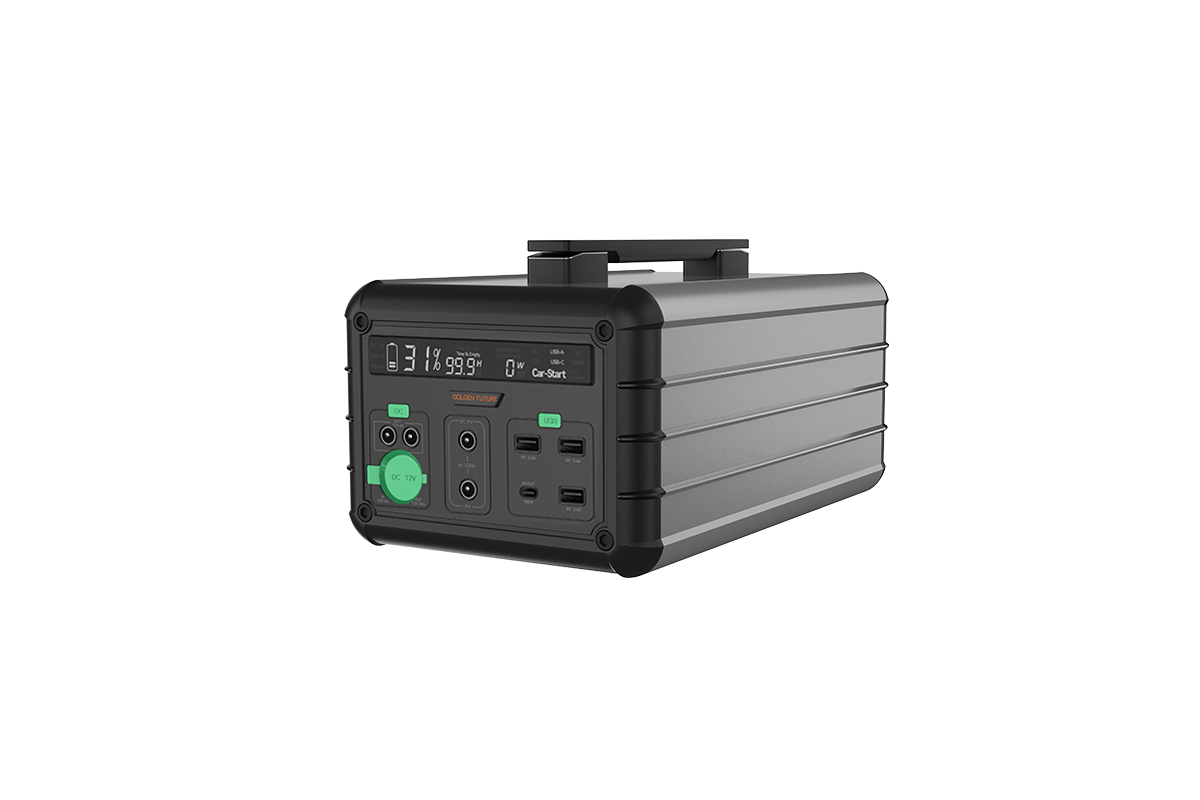
In emergency disaster relief situations such as earthquakes, floods, typhoons, and power outages caused by other natural disasters, a stable and reliable power supply is crucial for rescuing lives, providing relief supplies, and maintaining basic living conditions. Portable power stations play an irreplaceable role in these critical moments, as they can quickly provide power support when the grid is damaged or unavailable, buying valuable time for disaster relief work.
One of the most important applications of portable power stations in disaster relief is supporting emergency medical equipment. In temporary rescue sites, medical staff often need to use devices such as defibrillators, oxygen concentrators, medical monitors, and infusion pumps, all of which require a continuous power supply. Portable power stations can provide stable power for these life-saving devices, ensuring that medical staff can carry out rescue operations smoothly and improve the survival rate of the injured. Additionally, they can power communication equipment such as walkie-talkies, satellite phones, and emergency lights, enabling rescuers to maintain contact with the command center and coordinate relief work effectively.
Furthermore, portable power stations can meet the basic living needs of disaster victims. They can power electric stoves for cooking, water purifiers to provide clean drinking water, and fans or heaters to adjust the temperature in temporary shelters, helping victims get through the difficult period after the disaster. Unlike traditional emergency power supplies, portable power stations are easy to deploy and can be quickly transported to remote disaster areas by helicopters, trucks, or even carried by rescuers. They are also durable and can work normally in harsh environments such as high temperatures, low temperatures, and humidity, ensuring reliable power supply in various disaster scenarios.
In addition, many portable power stations are equipped with safety protection functions such as overcharge, over-discharge, short-circuit, and over-temperature protection, which can prevent accidents such as fires and explosions, ensuring the safety of rescuers and disaster victims during use. In summary, portable power stations are an essential piece of equipment in emergency disaster relief, providing strong power support for rescue work, medical care, and basic living security, and making important contributions to reducing disaster losses.




 59911926@qq.com/sales@goldenfuturehk.com
 13316809242 / 15816897019
 Inquiry
 Home >