






Time:2025-11-05 Views:1
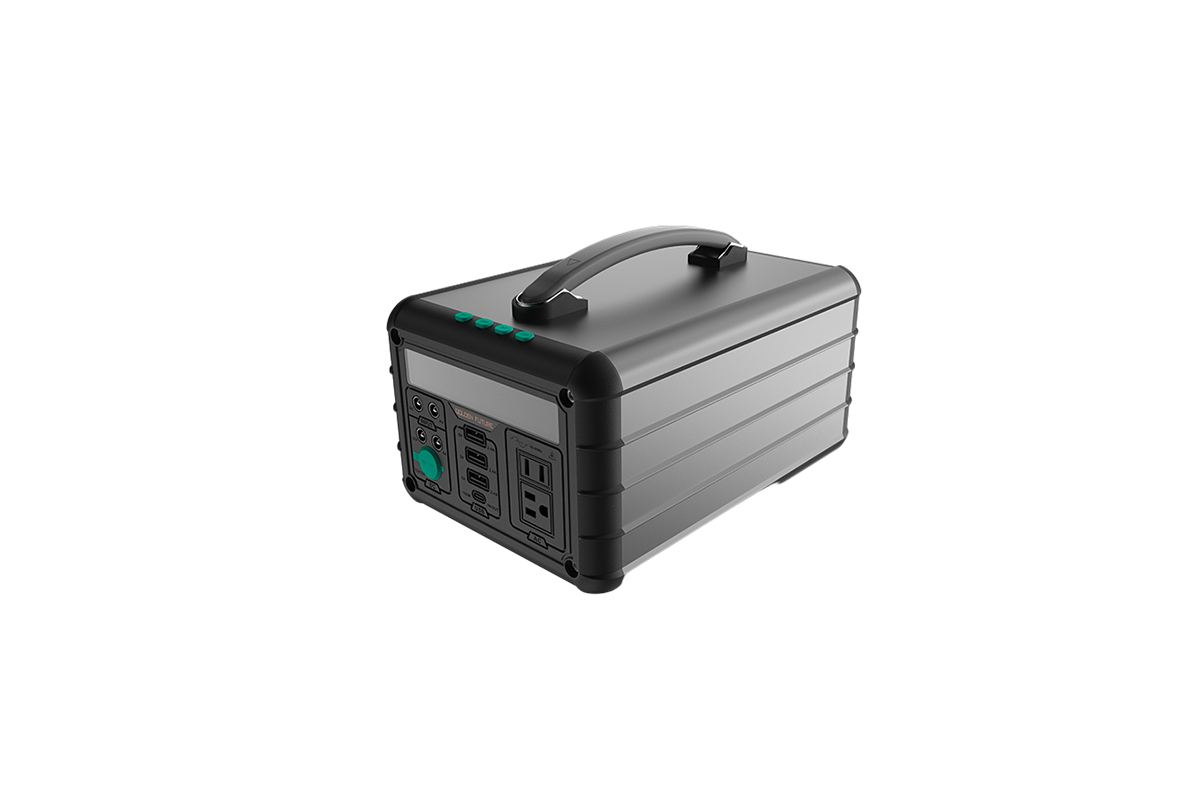
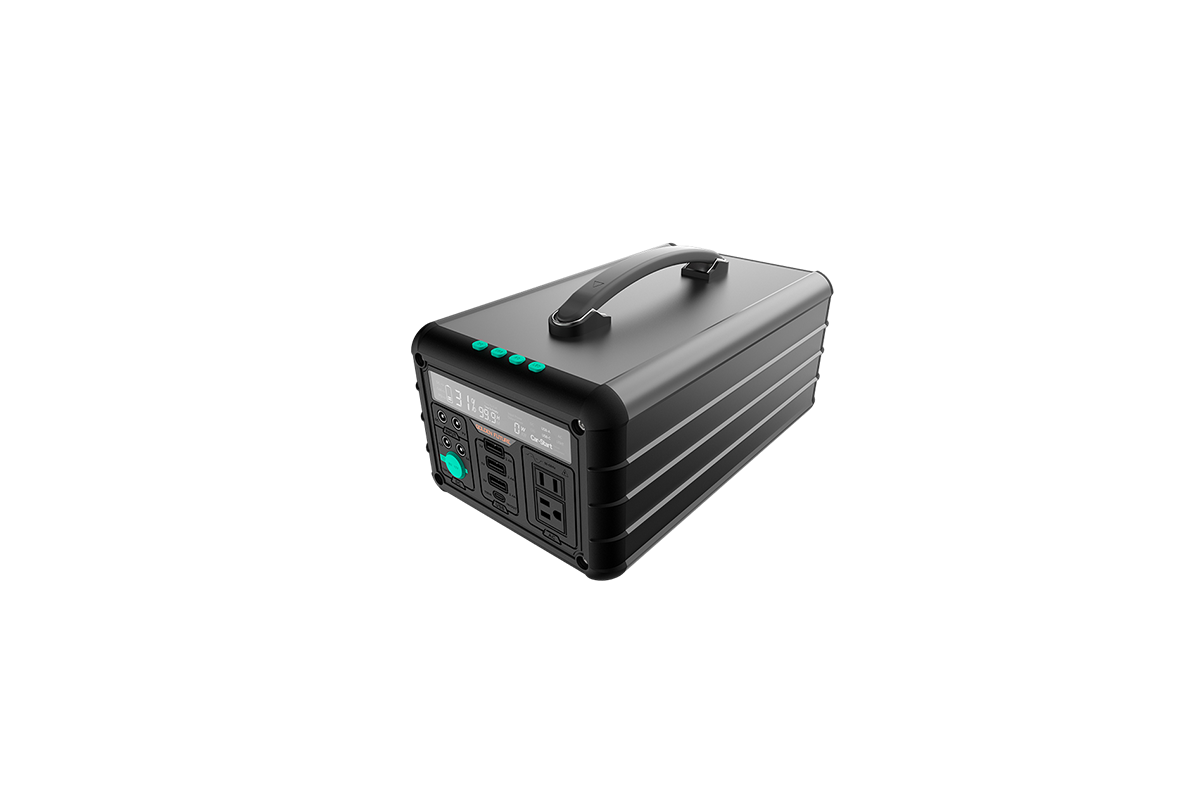
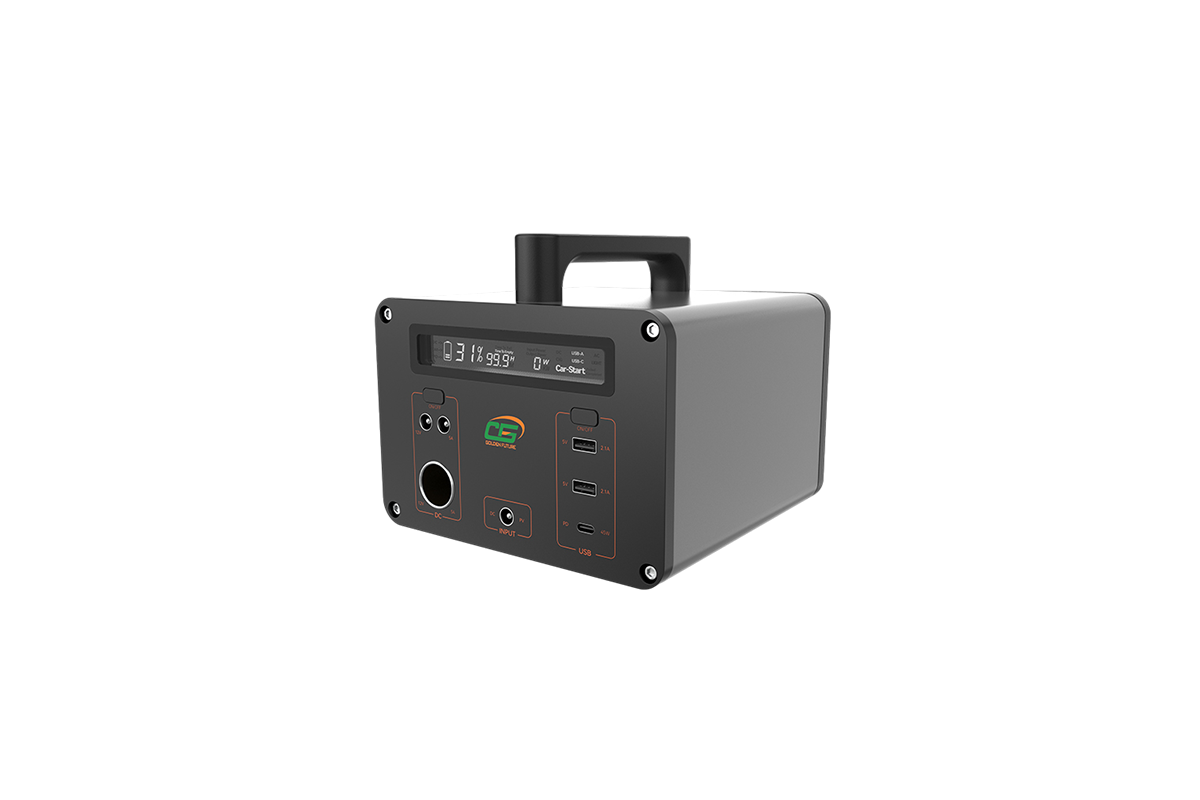
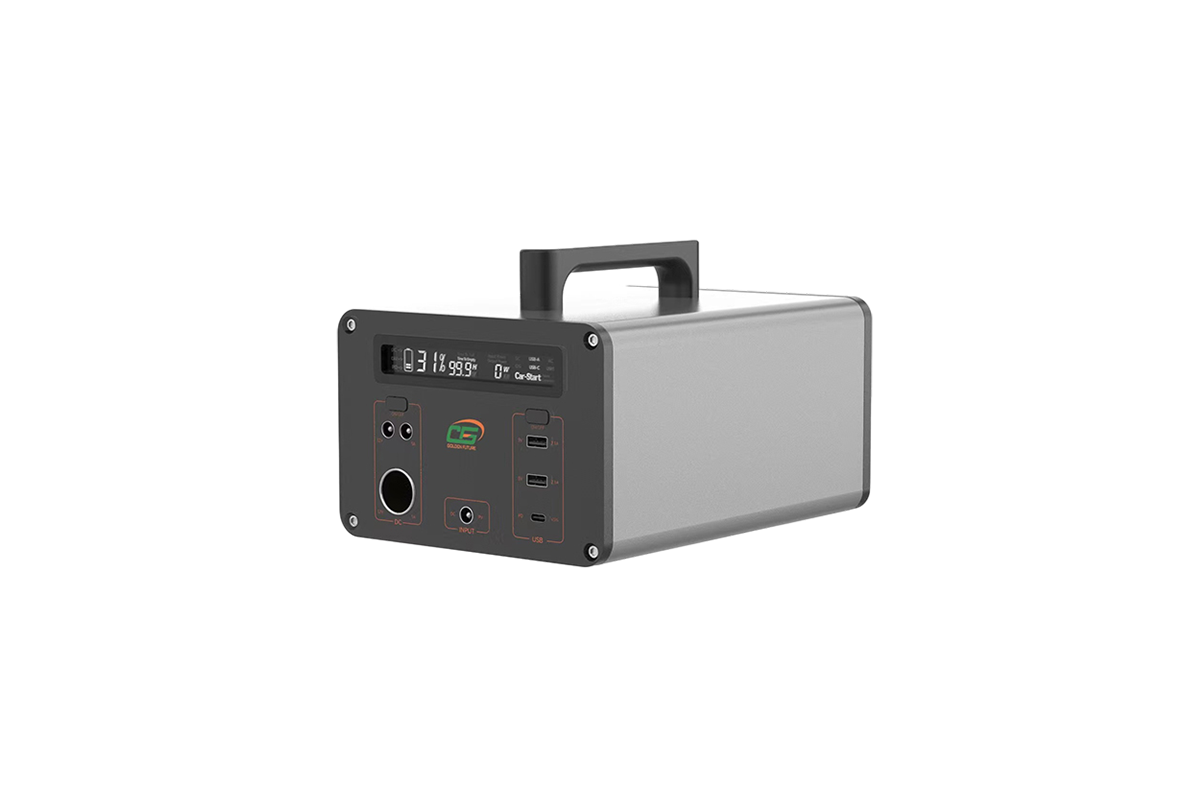
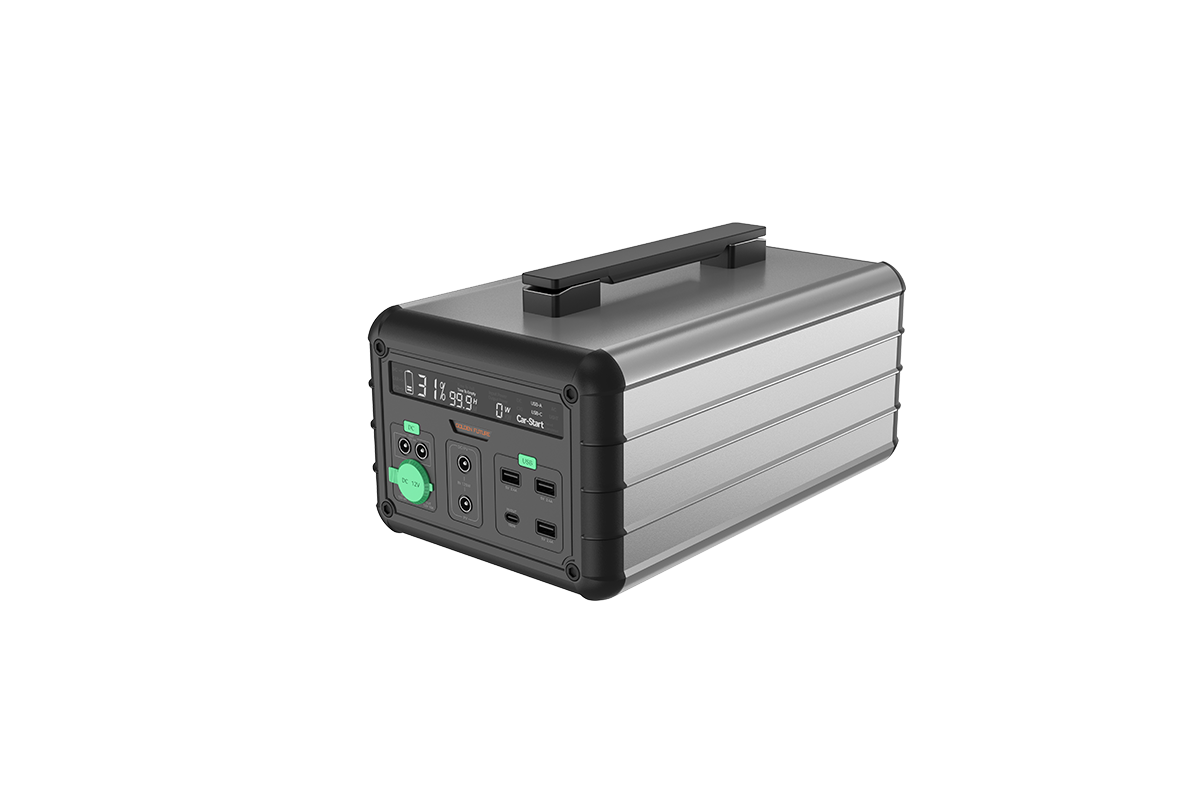
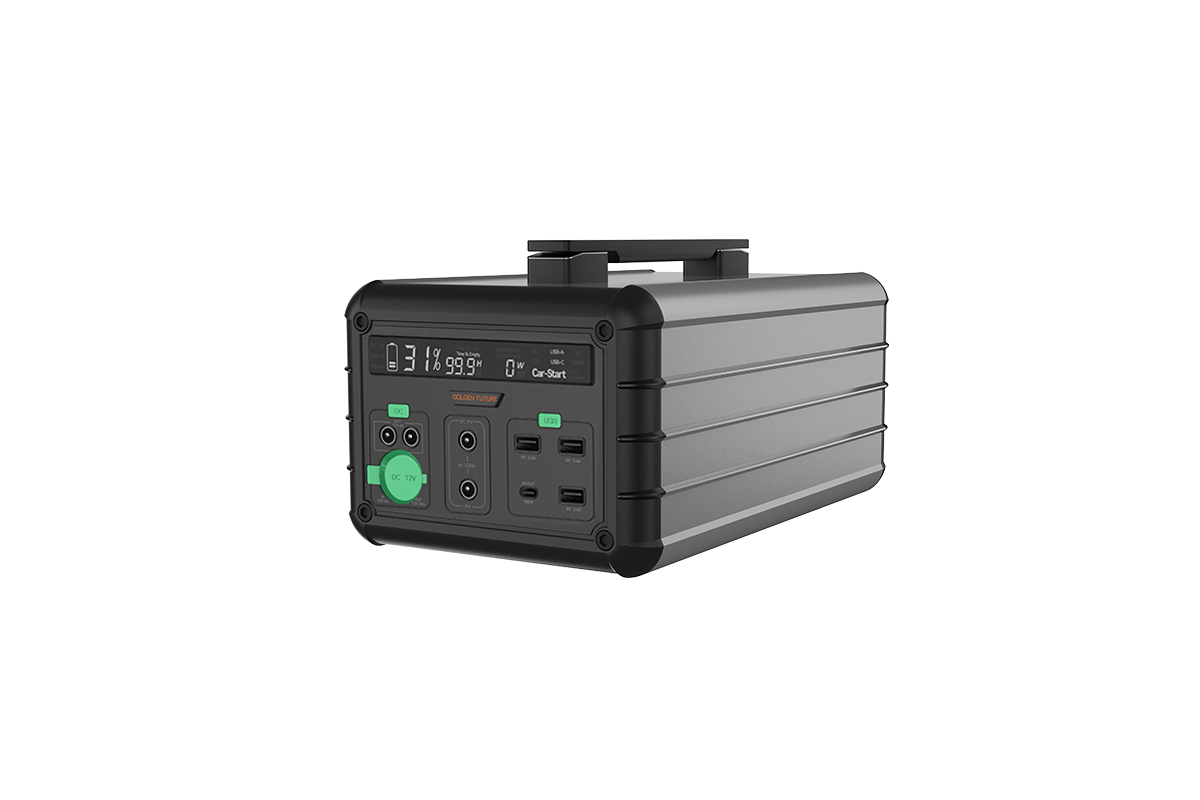
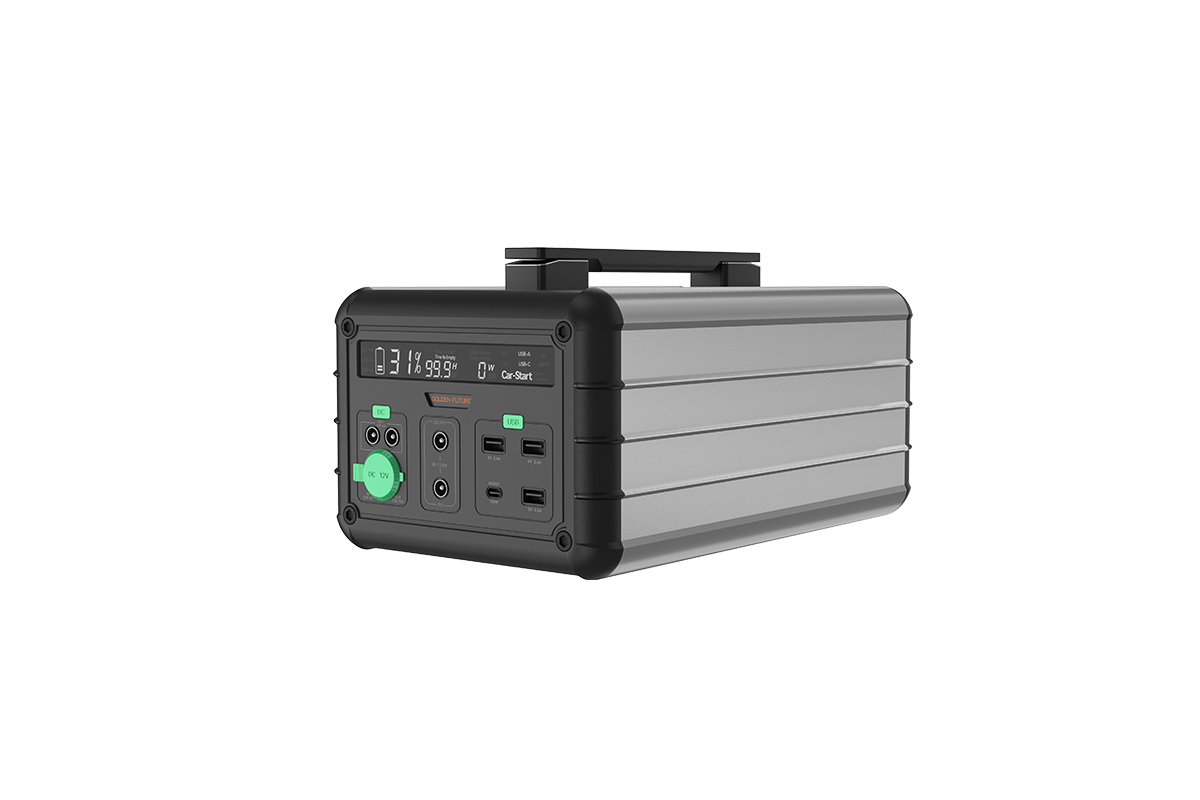
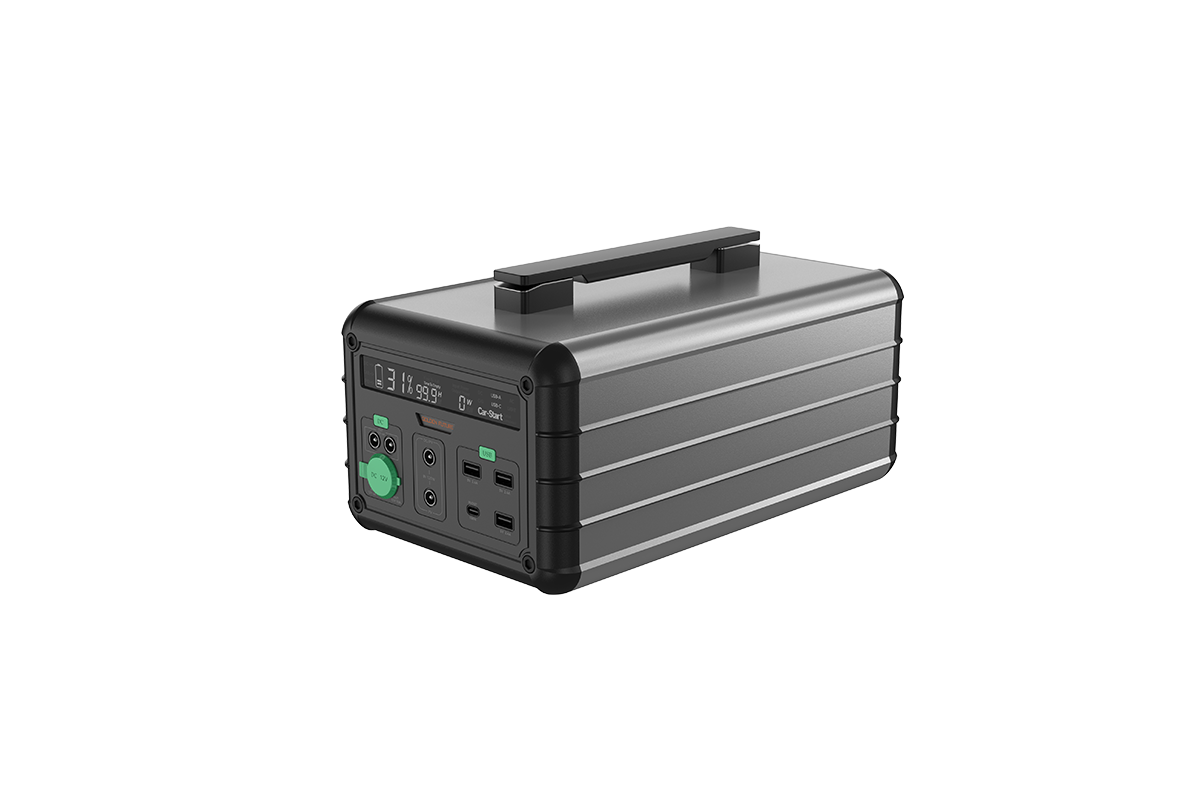
A portable power station for camping is a specialized, compact energy solution designed to meet the unique power needs of outdoor camping trips—from charging small electronics to running essential camping gear. Unlike heavy, noisy gasoline generators, it is lightweight (5–20kg), silent, and eco-friendly, making it ideal for campgrounds where noise and emissions are restricted. It typically features a lithium-ion or LiFePO4 battery bank (200Wh–1500Wh), multiple output ports (USB-A, USB-C, DC, AC), and is rechargeable via AC outlets, car chargers, or optional solar panels—catering to both short weekend trips and extended backcountry adventures.
The primary goal of a camping-focused portable power station is to enhance comfort and convenience while minimizing environmental impact. It can power a wide range of camping gear: smartphones and cameras (for capturing memories), portable projectors (for outdoor movie nights), electric coolers (to keep food and drinks fresh), LED camping lights (for safe navigation at night), and even small electric grills or coffee makers (for gourmet camping meals). For example, a 500Wh model can charge a smartphone (3000mAh) 30+ times, run an electric cooler (40W) for 12 hours, or power LED lights (10W) for 50 hours—more than enough for a 3–4 day camping trip.
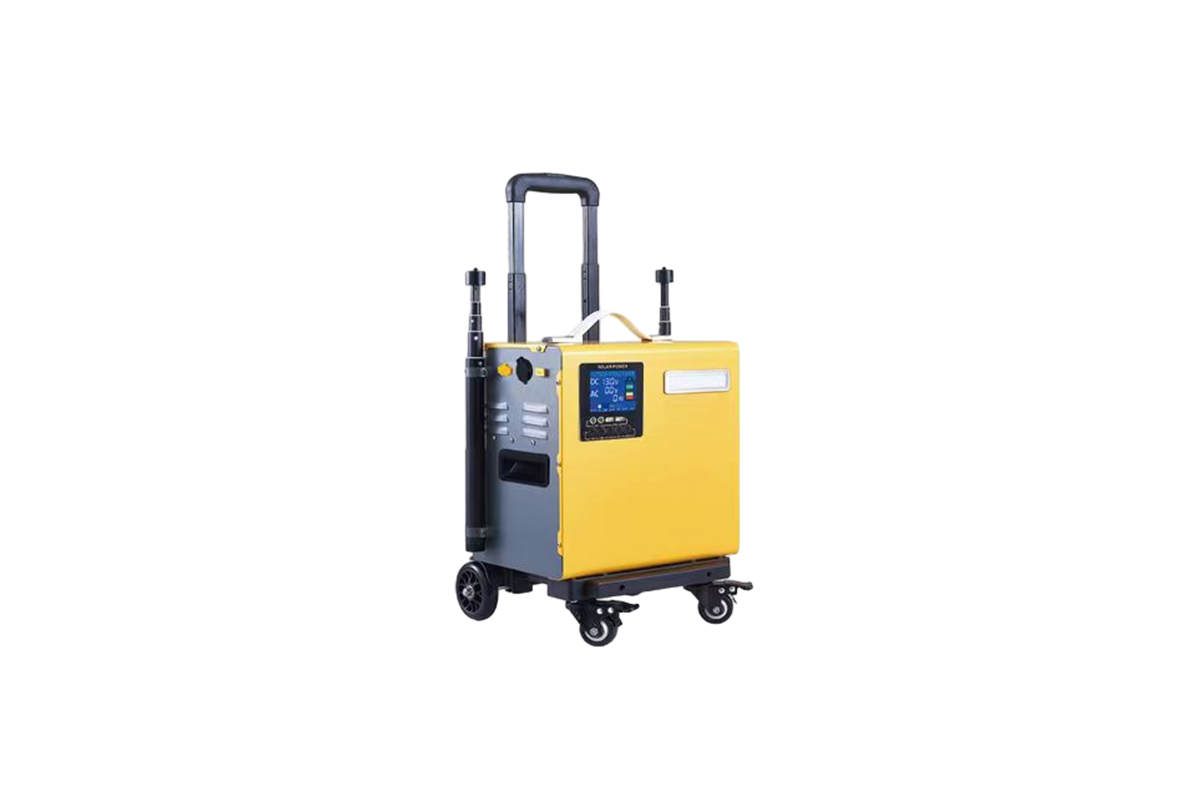
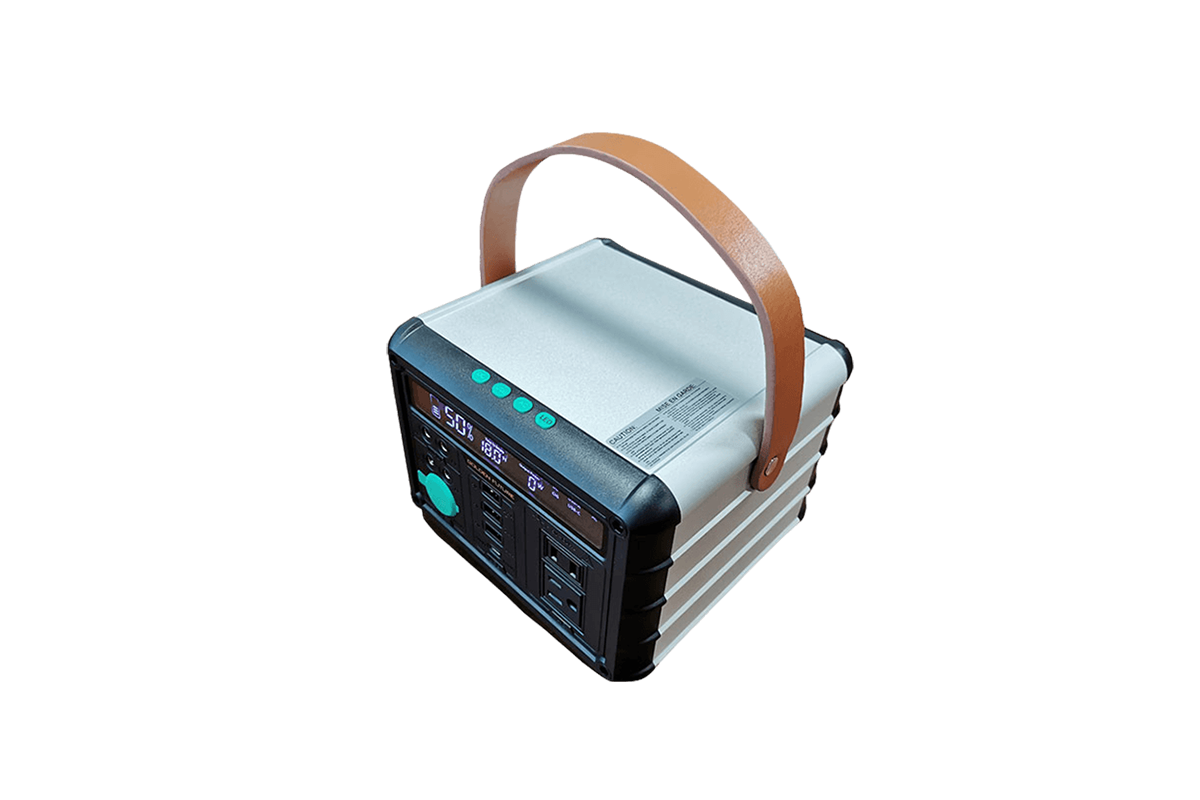
Durability and portability are critical design considerations. Camping power stations are built with rugged casings to withstand bumps, drops, and exposure to outdoor elements like rain and dust (many have IP54 or higher ratings). They also have compact, ergonomic designs with built-in handles or shoulder straps, making them easy to carry from the car to the campsite—even over rough terrain. Some models are even waterproof, allowing them to be used in wet weather without damage.
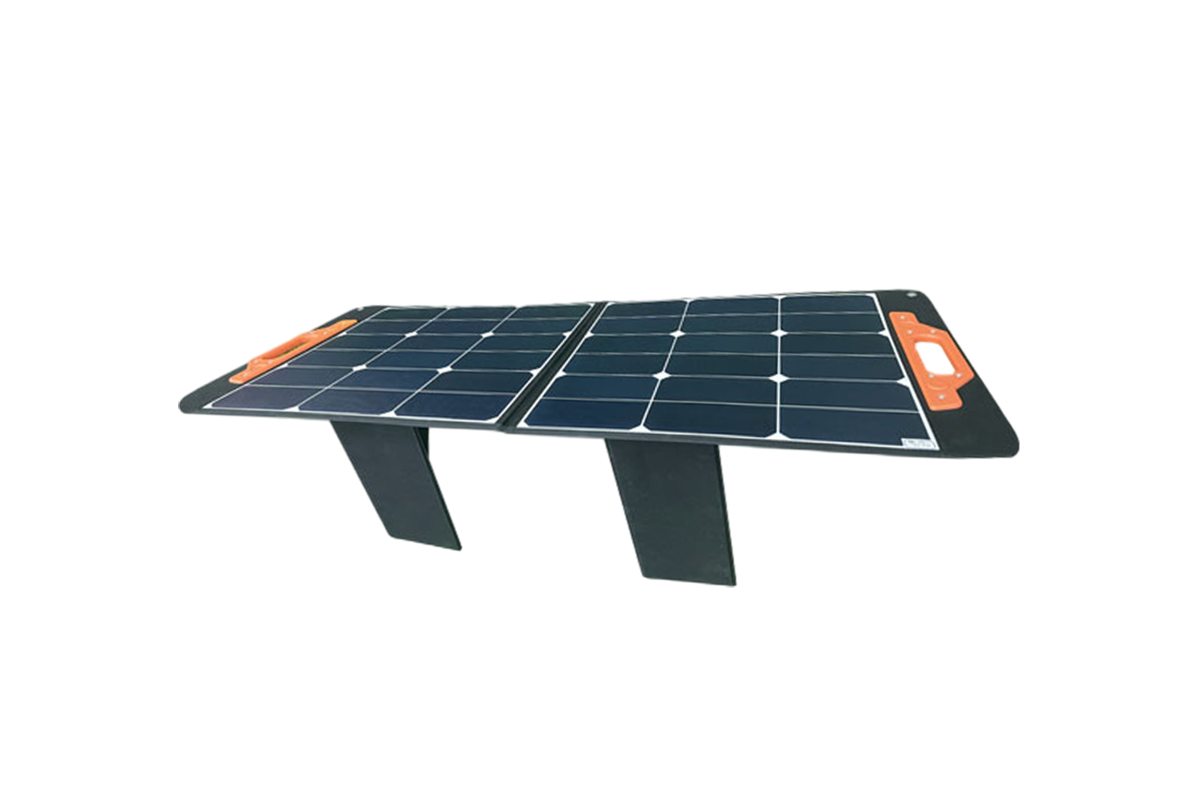
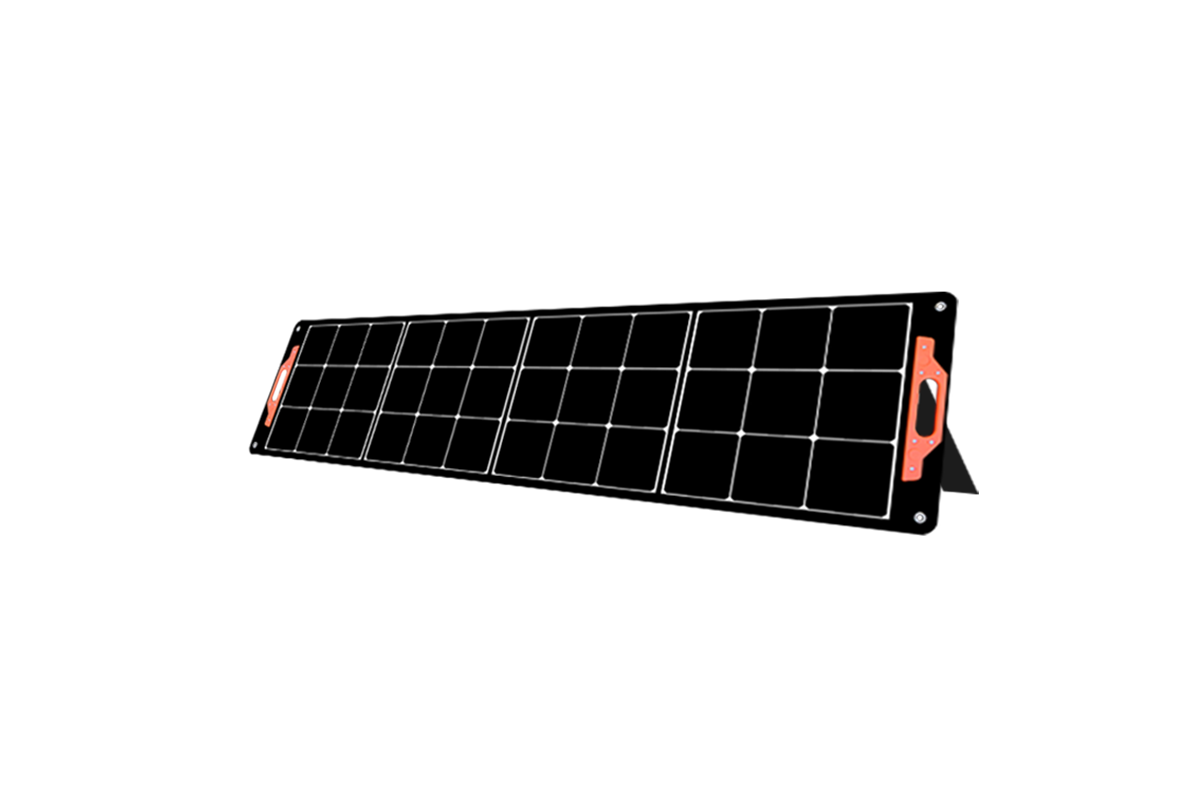
Another key feature is compatibility with solar panels, which is especially useful for extended camping trips where access to AC or car charging is limited. A 1000Wh camping power station paired with a 100W foldable solar panel can fully recharge in 10–12 hours of sunlight, ensuring a continuous power supply for devices like GPS units (critical for backcountry navigation) or satellite phones (for emergency communication).
Safety is also a priority. These power stations include protection features like over-voltage, over-current, and short-circuit protection to prevent damage to devices and ensure user safety. They also operate at low temperatures (down to -10°C for some models), making them suitable for camping in cooler climates.
For campers seeking to minimize their environmental footprint, a portable power station is a far better choice than a gas generator. It produces no emissions, uses no fossil fuels, and operates silently—preserving the natural beauty and tranquility of the campsite. Whether for a family camping trip, a solo backpacking adventure, or a group outdoor excursion, a portable power station for camping provides reliable, convenient power without compromising the outdoor experience.




 59911926@qq.com/sales@goldenfuturehk.com
 13316809242 / 15816897019
 Inquiry
 Home >