






Time:2026-04-17 Views:469
Over-discharge is one of the most critical threats to the performance, lifespan, and safety of solar energy storage batteries, which occurs when a battery is discharged below its minimum safe voltage threshold. For most lithium-ion-based solar storage batteries, the safe minimum voltage per cell is typically around 2.5 to 3.0 volts, and exceeding this limit can cause irreversible damage to the battery’s chemical structure. Specifically, over-discharge leads to electrolyte decomposition, degradation of electrode materials, increased internal resistance, and a significant reduction in cycle life; in severe cases, it may even result in battery swelling, leakage, or thermal runaway, posing potential safety hazards such as fires or explosions. This issue is particularly prominent in solar energy storage systems, as they often operate in off-grid or semi-off-grid environments where energy supply from solar panels is unstable, making it easier for batteries to be over-discharged during periods of low sunlight or high energy demand.
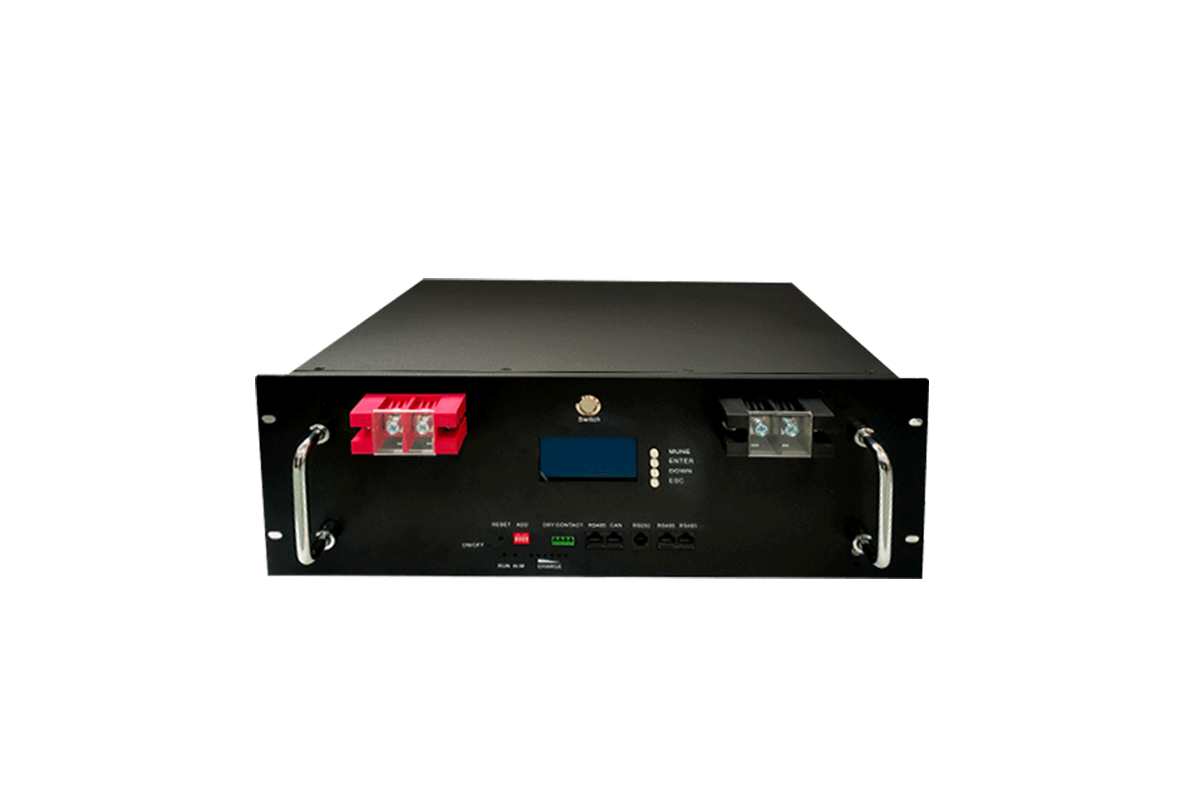
To address the risks of over-discharge, solar energy storage batteries are equipped with multiple layers of protection mechanisms, with the Battery Management System (BMS) serving as the core. The BMS continuously monitors the voltage, current, and State of Charge (SOC) of each individual battery cell in real time, maintaining the SOC within a safe range—usually between 20% and 80% to avoid over-discharge and over-charge. When the BMS detects that the voltage of any cell drops below the safe minimum threshold or the SOC falls to around 20%, it immediately triggers protective actions: disconnecting the battery from the load to stop further discharge, sending an alert to the system, and in some advanced systems, initiating a low-current recharge to restore the battery to a safe voltage level. This real-time monitoring and rapid intervention effectively prevent the battery from being discharged beyond its safe limits, preserving cell integrity and extending the overall lifespan of the battery pack.
In addition to the BMS, physical and chemical safeguards are also integrated into the design of solar energy storage batteries to enhance over-discharge protection. Some batteries use separator materials with thermal shutdown properties; when the battery temperature rises due to increased internal resistance caused by over-discharge, the separator shrinks and blocks the flow of ions, stopping the discharge process. Chemical additives in the electrolyte also play a crucial role: certain additives form a protective layer on the electrode surfaces during over-discharge, preventing excessive degradation of the electrode materials and reducing the risk of electrolyte decomposition. These multi-layered protection mechanisms work together to ensure that solar energy storage batteries operate safely and reliably, even in harsh or unstable operating environments, supporting the efficient and long-term use of solar energy storage systems.




 59911926@qq.com/sales@goldenfuturehk.com
 13316809242 / 15816897019
 Inquiry
 Home >