





Time:2026-05-16 Views:94
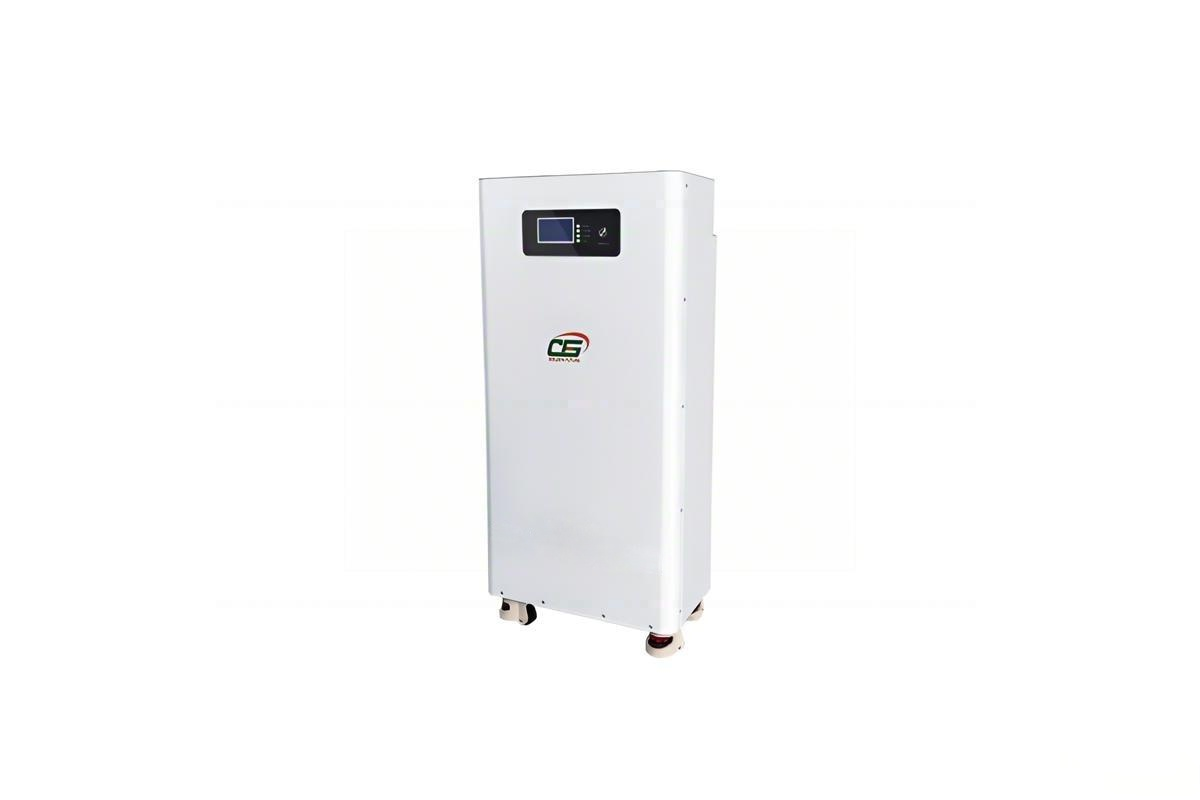
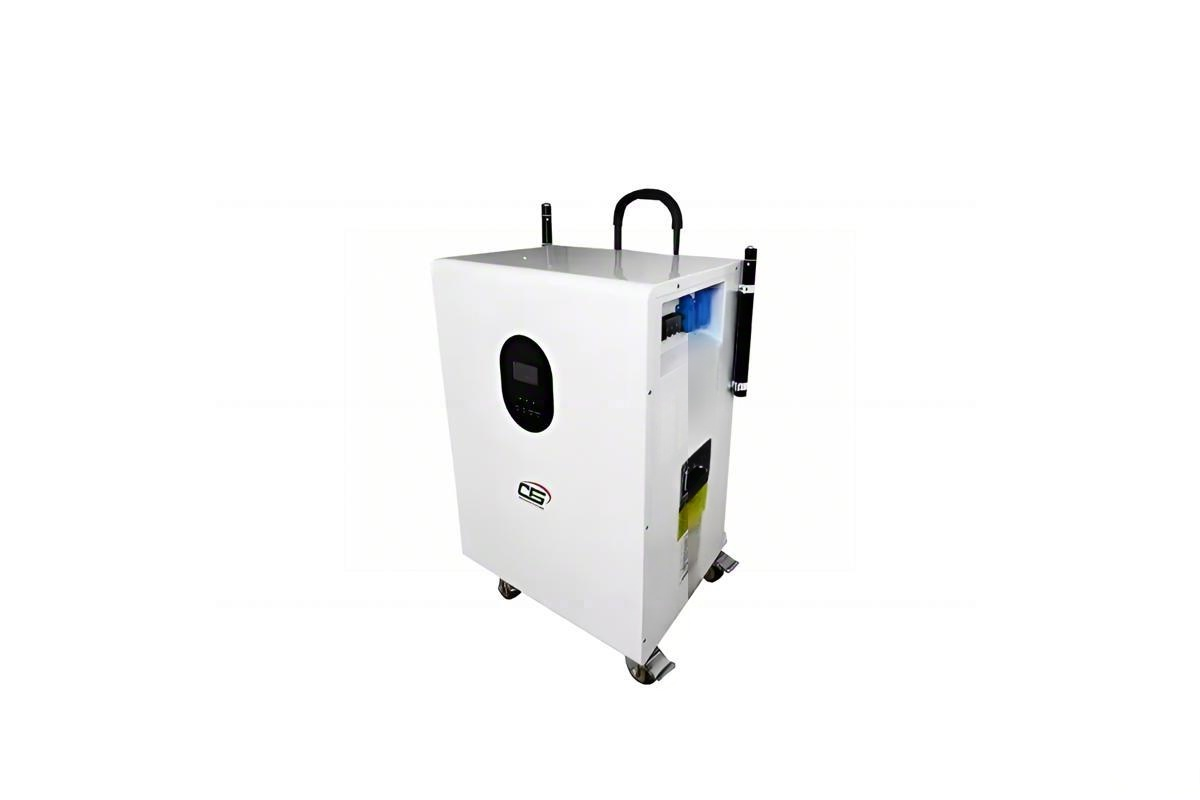
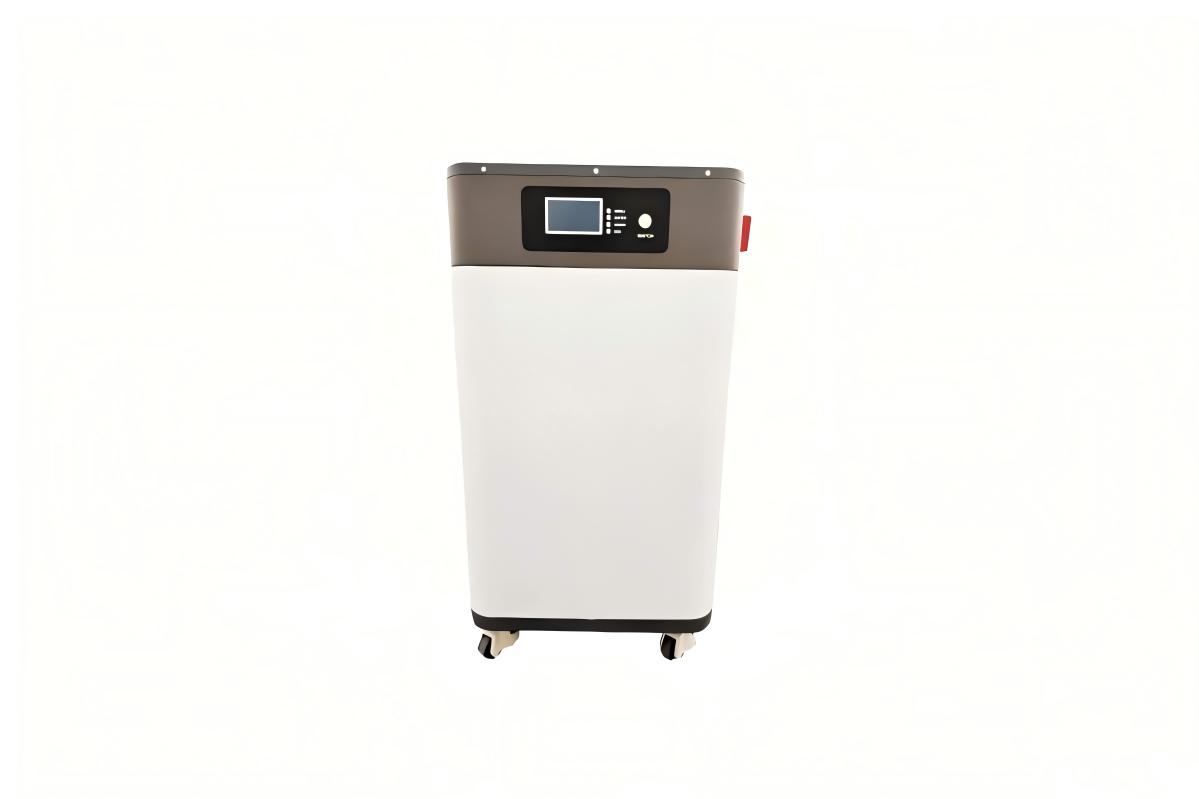
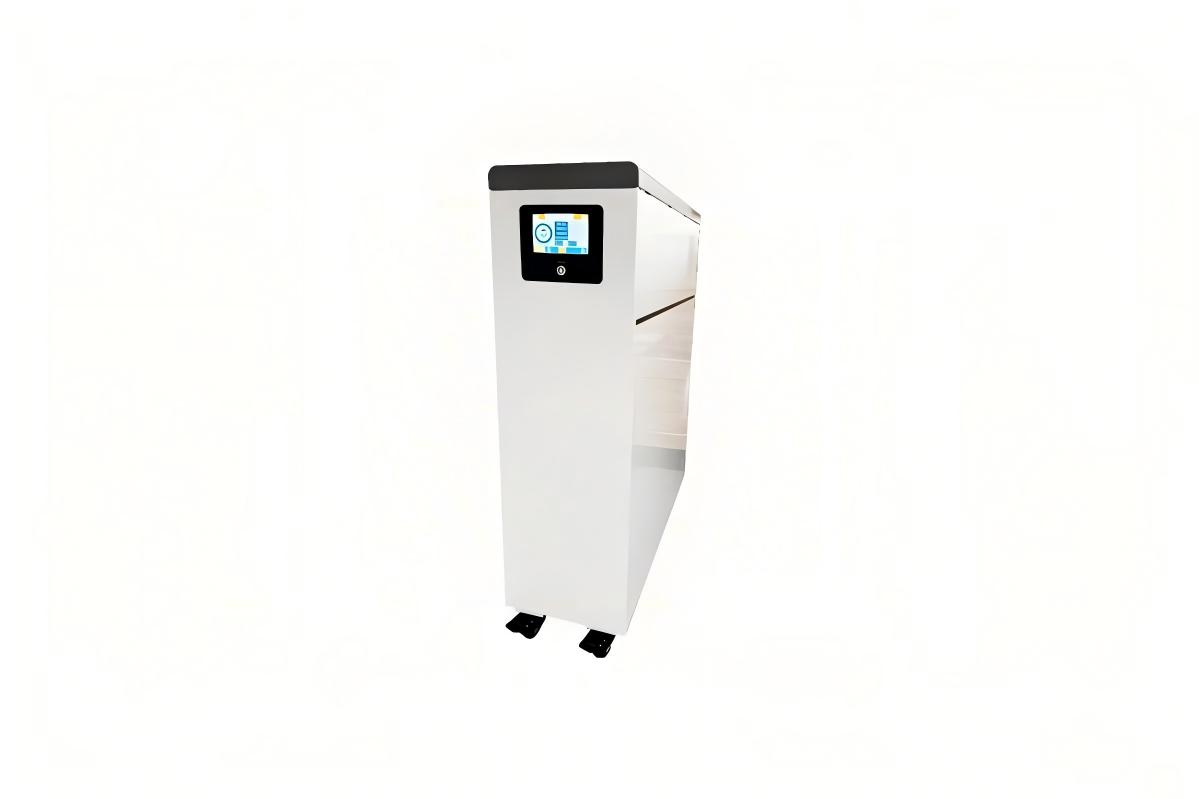
Outdoor energy storage integrated solutions are designed to address the specific needs of outdoor scenarios, such as harsh environmental conditions (extreme temperatures, rain, dust, and corrosion), flexible deployment, and reliable operation without fixed indoor installation conditions. These solutions are widely used in outdoor PV power plants, mobile disaster relief, remote monitoring stations, outdoor commercial activities, and off-grid rural areas, providing stable and efficient power supply support for various outdoor loads. The core of an outdoor energy storage integrated solution is to integrate batteries, inverters, BMS, cooling systems, and safety protection devices into a weatherproof and anti-corrosion integrated cabinet, realizing "plug-and-play" deployment and reducing installation and maintenance costs, while ensuring the system’s stability and safety in harsh outdoor environments.
The first key component of an outdoor energy storage integrated solution is the weatherproof and anti-corrosion integrated cabinet. The cabinet must meet the IP65 or higher protection level to effectively prevent rain, dust, and insects from entering the equipment, ensuring the normal operation of internal components . In addition, for areas with harsh environmental conditions such as high humidity, high salinity, or strong corrosion, the cabinet should be treated with anti-corrosion coatings (such as C4 corrosion protection) to extend its service life . The cabinet’s structural design should also consider heat dissipation and thermal insulation; in high-temperature areas, a forced ventilation or liquid cooling system should be installed to control the internal temperature within the operating range of the components (usually -20°C to 55°C). Liquid cooling systems have made significant breakthroughs in recent years; new phase-change cooling systems can reduce temperature variations by 55%, extending battery lifespan in extreme environments with an operational range of -40°C to 60°C .
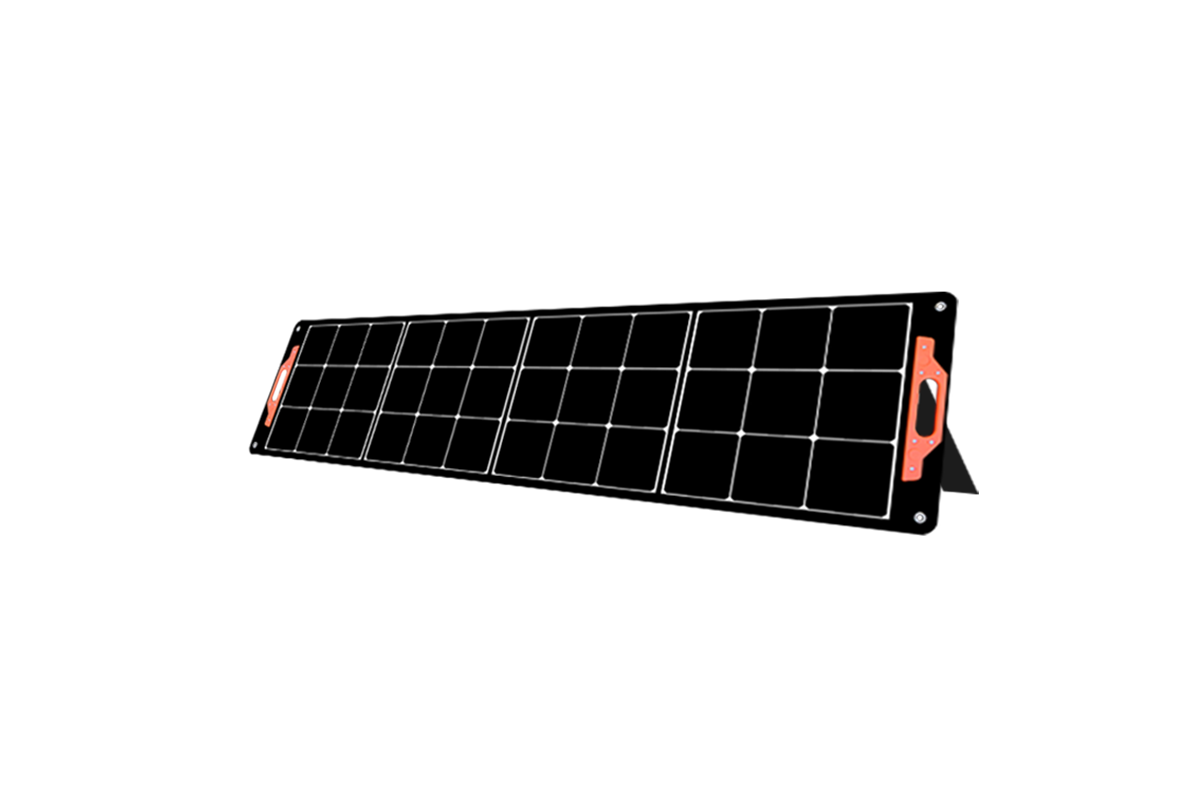
The second core part is the selection and integration of energy storage components suitable for outdoor operation. The battery module should be selected with strong environmental adaptability, and LiFePO4 batteries are preferred due to their wide operating temperature range, high safety, and long cycle life. The battery pack should be equipped with a high-performance BMS that can real-time monitor the temperature, voltage, and current of each battery cell, and adjust the charging and discharging strategy according to the outdoor temperature changes to avoid battery damage caused by overheating or overcooling . The bidirectional inverter should have strong anti-interference ability and stable grid-tied/off-grid switching performance, and support remote monitoring and control functions to facilitate the management of outdoor systems. In addition, the solution should integrate a solar charge controller if it is matched with an outdoor PV system, realizing the complementary use of solar energy and energy storage, improving energy utilization efficiency. For example, large-scale outdoor PV farms often use DC-coupled topology to minimize conversion losses, and a 50MW solar project in Arizona achieved 92% round-trip efficiency using this configuration .
The third aspect is the intelligent monitoring and operation and maintenance system. Outdoor energy storage systems are often deployed in remote areas, making on-site maintenance difficult, so an intelligent remote monitoring system is essential. The system should be equipped with a smart gateway with edge computing capabilities, which can collect real-time operational data of the energy storage system (such as SOC, SOH, output power, and equipment status) and upload it to the cloud platform . Users can monitor the system’s operational status, receive fault alarms, and adjust the charging and discharging strategy through a web terminal or mobile APP, realizing remote management and reducing maintenance costs. For mobile scenarios such as disaster relief, the solution should adopt a modular design with quick-connect interfaces to enable rapid deployment; during the 2023 California wildfires, mobile outdoor energy storage units powered emergency communications for 72+ hours without grid support, with deployment time reduced from 6-8 hours in 2019 to 1.5 hours in 2023 .
Finally, safety protection is a top priority for outdoor energy storage integrated solutions. In addition to the basic overcharge, over-discharge, and over-temperature protection functions of the BMS, the solution should also be equipped with a comprehensive fire protection system, including smoke detectors, temperature sensors, and fire extinguishing devices (such as perfluorinated hexanone fire extinguishers), to quickly respond to fire hazards . The system should also have lightning protection and surge protection functions to avoid damage to equipment caused by lightning strikes in outdoor environments. At the same time, the solution should comply with relevant international standards and certifications such as UL 1973 and IEC 62619 to ensure its safety and reliability . With the continuous development of outdoor energy storage technology, the global outdoor energy storage market is projected to grow at an 18.7% CAGR through 2030, driven by increasing renewable integration mandates and improved battery technology .




 59911926@qq.com/sales@goldenfuturehk.com
 13316809242 / 15816897019
 Inquiry
 Home >