






Time:2026-04-11 Views:301
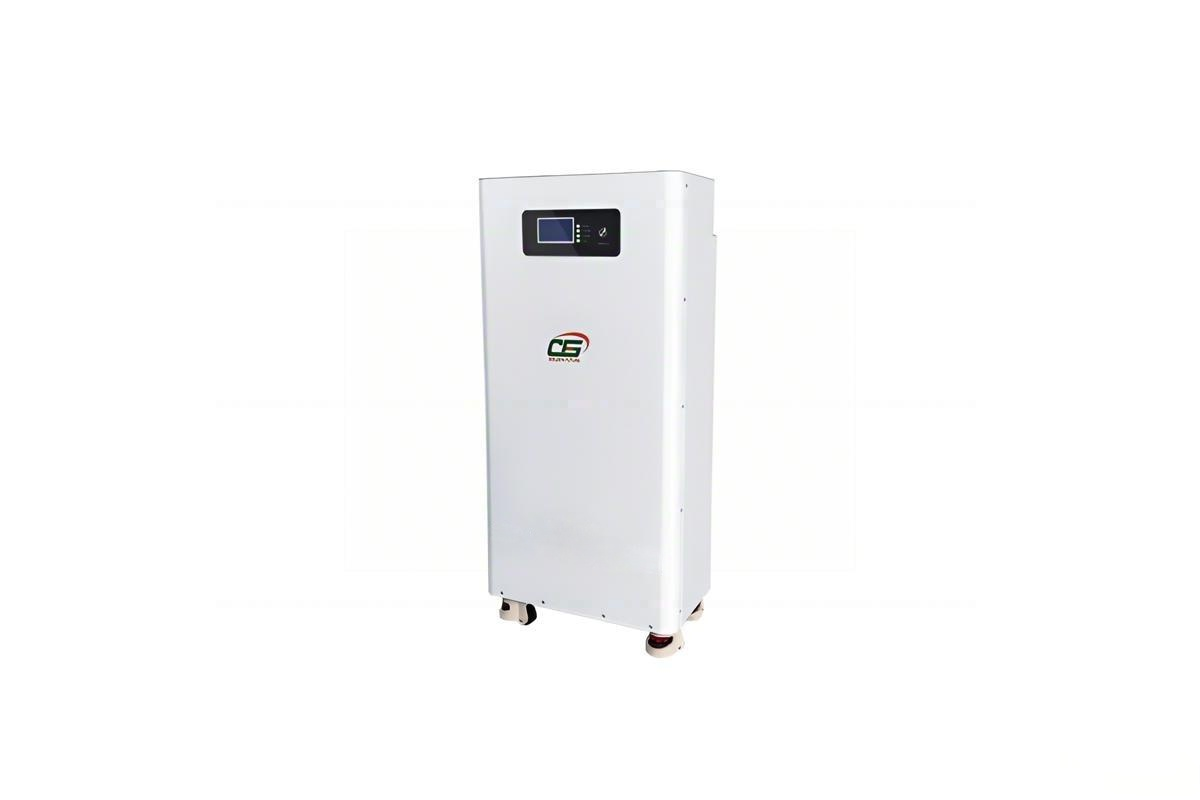
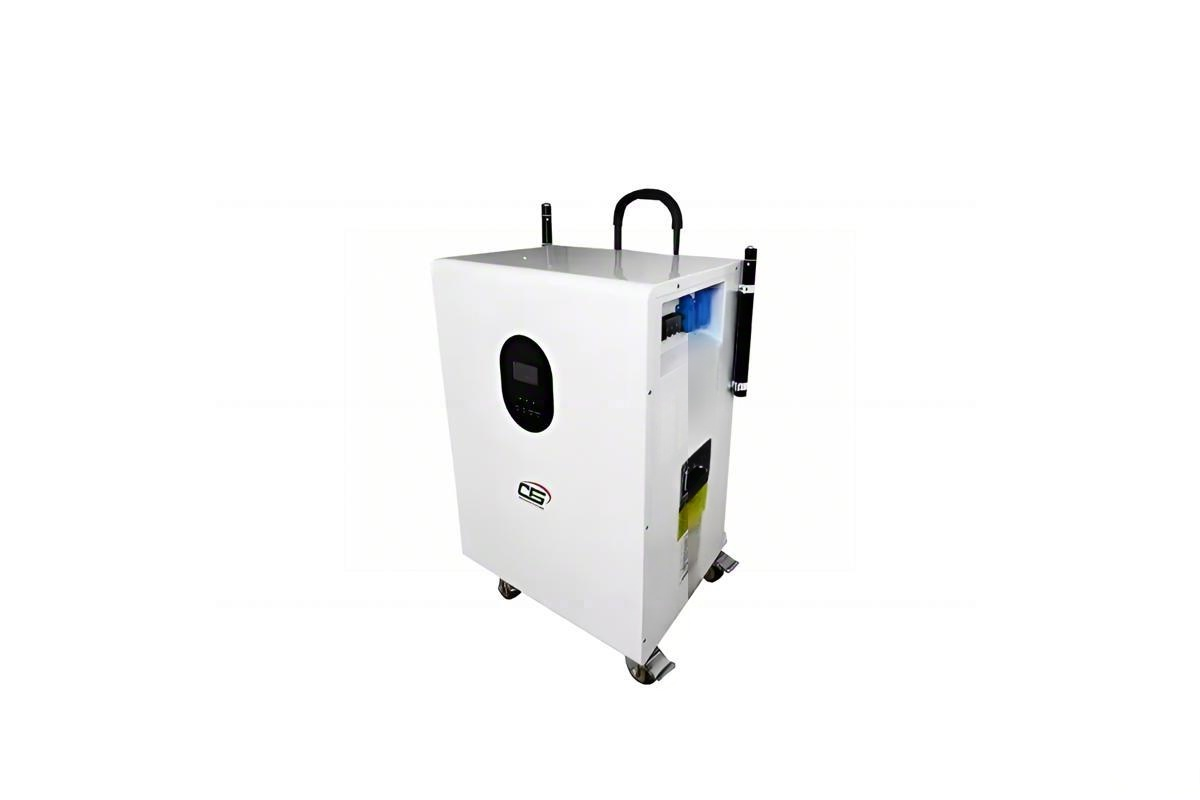
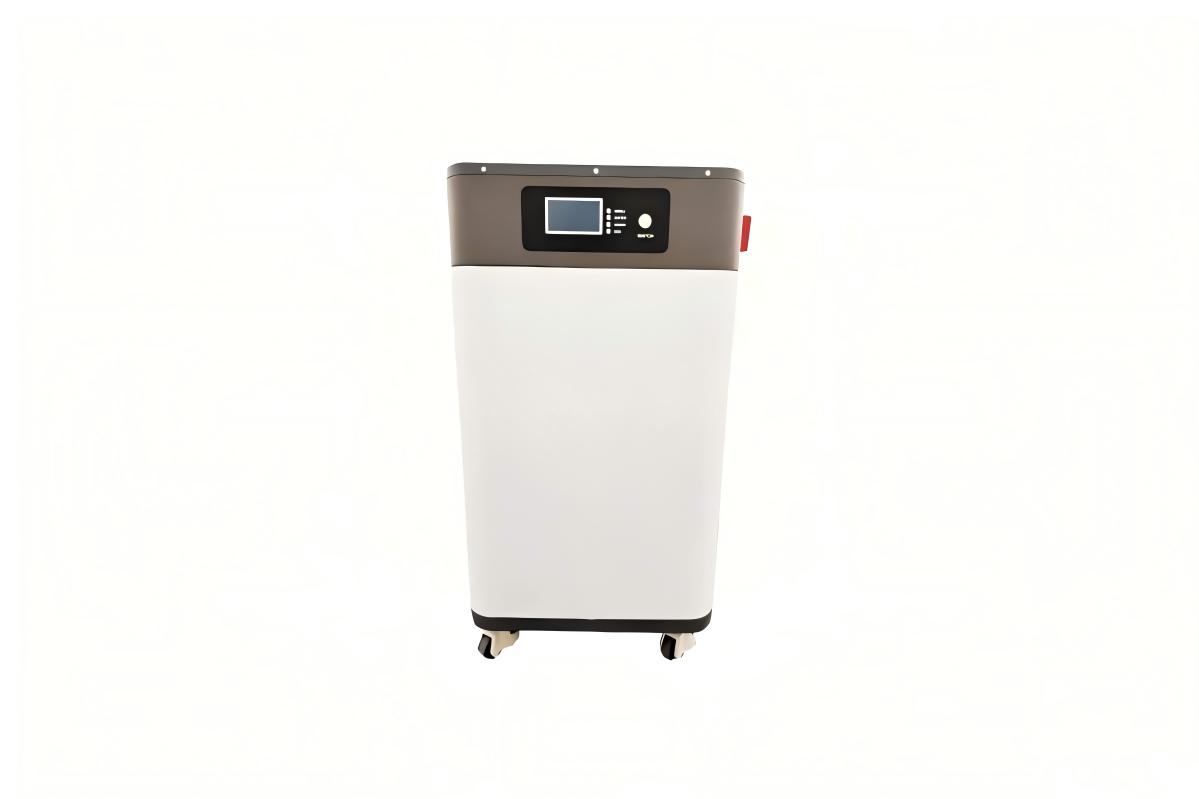
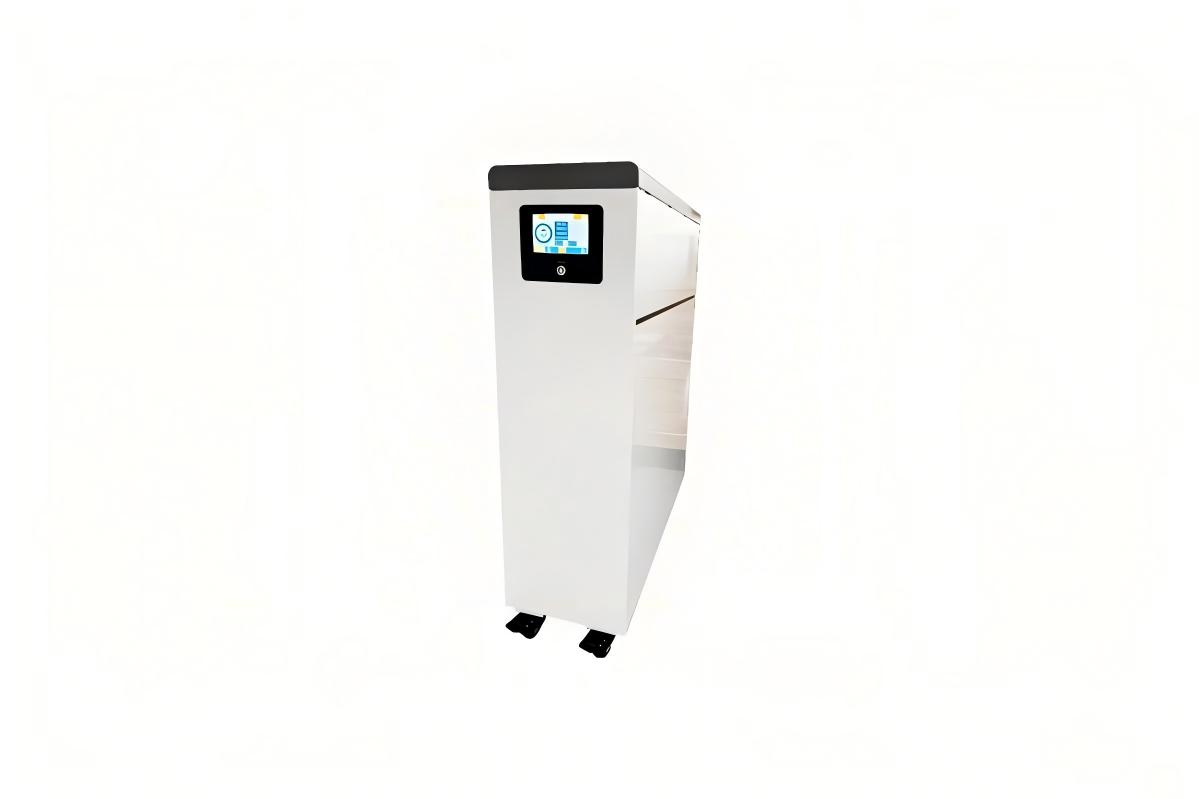
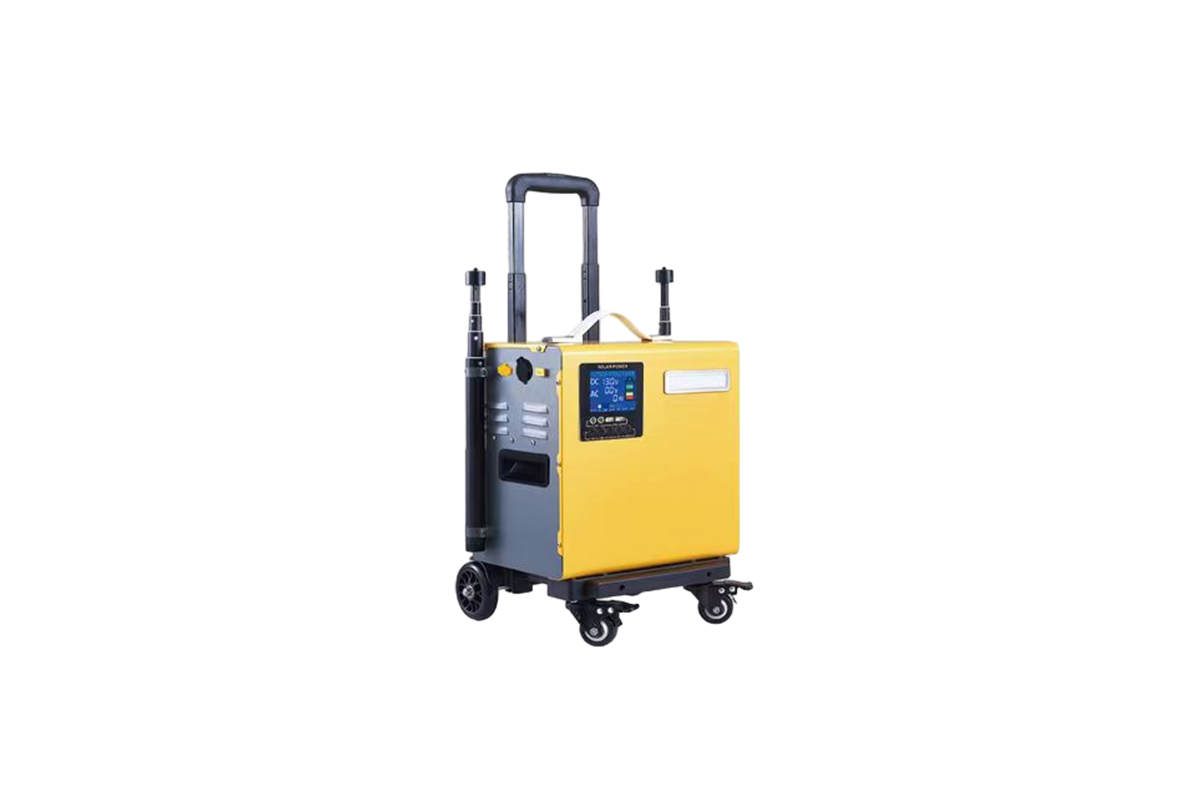
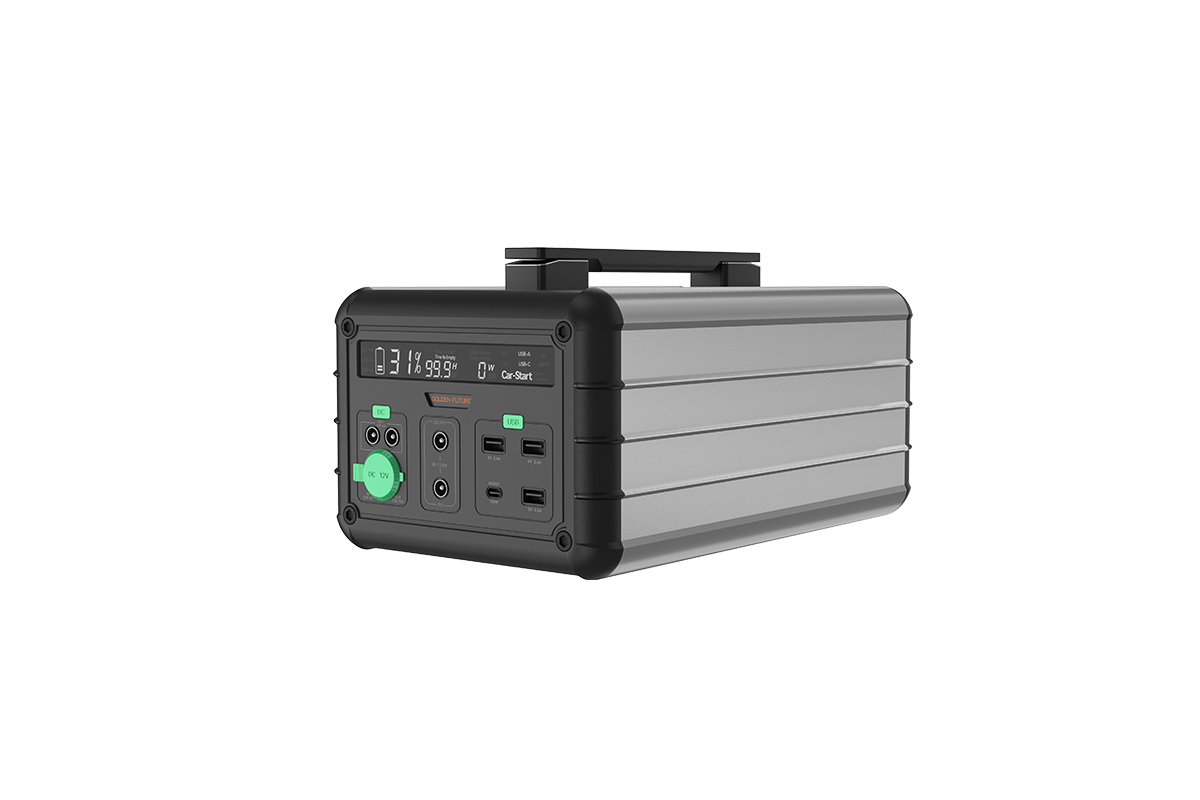
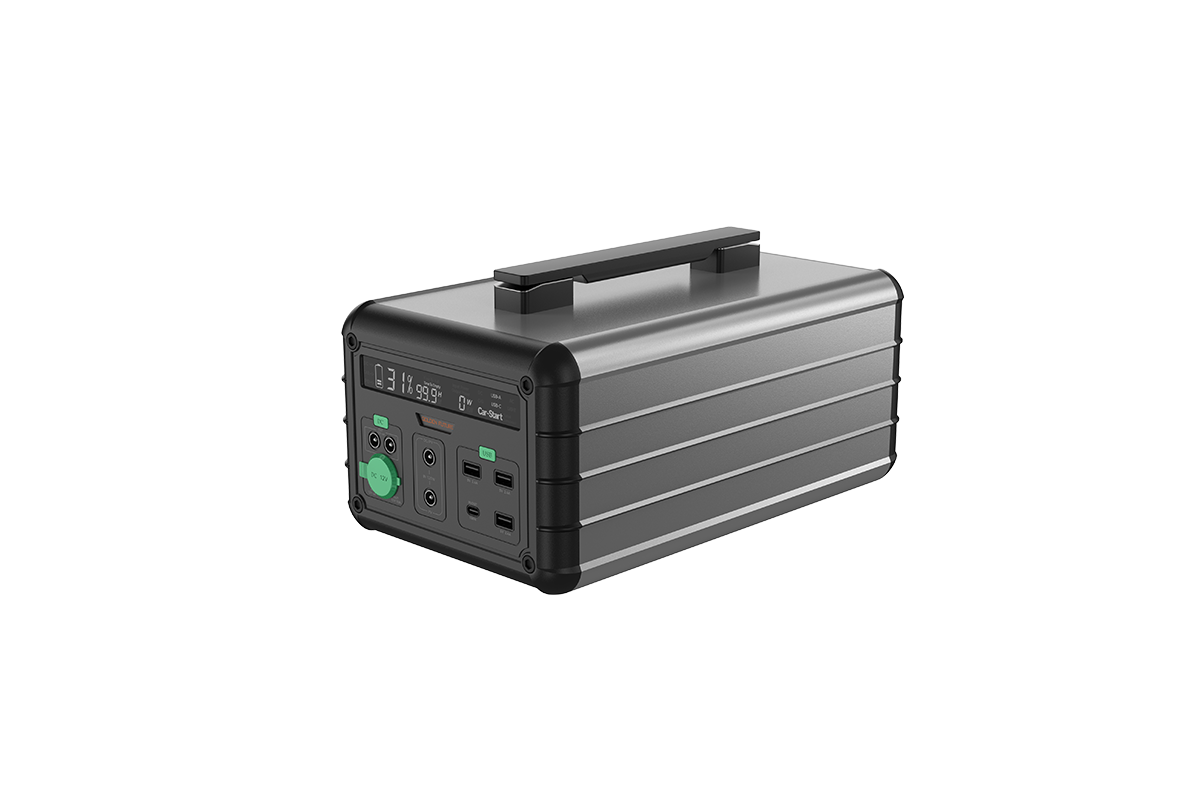
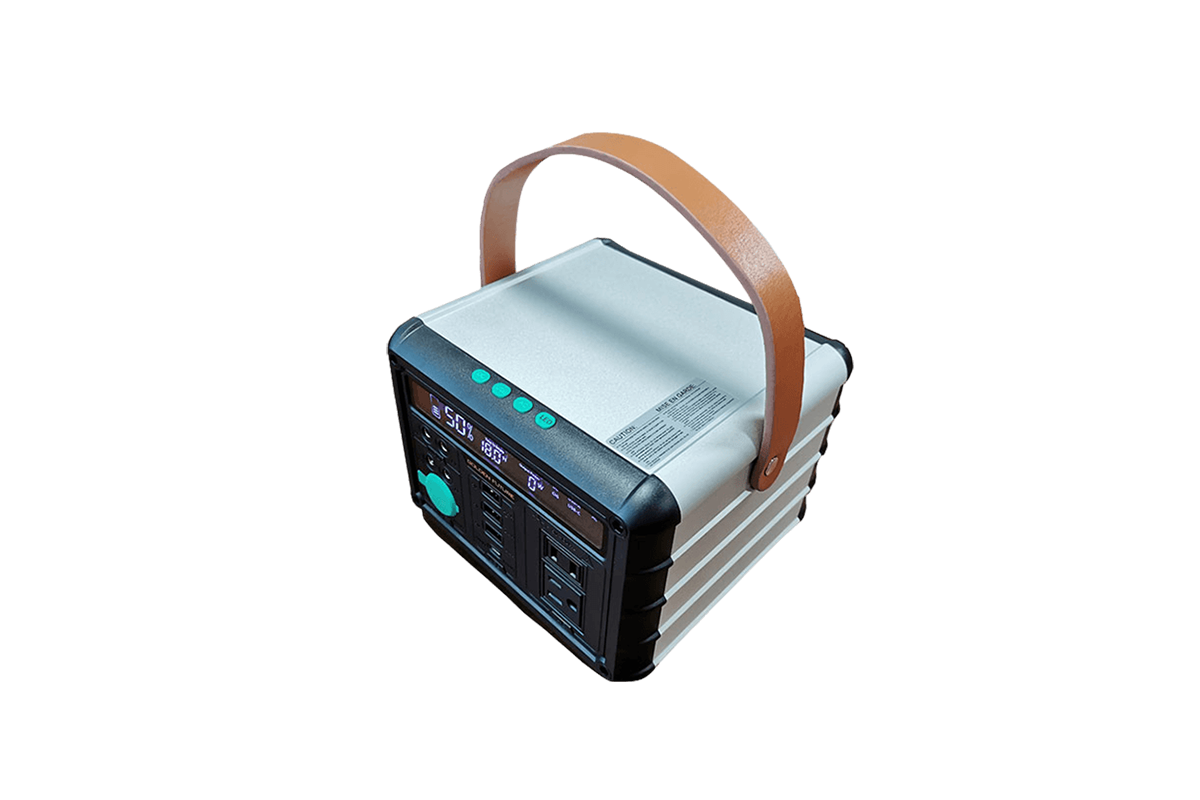
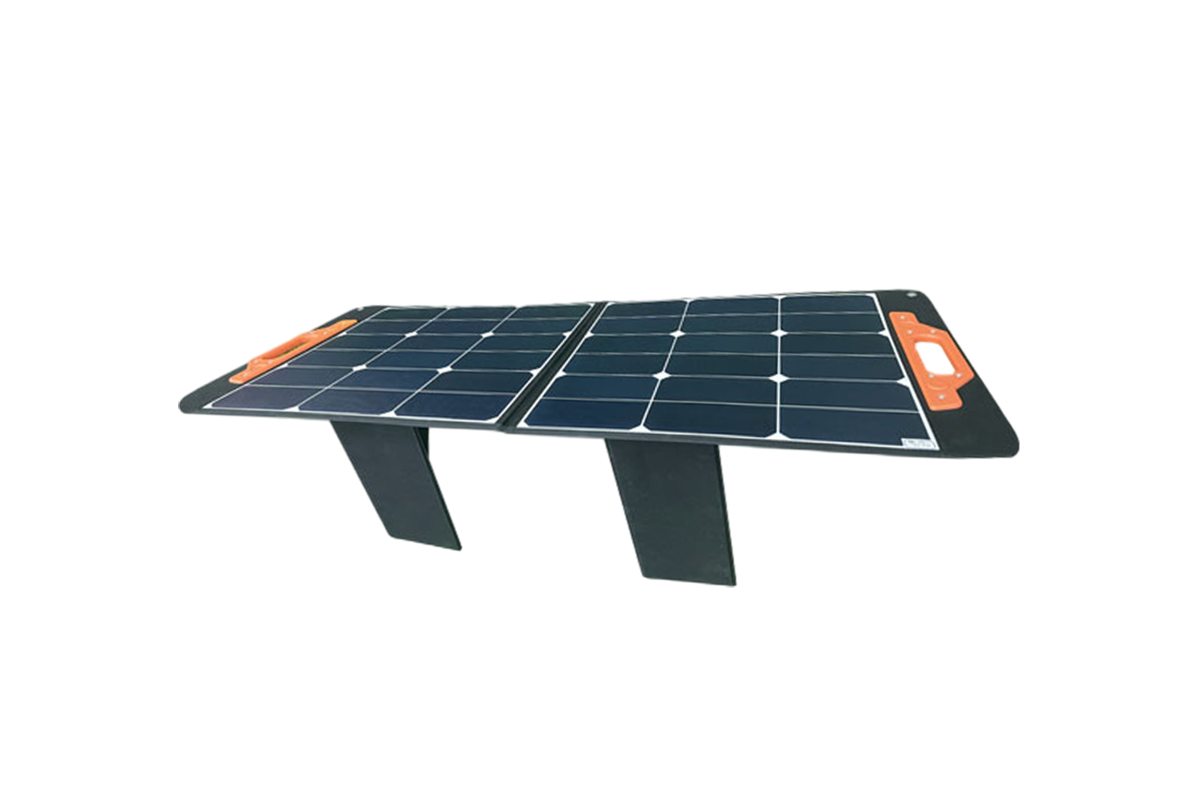
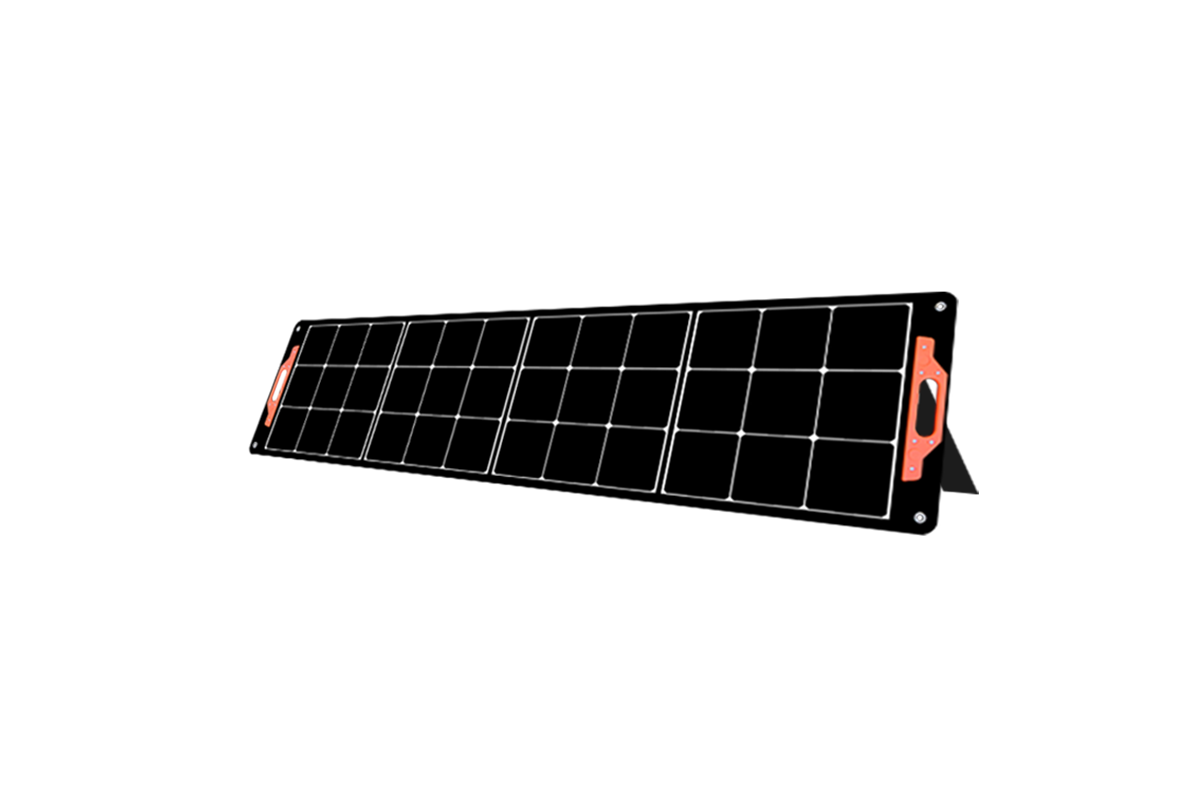
Off-grid solar energy storage battery systems provide a reliable and independent power solution for areas without access to the main electrical grid, such as remote homes, cabins, rural farms, and off-grid communities. These systems combine solar panels, a charge controller, an inverter, and a battery pack to capture, store, and distribute solar energy, ensuring a continuous power supply even when the sun is not shining. The off-grid setup eliminates reliance on utility companies, reduces energy costs, and offers environmental benefits by using clean, renewable energy. However, designing and operating an off-grid solar storage system requires careful planning to ensure it meets the user’s energy needs, maintains battery health, and operates efficiently year-round.
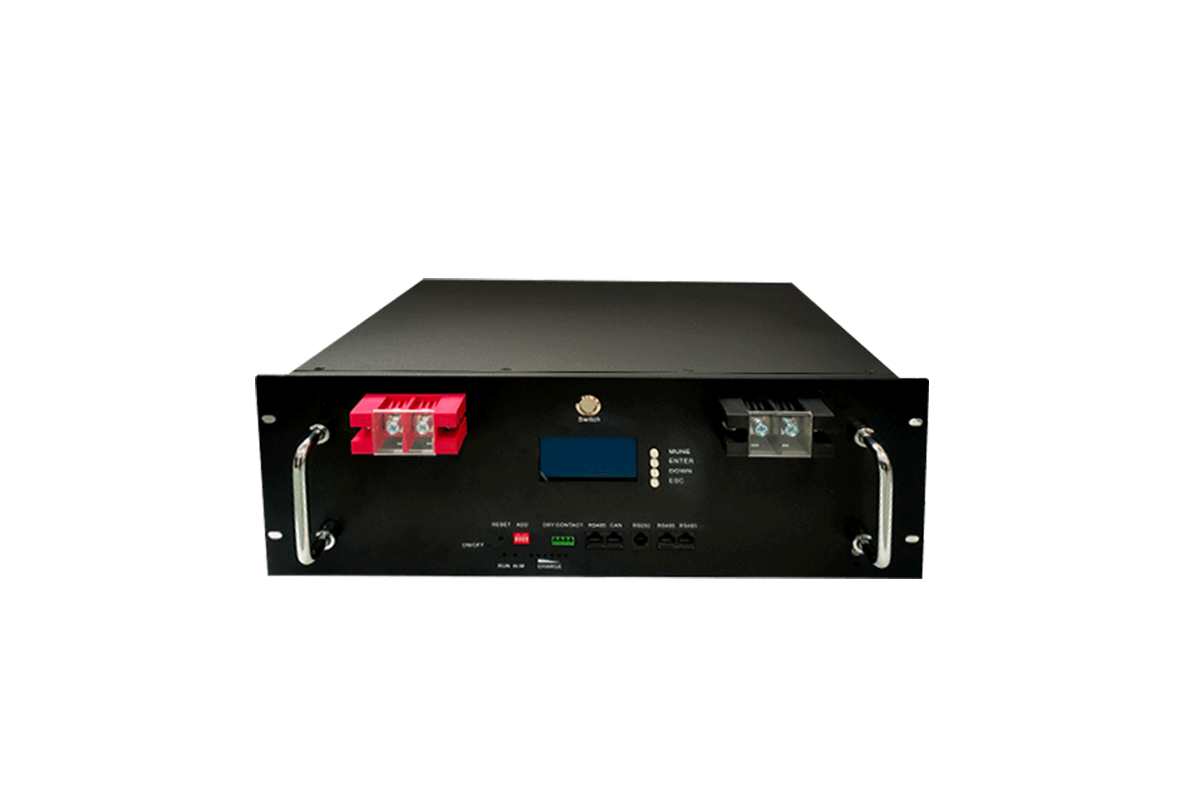
The core component of an off-grid system is the solar energy storage battery, which stores the excess energy generated by the solar panels during the day for use at night or during periods of low sunlight. The choice of battery type is crucial for off-grid applications: lithium-ion batteries are the most popular option due to their high energy density, long cycle life, low self-discharge rate, and compact size. Unlike lead-acid batteries, which require regular maintenance (such as topping up with distilled water) and have a shorter lifespan, lithium-ion batteries are virtually maintenance-free and can withstand deeper discharge cycles, making them ideal for off-grid use. Other options, such as flow batteries, are suitable for larger off-grid systems that require long-duration energy storage, but they are more expensive and less common for residential applications.
To ensure reliable off-grid operation, the system must be sized correctly to match the user’s energy consumption. This involves calculating the daily energy demand (in kWh) by adding up the power requirements of all electrical devices used in the home, including lights, appliances, and electronics. The solar panel array must be sized to generate enough energy to meet this demand, plus a buffer to account for cloudy days and seasonal variations in sunlight. The battery pack’s capacity (in kWh) should be sufficient to store enough energy to power the home during the night and on days with little or no sunlight—typically, a battery pack should be able to provide 2-3 days of backup power to avoid running out of energy during extended cloudy periods.
Operating an off-grid solar storage system requires basic monitoring and maintenance to ensure optimal performance. The charge controller should be set to the correct charging parameters for the battery type to prevent overcharging or undercharging, which can degrade the battery. Regularly check the battery’s state of charge (SOC) to avoid deep discharge, as this can reduce the battery’s lifespan—most lithium-ion batteries should not be discharged below 20-30% of their capacity. Additionally, inspect the solar panels for dirt, debris, or damage, as this can reduce their efficiency, and clean them regularly if necessary. The inverter should also be checked periodically to ensure it is converting DC power from the battery to AC power efficiently, and any unusual noises or error messages should be addressed promptly. With proper planning and maintenance, an off-grid solar energy storage system can provide reliable, clean power for many years.




 59911926@qq.com/sales@goldenfuturehk.com
 13316809242 / 15816897019
 Inquiry
 Home >