





Time:2025-11-28 Views:1
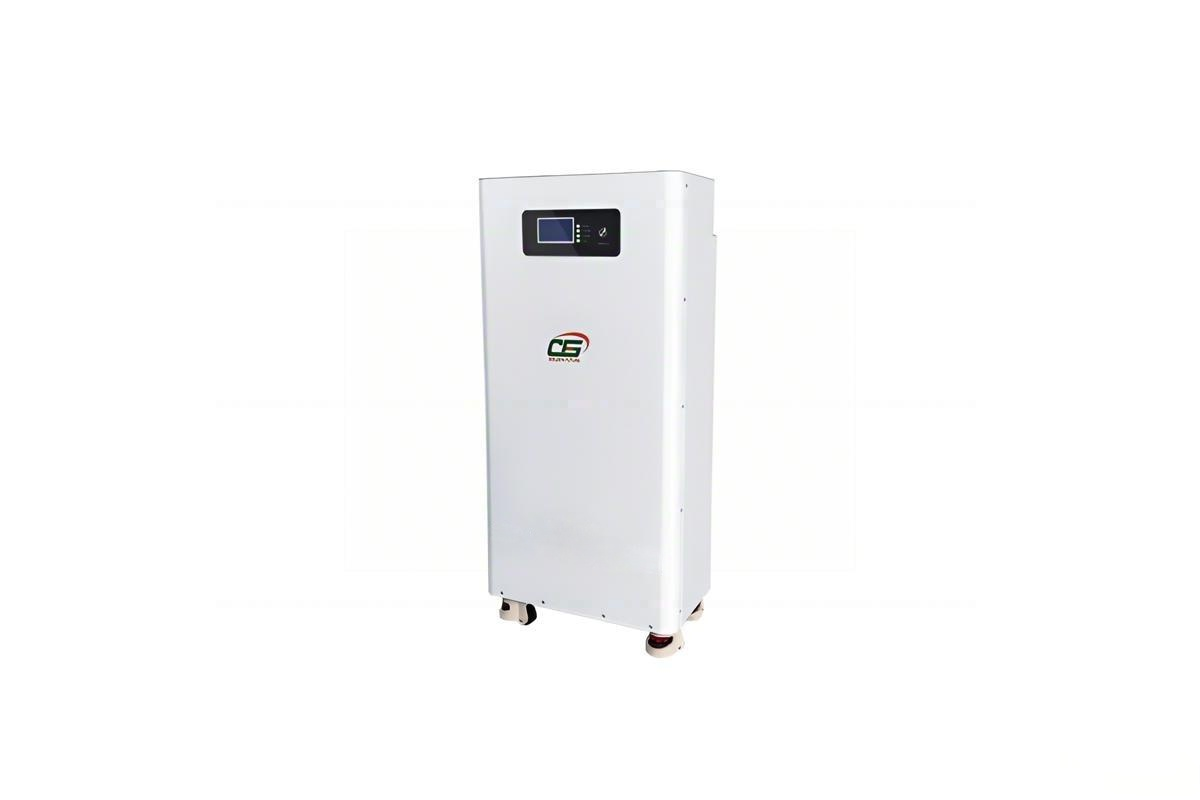
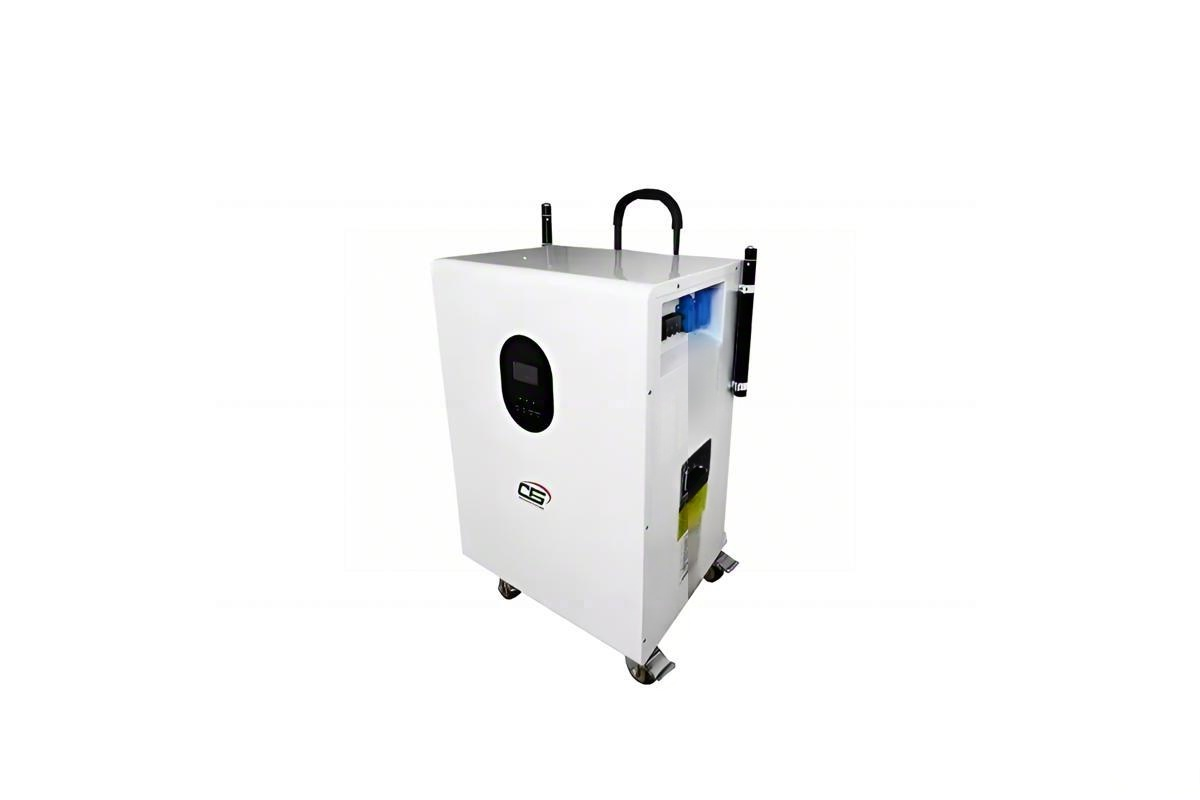
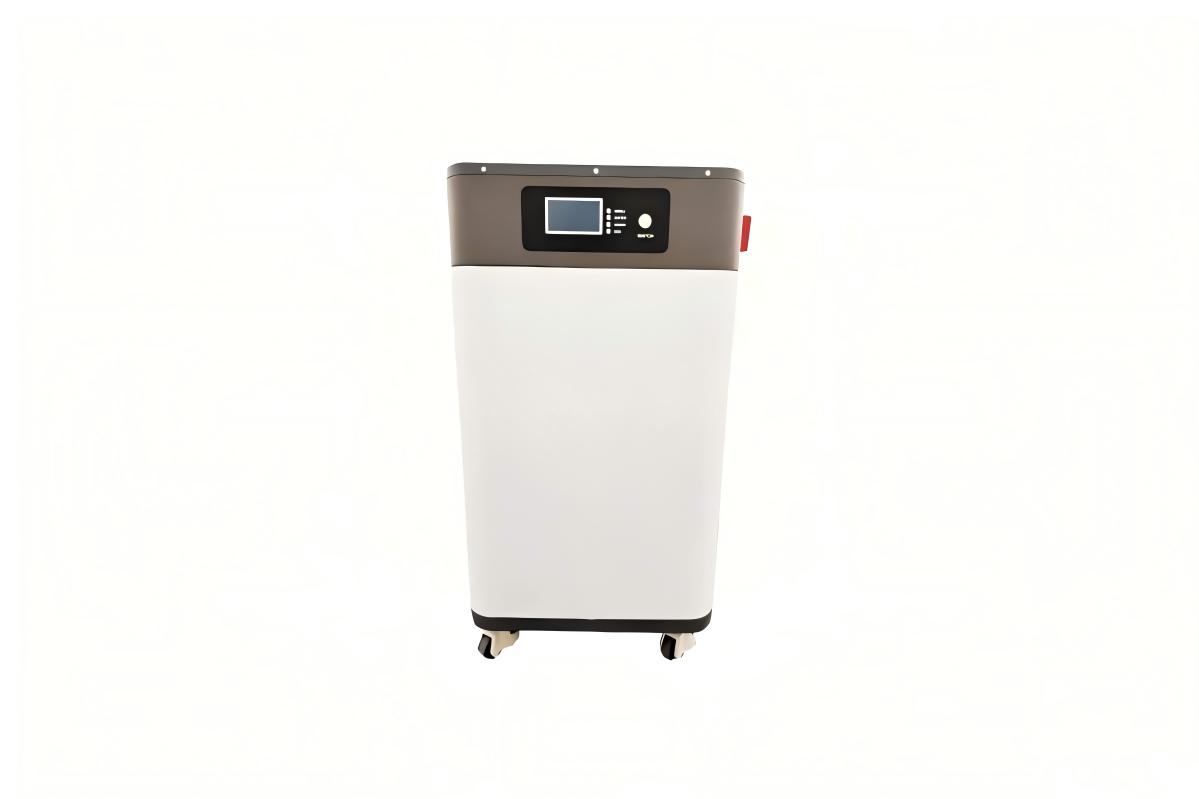
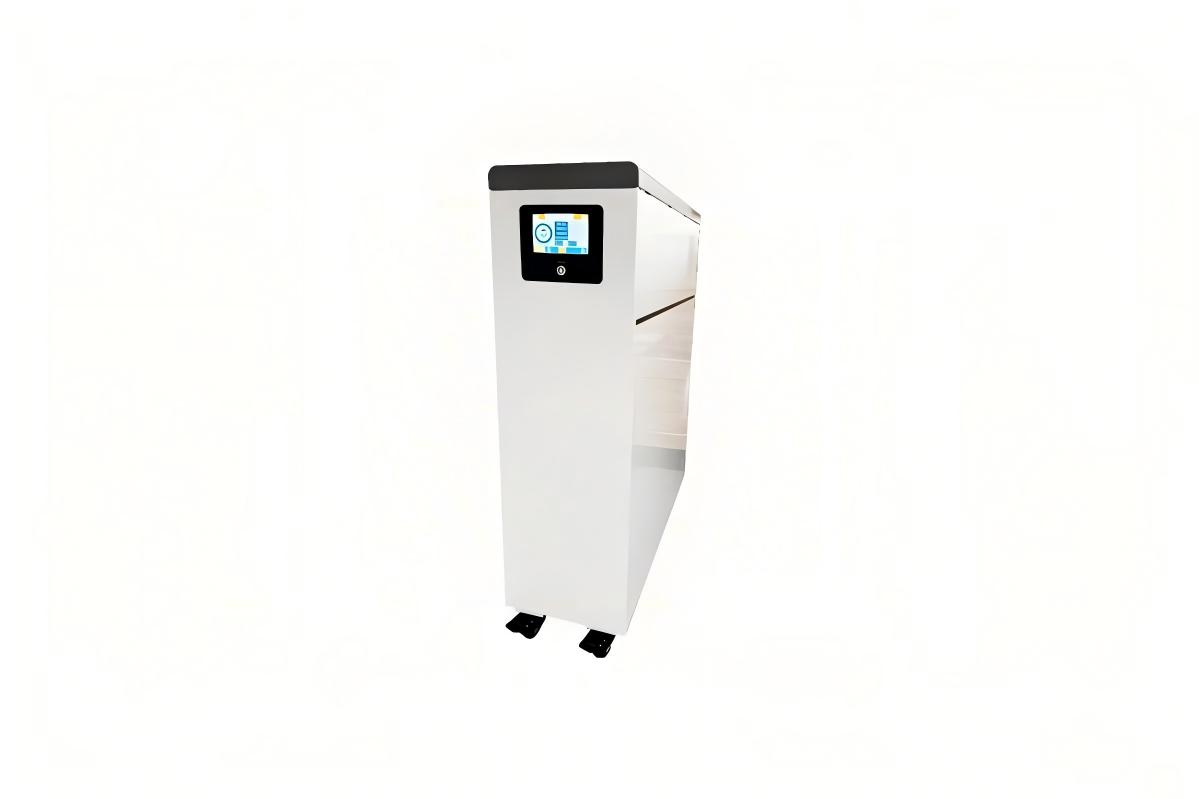
The off grid solar energy system is a complete, independent power solution designed for homes, cabins, or businesses that are not connected to the municipal power grid—or for those who want to break free from grid reliance entirely. Unlike grid-tied systems (which feed excess power back to the grid), off grid systems store all generated energy in batteries, ensuring a constant power supply even when the sun isn’t shining. This makes them ideal for remote locations like mountain cabins, rural farms, or off-grid tiny homes, as well as for users who prioritize energy independence and resilience against grid outages.
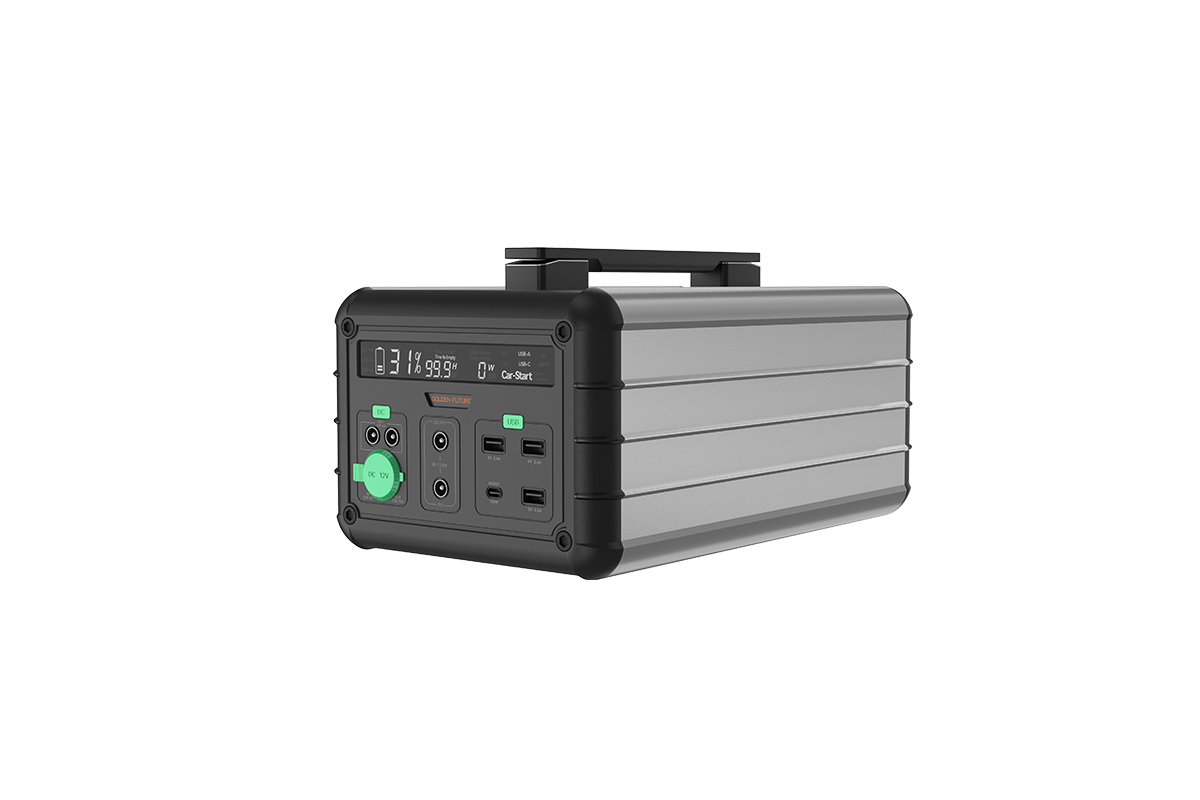
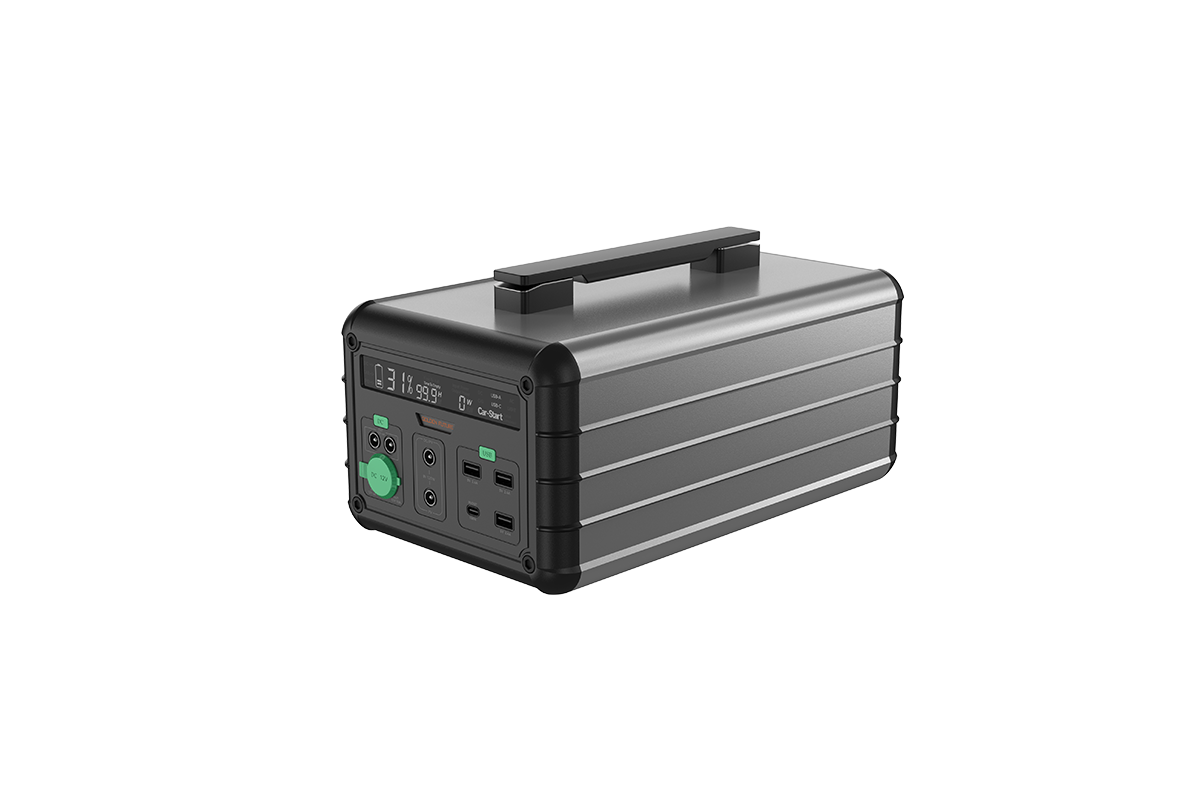
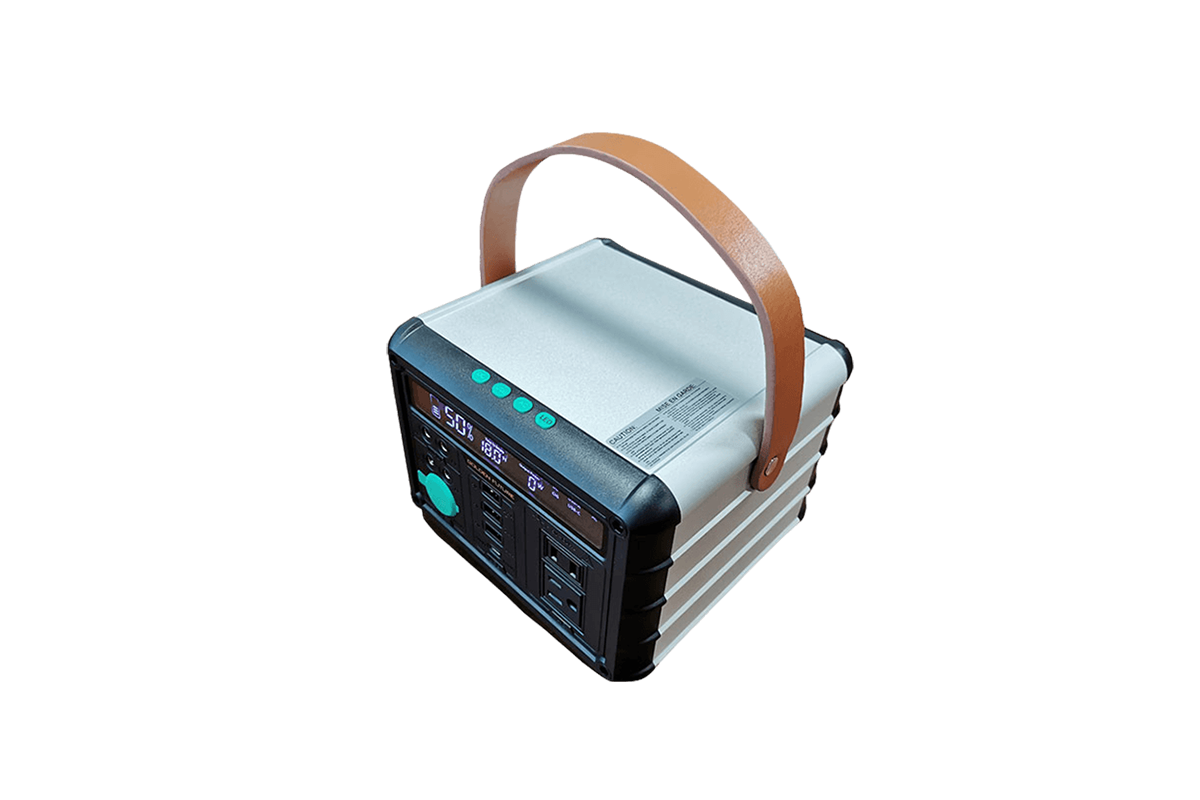
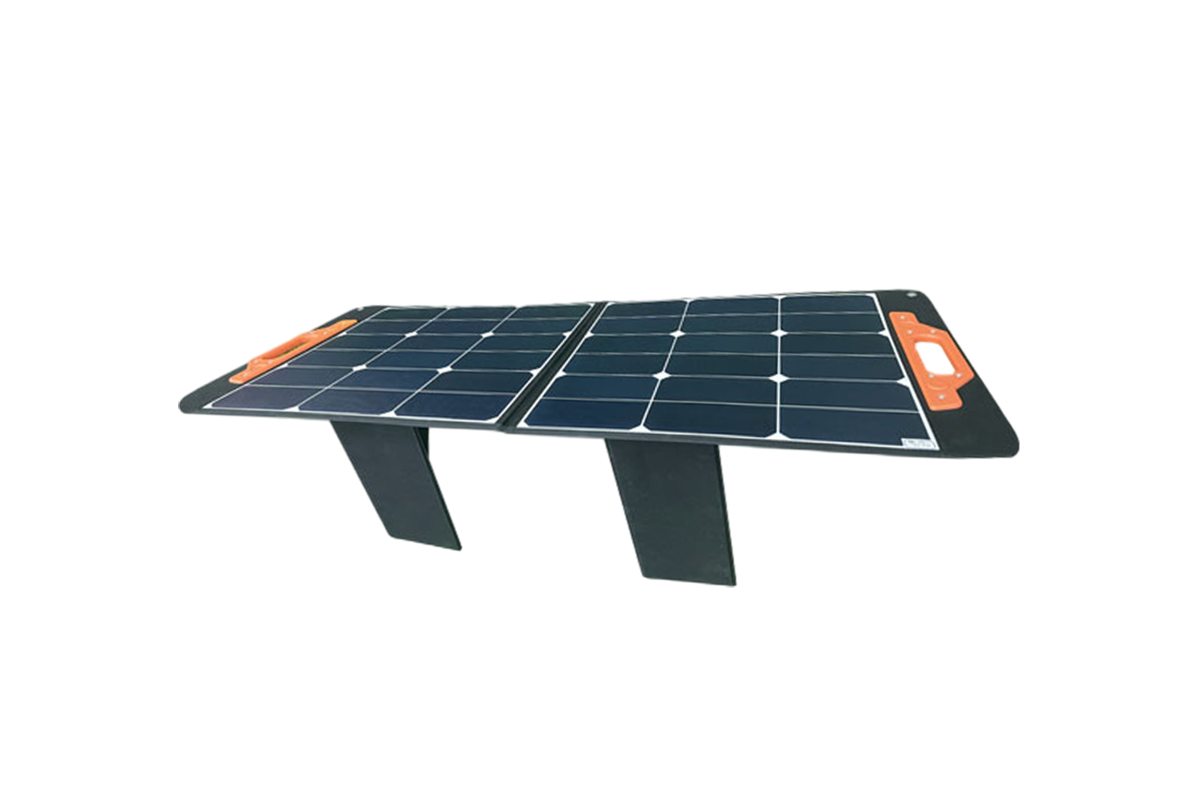
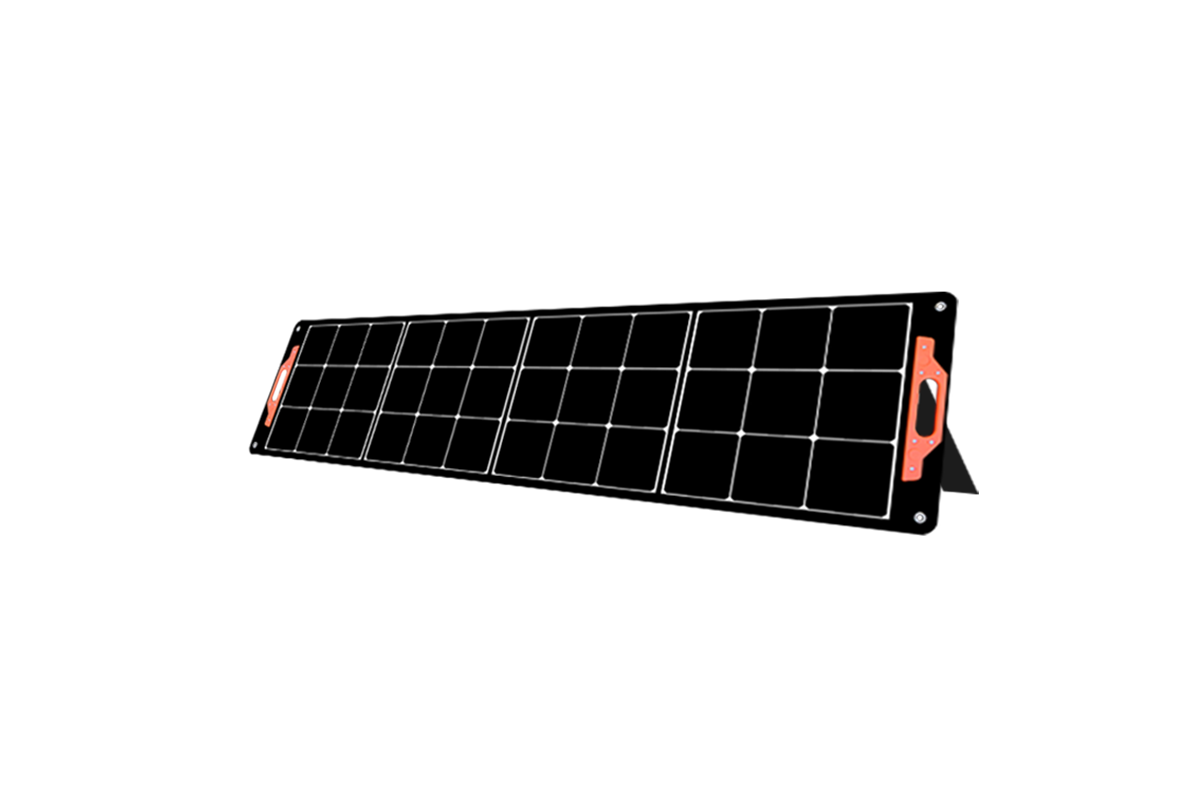
A typical off grid system includes four core components: solar panels (to capture sunlight and convert it to electricity), a charge controller (to regulate power flow to batteries and prevent overcharging), a battery bank (to store energy for use at night or on cloudy days), and an inverter (to convert the DC power from panels/batteries to AC power for household appliances). System sizes vary based on energy needs, but most residential off grid systems range from 1kW to 10kW. For example, a 3kW system (with 8-10 300W solar panels) can power a small cabin with essential appliances: a refrigerator, a few lights, a TV, and a water pump. Larger systems (5kW+) can handle more demanding needs, like a full-sized home with a washing machine, oven, and HVAC systems (depending on efficiency).
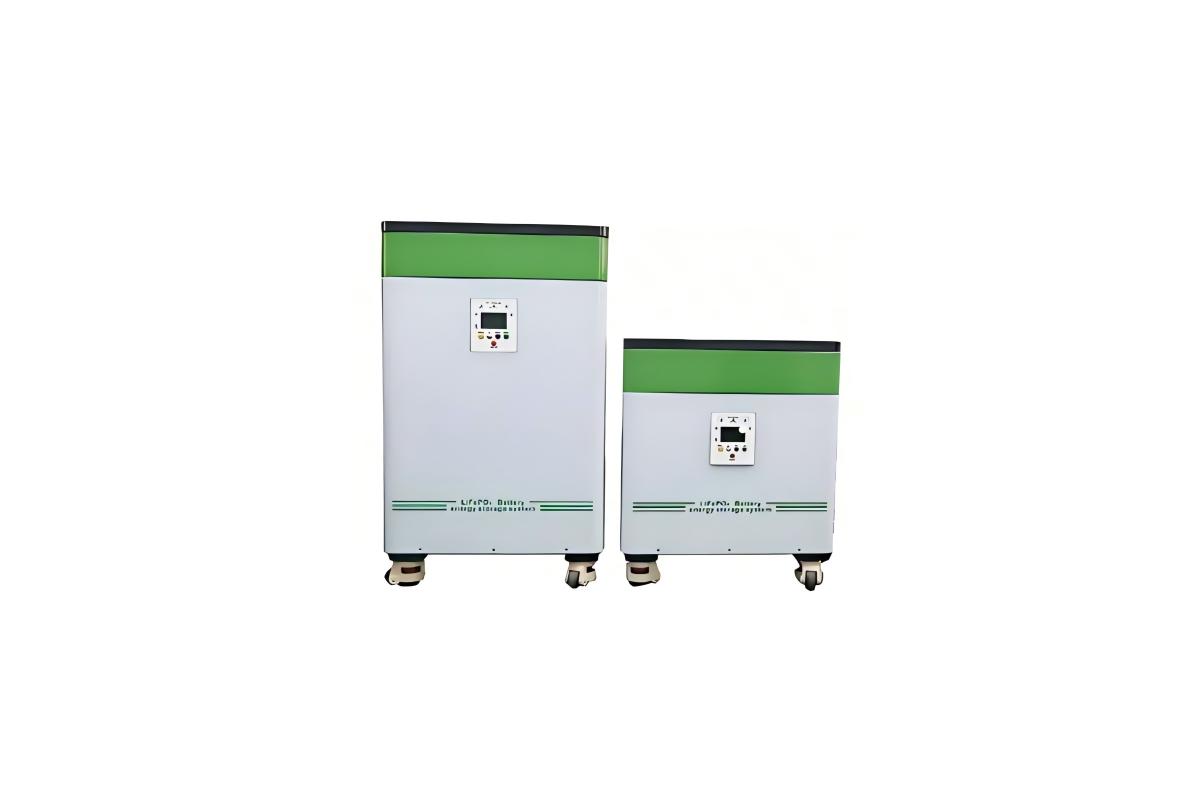
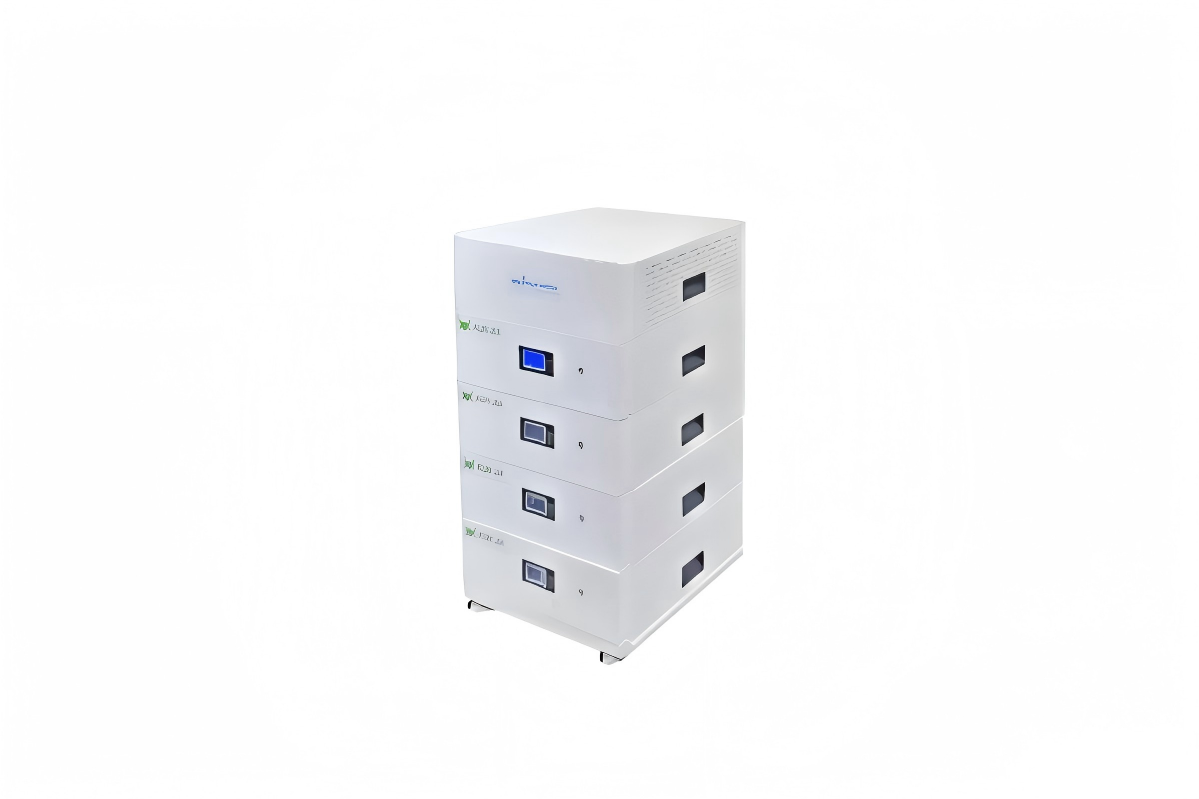
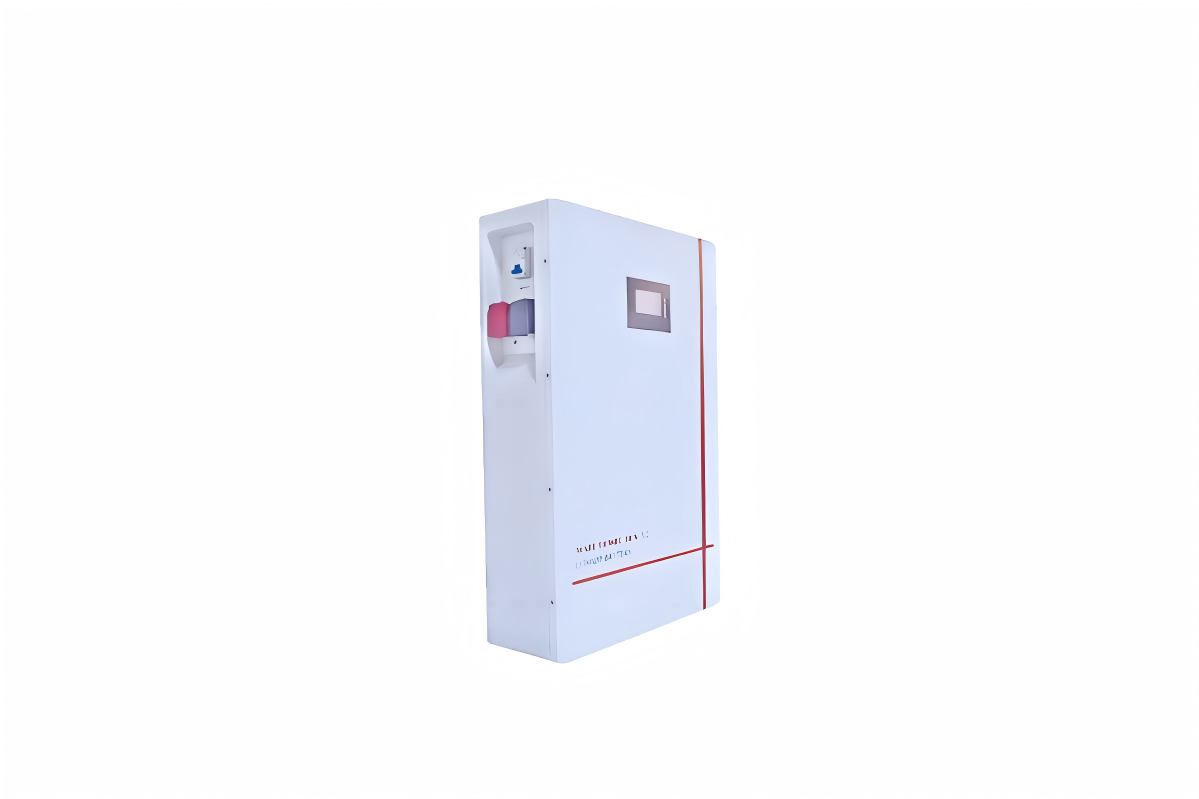
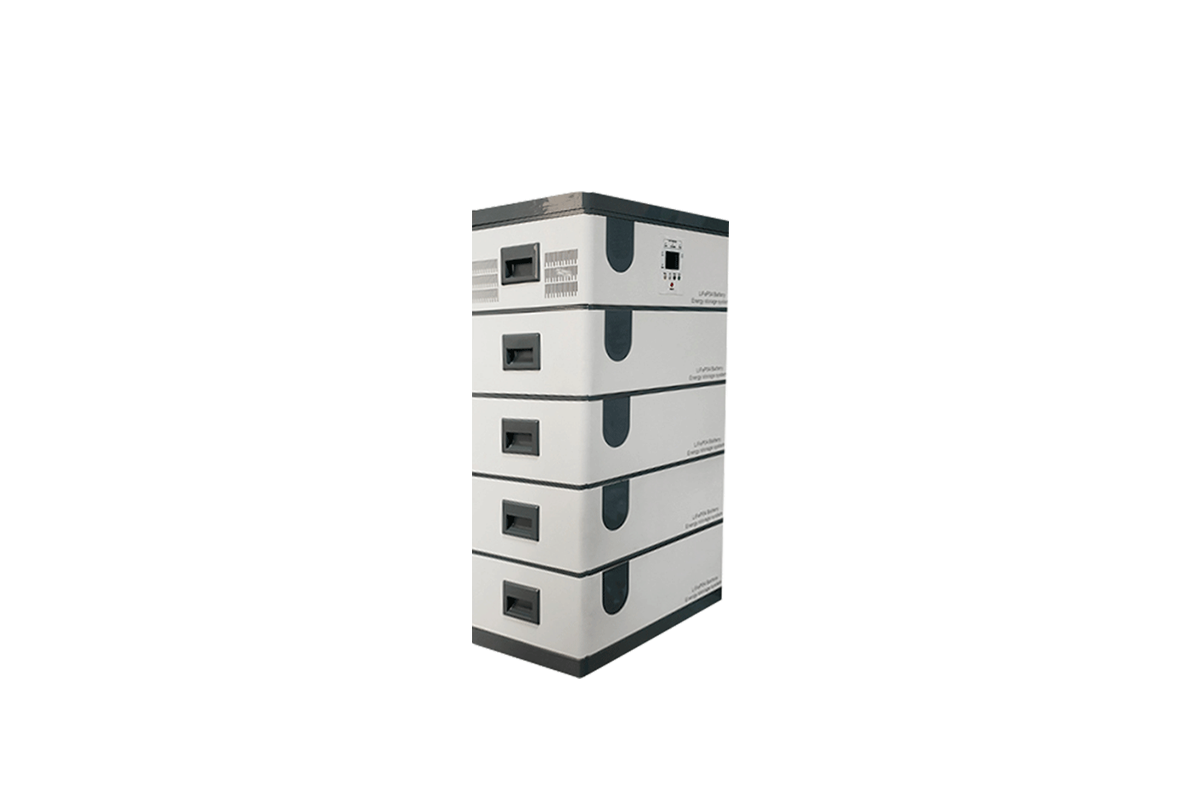
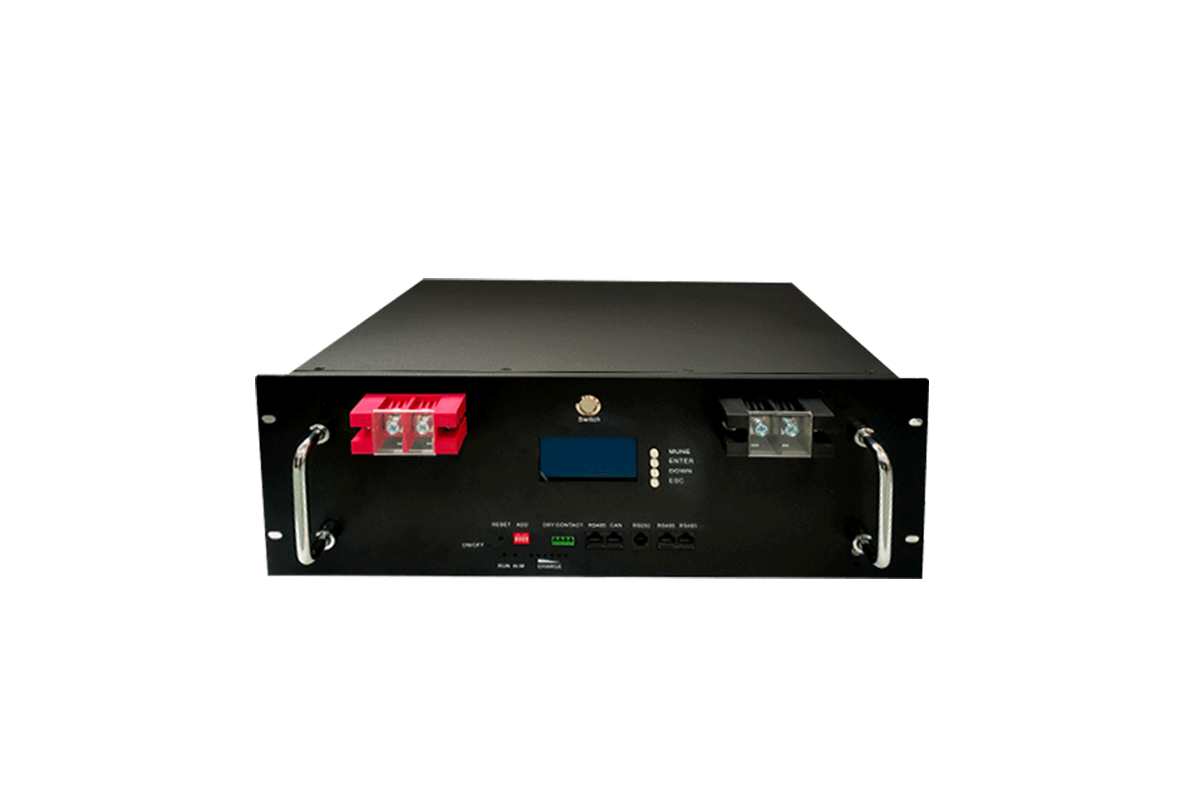
Battery banks for off grid systems are usually deep-cycle lithium-ion or lead-acid batteries, with capacities ranging from 10kWh to 50kWh (or more for larger homes). The charge controller (often MPPT, for maximum efficiency) ensures that solar panels deliver optimal power to the batteries, while the inverter (pure sine wave, for compatibility with sensitive electronics) provides stable AC power. Maintenance needs are minimal: solar panels last 25-30 years, batteries need replacement every 5-10 years, and the controller/inverter require occasional checks. While the upfront cost is higher than grid-tied systems, off grid solar energy systems eliminate monthly electricity bills and provide reliable power in areas where grid access is unavailable or unreliable. For anyone seeking true energy independence, this system is a long-term, sustainable investment.




 59911926@qq.com/sales@goldenfuturehk.com
 13316809242 / 15816897019
 Inquiry
 Home >