






Time:2025-12-19 Views:1
Off - grid inverter technology delivers reliable AC power in remote areas without grid access, powering rural communities, telecom towers, and off - grid cabins. Unlike grid - tied counterparts, they operate independently, relying on energy storage (batteries) and renewable sources (solar/wind), so stability and battery compatibility are paramount.
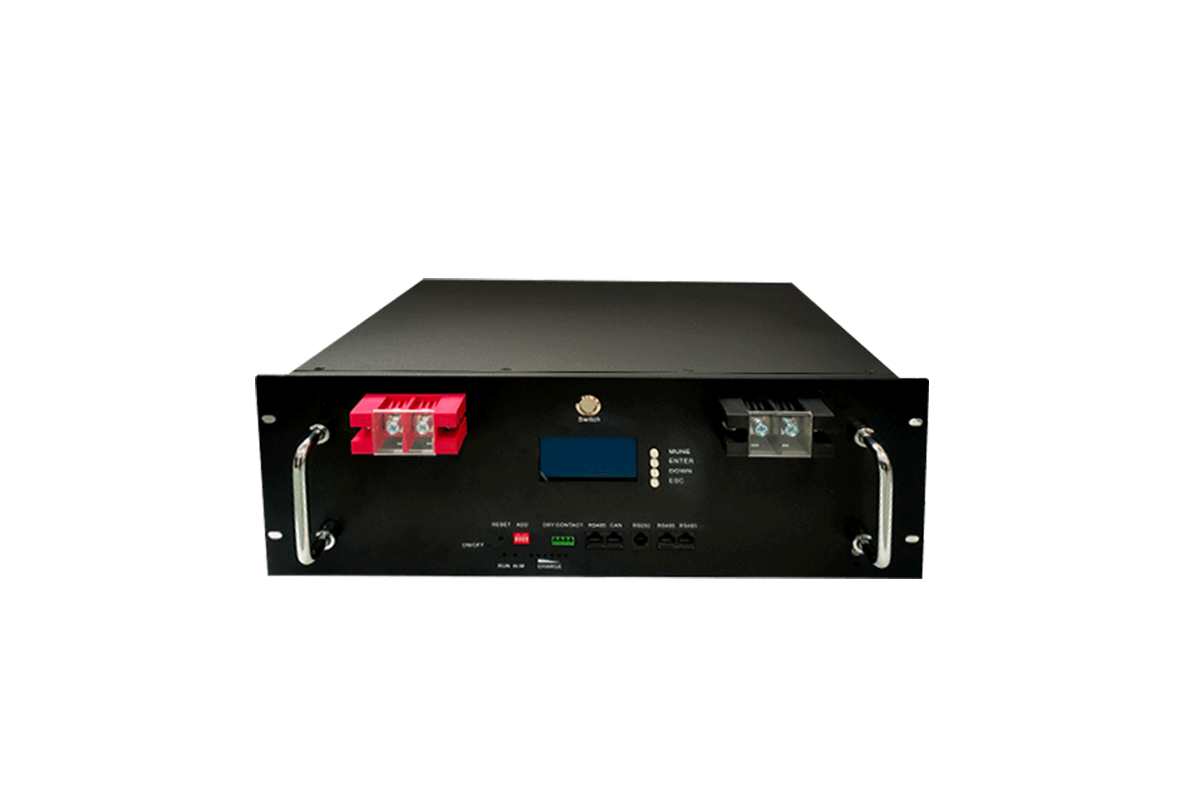
A key component is the battery management system (BMS). It monitors state - of - charge (SoC), voltage, and temperature, preventing overcharging/discharging and extending battery life. Off - grid inverters use pure sine wave output to power sensitive electronics like laptops and medical devices, avoiding the harmonic distortion of modified sine wave alternatives.
To handle variable renewable inputs, they integrate advanced MPPT controllers that maximize solar energy harvest even in low - light conditions, with some models starting at irradiance levels as low as 200W/m² . Load - matching technology adjusts output to prevent overloads—if a high - power device (like a refrigerator) turns on, the inverter prioritizes critical loads or draws additional power from batteries.
Durability is designed for harsh environments. IP65 - rated enclosures resist dust and moisture, while wide operating temperature ranges (-20°C to 50°C) suit extreme climates. Some models include generator integration, automatically starting backup generators when battery SoC drops below 20%, ensuring 24/7 power availability in off - grid settings.




 59911926@qq.com/sales@goldenfuturehk.com
 13316809242 / 15816897019
 Inquiry
 Home >