





Time:2026-03-13 Views:1
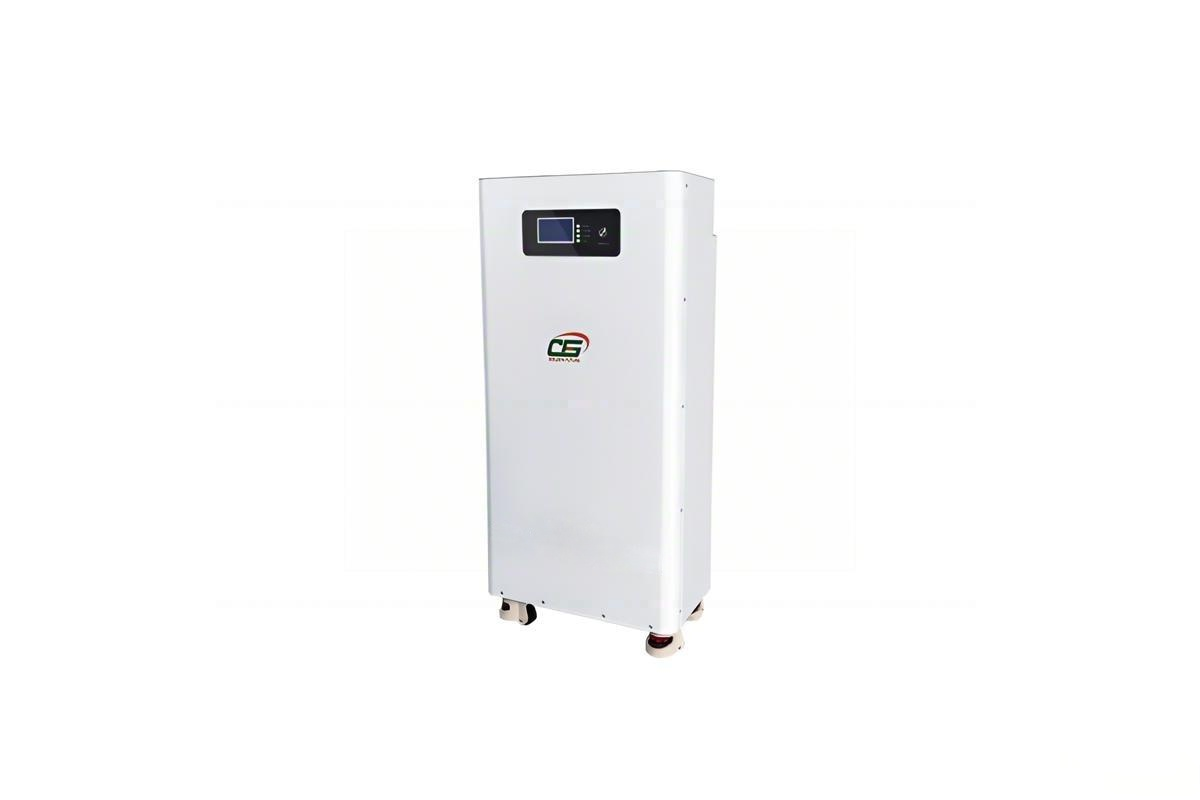
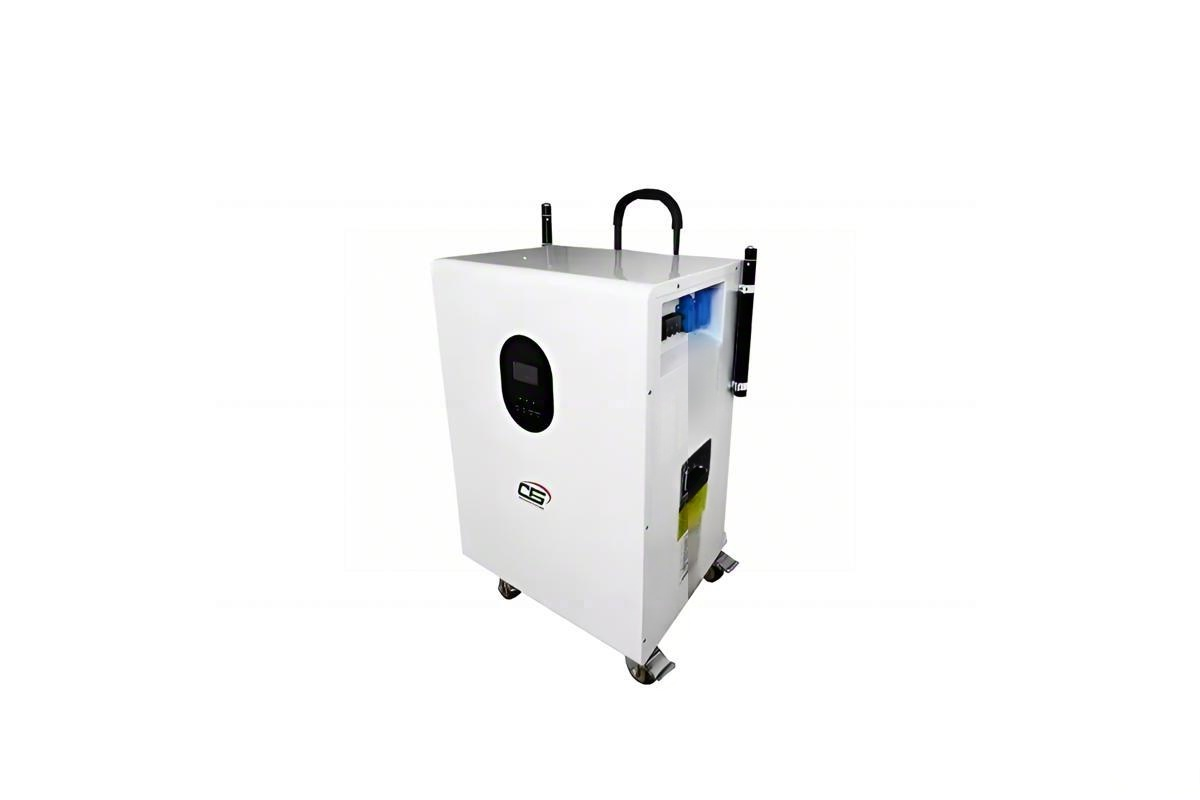
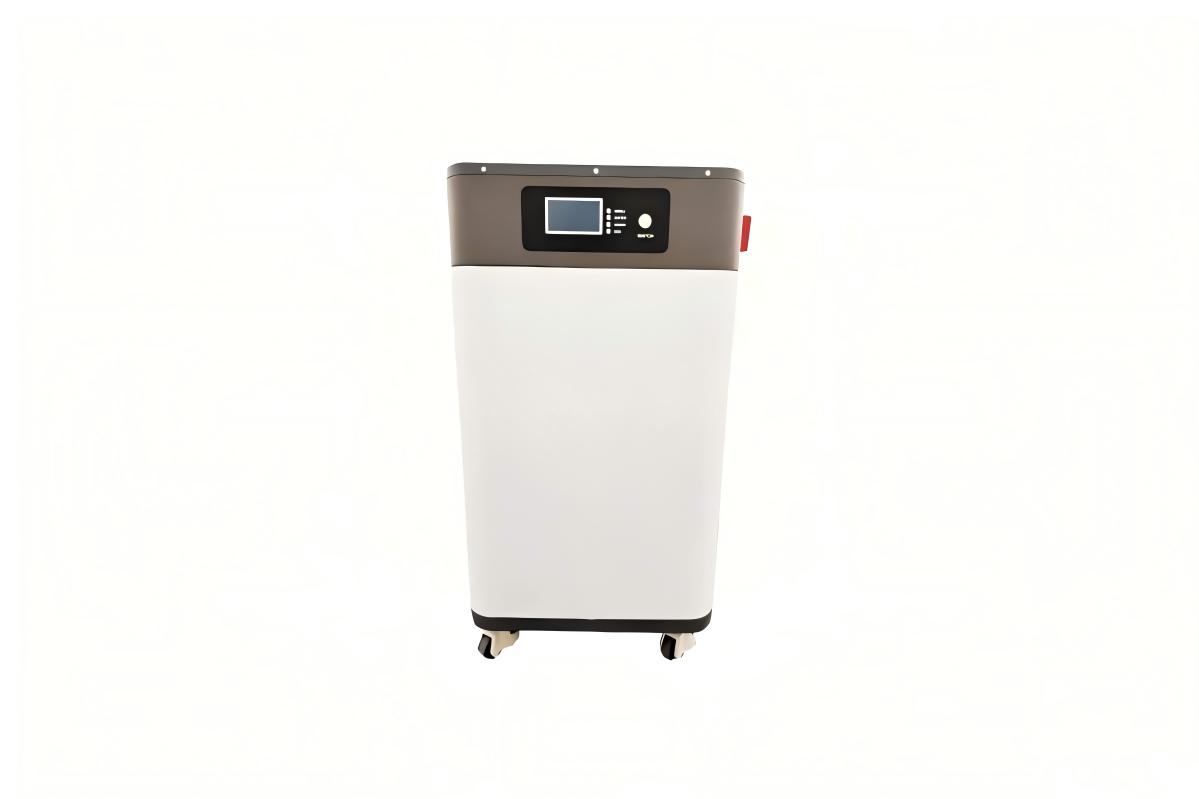
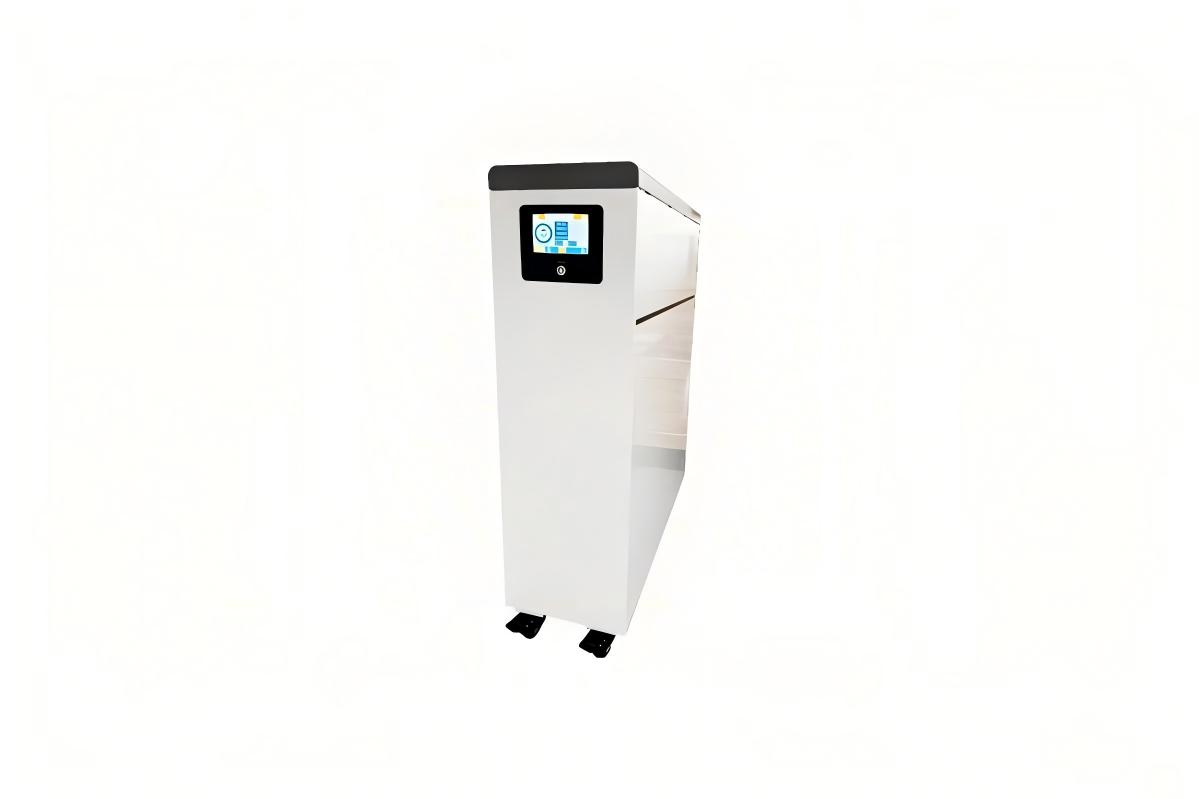
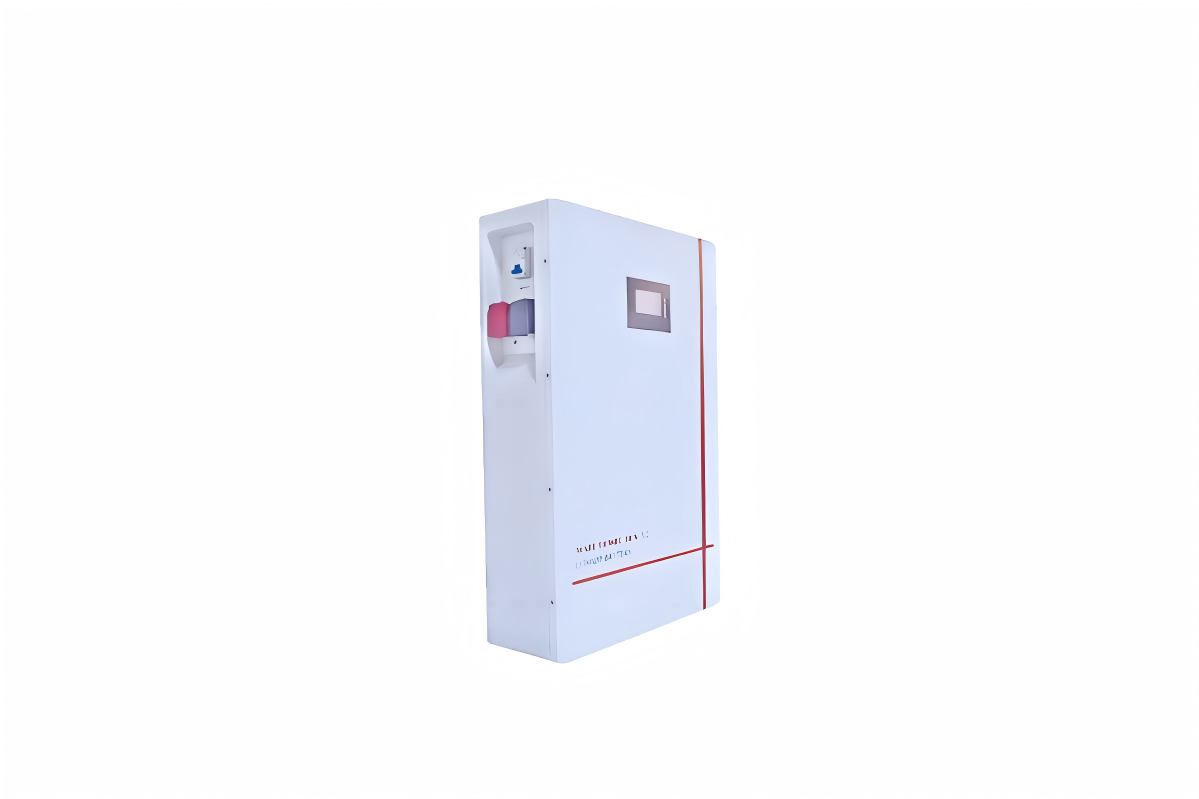
Noise control is a key consideration in the design and installation of wall-mounted energy storage systems, especially for residential environments where excessive noise can affect quality of life. Most wall-mounted systems generate minimal noise, primarily from the inverter’s cooling fans and the battery’s charging/discharging process, but improper design or installation can lead to noise pollution. Effective noise control measures ensure that the system operates quietly, typically below 45 decibels (dB)—equivalent to the noise of a quiet conversation—without compromising performance.
Manufacturers implement multiple design-based noise control technologies to minimize sound emissions. First, high-quality, low-noise cooling fans are used in the inverter, with optimized fan blade design and speed control to reduce airflow noise. The inverter’s enclosure is also made of sound-absorbing materials, such as foam or rubber insulation, which dampen vibration and reduce noise transmission. Additionally, the battery module is designed with shock-absorbing mounting brackets, which reduce vibration during charging/discharging—vibration is a major source of structural noise that can be transmitted to the wall and surrounding areas.
Installation practices also play a crucial role in noise control. Technicians ensure that the mounting brackets are securely fixed to the wall, using shock-absorbing pads between the bracket and the wall to reduce vibration transmission. The system is installed away from living areas (such as bedrooms) when possible, and the inverter is positioned to direct airflow away from the interior of the building. Regular maintenance, such as cleaning the cooling fans and checking for loose components, also prevents increased noise due to wear or blockages. With these design and installation measures, wall-mounted energy storage systems can operate quietly, integrating seamlessly into residential and commercial environments without causing noise disturbances.




 59911926@qq.com/sales@goldenfuturehk.com
 13316809242 / 15816897019
 Inquiry
 Home >