





Time:2026-07-09 Views:327
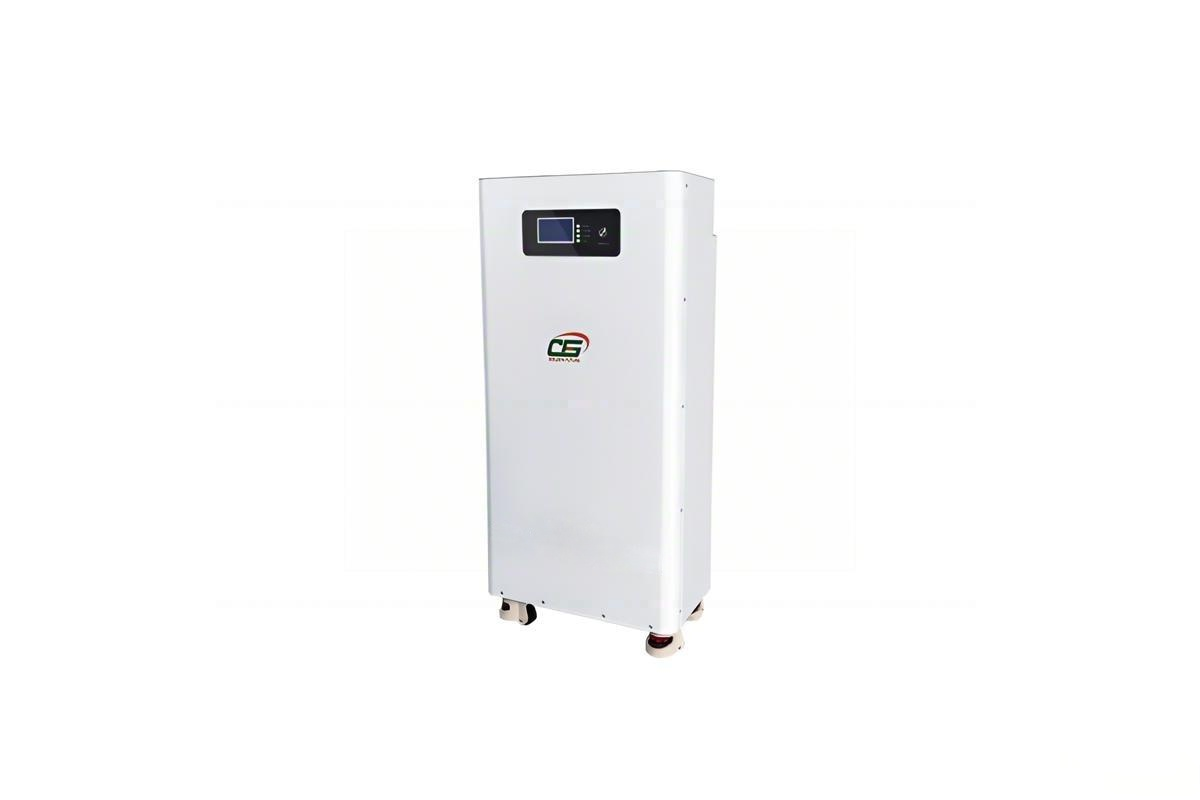
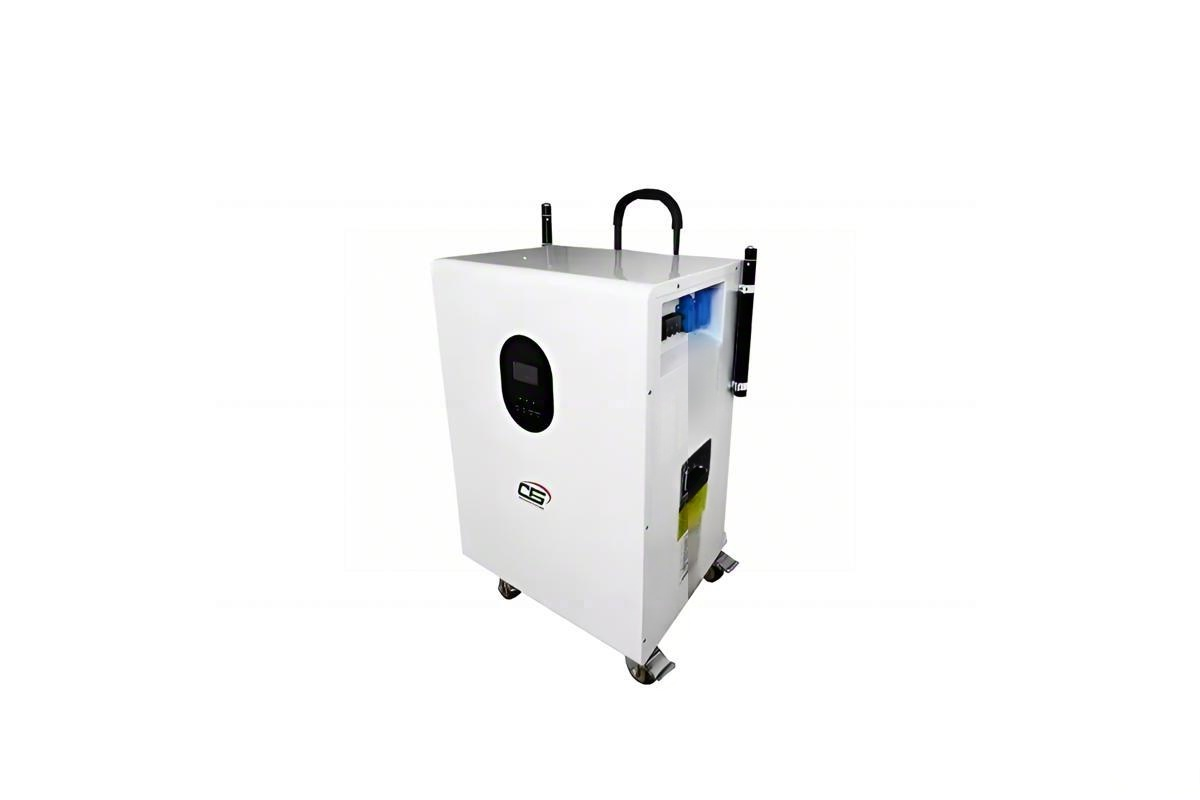
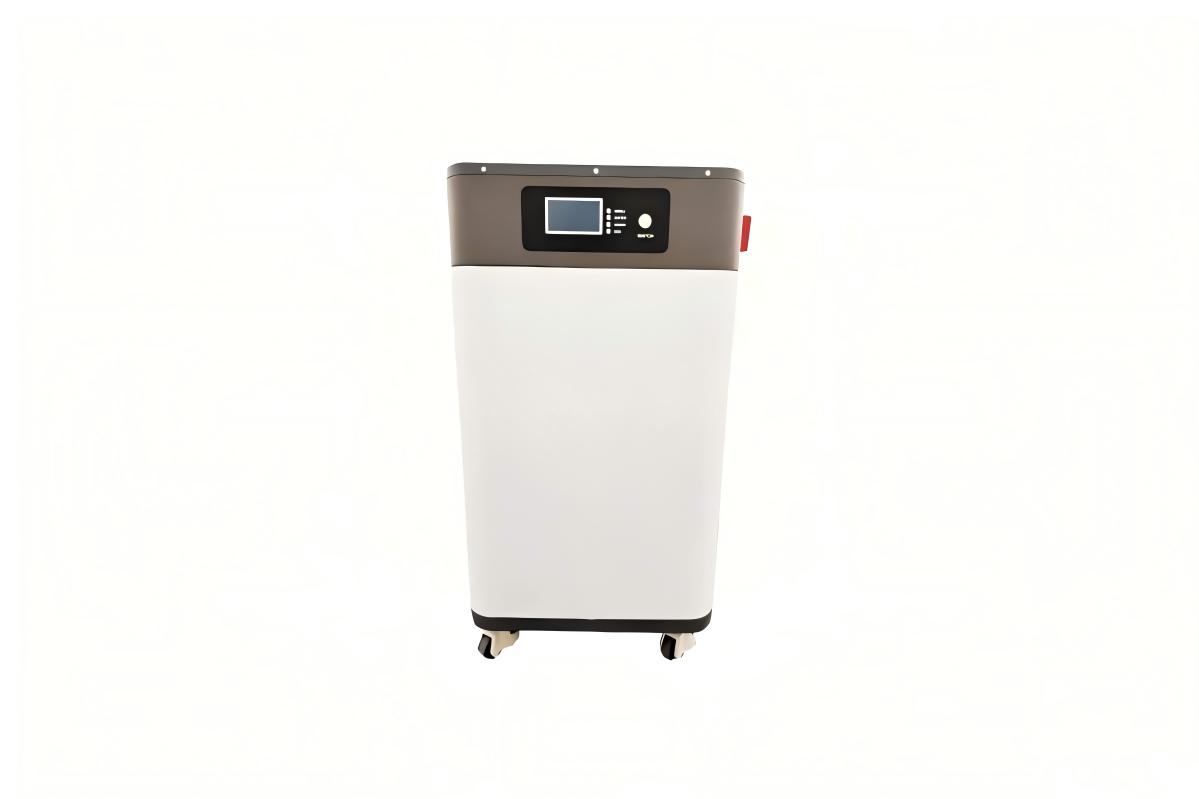
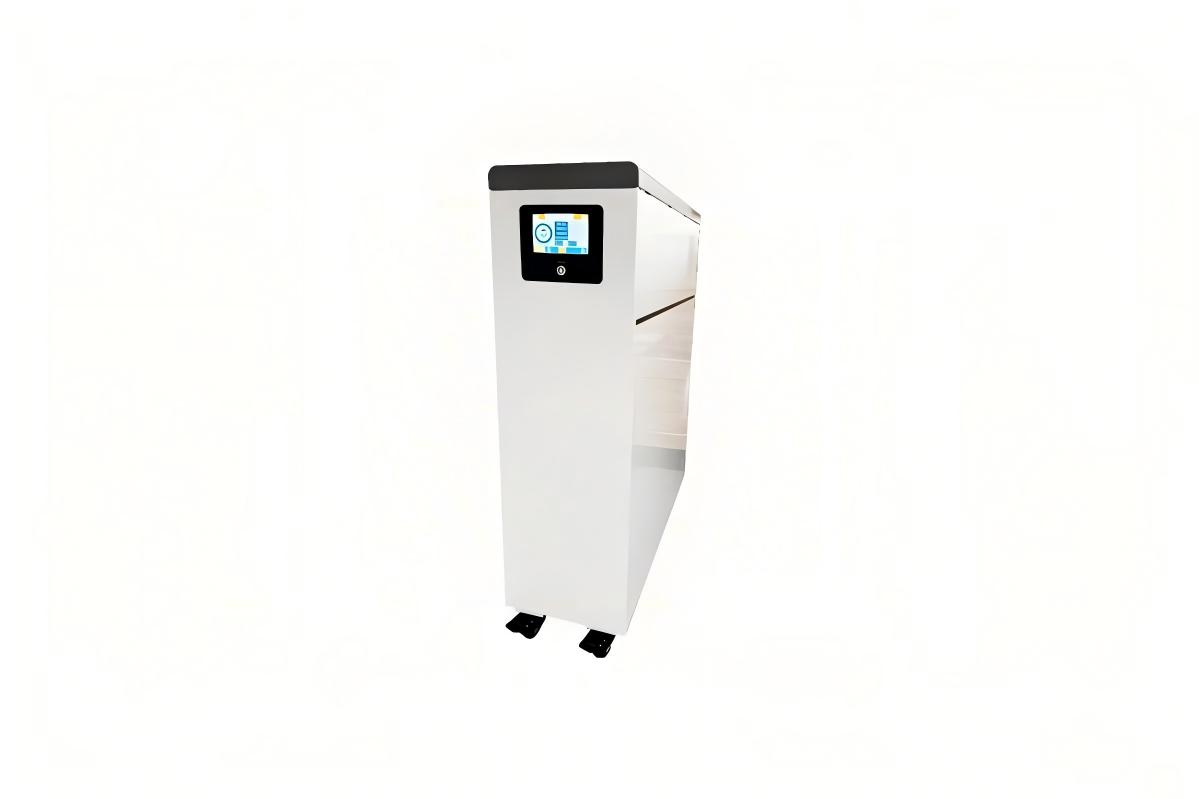
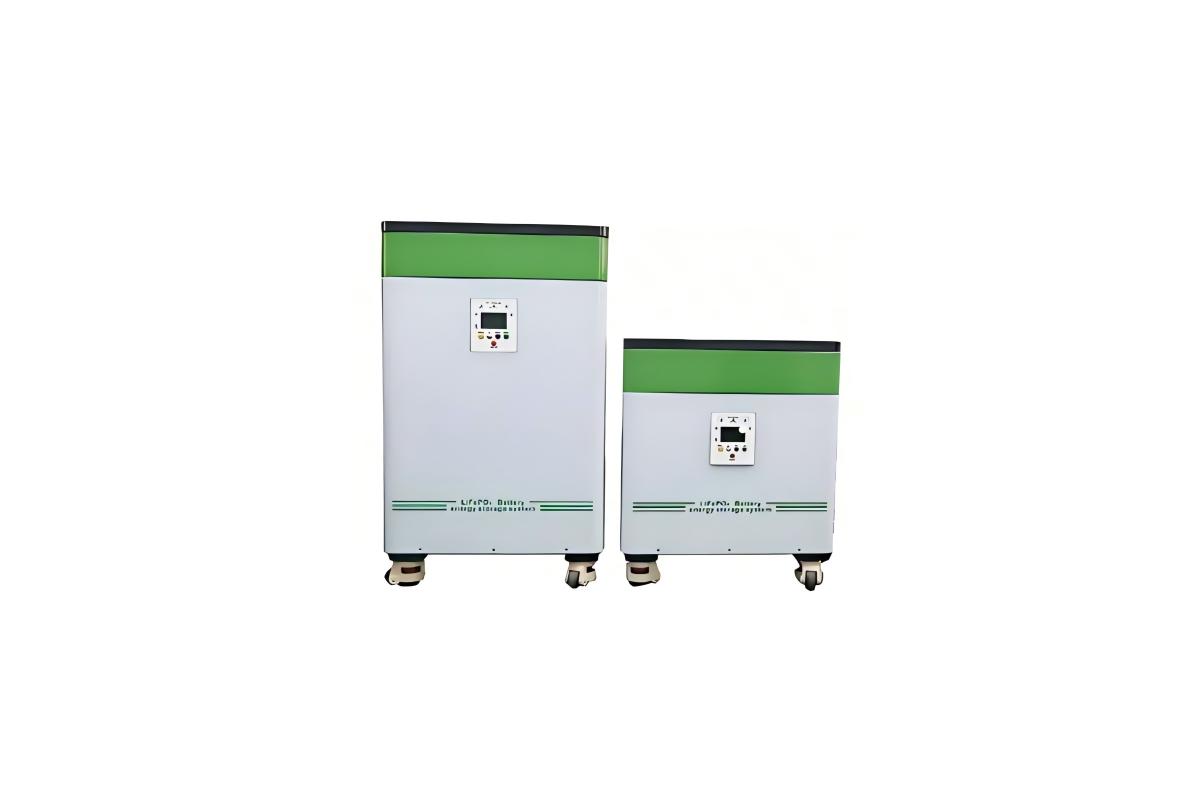
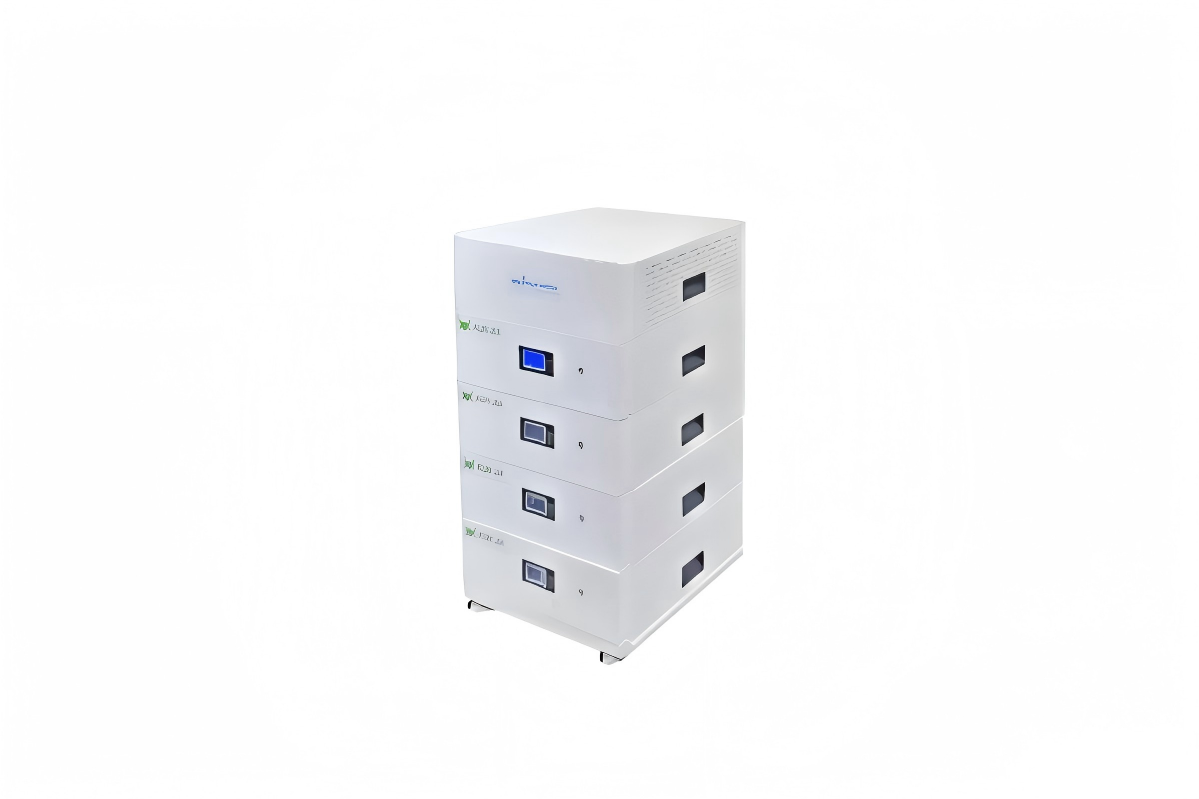
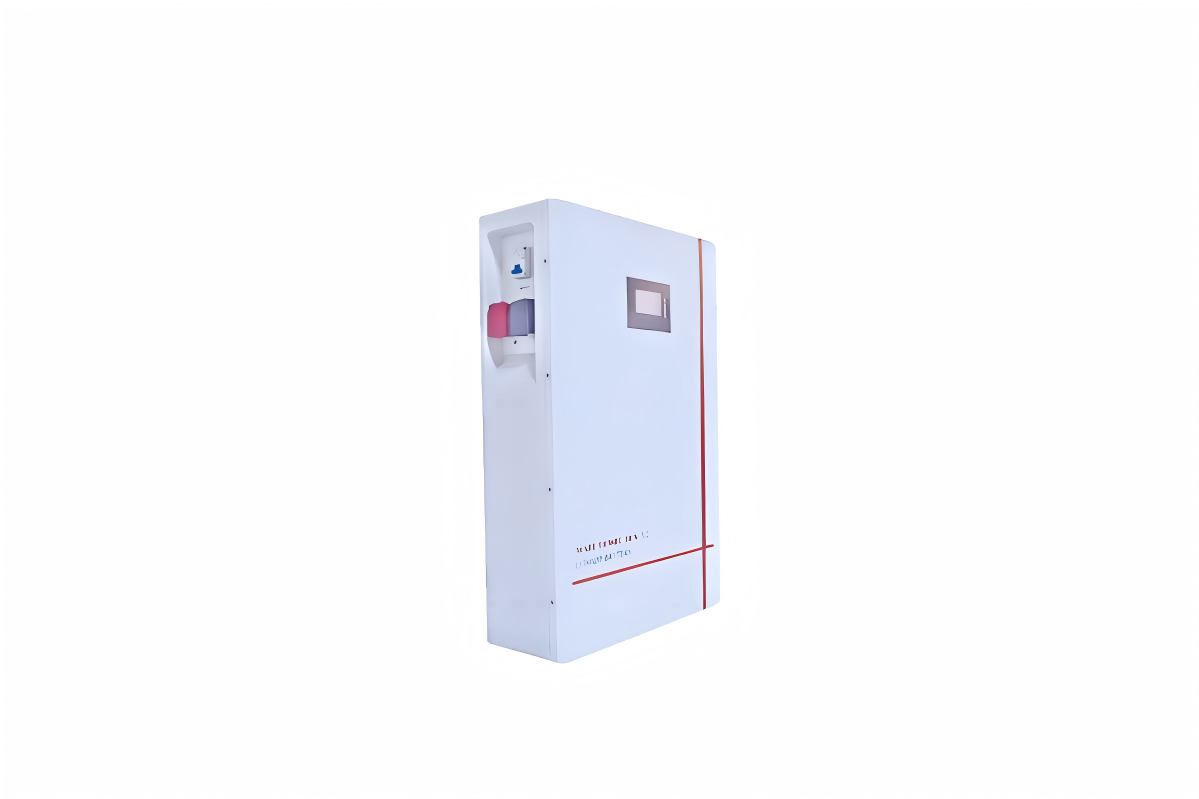
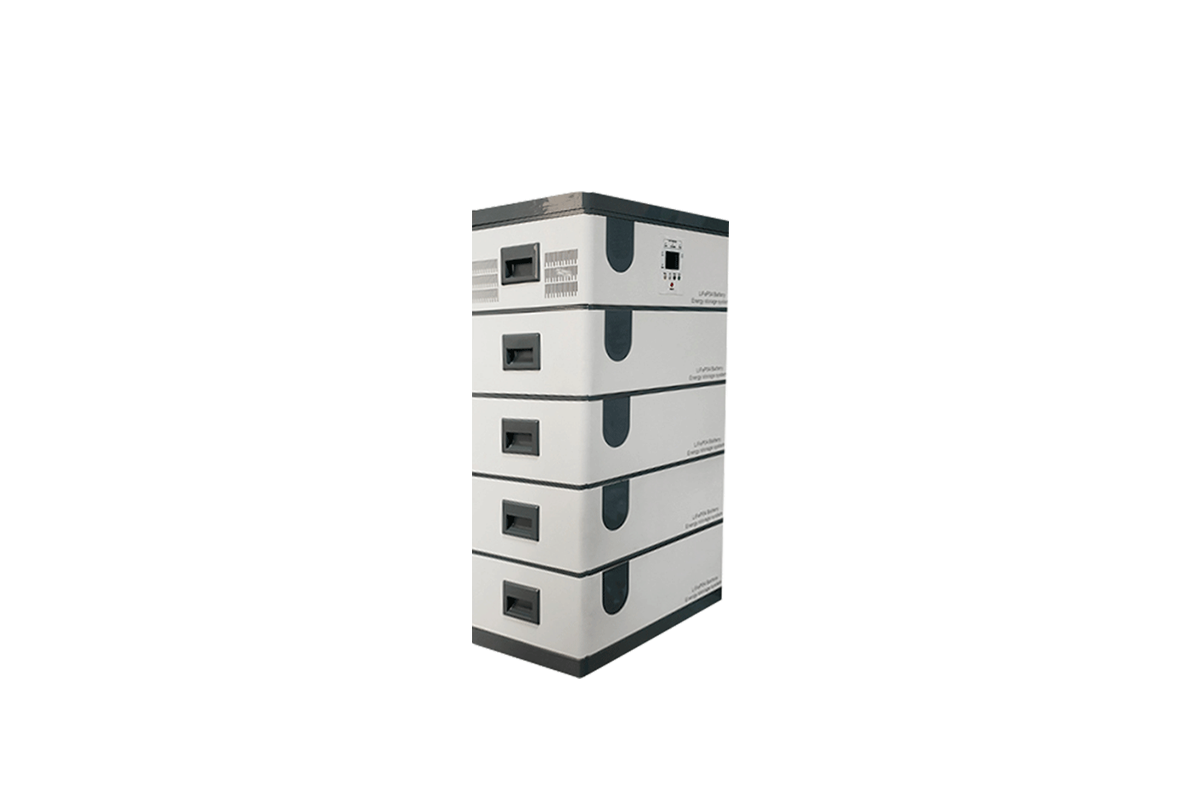
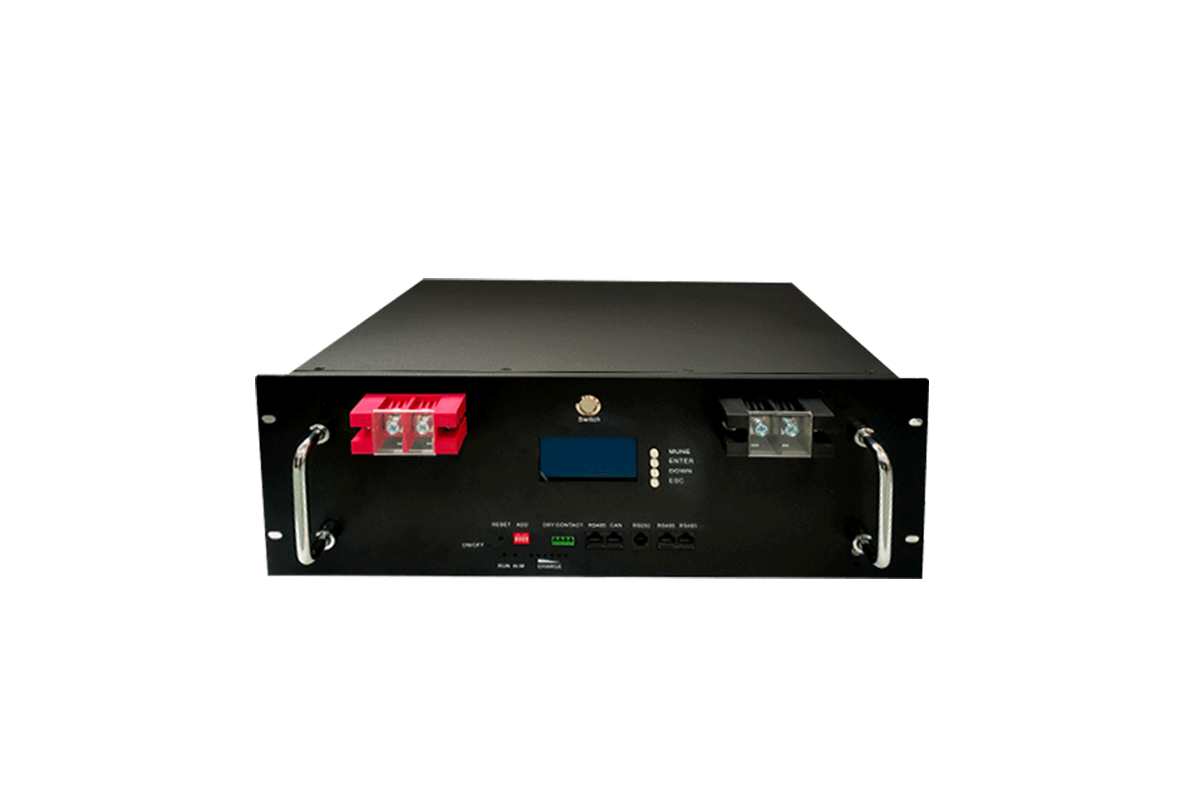
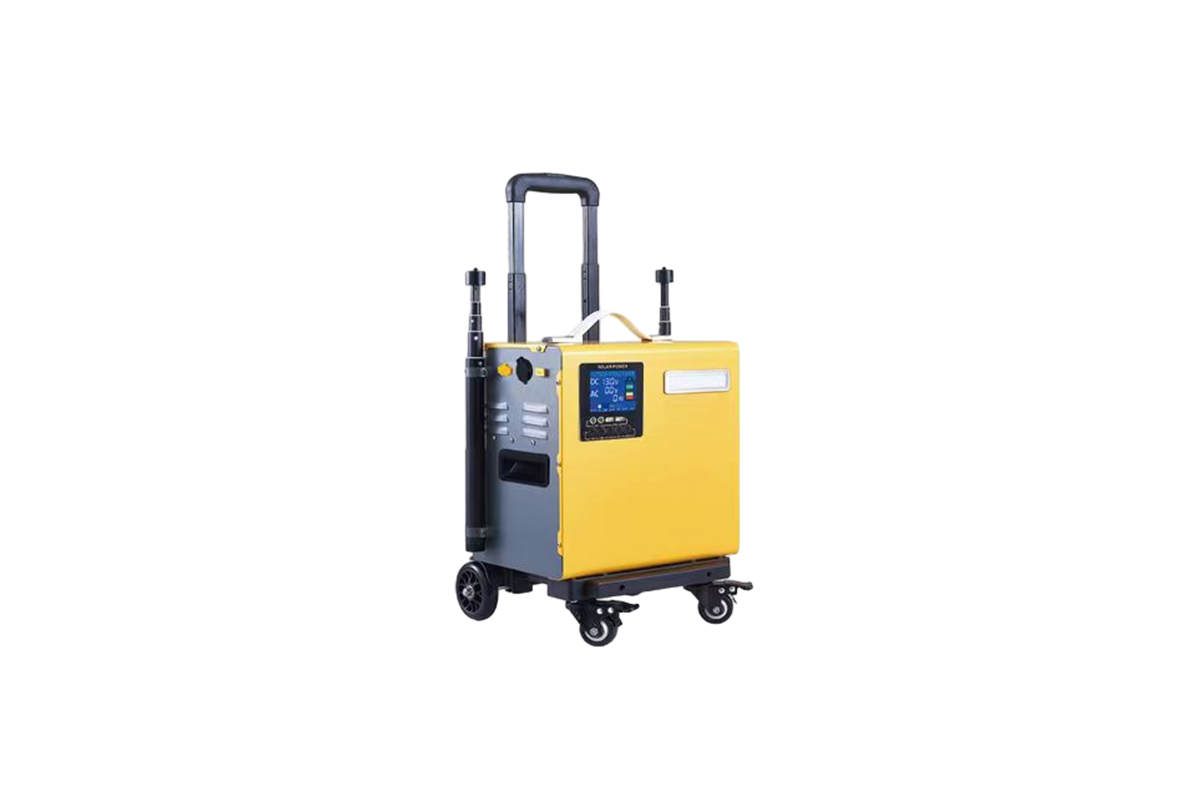
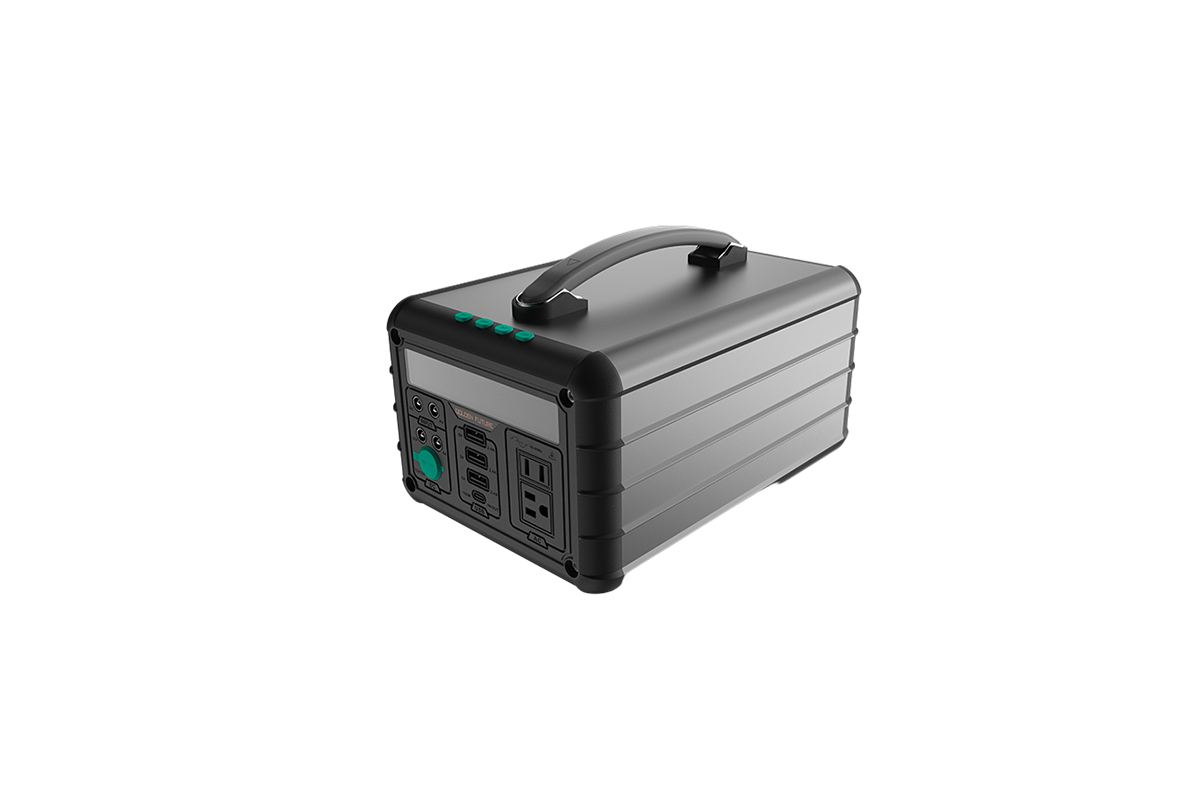
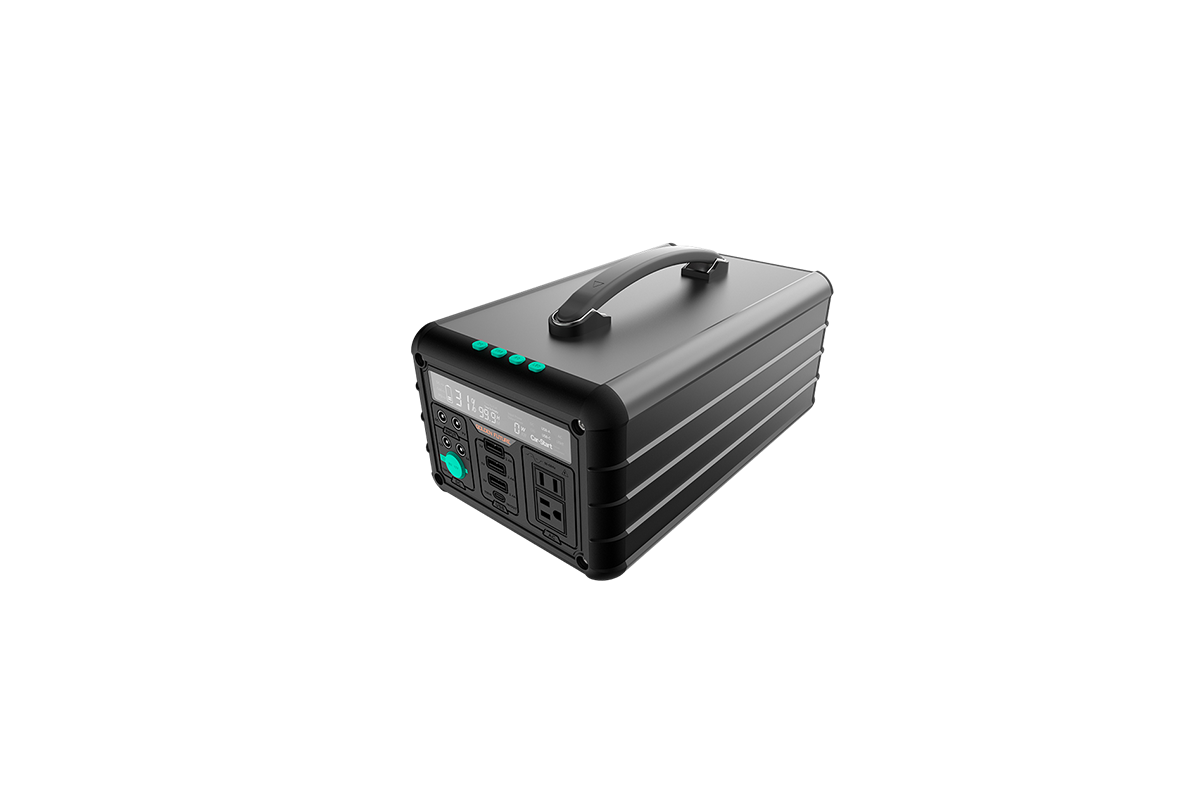
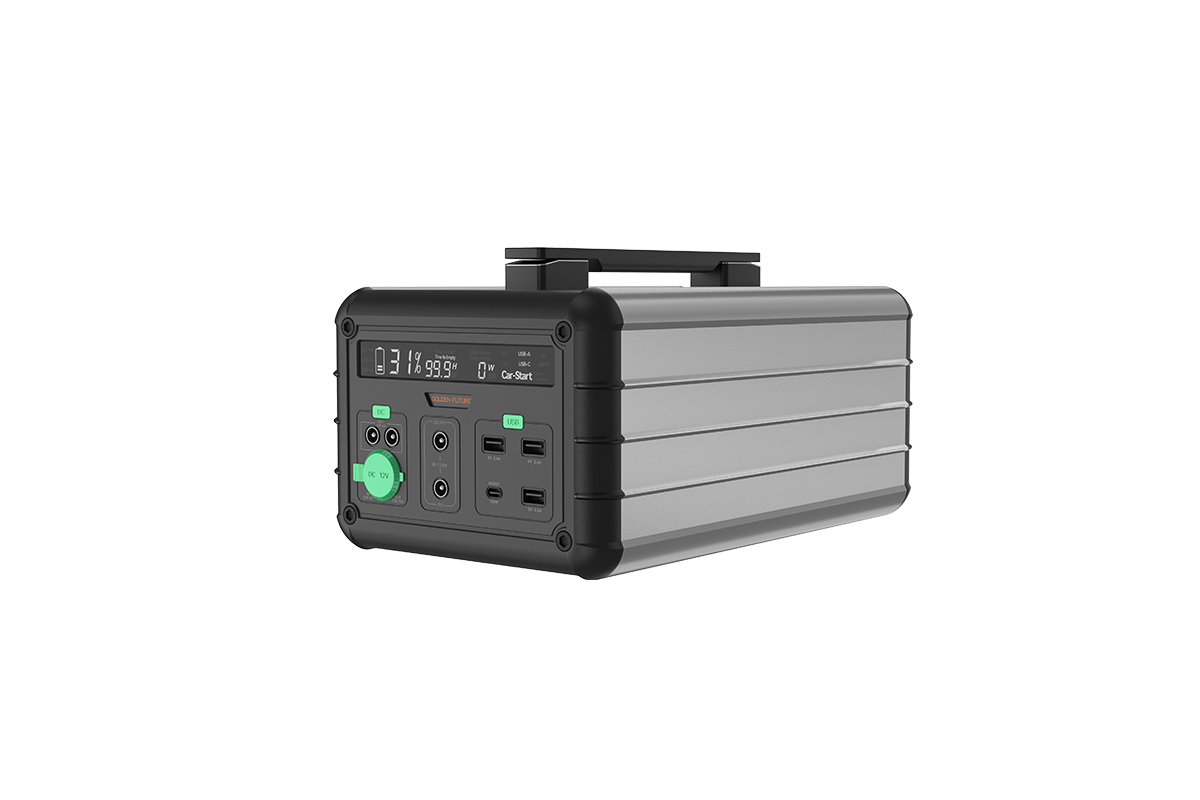
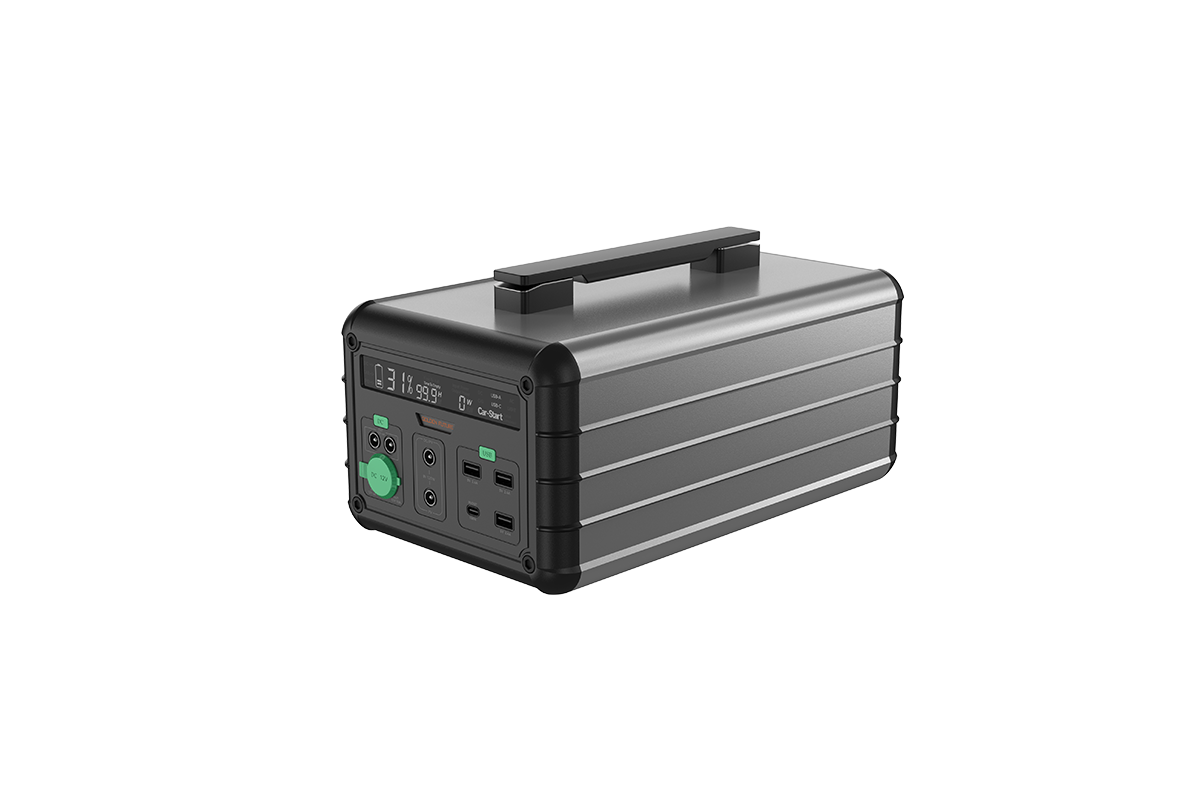
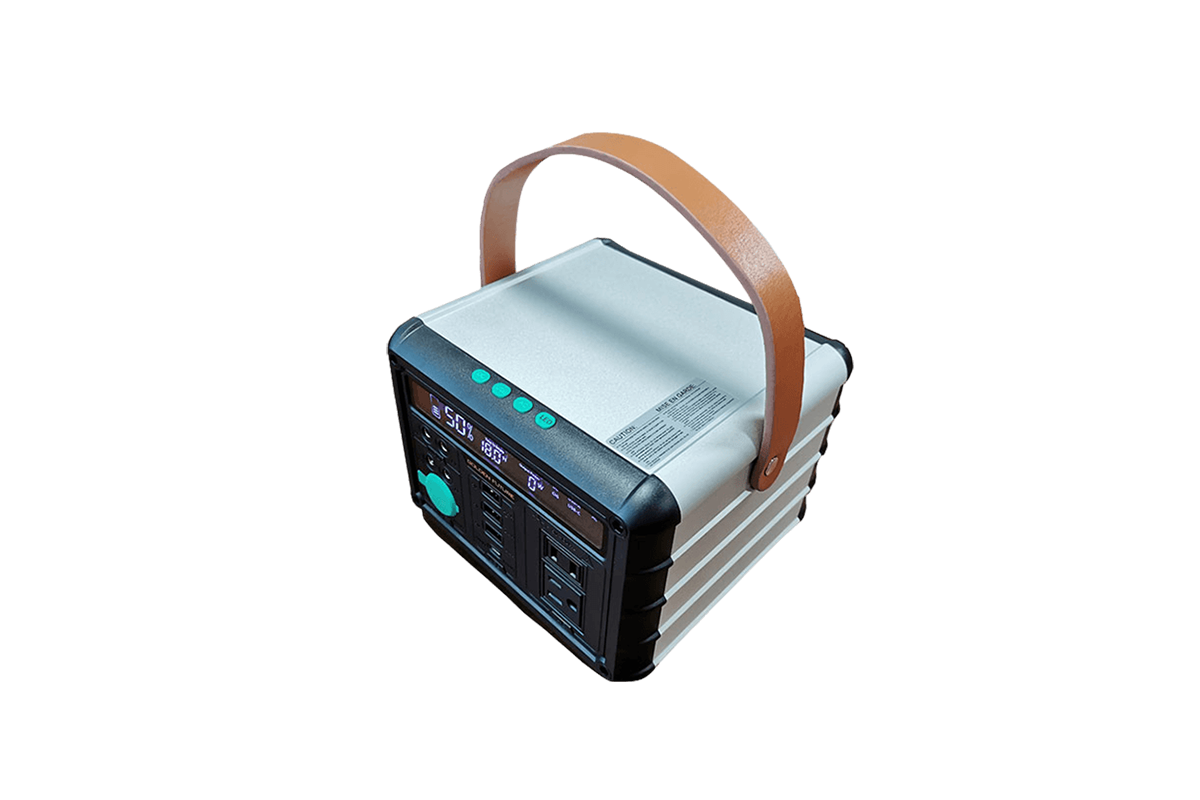
New energy-saving energy storage batteries are innovative next-generation energy storage products developed targeting the dual goals of energy efficiency improvement and low-carbon environmental protection, integrating cutting-edge material science, energy conversion technology, and intelligent energy-saving control technology. Different from traditional energy storage batteries that focus merely on energy storage capacity, new energy-saving models take energy utilization efficiency and low energy consumption operation as the core design indicators, effectively solving the problems of high self-discharge rate, low conversion efficiency, and large idle energy consumption of conventional batteries. Relying on new composite electrode materials and high-efficiency conductive electrolytes, these batteries optimize the internal ion transmission path, greatly reducing energy loss during charge and discharge processes, and achieving a significant improvement in overall energy conversion efficiency compared with traditional products.
The core energy-saving advantages of new energy-saving energy storage batteries are reflected in low self-discharge loss and high cycle energy efficiency. Traditional energy storage batteries usually have a self-discharge rate of 3% to 5% per month, resulting in serious energy waste during long-term standby; the new energy-saving technology reduces the monthly self-discharge rate to below 1%, enabling the stored electric energy to be retained for a longer time without frequent supplementary charging. Meanwhile, its comprehensive charge-discharge conversion efficiency is increased to 95% to 98%, which means that nearly all the electric energy absorbed by the battery can be effectively output, minimizing invalid energy loss. In addition, the battery adopts an intelligent low-power operation design, and the self-power consumption of the BMS and auxiliary systems during standby and operation is reduced by more than 40% compared with traditional models, realizing all-round energy saving from energy storage, standby to output.
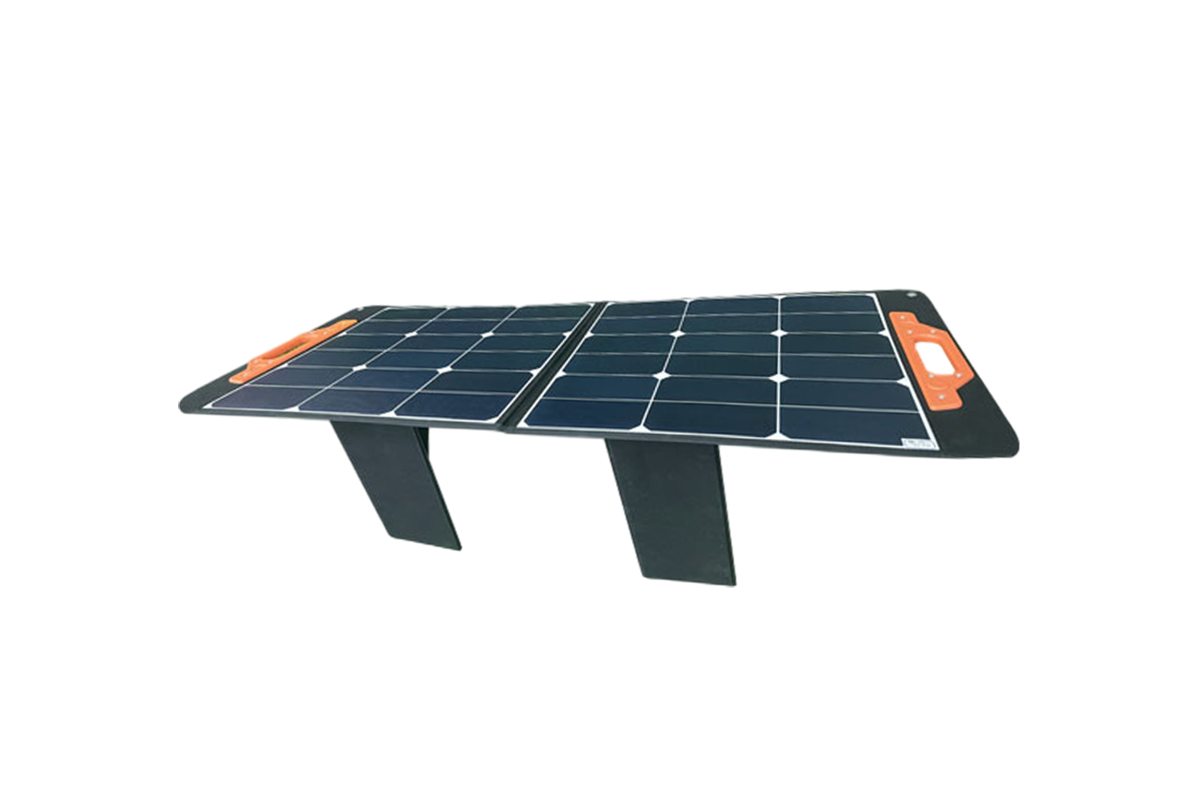
In addition to outstanding energy-saving performance, new energy-saving energy storage batteries also have the advantages of environmental friendliness and strong scenario adaptability. The new-generation low-carbon materials used in the production process are free of harmful heavy metals, with low production carbon emissions and high recyclability, conforming to the global carbon neutrality development trend. The optimized lightweight and compact structural design reduces the space occupation and transportation energy consumption of the battery system itself. Moreover, combined with intelligent energy-saving scheduling technology, the battery can automatically identify power consumption peaks and valleys, match optimal charge-discharge strategies, and cooperate with renewable energy power generation systems to maximize the utilization rate of clean energy. Widely applicable in smart home energy storage, zero-carbon parks, new energy power stations, and smart grid systems, these batteries not only reduce user electricity costs and energy waste but also provide efficient and low-carbon technical support for the popularization of green energy.




 59911926@qq.com/sales@goldenfuturehk.com
 13316809242 / 15816897019
 Inquiry
 Home >