






Time:2026-03-18 Views:538
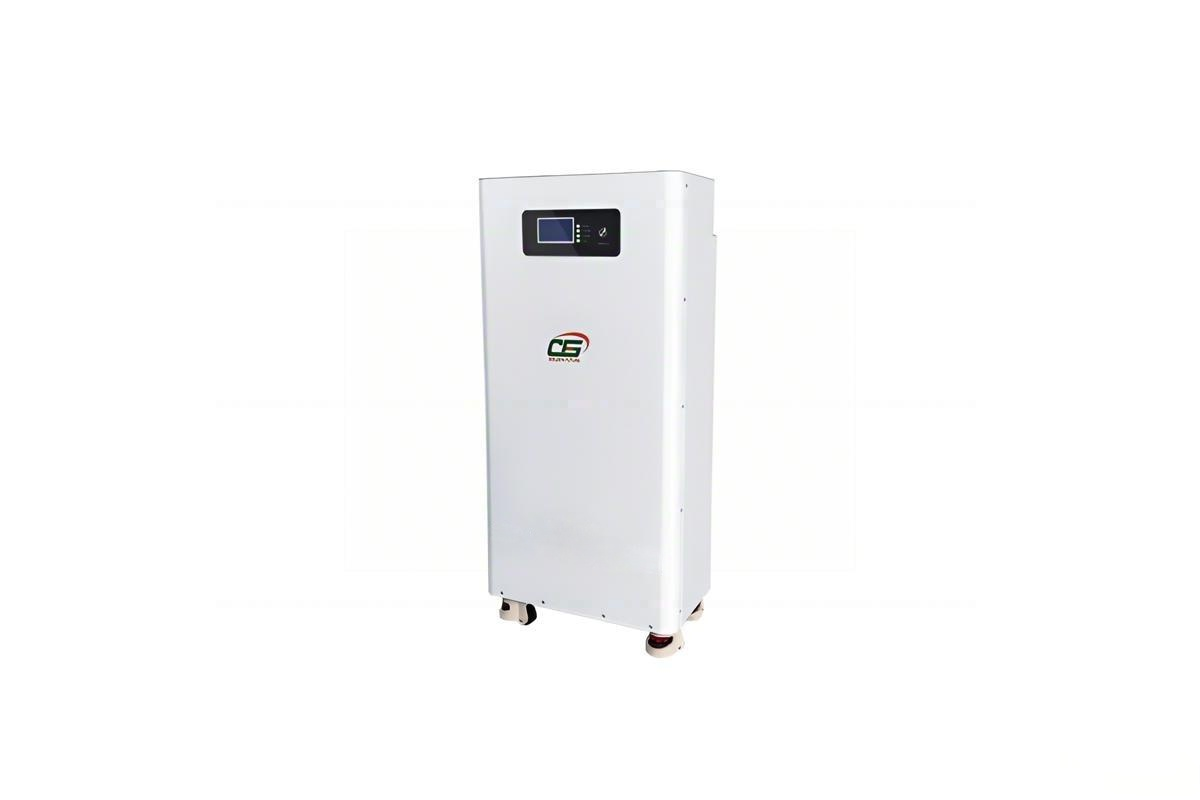
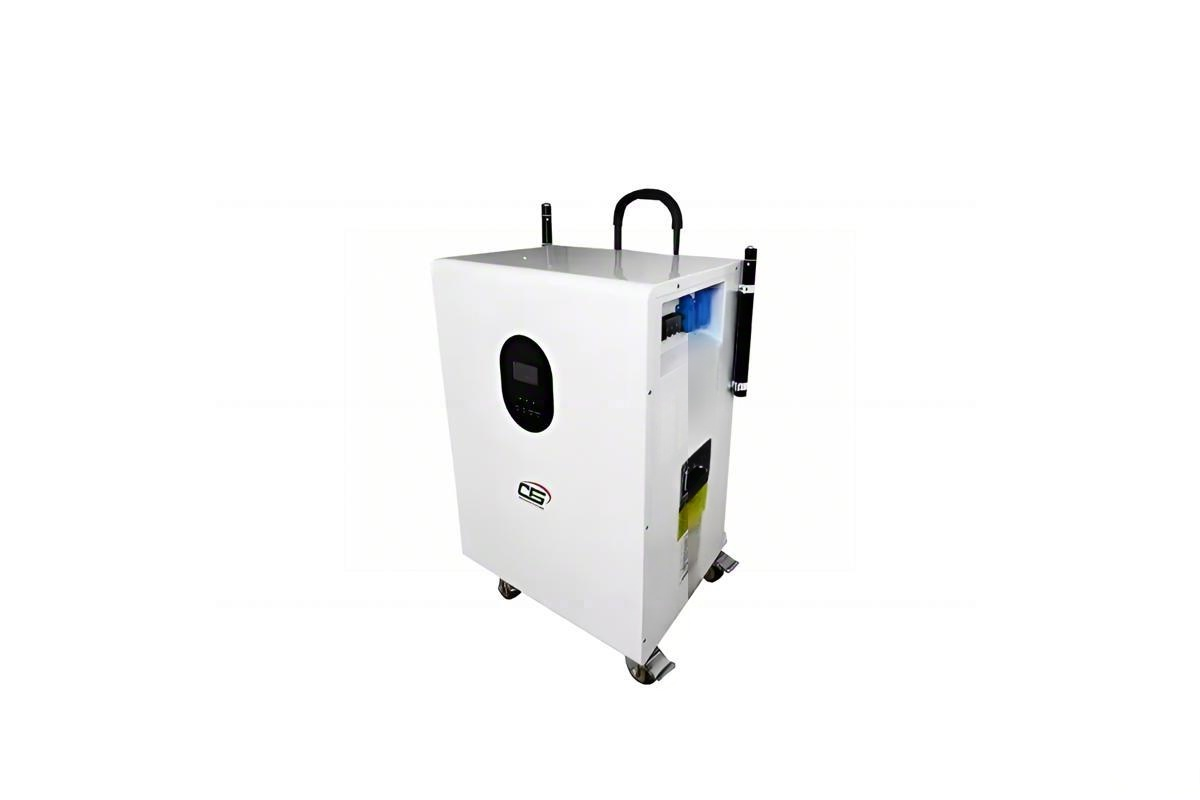
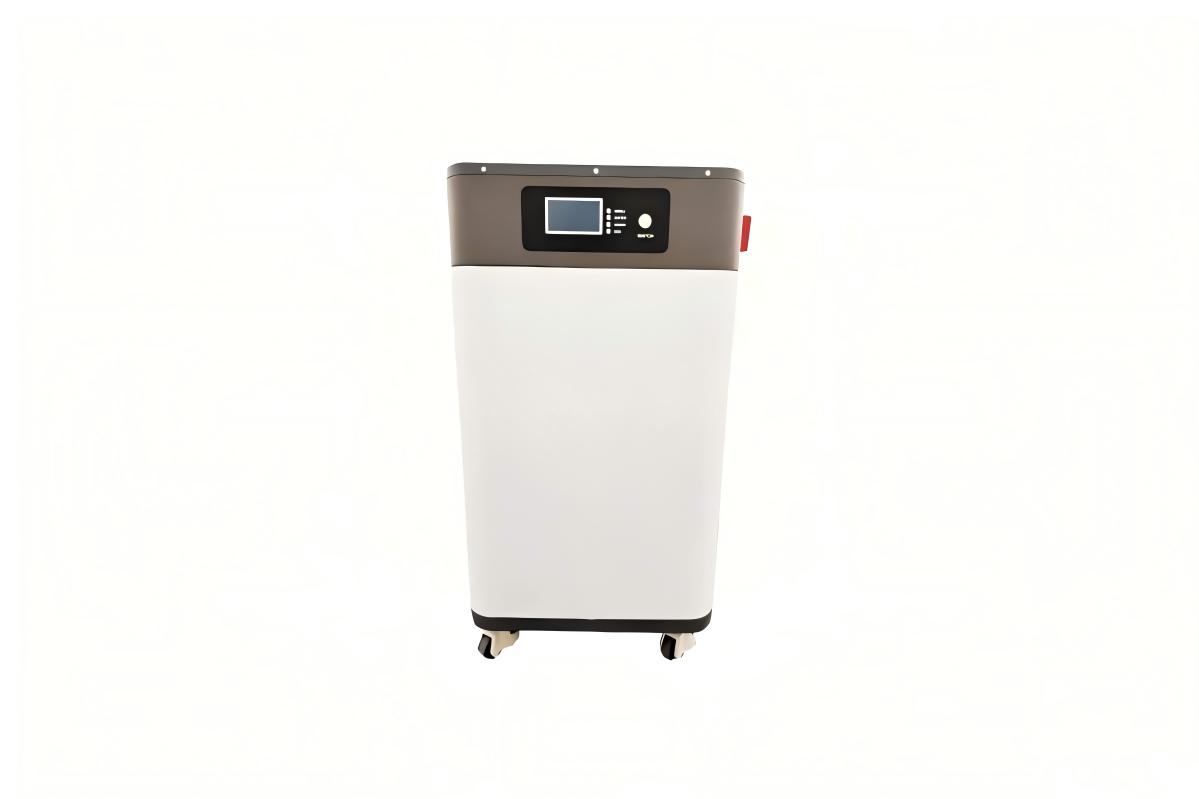
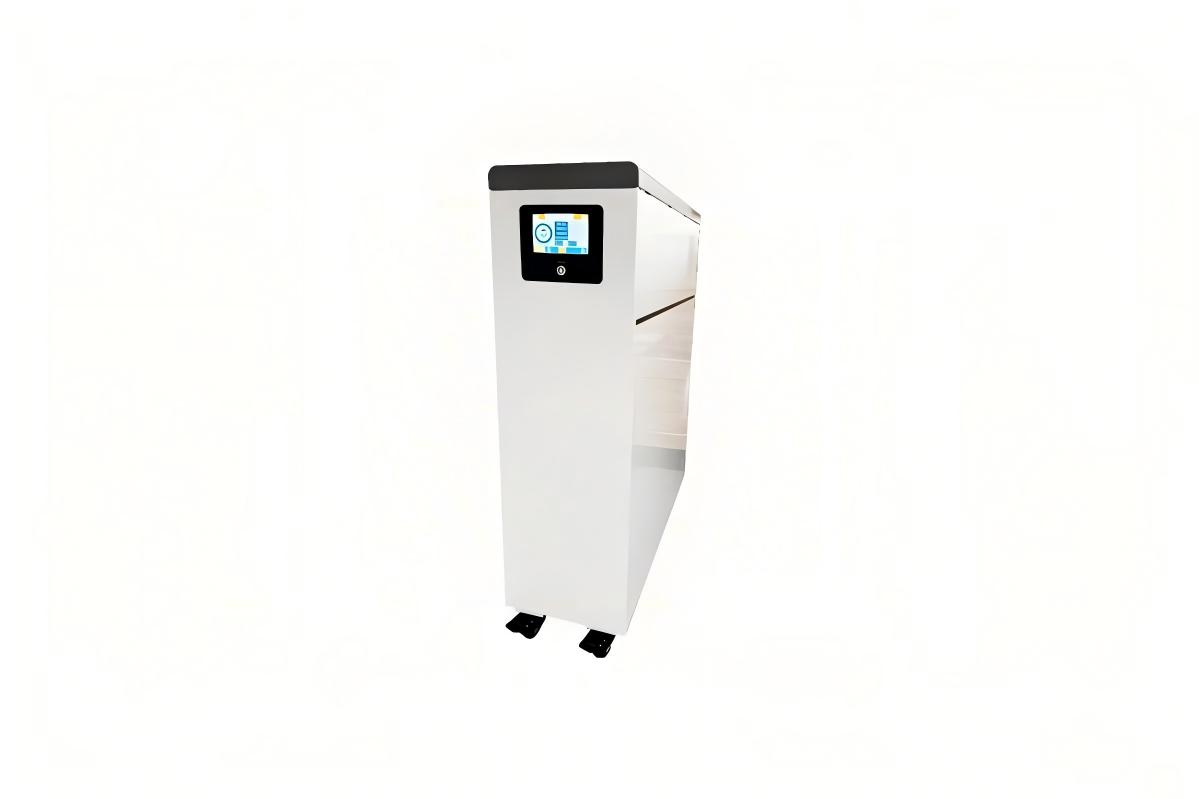
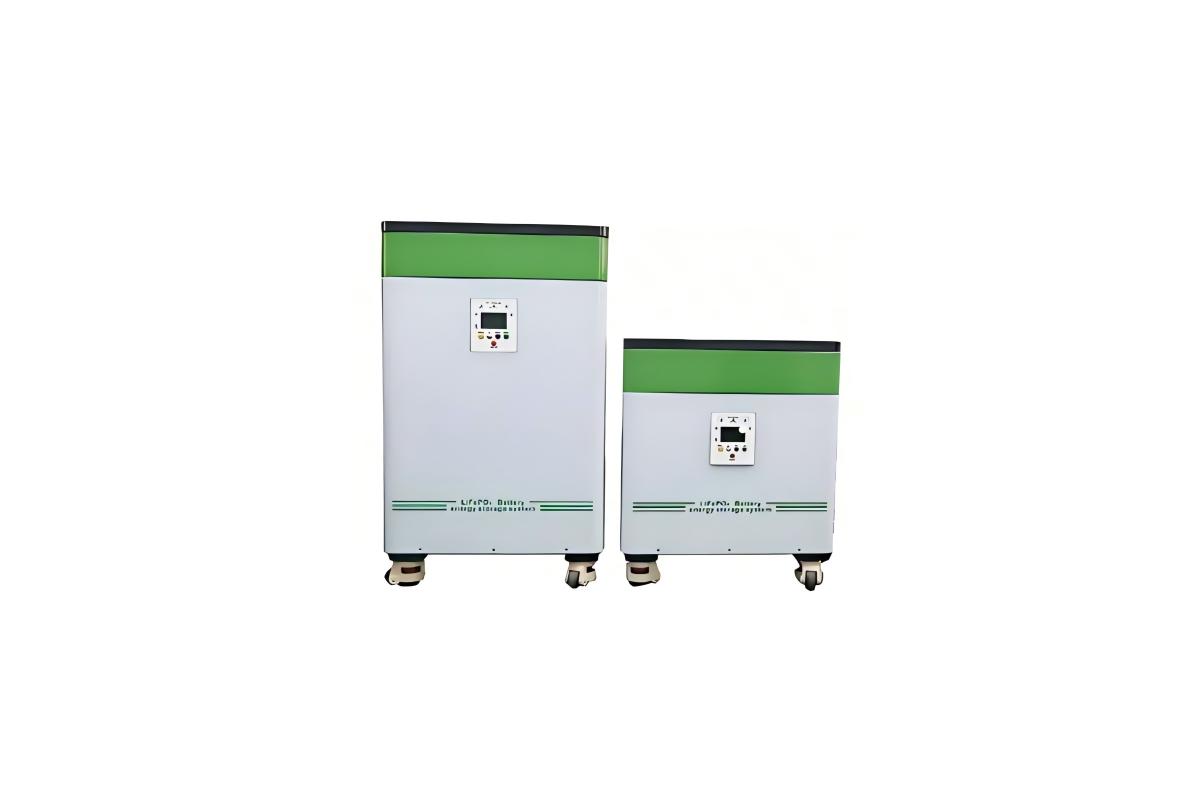
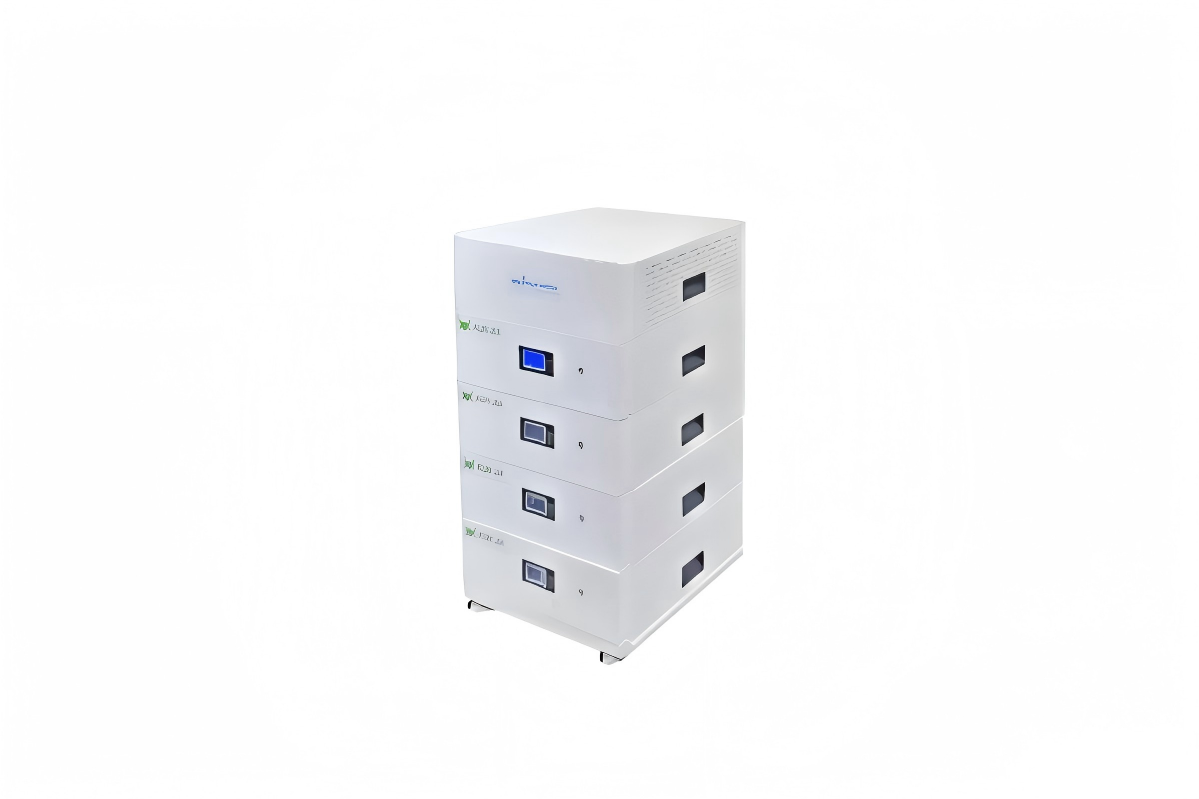
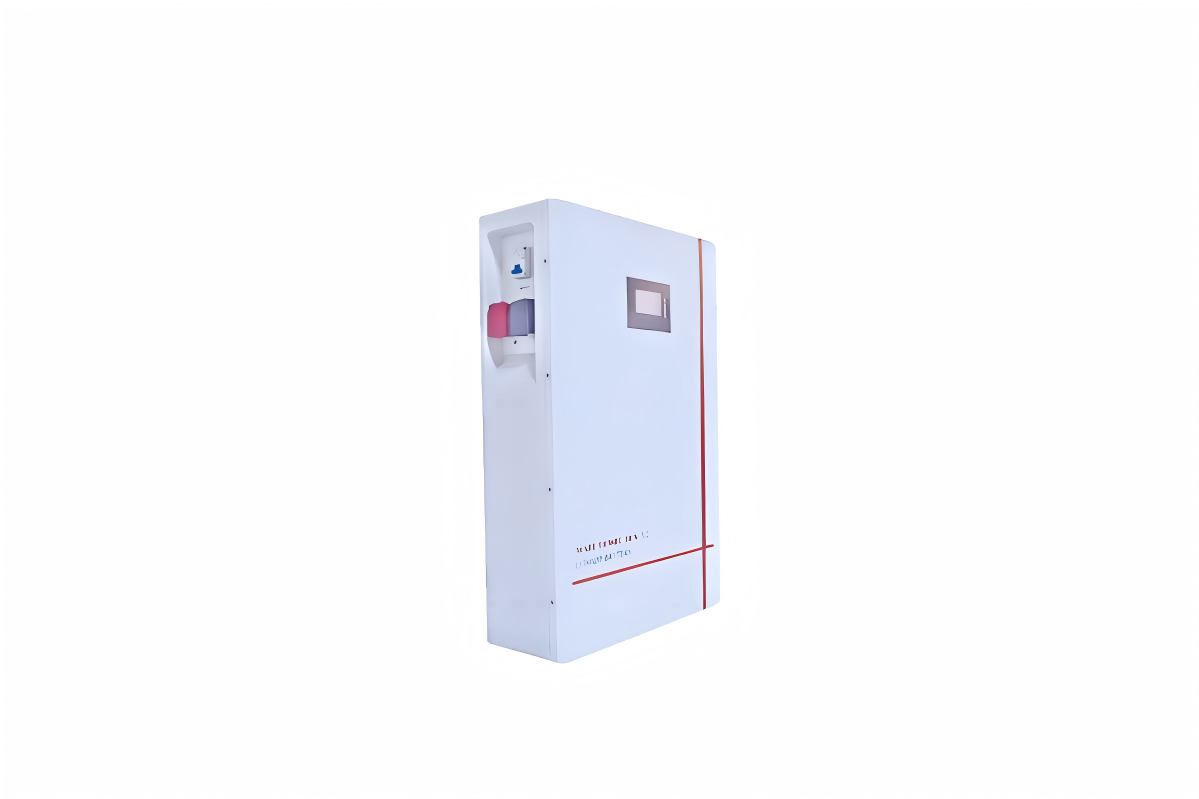
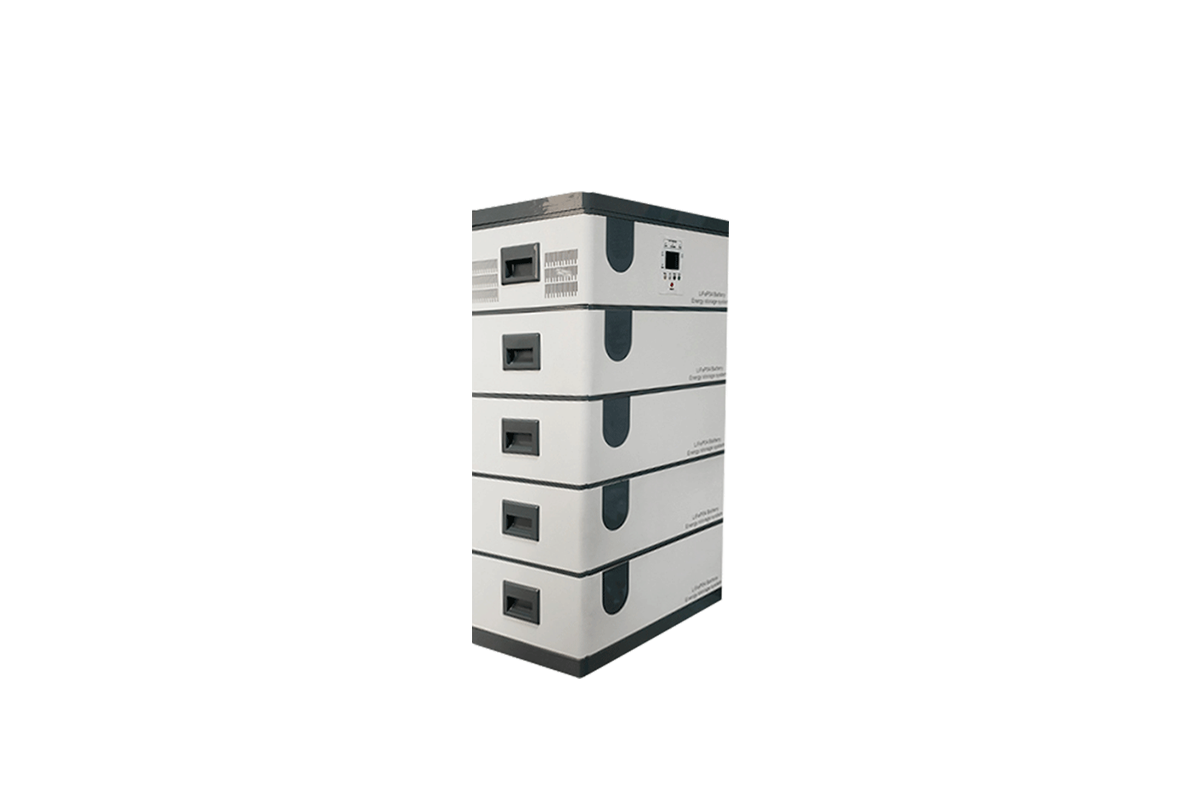
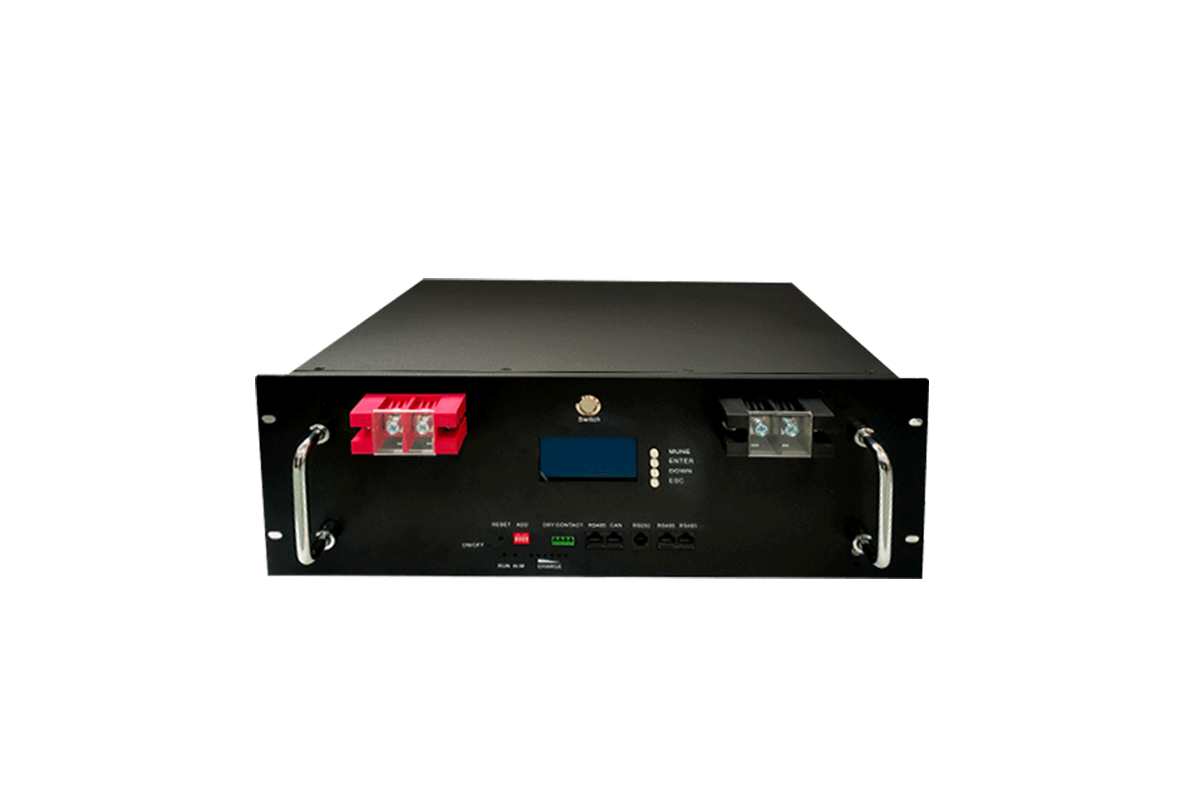
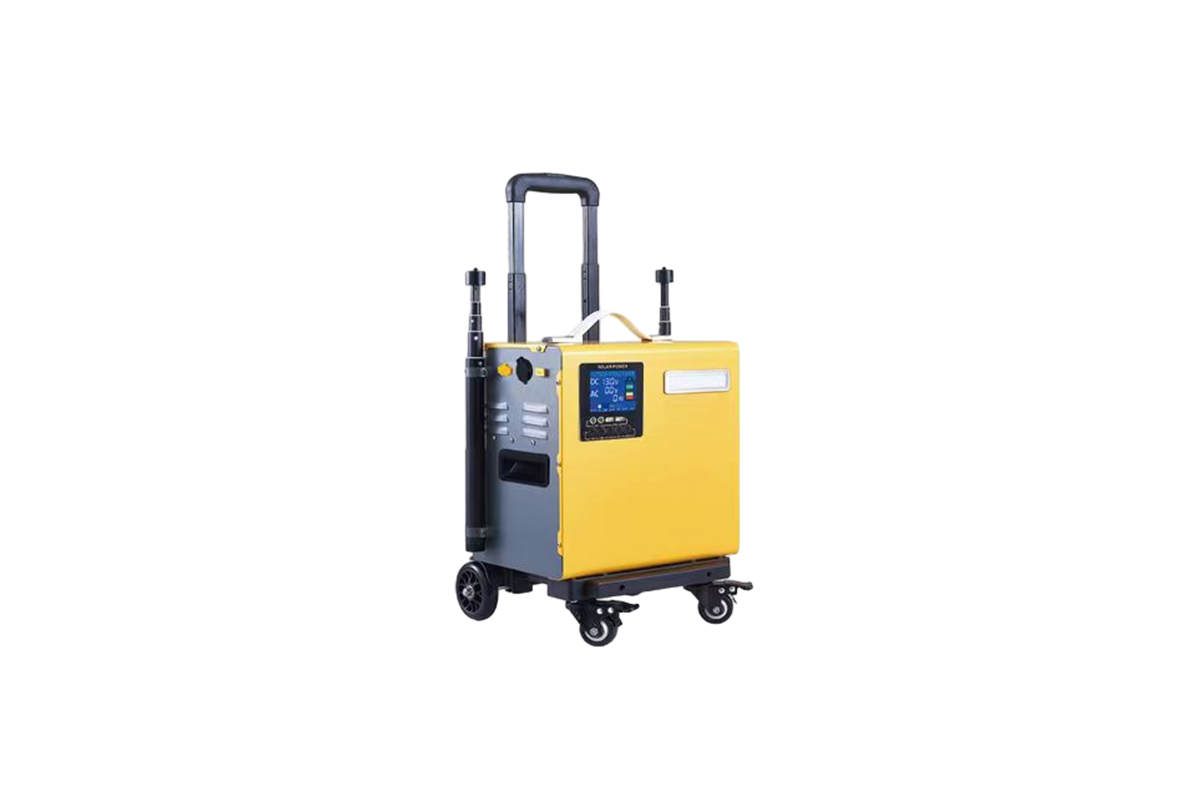
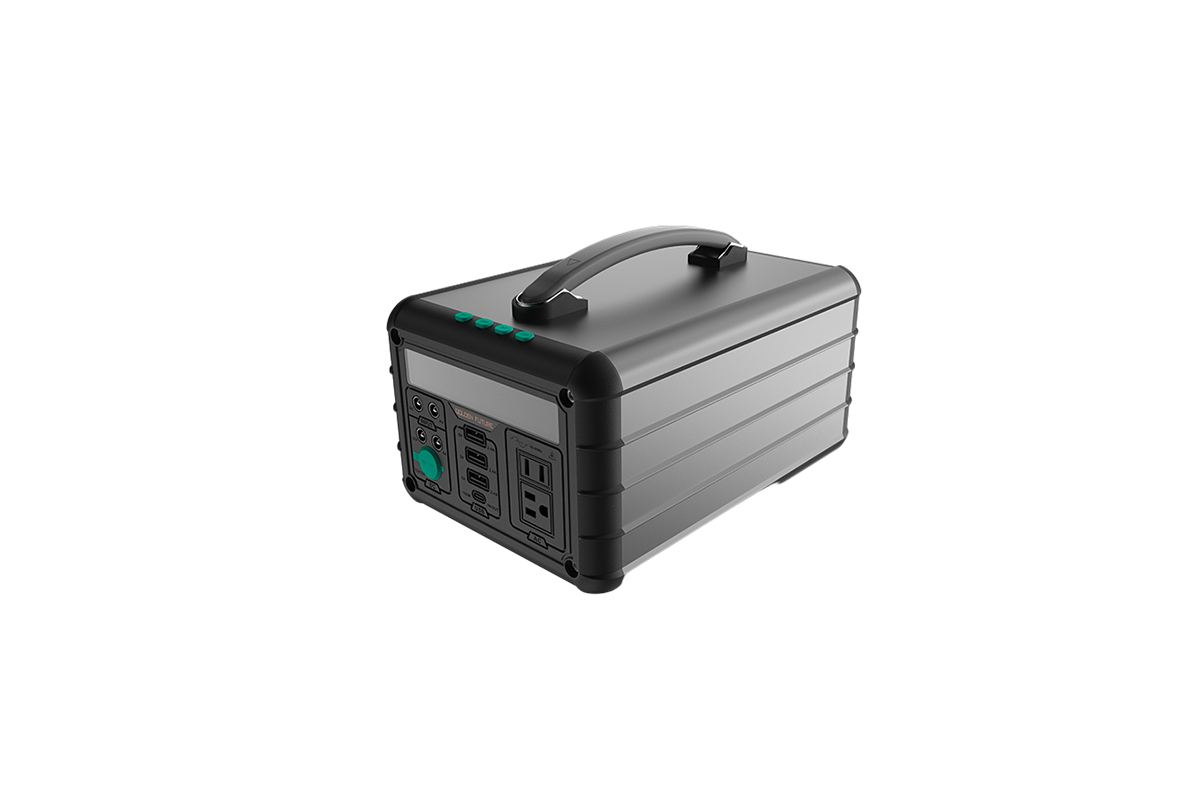
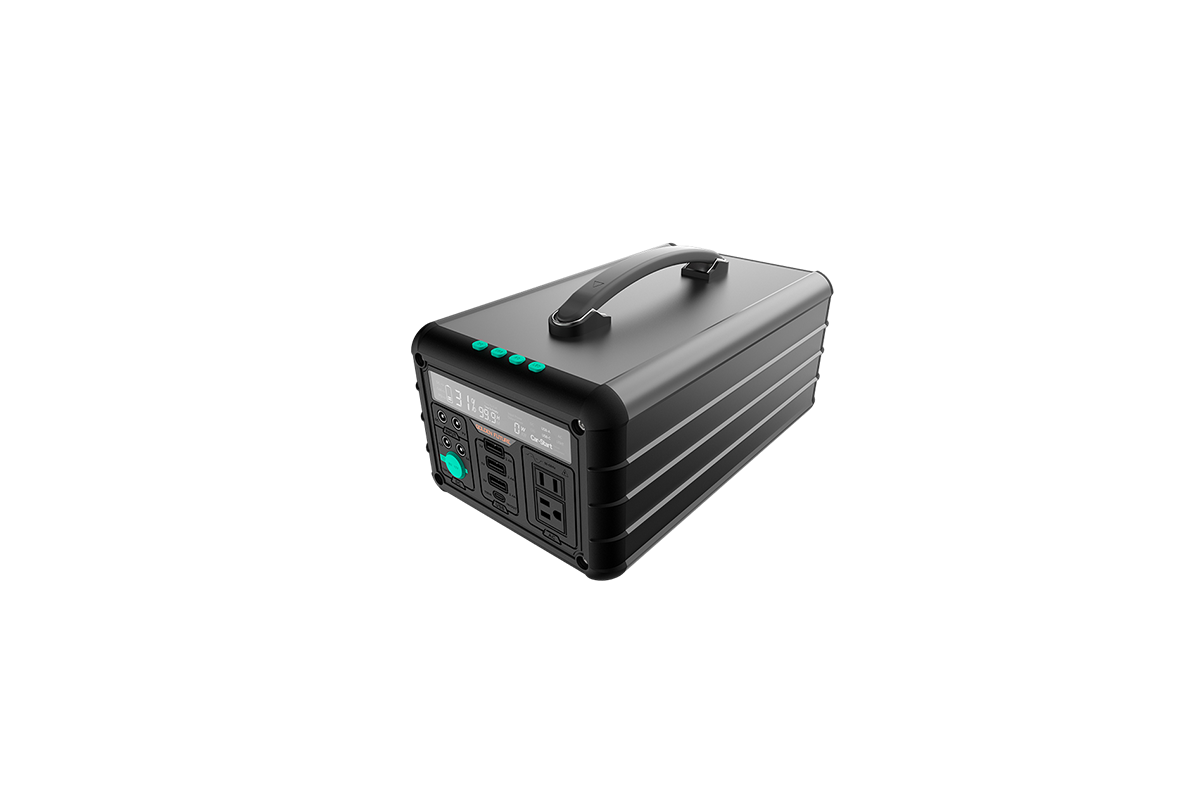
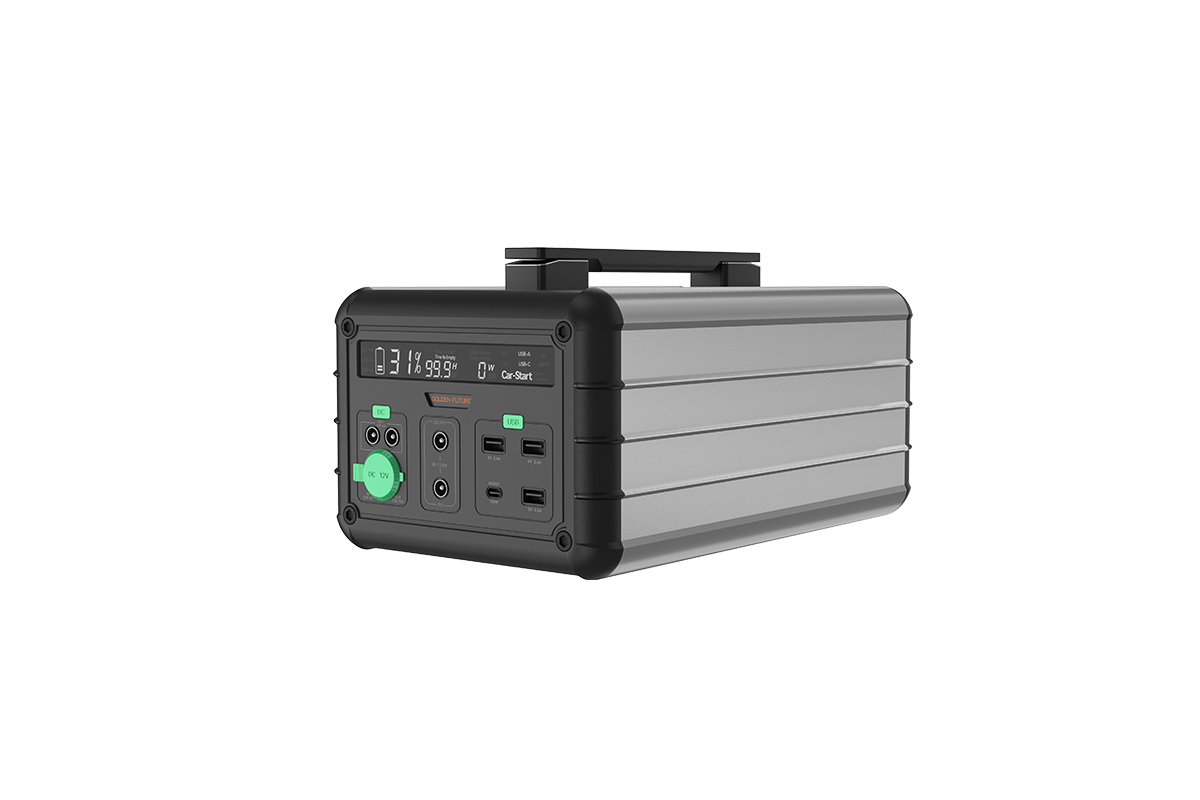
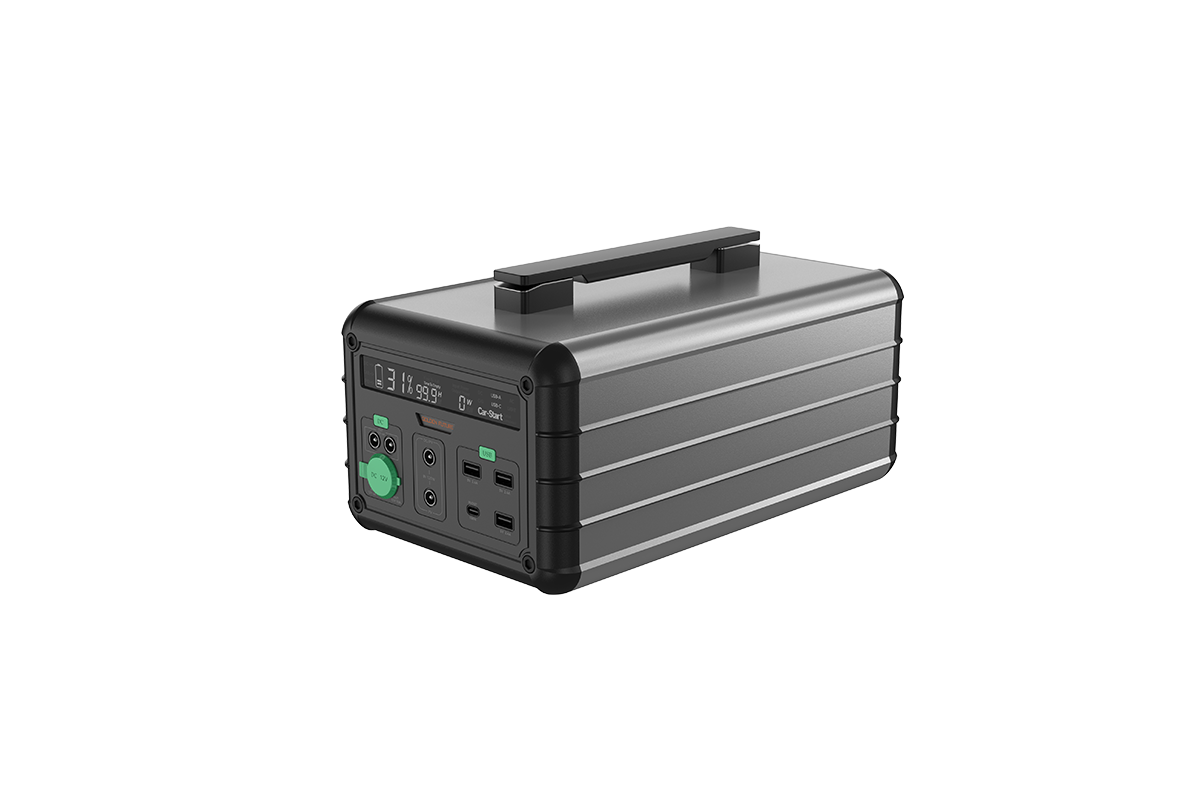
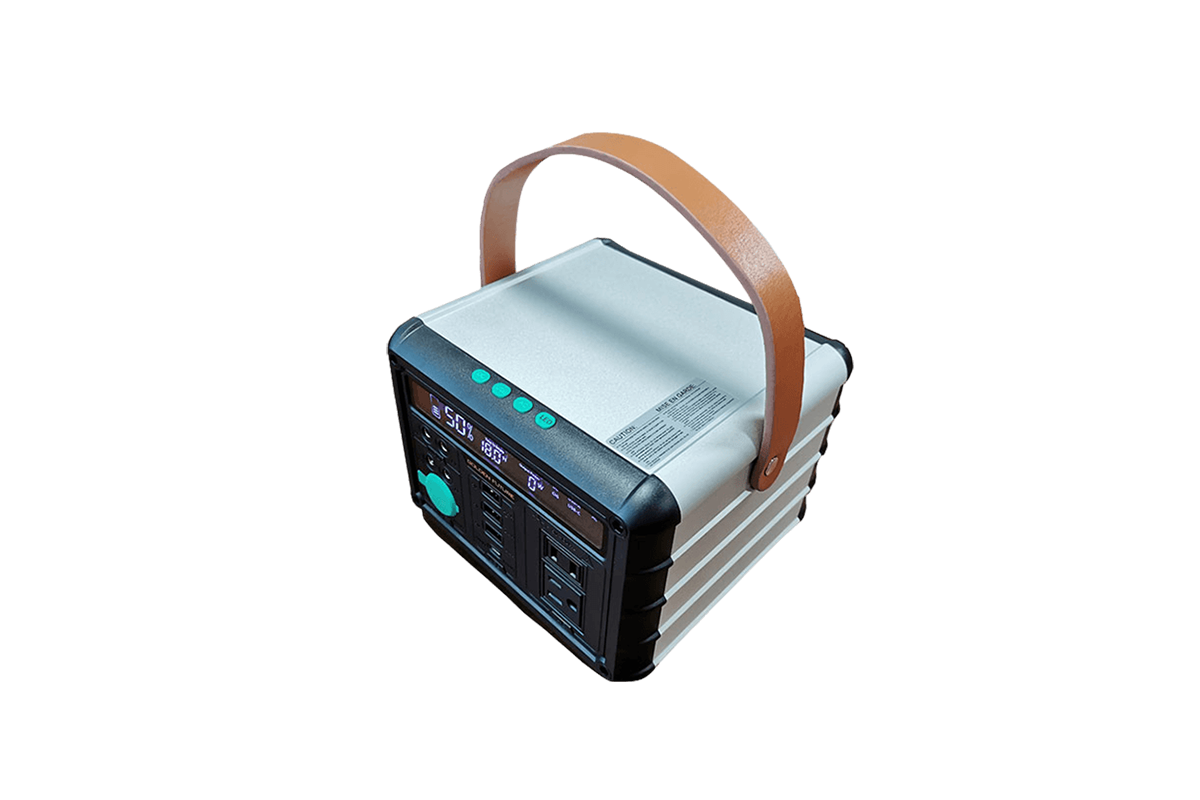
Modular home energy storage device assembly is designed to simplify installation, improve flexibility, and reduce maintenance costs, making it suitable for both professional installers and DIY enthusiasts. The core concept of modular assembly is to divide the energy storage system into independent, standardized modules (including battery modules, inverter modules, and connection modules), which can be assembled, replaced, or upgraded independently without affecting the entire system. This design not only facilitates transportation and on-site installation but also minimizes safety risks caused by improper assembly, as each module undergoes strict pre-assembly testing before leaving the factory.
The assembly process follows a systematic and user-friendly workflow, starting with system planning and component preparation. First, install the base and side plate assembly, which provide stable support for the modules and ensure detachable connection between the inverter, battery box, and base. Next, position the battery modules into the metal enclosure, utilizing automatic alignment zones formed by rigid positioning cones at the bottom and metal brackets on the sides—this ensures the battery modules are securely fixed in the X, Y, and Z directions, preventing displacement during transportation or use. The positioning cones and corresponding positioning grooves on the battery modules have a taper of 30°~50°, enabling precise and quick alignment without professional tools.
After positioning the battery modules, lock them with bolts and nuts (riveted in advance to avoid loose connections), then install the power connector and inverter module. The final step involves sealing the enclosure to ensure waterproof and dustproof performance, followed by a system test to verify electrical connections, BMS functionality, and power conversion efficiency. For DIY enthusiasts, modular systems with built-in BMS in each battery module simplify assembly—each module has independent overcharge, over-discharge, and short-circuit protection, eliminating the need for a separate master BMS and reducing assembly complexity. Independent DC circuit breakers for each module further enhance safety during assembly and operation.




 59911926@qq.com/sales@goldenfuturehk.com
 13316809242 / 15816897019
 Inquiry
 Home >