






Time:2026-01-27 Views:1
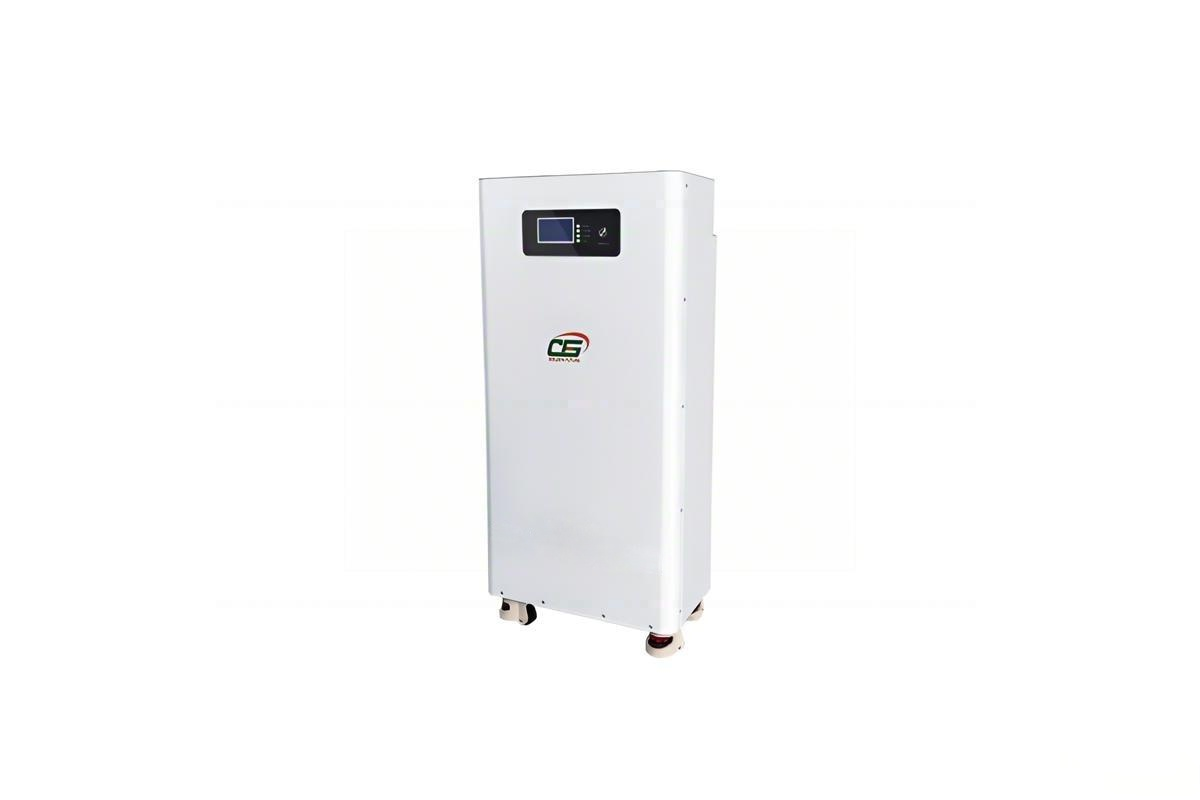
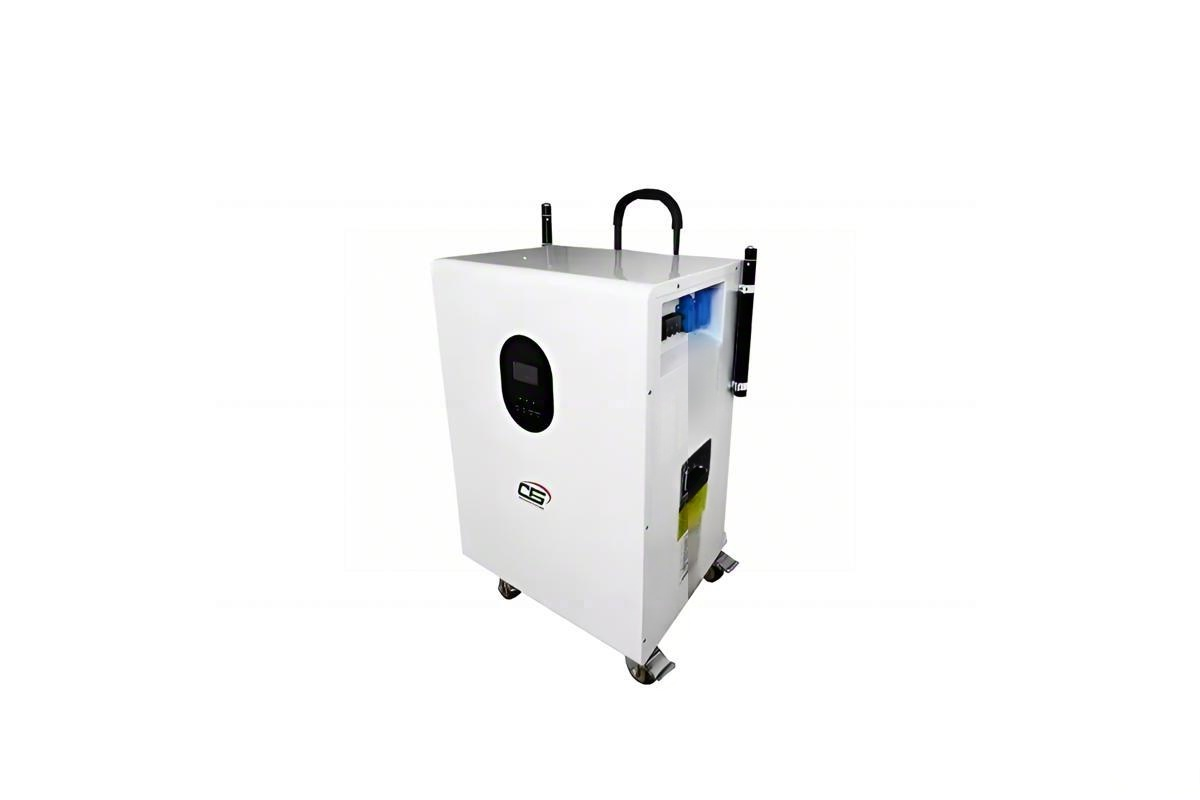
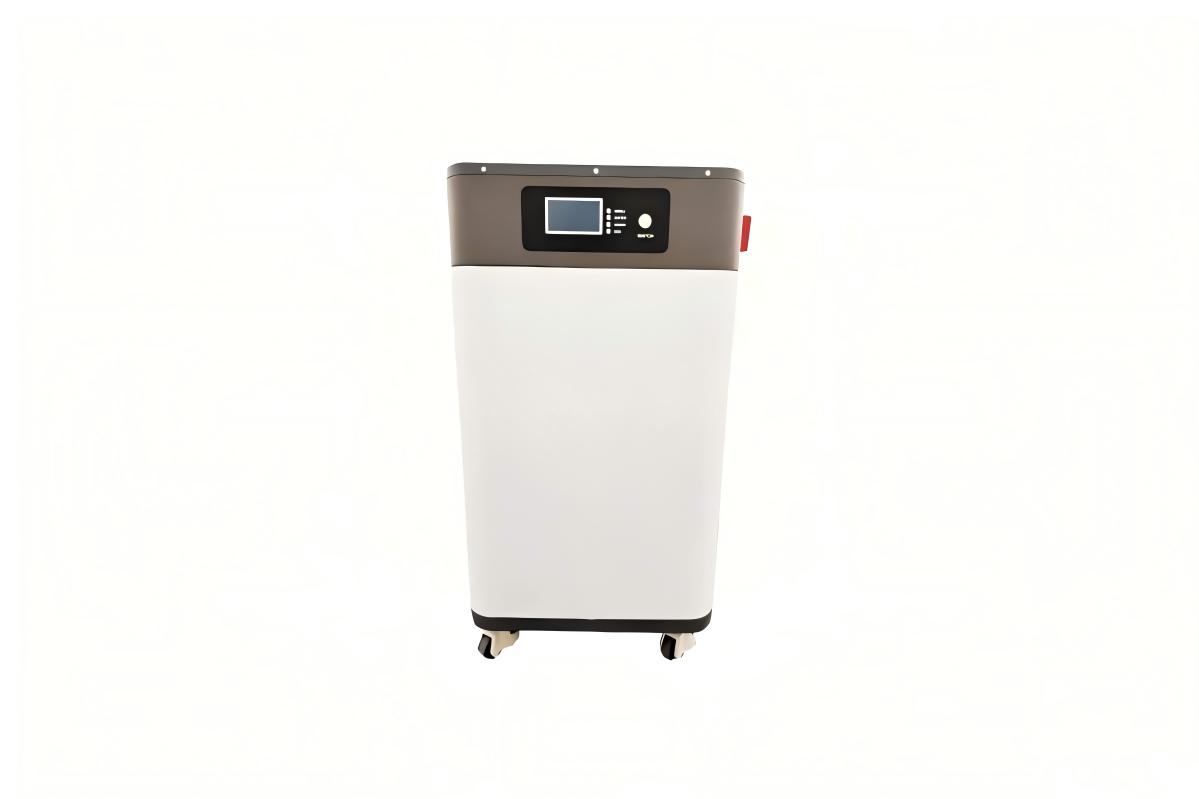
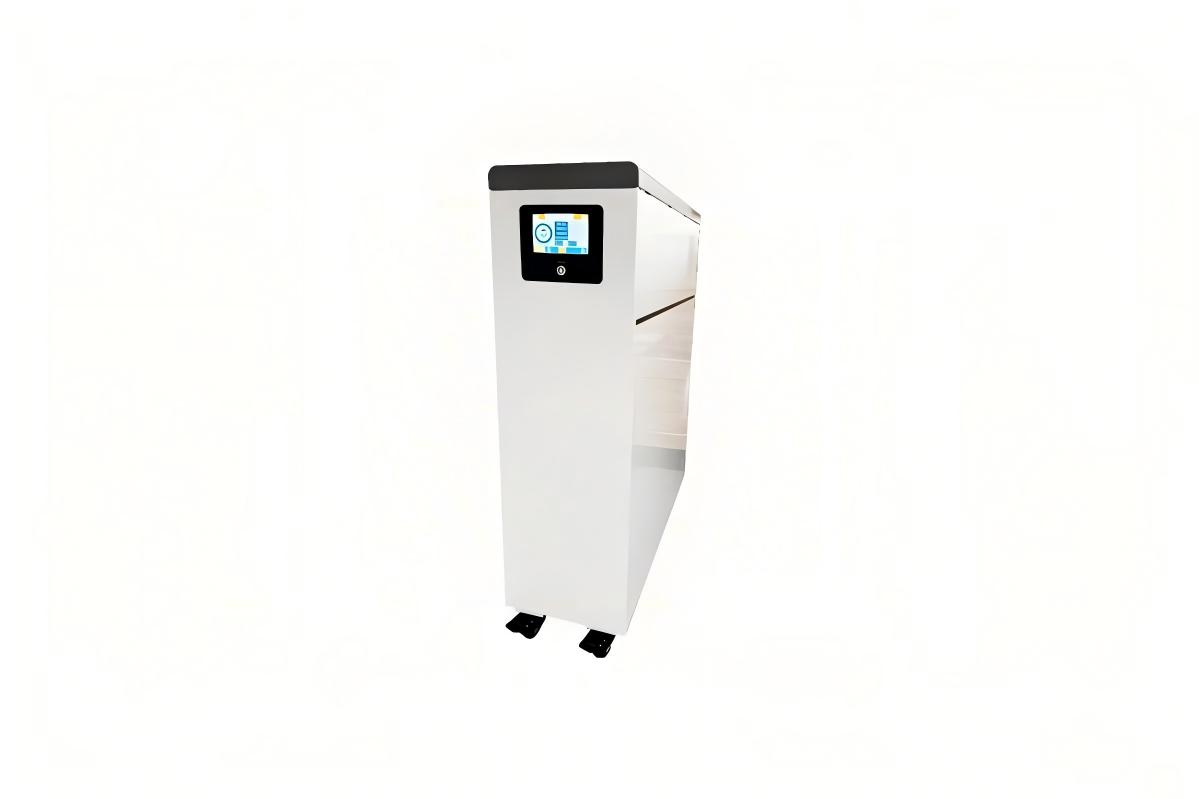
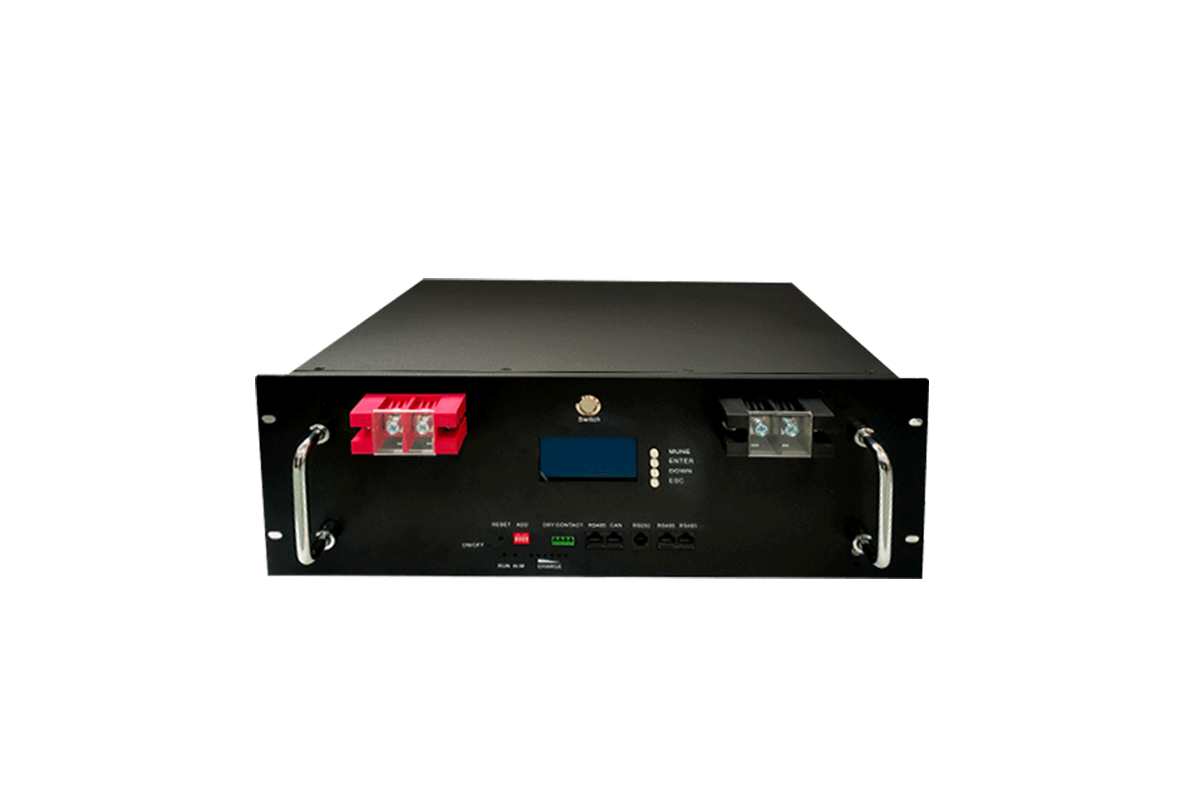
The Marine Lithium Energy Storage Battery System is a specialized power solution designed to meet the unique demands of marine environments, providing reliable energy for boats, yachts, sailboats, and other watercraft. Unlike traditional marine lead-acid batteries, which are prone to corrosion, have short lifespans, and require frequent maintenance, lithium-based marine battery systems offer superior performance, durability, and efficiency—making them an increasingly popular choice among boat owners and marine professionals. These systems typically consist of multiple lithium battery modules (often lithium-iron phosphate, or LiFePO4, due to their high safety and longevity) connected in series or parallel to achieve the desired voltage (12V, 24V, 48V) and capacity (ranging from 100Ah to 1000Ah or more), depending on the boat’s power needs.
One of the primary advantages of marine lithium battery systems is their exceptional durability and resistance to harsh marine conditions. They are built with waterproof and corrosion-resistant enclosures (often rated IP67 or higher), which protect the battery cells from saltwater, humidity, and splashes—common hazards in marine environments that can quickly damage lead-acid batteries. Additionally, LiFePO4 battery cells are highly resistant to temperature extremes, operating reliably in a wide range of temperatures (-20°C to 60°C), which is crucial for boats that navigate in both cold and warm waters. Unlike lead-acid batteries, which can freeze in cold temperatures or lose capacity in heat, marine lithium systems maintain consistent performance regardless of the weather.
Another key benefit is their high energy density and long cycle life. Marine lithium batteries have a higher energy density than lead-acid batteries, meaning they can store more energy in a smaller, lighter package. This is particularly important for boats, where space and weight are limited—lithium systems can reduce the overall weight of the boat’s power system by up to 50%, improving fuel efficiency and maneuverability. They also have an extremely long cycle life, with LiFePO4 models capable of 3000-5000 charge-discharge cycles (compared to just 300-500 cycles for lead-acid batteries), reducing the need for frequent replacements and lowering long-term maintenance costs.
Marine lithium battery systems also offer superior charging efficiency and performance. They can accept higher charging currents, allowing for faster recharging—critical for boats that rely on solar panels, wind generators, or alternators for power. Unlike lead-acid batteries, which require a full charge to maintain lifespan, lithium batteries can be charged to any level without suffering from “memory effect,” making them more flexible for daily use. Additionally, they provide a stable voltage output throughout the discharge cycle, ensuring consistent power for essential marine equipment such as navigation systems, radios, lights, pumps, and refrigerators. This stability prevents voltage drops that can cause equipment malfunctions, a common issue with lead-acid batteries as they discharge.
Safety is a paramount concern in marine applications, and these battery systems are equipped with advanced protection mechanisms. In addition to the inherent stability of LiFePO4 cells, they include built-in battery management systems (BMS) that monitor and regulate charging and discharging, preventing over-charging, over-discharging, short-circuits, over-current, and over-temperature. Some systems also feature reverse polarity protection and cell balancing technology, which ensures that all battery cells charge and discharge evenly, extending the overall lifespan of the system. Compliance with marine safety standards, such as ABYC (American Boat and Yacht Council) and IEC (International Electrotechnical Commission) standards, further ensures that these systems are safe for use in marine environments. With their durability, efficiency, long lifespan, and robust safety features, the Marine Lithium Energy Storage Battery System is a reliable and cost-effective power solution for modern marine vessels.




 59911926@qq.com/sales@goldenfuturehk.com
 13316809242 / 15816897019
 Inquiry
 Home >