





Time:2025-10-28 Views:1
I. Core Technology Features (Focusing on the Unique Advantages of Lithium-Ion Technology)
1. Mainstream Technology Types and Parameter Differences
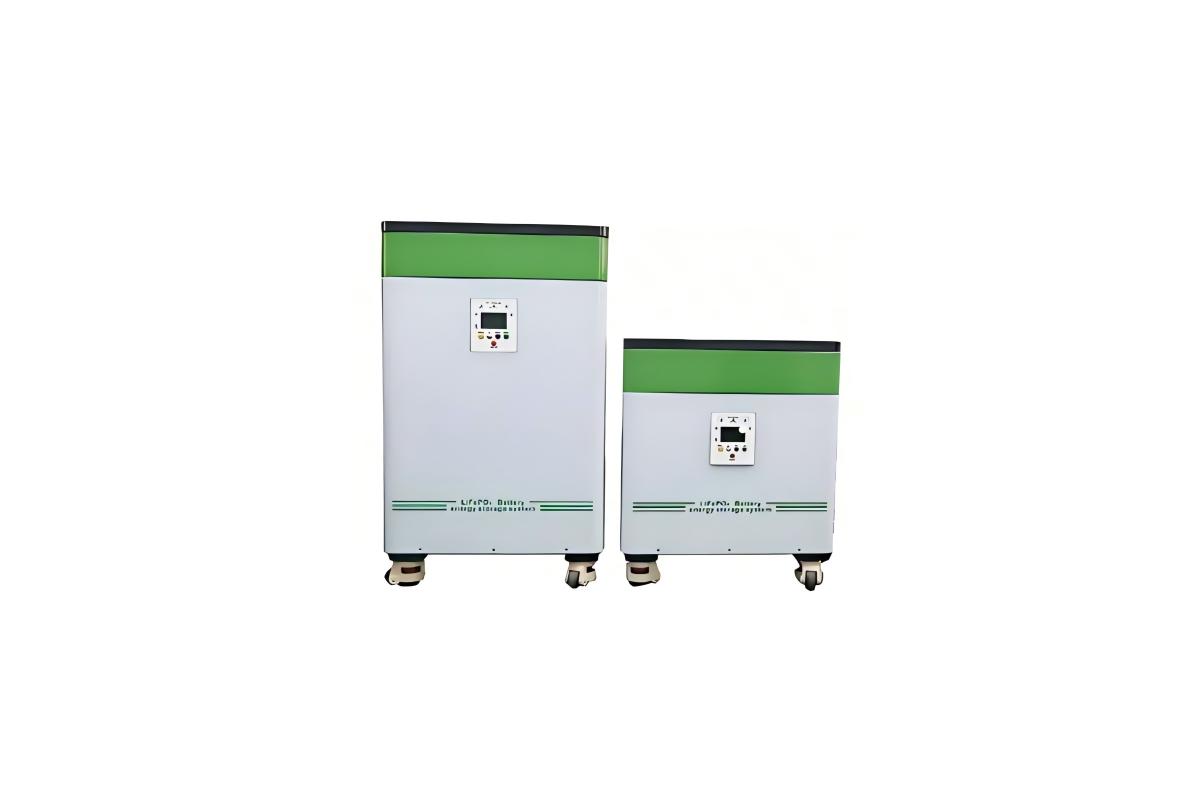
Lithium Iron Phosphate (LiFePO₄): Currently the mainstream choice for home energy storage, it features a cell voltage of 3.2V, an energy density of 150-200Wh/kg, a cycle life exceeding 3,000 cycles (80% capacity retention), and excellent thermal stability—it decomposes only above 150°C without emitting open flames, meeting the thermal runaway protection requirements of GB/T 36276-2023. It is suitable for high-temperature environments (-20°C to 60°C) and has a discharge capacity retention rate of 70%-80% at low temperatures (-30°C). It is suitable for homes in the humid and hot southern regions and the colder northern regions. Single-system capacities range from 5kWh to 50kWh, and it supports parallel connection of multiple modules.
Ternary lithium (LiNiCoMnO₂/LiNiCoAlO₂) type: Offers higher energy density (200-280Wh/kg), a cell voltage of 3.7V, and a capacity 30%-40% higher than lithium iron phosphate for the same volume. It also offers superior low-temperature performance (discharge capacity retention ≥85% at -30°C), but suffers from weaker thermal stability (easily decomposes at 60-120°C). Its cycle life is 2000-2500 cycles (with 80% capacity retention). It's primarily used for small-capacity backup power (5kWh-15kWh) in cold northern regions and requires enhanced BMS protection.
Lithium-ion battery's unique advantages: Compared to lead-acid batteries, its volumetric energy density is 2-3 times higher (a 15kWh system occupies only 0.1-0.15m³), its weight is 60%-70% lighter (a 15kWh battery weighs approximately 100-150kg), it supports 0.3C-1C fast charging (a 5kWh battery fully charges in 1.5-3 hours), has no memory effect, can be charged on-the-go, and boasts a charge-discharge efficiency of 90%-95% (compared to 70%-80% for lead-acid batteries).
2. BMS (Battery Management System) Core Functions
Lithium-ion batteries are highly dependent on BMSs and require the following:
Precise Protection: Overcharge protection (LiFePO4 ≤ 3.65V/cell, ternary lithium ≤ 4.2V/cell), over-discharge protection (LiFePO4 ≥ 2.5V/cell, ternary lithium ≥ 2.7V/cell), and overcurrent protection (discharge current ≤ 2C) to prevent electrolyte decomposition or lithium dendrite formation due to overcharge or over-discharge.
Dynamic Balancing: Supports active balancing (balancing current 50-200mA) to address capacity consistency issues in multiple series cells and slow overall degradation. The voltage drop for LiFePO4 battery packs is controlled to ≤ 30mV, and for ternary lithium battery packs to ≤ 20mV.
Status Monitoring: Real-time acquisition of cell voltage, temperature (cell temperature difference ≤ 5°C), and SOC (State of Charge) with an accuracy of ±3% is available via the app. Notifies you of remaining battery life and estimated battery life, and automatically starts preheating in low temperatures (starts below -10°C, and recharges after warming to above 5°C).
3. Typical Application Scenarios
Daily backup power for ordinary households: 5kWh-10kWh lithium iron phosphate system, designed to handle 1-2 day power outages and power basic loads such as refrigerators (100W), lighting (50W), and routers (10W);
PV-supported energy storage: 10kWh-20kWh lithium iron phosphate system, paired with a 3kWp-8kWp PV system, stores daytime surplus power for nighttime use, reducing grid dependence. 10kWh-15kWh ternary lithium system is available for use in cold northern regions;
Electric vehicle integration: 15kWh-25kWh lithium iron phosphate system, supporting V2H (Vehicle to Home) functionality, which allows electric vehicle power to be reverse-charged into the energy storage battery to cope with sudden power outages or capitalize on peak-valley electricity price arbitrage (charging during off-peak hours and discharging during peak hours);
High altitude/extreme climate regions: 8kWh-15kWh lithium iron phosphate system (resistant to high altitude, low air pressure, -20°C to Stable operation at 60°C (suitable for homes in Tibet, Qinghai, and other regions), preventing significant capacity degradation caused by low temperatures.
II. Lithium-ion battery troubleshooting (different from other battery types)
1. Cell bulging (high-frequency safety hazard for lithium-ion batteries)
Possible causes: Overcharging leading to electrolyte decomposition and gas generation (ternary lithium batteries are prone to bulging when overcharged to above 4.3V); forced charging at low temperatures (low-temperature conditions below -10°C without preheating, causing lithium dendrites to pierce the separator); cell aging (over 2000 cycles, causing active material shedding).
Troubleshooting and Resolution:
Appearance Inspection: Regularly check the battery pack casing for bulges. If bulging is detected, immediately shut down the device (do not continue charging or discharging).
BMS Data Tracking: Use the backend to check for overcharge (voltage exceeding the rated value) and low-temperature charging. If so, calibrate the BMS protection threshold and replace the faulty temperature sensor.
Cell Replacement: Disassemble the battery pack and test the cell capacity with a capacity tester. Replace cells with bulges or those with capacity loss exceeding 20%. Replace the new cells with the same model and batch as the original (e.g., do not mix 314Ah lithium iron phosphate with 280Ah ternary lithium). Perform balancing and commissioning again after replacement.
2. Low-temperature performance degradation (a lithium-ion battery-specific issue)
Possible causes: Lithium-ion migration rate decreases at low temperatures (at -20°C, the migration rate is only one-fifth of that at 25°C); electrolyte viscosity increases, increasing ion conduction resistance; ternary lithium exhibits less low-temperature degradation than lithium iron phosphate, but charging current limitations still exist (charging current ≤ 0.1C at -30°C).
Troubleshooting and Solutions:
Check the preheating function: If the current is too low during low-temperature charging, check whether the BMS has activated preheating (check "Preheating Status" in the app). If not, check the preheating heater (50-100W power) for damage and replace it.
Optimize Charging Strategy: For temperatures below -10°C, use "step charging" (first charge at 0.1C to 20% SOC, then preheat to 5°C, then fast charge at 0.5C) to avoid high-current charging in low temperatures.
Environmental Adaptation: Outdoor installations in northern China require an insulation cover (using flame-retardant insulation foam, at least 50mm thick). For indoor installations, choose a location near a heater but out of direct sunlight to maintain a battery ambient temperature of 5°C-25°C.
3. BMS Balancing Failure (Main Cause of Li-ion Capacity Decay)
Possible Causes: Damaged balancing module components (e.g., burned-out MOSFETs); poor cell consistency (capacity difference between new and old cells exceeds 10%); BMS program error (e.g., incorrect balancing threshold settings).
Troubleshooting and Solutions:
Check balancing current: Disconnect the battery main switch and use a multimeter to measure the current at the balancing module output. Normally, it should be 50-200mA. If the current is zero, the balancing board needs to be replaced (matching the battery type, such as a dedicated LiFePO4 balancing board).
Calibrate cell consistency: Measure the internal resistance of all cells with an internal resistance tester. If the internal resistance difference exceeds 10%, the new cells need to be screened and replaced. Ensure that the internal resistance difference between the new and old cells is ≤5%.
Reset the BMS Program: Contact the manufacturer to remotely send the program firmware and recalibrate the balancing threshold (balance startup voltage difference ≤30mV for LiFePO4, ≤20mV for ternary Lithium). After resetting, perform three consecutive charge and discharge cycles to verify balancing effectiveness.
III. Targeted Maintenance and Safety Guidelines
1. Regular Maintenance Key Points (Based on Lithium-Ion Chemical Characteristics)
Battery Cell Status Monitoring: Check the battery cell voltage and temperature monthly via the app. Test the cell capacity quarterly using dedicated equipment (LiFePO4 capacity decay ≤5%/year is considered normal; ternary lithium ≤8%/year). Manually trigger deep equalization every six months (float charge for 2 hours after charging to 100%) to avoid "inflated" capacity caused by long-term shallow charging and discharging.
BMS Function Calibration: Contact the manufacturer annually to calibrate the SOC accuracy (deviations exceeding 5% require debugging) and the temperature sensor (display deviations exceeding 3°C require replacement) to ensure accurate protection thresholds (e.g., ternary lithium overcharge protection is strictly controlled at 4.2V/min). Single cell or less);
Environmental and Appearance Maintenance: Clean the battery pack surface dust monthly (use a dry brush, not a wet cloth). Inspect the outer casing for damage and leakage (lithium-ion battery leakage produces a transparent or light yellow electrolyte with a pungent odor). For indoor installation, maintain good ventilation (ambient humidity ≤ 80%), avoid direct sunlight (prevent temperatures exceeding 60°C), and avoid proximity to doors and windows in northern winter (to prevent low-temperature exposure).
2. Safety Operation and Emergency Procedures
Charging Safety: Use only the original charger (output voltage and current match the battery type, e.g., 3.65V/cell for lithium iron phosphate chargers and 4.2V/cell for ternary lithium). Do not place flammable materials (such as cardboard boxes or curtains) near the battery pack. If any odor or smoke is detected during charging, immediately disconnect the power supply and evacuate.
Thermal Runaway Response: Lithium-ion batteries release toxic gases (such as CO and HF) during thermal runaway. If the BMS issues a thermal runaway alarm (with audible and visual indicators), immediately disconnect all power supplies, activate the exhaust system, and evacuate to a safe outdoor area. Use a dry powder fire extinguisher (ABC type) or a CO₂ fire extinguisher (do not use water to avoid electrolyte splashing). If the fire gets out of control, call 119 and report "lithium-ion battery fire."
Storage and Disposal: When not in use for an extended period (over 1 month), maintain a SOC of 50%-60% (for lithium iron phosphate) or 40%-50% (ternary lithium), recharge once a month; when scrapping, contact a company with "Lithium-ion Battery Hazardous Waste Treatment Qualifications" (random disposal or disassembly is prohibited) and provide information such as battery type and capacity to prevent electrolyte contamination of the environment.
IV. Core Differences from Other Home Energy Storage Battery Types
Compared to lead-acid batteries: Lithium-ion batteries have 2-3 times higher energy density, are 60%-70% lighter, have a 2-3 times longer cycle life (3000 cycles for lithium iron phosphate batteries vs. 1000 cycles for lead-acid batteries), and are 20%-25% more efficient. However, their initial cost is 50%-100% higher (approximately 1500-2000 RMB per kWh lithium-ion battery, 800-1200 RMB for lead-acid batteries). Furthermore, they require professional BMS maintenance. Lead-acid batteries are easy to maintain but are bulky and have a shorter lifespan.
Compared to sodium batteries: Lithium-ion batteries have 50%-100% higher energy density (approximately 100-150 Wh/kg for sodium batteries) and better low-temperature performance (discharge capacity retention at -20°C is ≤60%), but their cost is lower. 30%-40% and better resistance to overcharge and over-discharge. Currently, sodium battery home energy storage is still in the pilot phase and has not yet been widely adopted.
Compared to large-capacity lithium-ion models: Standard lithium-ion home energy storage batteries (5kWh-20kWh) generally use cells under 280Ah, natural or fan-cooled, and have a maintenance cycle of every three months. Large-capacity models (≥15kWh) use cells over 300Ah, liquid-cooled, and have a shorter maintenance cycle (monthly cell inspection). While both share the same core technology principles and rely on precise BMS control, large-capacity models focus more on multi-module paralleling and high-power output adaptability.




 59911926@qq.com/sales@goldenfuturehk.com
 13316809242 / 15816897019
 Inquiry
 Home >