





Time:2025-12-16 Views:1
Lithium-ion energy storage has become the gold standard in modern energy storage solutions, powering everything from small consumer devices to large-scale grid systems—and playing a pivotal role in the transition to renewable energy. Its widespread adoption is rooted in a unique set of advantages: high energy density, long cycle life, low self-discharge, and compatibility with both small and large-scale applications. Unlike traditional storage technologies, lithium-ion systems are versatile, efficient, and increasingly affordable, making them indispensable for households, businesses, and utilities alike.
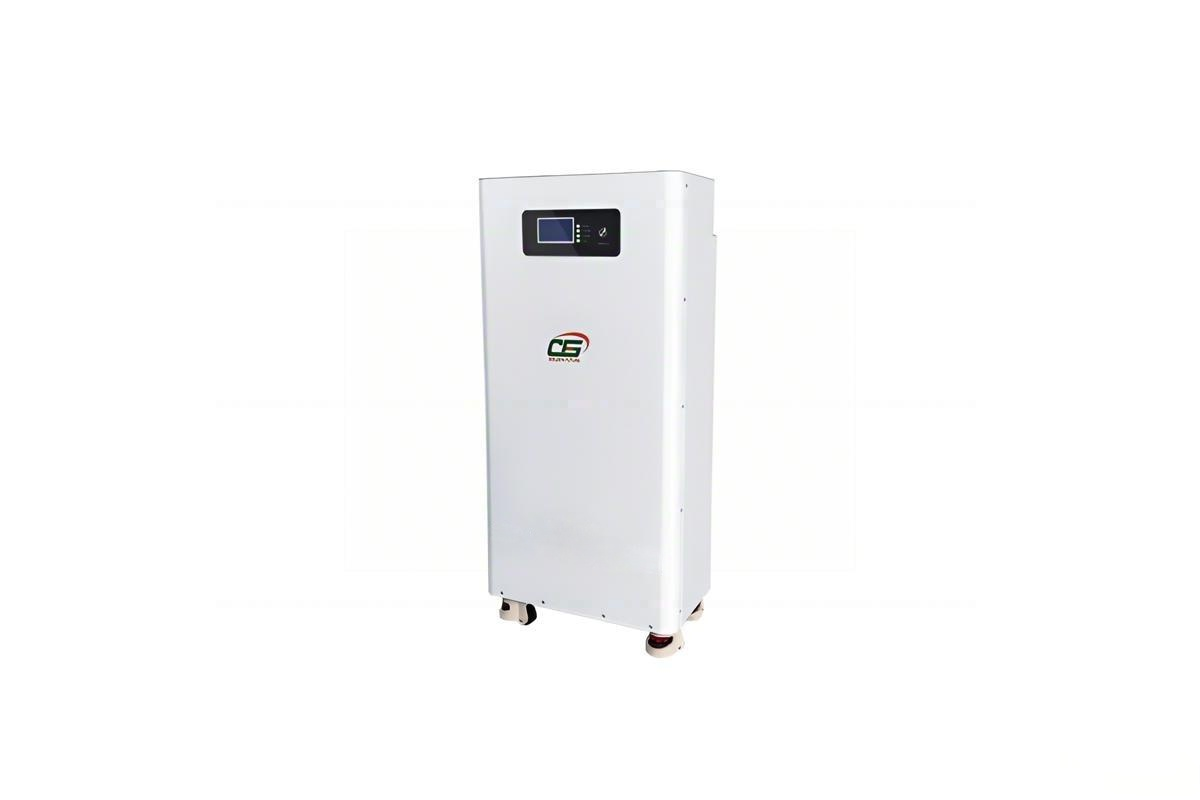
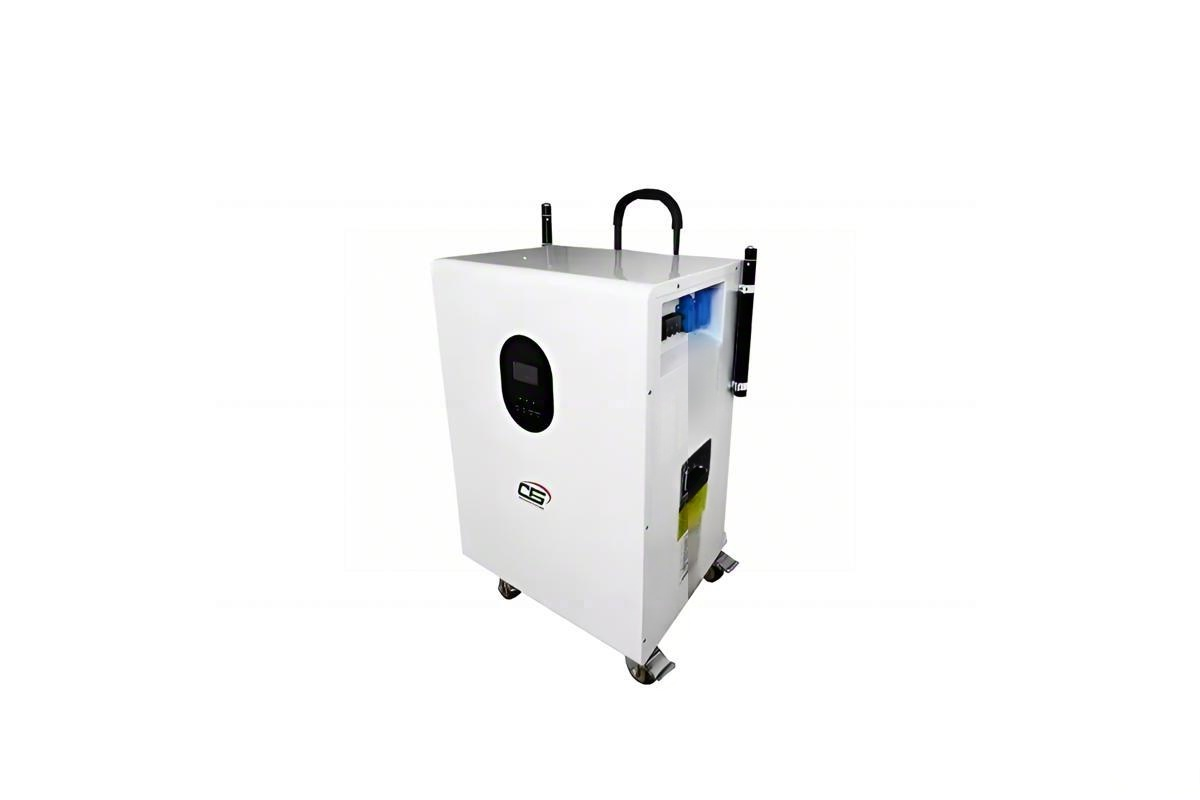
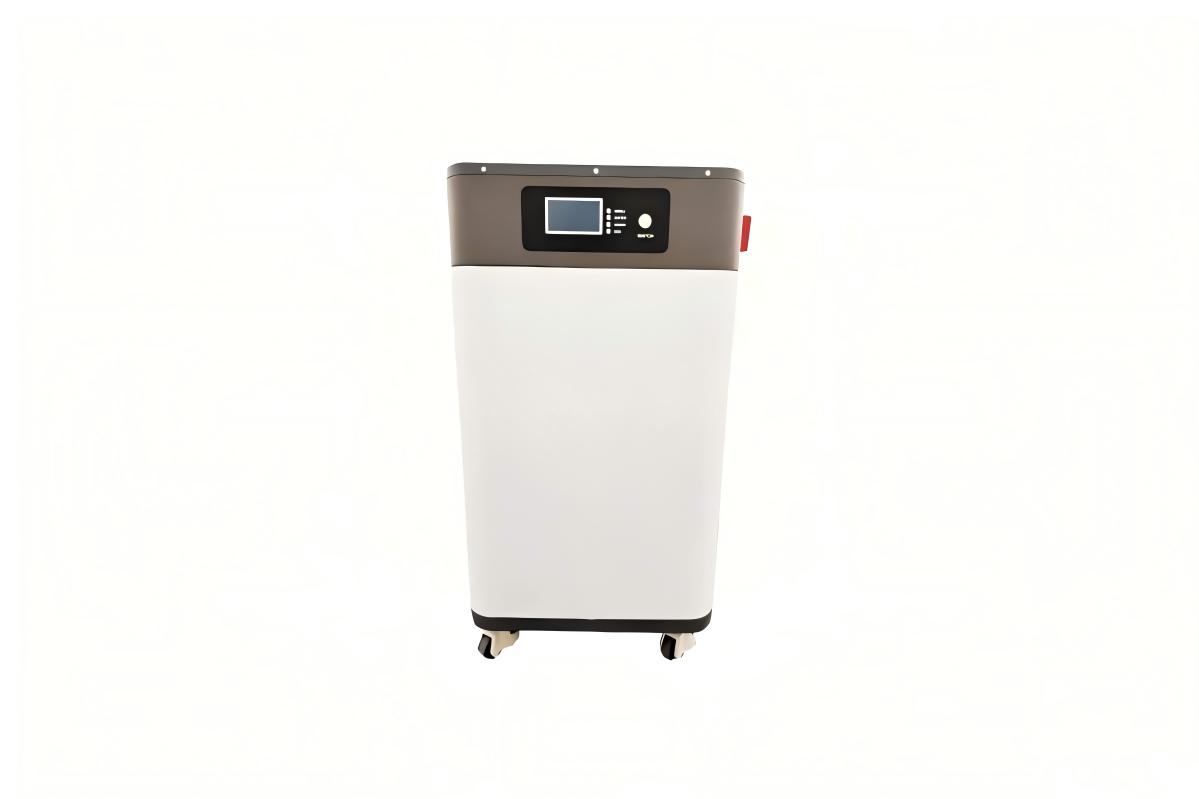
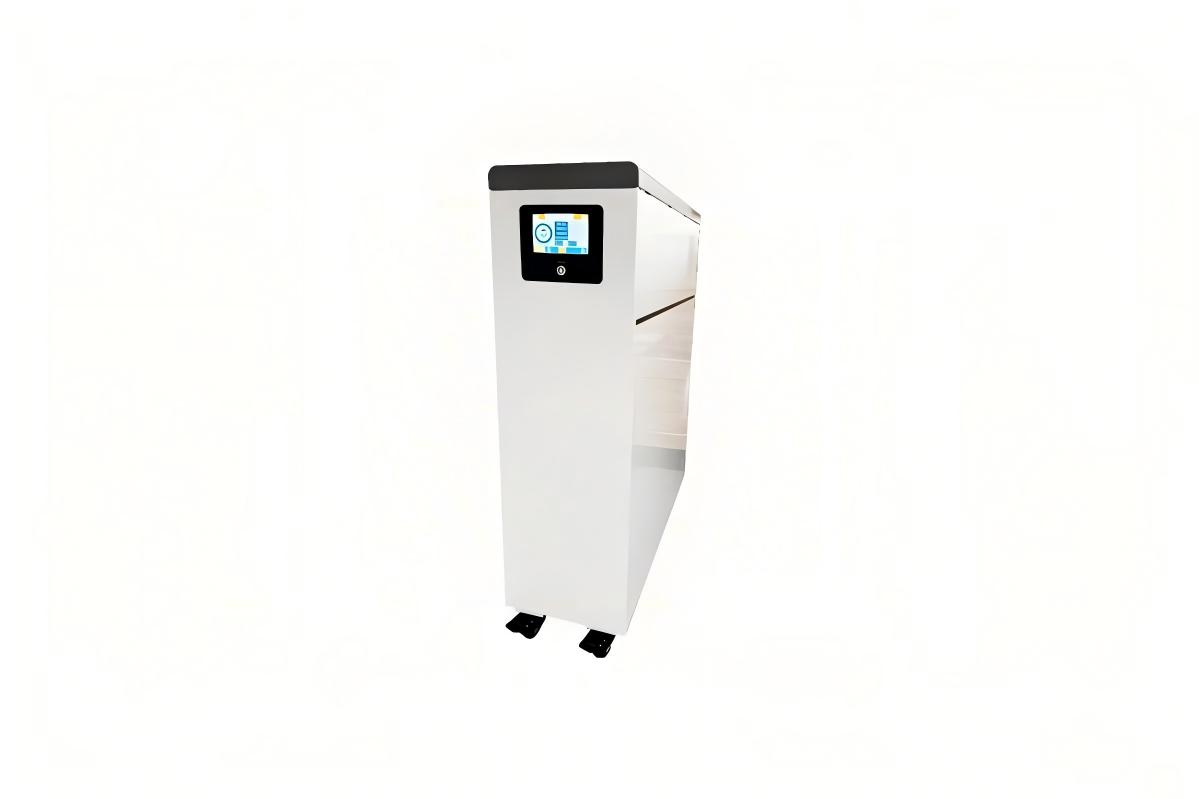
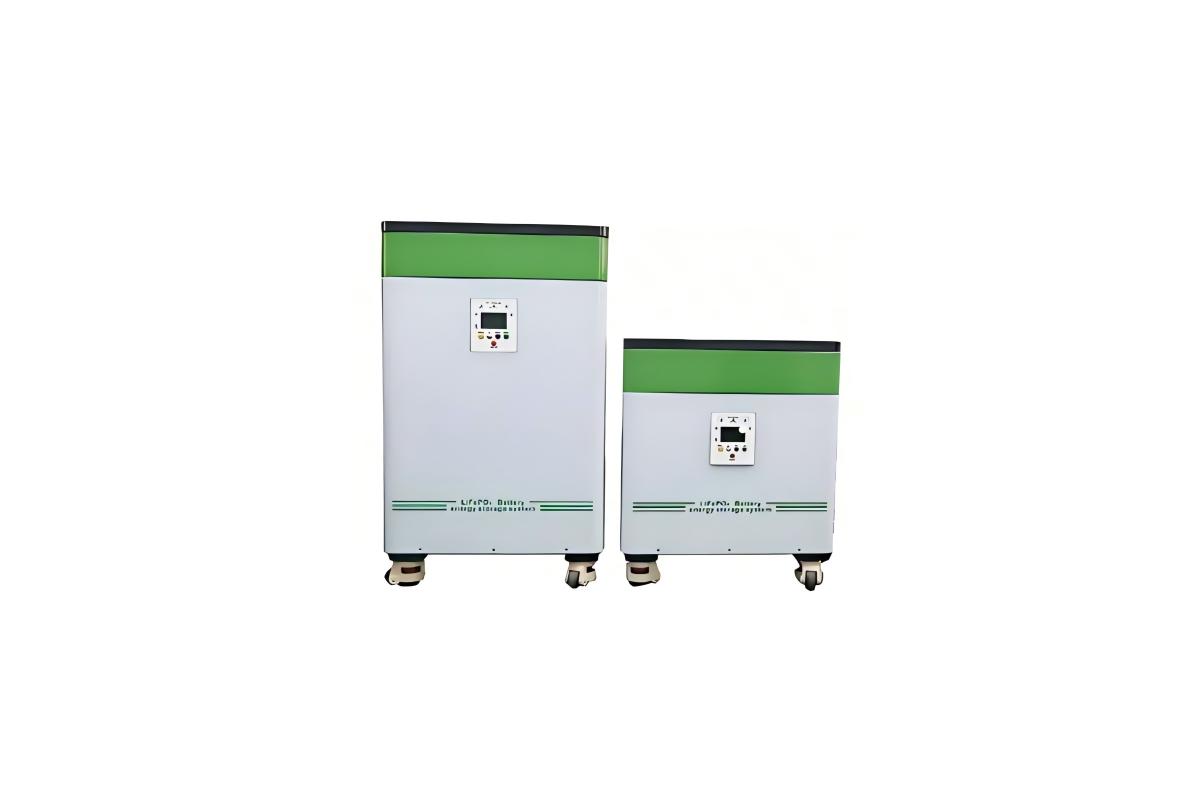
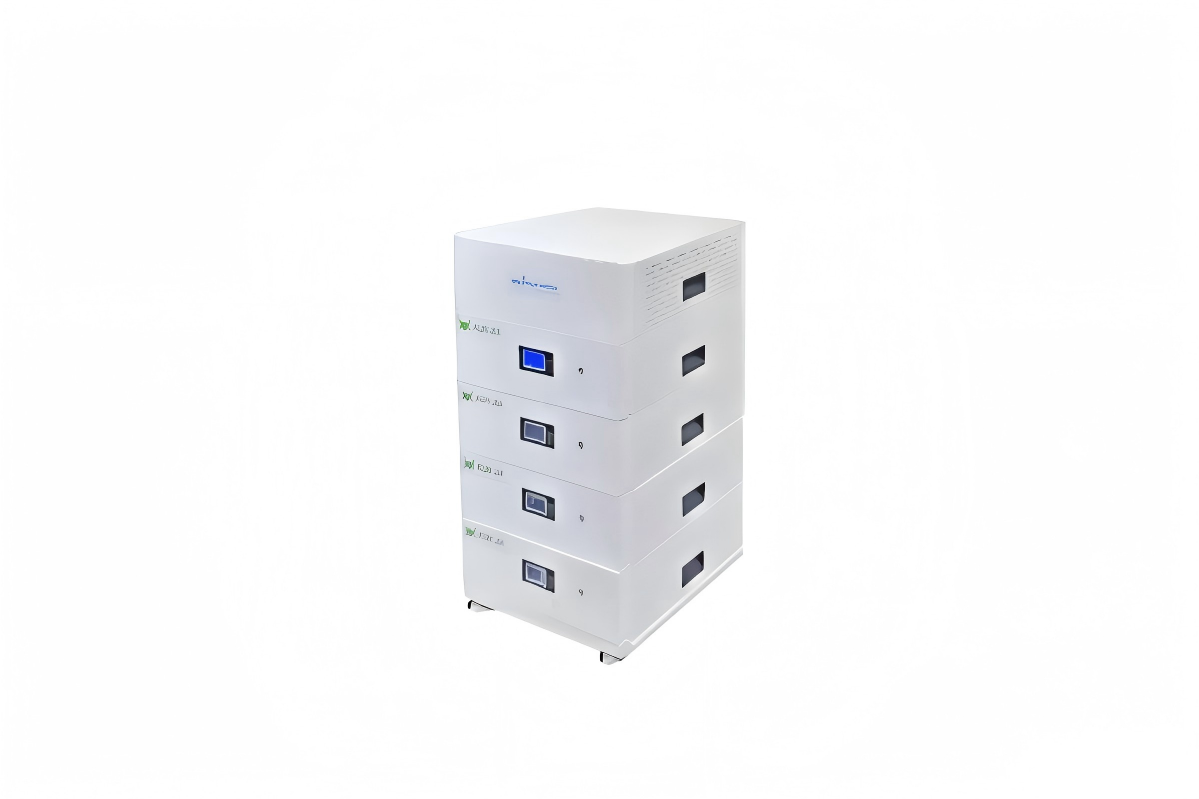
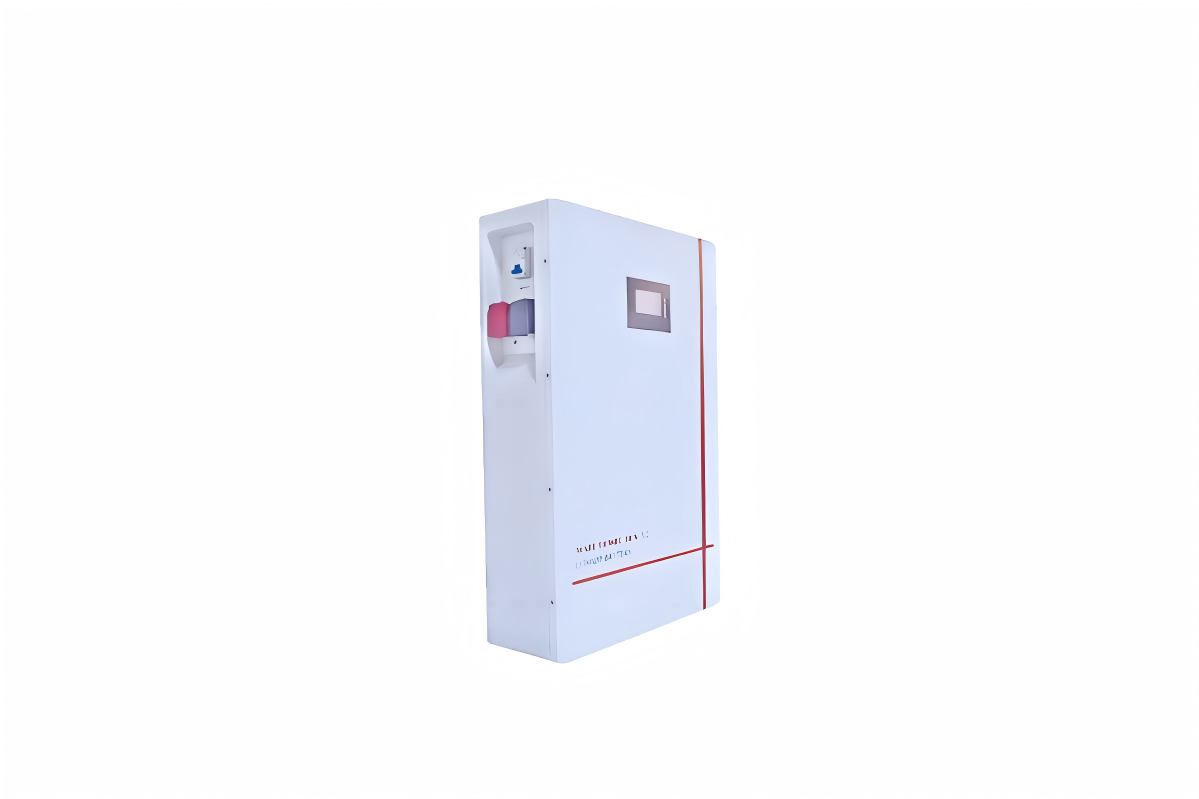
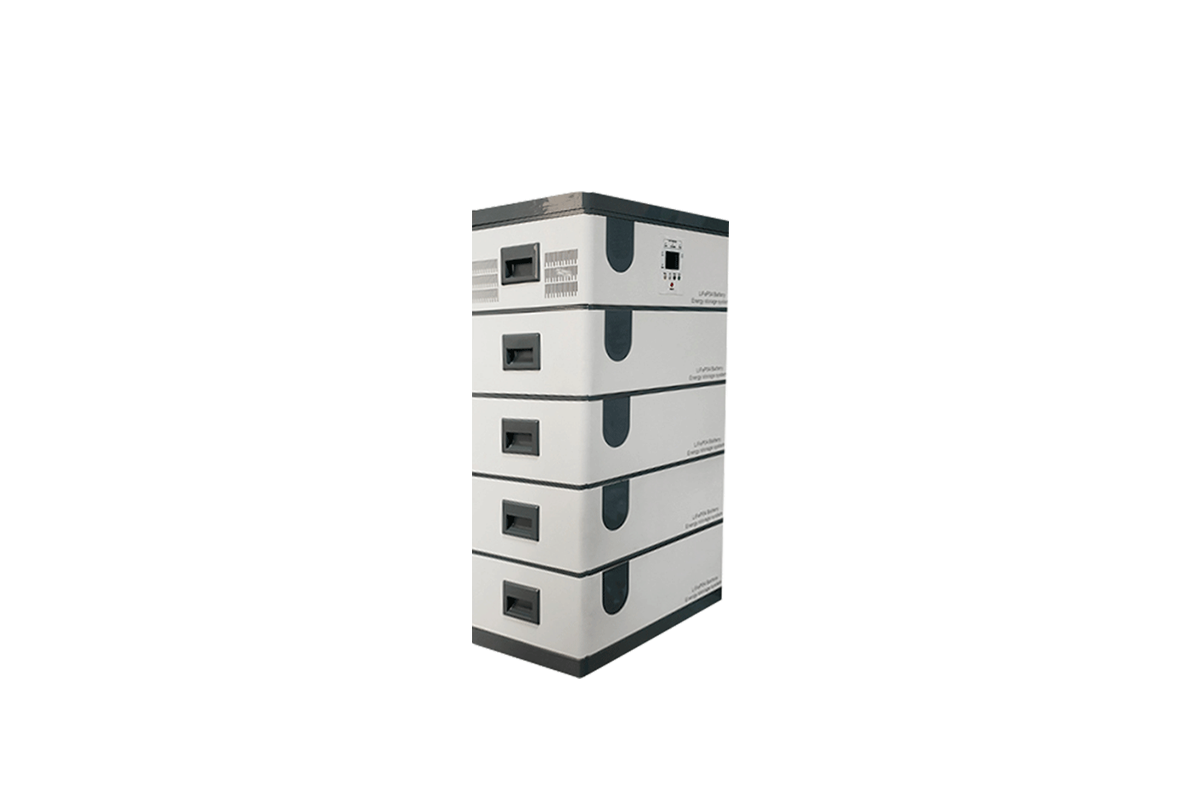
One of the most defining features of lithium-ion energy storage is its high energy density. Energy density refers to the amount of energy a battery can store relative to its weight or volume, and lithium-ion batteries outperform most alternatives by a significant margin. For example, a lithium-ion battery has an energy density of 100–265 Wh/kg, compared to just 30–50 Wh/kg for lead-acid batteries and 40–120 Wh/kg for nickel-metal hydride (NiMH) batteries. This high density is critical for applications where space and weight are limited, such as home battery storage (where compact systems fit in garages or closets) and electric vehicles (EVs), where lighter batteries extend driving range. For residential use, a 15 kWh lithium-ion battery—sufficient to power an average home for 1–2 days during an outage—weighs around 200 pounds and occupies roughly the same space as a small washing machine, making it far more practical than bulkier alternatives.
Long cycle life is another key benefit of lithium-ion energy storage. A "cycle" is defined as one full charge (from low to high capacity) and one full discharge (from high to low capacity), and lithium-ion batteries can endure 1,000–5,000 cycles before their capacity degrades to 80% of their original level. This translates to a lifespan of 10–15 years for home storage systems and 8–10 years for commercial or utility-scale systems—far longer than lead-acid batteries, which typically last 3–5 years and 300–500 cycles. The extended lifespan reduces the need for frequent replacements, lowering long-term costs and minimizing environmental waste. For businesses, this means a more reliable return on investment (ROI): a commercial lithium-ion storage system installed today can operate efficiently for over a decade, providing consistent savings on energy bills and backup power during outages.
Lithium-ion energy storage also boasts low self-discharge rates, a critical advantage for applications where batteries may sit idle for extended periods. Self-discharge is the loss of stored energy when a battery is not in use, and lithium-ion batteries lose only 1–2% of their charge per month—compared to 5–10% per month for NiMH batteries and 10–15% per month for lead-acid batteries. This low self-discharge ensures that lithium-ion systems are always ready to use, even if they are not charged regularly. For homeowners, this means the battery will retain most of its charge during periods of low energy use (like vacations), ensuring backup power is available if an outage occurs while they are away. For utilities, low self-discharge allows lithium-ion systems to store energy from intermittent renewable sources (like wind or solar) for days or weeks, releasing it when demand is high or generation is low.
Efficiency is another strength of lithium-ion energy storage. The charge-discharge efficiency of a battery measures how much of the energy put into charging is available for use during discharge, and lithium-ion systems typically achieve 85–95% efficiency. This means that for every 10 kWh of energy used to charge a lithium-ion battery, 8.5–9.5 kWh is available for use—far higher than the 70–80% efficiency of lead-acid batteries. High efficiency is particularly important for renewable energy integration: when storing energy from solar panels or wind turbines, less energy is wasted, maximizing the value of clean energy generation. For example, a home with solar panels and a lithium-ion battery can capture and use 85–95% of the solar energy it generates, whereas a lead-acid battery would waste 20–30% of that energy.
The versatility of lithium-ion energy storage is also unmatched. It scales seamlessly from small, portable devices (like smartphones and laptops) to large-scale grid storage systems (capable of storing hundreds of megawatt-hours of energy). This scalability makes it suitable for a wide range of applications: homeowners use small lithium-ion batteries for backup power and cost savings; businesses use medium-sized systems to reduce peak demand charges and improve energy resilience; and utilities use large-scale lithium-ion storage to stabilize the grid, integrate renewable energy, and avoid blackouts. For instance, the Hornsdale Power Reserve in Australia—a 150 MW lithium-ion storage system—has become a model for grid-scale storage, providing fast frequency response (stabilizing voltage and frequency) and storing energy from nearby wind farms to supply power during peak demand.
In recent years, lithium-ion energy storage has become increasingly affordable, thanks to economies of scale and technological advancements. Since 2010, the cost of lithium-ion batteries has dropped by over 80%, driven by the growth of the EV market and increased production of battery cells. This cost reduction has made lithium-ion storage accessible to more households and businesses: in 2024, the average cost of a home lithium-ion battery system is(10,000–)15,000 (before incentives), down from over $30,000 a decade ago. Government incentives and rebates—such as the U.S. Federal Tax Credit for energy storage—have further lowered costs, making lithium-ion storage a cost-effective investment for many consumers.
Safety is another area where lithium-ion energy storage has improved significantly. Early lithium-ion batteries faced concerns about overheating, thermal runaway (a chain reaction leading to fire or explosion), and damage from overcharging or short-circuiting. However, modern lithium-ion systems include advanced safety features to mitigate these risks, such as thermal management systems (which regulate temperature), voltage and current sensors (which prevent overcharging), flame-retardant materials, and pressure relief valves (which release gas in case of overheating). Additionally, new chemistries like lithium-iron-phosphate (LFP) have emerged, offering enhanced stability and resistance to thermal runaway compared to traditional lithium-cobalt-oxide (LCO) batteries. LFP batteries are now widely used in home and grid-scale storage due to their superior safety profile.
Looking to the future, lithium-ion energy storage will continue to play a central role in the global energy transition. As renewable energy sources like solar and wind become more prevalent, the need for reliable storage to address their intermittency (solar only generates during the day, wind is variable) will grow. Lithium-ion systems are well-suited to this task, providing fast, efficient, and scalable storage that can integrate seamlessly with renewable energy infrastructure. Additionally, ongoing research and development are focused on improving lithium-ion technology further—including increasing energy density, extending cycle life, reducing costs, and developing more sustainable materials (such as recycled lithium and cobalt). These innovations will ensure that lithium-ion energy storage remains a cornerstone of a clean, resilient, and efficient energy system for decades to come.




 59911926@qq.com/sales@goldenfuturehk.com
 13316809242 / 15816897019
 Inquiry
 Home >