





Time:2025-11-12 Views:1
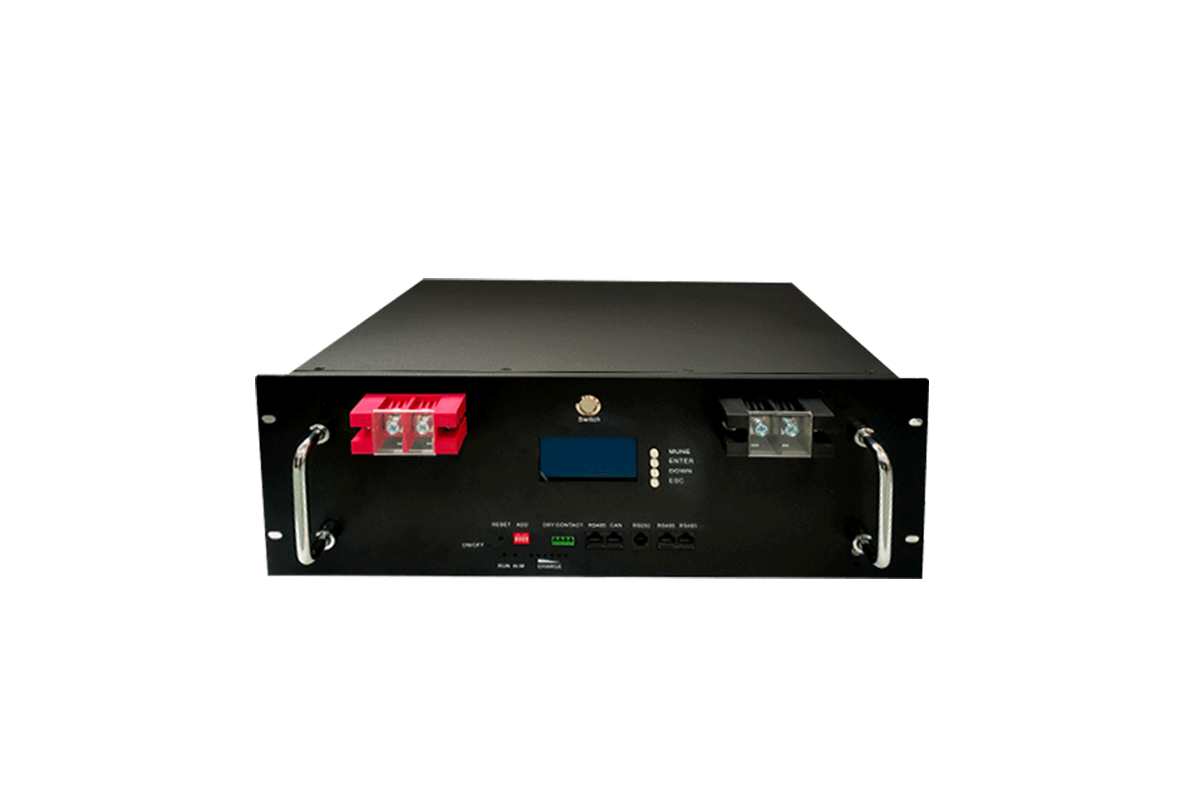
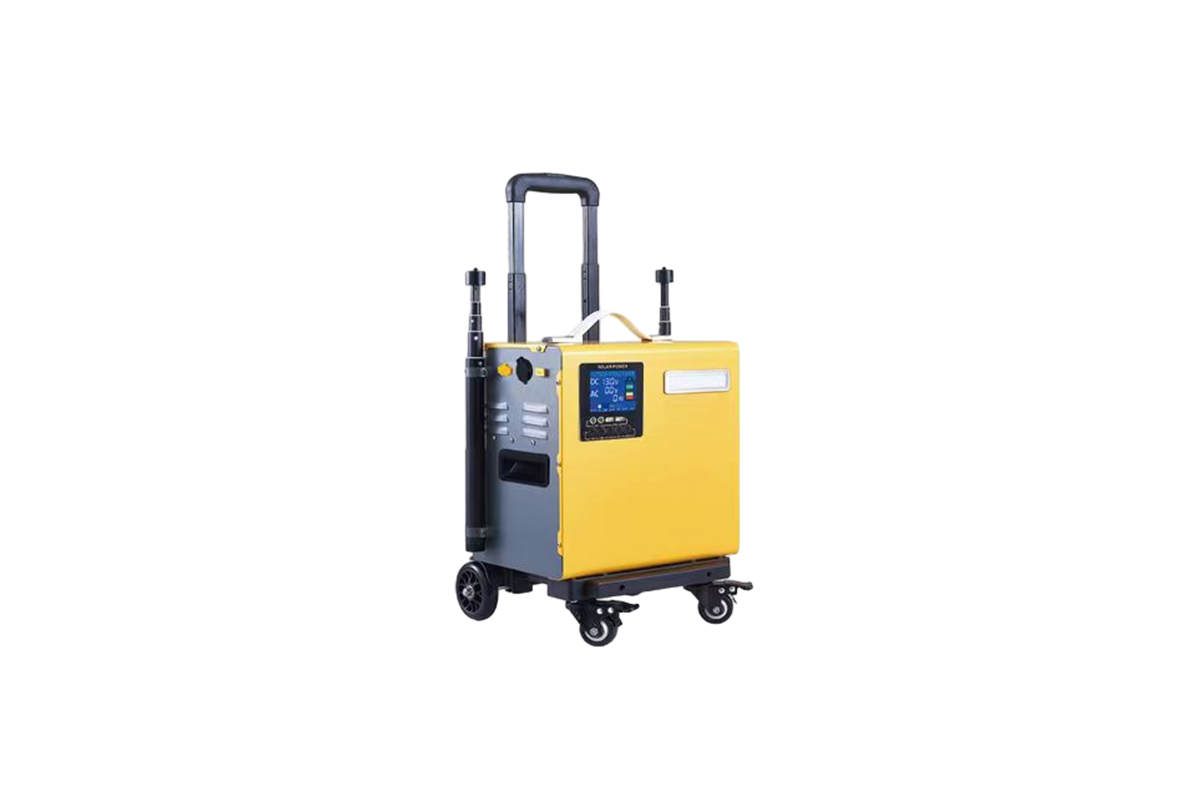
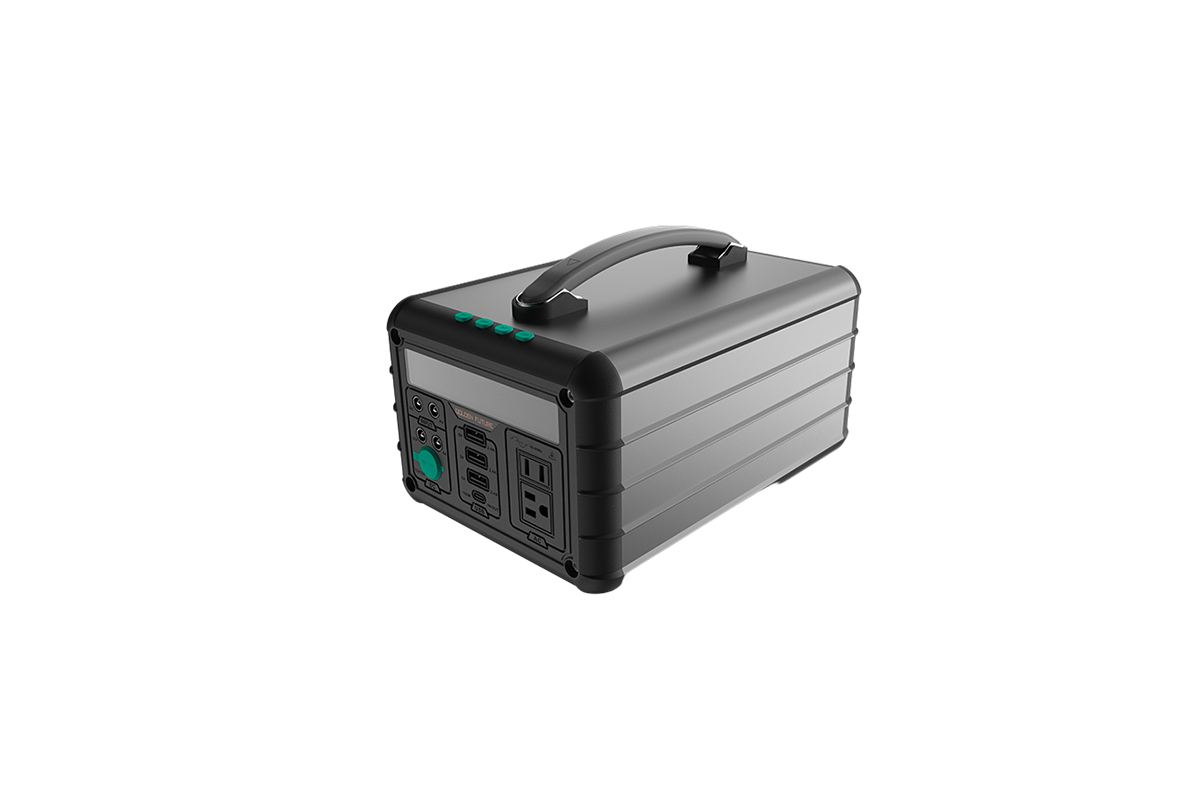
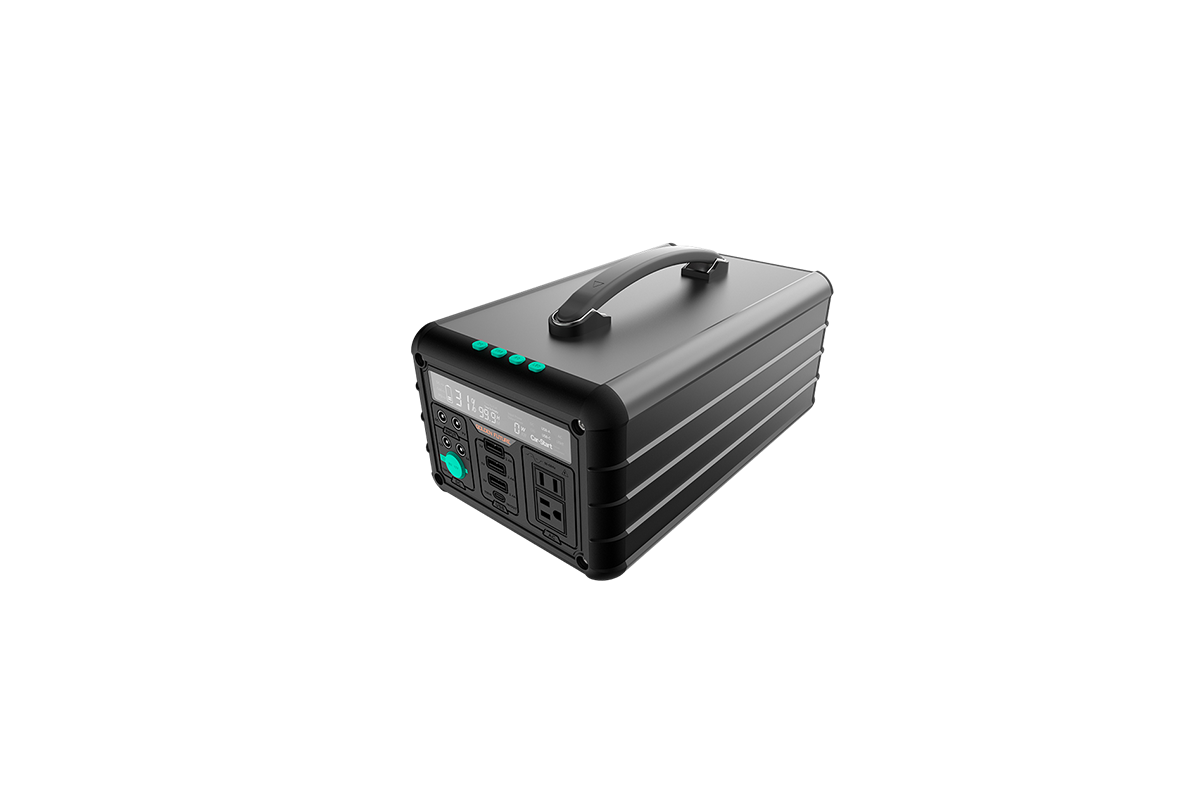
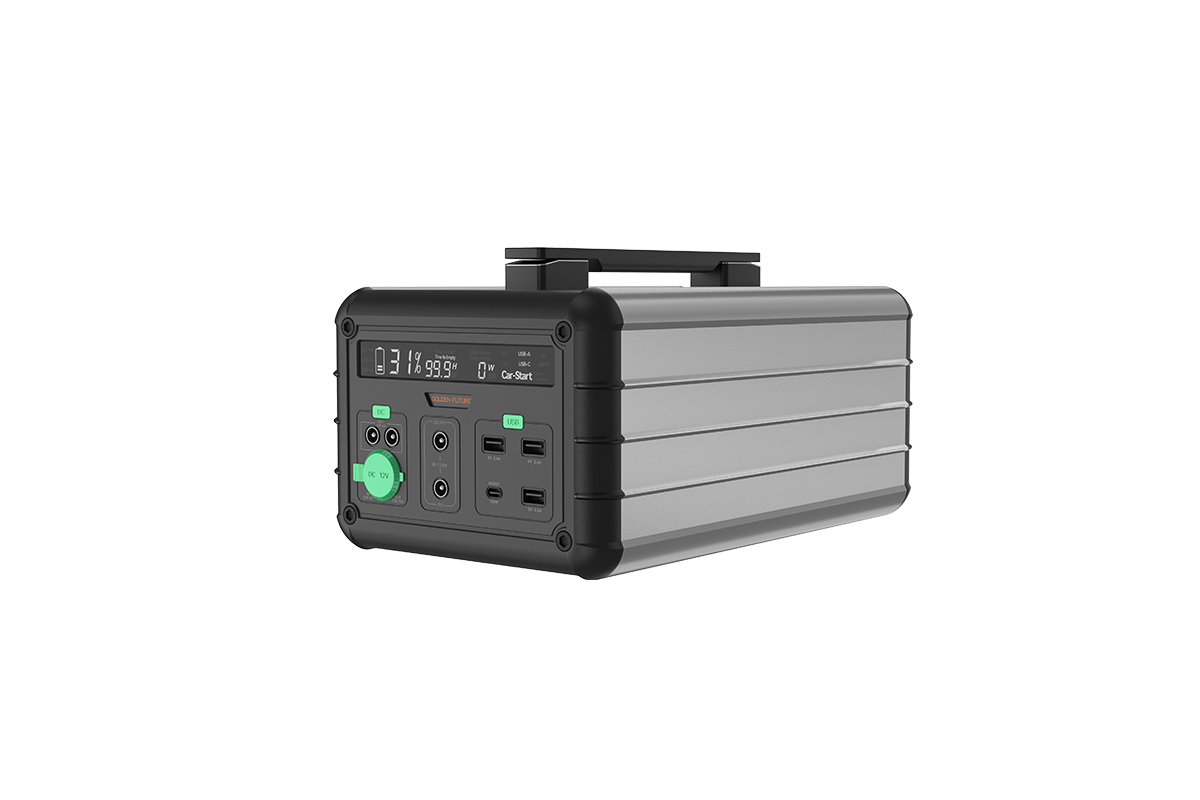
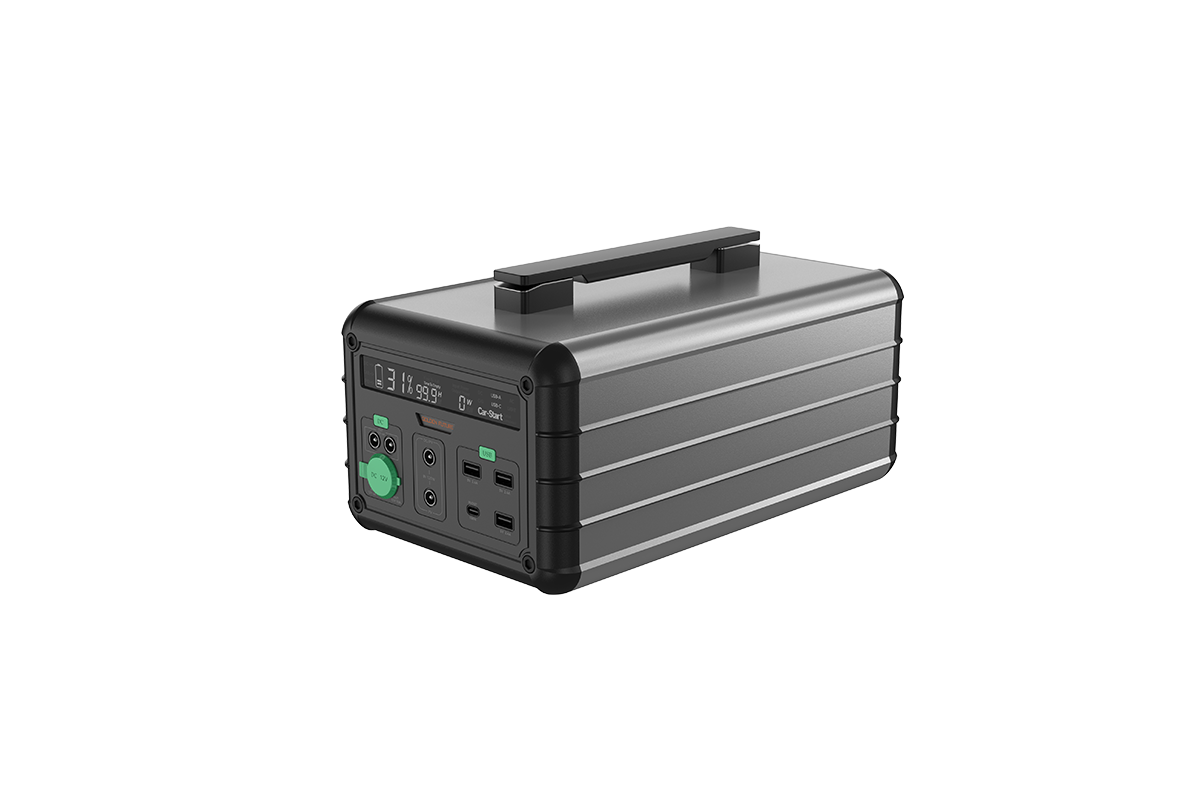
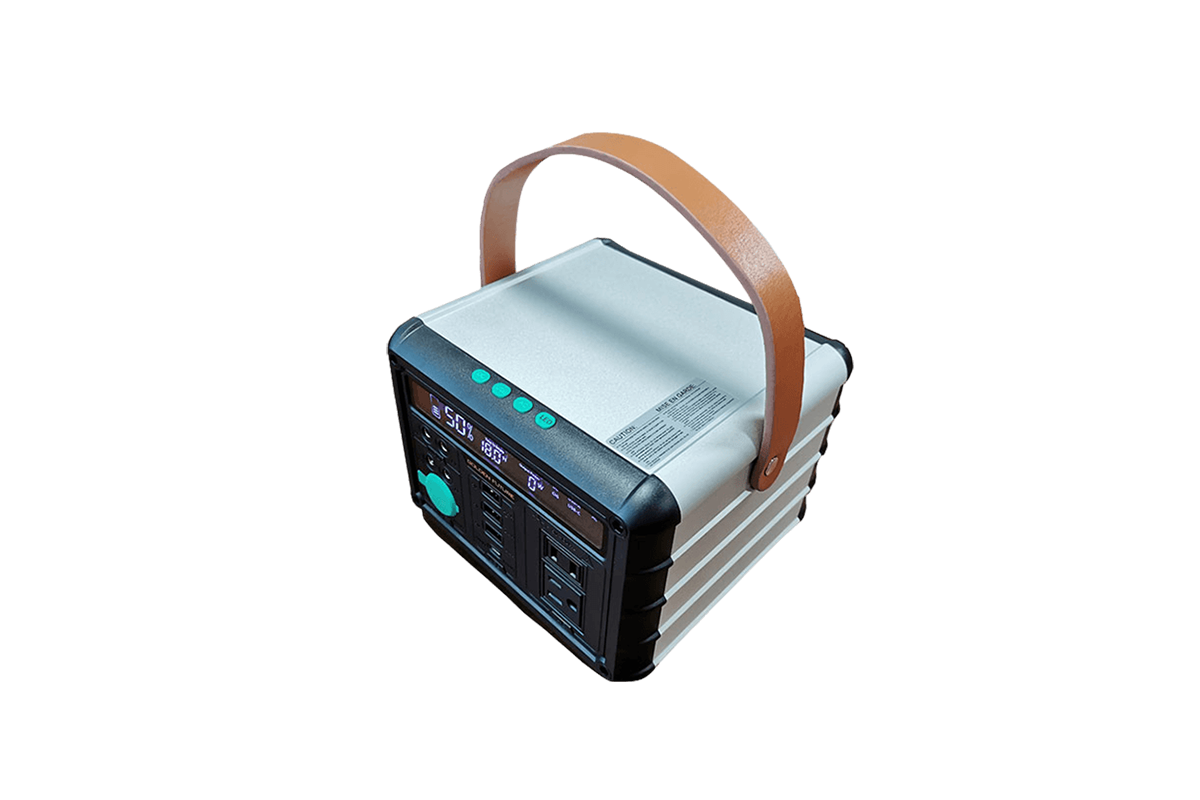
The Lithium Energy Storage Battery is a versatile, high-performance energy storage solution that leverages lithium-based chemistries (including LiFePO4, Li-ion NCM, and Li-ion LFP) to deliver superior energy density, cycle life, and efficiency compared to traditional storage options like lead-acid. Unlike niche energy storage technologies (such as flow batteries, which are limited to large-scale applications), lithium batteries are scalable—suitable for residential, commercial, and utility-scale use—making them the most widely adopted energy storage solution globally.
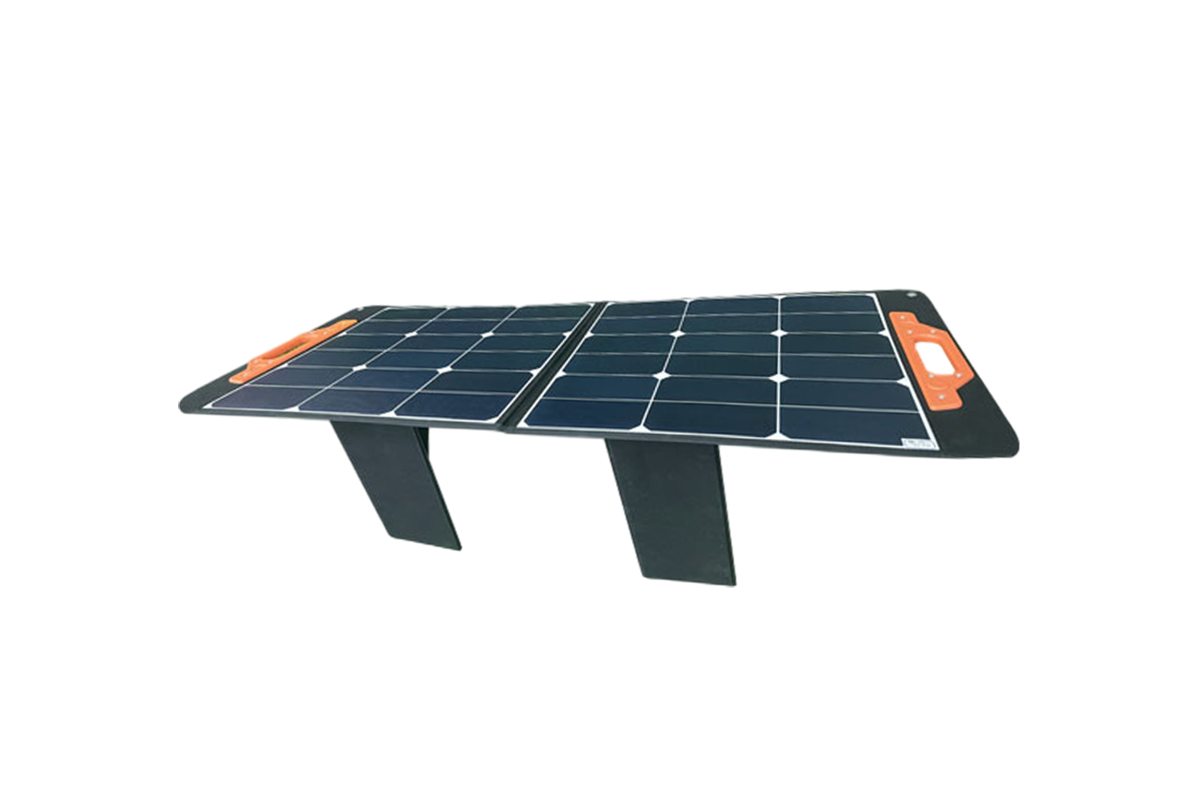
Its key advantages stem from lithium chemistry: high energy density, long cycle life, and fast charging. Lithium batteries offer 2–3 times more energy density than lead-acid batteries, meaning they can store more energy in a smaller, lighter package—critical for space-constrained applications like apartments or RVs. A typical 10kWh lithium battery is half the size and weight of a 10kWh lead-acid battery. Cycle life is another strength: most lithium batteries last 2,000–6,000 charge-discharge cycles (at 80% DoD), compared to 500–1,000 cycles for lead-acid, translating to 8–15 years of use. They also charge faster—capable of accepting high charging currents (e.g., 1C or higher), allowing them to capture more solar energy during short peak sunlight periods. For example, a 5kWh lithium battery can fully charge in 1–2 hours with a 5kW solar input, while a lead-acid battery of the same capacity would take 4–6 hours.
Versatility and safety (depending on chemistry) are key features. Lithium energy storage batteries are available in various voltages (12V, 24V, 48V, 51.2V) and capacities (1kWh–100kWh+), making them suitable for diverse applications: 5kWh–15kWh models for residential solar storage, 20kWh–50kWh for small businesses, and 100kWh+ for utility-scale projects. LiFePO4 variants are the safest, with non-flammable chemistry and resistance to thermal runaway, while Li-ion NCM offers higher energy density (ideal for portable applications). All lithium batteries include a BMS to monitor cell health, prevent overcharging/discharging, and ensure balanced performance. They also support smart integration with solar systems, grids, and IoT platforms, enabling features like demand response (adjusting discharge during grid peak demand) and remote monitoring. While upfront costs are higher than lead-acid, lithium batteries offer lower total cost of ownership over their lifespan due to longer life and lower maintenance. For users seeking a scalable, efficient, and long-lasting energy storage solution across applications, the Lithium Energy Storage Battery is the gold standard.




 59911926@qq.com/sales@goldenfuturehk.com
 13316809242 / 15816897019
 Inquiry
 Home >