





Time:2025-12-04 Views:1
A Comprehensive Guide to Lightweight Portable Energy Storage Power Supplies
1. Definition and Core Positioning
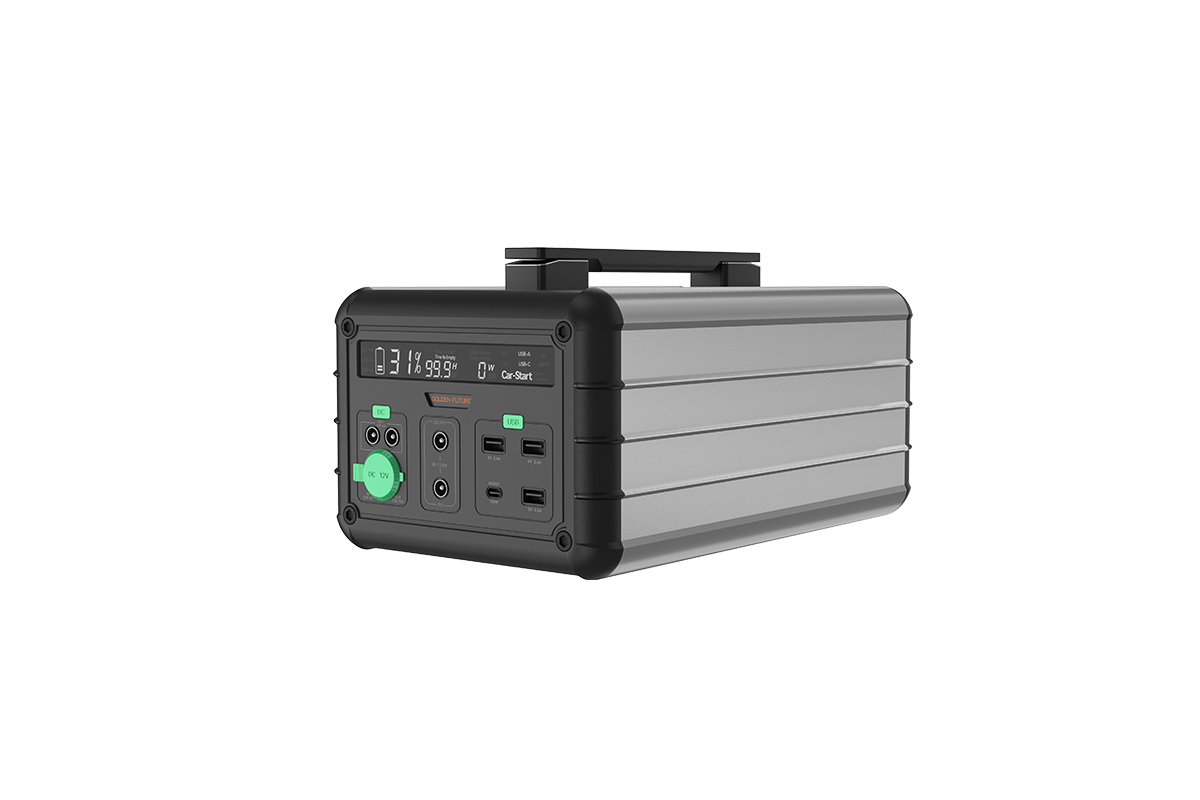
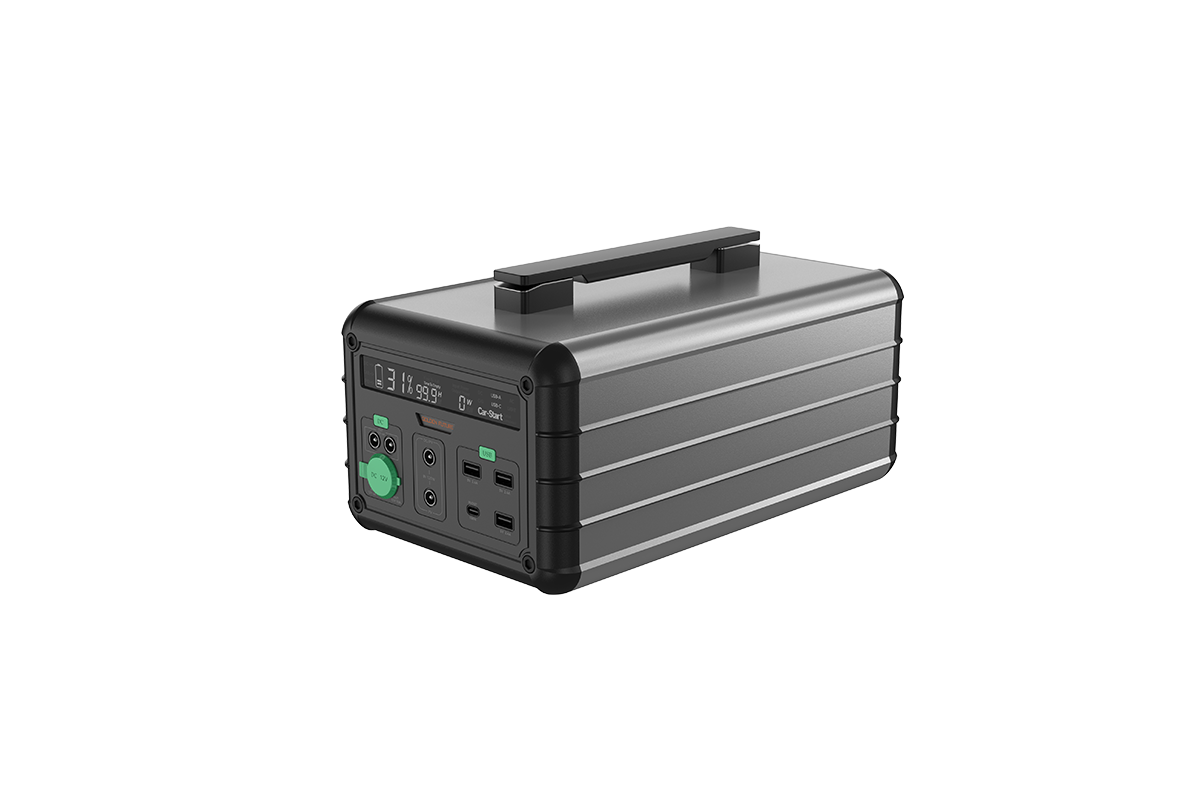
A lightweight portable energy storage power supply is a compact, low-weight energy storage device designed to provide on-demand electricity for small to medium-sized electronic devices and appliances. Unlike traditional heavy backup power systems (such as diesel generators or large lead-acid battery packs), it focuses on mobility and energy efficiency, typically weighing between 1kg and 15kg and offering a capacity range of 100Wh to 2000Wh. It serves as a bridge between fixed power grids and off-grid electricity needs, solving the problem of "power access anytime, anywhere."
2. Key Features
2.1 Lightweight and Portable Design
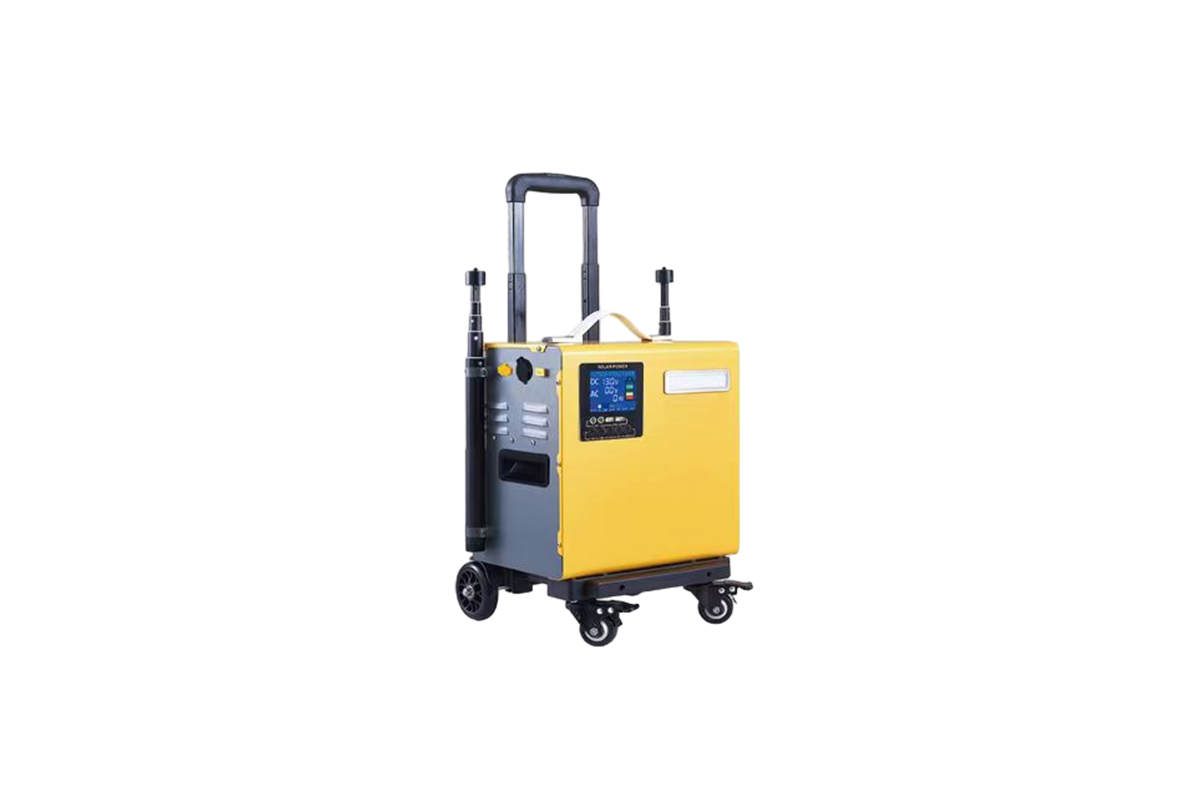
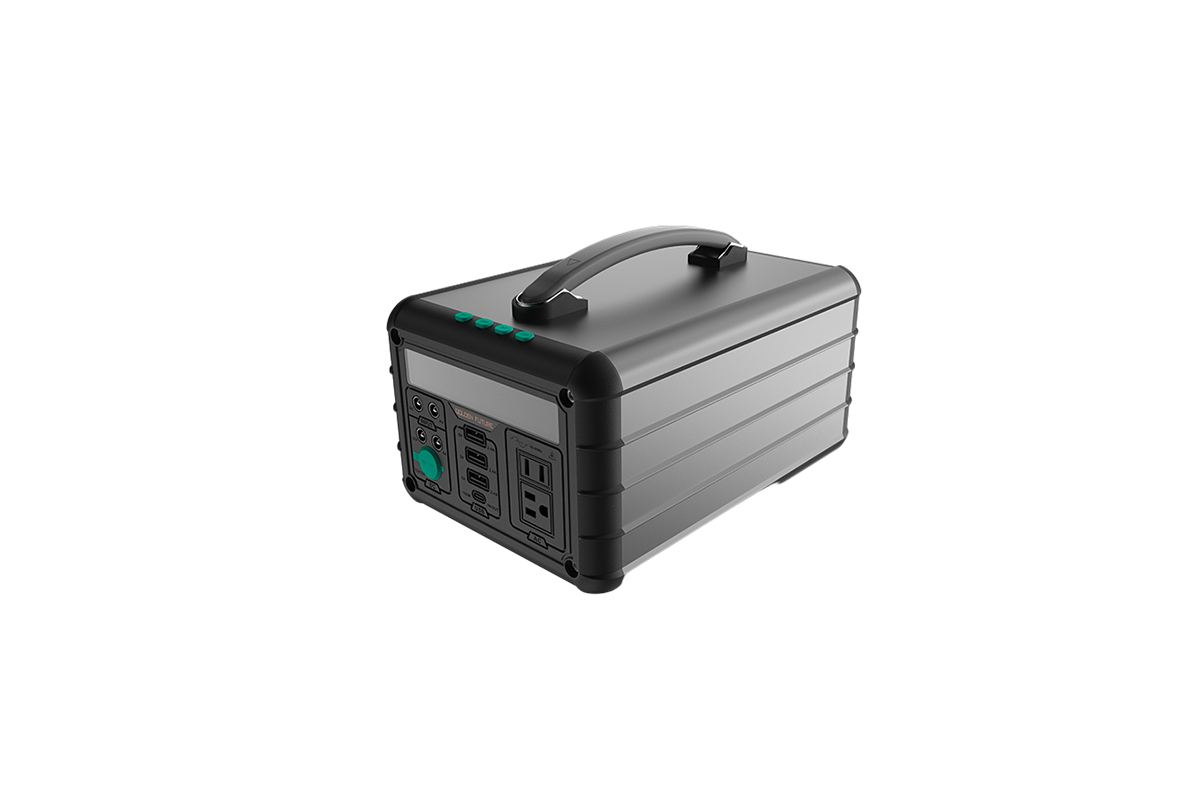
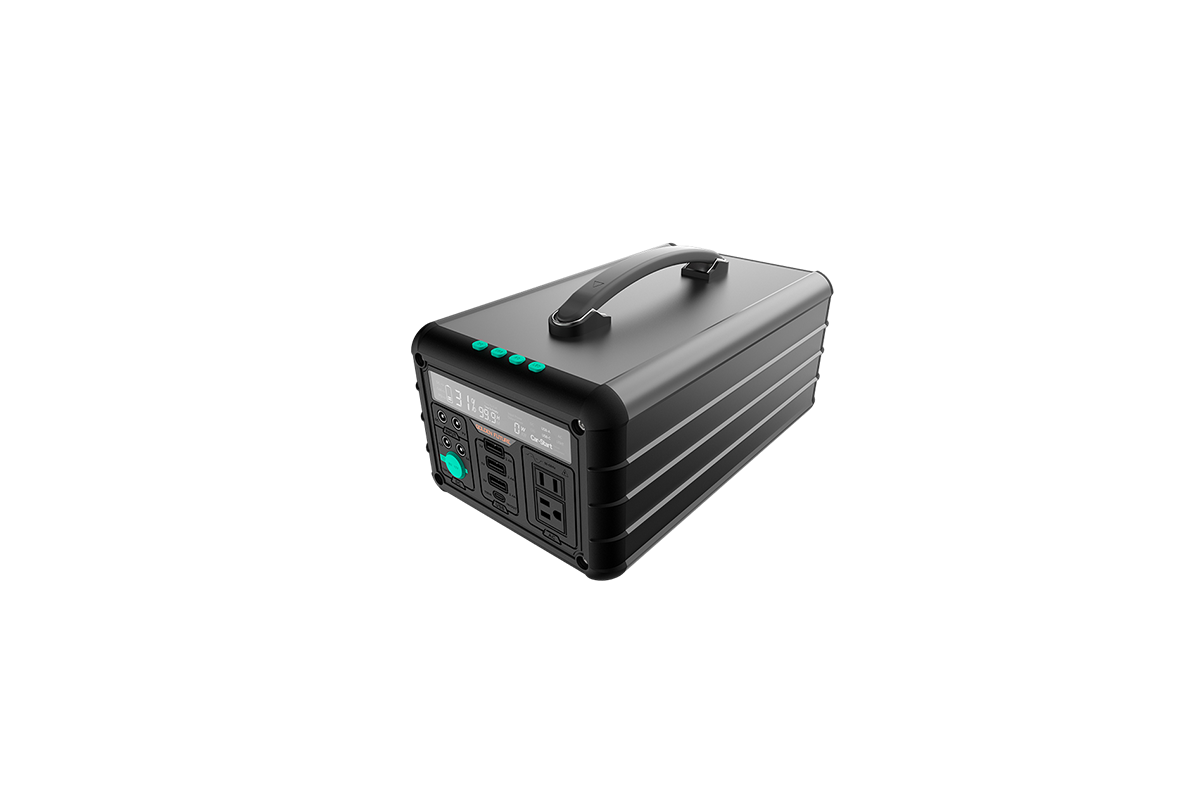
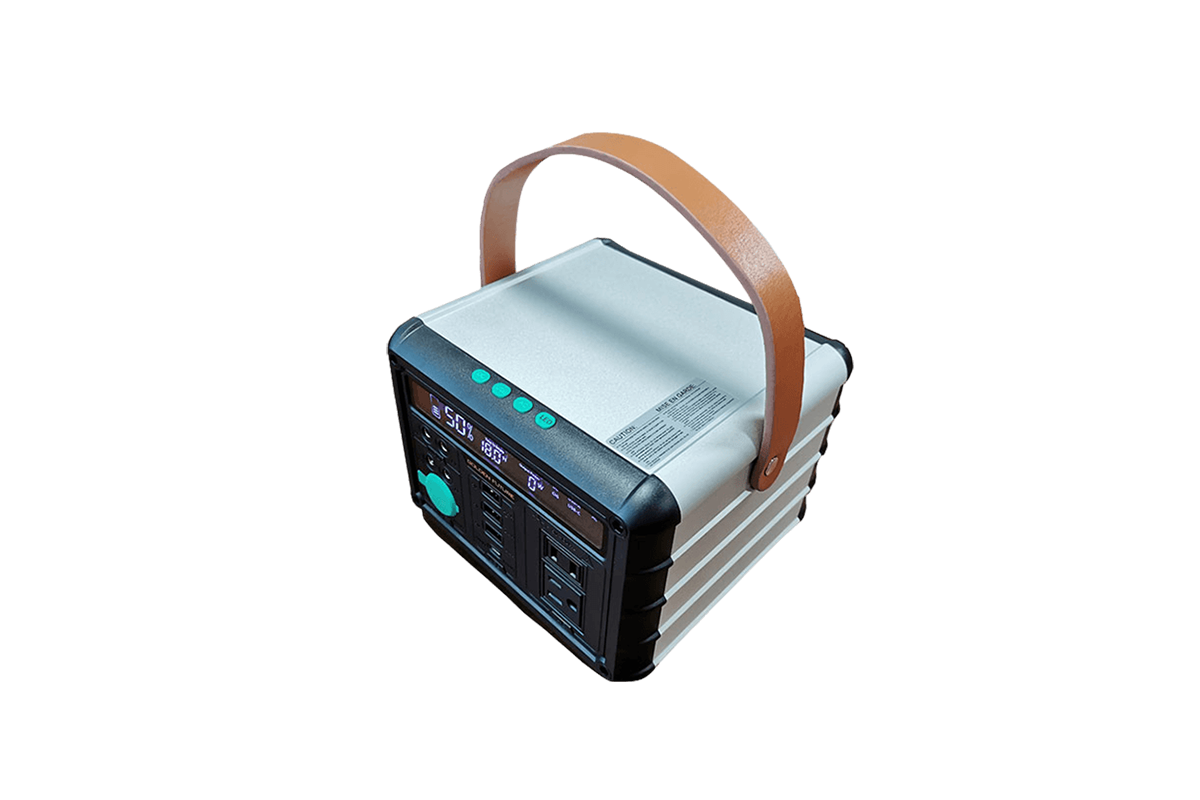
Material Selection: Adopts high-strength, low-density materials such as aluminum alloy frames and ABS engineering plastics to reduce overall weight while ensuring structural durability. For example, 1000Wh products on the market can weigh as little as 5kg, making them easy to carry by hand or with a shoulder strap.
Compact Structure: Optimized internal layout (e.g., integrating batteries and inverters) reduces volume. Many models are similar in size to a laptop, fitting into backpacks or car trunks.
2.2 High-Efficiency Energy Storage and Output
Battery Technology: Mainly uses lithium-ion batteries (e.g., LiFePO4) with high energy density, long cycle life (up to 3000 charge-discharge cycles), and low self-discharge rate (less than 5% per month).
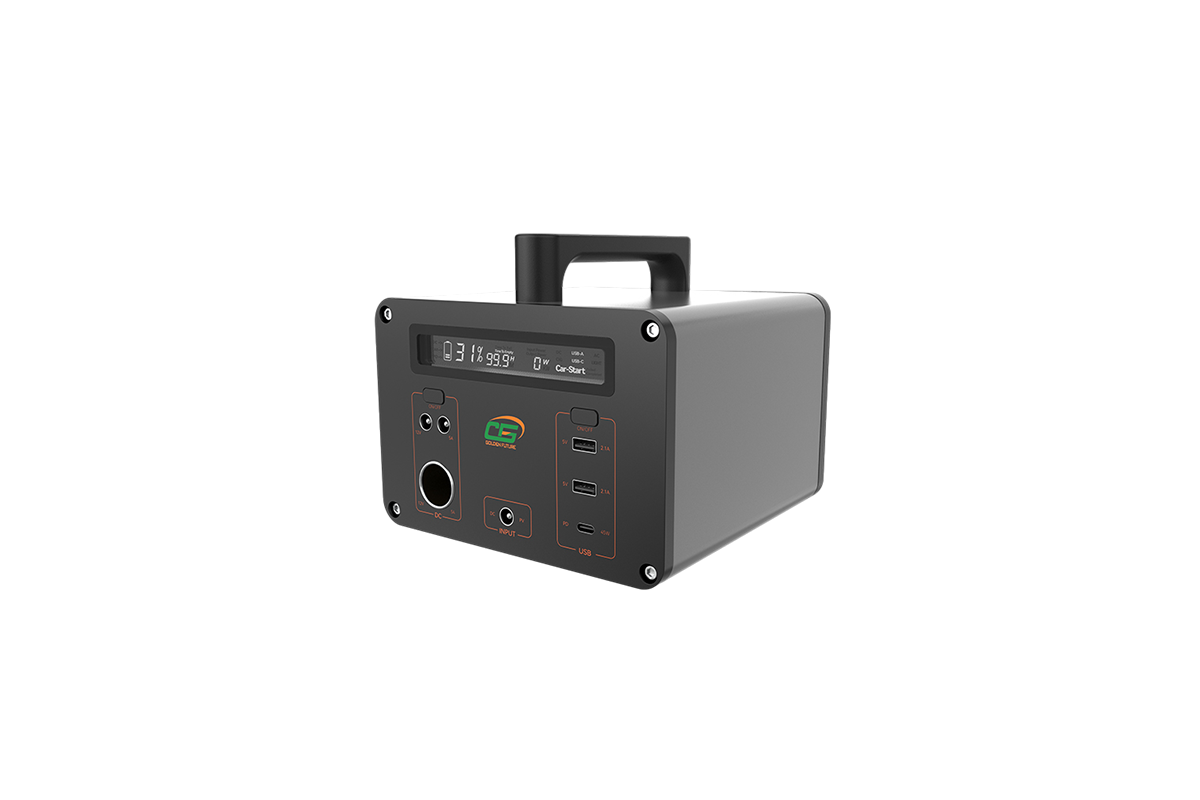
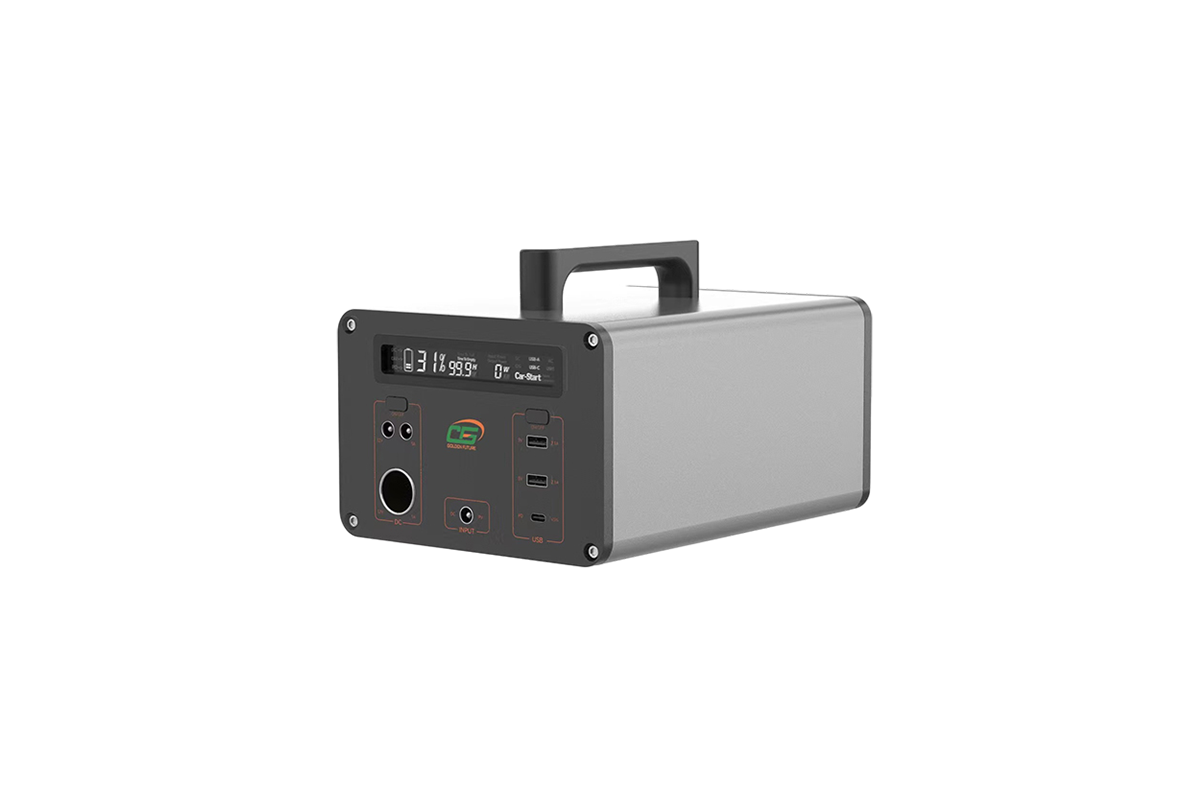
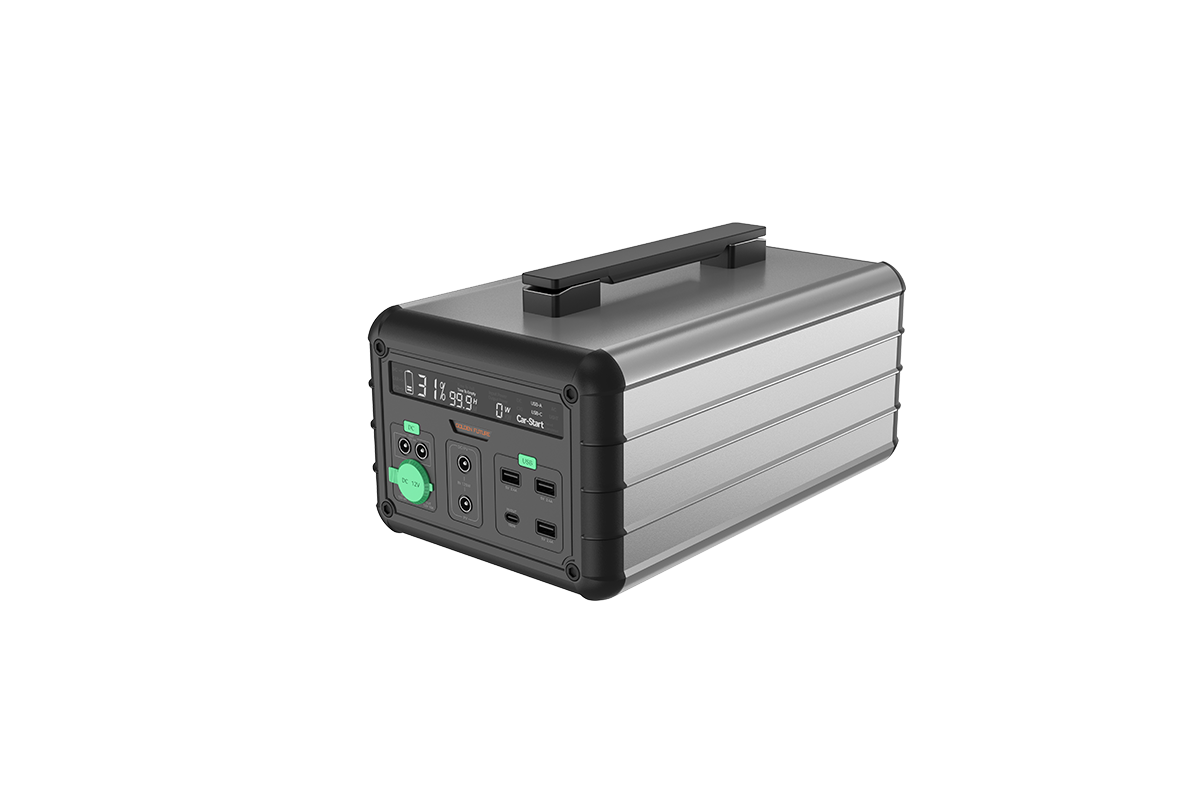
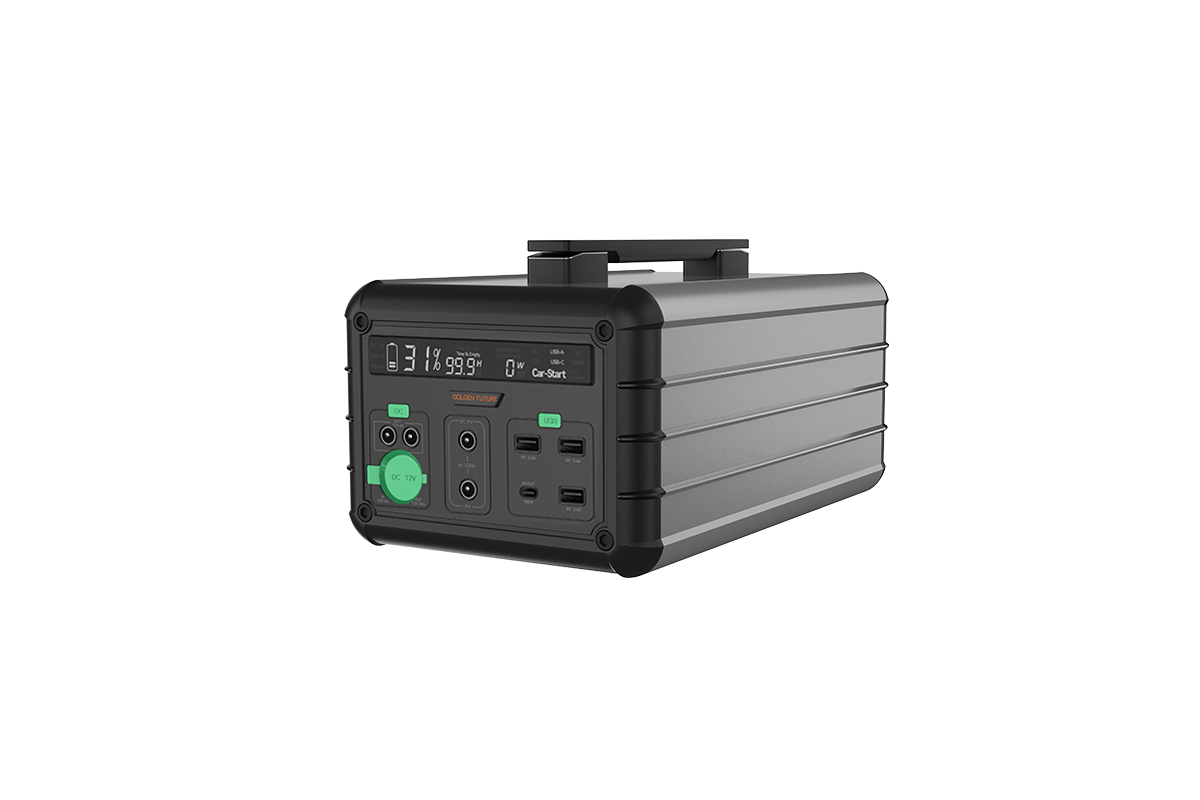
Versatile Output Ports: Equipped with multiple interfaces to match different devices, including AC sockets (110V/220V for small appliances like rice cookers), DC ports (12V for car refrigerators), and USB ports (5V/2A for smartphones, tablets, and cameras).
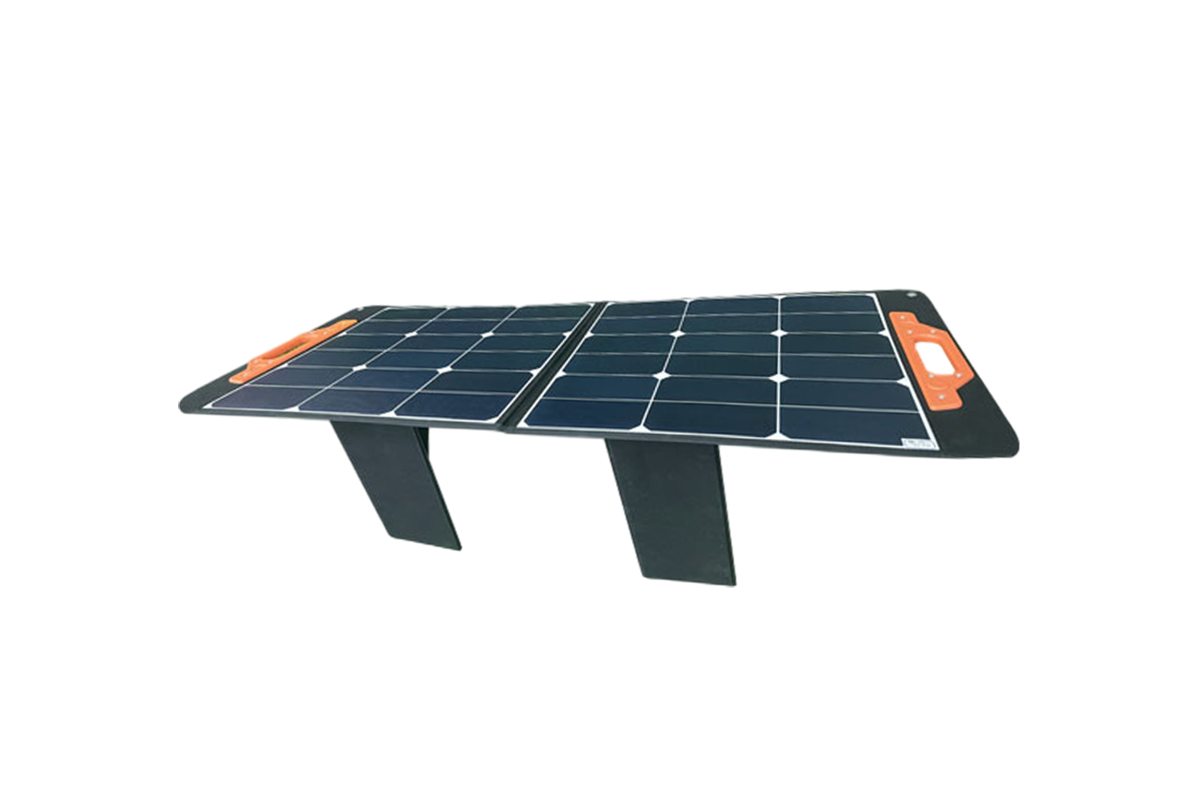
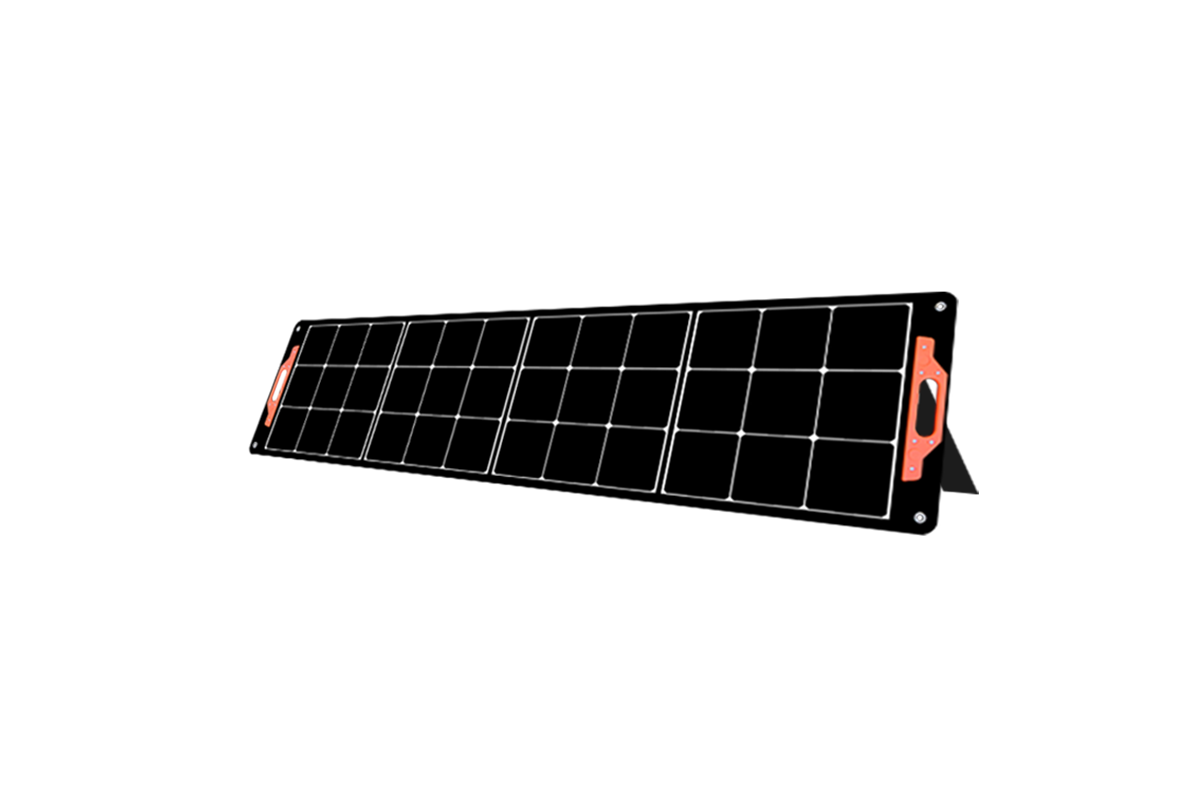
Fast Charging: Supports multiple charging methods—AC grid charging (0-100% in 1-3 hours), solar charging (compatible with 60-200W solar panels for off-grid use), and car charging (convenient for road trips).
2.3 Safety and Reliability
Multi-Level Protection: Built-in safeguards against overcharge, over-discharge, short circuit, overheating, and voltage fluctuation to prevent battery damage or fire hazards.
Environmental Adaptability: Designed with IP54 or higher waterproof and dustproof ratings, and can operate in a wide temperature range (-10°C to 45°C), suitable for outdoor environments like camping or fieldwork.
3. Typical Application Scenarios
3.1 Outdoor Leisure
Camping and Hiking: Powers LED lights, portable stoves, and projectors for nighttime activities; charges cameras and drones to capture outdoor scenery.
RV and Boat Trips: Serves as a supplementary power source for small appliances (e.g., mini-fridges, coffee makers) without relying on vehicle engines or shore power.
3.2 Emergency Backup
Home Power Outages: Supplies electricity to essential devices like routers, medical equipment (e.g., oxygen concentrators for the elderly), and LED lamps during blackouts caused by natural disasters (typhoons, earthquakes) or grid failures.
Field Work: Supports tools for geological surveys, environmental monitoring, and construction sites (e.g., laser levels, portable printers) where grid access is unavailable.
3.3 Daily Mobility
Mobile Offices: Powers laptops, portable monitors, and wireless microphones for remote work or outdoor meetings.
Travel: Charges multiple devices simultaneously during long journeys, avoiding the hassle of searching for power outlets in airports or train stations.
4. Technical Considerations for Selection
Capacity Matching: Choose based on actual needs. For example, a 500Wh model can power a laptop (50W) for 8-10 hours or a smartphone (10Wh per charge) for 40-50 charges; a 1500Wh model is suitable for small appliances like 600W rice cookers (usable for 2-3 hours).
Weight and Portability: Prioritize lighter models (below 8kg) for frequent carrying (e.g., hiking); heavier models (10-15kg) can be considered for fixed scenarios like RV trips.
Charging and Output Efficiency: Check the inverter efficiency (preferably above 85%) and solar charging compatibility (to reduce reliance on grid power in off-grid areas).
Brand and After-Sales Service: Opt for well-known brands with certified products (e.g., CE, FCC, ROHS) and reliable after-sales support (warranty periods of 2-5 years are common).
5. Market Status and Future Trends
5.1 Current Market Landscape
Rapid Growth: Driven by the rising demand for outdoor activities and emergency preparedness, the global lightweight portable energy storage market is expanding at a CAGR of over 30%. Key players include EcoFlow, Jackery, Anker, and Goal Zero.
Policy Support: Many countries (e.g., China, the EU, and the US) promote renewable energy storage, offering subsidies or tax incentives for portable energy storage products, further boosting market development.
5.2 Future Development Trends
Higher Energy Density: The adoption of new battery technologies (e.g., solid-state batteries) will reduce weight while increasing capacity—future 2000Wh models may weigh less than 10kg.
Intelligent Integration: Added smart features such as APP remote control (to monitor remaining power and charging status), voice control, and compatibility with smart home systems.
Sustainability: Use of recycled battery materials and modular designs (allowing battery replacement to extend product life) to reduce environmental impact.
Scenario-Specific Optimization: Development of specialized models, such as ultra-lightweight versions for mountaineering (below 3kg) and high-power versions for outdoor events (supporting 1500W+ appliances like electric grills).
6. Conclusion
Lightweight portable energy storage power supplies have become an essential tool in modern life, addressing the growing need for flexible, clean, and reliable electricity. With continuous advancements in battery technology and design optimization, they will further expand their application scope—from enhancing outdoor experiences to improving emergency response capabilities and supporting sustainable energy transitions. When selecting a product, it is crucial to balance capacity, weight, and functionality to meet specific usage requirements, ensuring optimal performance and value.




 59911926@qq.com/sales@goldenfuturehk.com
 13316809242 / 15816897019
 Inquiry
 Home >