





Time:2026-04-03 Views:491
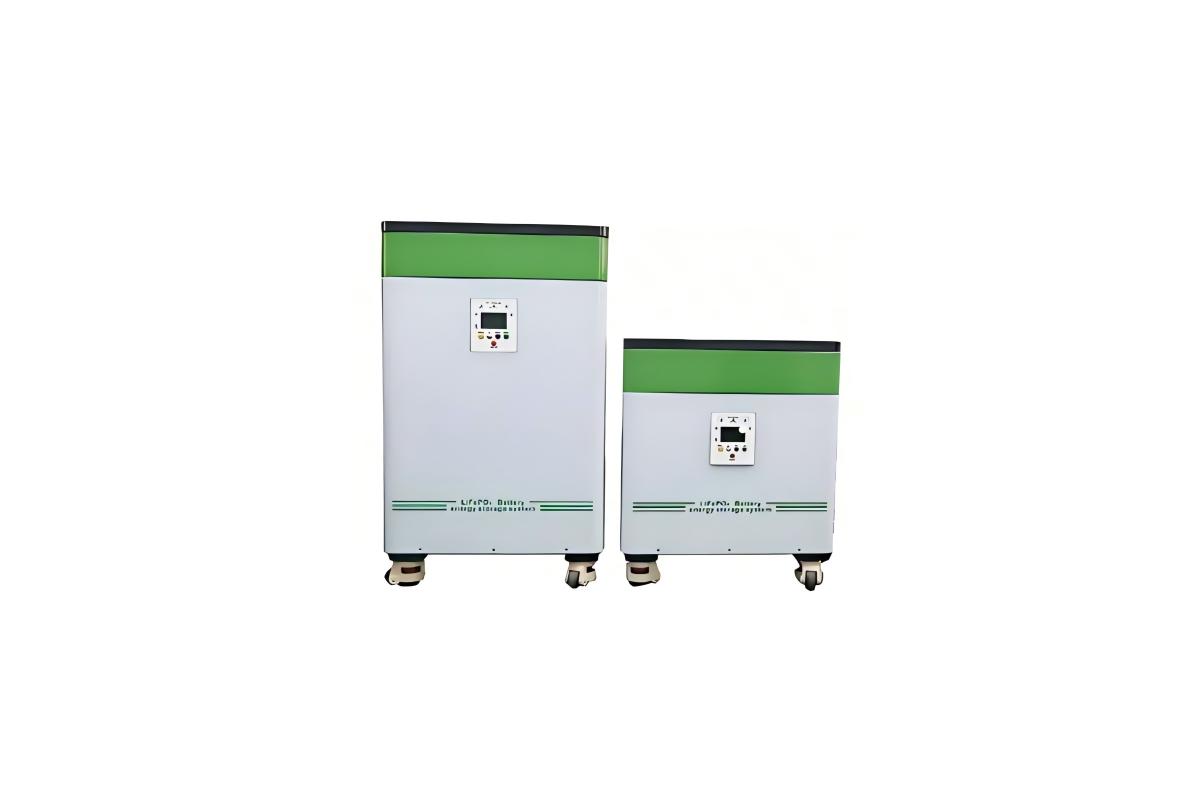
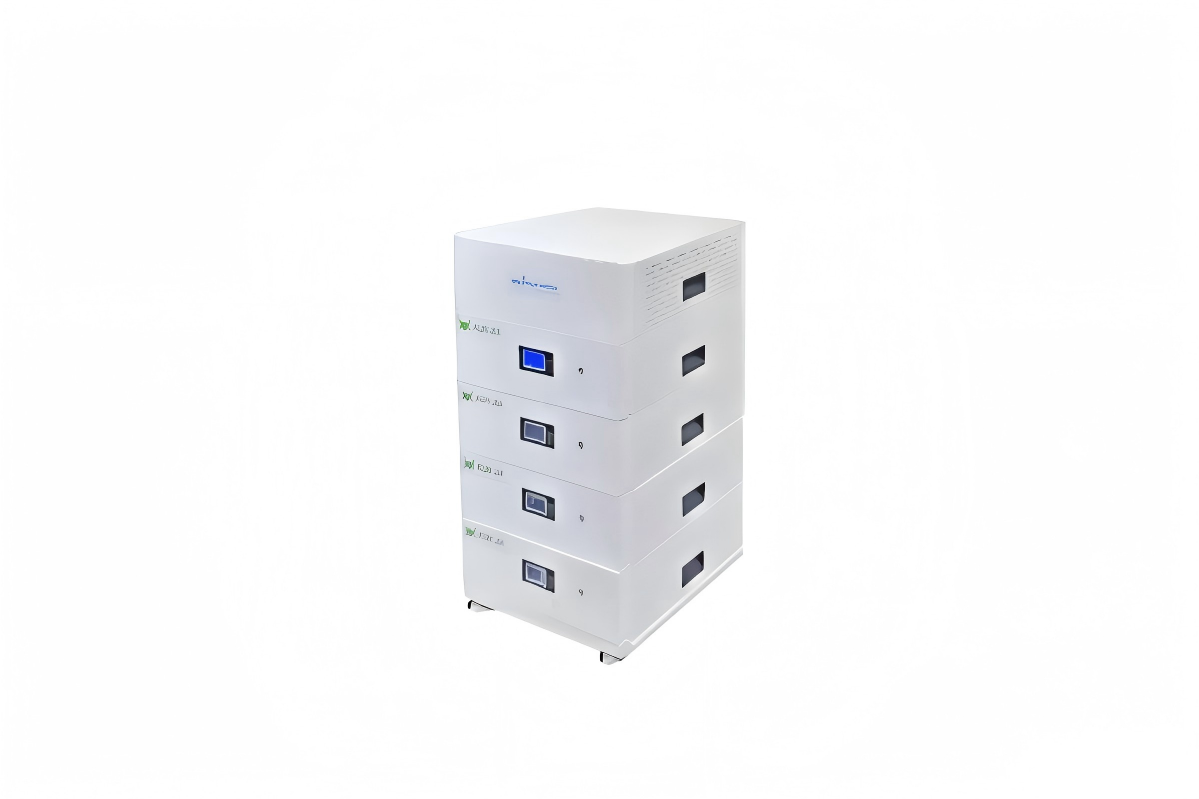
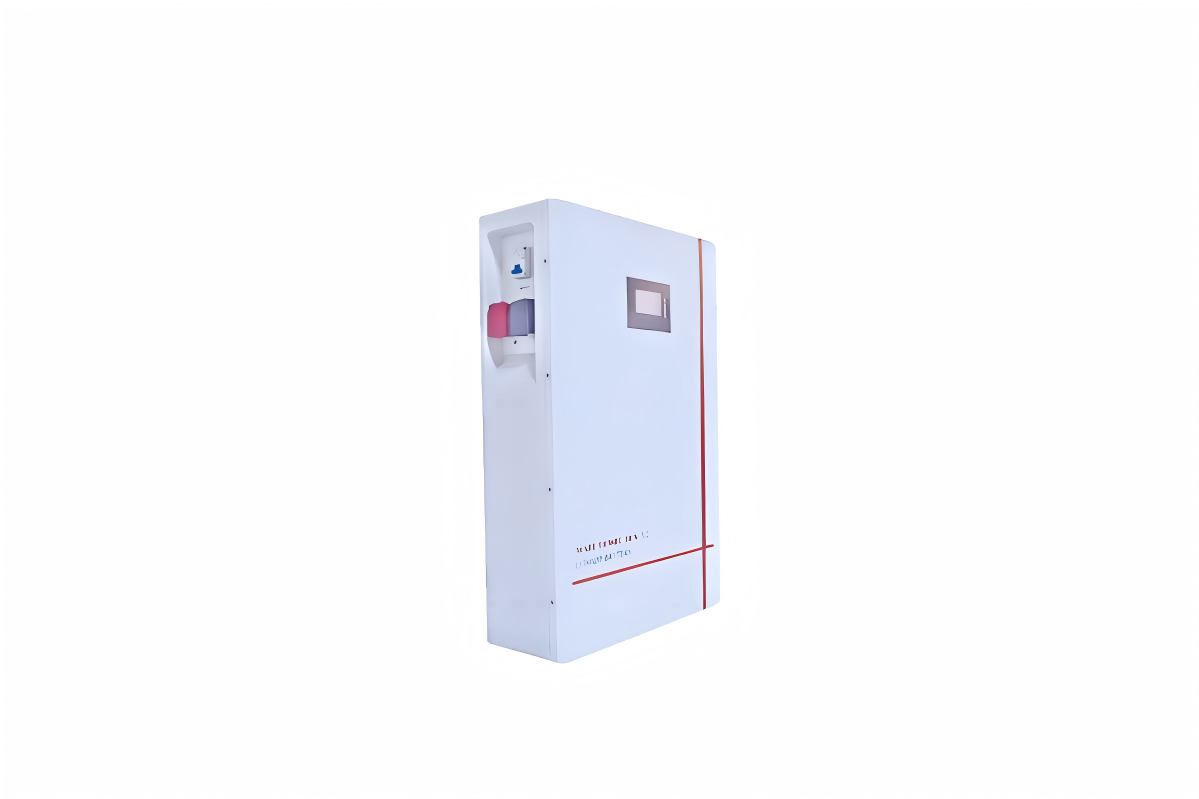
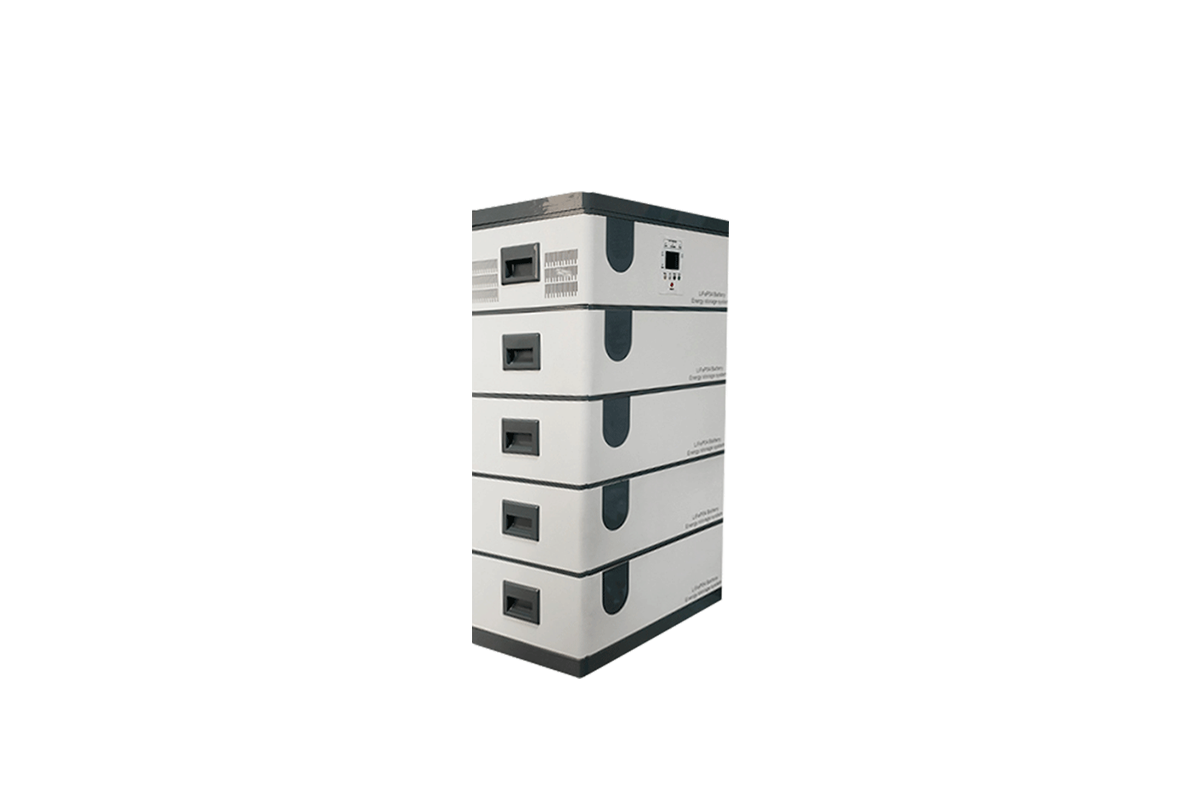
The lifespan of home energy storage batteries varies significantly depending on the battery type, usage patterns, operating conditions, and maintenance practices, with most modern batteries lasting between 8-15 years. The key factor influencing lifespan is the number of charge-discharge cycles the battery can withstand, as well as the depth of discharge (DOD) during each cycle. For example, lithium iron phosphate (LiFePO4) batteries, the most common type for home storage, have a cycle life of 3,000-5,000 cycles when discharged to 80% DOD, which translates to 8-12 years of service life under normal household use (assuming one full charge-discharge cycle per day).
Usage patterns play a crucial role in determining battery lifespan. Batteries that are frequently discharged to a high DOD (e.g., 100%) will have a shorter lifespan than those discharged to a lower DOD (e.g., 80%). Similarly, frequent deep discharges and rapid charging can accelerate battery degradation. For home energy storage systems, it is recommended to keep the DOD between 20-80% to maximize lifespan. Operating temperature also affects battery lifespan – batteries stored and operated in extreme temperatures (below -20°C or above 60°C) will degrade more quickly than those in a moderate temperature range (10-30°C). Most home energy storage batteries are designed to operate within this moderate range, but additional insulation or cooling may be required in harsh climates.
Maintenance practices also impact battery lifespan. Lithium batteries require minimal maintenance, but regular monitoring of the battery management system (BMS) to ensure proper charging and discharging, as well as keeping the battery clean and free from dust and moisture, can extend its life. Lead-acid batteries, on the other hand, require regular maintenance, such as checking electrolyte levels and adding distilled water, to prevent premature failure. Additionally, the quality of the battery and the components (such as the inverter and charge controller) can affect lifespan – high-quality batteries with a reliable BMS and compatible components will last longer than low-quality alternatives. With proper use and maintenance, a home energy storage battery can provide reliable service for over a decade, making it a worthwhile investment.




 59911926@qq.com/sales@goldenfuturehk.com
 13316809242 / 15816897019
 Inquiry
 Home >